What are you actually eating? 10 foods with deeply deceptive titles


Published on August 1, 2026

Image: New Africa

If you’ve ever ordered a dish expecting a sweet pastry and received a plate of organ meat instead, you have experienced the confusing world of culinary misnomers. Food names are rarely literal. Often, they are shaped by historical slang, ironic jokes, changing definitions, or creative marketing to make a strange dish sound more appetizing. Here are ten of the most famously misleading food names out there.

1

Welsh rabbit

Image: kokofoundit

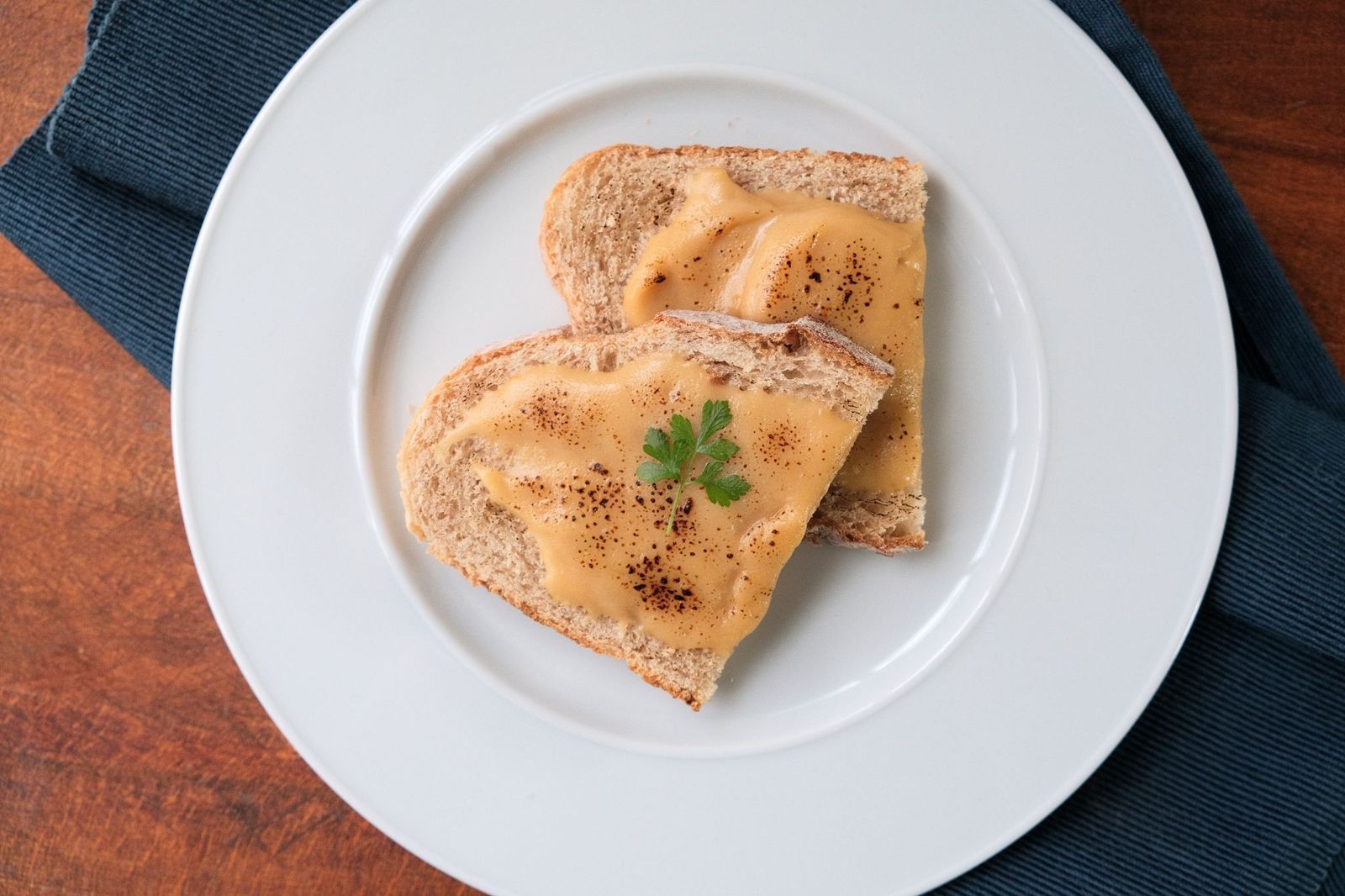
If you order Welsh rabbit expecting a plate of meat, you will be disappointed. Welsh rabbit contains absolutely zero poultry. Instead, it’s a savory comfort dish featuring a melted cheese sauce seasoned with ale, mustard, and Worcestershire sauce, poured hot over toasted bread.

The name originated in 18th-century Britain as a joke. At the time, the Welsh were stereotyped as being particularly fond of cheese, and the name was likely a mocking way to imply that they either couldn’t afford real meat or lacked the hunting skills to catch a rabbit.

2

Sweetbreads

Image: Pozhar_S

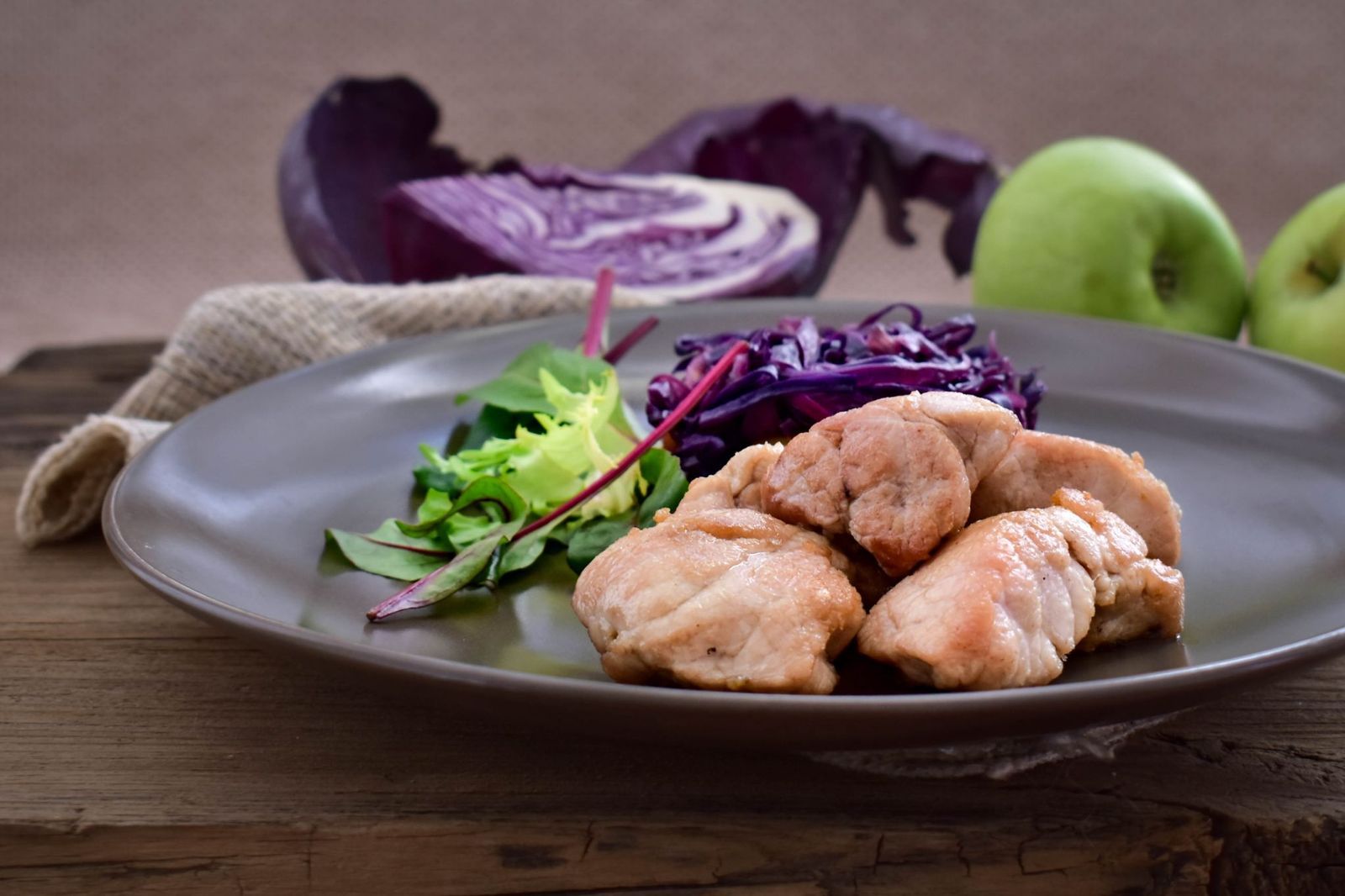
This item is neither sweet nor is it a baked bread. Sweetbreads are a type of offal—the culinary term for organ meats—specifically referring to the thymus gland or pancreas of a calf or a lamb.

The origin of this deceptive name has two linguistic origins. The "sweet" part likely refers to the meat’s delicate and slightly sweet flavor compared to other meats like liver or kidney. The "bread" part comes from the Old English word bræd, which meant flesh or meat. Over the centuries, the spelling shifted to look like a bakery item, leading to modern confusion.

3

Rocky Mountain oysters

Image: Sham Clicks

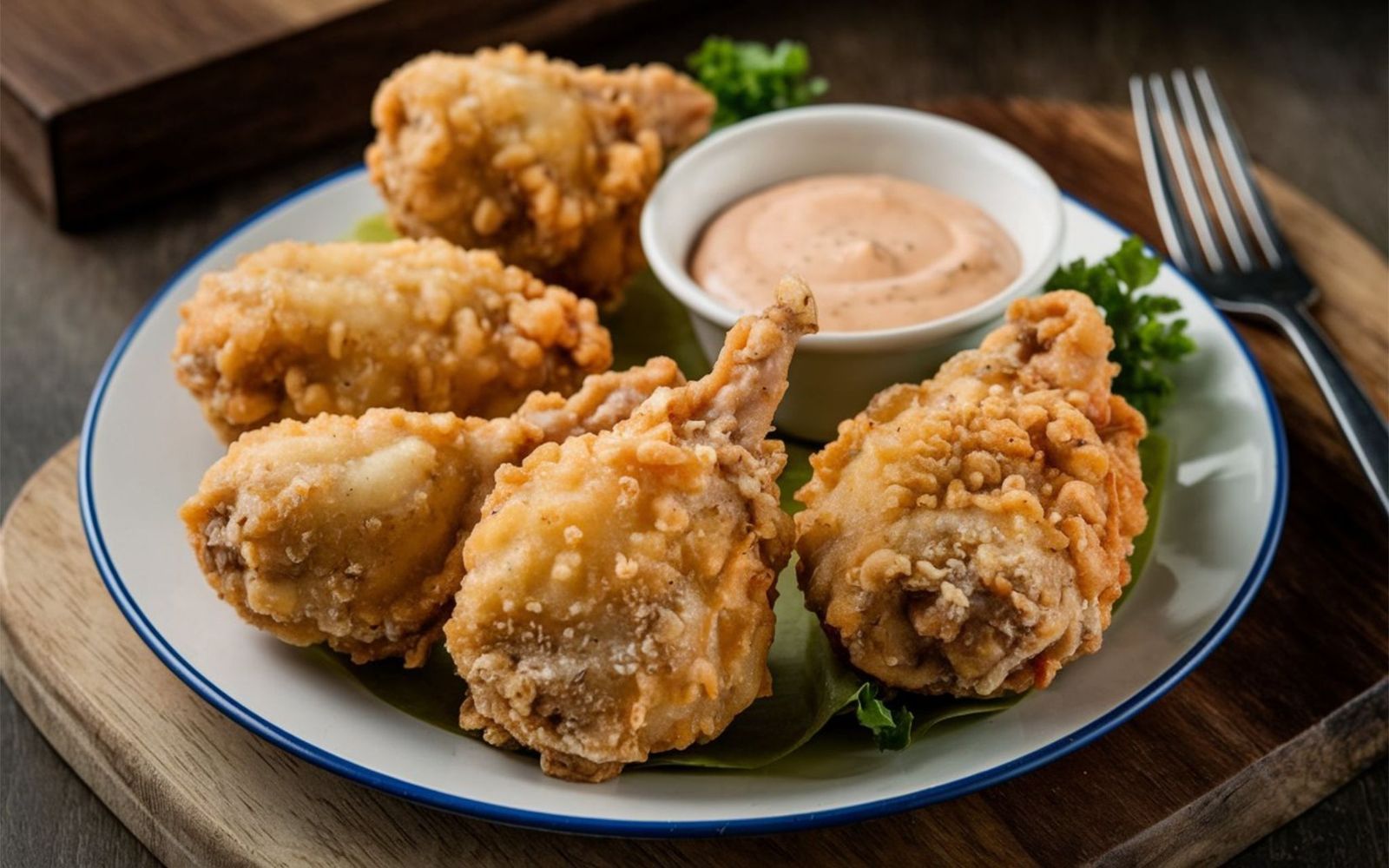
Found mainly on menus across the American West and the Canadian prairies, this dish has nothing to do with oysters. You won’t find any pearls here: Rocky Mountain oysters are bull, pig, or sheep testicles. They are typically peeled, coated in a seasoned flour batter, and finally deep-fried.

The name is a euphemism. When cattle ranchers separated young bulls from the herd, they minimized waste by turning every part of the animal into food. To make the dish sound more attractive, they dubbed them "oysters" for the similar slippery texture of the raw seafood counterparts.

4

Headcheese

Image: Natalia Hanin

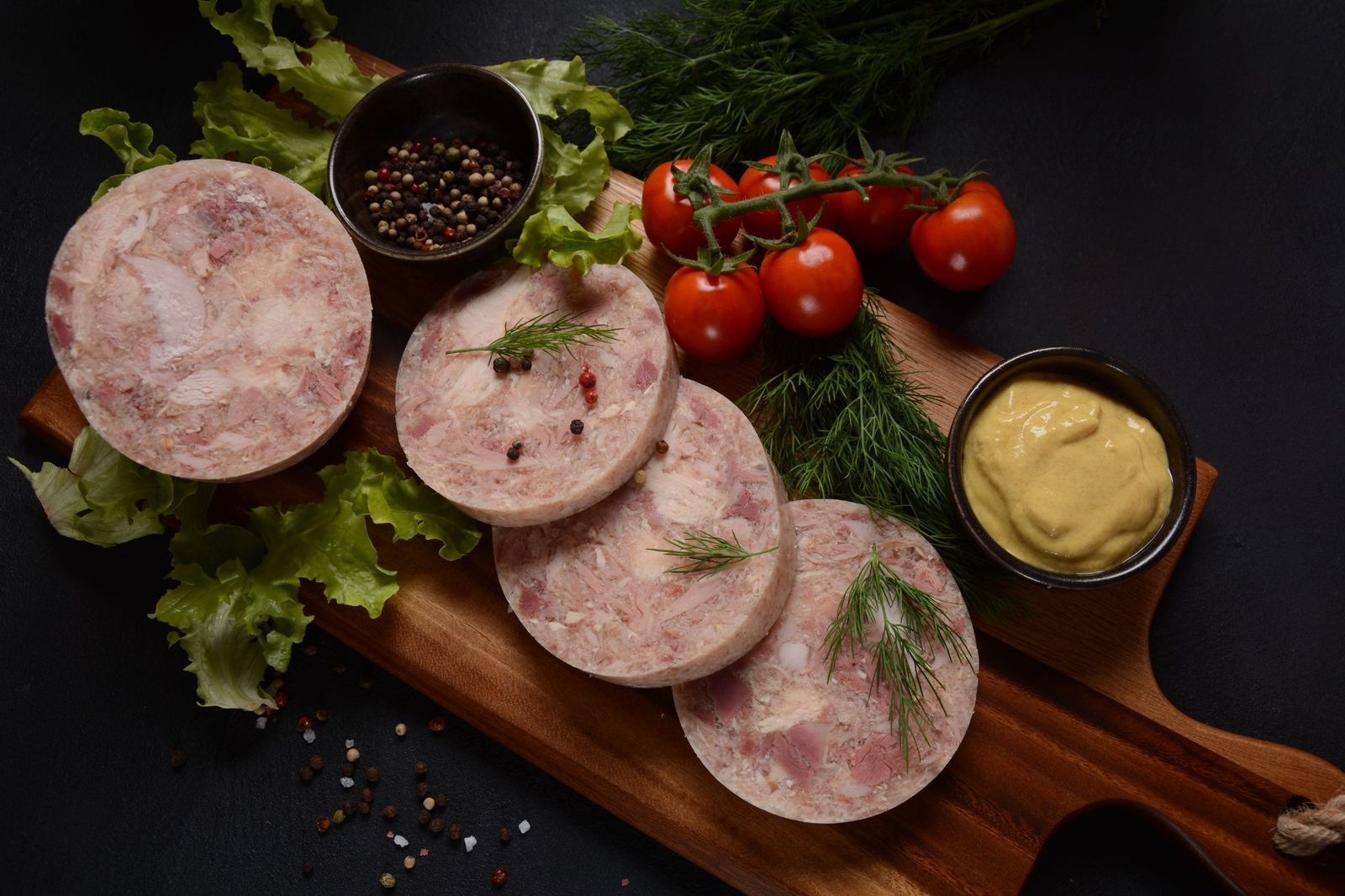
Despite what the name implies, headcheese is a cold cut, specifically a meat jelly or terrine made from the flesh of a pig or calf’s head. The meat is simmered with spices, chopped up, and cooled inside its own natural gelatinous broth until it sets into a sliceable loaf.

The confusion lies in how the word "cheese" used to be used. Historically, "cheese" could refer to any food item that was pressed, molded, and shaped into a solid block or loaf.

5

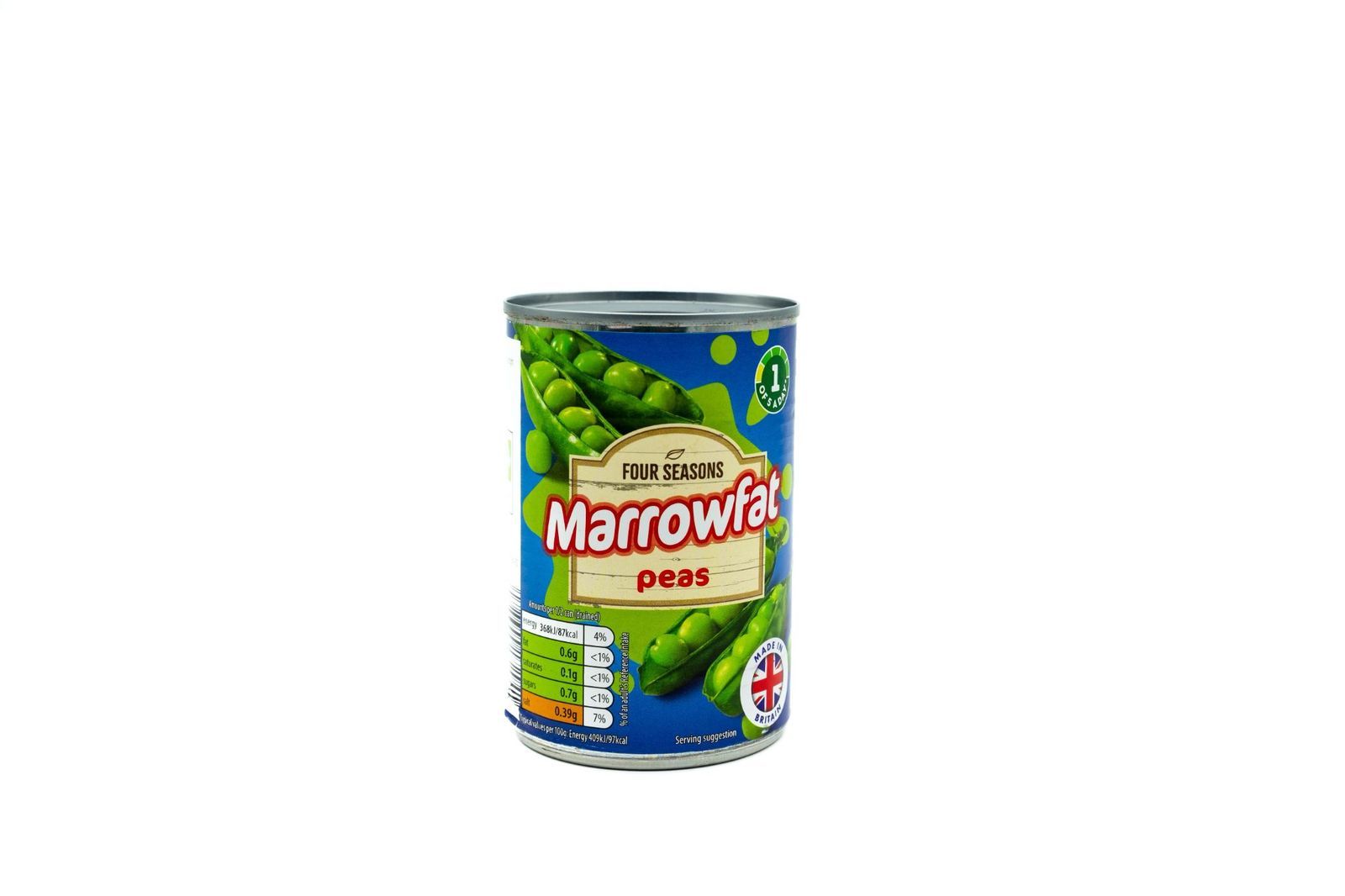
Marrowfat

Image: James McDowall

The name marrowfat evokes images of savory animal fat. In reality, marrowfat is 100% plant-based. Marrowfat peas are a specific variety of large green peas that are left to dry naturally in the field before harvesting.

Linguistically, the name combines two older adjectives. "Marrow" was used to describe something plump, soft, and thick-textured, while "fat" was used to describe any crop or soil that was unusually rich or abundant.

6

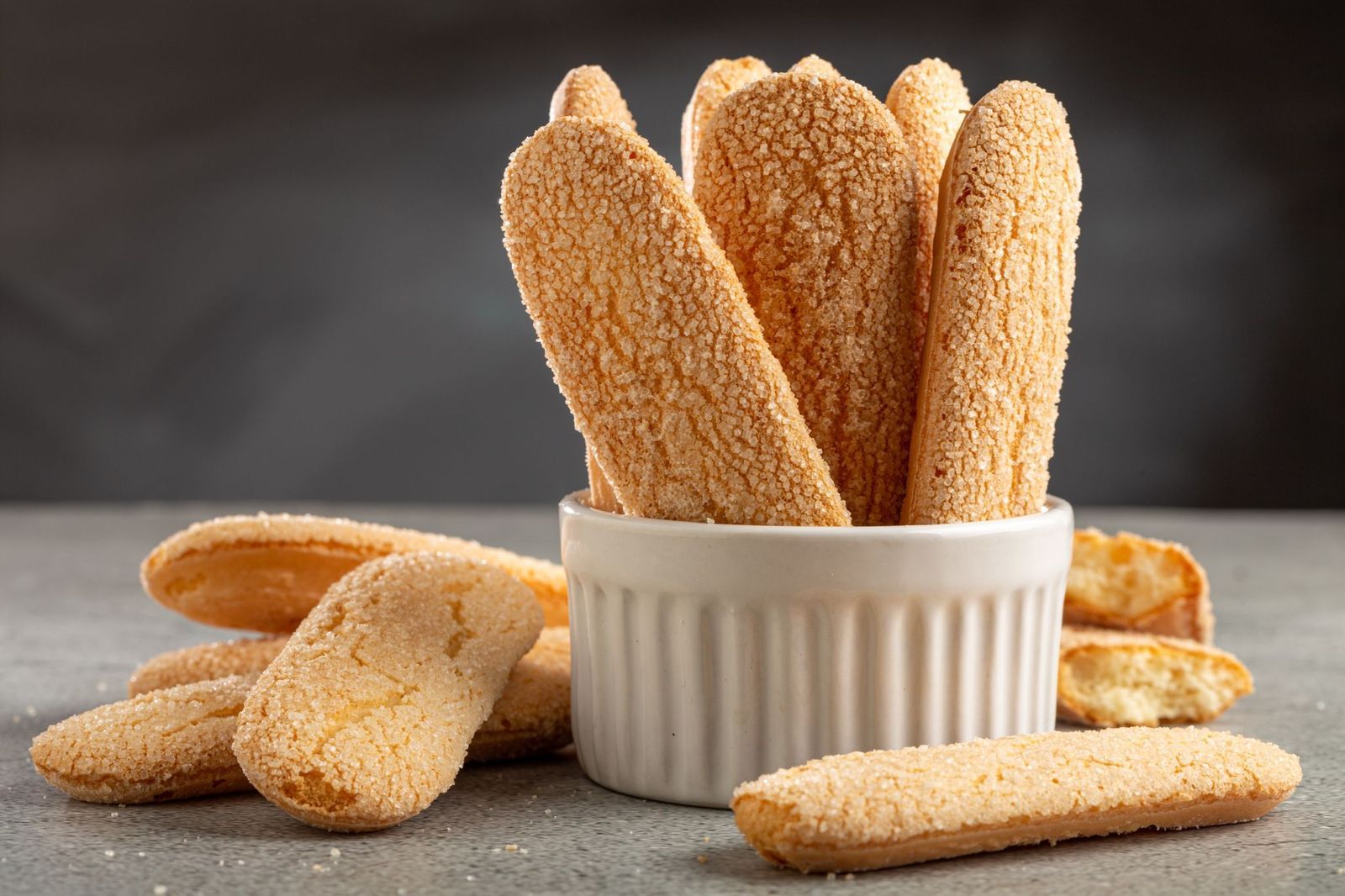
Ladyfingers

Image: WS-Studio

Although the name sounds like an ingredient from a fairy tale, ladyfingers are actually sweet sponge biscuits. They are used as the base for several desserts, such as Italian tiramisu and British trifles.

Ladyfingers are said to have originated in the 14th century at the court of the County of Savoy, to mark a visit by the King of France. Their long shape and their resemblance to slender fingers earned them their name.

7

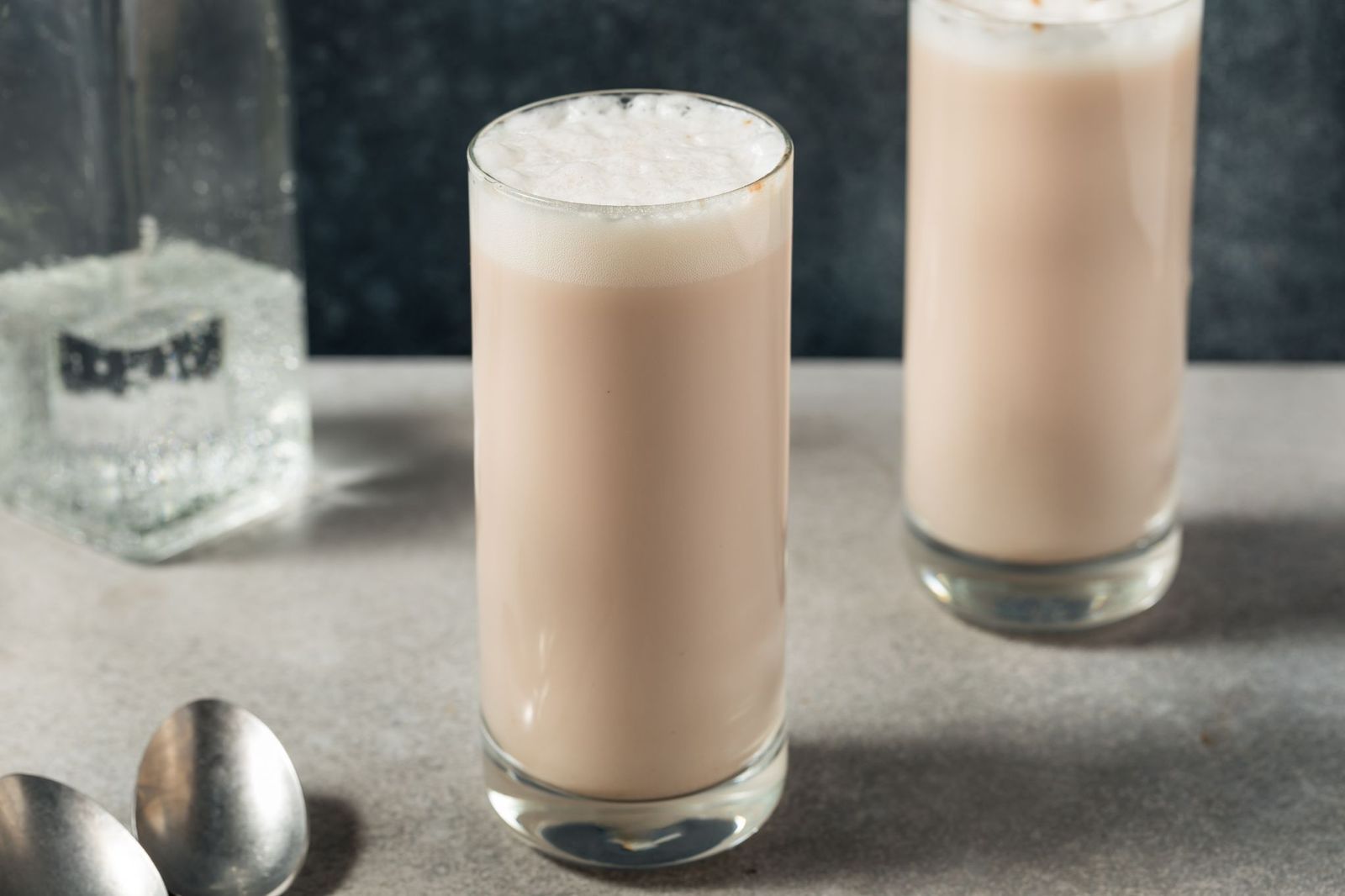
Egg cream

Image: Brent Hofacker

Order an egg cream at an old-school New York City soda fountain, and you’ll get a frothy drink with no eggs and no cream. A traditional egg cream consists of just three ingredients: whole milk, seltzer water, and chocolate syrup.

How did a drink with no eggs or cream inherit such a name? The most popular theory points to a linguistic mix-up. Brooklyn soda fountain owners in the early 20th century may have used the Yiddish word echt, which means "genuine" or "real." Customers likely misheard echt cream as "egg cream," and the catchier name stuck.

8

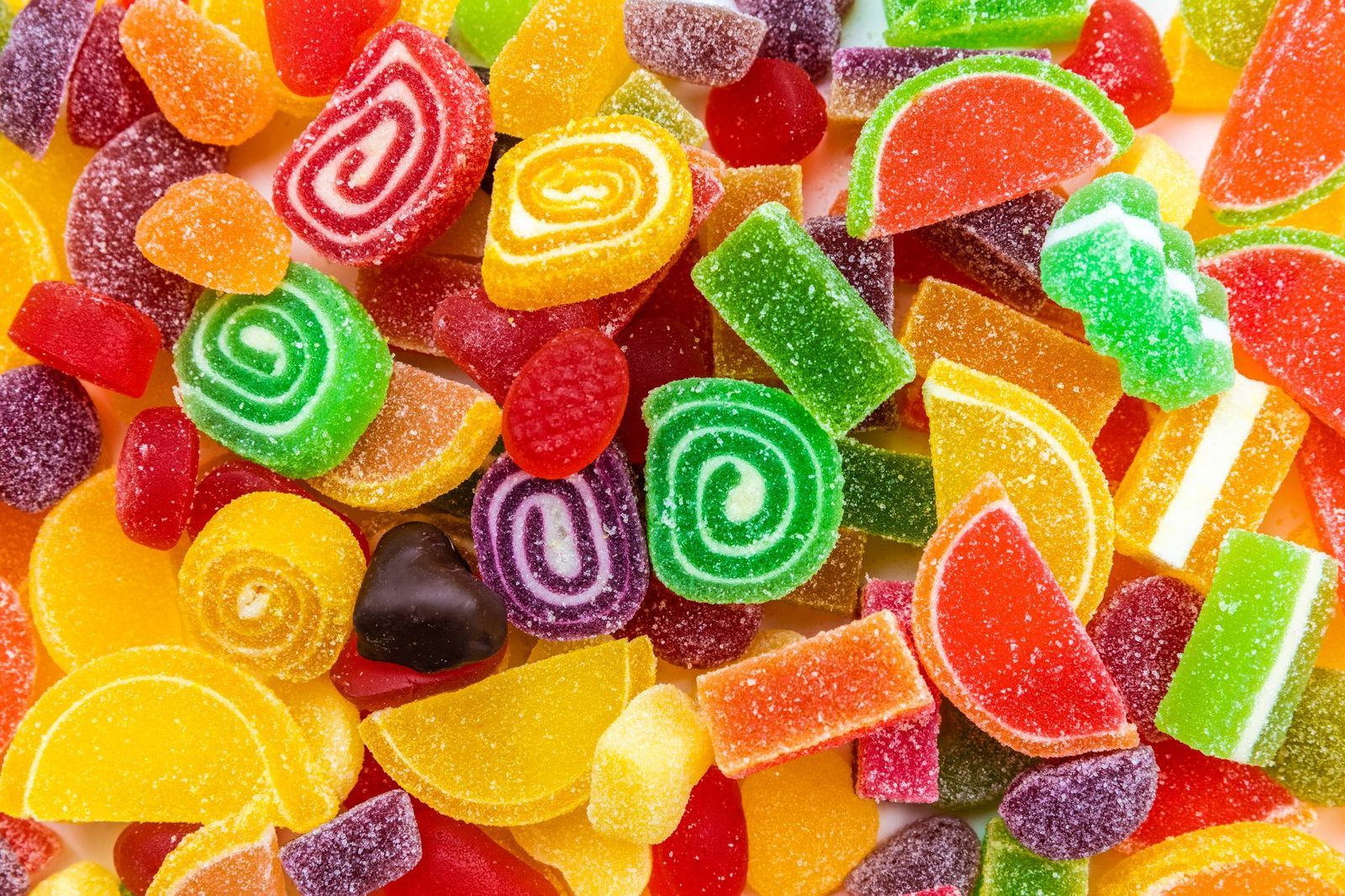
Sweetmeat

Image: Samosudov

To a modern reader, "sweetmeat" might sound like glazed ham or candied bacon. However, it’s an old-fashioned word for simple candy, candied fruits, or sugar confections.

In Old English, mete didn't mean animal flesh; it was a generic term for any solid food or sustenance. Therefore, a "sweet-meat" was merely a "sweet food item." As the definition of meat narrowed exclusively to animal muscle, the candy word stayed current.

9

Cold duck

Image: Natalia Carbajal

If you see Cold Duck on the menu, don’t expect a savory poultry dish. Cold Duck is a sweet cocktail made by blending sparkling red wine with champagne.

The name is actually a translation error originating in Germany. Invented in the 19th century, the drink was originally called Kalte Ende (meaning "cold end"), because it was made by mixing all the leftover, opened bottles of wine together. Over time, the German word Ende (end) was accidentally mispronounced as Ente (duck). When the recipe traveled across the Atlantic, it was translated literally into English as "Cold Duck."

10

Spotted dick

Image: Foodgraphy39

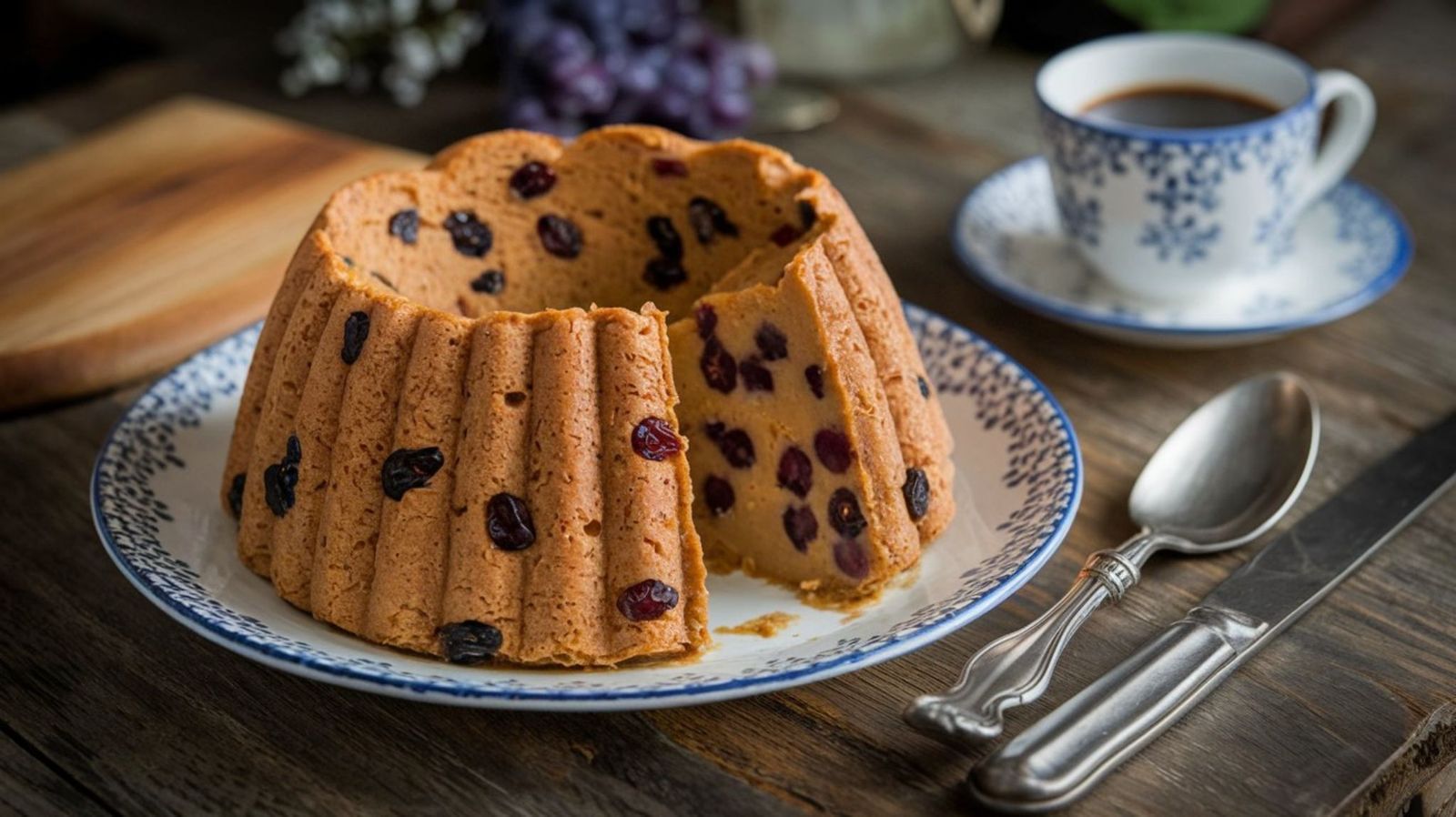
Despite its name, Spotted Dick is a completely innocent dessert. It’s a traditional British steamed pudding packed with dried fruits like raisins and currants, usually served on top of warm vanilla custard.

The confusion lies in old regional dialects. The "spotted" part describes the dark raisins peeking out of the dough. "Dick," on the other hand, was a 19th-century dialectal corruption of the words pudding or dough (likely evolving from dough to dook to dick).


REDISCOVER EVERYDAY PHRASES

Do you Know the Fascinating Origins of These 10 Slang Words?


Published on August 1, 2026


Image: Andreas Fickl

Think about how boring our vocabulary would be if we didn’t have a more laid-back, informal register on which we could fall back. Most of us don’t even realize how much slang we use in basically every conversation we have. What most of us don’t do is take a moment to look into the origins of those informal terms that we use daily. Well, we decided to research the astonishing beginnings of these ten slang words and phrases. Ever wondered why we decided that besides meaning cow meat, the word "beef" could be used as a synonym for a dispute? Keep on reading and find out!

1

Cup of Joe

Image: Jessica Lewis 🦋 thepaintedsquare

Let’s start this article the same way millions of people start their day. Whether it’s with a piping hot mug fresh out of your coffee maker, or a quick cup from your favorite barista on your way to work, a nice cup of joe is that magical fuel that helps so many of us go through our day. That being said, doesn’t that nickname seem a little strange to you? Have you ever wondered what’s the connection between a cup of coffee and the shortening of the name Joseph?

There are several different theories concerning this nickname. The most popular one states that it comes from WW1 Secretary of Navy Josephus Daniels, who enacted a ban on alcohol consumption on all U.S. Navy ships. According to this theory, enraged sailors started using the Cup of Joe expression since coffee was the strongest drink they could have. Another theory believes that Joe is a shortening of "Jamoke", a 19th-century word for coffee.

2

Above board

Image: Michał Parzuchowski

Doing something in an above board manner means doing so in a completely honest and open way. Some believe that the phrase might come from the world of sailing since the best hiding place for contraband would be below the ship’s board: being above board could then be understood as the exact opposite. However, the first recorded appearances of above board date back to the 17th century, and they seem to suggest it actually references a game table (also known as a board). Keeping your cards above the board would show your companions that you are playing fairly and by the rules.

3

Cheesy

Image: Martyn Yakub

We’ll try to go through this entry with the least amount of cheesy puns possible. A little smirk or a quick chuckle after hearing a bad joke from a special someone might prove how cheesygoing you are. Heck, corny jokes aren’t just reserved for your dad: Maybe a cheesy, little pun might turn a date from just gouda into simply brie-lliant.

The origins of this expression are still not completely clear. The earliest usage of cheesy comes from the end of the 19th century, as slang used by U.S. students to describe an ignorant person. Perhaps the meaning we now use might come from the United Kingdom, where cheesy used to mean something "showy".

4

Flicks

Image: Jon Tyson

The term flicks has always been associated with going to the cinema. We’ve all referred to an adrenaline-fueled movie as an "action flick" or a bloodcurdling, exciting movie as a "scary flick." In fact, the term is so heavily associated with going to the movies that the minds behind Netflix chose it as inspiration for their company’s name.

Before the term flicks, early films from the 1900s were known as flickers. Some believe that this name comes from the first Nickelodeon theaters, since their projectors would "flicker" through images while making a distinctive sound. Another theory states that it comes from primitive projectors, which definitively weren’t as good as the modern pieces of equipment we are now used to. These rudimentary machines would sometimes shimmer, which made the images on the screen slightly flicker.

5

Down to brass tacks

Image: Unsplash

To get down to brass tacks is an extremely useful phrase if you feel someone is talking in a roundabout way and avoiding the point, since it means ignoring all secondary matters and focusing on the most important parts of an issue. Having said that, we are left to wonder how small pins specifically made of brass reflect the meaning of this term.

While most agree that it originated in the 19th century, linguists debate whether it comes from the world of upholstery (where brass tacks are regularly used), or if maybe it is derived from tacks used by shoemakers, among other possible origins. Another explanation states that it might come from Cockney rhyming, since the words facts and tacks sound very similar. But, if we get down to brass tacks (see what we did there?), the truth is that the origins of this phrase are still a mystery.

6

Pushing the envelope

Image: Mediamodifier

The origins of this phrase might come as a bit of a surprise. While it means to innovate or to push boundaries, whenever you hear someone is pushing the envelope you might think of shady characters pushing envelopes filled with important documents across the table of a dimly lit room. What’s more interesting is that investigating the origins of this phrase reveals that it doesn’t even refer to a paper envelope at all.

American author Tom Wolfe brought this phrase into the spotlight with The Right Stuff, his 1979 book about the space program. Wolfe kept hearing this phrase among scientists and engineers who were describing something that was performing exceedingly well. The envelope they were referring to, however, was not a container of letters, but rather a mathematical envelope. When calculating curves on graphing paper, the shape made by the drawn lines is fairly similar to an envelope: therefore, something that pushes the envelope would be something that’s challenging the margins of what is expected.

7

Heard it through the grapevine

Image: Dan Meyers

Besides being the title of an excellent Marvin Gaye song, the phrase I heard it through the grapevine is basically the more mature, sophisticated version of A Little Birdie Told Me, used by every parent dealing with lying children. While the image of a grapevine invokes whispers secretly heard between branches and leaves, it actually comes from the first messages sent through telegraphs. Since the miles of telegraph lines set in the 1800s resembled grapevine lines, people started to say "heard it through the grapevine" to mean something that arrived through the telegraph.

8

Beef

Image: Ryan Song


Sadly, having beef with someone doesn’t always mean sitting down with a friend to enjoy a lovely barbeque. This common slang term is used to describe a dispute or disagreement between two or more people. You might even remember a series of hilarious ads run in the 80s by Wendy’s, in which they disparaged their competition’s products with the phrase "Where’s the Beef?"

The first usage of beef as a derogatory term comes from the 19th century when it was used as a synonym for complaint or grievance. It is believed that its origins can be traced back to a British expression for alarm, where beef is used as a rhyming slang for the word "thief."

9

Humble pie

Image: Unsplash

Alongside beef, having a big slice of humble pie is not as delicious as it sounds. This expression is used whenever someone has to embarrassingly admit their mistakes and apologize for them. And while you might think that the "humble" in this pie comes from the modesty of admitting our mistakes, the actual origins of this idiom are slightly more disgusting. Humble comes from the 14th-century word "numbles", which is a term used to describe the heart, liver, and other entrails of animals, particularly deer. A humble pie was, as you might have guessed, a pie filled with these entrails, usually eaten by servants or hunters.

10

Slang

Image: Nick Fewings

We’ll end this list in a sort of meta way. We all know that slang is used for vocabulary used in an informal register, but have you ever stopped to think about why we call these words and phrases slang? While it does seem fitting that such an odd-sounding word is used to describe these pieces of unconventional vocabulary, tracing back the etymology of this word might be tricky.

Slang was used in the Scots dialect of the 19th century to describe "gossip or idle chat", while it meant "impertinence" in the Northern English regions. The exact origin of the word can’t be traced, but some believe it might be derived from the Scandinavian word sling, which means "to throw". Some linguists believe that slang might be derived from it, since the quick and unconcerned way in which we use slang might resemble "throwing" words.

Looking for an extra scoop of literary fun?

Learn more with our Word of the day

scoop

/skup/