You’ve been lied to!

Medical misconceptions you surely have and don't know!


Published on January 17, 2026


Image: National Cancer Institute

You’ve surely heard that staying out in the cold will give you a cold, right? But is that true? And what about cracking your knuckles? Is that habit really so harmful? Science may have medicine’s back, but it’s not free from myths and misconceptions. Regardless of where they come from, we all believe some things to be true… but aren’t!

Today, we’re putting six common medical myths to the test. Place your bets before you get to the next section; some might surprise you, others might make you laugh, but all will set the record straight once and for all!

1

Myth: Microwaving food destroys nutrients

Image: Howard Bouchevereau

Many people worry that using a microwave to heat or cook food zaps away the nutrients, making meals less healthy.

Why? Since microwaves use electromagnetic waves, some believe they might be harmful, similar to radiation exposure. Others think traditional cooking methods like boiling or steaming are better at preserving nutrients.

So, what do you think? Is your microwave secretly robbing your food of its goodness?

2

Truth: Microwaves are one of the healthiest cooking methods

Image: Vlad Zaytsev

Good news: your microwave is not ruining your food! In fact, microwaving can help preserve nutrients better than many other cooking methods.

Nutrient loss mainly depends on temperature, cooking time, and how much water is used. Since microwaves cook food quickly and with minimal water, they actually retain more vitamins than boiling or frying.

And as for radiation? Microwaves use safe, non-ionizing radiation, nothing like nuclear energy. You’re safe to go!

3

Myth: Sleeping with wet hair gives you a cold

Image: Clay Banks

Your parents or grandparents may have warned you never to go to bed with wet hair or you’d wake up with the sniffles. (Why does everything end the same way?) The idea seems reasonable, being cold and damp does feel like a recipe for illness, right? But can a little leftover shower moisture really put you out of commission? What’s your answer?

4

Truth: Viruses cause colds, not wet hair

Image: engin akyurt

This is also a myth! While sleeping with wet hair might be uncomfortable, it won’t actually give you a cold. Colds are caused by viruses, which you can only catch from other people, not from chilly air or damp pillows.

However, wet hair can make your pillow damp, which could create a breeding ground for bacteria and fungus. Needless to say, you might wake up needing more than just a gentle brush. But as for catching a cold? No virus, no problem!

5

Myth: You should always peel fruits and vegetables
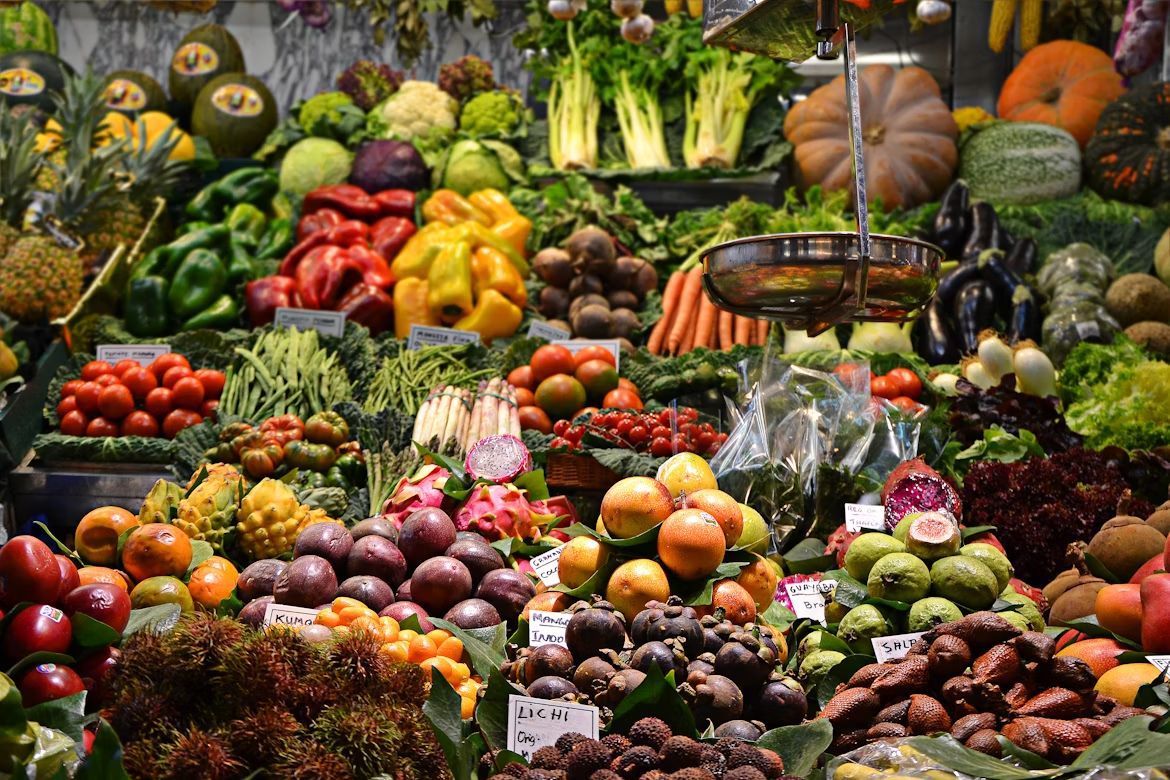
Image: Jacopo Maiarelli

Some people believe that fruit and veggie skins are dirty, hard to digest, or even unhealthy. Are you one of them?

Others think peeling removes pesticides and makes produce safer to eat, and that kind of makes sense. So much so that grocery store produce sections are full of pre-peeled options, reinforcing the idea that skinless is better. But what if you’re actually throwing away some of the best parts?

6

Truth: Fruit and veggie skins are packed with nutrients
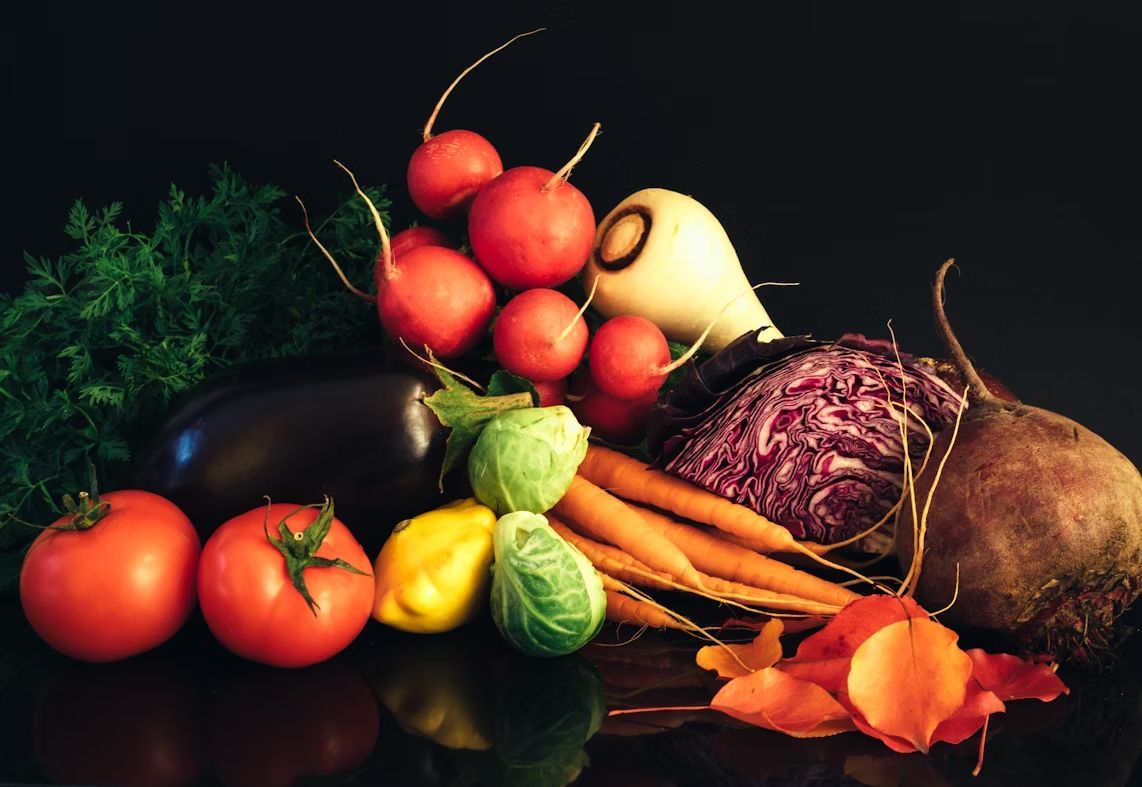
Image: Sharon Pittaway

Peeling produce removes fiber, vitamins, and antioxidants, which are often most concentrated in the skin. For example, an unpeeled apple contains up to 300% more vitamin K and 140% more vitamin A than a peeled one.

Potato skins are loaded with vitamin C, and citrus peels contain powerful antioxidants. Instead of peeling, make sure you wash your produce thoroughly to remove dirt and pesticides. Your bod—and your taste buds—will thank you!

7

Myth: Cracking your knuckles causes arthritis

Image: engin akyurt

For years, people have warned against cracking their knuckles, claiming it could lead to painful arthritis later in life.

The noise it makes reinforces the idea that something is breaking in there, don’t you think? Many parents, and countless teachers, scold knuckle-crackers, fearing they’ll regret it when they’re older. But does this everyday habit really put you on the fast track to arthritis? Place your bets before you keep reading!

8

Truth: Cracking knuckles is annoying, but harmless
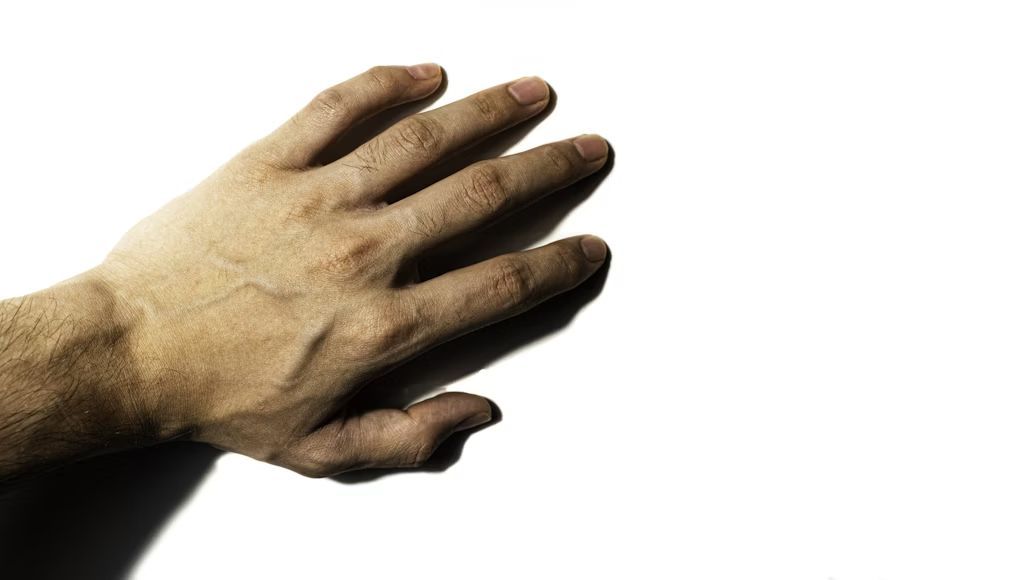
Image: Scheich Méshaël Zāhedd

Despite the dramatic popping sound, cracking your knuckles doesn’t cause arthritis. So where does that sound come from? It’s actually gas bubbles in the joint fluid bursting, not bones rubbing together.

Multiple studies have found no link between knuckle cracking and joint problems. However, if you experience pain or swelling, that could signal an underlying issue, and you should see a doctor. And of course… stop that pop!

9

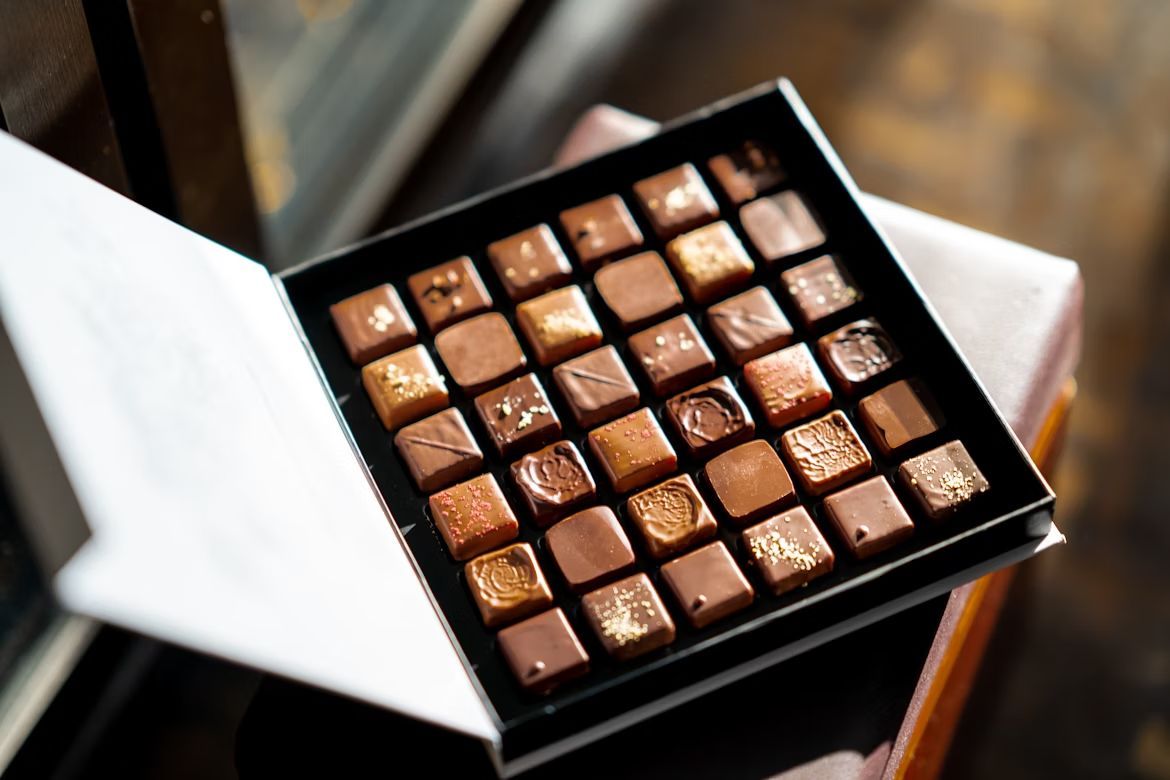
Myth: Chocolate causes acne

Image: Monique Carrati

If you ever had breakouts as a teenager, chances are someone told you to lay off the chocolate, right? That’s because many people believe that chocolate, especially the sugary or oily kind, triggers pimples and skin problems.

With so many acne products marketed toward diet-conscious consumers, it’s easy to assume that sweets are to blame. But how bad is chocolate, really?

10

Truth: Chocolate isn’t the enemy; your diet might be
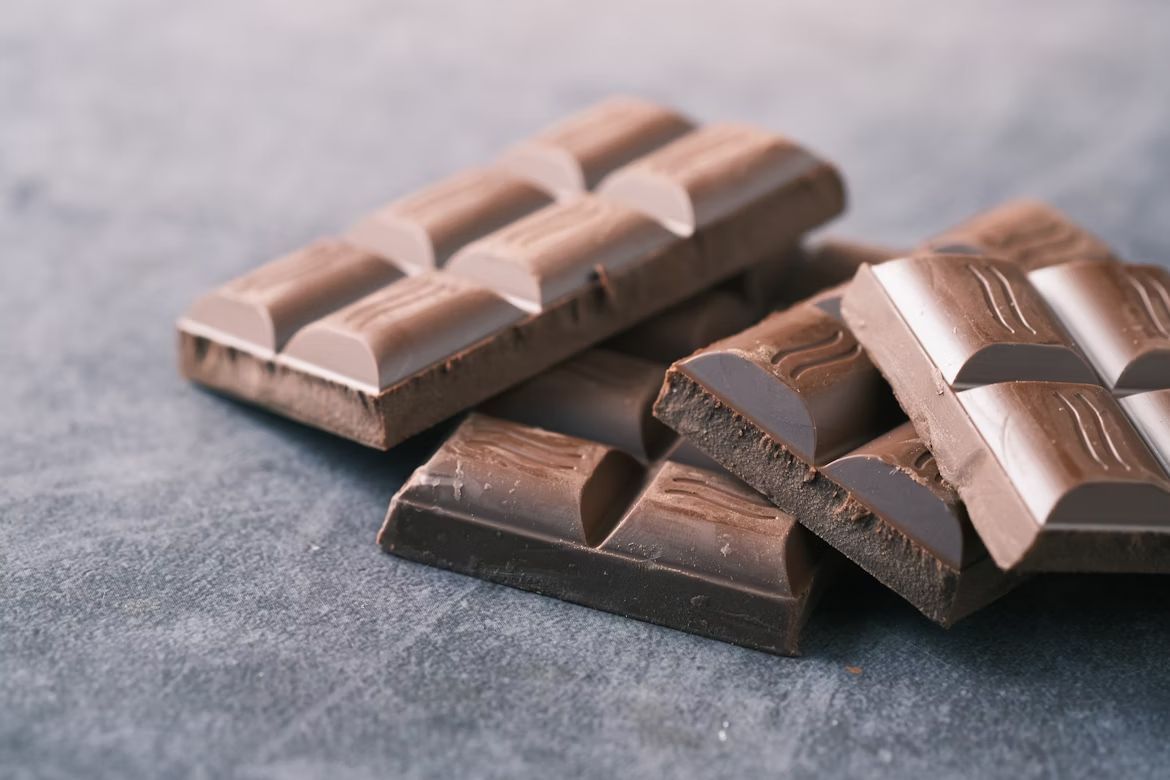
Image: Towfiqu barbhuiya

There’s no solid scientific proof that eating chocolate directly causes acne. Acne is mainly caused by hormones, genetics, and skin bacteria, not specific foods.

That said, diets high in sugar and processed foods can contribute to inflammation, which may worsen breakouts. So if you think chocolate affects your skin, try switching to dark chocolate, which contains less sugar and more antioxidants.

11

Myth: Eating garlic keeps mosquitoes away
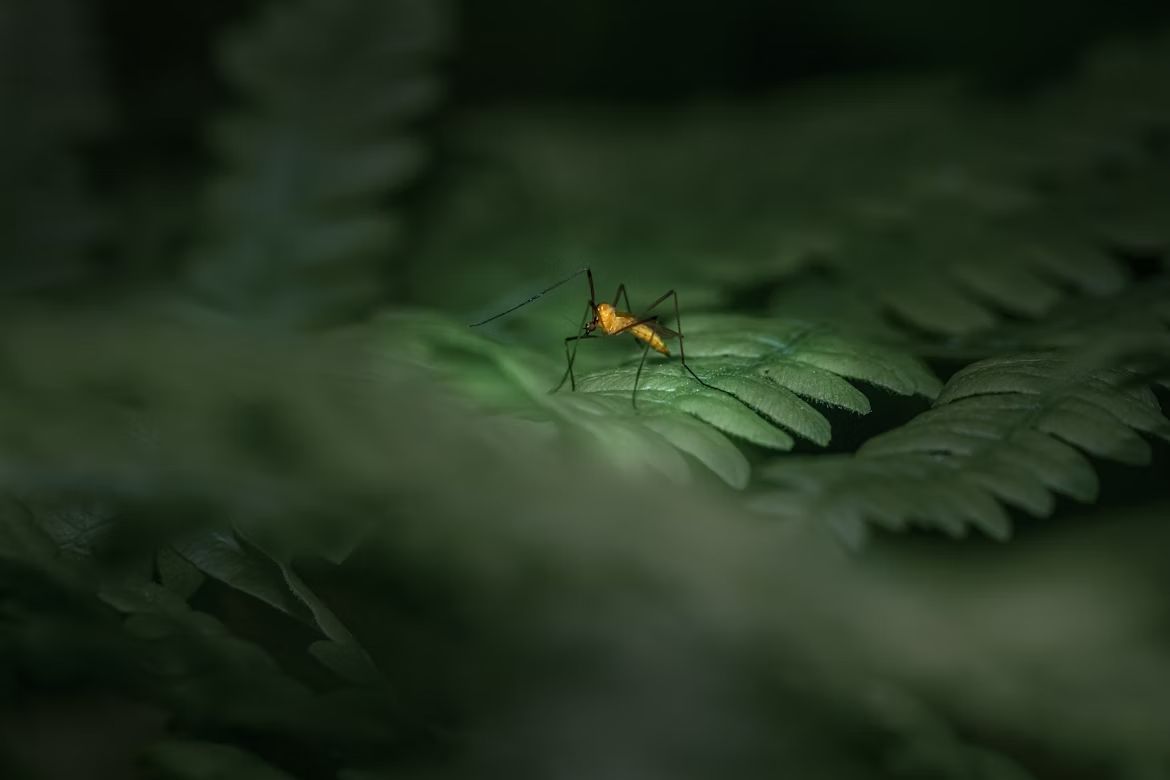
Image: Erik Karits

Have you ever been told to eat some garlic to naturally repel all those mosquitoes eating you alive? Where does this belief come from?

The idea likely stems from the fact that garlic’s sulfur compounds can seep through your pores, supposedly making you less appealing to bugs. It’s a popular home remedy, but does it really work?

12

Truth: Mosquitoes don’t care about your garlic breath
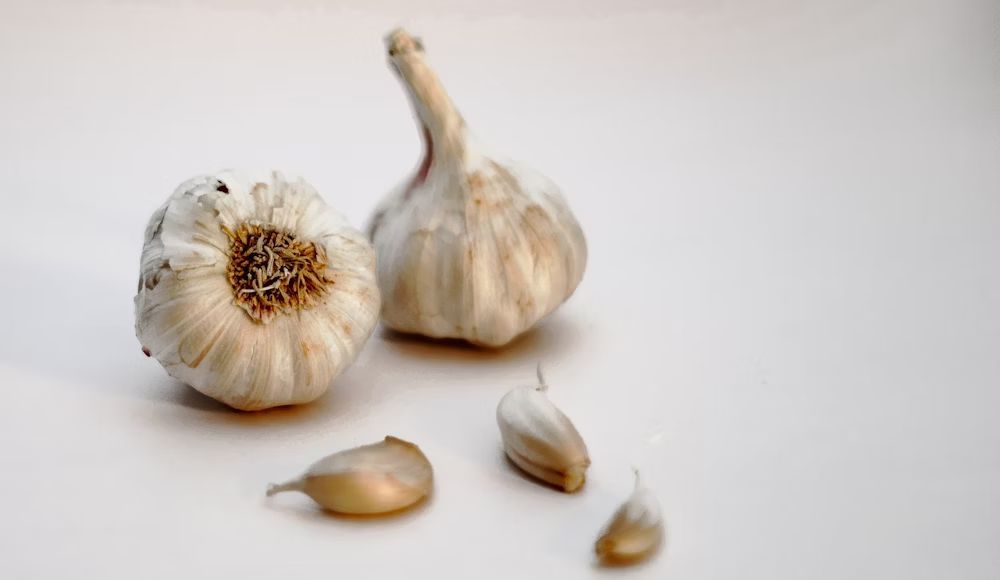
Image: Sanjay Dosajh

Unfortunately, there’s no scientific proof that eating garlic repels mosquitoes. We’re heartbroken too, don’t worry!

A 2005 study found no difference in mosquito bites between people who ate garlic and those who didn’t. Instead, mosquitoes are attracted to carbon dioxide, sweat, body heat, and certain scents. If you want to keep them away, use repellent, wear long sleeves, and eliminate standing water. Garlic plays no part here!


CELEBRATING DIVERSITY

National Dishes of the World, Unite: 10 Recipes You’ll Want to Try


Published on January 17, 2026


Image: Ambitious Studio* - Rick Barrett

Food is one of the most important aspects of human life. Not only does it provide nourishment, but it is also the way we have of sharing and show affection for each other. The different flavors and ingredients found in cuisines around the world, with all their diversity and their particular history, are a living testament to how people live and feel in different corners of the map.

In this article, we have compiled a list of 10 national dishes that, if you haven't tried yet, are worth knowing. So, get your taste buds ready to discover some of the most delicious food the world has to offer!

1

Fondue, Switzerland

Image: angela pham

Cheese fondue is considered one of Switzerland's national dishes. However, not many people know that until a few decades ago fondue was virtually unknown in most parts of the country. Although its origins date back to around 1699, it was not until the 20th century that the necessary equipment became available in most households.

The success of this recipe, and its subsequent designation as a national dish, is mainly due to a marketing campaign by the Union Syndicale Suisse du Cheese (USCF). La Fondue, c'est bon et ça met de bonne humeur (which translates to: "fondue is good and puts me in a good mood") was the slogan used to popularize cheeses such as gruyère and vacherin, previously only affordable to the upper classes. So, from the mid-20th century onwards, fondue became a popular dish, an excuse to get together and share food among family and friends.

2

Pho, Vietnam

Image: Sharon Chen

Pho is a traditional Vietnamese dish based on broth, noodles, and meat. In Vietnam, Pho is considered a national dish and is celebrated every December 12. Its origin is not ancestral, but rather cross-cultural: according to Vietnamese-American teacher and author of The Pho Cookbook, Andrea Nguyen, it was born in northern Indochina at the beginning of the 20th century. The French, who dominated the territory until 1954, ate a lot of beef, so the Vietnamese quickly made use of the leftover bones to prepare a noodle soup they would sell to Chinese workers.

In addition to being the national dish of Vietnam, pho is gaining popularity around the world, and this is especially so in the United States, evidenced by the fact that there are currently more than 8,000 Vietnamese restaurants across the country.

3

Paella, Spain

Image: VK bro

Paella —from the Valencian paella, meaning 'frying pan'— is a popular dish throughout Spain and served in restaurants around the world. As a recipe, it is a dish of humble origins born in Valencia and a product of different cultural influences. Paella’s main ingredient, rice, first arrived in Europe from Asia in 330 B.C. However, rice was not cultivated in Spain in large quantities until the arrival of the Arabs.

The first documented mention of paella as the dish we know today appears in a recipe manuscript of the 18th century. Later, in the 1960s, a tourist boom in Spain led people from other countries to try the dish, triggering a high demand throughout the country. And so, in a few years, the dish we now love and adore spread all over the world. Finally, in 2021, paella was officially declared an Intangible Cultural Heritage by the City Council of Valencia.

4

Sushi, Japan

Image: Mahmoud Fawzy

Although Japan does not have an official national dish, sushi is considered one of the greatest representatives of Japanese cuisine in the world. This typical dish is based on rice seasoned with rice vinegar, sugar, and salt and combined with other ingredients such as raw fish, seafood, and vegetables. The history of sushi in Japan dates back to the 8th century. Originally, sushi was a method of fermenting fish with rice in order to preserve it. Over time, this preservation technique evolved into what we know today as sushi.

While sushi gave Japanese cuisine its worldwide fame, it is also important to note that Japan has a rich and diverse culinary tradition, and there are many other popular dishes worth trying: Japanese curry, tempura, ramen, udon, and yakitori are just some of them.

5

Feijoada, Brazil

Image: gylmarkc

Often referred to as Brazil's national dish, feijoada is a black bean stew that represents the rich history and cultural diversity of this South American country. Feijoada comes mainly from African and Portuguese culinary traditions. It is believed that it was a dish originally prepared by slaves who mixed black beans ("feijão" in Portuguese) with leftover meat.

Over time, the recipe evolved and absorbed influences from other European traditions, such as various examples of pork stews from Italian, French, and Spanish cuisines. The modern version found today in Brazil is very different from its humble origins and is considered a popular meal to enjoy with family and friends.

6

Fish and Chips, Great Britain

Image: LukeL

There is much discussion surrounding Britain's national dish, but many agree that the classic fish and chips beat any other concoction —although tikka masala is a strong contender. The origin of this battered fish and french fries dish is also tinged with controversy. One theory indicates that fried fish was introduced to the British Isles by Jewish emigrants from Spain and Portugal. The origin of fried potatoes, on the other hand, is not so easy to pinpoint.

The dish became popular in London and southern English circles throughout the 19th century, as can be seen in a mention of a fish frying establishment in Charles Dickens's novel Oliver Twist, published in 1838. By 1900 fish and chips were already a staple of Great Britain's culinary culture, reaching its peak in 1920 with 35,000 establishments selling it. Today, fish and chips are still a very much alive and kicking British symbol and a dish you can accompany with salt and malt vinegar or even ketchup and curry sauce, we won’t judge!

7

Ndole, Cameroon

Image: Nick Karvounis

Cameroon, located on the West African coast, offers an eclectic mix of African food that reflects its****rich cultural diversity. From peanut soup and bobolo (fermented cassava rolls) to miondo (cassava sticks) and fufu (mashed yam or plantain), Cameroonian cuisine is known for being rich and exquisite.

Among the various culinary treasures the country has to offer, ndole, Cameroon's national dish, stands out. A flavorful stew, blend of greens, peanuts, and a variety of meats and fish, ndole is as nutritious as it is tasty. The star ingredient of ndole is the bitter leaf, a vegetable found mostly in West African countries. In ndole, the bitterness of the leaves is balanced by the sweetness and richness of the other ingredients, resulting in a harmonious dish. Culture and traditions, all in one pot!

8

Ceviche, Perú

Image: Jercyz

Ceviche, one of the most representative dishes of Peruvian gastronomy, consisting of raw fish or seafood marinated in a citrus sauce, was declared an Intangible Cultural Heritage of Humanity by Unesco. In addition, in 2008 the Peruvian Ministry of Production declared June 28 as National Ceviche Day.

Like many of the dishes in this ranking, it is not known exactly where ceviche was born and it is possible that many cultures and immigration waves contributed to its evolution. One theory indicates that between the 2nd and 5th centuries, the Mochica culture prepared a dish based on fresh fish. After the conquest, it was the Spanish, who did not consume raw fish, who incorporated lemon to "recook" the ceviche. Later, other ingredients such as sweet potato, red onion, corn, and chopped cilantro were added to the dish, contributing to its authentically Peruvian identity.

9

Hamburger, The United States

Image: mafe estudio

Historically, there’s been a heated debate about the USA’s national dish. Although there is no final consensus and no specific recipe has officially been designated as a national dish, there are several contenders that are considered representative of American cuisine.

One of the most iconic American dishes is the hamburger. Over the years, this delicious ground beef sandwich has become a symbol of American comfort food and is widely consumed throughout the country (and the world). Some claim that the first hamburger was made in the German city of Hamburg, while others believe it was created in the United States. Nevertheless, most historians agree that the modern hamburger as we know it today was first served in the late 19th century in the United States. Whatever the case, there is no denying the burger is a timeless American staple and national icon, a symbol of friendship and celebration.

10

Couscous, Morocco

Image: Lisa Fotios

Last but not least, the fragrant, hearty couscous. This fluffy concoction made with wheat semolina, a staple food known for its versatility and rich cultural significance, is the national dish of Morocco.

The roots of couscous can be traced back to North Africa. It is believed that the indigenous people of this region, the Berbers, began preparing couscous in the 7th century AD. Over time, it spread throughout the continent and became a cherished ingredient of Moroccan cuisine. In Morocco, couscous is not just food, it is a tradition and a symbol of hospitality. Serving it to guests is considered an honor and a sign of generosity: it is a way of bringing people together.

Looking for an extra scoop of literary fun?

Learn more with our Word of the day

alter

/ˈɔltər/