You’ve been lied to!
Medical misconceptions you surely have and don't know!
Published on January 17, 2026
 Image: National Cancer Institute
You’ve surely heard that staying out in the cold will give you a cold, right? But is that true? And what about cracking your knuckles? Is that habit really so harmful? Science may have medicine’s back, but it’s not free from myths and misconceptions. Regardless of where they come from, we all believe some things to be true… but aren’t!
Today, we’re putting six common medical myths to the test. Place your bets before you get to the next section; some might surprise you, others might make you laugh, but all will set the record straight once and for all!
Myth: Microwaving food destroys nutrients
 Image: Howard Bouchevereau
Many people worry that using a microwave to heat or cook food zaps away the nutrients, making meals less healthy.
Why? Since microwaves use electromagnetic waves, some believe they might be harmful, similar to radiation exposure. Others think traditional cooking methods like boiling or steaming are better at preserving nutrients.
So, what do you think? Is your microwave secretly robbing your food of its goodness?
Truth: Microwaves are one of the healthiest cooking methods
 Image: Vlad Zaytsev
Good news: your microwave is not ruining your food! In fact, microwaving can help preserve nutrients better than many other cooking methods.
Nutrient loss mainly depends on temperature, cooking time, and how much water is used. Since microwaves cook food quickly and with minimal water, they actually retain more vitamins than boiling or frying.
And as for radiation? Microwaves use safe, non-ionizing radiation, nothing like nuclear energy. You’re safe to go!
Myth: Sleeping with wet hair gives you a cold
 Image: Clay Banks
Your parents or grandparents may have warned you never to go to bed with wet hair or you’d wake up with the sniffles. (Why does everything end the same way?) The idea seems reasonable, being cold and damp does feel like a recipe for illness, right? But can a little leftover shower moisture really put you out of commission? What’s your answer?
Truth: Viruses cause colds, not wet hair
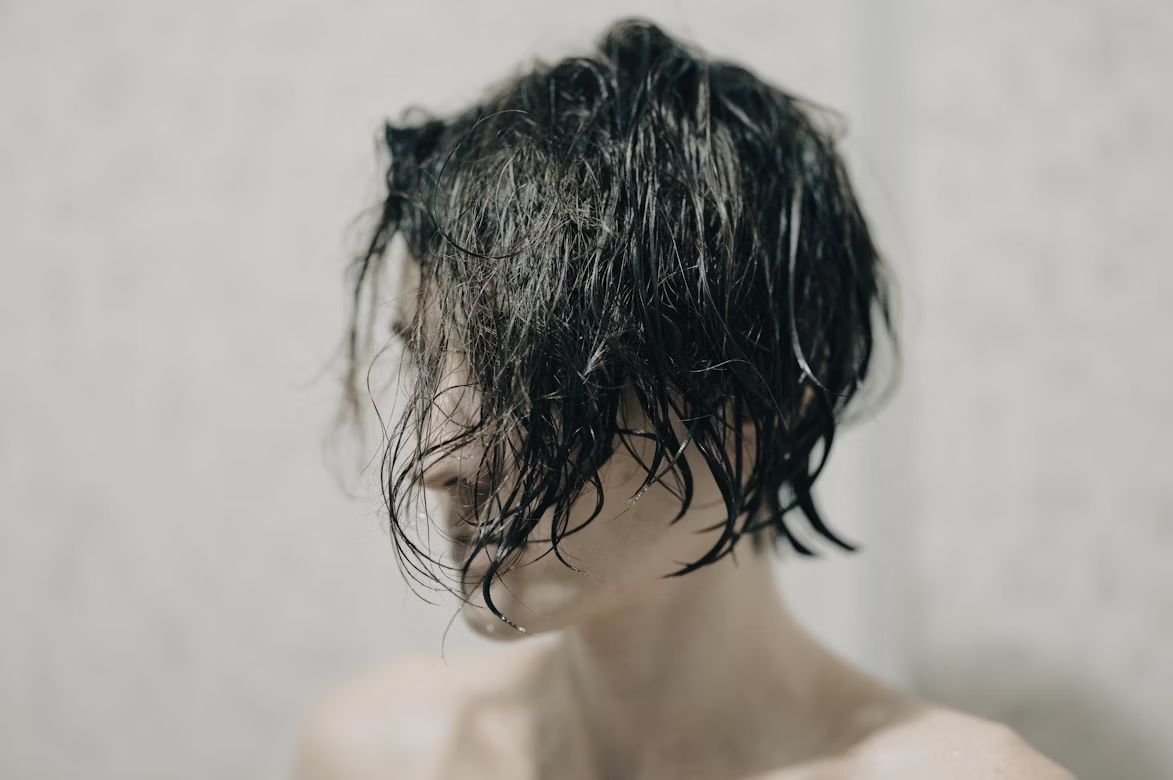 Image: engin akyurt
This is also a myth! While sleeping with wet hair might be uncomfortable, it won’t actually give you a cold. Colds are caused by viruses, which you can only catch from other people, not from chilly air or damp pillows.
However, wet hair can make your pillow damp, which could create a breeding ground for bacteria and fungus. Needless to say, you might wake up needing more than just a gentle brush. But as for catching a cold? No virus, no problem!
Myth: You should always peel fruits and vegetables
 Image: Jacopo Maiarelli
Some people believe that fruit and veggie skins are dirty, hard to digest, or even unhealthy. Are you one of them?
Others think peeling removes pesticides and makes produce safer to eat, and that kind of makes sense. So much so that grocery store produce sections are full of pre-peeled options, reinforcing the idea that skinless is better. But what if you’re actually throwing away some of the best parts?
Truth: Fruit and veggie skins are packed with nutrients
 Image: Sharon Pittaway
Peeling produce removes fiber, vitamins, and antioxidants, which are often most concentrated in the skin. For example, an unpeeled apple contains up to 300% more vitamin K and 140% more vitamin A than a peeled one.
Potato skins are loaded with vitamin C, and citrus peels contain powerful antioxidants. Instead of peeling, make sure you wash your produce thoroughly to remove dirt and pesticides. Your bod—and your taste buds—will thank you!
Myth: Cracking your knuckles causes arthritis
 Image: engin akyurt
For years, people have warned against cracking their knuckles, claiming it could lead to painful arthritis later in life.
The noise it makes reinforces the idea that something is breaking in there, don’t you think? Many parents, and countless teachers, scold knuckle-crackers, fearing they’ll regret it when they’re older. But does this everyday habit really put you on the fast track to arthritis? Place your bets before you keep reading!
Truth: Cracking knuckles is annoying, but harmless
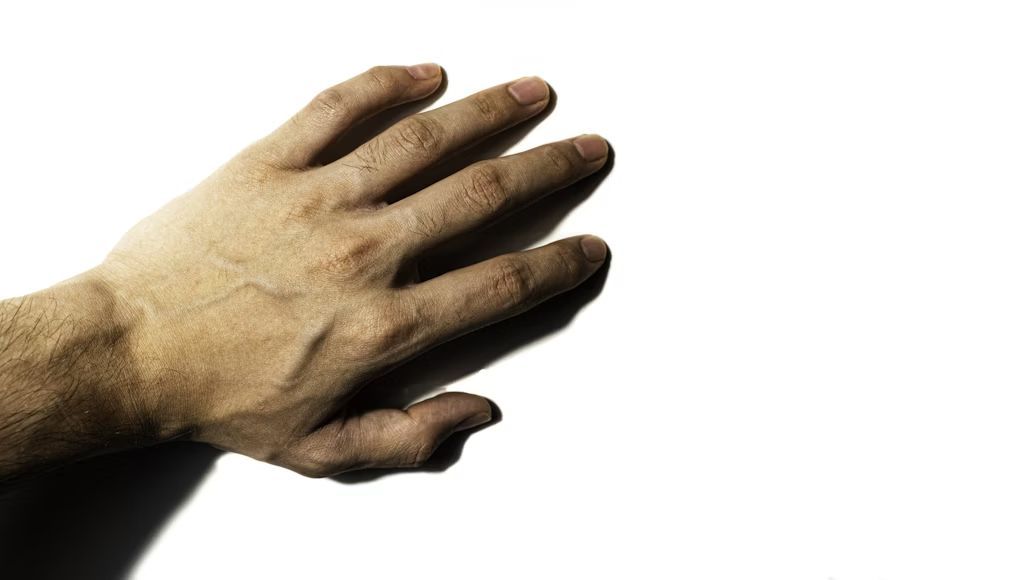 Image: Scheich Méshaël Zāhedd
Despite the dramatic popping sound, cracking your knuckles doesn’t cause arthritis. So where does that sound come from? It’s actually gas bubbles in the joint fluid bursting, not bones rubbing together.
Multiple studies have found no link between knuckle cracking and joint problems. However, if you experience pain or swelling, that could signal an underlying issue, and you should see a doctor. And of course… stop that pop!
Myth: Chocolate causes acne
 Image: Monique Carrati
If you ever had breakouts as a teenager, chances are someone told you to lay off the chocolate, right? That’s because many people believe that chocolate, especially the sugary or oily kind, triggers pimples and skin problems.
With so many acne products marketed toward diet-conscious consumers, it’s easy to assume that sweets are to blame. But how bad is chocolate, really?
Truth: Chocolate isn’t the enemy; your diet might be
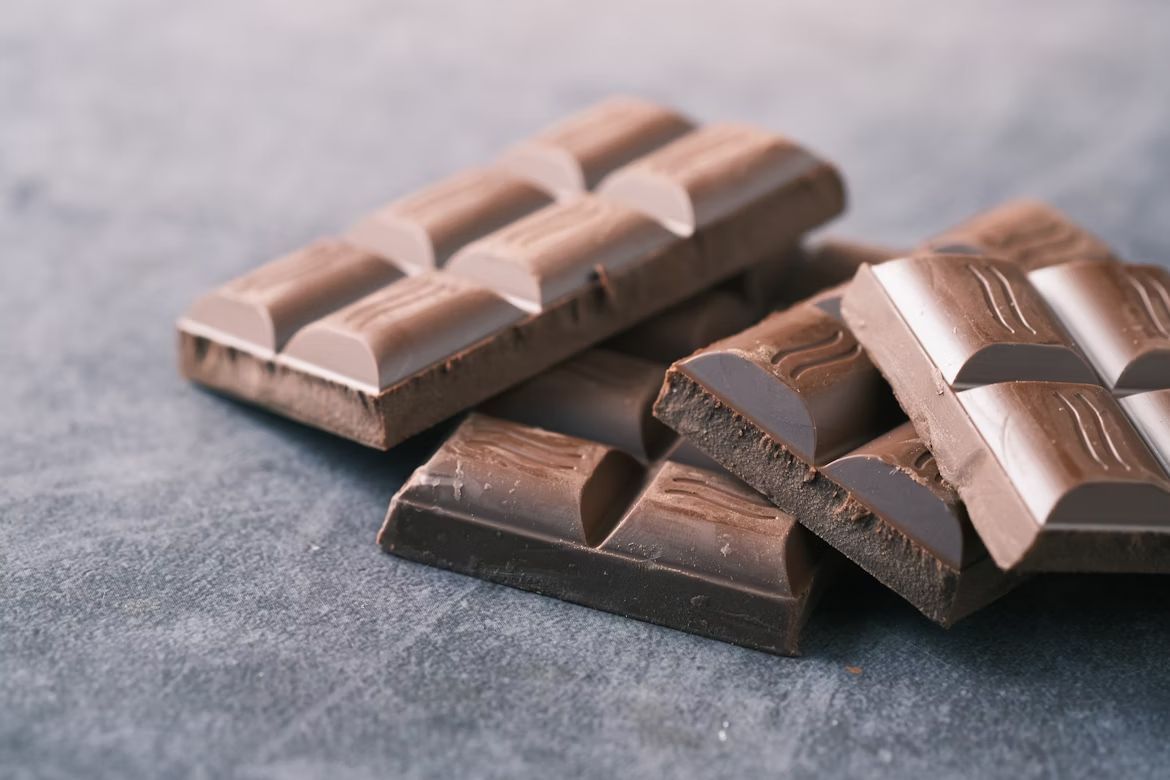 Image: Towfiqu barbhuiya
There’s no solid scientific proof that eating chocolate directly causes acne. Acne is mainly caused by hormones, genetics, and skin bacteria, not specific foods.
That said, diets high in sugar and processed foods can contribute to inflammation, which may worsen breakouts. So if you think chocolate affects your skin, try switching to dark chocolate, which contains less sugar and more antioxidants.
Myth: Eating garlic keeps mosquitoes away
 Image: Erik Karits
Have you ever been told to eat some garlic to naturally repel all those mosquitoes eating you alive? Where does this belief come from?
The idea likely stems from the fact that garlic’s sulfur compounds can seep through your pores, supposedly making you less appealing to bugs. It’s a popular home remedy, but does it really work?
Truth: Mosquitoes don’t care about your garlic breath
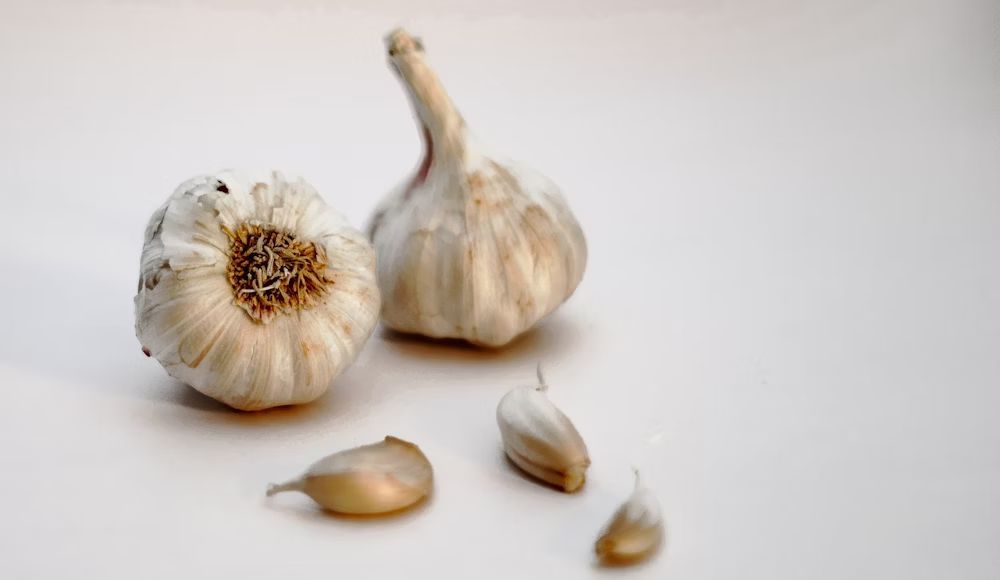 Image: Sanjay Dosajh
Unfortunately, there’s no scientific proof that eating garlic repels mosquitoes. We’re heartbroken too, don’t worry!
A 2005 study found no difference in mosquito bites between people who ate garlic and those who didn’t. Instead, mosquitoes are attracted to carbon dioxide, sweat, body heat, and certain scents. If you want to keep them away, use repellent, wear long sleeves, and eliminate standing water. Garlic plays no part here!


