THE SCARY WORLD OF PHOBIA NAMES

Many people suffer from these phobias without knowing it. Do you?


Published on November 16, 2023


Image: Caleb Woods

"Logophobia" is the irrational fear of words themselves. For most people, it only applies to a particular set of sounds, prefixes, or suffixes. There are also extreme cases, such as the ironically but aptly named "hippopotomonstrosesquipedaliophobia," which is the fear of long words.

Some phobia names, as it would seem, are not only designed to describe themselves but also to give people with logophobia a nice scare. Keep on reading to find out 8 of the phobias with the weirdest names around!

1

Ailurophobia

Image: Andriyko Podilnyk

This one will probably open up the age-old debate between dog people and cat lovers. People with ailurophobia feel an abnormal fear of cats, even of cute and cuddly kittens. Many of the people who suffer from this phobia have had bad experiences with cats in the past, but that's not always the case. Like many of these names, this word has an ancient origin, deriving from the Greek word for "cat," ailuro.

2

Coulrophobia

Image: Sandy Millar

A fairly common phobia among kids –and some adults– "coulrophobia" refers to the fear of clowns. Horror novels and flicks like Stephen King's It probably had something to do with perpetuating the concept of the scary clown with a manic grin. If we are being completely honest, they do make quite a compelling case.

3

Anthophobia

Image: Colin + Meg

"Anthophobia" is an abnormal fear of flowers. Anthos, you guessed it, is the Greek word for "flower". We get it – every rose has its thorns, and there's no doubt that nature can produce some horrifying specimens. For instance, the Rafflesia plant produces an enormous flower with such a strong and unpleasant smell that it has been sometimes called the "corpse flower."

4

Triskaidekaphobia

Image: Waldemar

If you suffer from this phobia, you'll be relieved to find that this list is relatively short. "Triskaidekaphobia" refers to the fear of the number 13. The origins of the belief in the unlucky nature of the number 13 are foggy at best, and there is no consensus among historians. Nonetheless, just for good measure, it's probably better not to schedule any important events on Friday the 13th.

5

Arithmophobia

Image: StellrWeb

Why stop at 13? "Arithmophobia" is the fear of numbers in general. Remember that we are talking about an extreme, irrational fear, not the general reluctance to deal with numbers that a lousy math teacher can induce into young students. As you can imagine, this uncommon phobia can significantly interfere with daily activities, such as paying bills.

6

Xanthophobia

Image: Sung Jin Cho

A type of chromophobia, "xanthophobia" is the fear of the color yellow. We hope none of the members of The Beatles suffered from it, as it would have made life in the Yellow Submarine quite unbearable. People with this phobia try to avoid the color yellow at all costs, be it in their choice of decorations, clothes, or even food.

7

Eisoptrophobia

Image: Vince Fleming

Sometimes also called "spectrophobia" or "catoptrophobia", this is the fear of mirrors or, more specifically, the fear of what might be reflected in them. As such, "eisoptrophobia" extends not only to mirrors but to any reflective surface. This phobia is fairly common and specialists have found different possible explanations for it, ranging from self-esteem issues to a fear of the supernatural.

8

Phobophobia

Image: Priscilla Du Preez 🇨🇦

We saved the best for last, as this phobia makes almost no effort to hide its naming wordplay. "Phobophobia" is, quite literally, the fear of phobias, or the fear of fear itself. This circular definition is quite an overwhelming concept to wrap your head around, and it's often described as a general feeling of anxiety. It's most common in people who already suffer from other phobias, who might develop a fear of the way their preexisting phobias make them feel.
Which one stole your heart?

No, Golden Retrievers weren't bred to fetch gold: Dog breed names 101


Published on November 16, 2023


Image: Glenn

Do you love dogs? From royal companions to fearless hunters and from German badger dogs to barkless African hounds, the names of our favorite breeds often hold surprising stories. Whether you’re a fan of the stoic Mastiff, the sassy Poodle, or the majestic Husky, there’s a tale behind each name that might surprise you. Let’s dig in!

1

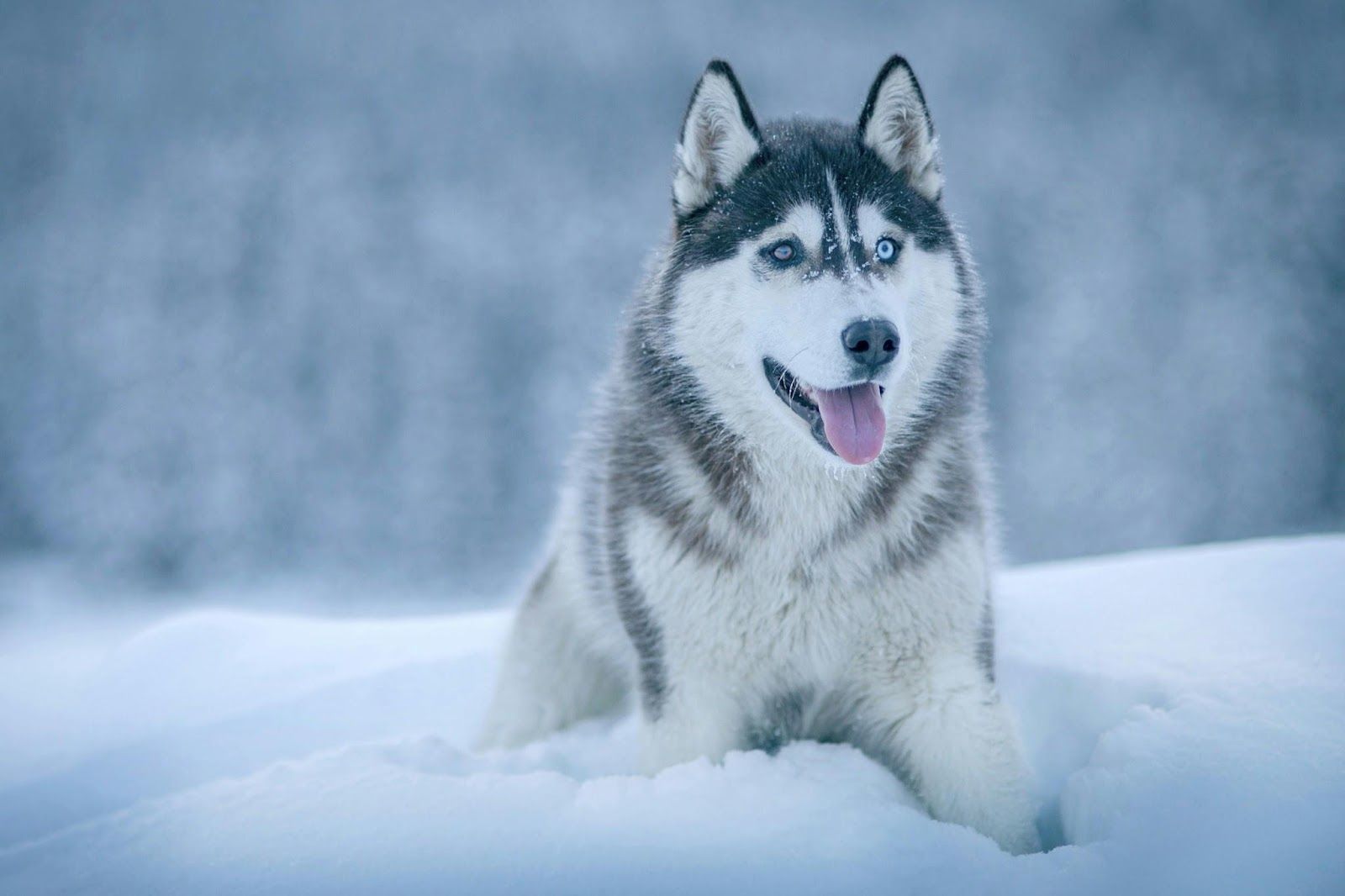
Husky

Image: photo nic

The beautiful, blue-eyed Husky is inseparable from dog-sledding lore. The breed’s name evolved from the word "Eskimo."

English sailors once slurred "Eskimo" into "Uskee" or "Huskemaw," which eventually transformed into "Husky."

2

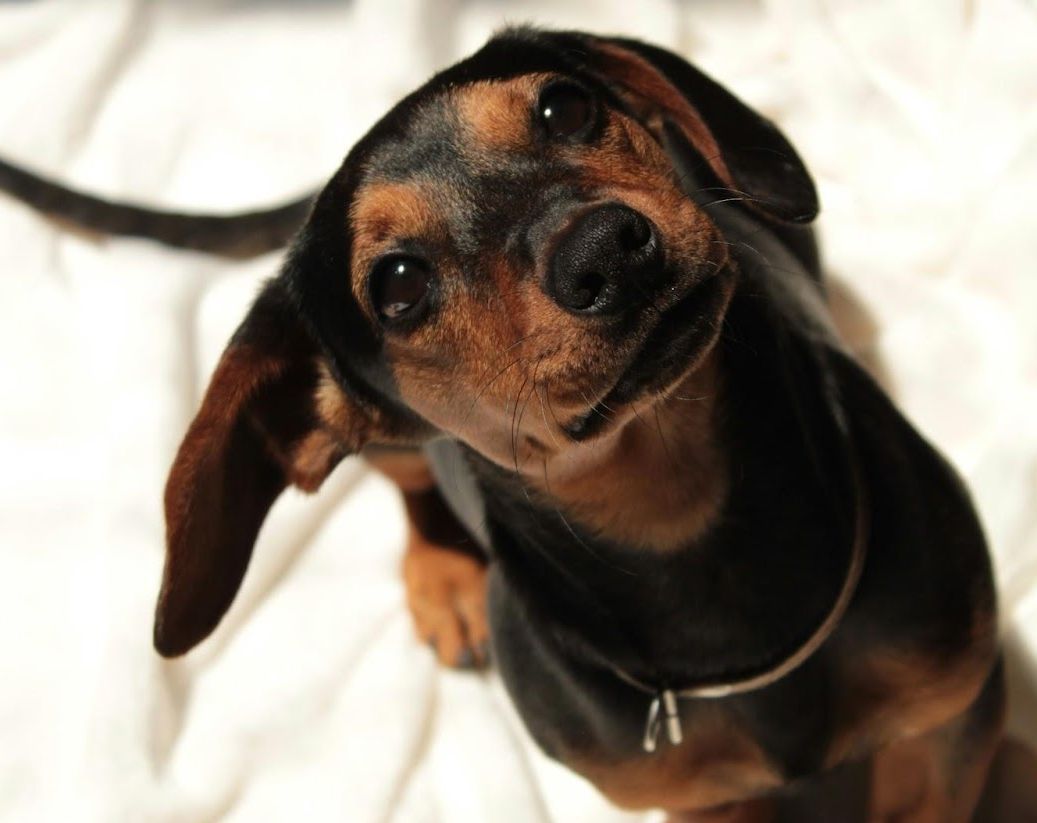
Dachshund

Image: Alondra Pavón

What’s not to love about wiener dogs? Their original name, however, refers not to their iconic sausage shape but to the purpose for which the breed was developed.

Dachshunds were bred to hunt badgers and other burrowing animals, with their long bodies and short legs making them ideal for digging into tunnels. The name is a German compound of Dachs (badger) and Hund (dog), meaning "badger dog."

3

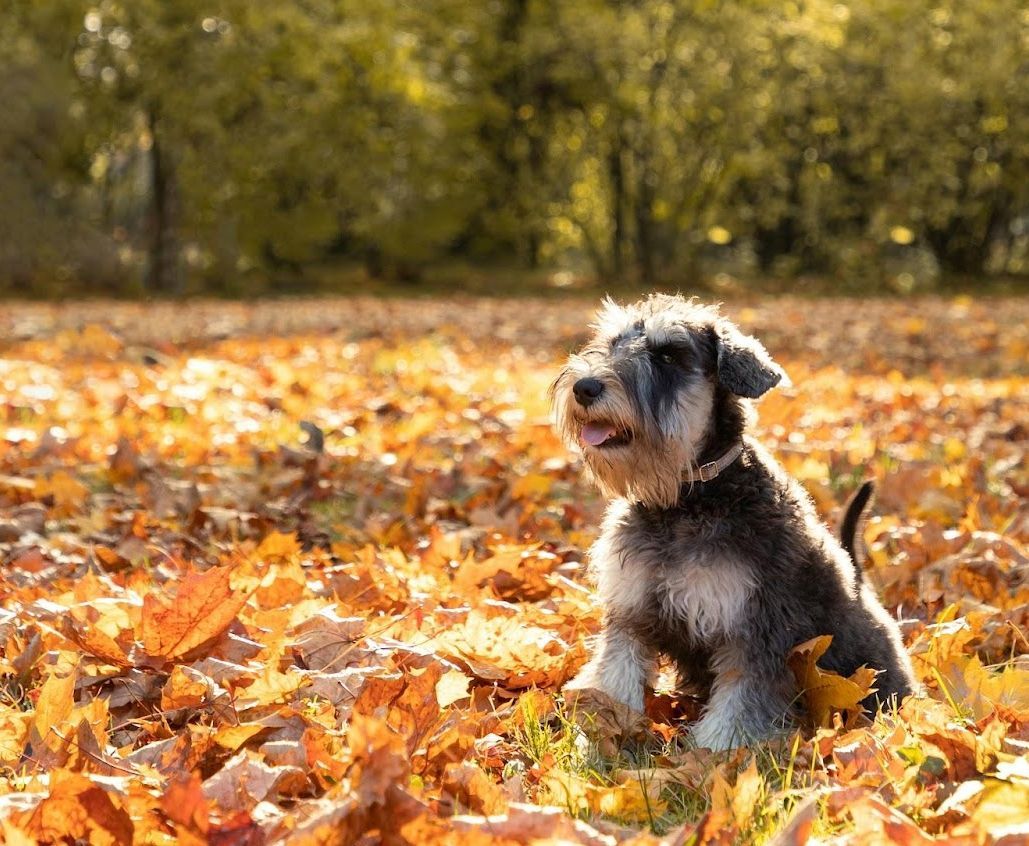
Schnauzer

Image: Irene

There are three beloved varieties of Schnauzer—miniature, standard, and giant—and each has had its moment in pop culture.

The breed takes its name from its distinctive "mustache" or schnauze (snout) in German, literally meaning "snouter" or "muzzle." Originally, Schnauzers were used as rat-catchers and guard dogs in Germany.

4

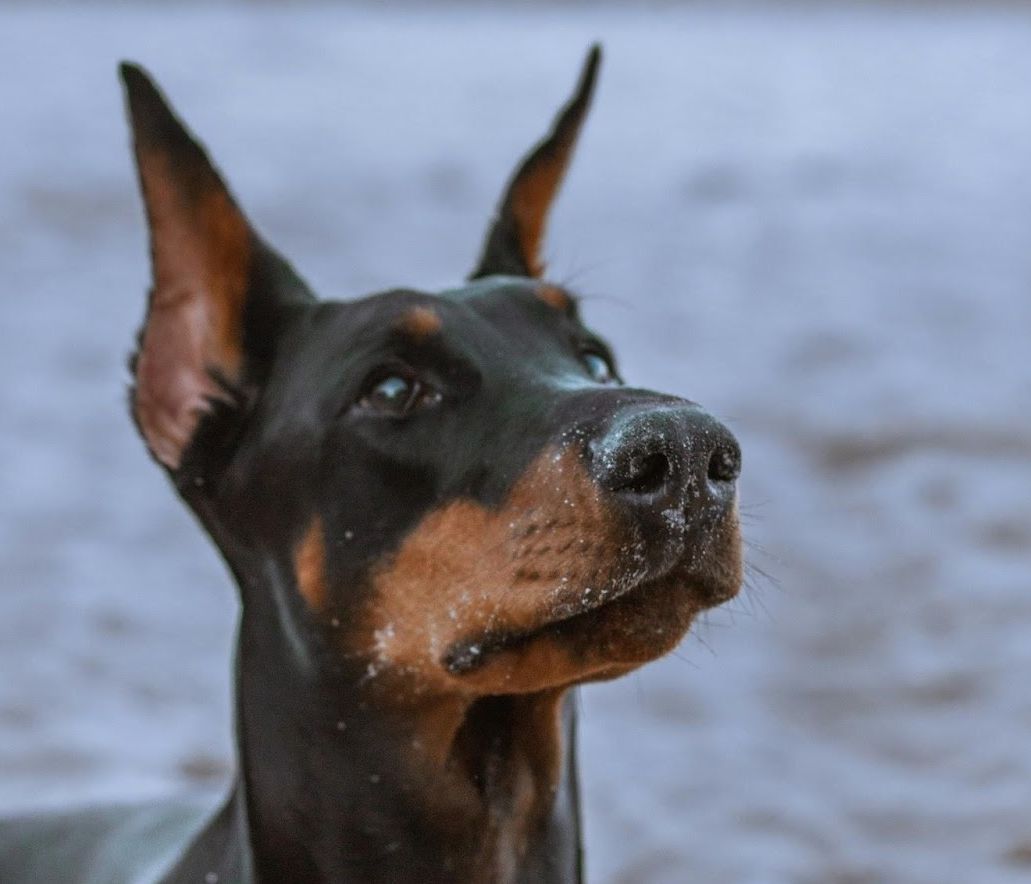
Doberman

Image: Anna Kozakova

Often portrayed as guard dogs or police K-9s in film, Dobermans were named after Karl Friedrich Louis Dobermann, a 19th-century German tax collector who developed the breed as a loyal and protective companion for his dangerous rounds.

5

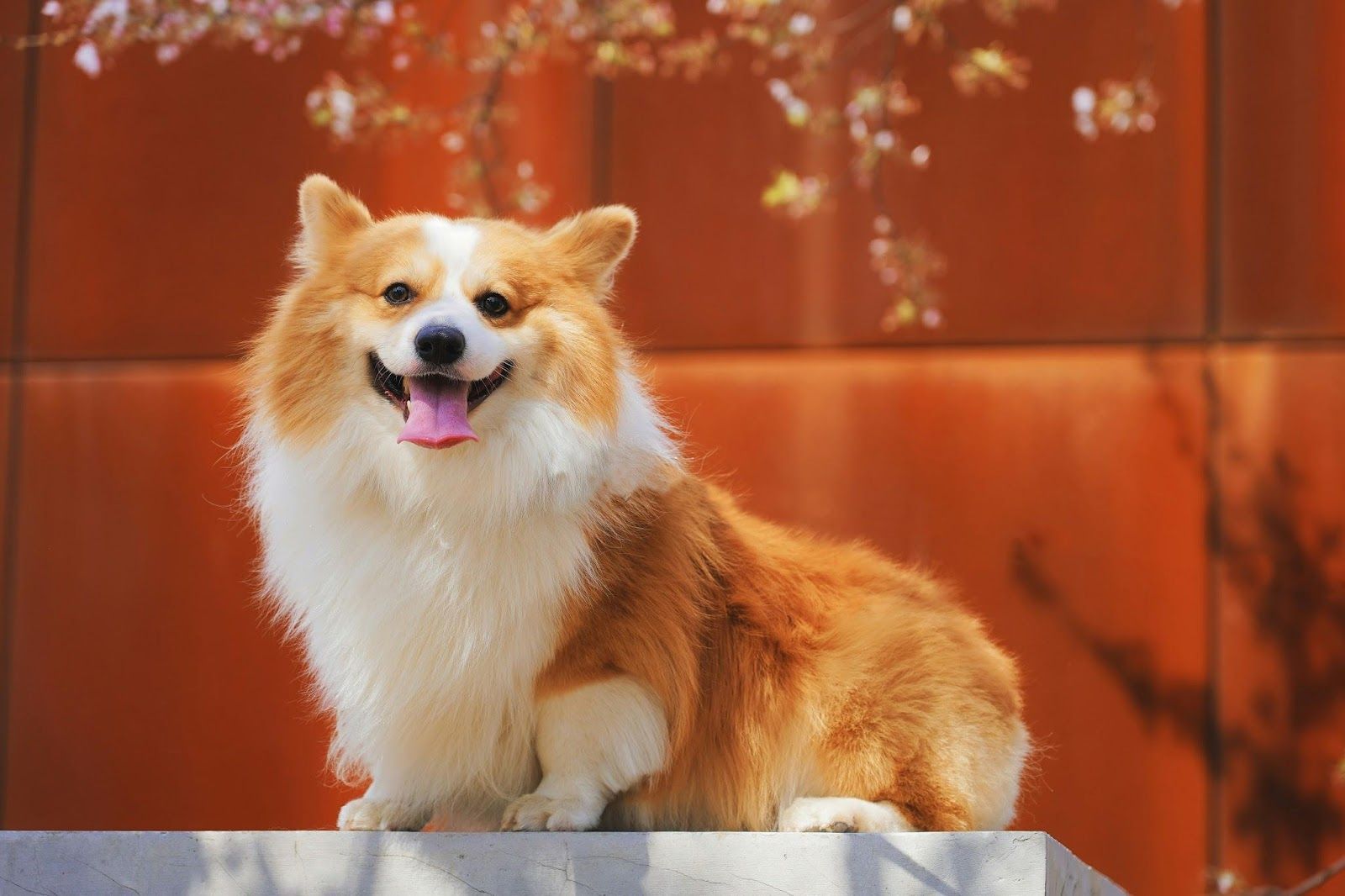
Corgi

Image: Alvan Nee

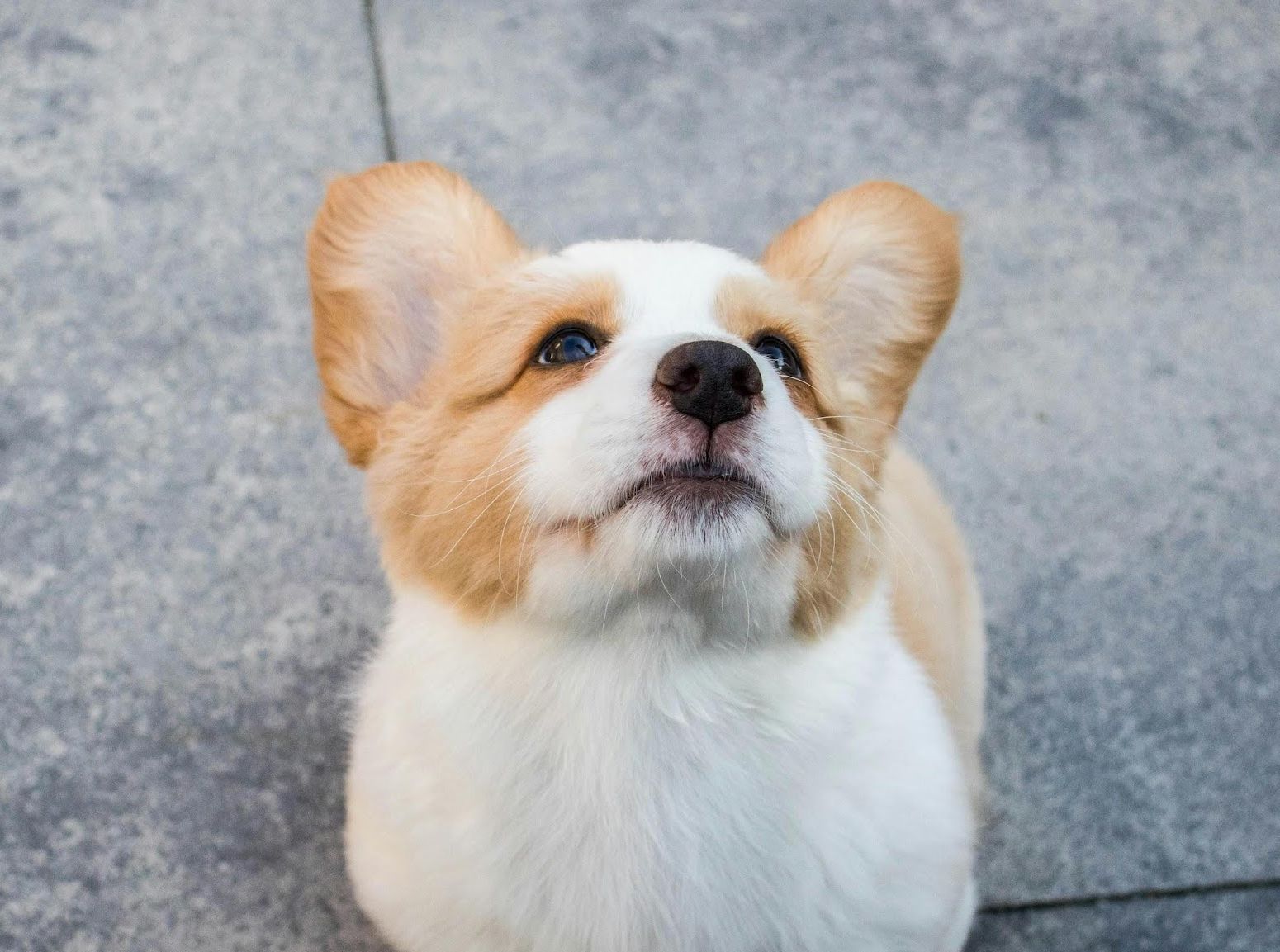
Queen Elizabeth II’s beloved Welsh Corgis made the breed internationally famous. In Welsh, cor means "dwarf" and gi (a soft mutation of ci) means "dog," so Corgi translates to "dwarf dog." Indeed, the breed originated in Wales, where it was used for herding cattle by nipping at their heels. Over time, Corgis also became a cultural symbol of British royalty.

6

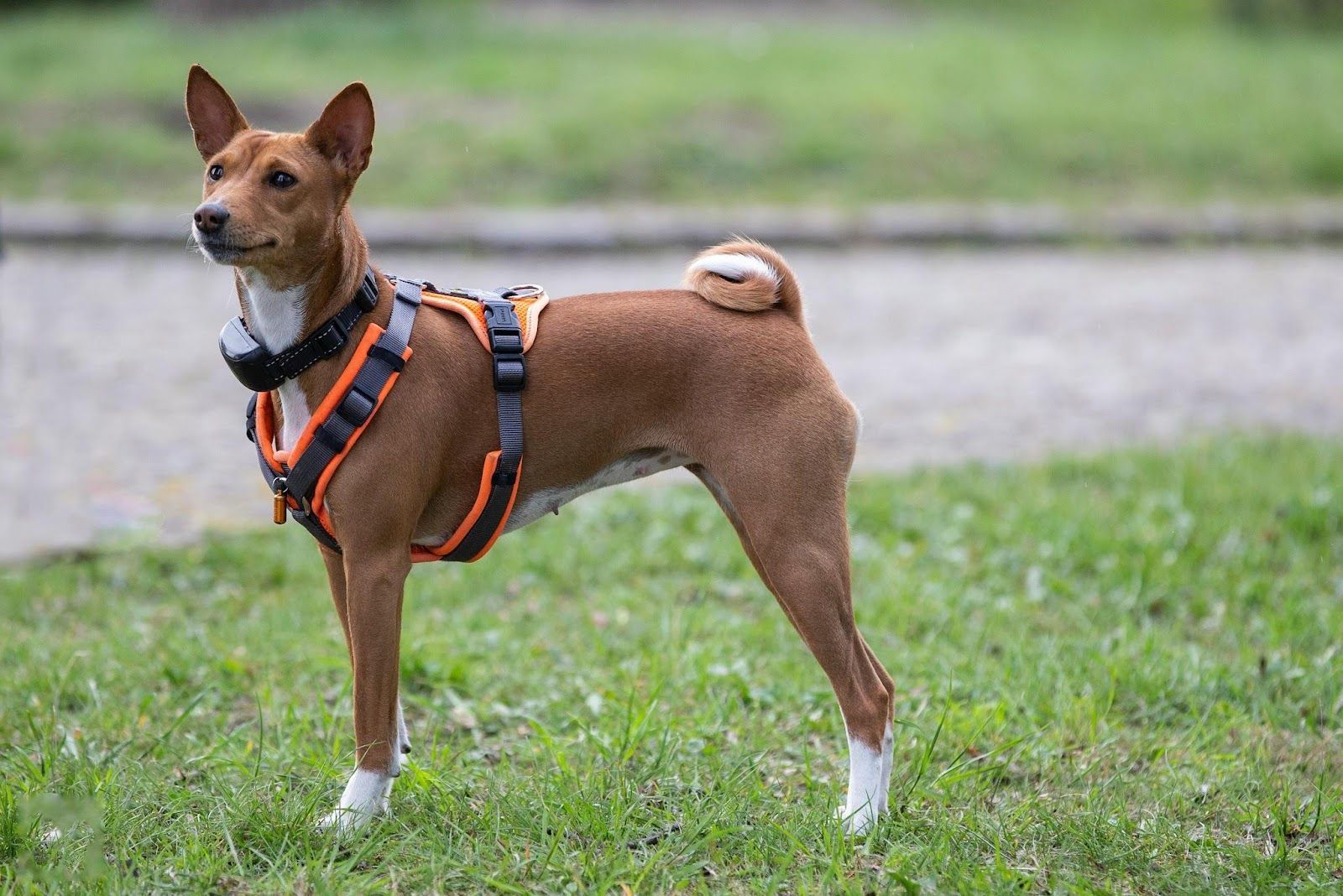
Basenji

Image: TomasHa

Known as the "barkless dog" of Central Africa—because of its unique larynx structure, which produces a yodel-like sound (baroo) instead of a bark—the name "Basenji" comes from a Bantu language and roughly translates to "village dog" or "bush thing." The breed is ancient and was used for hunting in the Congo.

7

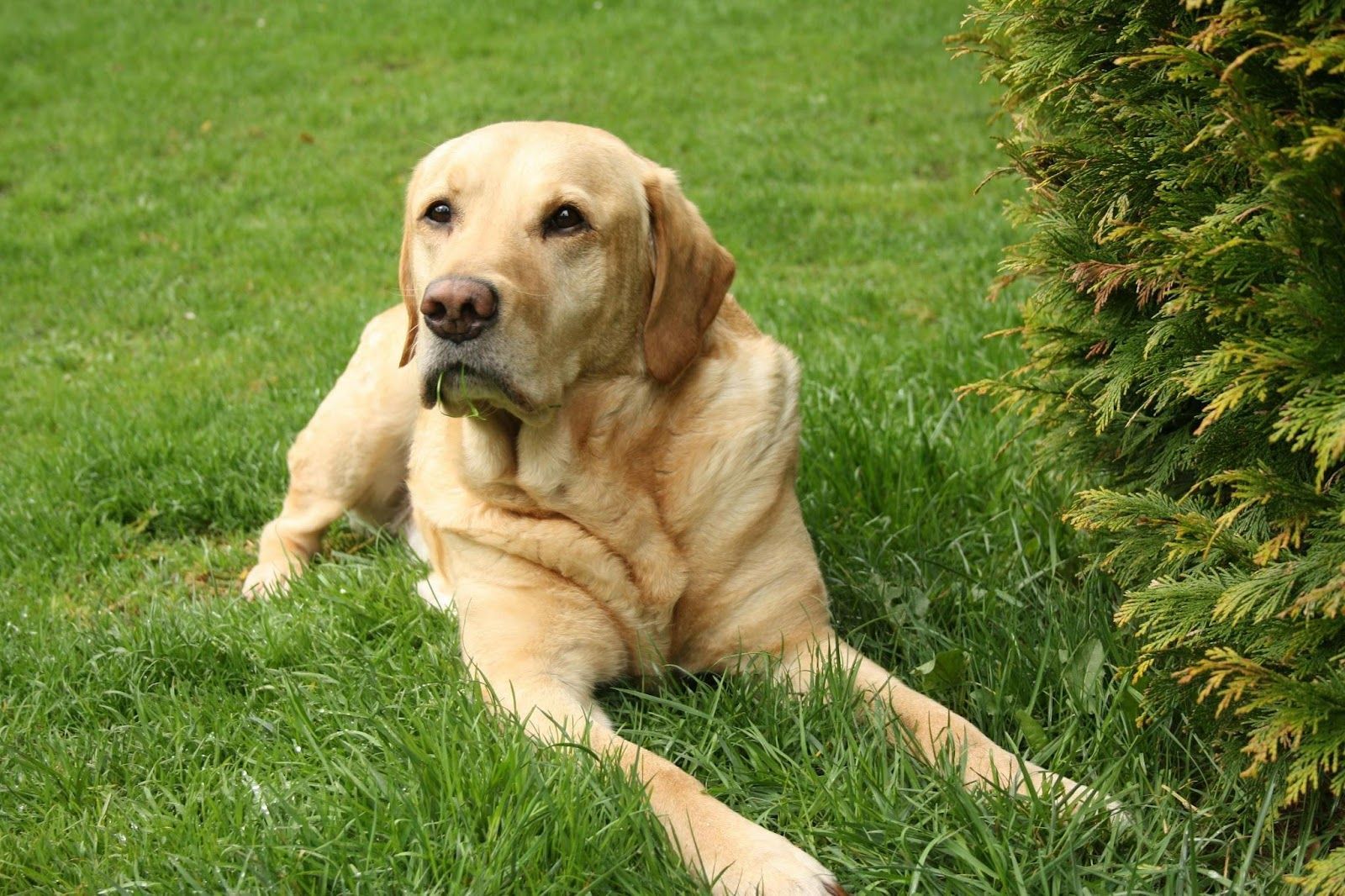
Labrador Retriever

Image: Joshua Köller

Did you know the Labrador Retriever has been America’s most popular dog breed for decades? Despite its name, the breed did not originate in Labrador but in Newfoundland.

It was called "Labrador" because British breeders associated the dogs with the Labrador Sea and the nearby region, while "Retriever" refers to the breed’s role in hunting.

8

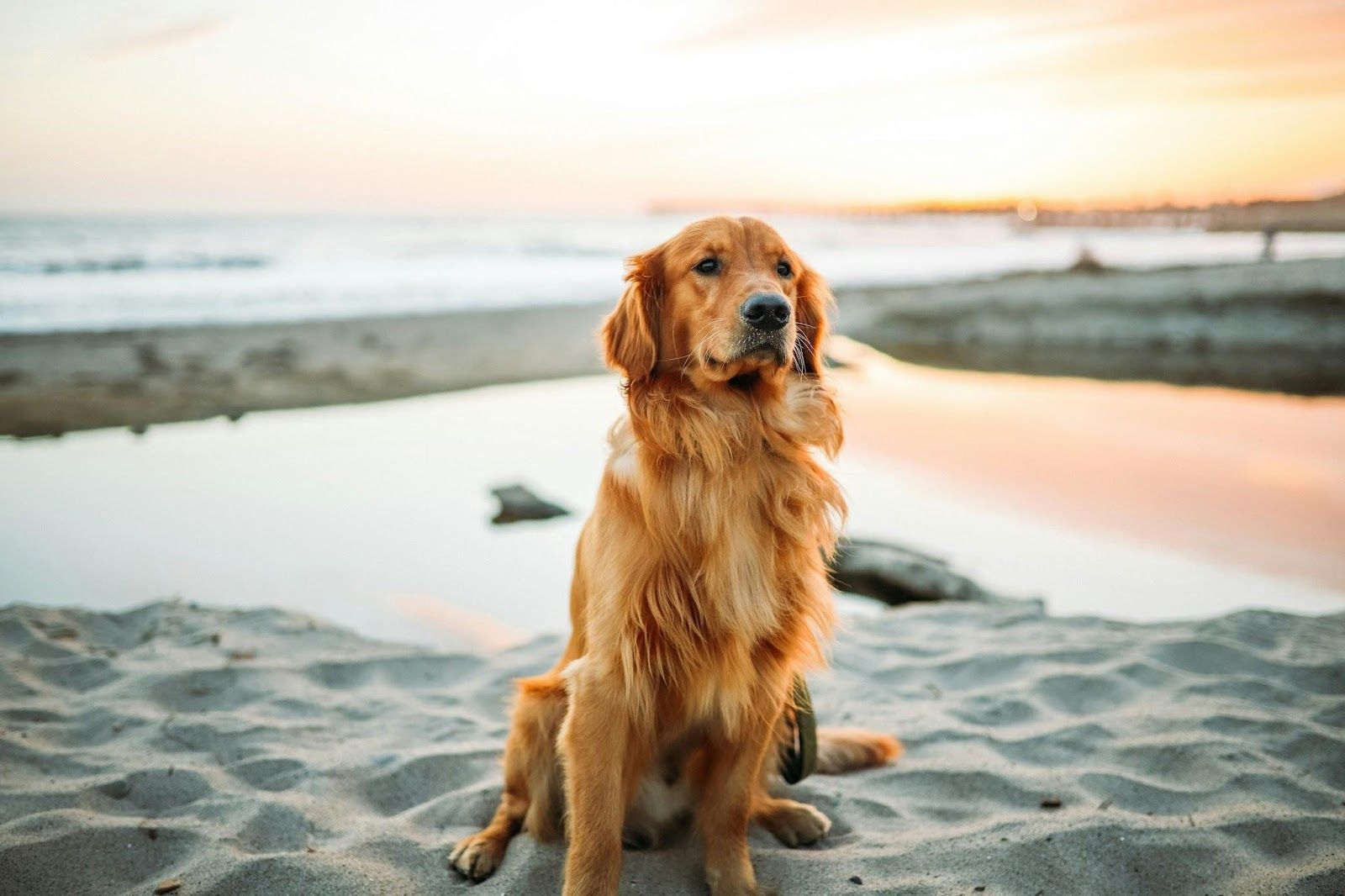
Golden Retriever

Image: Justin Aikin

So, did Golden Retrievers retrieve gold? Short answer: no. Like Labradors, they were bred to retrieve game for hunters, but the "golden" part of their name refers to their beautiful coat.

The breed was developed in Scotland in the 19th century by crossing several breeds to create an obedient, water-loving gun dog.

9

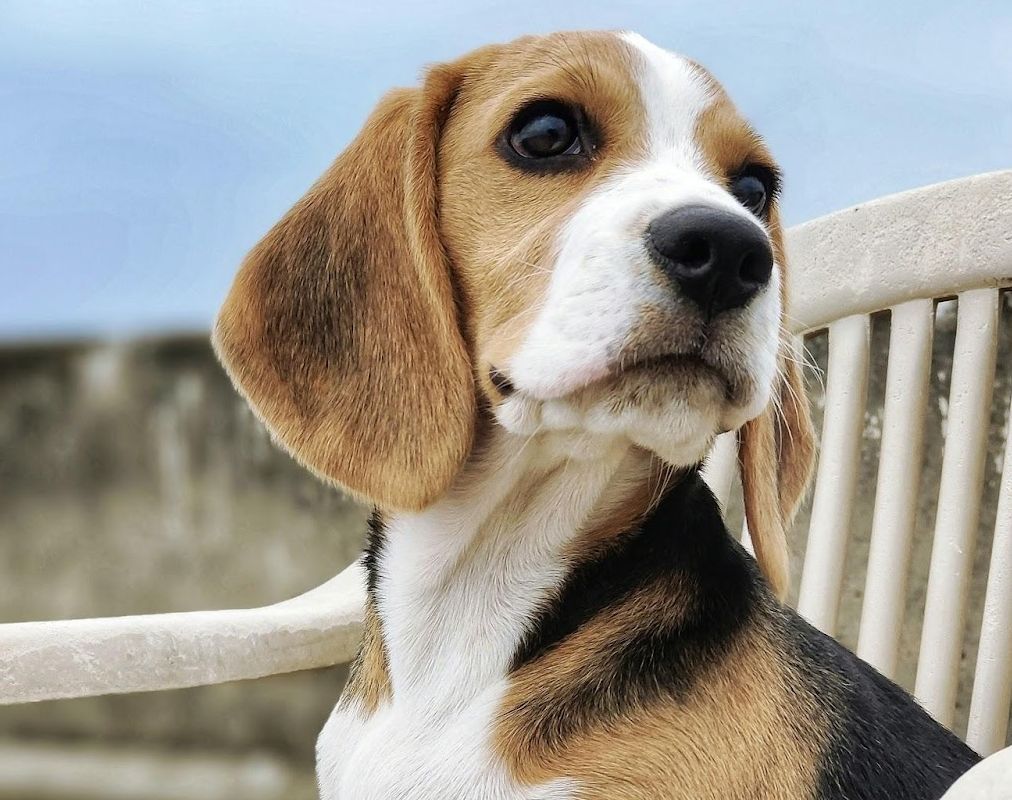
Beagle

Image: Rahul danga

Snoopy is perhaps the most famous Beagle out there, even though we only saw him in black and white.

The origin of this beloved breed’s name is debated. It may derive from the Old French begueule, meaning "open throat," a nod to their baying howls. Others trace it to Celtic or Old English words meaning "small."

10

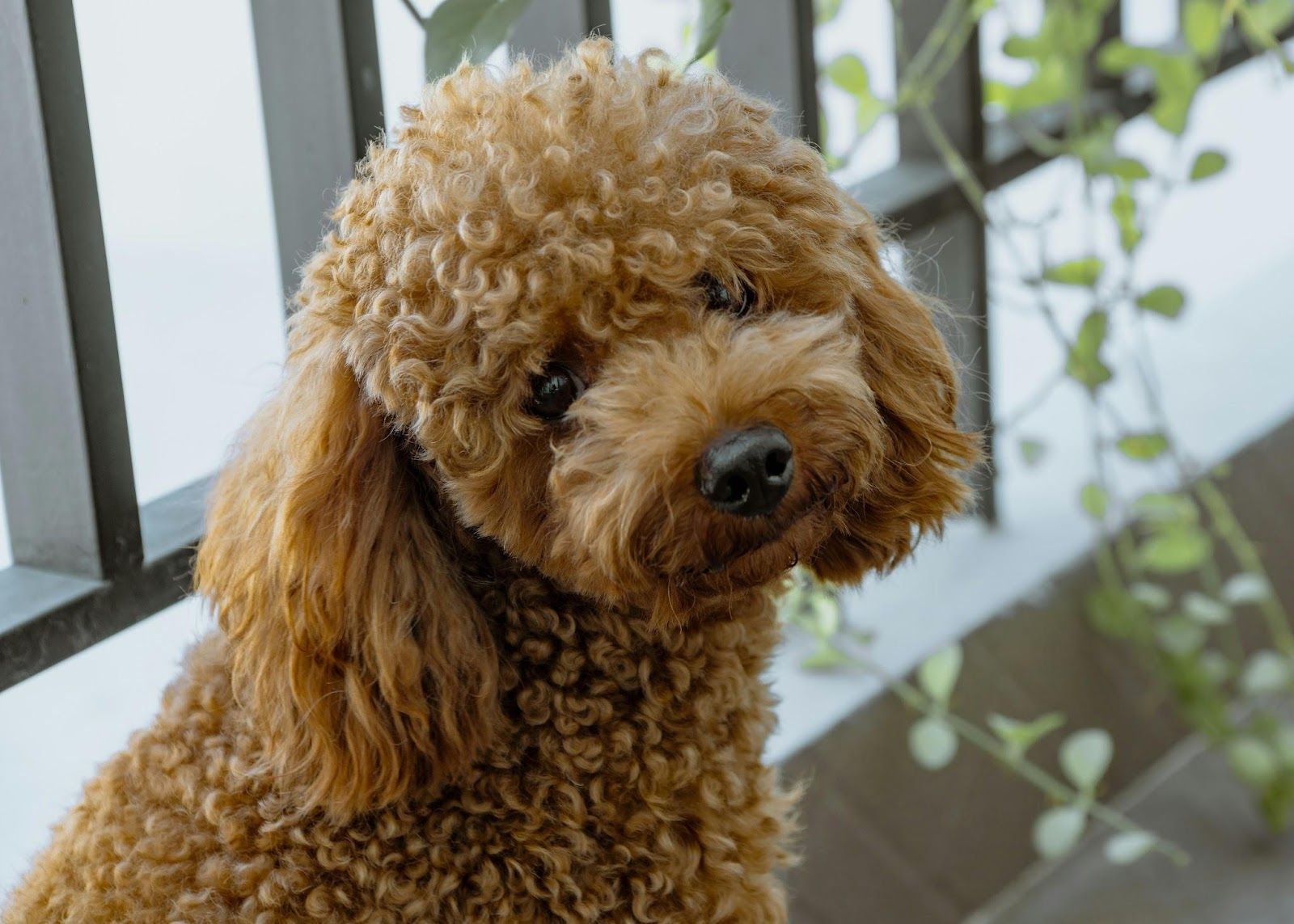
Poodle

Image: Tra Tran

Always pampered and impeccably groomed! If the term "Poodle" has always reminded you of "puddles," you are not far off. The name comes from the German Pudel or Pudelin, meaning "to splash in water." Poodles were originally bred as water retrievers, so their name reflects this aquatic work.

11

Pug

Image: Bruce Galpin

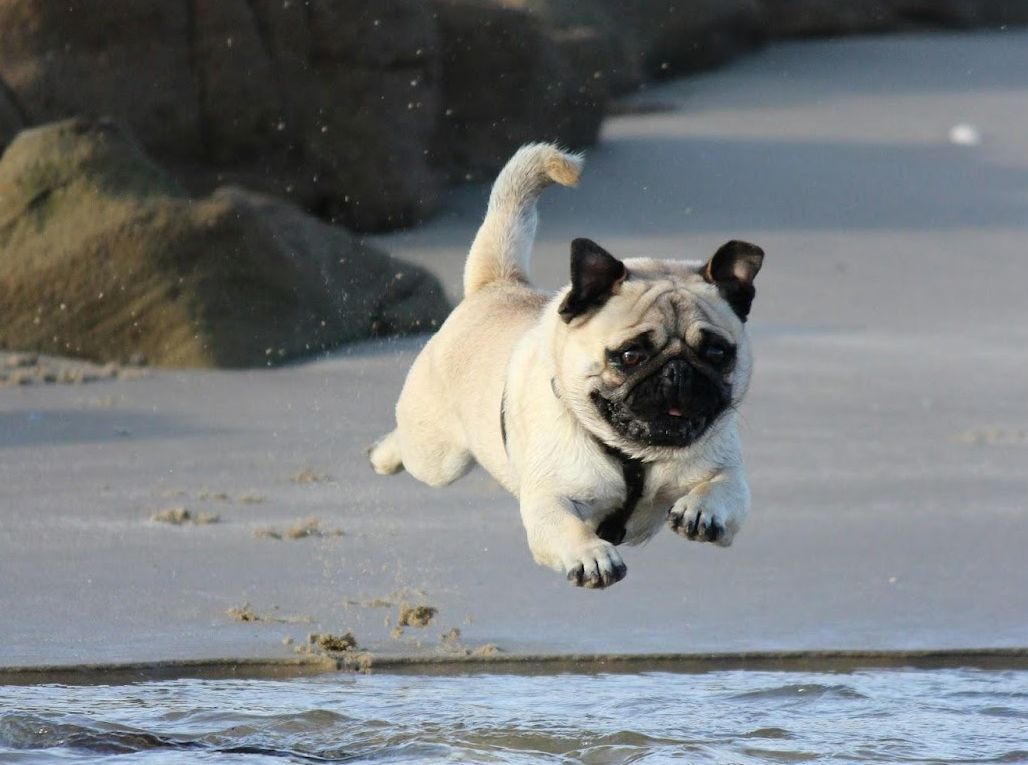
Pugs’ features and expressive faces have made them a source of comic relief in pop culture. There is no consensus about the origin of their name, however.

Some say that it derives from the Latin pugnus, meaning "fist," perhaps referencing their squished, fist-like face. Others say that in 18th-century England, "pug" was also a term of endearment for something small and compact-looking.

12

Boxer

Image: Jackson Jorvan

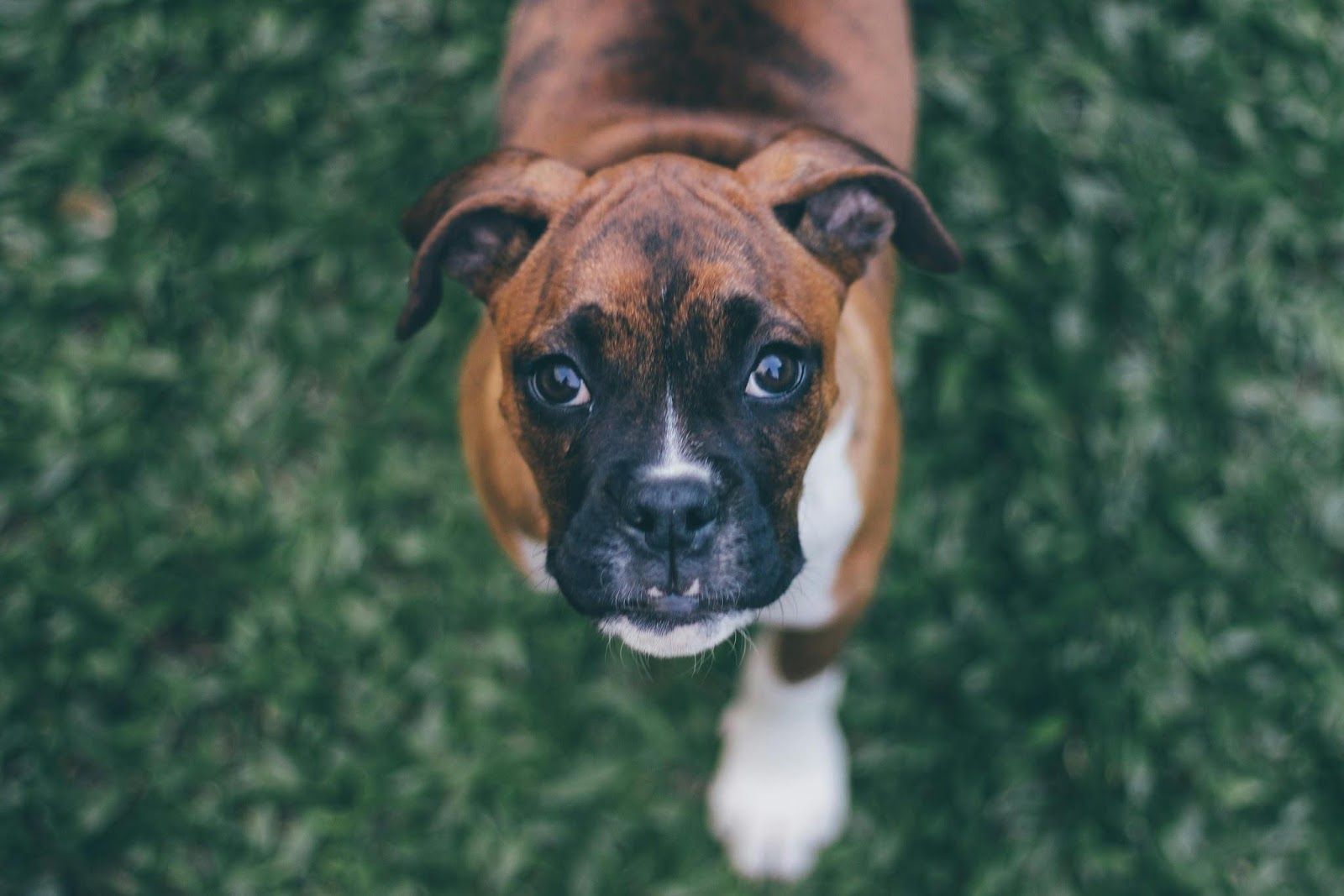
Athletic, energetic, and full of protective instincts, Boxers are true family guardians. But why the name?

It is thought to come from the breed’s tendency to use its front paws in play, like a boxer in the ring. Another theory links the name to the German word Boxl, a nickname for the breed in Bavaria.

13

Mastiff

Image: Sophie Hollies 🇨🇭🇫🇷 🇬🇧

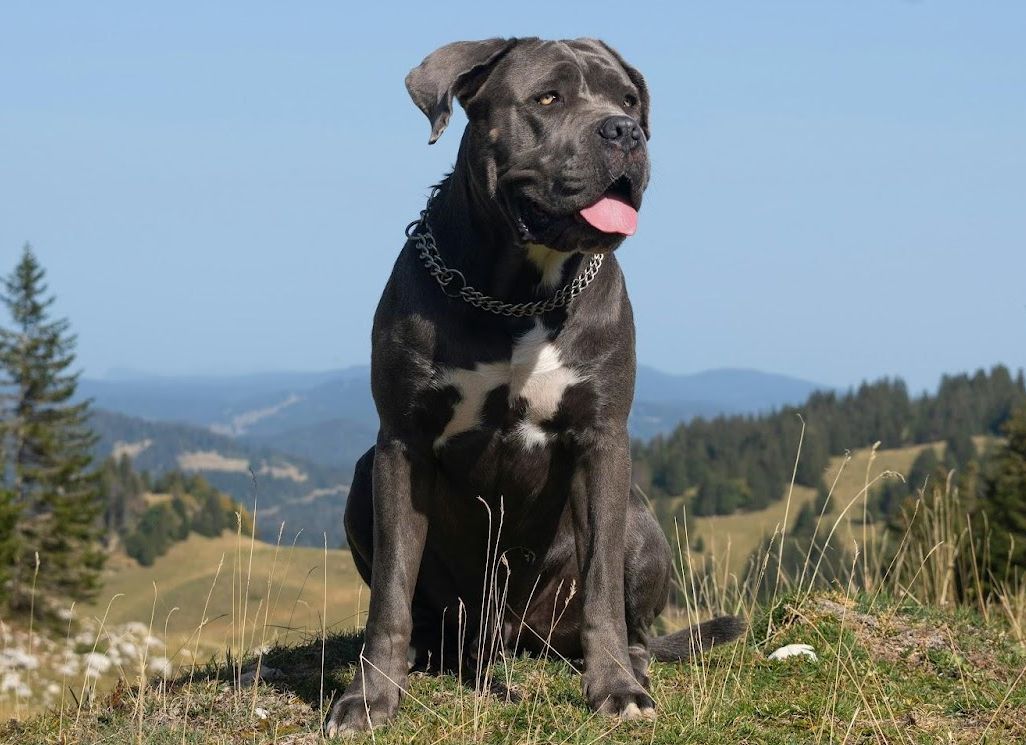
As calm and noble as they are huge, Mastiffs were named after the Old French mastin or the Latin mansuetus, meaning "tame" or "domesticated." Despite their imposing size, Mastiffs were bred to guard homes and estates while remaining loyal and gentle with their owners.

Looking for an extra scoop of literary fun?

Learn more with our Word of the day

uneasiness

/ˌənˈizinəs/