The truth lies beneath
Many people still don’t get the meaning of these famous quotes. Do you?
Published on July 29, 2026

Some quotations become so famous that they take on lives of their own. We repeat them in classrooms, movies, headlines, and everyday conversations, but sometimes without knowing what the speaker actually meant. Sometimes the original context gets lost, and sometimes popular myths overshadow the truth. These iconic phrases have endured for decades, even centuries, but their true meanings often surprise us. Did you know about the following 11?
Read my lips: No new taxes. — George H. W. Bush (1988)
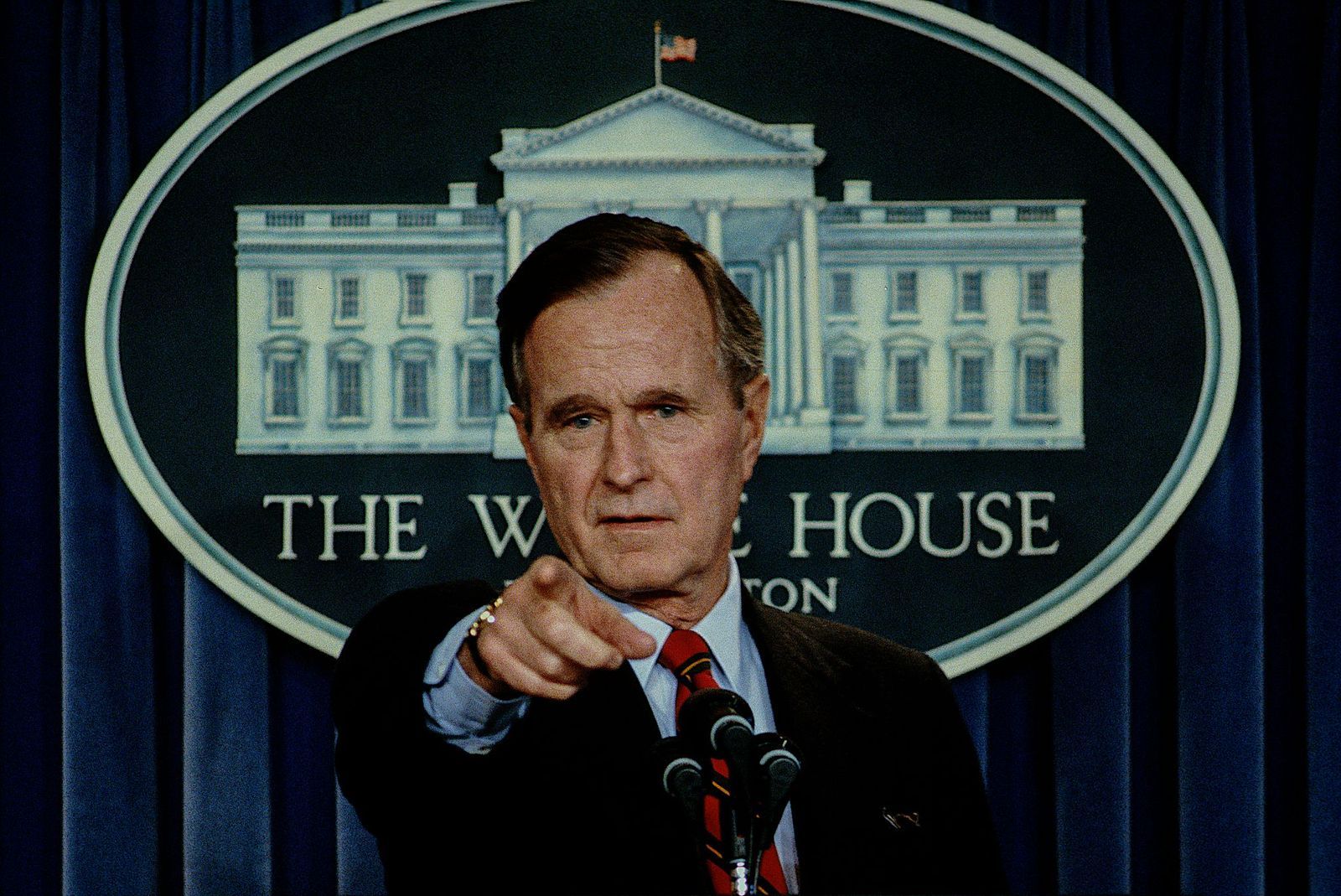
George H. W. Bush delivered this memorable line while accepting the Republican presidential nomination in 1988. Written by speechwriter Peggy Noonan, it wasn't simply a catchy slogan, it was a firm campaign promise meant to reassure conservative voters that his administration would not raise taxes under any circumstances.
The phrase became famous for what happened next. Facing a growing federal deficit, Bush agreed to a bipartisan budget deal in 1990 that included tax increases. Many supporters viewed the move as a broken promise, and "Read my lips" has since become shorthand for political pledges that later prove impossible to keep.
Mr. Gorbachev, tear down this wall! — Ronald Reagan (1987)
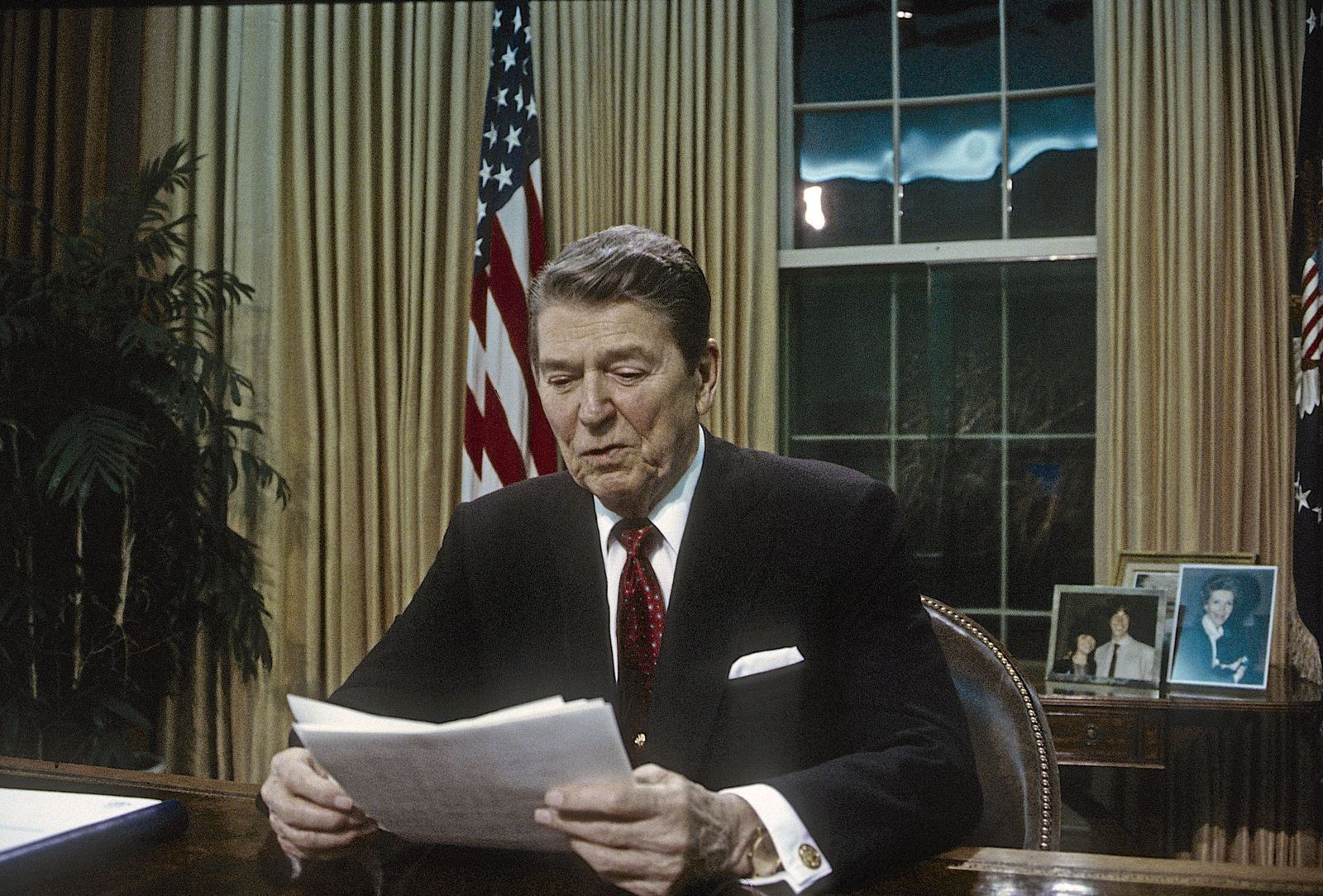
Standing before Berlin's Brandenburg Gate in 1987, President Ronald Reagan addressed Soviet leader Mikhail Gorbachev with what became one of the Cold War's defining lines. He wasn't literally ordering workers to demolish the Berlin Wall but challenging the Soviet Union to demonstrate that its promises of openness and reform were genuine.
Several advisers reportedly urged Reagan to remove the sentence from the speech because they feared it was too confrontational. He kept it anyway. Although the Berlin Wall fell two years later for many complex political reasons, the phrase remains a powerful symbol of freedom triumphing over division.
Ask not what your country can do for you… — John F. Kennedy (1961)
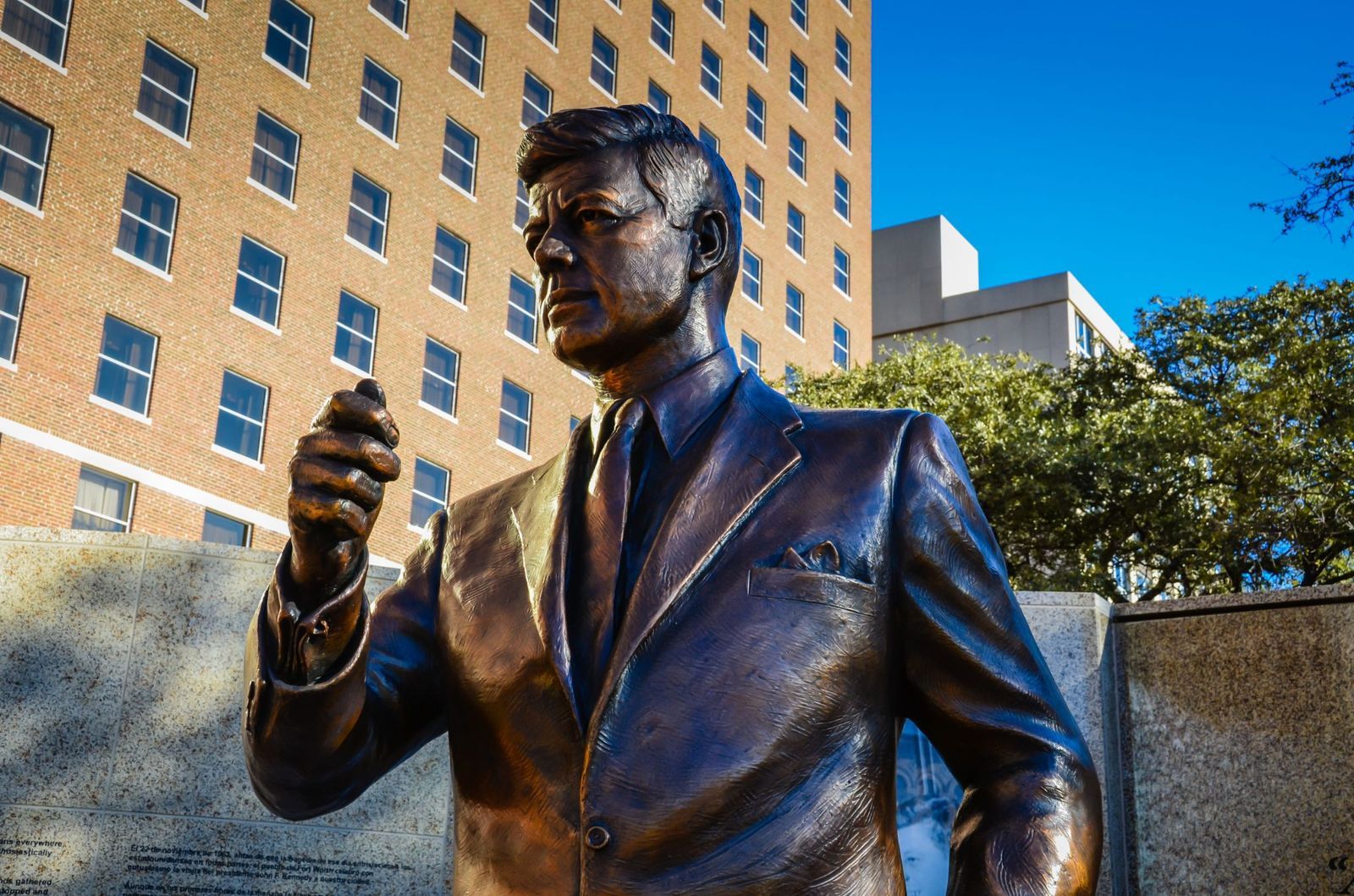
This famous sentence from John F. Kennedy's inaugural address is sometimes mistaken for a demand for unquestioning patriotism. In reality, Kennedy was encouraging Americans to become active participants in democracy rather than passive recipients of government benefits.
Delivered at the height of the Cold War, the speech called on citizens to serve their communities and country. The message inspired countless Americans to volunteer, including many who joined the newly created Peace Corps.
I have a dream. — Martin Luther King Jr. (1963)
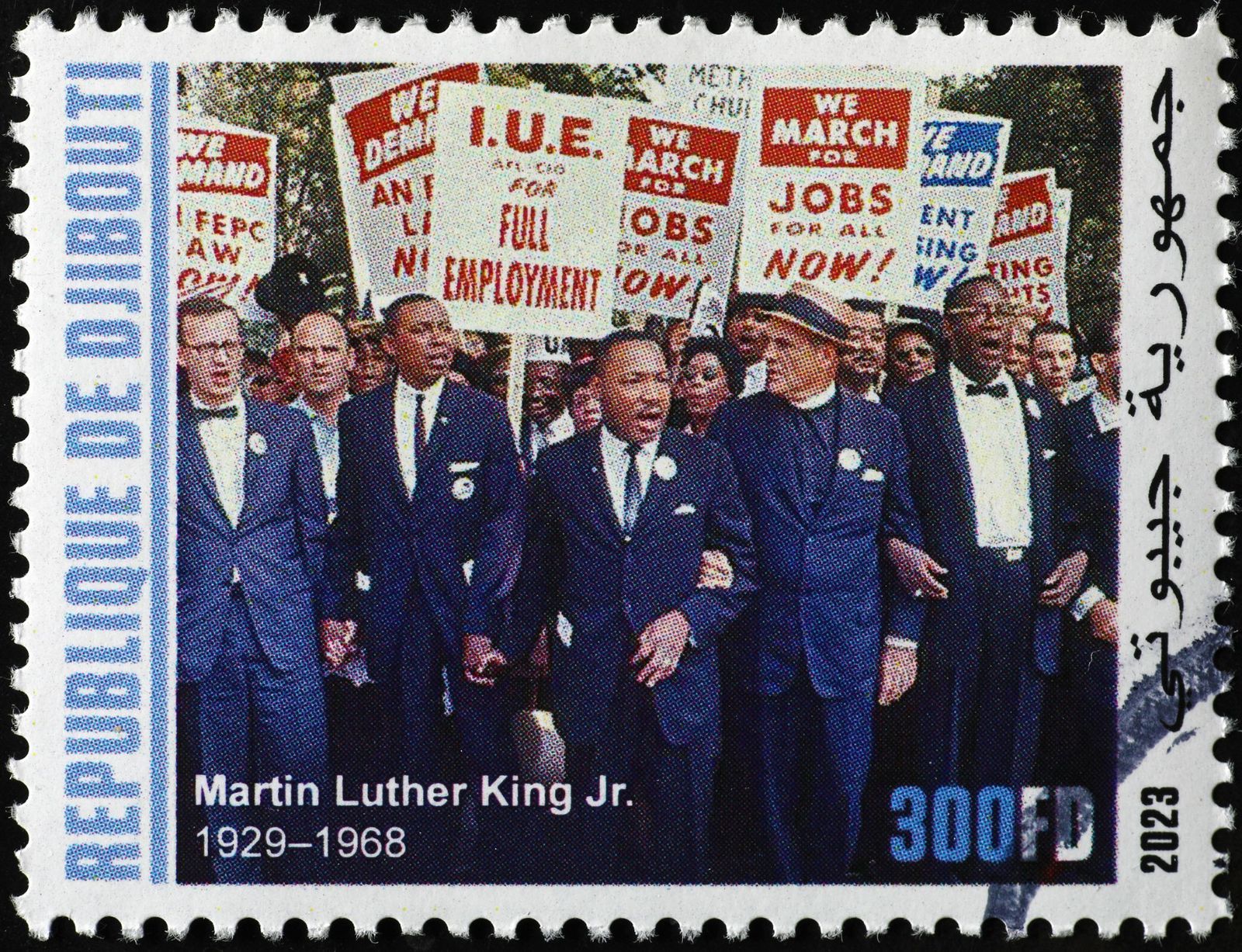
Martin Luther King Jr.'s words have become synonymous with hope, but the "dream" he described was remarkably specific. Speaking at the March on Washington for Jobs and Freedom, King envisioned an America where the Constitution's promises of equality would finally apply to everyone, regardless of race.
The speech's most memorable section was not fully scripted. According to several accounts, gospel singer Mahalia Jackson encouraged King to "tell them about the dream," prompting him to set aside his prepared remarks and speak from the heart. Those improvised passages became some of history's most celebrated words.
The only thing we have to fear is fear itself. — Franklin D. Roosevelt (1933)
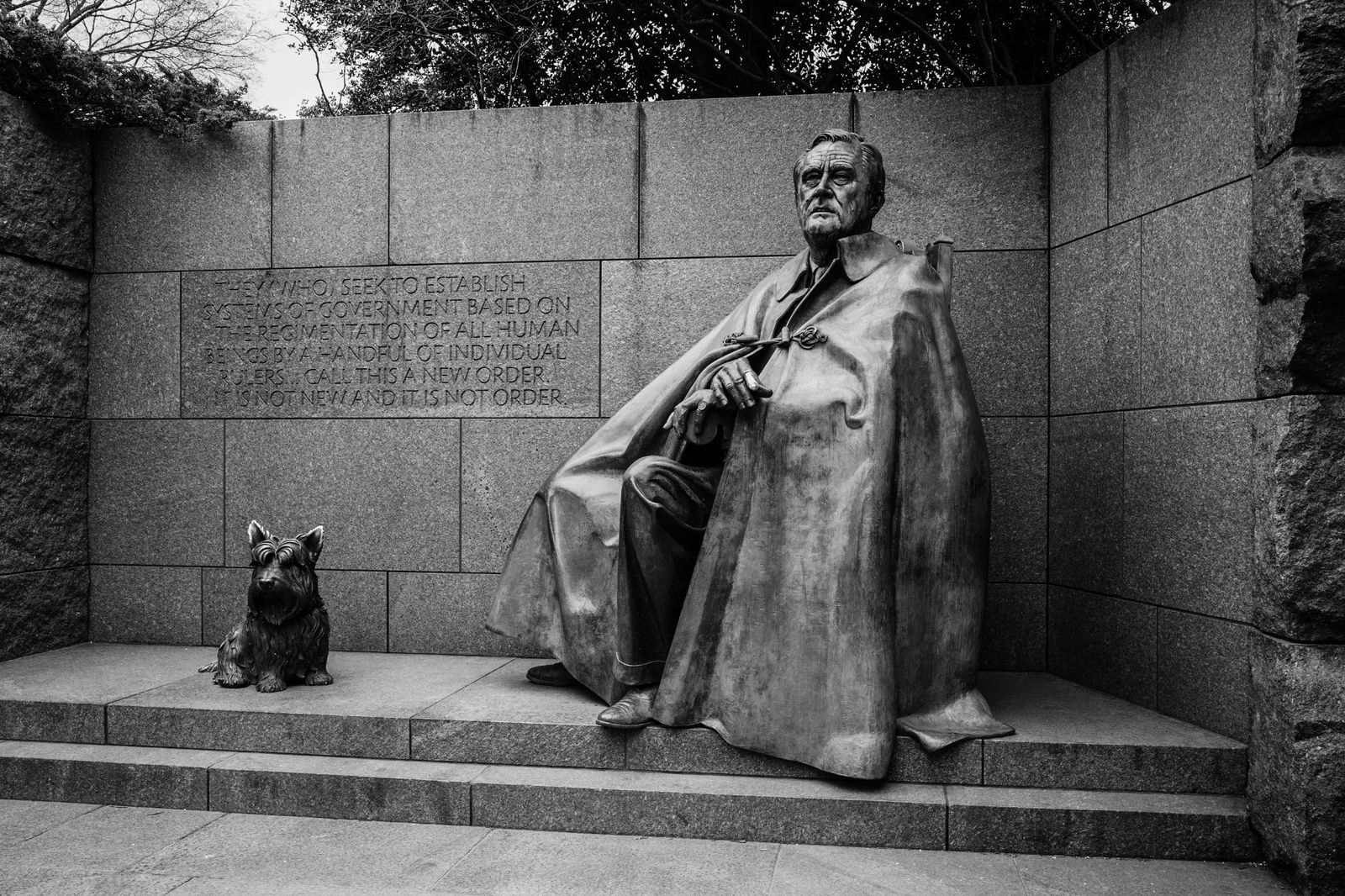
Franklin D. Roosevelt spoke these famous words during his first inaugural address as the United States struggled through the Great Depression. Rather than offering generic encouragement, he argued that fear itself had become an economic force, causing bank runs, panic, and paralysis that only made the crisis worse.
Roosevelt believed restoring public confidence was essential to recovery. Within days, he declared a nationwide bank holiday and launched the first measures of what became the New Deal. His phrase has endured because it captures the powerful effect fear can have on people's decisions.
Ich bin ein Berliner. — John F. Kennedy (1963)
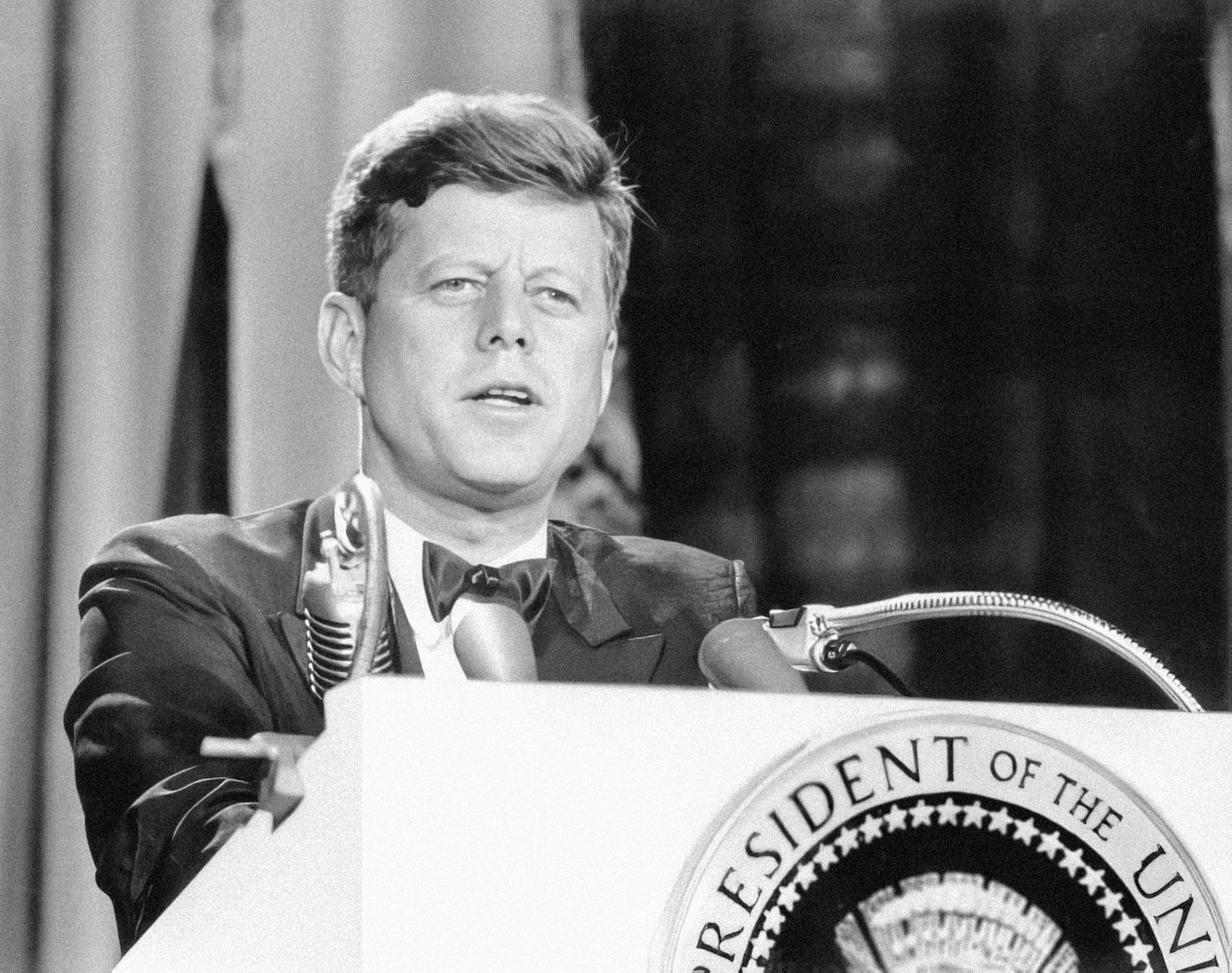
One of history's most persistent language myths claims that Kennedy accidentally said, "I am a jelly doughnut." In reality, German speakers clearly understood what he meant when he declared, "Ich bin ein Berliner" during a visit to West Berlin in 1963.
Kennedy was expressing solidarity with the isolated city's residents at one of the Cold War's tensest moments. Linguists have long dismissed the doughnut story as a misconception, while historians view the speech as a powerful demonstration of American support for West Berlin. Still, it was fun.
I am not a crook. — Richard Nixon (1973)
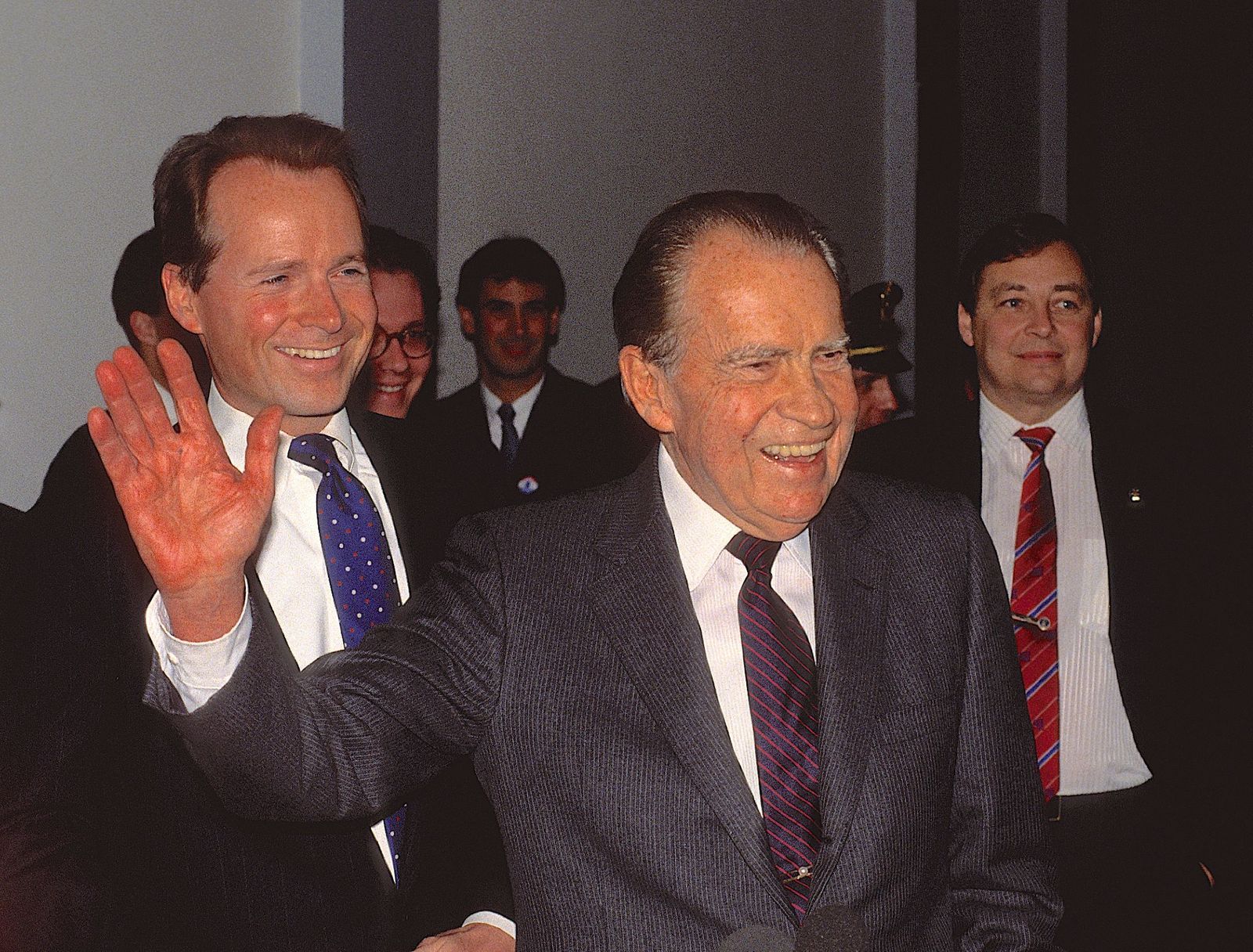
Richard Nixon uttered this famous denial during a televised press conference while the Watergate scandal dominated headlines. Although many people remember it as a blanket denial of wrongdoing, Nixon was specifically insisting that he had never personally profited illegally from holding public office.
The phrase quickly took on a life of its own. As investigations continued and evidence mounted, Nixon resigned less than a year later, making him the first U.S. president ever to do so. Today, the quote is remembered less for what Nixon intended than for the irony that history would attach to it.
Houston, we've had a problem. — Jack Swigert (1970)
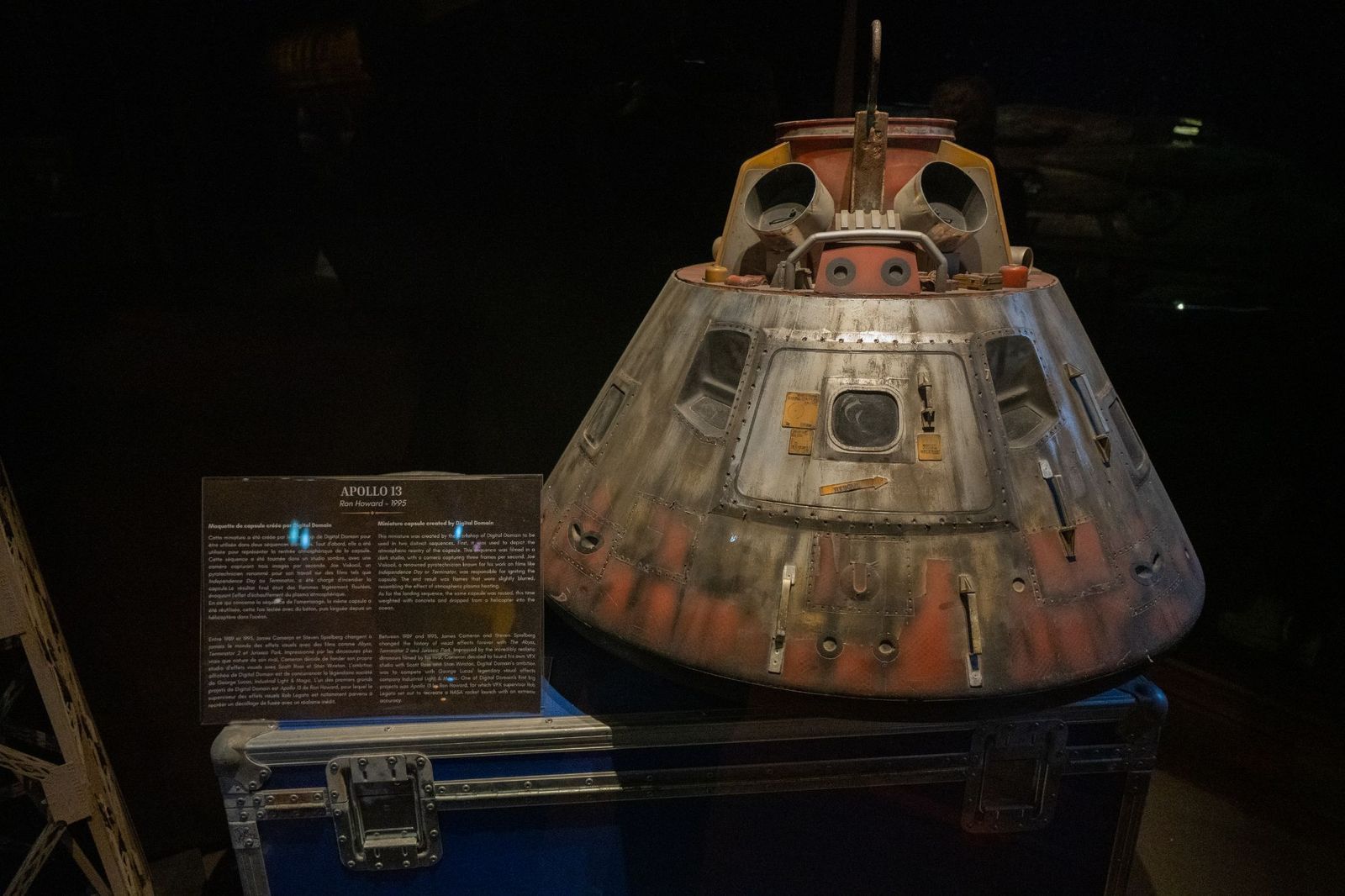
Popular culture remembers the Apollo 13 crisis as "Houston, we have a problem." The actual transmission was slightly different. After an oxygen tank exploded aboard the spacecraft, astronaut Jack Swigert calmly radioed, "Okay, Houston, we've had a problem here," with commander Jim Lovell repeating the report moments later.
The wording reflected that the emergency had already occurred rather than merely being discovered. The shorter version became famous after the 1995 film Apollo 13, but the original exchange remains one of the best-known examples of calm professionalism.
That's one small step for [a] man… — Neil Armstrong (1969)
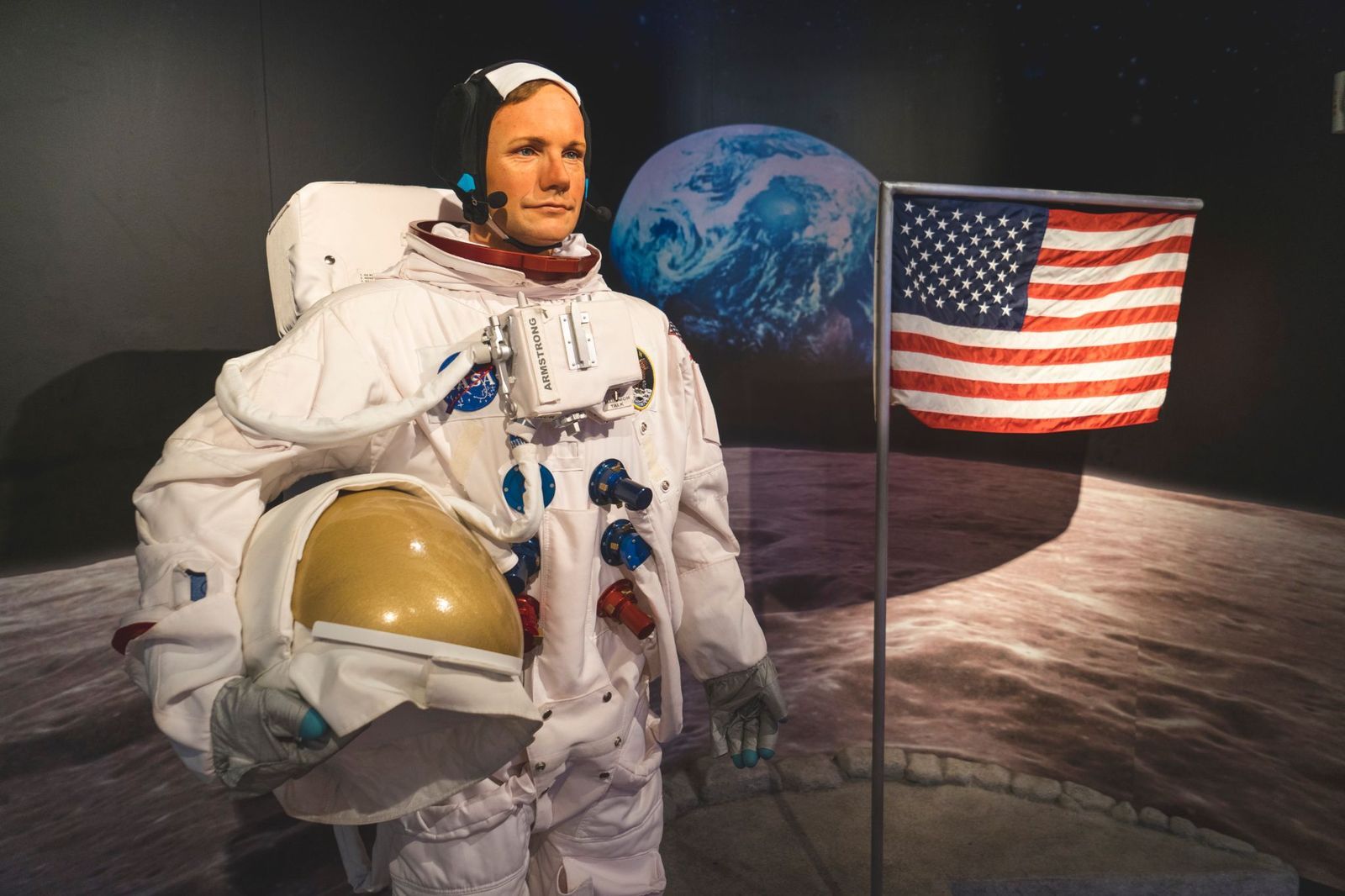
Neil Armstrong's first words on the Moon are among history's most quoted sentences, but one tiny word has sparked decades of debate. Armstrong always insisted he said, "That's one small step for a man, one giant leap for mankind," even though the article "a" is almost impossible to hear in the recording.
The distinction matters because without it, both halves of the sentence mean nearly the same thing. Audio experts have analyzed the recording for years without reaching complete agreement.
Give me liberty, or give me death! — Patrick Henry (1775)
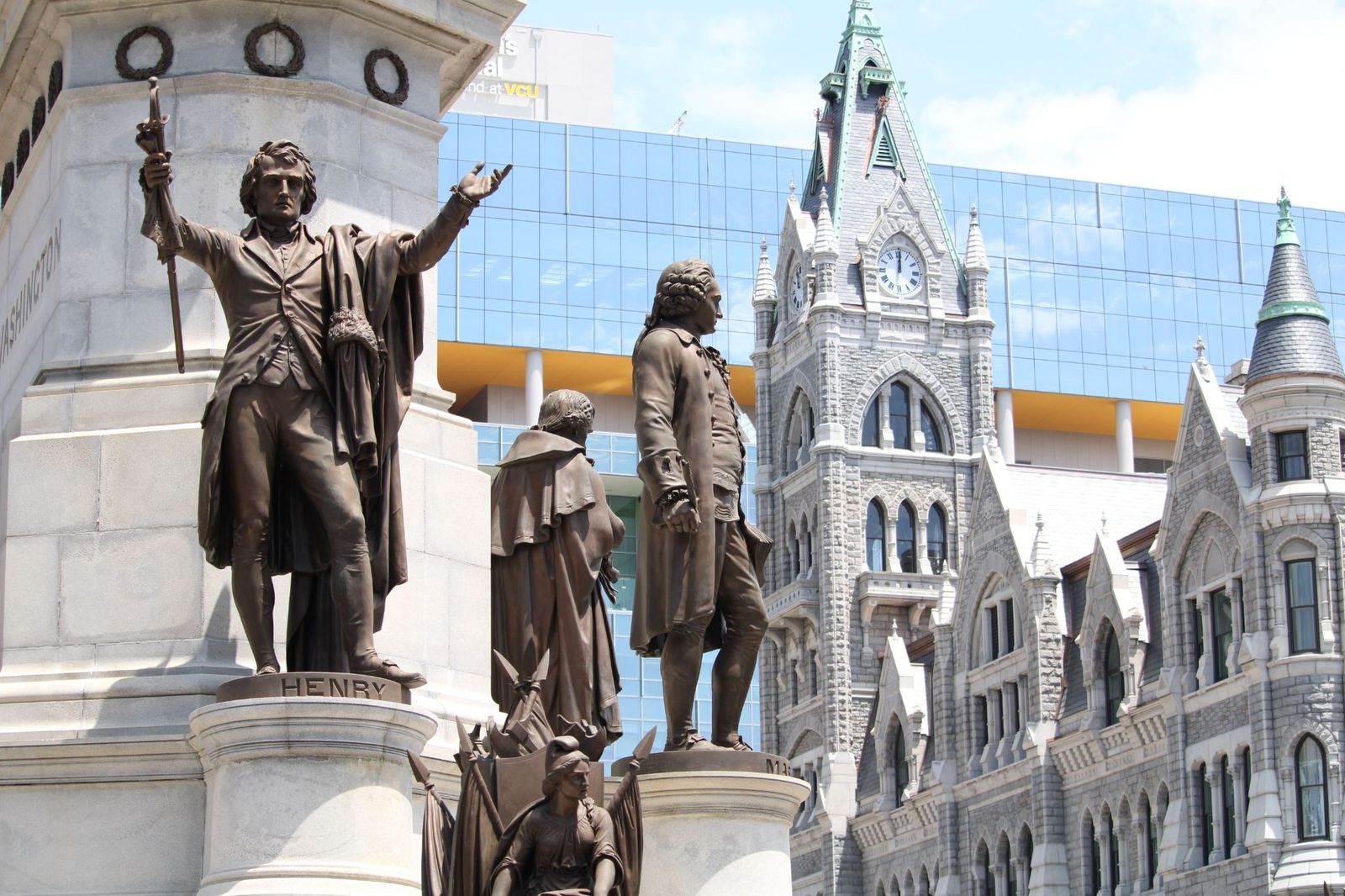
Patrick Henry's dramatic declaration is often imagined as a battlefield cry, but it was actually delivered during a political debate at Virginia's Second Convention in March 1775. Henry argued that peaceful negotiations with Britain had failed and that the colonies needed to prepare for armed resistance.
Interestingly, no verbatim transcript exists. The famous wording was reconstructed decades later by biographer William Wirt, using recollections from witnesses, although historians cannot confirm every word.
Speak softly and carry a big stick. — Theodore Roosevelt
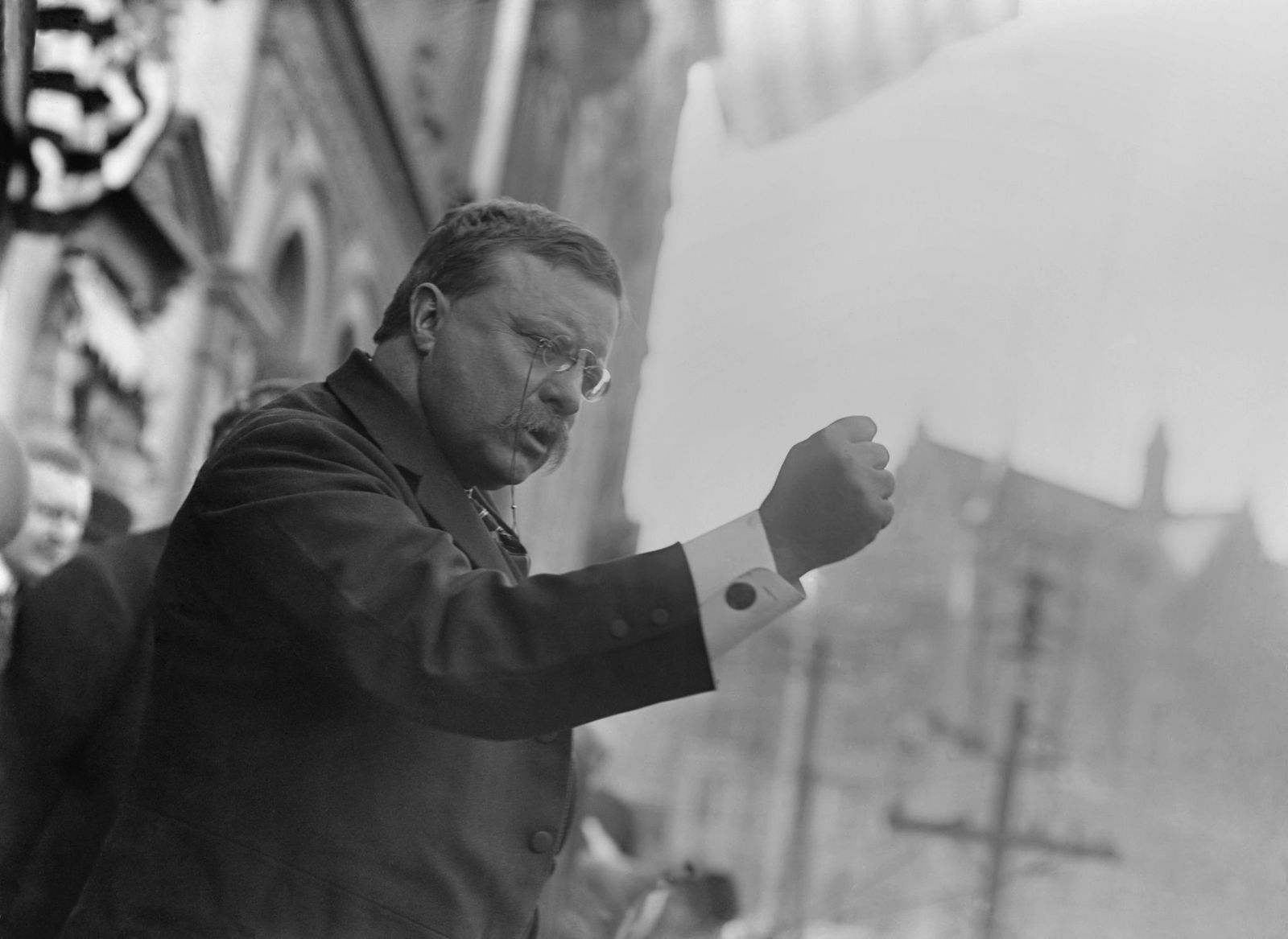
At first glance, Theodore Roosevelt's famous advice sounds aggressive, but it actually promotes restraint. Roosevelt believed successful diplomacy begins with calm negotiation, while credible strength remains available in the background if peaceful efforts fail.
He said the phrase reflected an old West African proverb, although historians have never found evidence that such a proverb existed before Roosevelt popularized it. Regardless of its origin, the expression became permanently associated with his approach to foreign policy and remains a familiar shorthand for negotiating from a position of strength.


