Is it really made of cheese?
Many moons ago: 10 lunar facts you might not know
Published on February 7, 2026
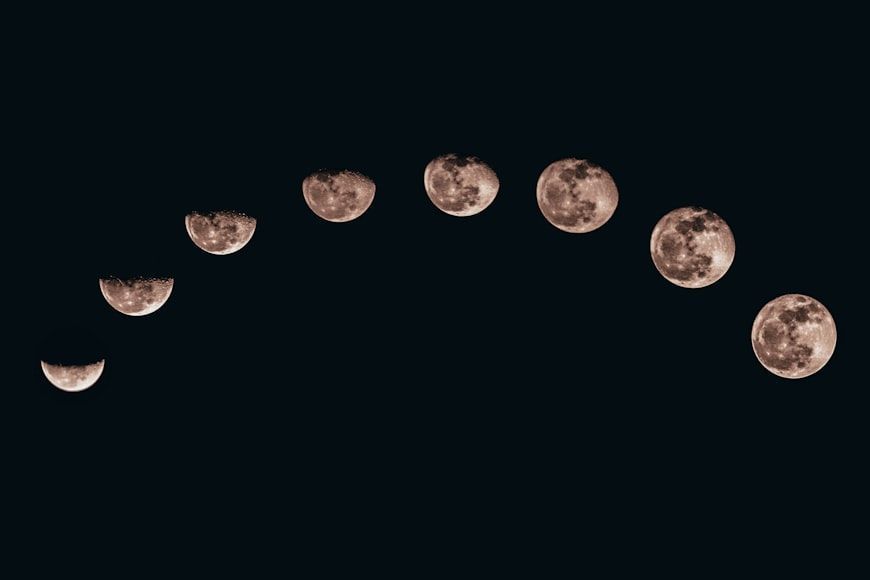 Image: Sanni Sahil
Humanity has always had the Moon as a companion, using it to track time and the seasons and even believing it capable of affecting people’s behavior. As Earth’s only natural satellite, the Moon has a significant influence on our planet, from causing tides to keeping the globe from tilting even more. Let’s learn more about her!
Are the Moon and Planet Earth related?
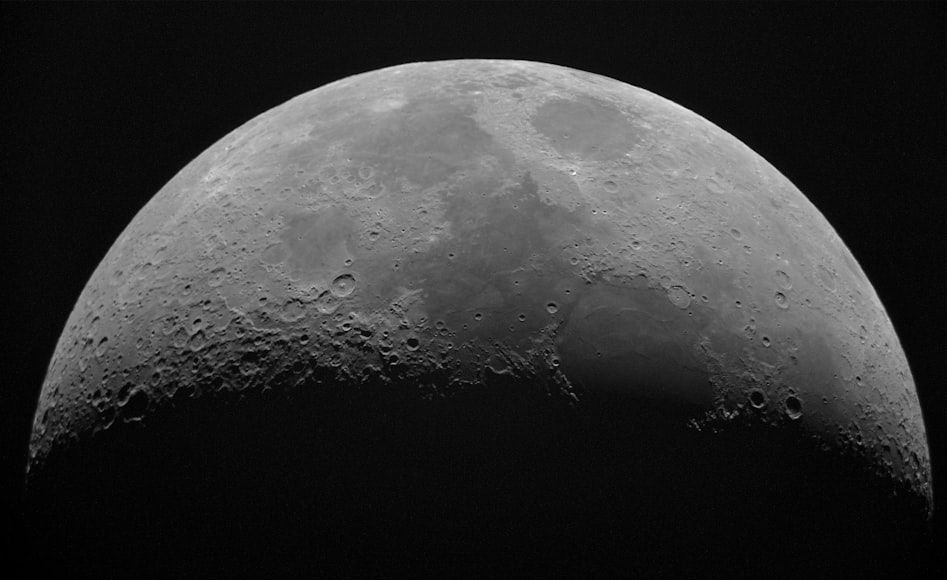 Image: Nicolas Thomas
No one is certain about how the Moon came to be, but scientists have some educated guesses. The most widely accepted hypothesis is that the Moon is a by-product of a collision between a very young planet Earth and another celestial body the size of Mars. This collision not only left Earth permanently tilted, but it also blasted large amounts of material into space. The Moon is thought to have formed from this debris and, in consequence, is related to Earth.
Moonquakes
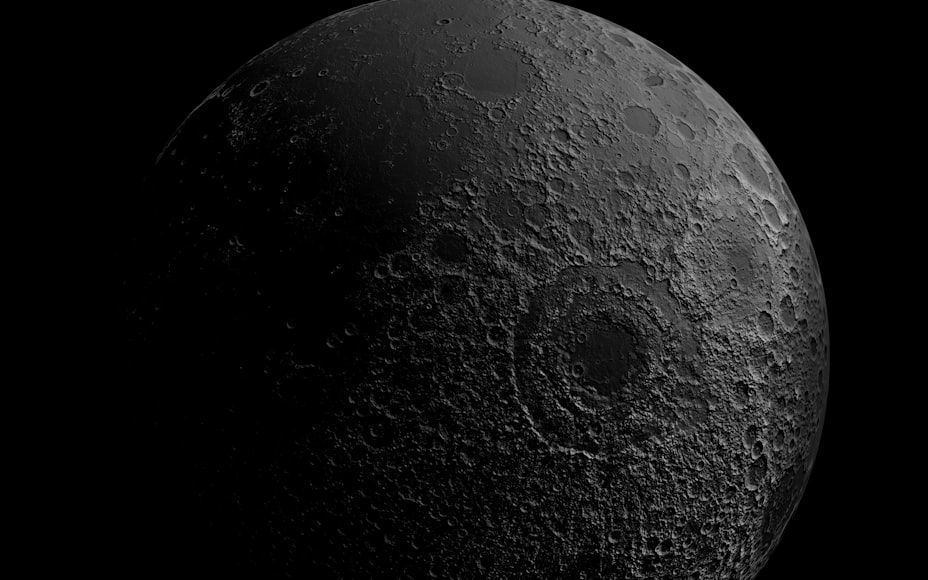 Image: Dennys Hess
Similar to Earth, the Moon also experiences ‘earthquakes’ or, in this case, moonquakes. But, unlike Earth, the Moon lacks tectonic plates. Instead, its seismic activity is caused by meteorite impacts, the gravitational pull of the Earth and the Sun, and shrinkage due to heating and cooling. These quakes are nowhere near as strong as an earthquake, but they are significant enough to pose challenges for the construction of permanent lunar bases.
The Moon doesn’t have a ‘dark’ side
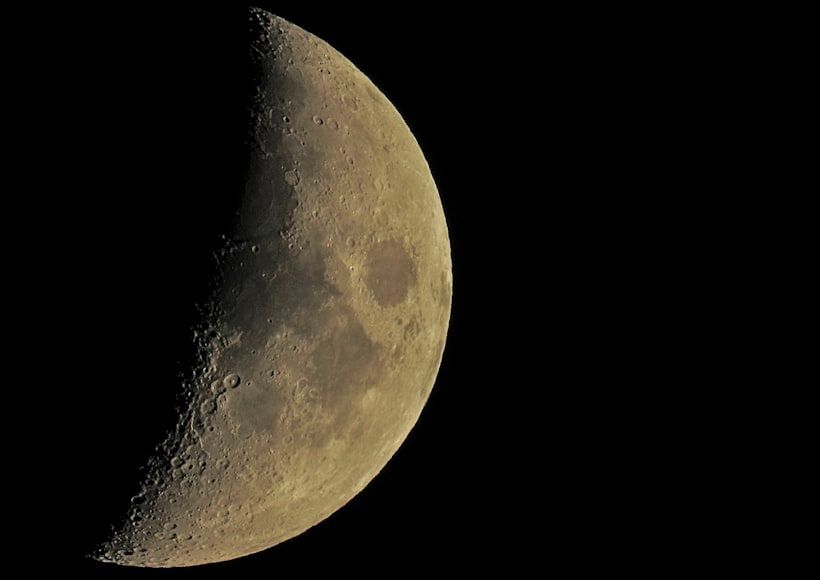 Image: v2osk
One side of the Moon is always obscured, but this doesn’t mean it is perpetually dark. Each face of the moon experiences about two weeks of sunlight at a time, while the other side experiences night. However, one of its sides is constantly facing away from the Earth, which means there is a side that we don’t see. It has been called ‘the far side’ and ‘the dark side’, not because it lacks light, but because it is unknown.
We see the Moon differently
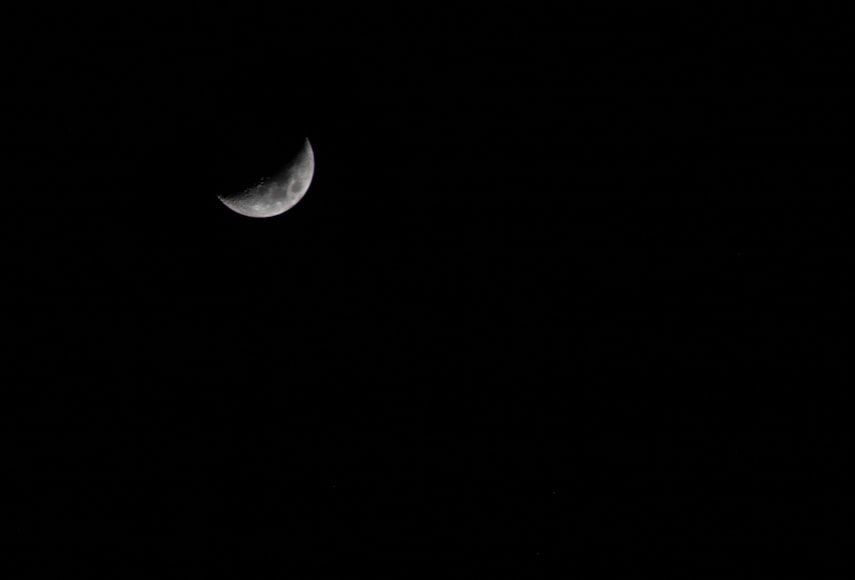 Image: Bernd 📷 Dittrich
We always see the same face of the Moon from Earth, but its appearance changes depending on our location. It’s largely a matter of perspective: from the Northern hemisphere, the Moon is perceived "upright", while in the Southern hemisphere it appears effectively "upside down." A waxing crescent moon looks like a "D" in the North, but like a "C" in the South, with the light on the left. This explains why Northern hemisphere cultures have traditionally seen a man or rabbit in the Moon, while Southern hemisphere cultures haven’t. The markings on the Moon are the same, but they are perceived differently.
The Moon can’t be legally claimed by any nation (for now)
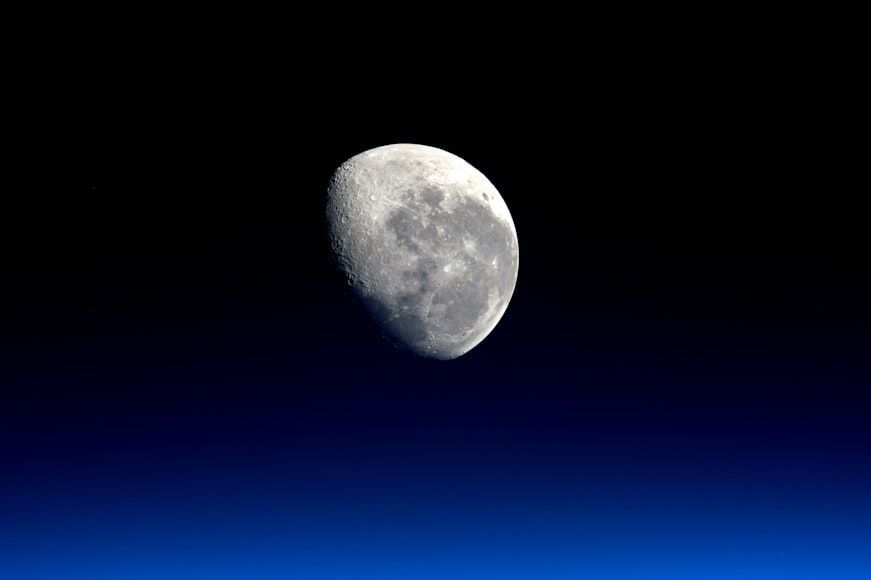 Image: NASA
American astronauts and Soviet spacecraft landers have left several flags and banners on the Moon, but they are merely symbolic. According to the 1967 Outer Space Treaty, outer space and its celestial bodies—the Moon included—belong to mankind as a whole, and can’t be legally claimed by a single nation or owned as private property. The same treaty states that the Moon can only be used for peaceful purposes, prohibiting military installations and nuclear weapons. In recent years, however, the U.S. and other countries have challenged the Outer Space Treaty.
Gravitational pull
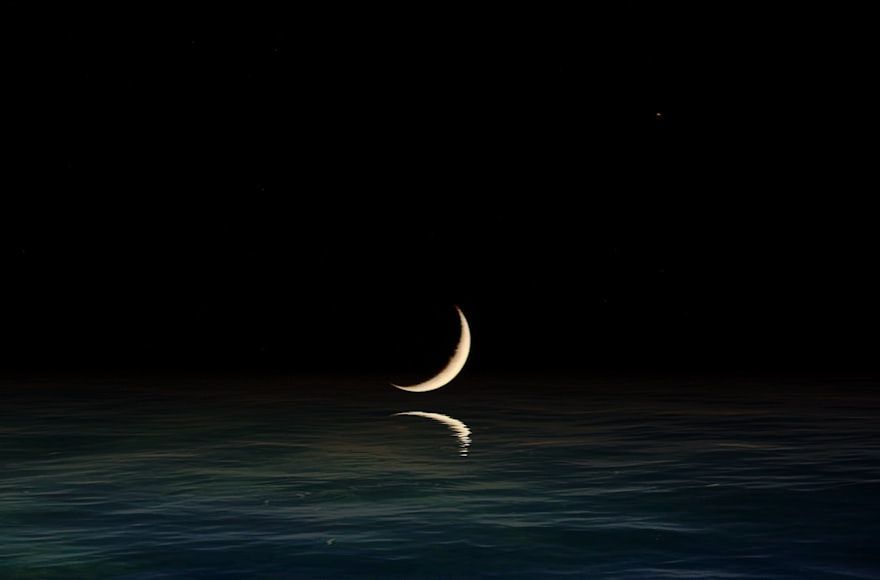 Image: Jenin Abumazen
The Moon has its own gravity, weaker than Earth’s because of the size difference, yet it still exerts a significant influence on our planet. The Moon’s gravitational pull helps stabilize Earth’s axial tilt, preventing it from shifting constantly. This pull is the reason tides exist: water is a fluid, so it moves much more easily than land when pulled by the Moon’s gravitational force, creating the familiar rise and fall of the oceans.
Moon walkers
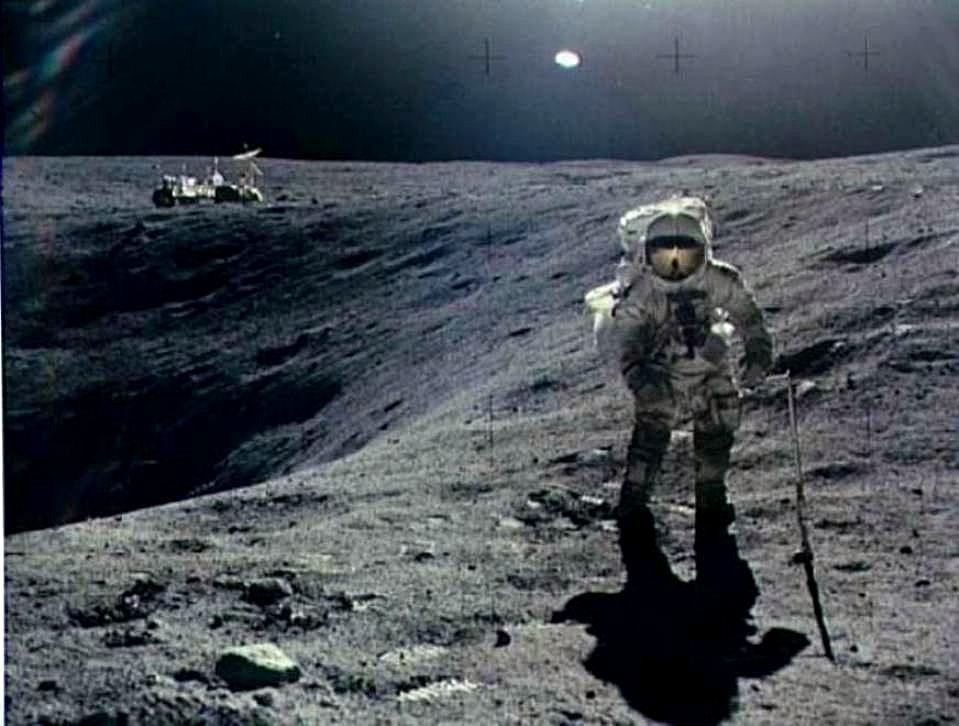 Image: NASA, Public domain, via Wikimedia Commons
Did you know that only twelve people have ever walked on the Moon? Neil Armstrong and Buzz Aldrin were the first to do so, on July 20, 1969, and the last was Gene Cernan on December 14, 1972. All twelve moonwalkers were American astronauts from NASA’s Apollo program. In total, six Apollo missions successfully landed astronauts on the Moon.
Lunar eclipse
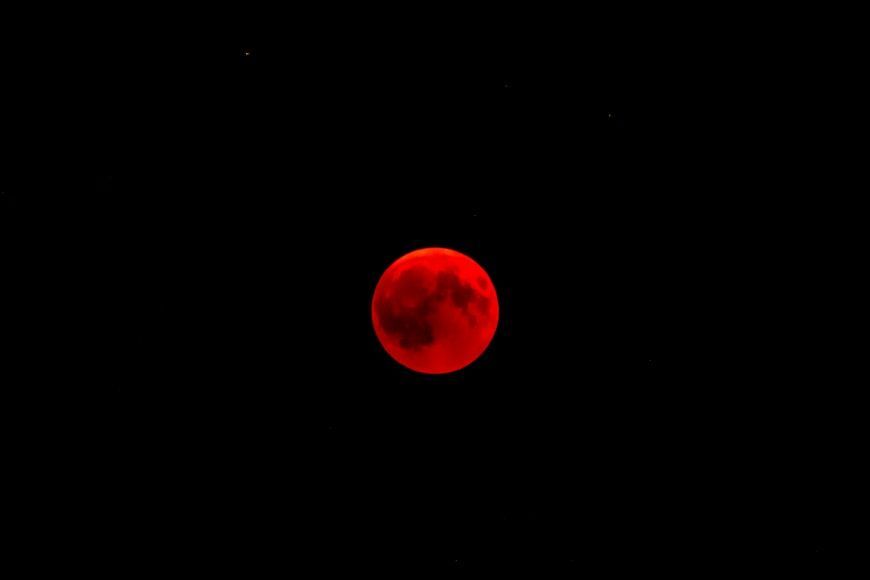 Image: Victor Kallenbach
Unlike solar eclipses, the Moon is not completely darkened during a lunar eclipse. It is illuminated by the refraction of sunlight on Earth. As the light passes through the Earth’s atmosphere, it scatters, causing the light and the Moon to be perceived as reddish or as a ‘Blood Moon.’
Lunar calendars
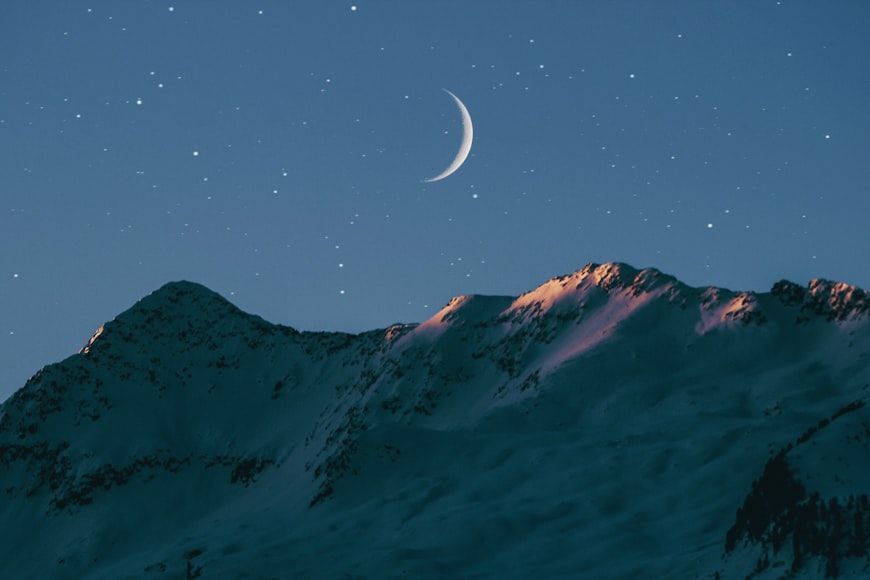 Image: Benjamin Voros
Solar calendars are widely used today, but this wasn’t always the case. The lunar cycle and the phases of the Moon have been used to track time for thousands of years, and they are the origin of the idea of months and weeks. Although most of the world now officially uses the Gregorian solar calendar, the continued importance of lunar calendars can be seen in observances such as the Lunar New Year in many Asian cultures, the calculation of Easter in Christianity, Ramadan in the Islamic world, and festivals such as Holi and Diwali in Hindu traditions.
Moonstruck
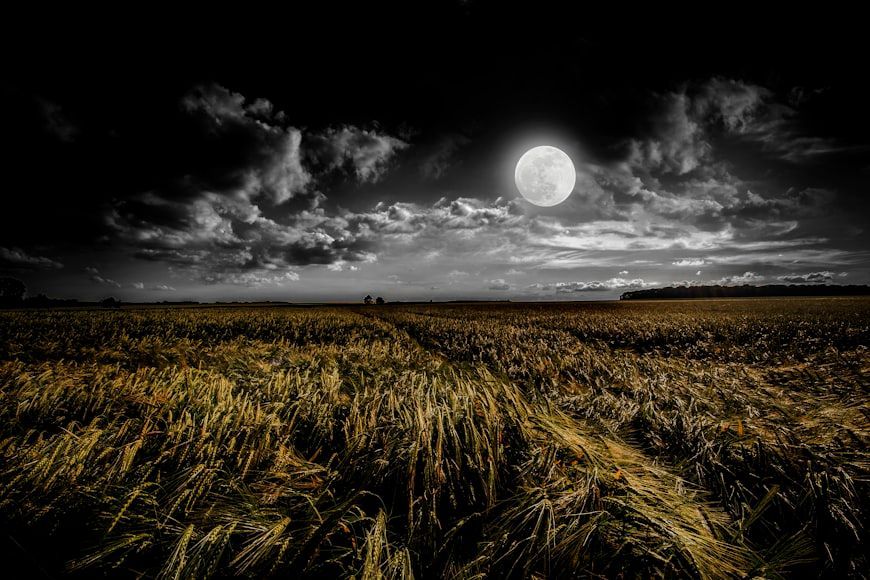 Image: Luca
Werewolves, witches, lunatics. What does the Moon have to do with them? Cultures all around the world have, at some point, believed that the Moon had a powerful influence on human behavior, much as it does on Earth itself. Full moons in particular were thought to cause sleep deprivation and worsen mental conditions. Individuals who were ‘moonstruck’ were dubbed ‘lunatics,’ after luna, the Latin word for the Moon.


