Safer to check
Make sure you are writing these expressions correctly!
Published on April 23, 2026
Let’s see… Are you the friend who constantly corrects other people's vocabulary and grammar? Or are you the one on the receiving end of corrections? The truth is that we have probably all been both. This time, let this article be the one clarifying the correct use of each of these common expressions. And, if it turns out you’ve been using one wrong for years… we won’t tell anyone.
Peak my interest

Correct use: Pique my interest
The correct verb here is pique, which comes from French and means to stimulate or arouse curiosity. When something "pique[s] your interest," it sparks it.
"Peak" refers to the top of a mountain. Unless your curiosity is climbing Everest, that spelling doesn’t belong here.
Giving leadway
Correct use: Giving leeway
The correct word is "leeway," meaning extra space, freedom, or margin for error. It comes from nautical language, referring to the sideways drift of a ship caused by wind.
"Leadway" does sound plausible, especially since "lead" can imply movement, but historically and etymologically, it’s leeway.
Statue of limitations
Correct use: Statute of limitations
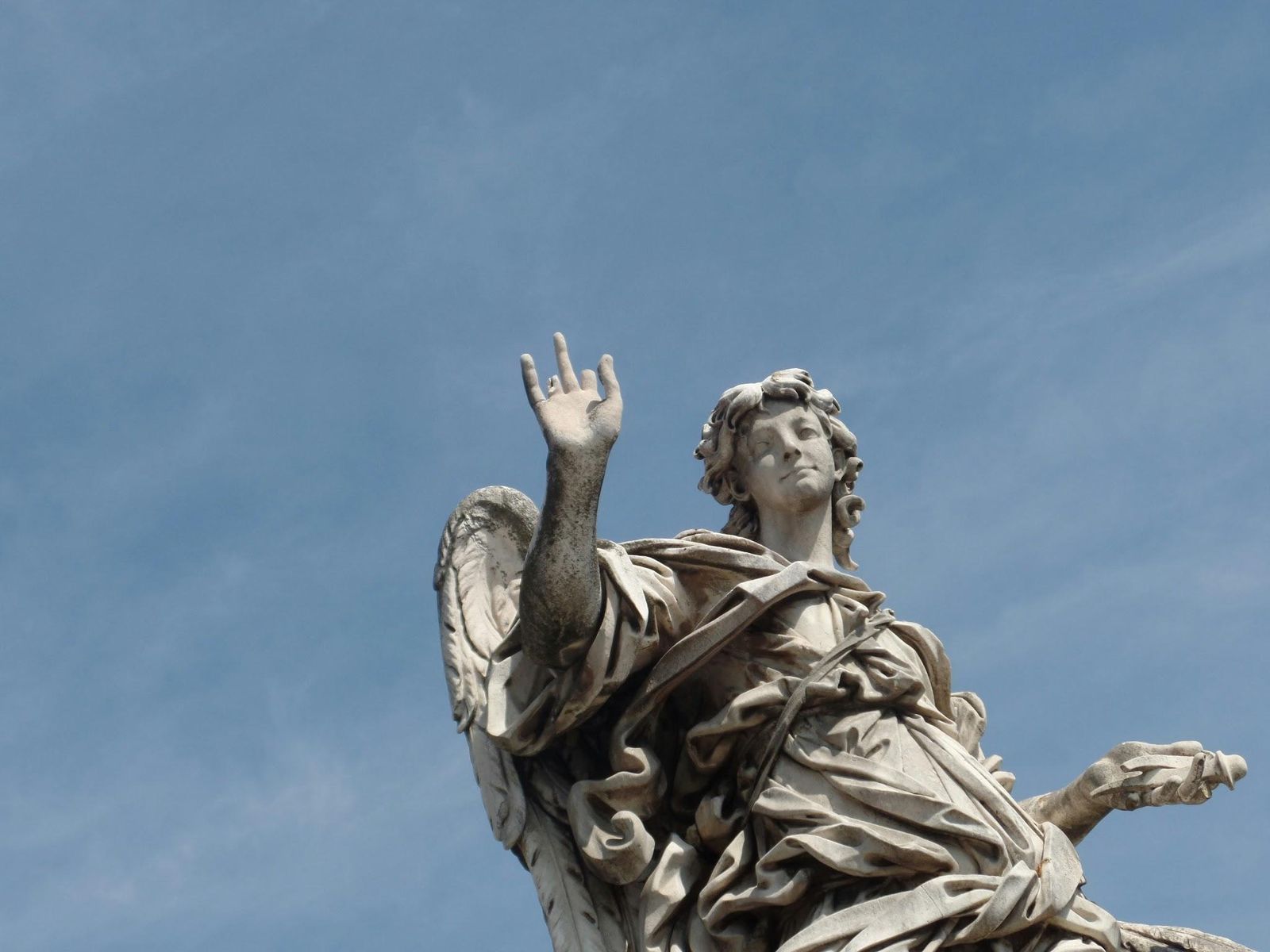
A statute is a law. A statue is made of marble or bronze. It does make you wonder what people who use the incorrect version believe they are saying.
Buck naked
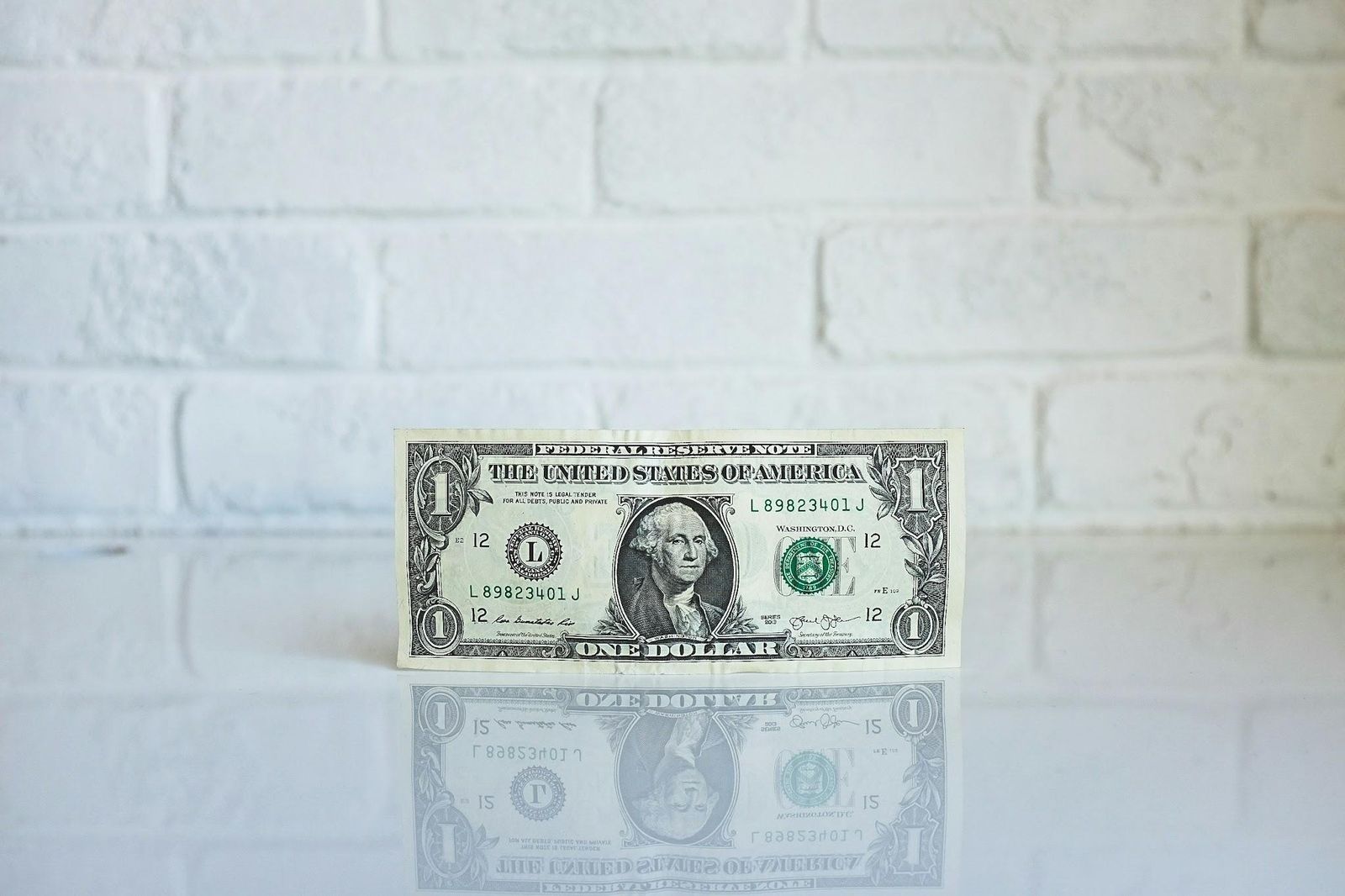
Correct use: Butt naked
While "buck naked" is very common in American speech, the earlier and historically supported form is butt naked, meaning completely unclothed.
"Buck naked" likely emerged as a reshaped variation. Both are now widely accepted in informal use, but "butt naked" has clearer roots in 20th-century American English.
Nerve-wracking

Correct use: Nerve-racking
The original form is nerve-racking, from the verb "to rack," meaning to strain or torture, like on a medieval rack.
"Wreck" slipped in later because it sounds similar, but historically, the expression refers to nerves being strained, not destroyed.
Old wise tale
Correct use: Old wives’ tale
The correct phrase dates back centuries and refers to traditional folklore or superstition passed down informally. "Wise" makes it sound flattering, but the original expression wasn’t meant as a compliment.
On tender hooks
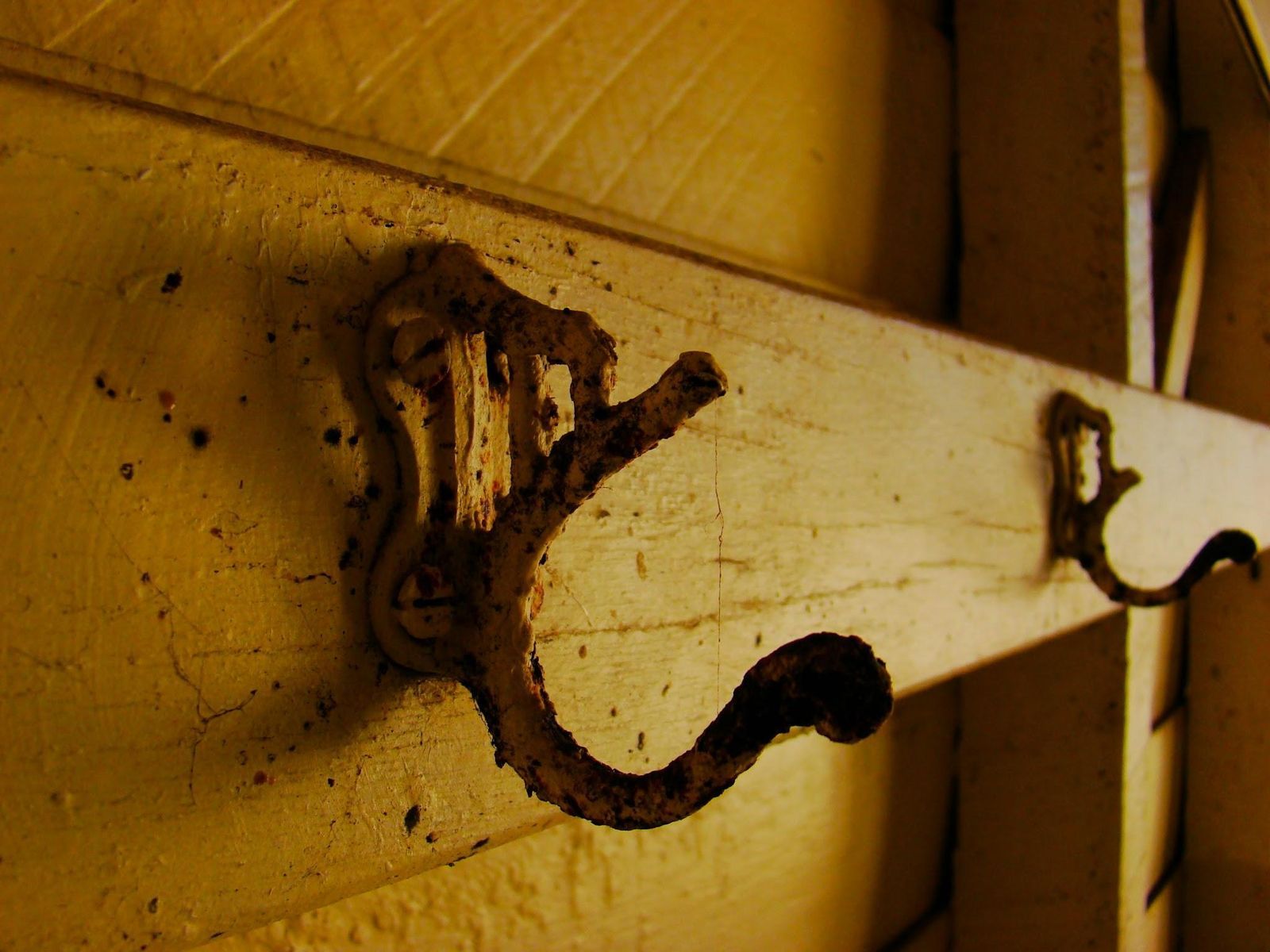
Correct use: On tenterhooks
A tenterhook was a hook used to stretch cloth on a frame called a tenter. Being "on tenterhooks" meant being stretched tight, which evolved into feeling anxious or in suspense. It has nothing to do with tenderness, so watch your pronunciation.
Off your own back

Correct use: Off your own bat
The phrase comes from cricket. To do something "off your own bat" means you did it on your own initiative. Over time, "bat" became "back," which sounds logical but loses the sports origin.
White as a sheep
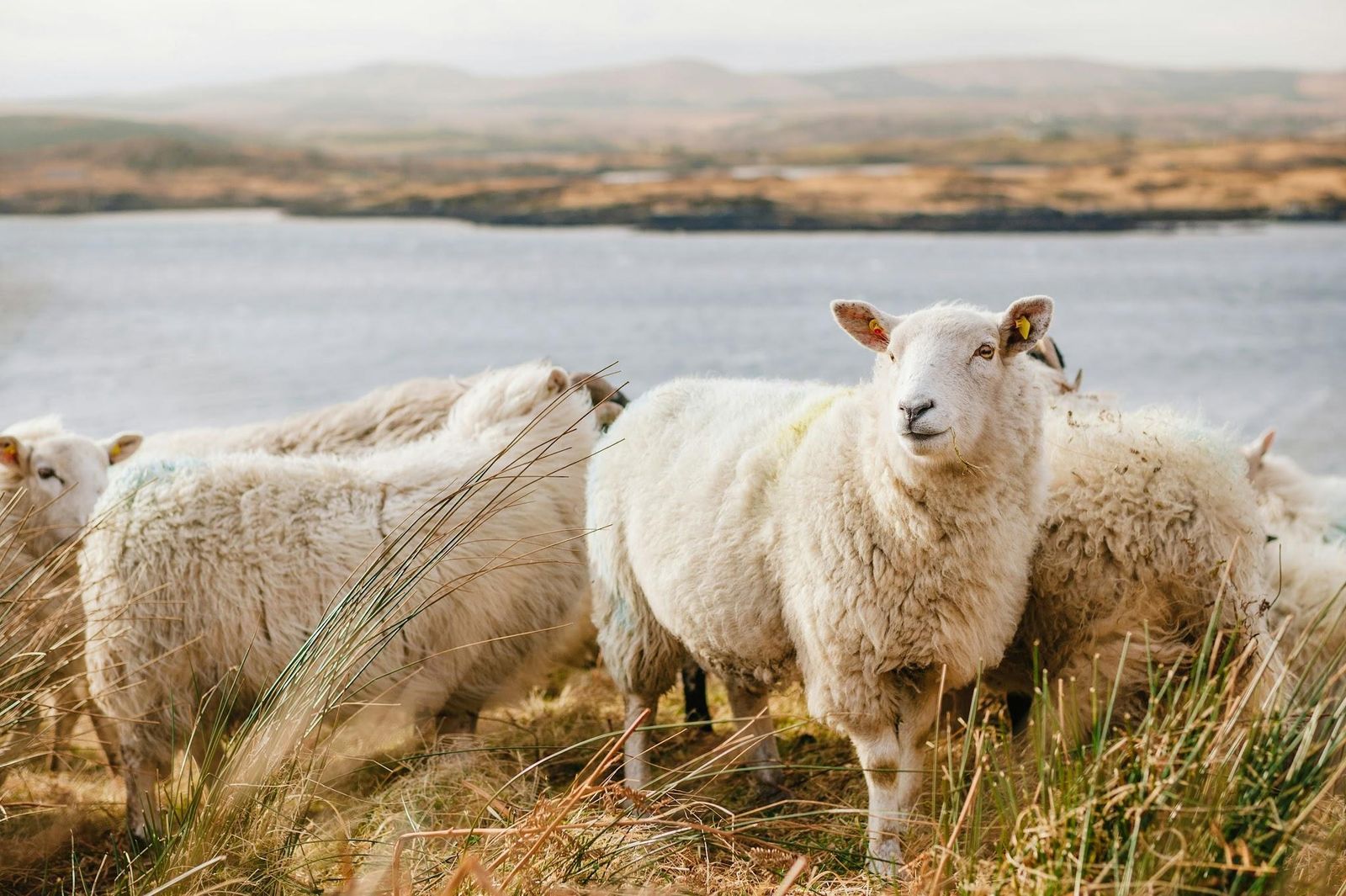
Correct use: White as a sheet
When someone looks pale, we say they’re "white as a sheet." Technically, you could still say you went white as a sheep, but you’d be referring to a darker, less uniformly white shade.
Tow the line

Correct use: Toe the line
This saying came originally from athletics, where runners literally placed their toes on the starting line. It means to conform or follow rules. Nothing is being towed… And how could you tow a line, anyway?
Beckon call
Correct use: Beck and call
The phrase dates back to the 1800s and means being ready to respond instantly to someone’s signal or command. "Beckon" feels logical, and it’s very close, but historically it’s "beck."