Lost in translation: 12 historic city names that vanished from maps


Published on July 3, 2026
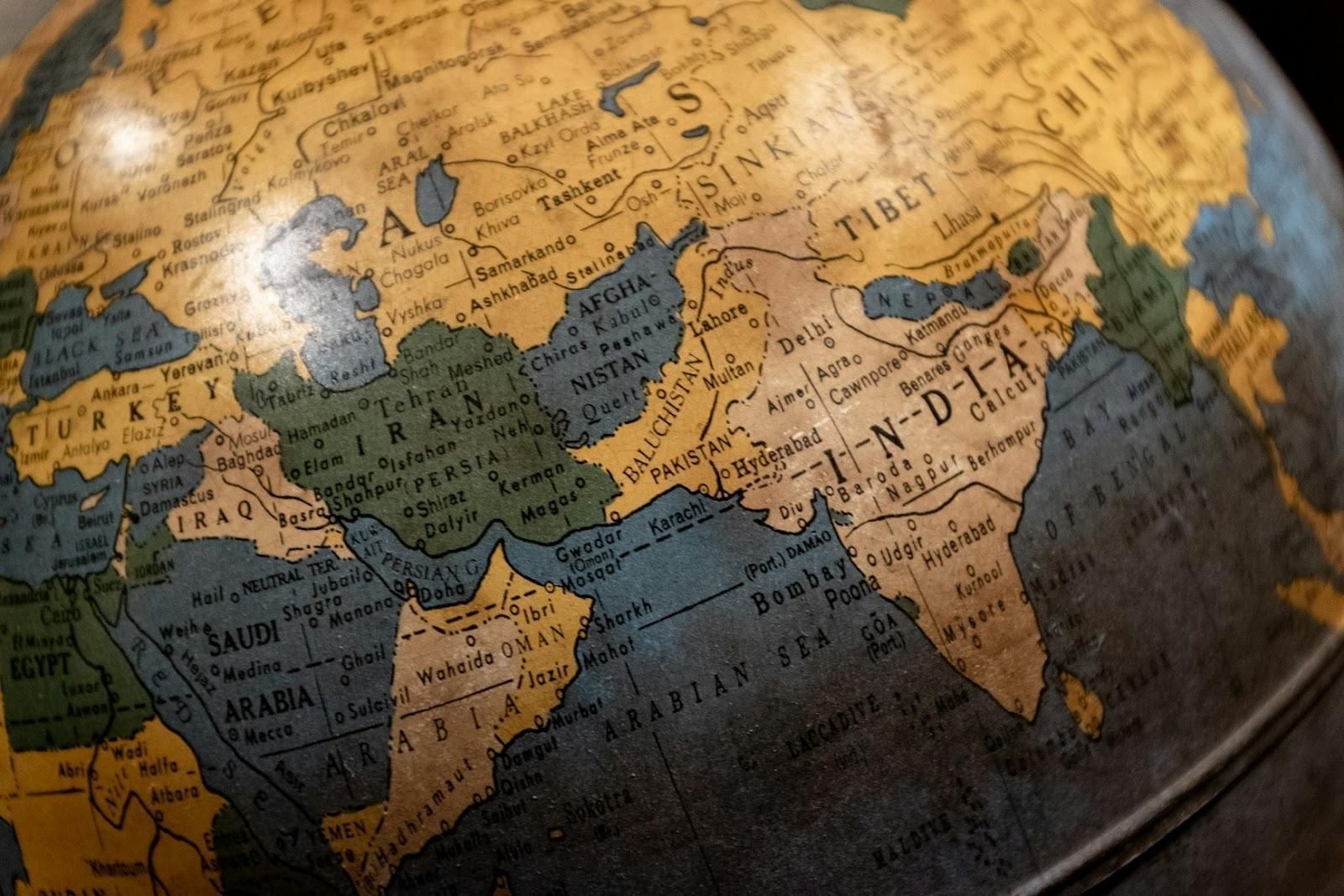

Image: Joshua Olsen

Many well-known cities have not always been called by their modern names. Medieval maps and documents often reflect older forms shaped by language, imperialism, and administrative change. This article presents 12 cities whose historical names differ from the ones used today, reflecting how urban identity can evolve over time.

1

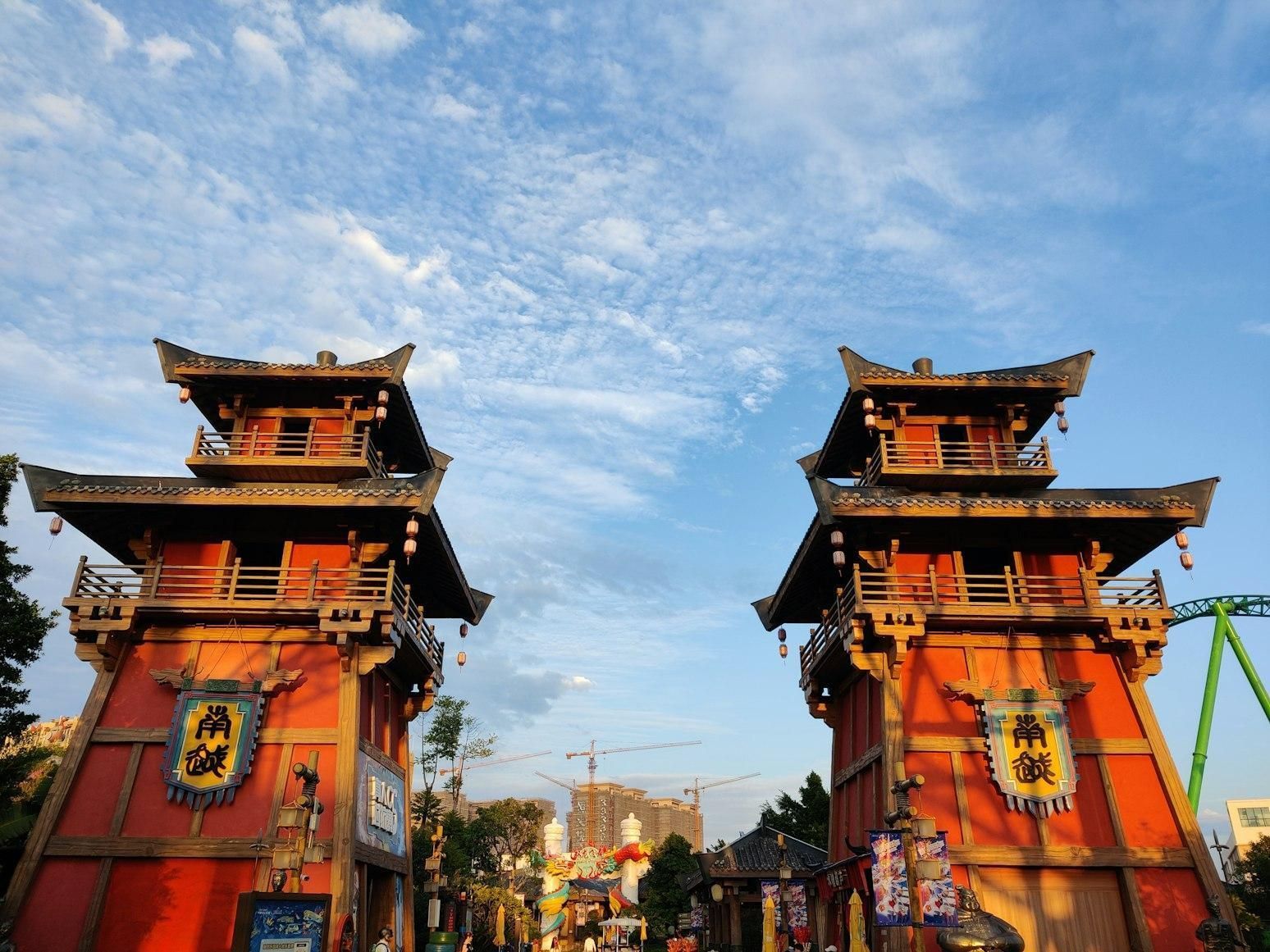
Canton → Guangzhou

Image: Jack Su

European merchants from the 1500s onward commonly referred to this major southern Chinese port as Canton, a name that developed from the Portuguese pronunciation of Guangdong, the surrounding province. In contrast, medieval Chinese records and administrative documents consistently used Guangzhou to identify the city itself.

As foreign trade increased in later centuries, Canton remained the dominant term in Western maps and reports. During the 20th century, the Chinese government standardized Guangzhou as the official form, and international publications gradually adopted the modern name in line with updated geographic and linguistic guidelines.

2

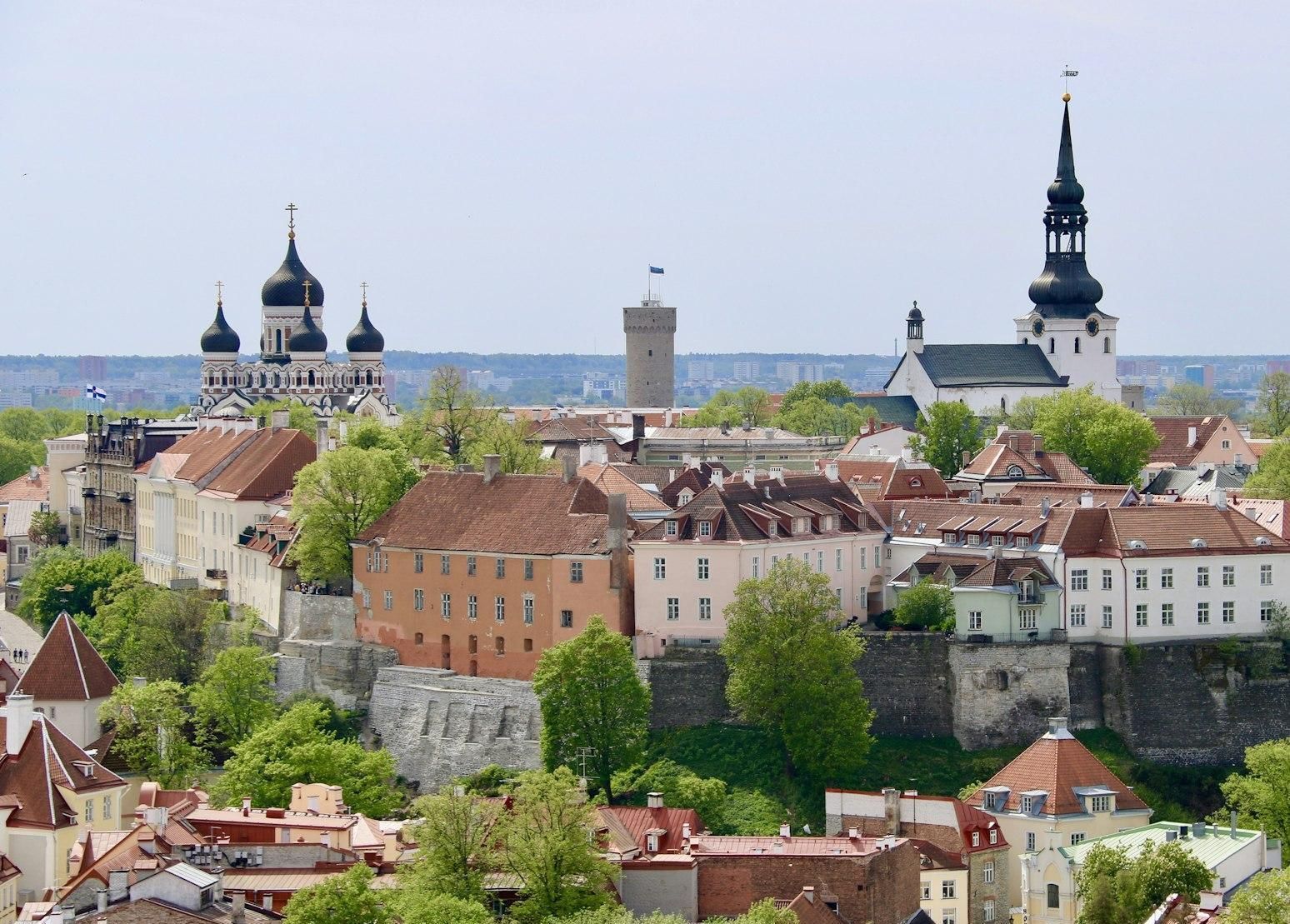
Reval → Tallinn

Image: Hongbin

On medieval maps, this Baltic port appears as Reval, a name associated with the surrounding region of Revala and used widely in German and Swedish documents. The local Estonian name Tallinn, often interpreted as meaning "Danish town," existed alongside Reval for many centuries but did not appear frequently in international references. After Estonia gained independence in 1918, the new government adopted Tallinn as the official name for state administration, mapping, and foreign correspondence, gradually phasing out the historical form Reval from everyday use.

3

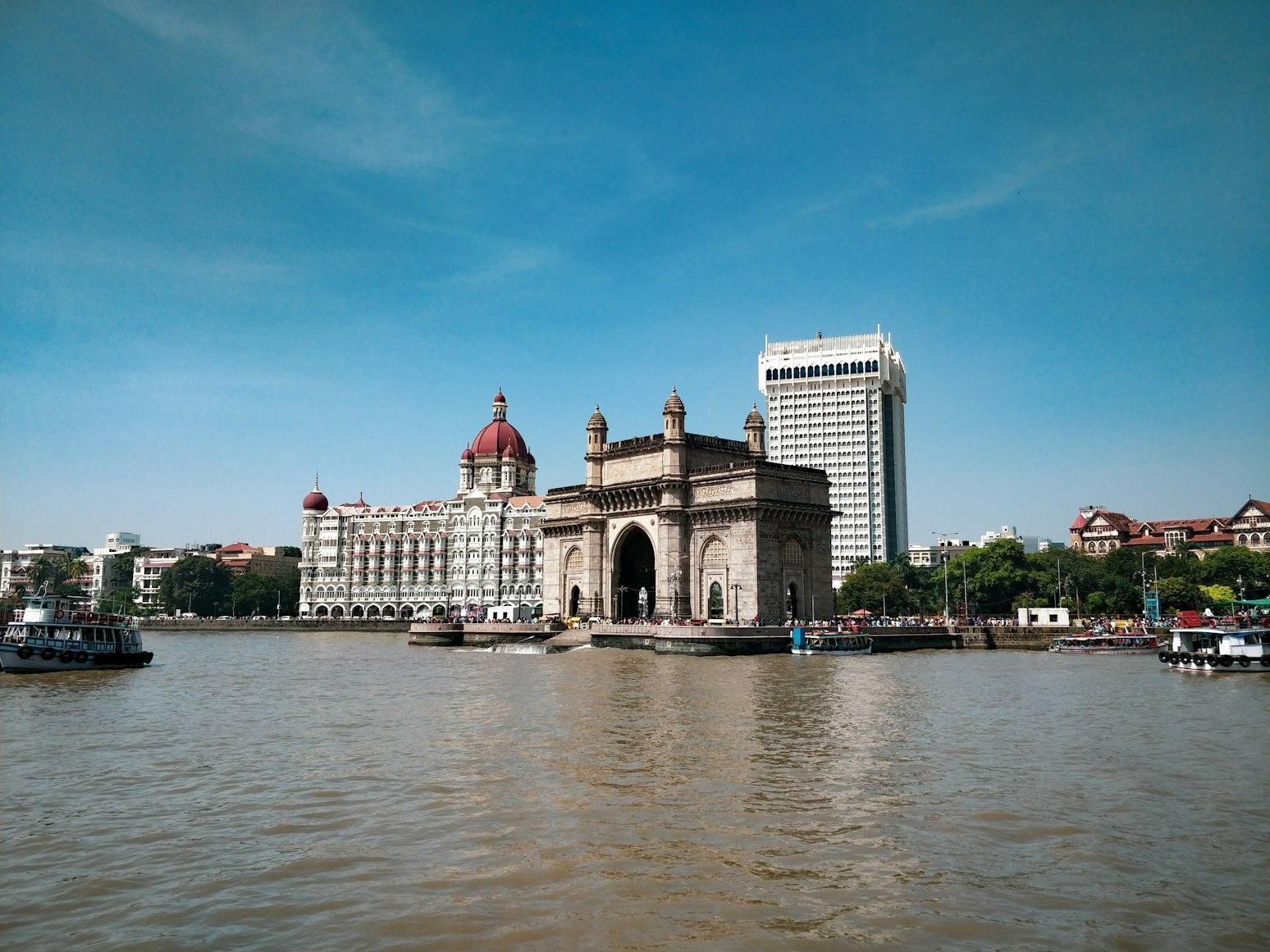
Bombay → Mumbai

Image: Renzo D'souza

In the 17th century, European traders adopted the name Bombay, derived from the earlier Portuguese form Bombaim, which was coined after Portugal arrived in the region. Medieval local settlements, however, used names connected to the goddess Mumbā Devī, and these forms gradually developed into Mumbai in regional languages.

The name Bombay remained common in English during the colonial period and well into the 20th century. In 1995, the Indian government formally adopted Mumbai as part of a broader effort to restore historical and regional place names and align official usage with long-established local terminology.

4

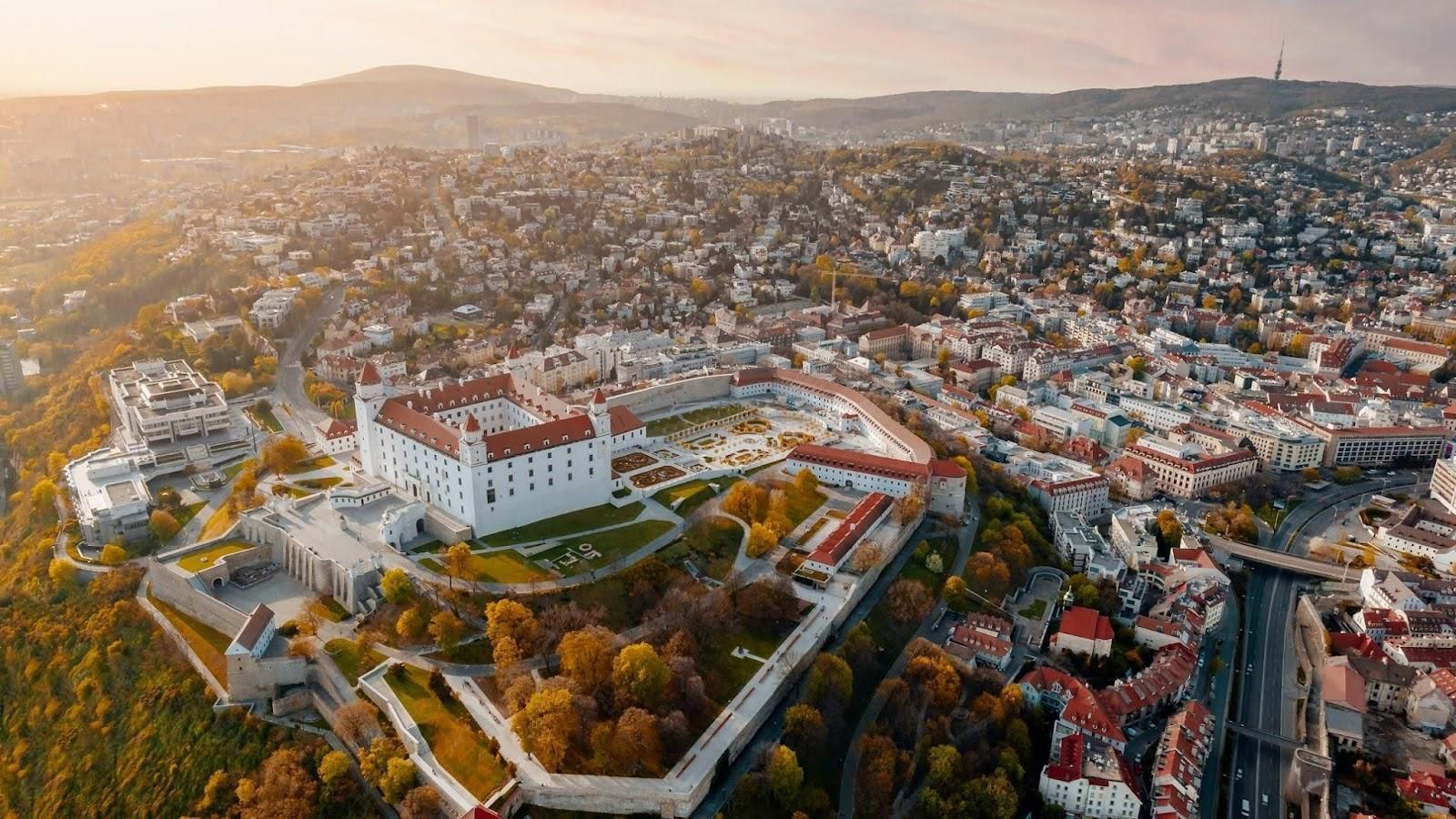
Pressburg → Bratislava

Image: Martin Katler

We now know it as Bratislava, but in medieval German and Central European sources, the capital of Slovakia appeared as Pressburg, a name widely used in administrative records and regional maps. Hungarian documents used Pozsony, while Slovak-speaking communities used earlier forms that later developed into Bratislava.

After the creation of Czechoslovakia in 1918, the new government selected Bratislava as the official name. This decision aligned the city’s identity with the Slovak language and standardized its use in state administration, cartography, and international communication.

5

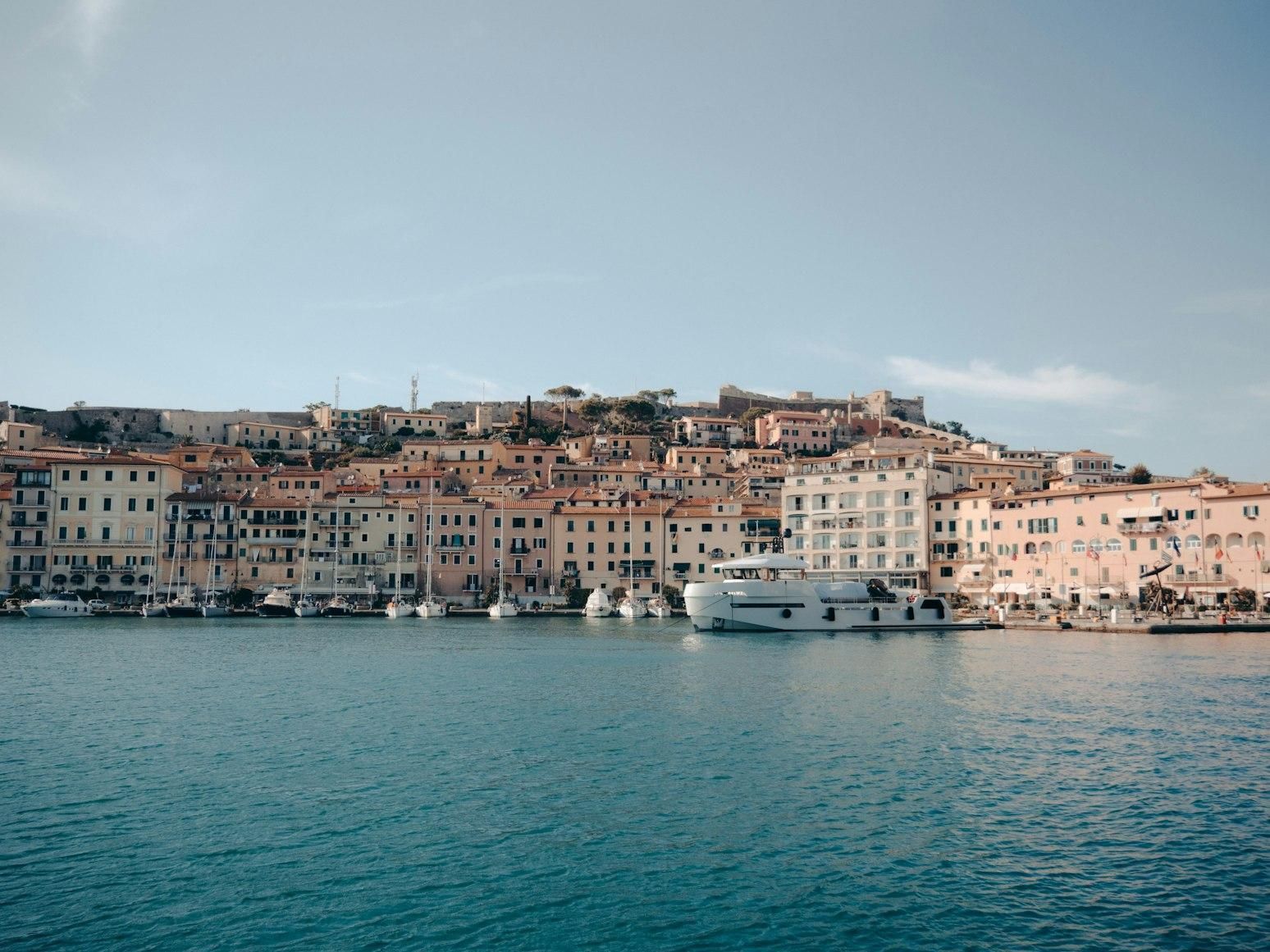
Leghorn → Livorno

Image: Bjorn Agerbeek

English-language maps from the medieval and early modern periods often used the name Leghorn to refer to this port city on the west coast of Tuscany. This form, an anglicized version of the Italian Livorno, appeared in trade documents, port registries, and maritime charts produced in Britain and other Western European countries.

Within Italy, however, the name Livorno remained standard in official records and everyday use. As English cartographic practices modernized in the late 19th and early 20th centuries, Leghorn was progressively replaced in atlases, government publications, and international references, leaving Livorno as the fully standardized name.

6

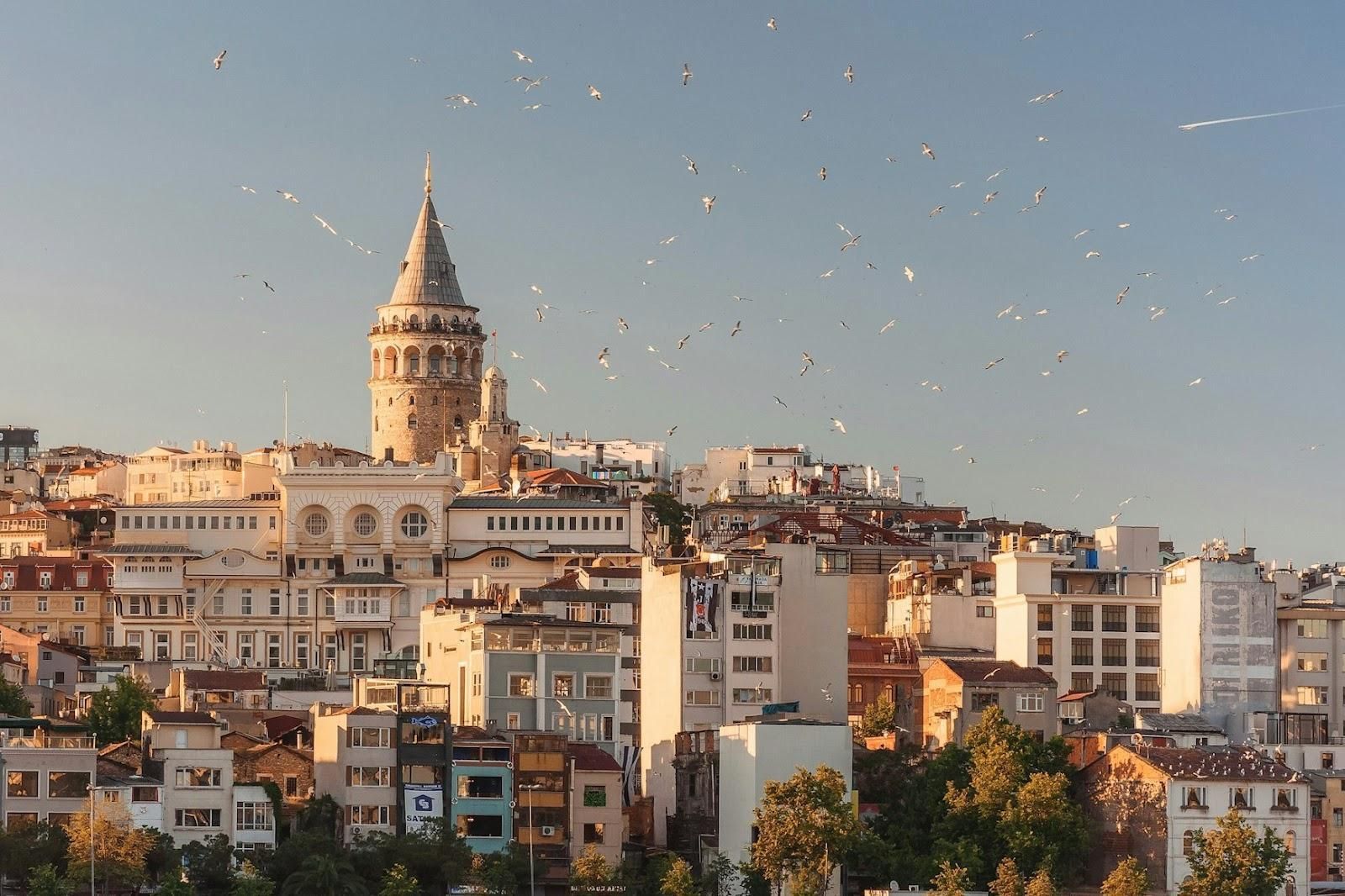
Constantinople → Istanbul

Image: Anna Berdnik

In 1930, the Republic of Turkey officially adopted the name Istanbul as part of nationwide language reforms that aimed to standardize geographic names. Yet, during the Middle Ages, European and Byzantine documents consistently used Constantinople, a name introduced in 330 CE when Emperor Constantine refounded the city as the capital of the Eastern Roman Empire.

The form Istanbul existed in local speech for many centuries, especially in Ottoman Turkish administrative and everyday use, but it remained secondary outside the region. It did not replace Constantinople in international publications, maps, and diplomatic records until the early 20th century, when the Turkish government applied the modern spelling in official communications.

7

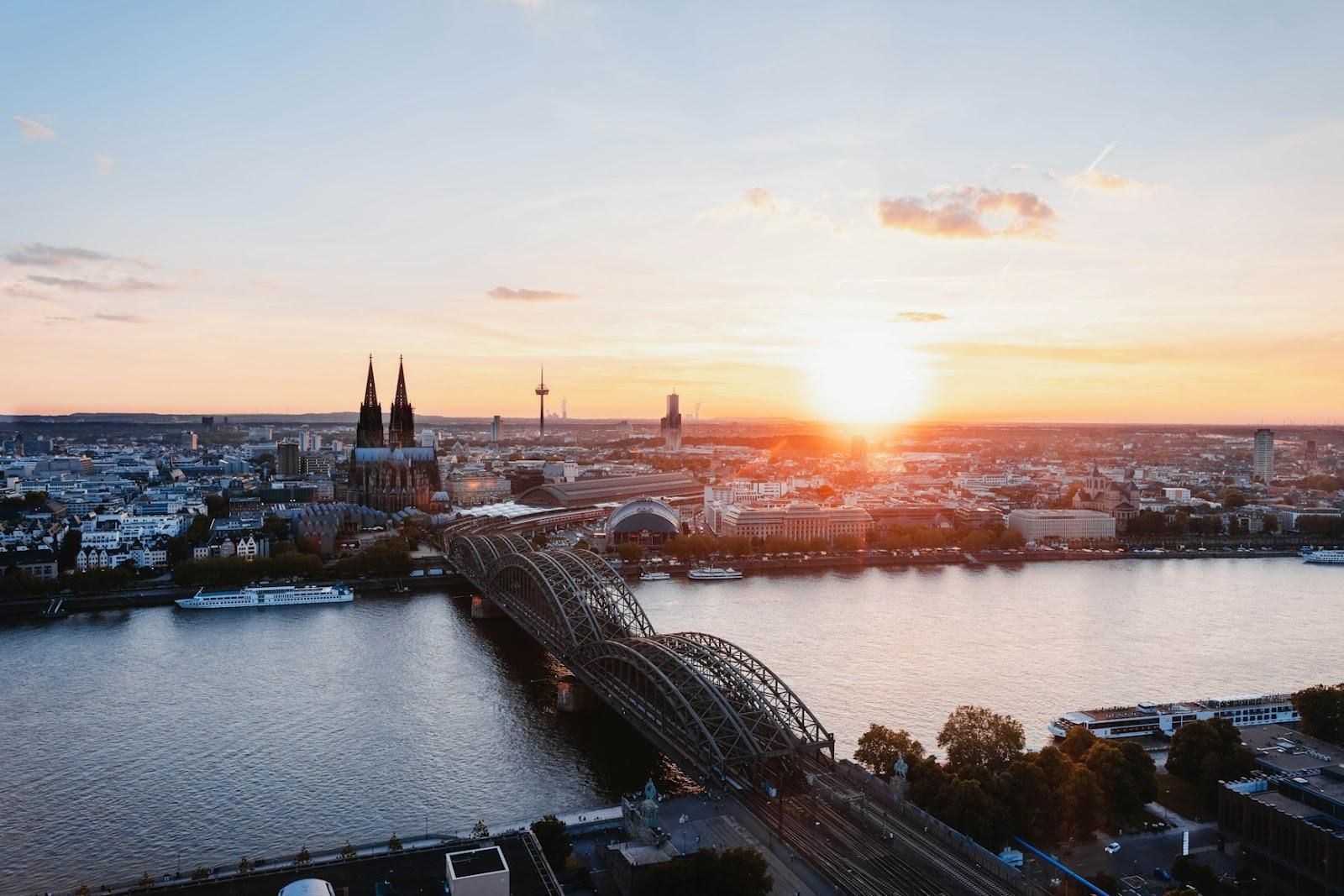
Cologne → Köln

Image: Eric Weber

Medieval Latin sources refer to this antique city spanning the Rhine River in western Germany as Colonia Agrippina, a designation used in administrative records and church documents. Over time, this Latin name shifted into Cologne in French and later in English.

Within the German-speaking world, however, Köln is the official name employed in government and municipal contexts. Cologne continues to be used internationally in English-language publications, reflecting the city’s long linguistic connection to its earlier Latin and French forms.

8

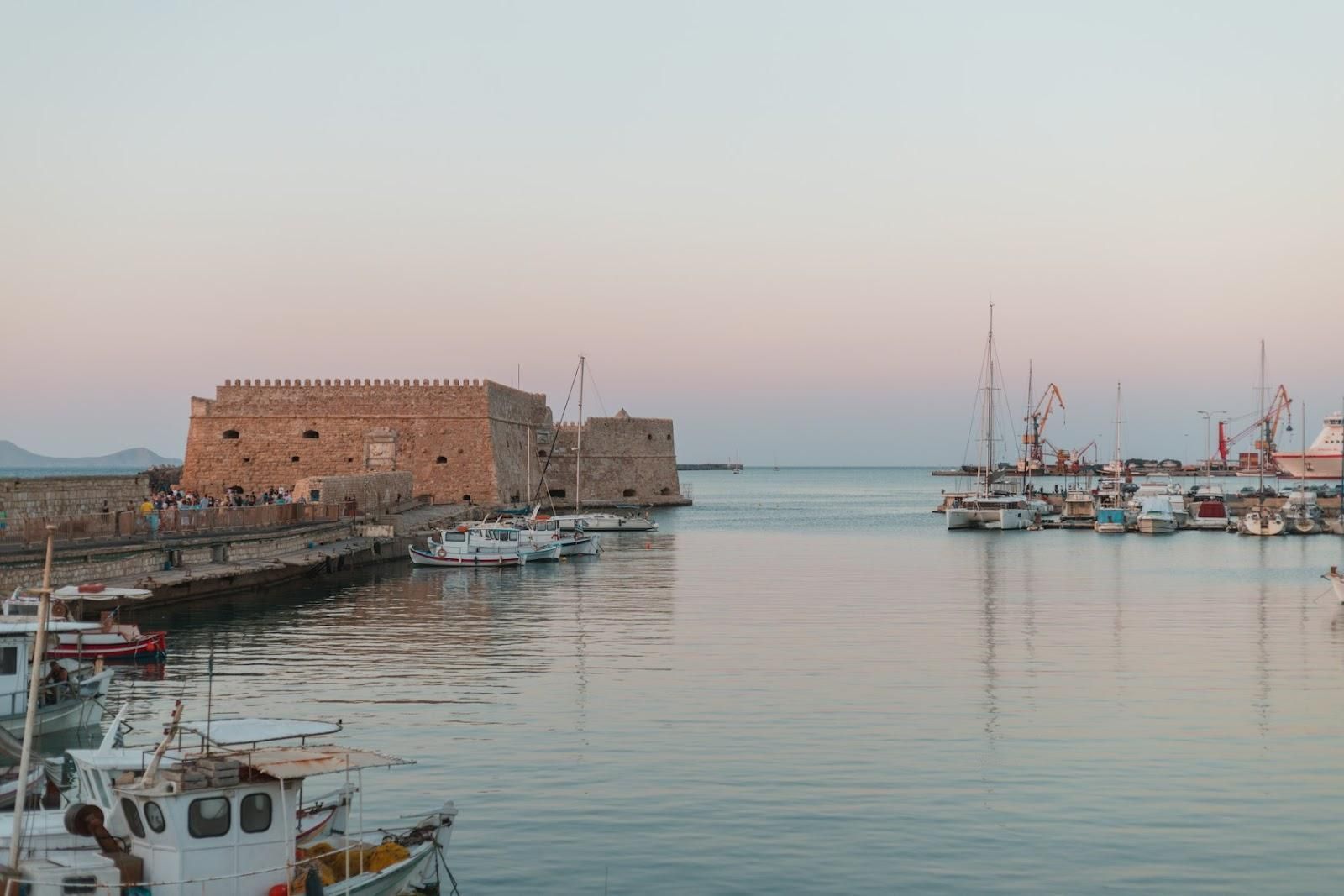
Crete → Candia → Heraklion

Image: Clovis Wood

During Venetian rule, from the 13th to the 17th century, both the city and, at times, the entire island of Crete were commonly referred to as Candia in European maps, trade documents, and diplomatic correspondence. Local Greek populations, however, continued to use Heraklion (or Iraklio) in everyday speech and regional records. After Crete unified with the Kingdom of Greece in 1913, the Greek government adopted Heraklion as the official name. This change gradually replaced Candia in administrative documents, cartography, and international references.

9

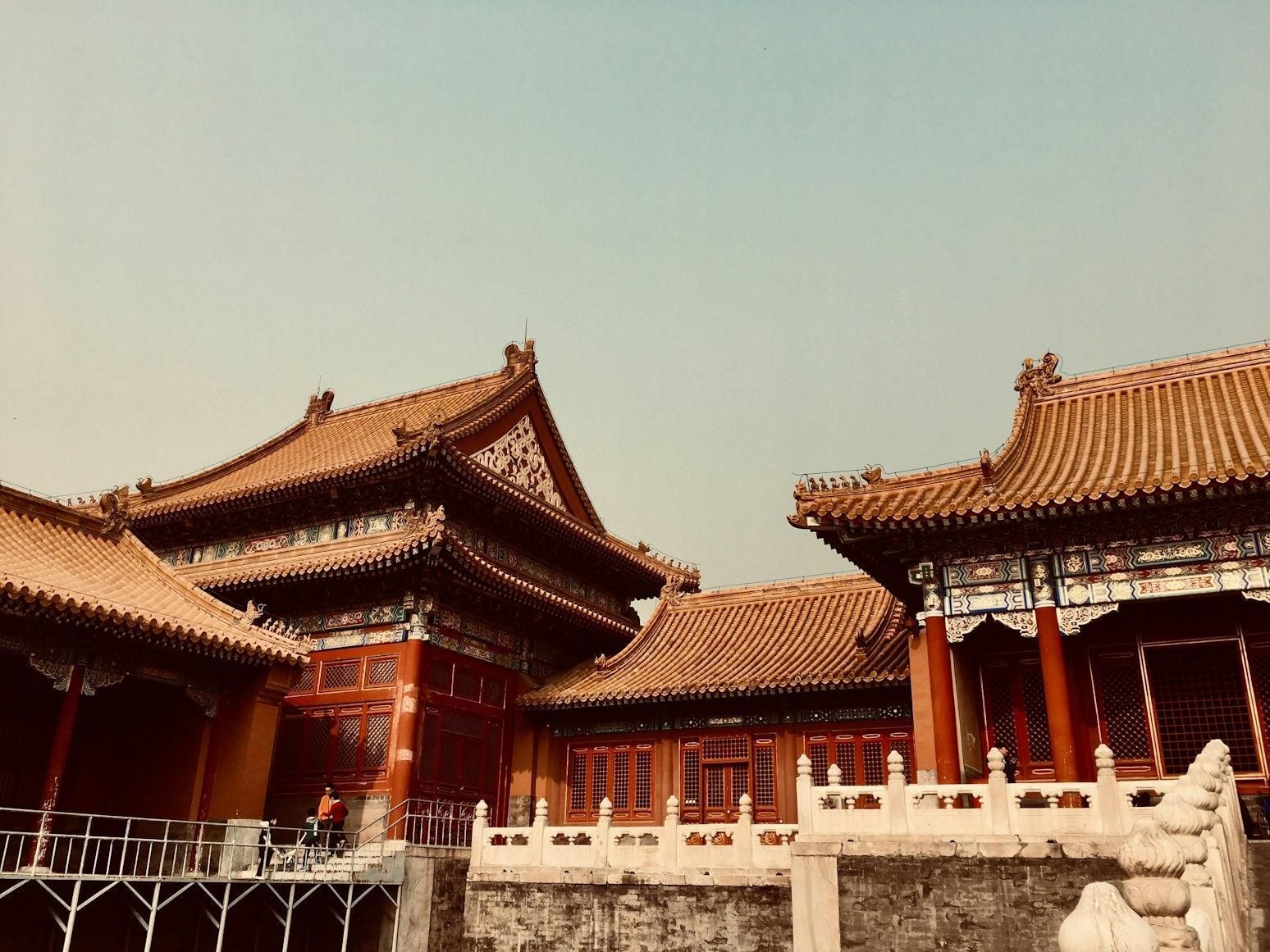
Peking → Beijing

Image: Gio Almonte

European travelers adopted the name Peking based on older pronunciations of the city’s name that circulated in foreign accounts during the Yuan dynasty. These forms entered Western languages through early maps, missionary writings, and trade records.

Within China, however, the Ming dynasty formally established Beijing, meaning "Northern Capital", as the administrative name in 1403. The term remained through later dynasties and into the modern period. In the 20th century, the Chinese government standardized Beijing for international use, and over time, it replaced Peking in official English-language publications, atlases, and diplomatic documents.

10

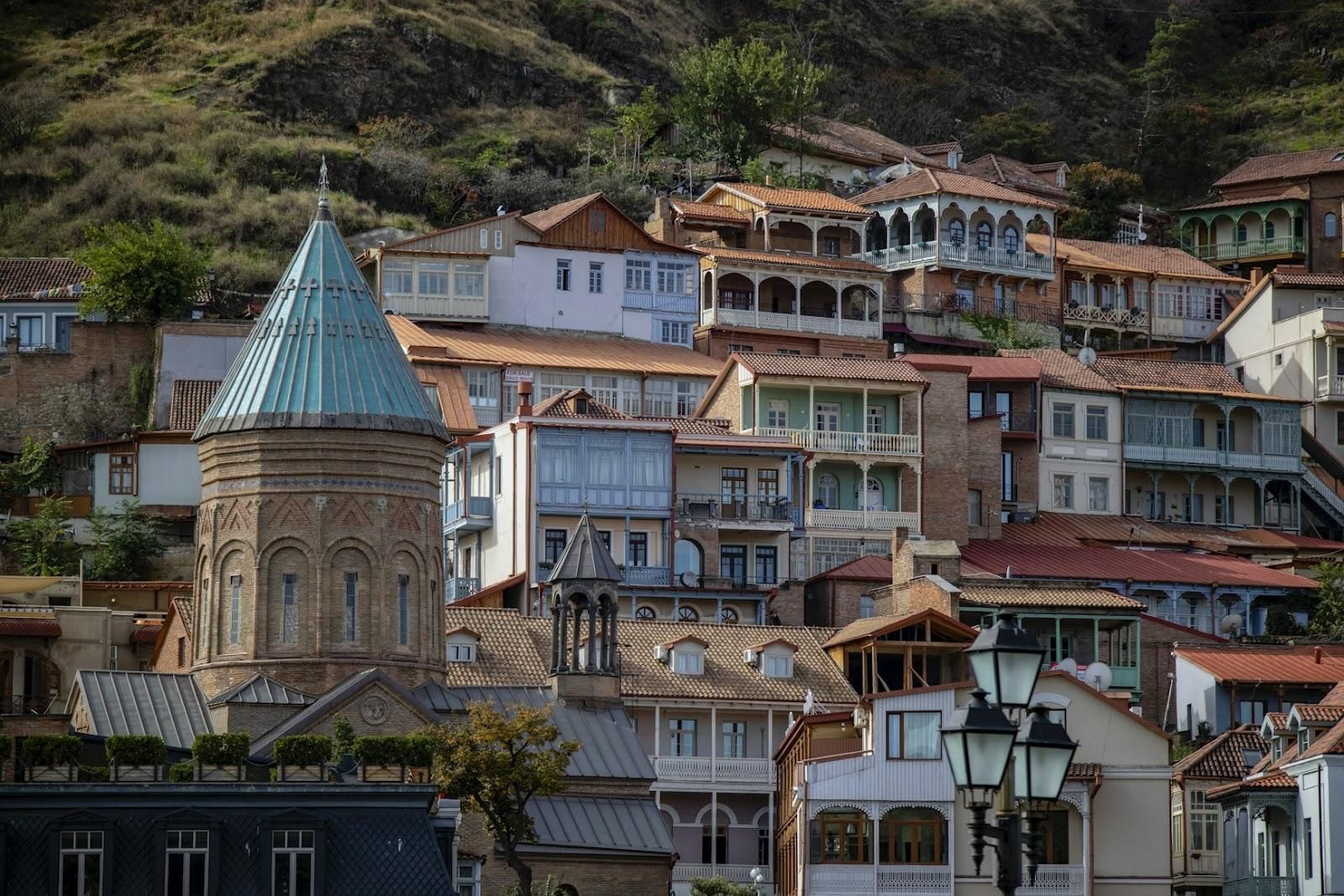
Tiflis → Tbilisi

Image: mostafa meraji

To refer to the capital of Georgia, European and Russian documents from the medieval period through the 19th century commonly used Tiflis, a form that entered widespread use through administrative records, maps, and travel writing. Yet, the Georgian name Tbilisi existed throughout this time as the local designation.

In 1936, during a series of Soviet administrative and linguistic reforms, authorities formally adopted Tbilisi as the standardized name. After this change, Tiflis was gradually removed from official documents.

11

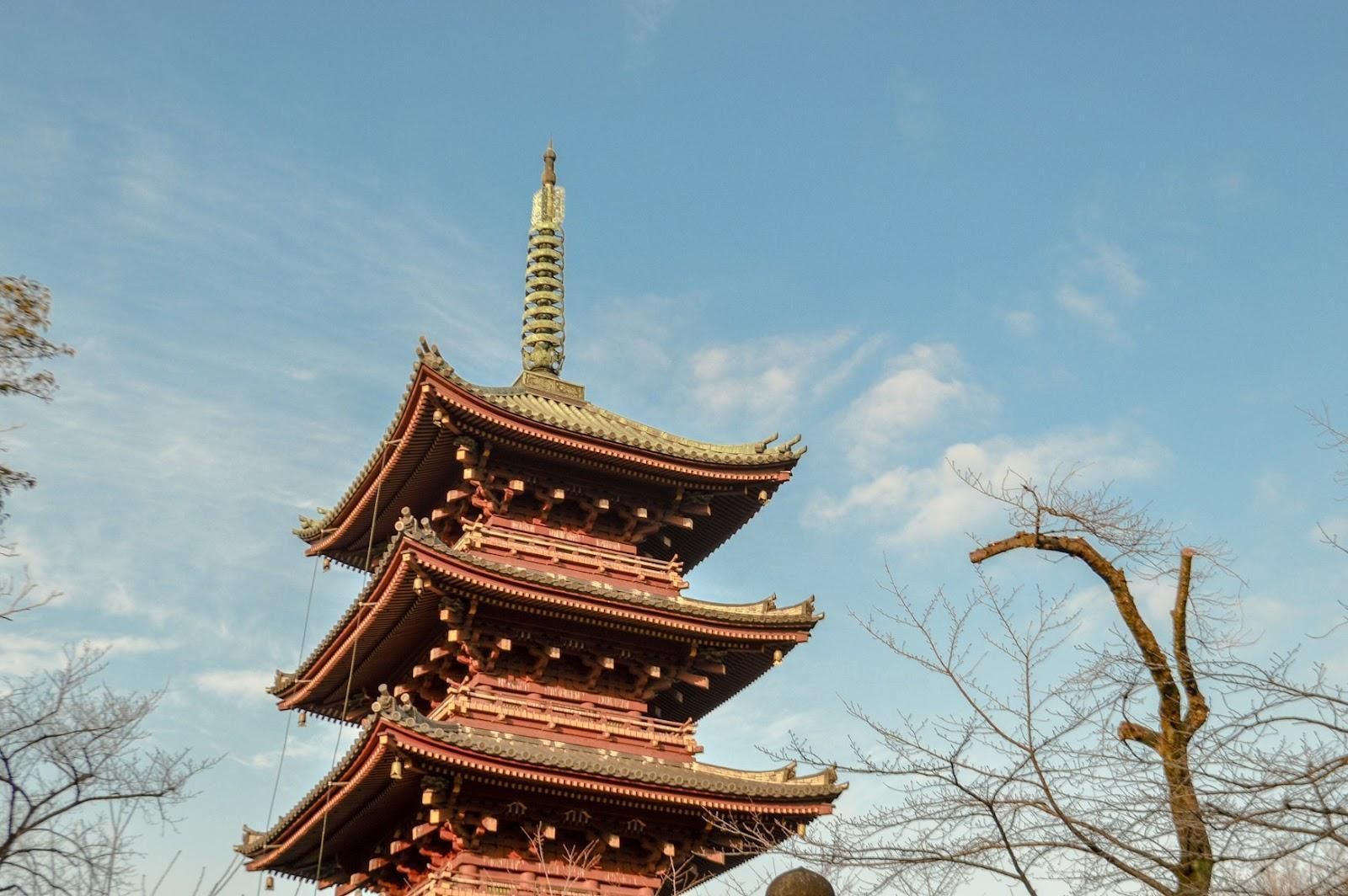
Edo → Tokyo

Image: Lily Li

Founded as Edo in the medieval period, this ancient city grew from a fortified settlement into a major urban center under the Tokugawa shogunate beginning in the early 1600s. During this time, Edo became the seat of the shogun and developed one of the largest populations in the world.

When the Meiji Restoration transferred imperial authority to Edo in 1868, the new government renamed the city Tokyo, meaning "Eastern Capital." This decision recognized its new status as the national capital and marked the beginning of its role as the administrative and political center of modern Japan.

12

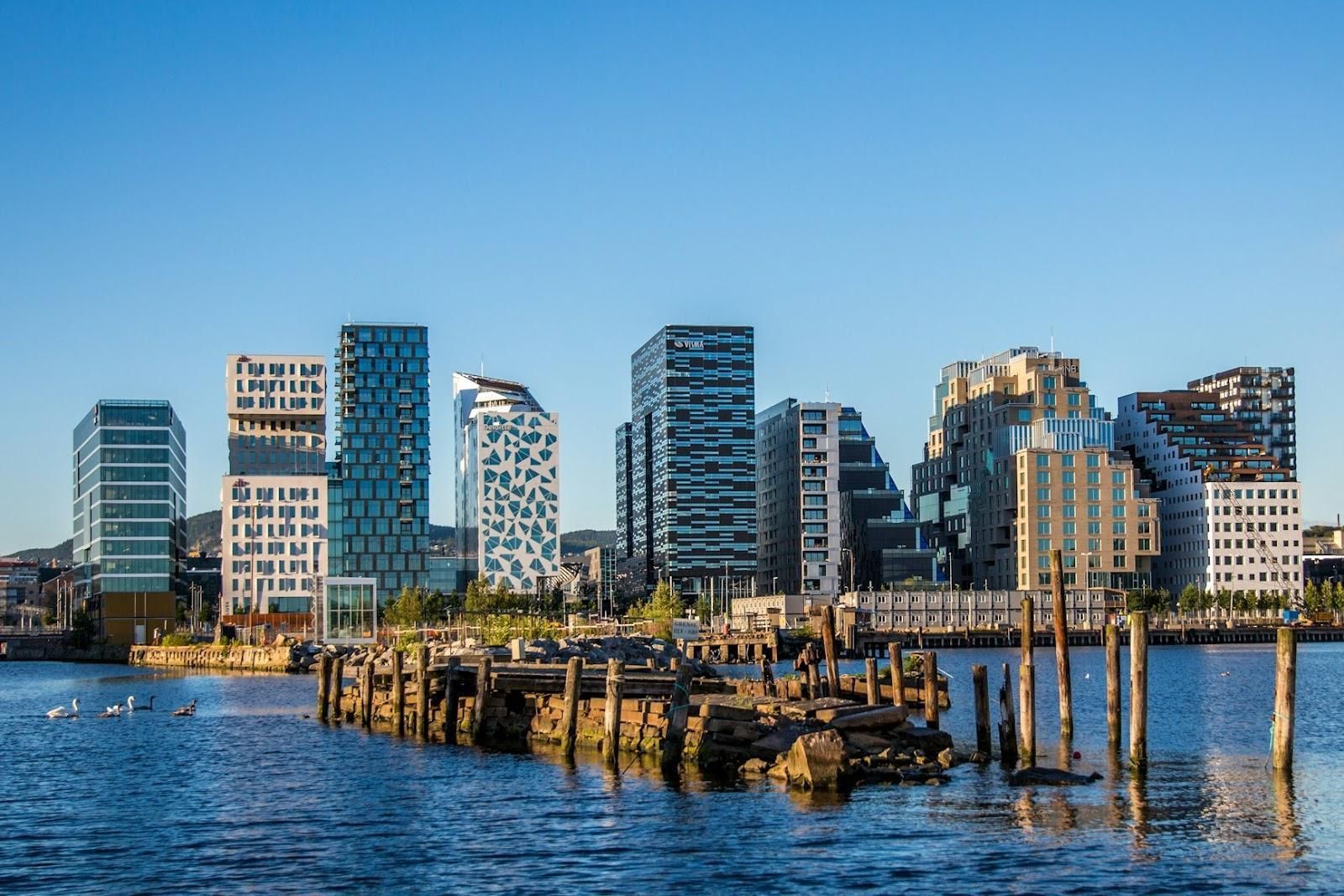
Christiania → Oslo

Image: Marian Rotea

After a major fire in 1624, the capital of Norway, originally called Oslo, was rebuilt under King Christian IV and renamed Christiania as part of the reconstruction effort. The earlier name continued to appear in local usage and historical references during the following centuries. In 1925, however, the Norwegian government formally reinstated Oslo as the official name, restoring the designation used before the medieval period and aligning administrative records with long-standing local tradition.


Legendary words

"Beam me up, Scotty" was never said: Revisiting classic TV catchphrases


Published on July 3, 2026


Image: Jon Parry

Some lines are so famous that our brains can complete them after hearing the first two words. Writers and stars of some of the most successful TV shows in history made sure of that. An estimated 93 million Americans watched the finale of Cheers, and tens of millions more grew up with Star Trek and I Love Lucy. How could we not remember the words most often associated with them? There may have been a time when expressions like "Ayyyy," "D’oh!", or "Yabba dabba doo!" made no sense. But these 10 catchphrases have become cultural icons in their own right.

1

"Beam me up, Scotty," from Star Trek

Image: Wonderlane

True Star Trek fans know that Captain Kirk never said "Beam me up, Scotty" in any television episode or film. Not once, across three seasons, six movies, and hundreds of hours of footage.

Kirk came close several times. For example, in a 1967 episode, he said "beam me up," in a 1969 episode, he said "Scotty, beam us up, fast!" and in the 1986 film Star Trek IV: The Voyage Home, he said, "Scotty, beam me up". But the exact, iconic phrase, as it is so often repeated, was never spoken.

The misquote took on a life of its own through parody, merchandise, and decades of retelling. The misquotation's influence even led James Doohan, who played Scotty, to use the phrase as the title of his 1996 autobiography.

2

"Lucy, you got some 'splainin' to do," from I Love Lucy

Image: rewelda

The second great misquote in television history, and arguably the most astonishing one. I Love Lucy ran for 180 episodes across six seasons and is one of the most-watched shows in American TV history. But Ricky Ricardo never said the line that the whole world attributes to him.

He did say variations like "Lucy, 'splain" or "All right, start 'splaining," but never the famous combined phrase. The line grew in the cultural imagination through decades of impersonation, parody, and retelling. But it’s close enough to be recognizable.

3

"Yabba dabba doo!" from The Flintstones

Image: cfg1978

Fred Flintstone's thunderous victory cry stems from a hair product jingle. When he was recording lines for an episode of The Flintstones, Alan Reed stepped up to the microphone. The script indicated only one word: "Yahoo!" But Reed had heard his mother repeatedly use the phrase "A little dab'll do ya", an advertising jingle for Brylcreem hair cream, and from that memory, he ad-libbed "Yabba dabba doo!" on the spot.

The producers loved it immediately and kept it in. The Flintstones, which premiered on ABC in 1960, became the first animated series to air in primetime, running for six seasons and 166 episodes. Fred's cry became so embedded in American culture that it outlasted the show by decades; it was used in advertising, politics, sports arenas, and everyday life.

4

"Whatchu talkin' 'bout, Willis?" from Diff'rent Strokes

Image: Snap Spot

Screenwriter Ben Starr said that young star Gary Coleman was "a born showman who read lines like an old pro." That was because, while Starr had originally written the more mundane "What are you talking about, Willis?", the 8-year-old actor gave the line the twist that made it a phenomenon.

His portrayal of Arnold Jackson, small, sharp, and endlessly suspicious of his older brother's schemes, made him one of the most recognizable child stars in America. Coleman spent much of his adult life being asked to repeat it, and reportedly came to resent it.

5

"Hey now!" / "Norm!" from Cheers

Every episode, the same ritual: the bar door swings open, a large man in a rumpled suit shuffles in, and the entire room erupts in a single, joyful shout: "Norm!" It happened 270 times over eleven seasons.

Actor George Wendt, who played Norm Peterson, later said the live audience’s response to his entrance was so overwhelming that the cast would sometimes have to pause several seconds before continuing. Cheers premiered on NBC in 1982, ran for 275 episodes, and won 28 Emmy Awards, which was a record at the time. Its finale in 1993 drew 80.4 million viewers, making it one of the most-watched television episodes in American history.

6

"D'oh!" from The Simpsons

Image: 360b

Unexpectedly, the most famous grunt in television history traces back to a mustachioed Scottish character actor from the 1930s. Dan Castellaneta, the voice of Homer Simpson, explained that his choice of the exclamation was an homage to comic Scottish actor James Finlayson, who used a drawn-out "Do-o-o-o!" as a stand-in for a stronger word.

First heard in a Tracey Ullman Show short in 1988, it became Homer's defining sound when the series premiered in 1989. The screenwriters for The Simpsons never wrote the word "D'oh"; it appears only as "annoyed grunt." Despite this, it was added to the Oxford English Dictionary in 2001, the only TV catchphrase to earn that distinction.

7

"Ayyyy," from Happy Days

Image: Michael Gordon

The sound is difficult to spell and instantly recognizable to anyone who watched American television in the 1970s. Arthur "Fonzie" Fonzarelli's leather-jacketed, thumbs-up greeting merited a bronze statue on the Milwaukee Riverwalk in Wisconsin, the city where the show was set. And yet, did you know that the creators never planned for this signature gesture?

Actor Henry Winkler developed it organically as the character took shape. Happy Days, created by Garry Marshall, premiered on ABC in 1974 and ran for eleven seasons. Winkler's Fonz was supposed to be a supporting character; instead, he became the most famous person on the show.

The cultural footprint was massive. In 1980, Winkler donated one of Fonzie's leather jackets to the National Museum of American History at the Smithsonian Institution in Washington, D.C., where it has been exhibited since.

8

"And that's the way it is," from Walter Cronkite on CBS Evening News

Image: Gotfryd, Bernard, photographer, Public domain, via Wikimedia Commons

Walter Cronkite's CBS Evening News became the first half-hour network weeknight news broadcast in 1963. In an effort to punctuate the longer format and personalize it, Cronkite conceived and delivered for the first time his iconic sign-off: "And that's the way it is."

He used it for the next eighteen years, through the Kennedy assassination, the Moon landing, Vietnam, and Watergate. Every event that defined a generation concluded with the same seven quiet, certain words. Of course, keeping to the standards of objective journalism, he deliberately omitted the phrase on nights when he ended the broadcast with his own opinion rather than reported facts.

The discipline of knowing when the phrase applied may have contributed to making him the most trusted man in America, as a poll in 1972 indicated.

9

"Holy , Batman!" from Batman

Image: Cassowary Colorizations, CC BY 2.0, via Wikimedia Commons

No catchphrase on this list required more work to maintain. In 120 episodes across three seasons, Burt Ward's Robin delivered the phrase to Adam West’s Batman with a different word every single time. It meant the writers needed to take meticulous records to ensure they never repeated themselves.

The collection became known among fans as "the Holyism." The results ranged from the logical "Holy smoke!" to the creative "Holy bijou!", and the gloriously absurd "Holy uncanny photographic mental processes!".

The show premiered on ABC in 1966 and ran twice a week in its first season, with a scheduling innovation that left audiences on a cliffhanger every Wednesday and resolved it every Thursday.

10

"Good night, and good luck," from See It Now with Edward R. Murrow

Image: Matt Brown, CC BY 4.0, via Wikimedia Commons

On CBS, Edward R. Murrow chose these five words to close every broadcast of "See It Now," the newsmagazine and documentary series. The most noted episode of the program came in March 1954, when Murrow used the broadcast to take on Senator Joseph McCarthy directly, letting the senator condemn himself through his own recorded words.

Murrow's closing that night was precise: "Cassius was right: 'The fault, dear Brutus, is not in our stars, but in ourselves.' Good night, and good luck." The broadcast is credited with significantly contributing to McCarthy's political downfall.

Looking for an extra scoop of literary fun?

Learn more with our Word of the day

reliance

/rəˈlaɪən(t)s/