Lost in translation: 12 historic city names that vanished from maps
Published on July 3, 2026
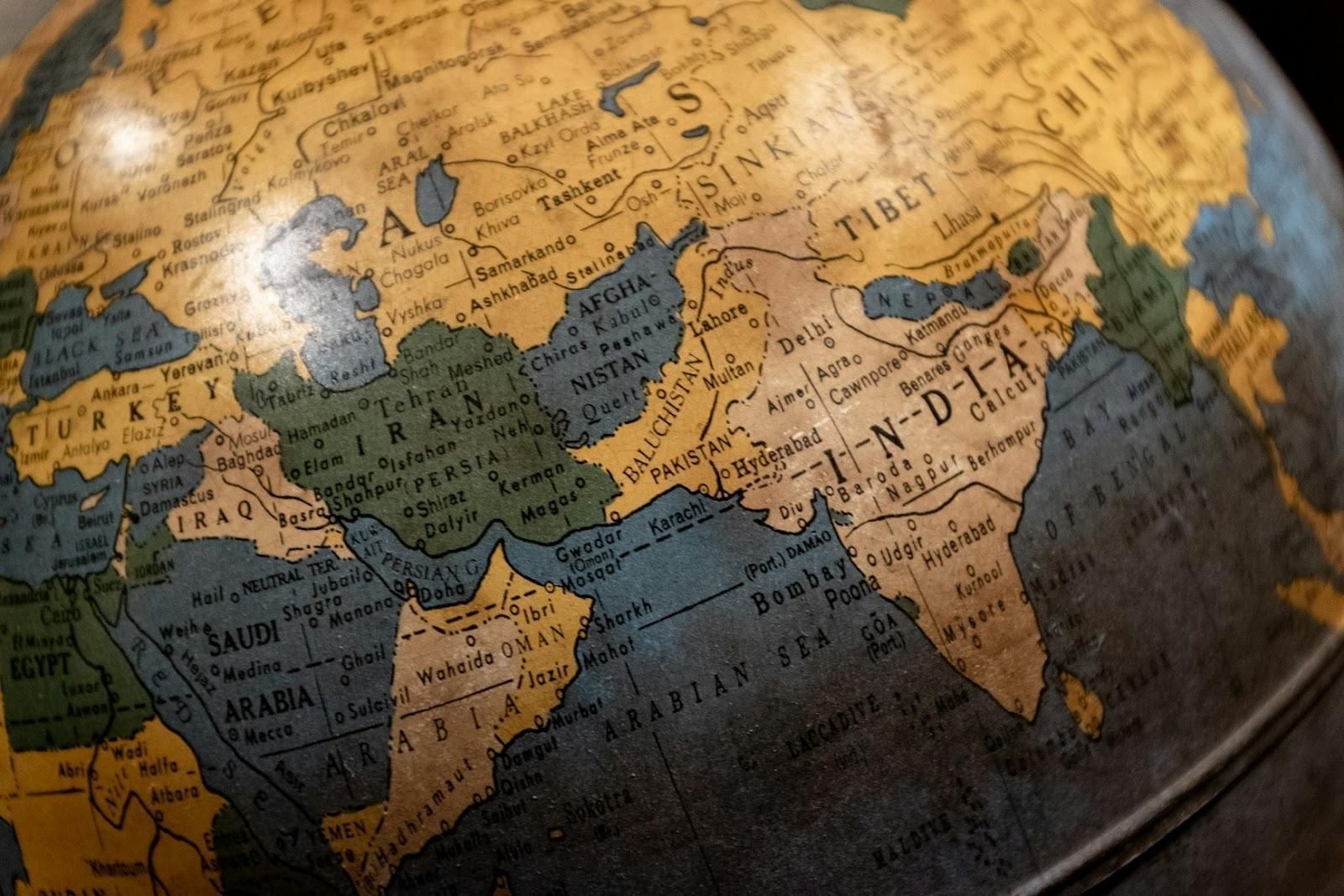
Many well-known cities have not always been called by their modern names. Medieval maps and documents often reflect older forms shaped by language, imperialism, and administrative change. This article presents 12 cities whose historical names differ from the ones used today, reflecting how urban identity can evolve over time.
Canton → Guangzhou

European merchants from the 1500s onward commonly referred to this major southern Chinese port as Canton, a name that developed from the Portuguese pronunciation of Guangdong, the surrounding province. In contrast, medieval Chinese records and administrative documents consistently used Guangzhou to identify the city itself.
As foreign trade increased in later centuries, Canton remained the dominant term in Western maps and reports. During the 20th century, the Chinese government standardized Guangzhou as the official form, and international publications gradually adopted the modern name in line with updated geographic and linguistic guidelines.
Reval → Tallinn
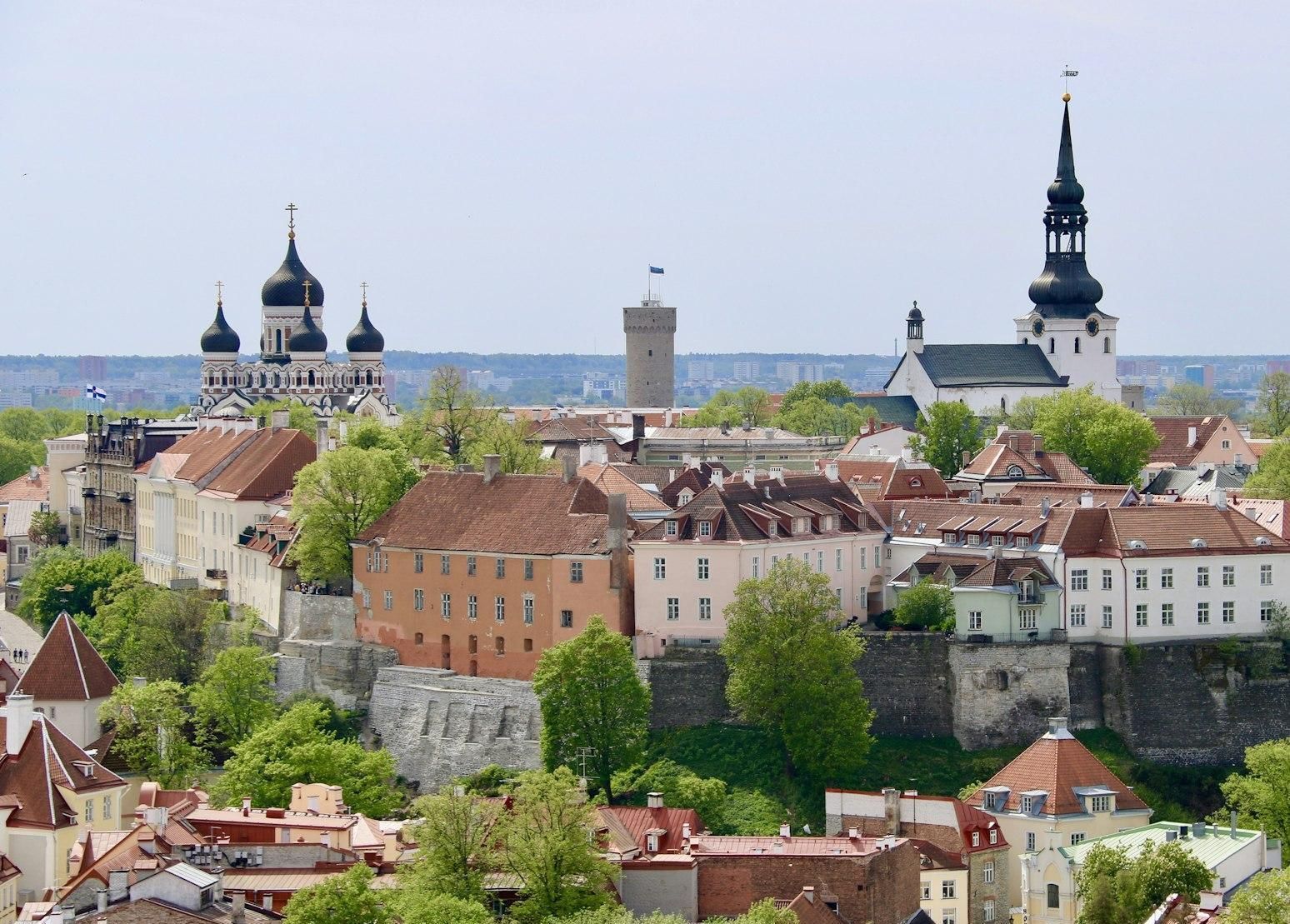
On medieval maps, this Baltic port appears as Reval, a name associated with the surrounding region of Revala and used widely in German and Swedish documents. The local Estonian name Tallinn, often interpreted as meaning "Danish town," existed alongside Reval for many centuries but did not appear frequently in international references. After Estonia gained independence in 1918, the new government adopted Tallinn as the official name for state administration, mapping, and foreign correspondence, gradually phasing out the historical form Reval from everyday use.
Bombay → Mumbai
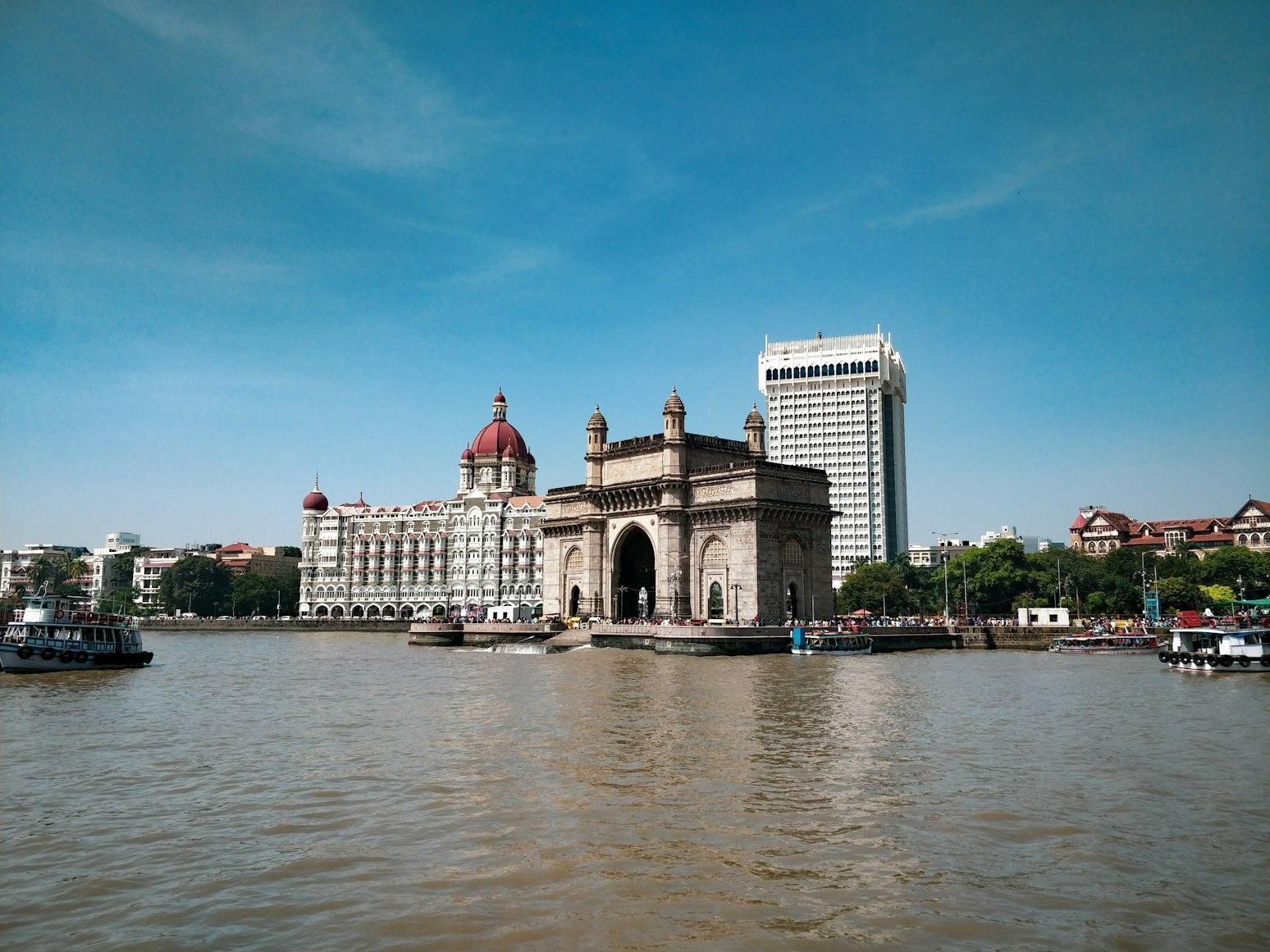
In the 17th century, European traders adopted the name Bombay, derived from the earlier Portuguese form Bombaim, which was coined after Portugal arrived in the region. Medieval local settlements, however, used names connected to the goddess Mumbā Devī, and these forms gradually developed into Mumbai in regional languages.
The name Bombay remained common in English during the colonial period and well into the 20th century. In 1995, the Indian government formally adopted Mumbai as part of a broader effort to restore historical and regional place names and align official usage with long-established local terminology.
Pressburg → Bratislava
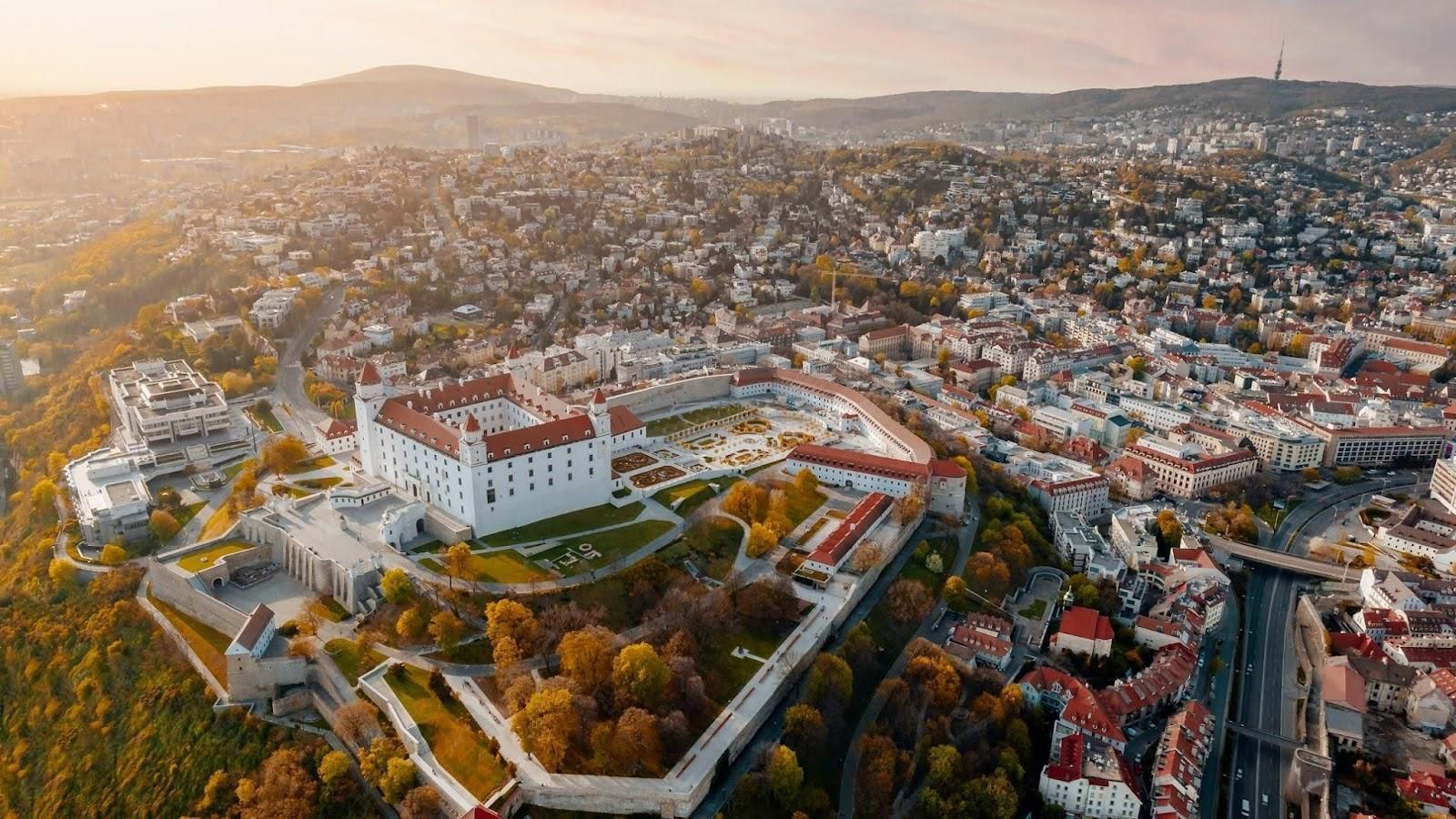
We now know it as Bratislava, but in medieval German and Central European sources, the capital of Slovakia appeared as Pressburg, a name widely used in administrative records and regional maps. Hungarian documents used Pozsony, while Slovak-speaking communities used earlier forms that later developed into Bratislava.
After the creation of Czechoslovakia in 1918, the new government selected Bratislava as the official name. This decision aligned the city’s identity with the Slovak language and standardized its use in state administration, cartography, and international communication.
Leghorn → Livorno
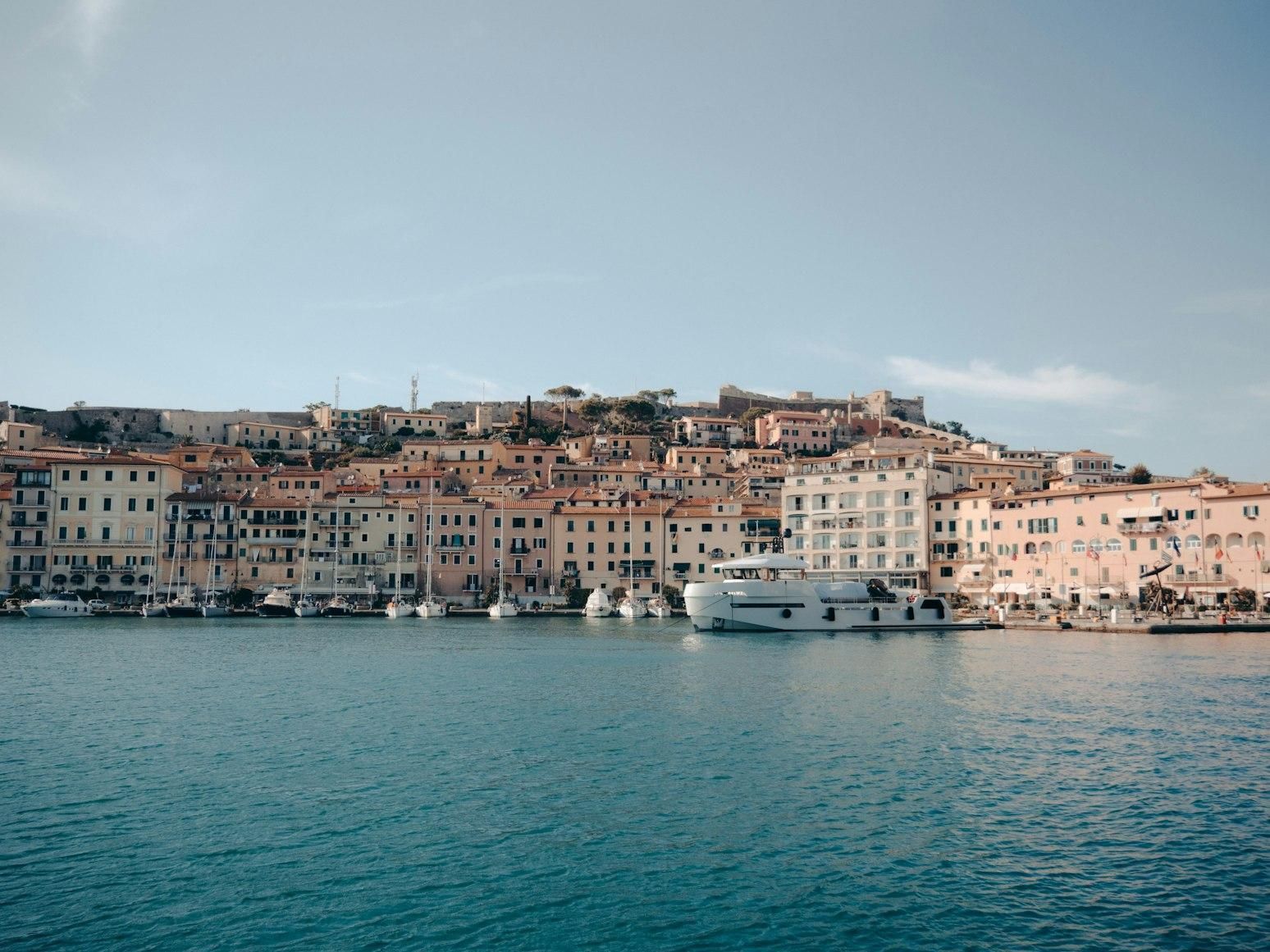
English-language maps from the medieval and early modern periods often used the name Leghorn to refer to this port city on the west coast of Tuscany. This form, an anglicized version of the Italian Livorno, appeared in trade documents, port registries, and maritime charts produced in Britain and other Western European countries.
Within Italy, however, the name Livorno remained standard in official records and everyday use. As English cartographic practices modernized in the late 19th and early 20th centuries, Leghorn was progressively replaced in atlases, government publications, and international references, leaving Livorno as the fully standardized name.
Constantinople → Istanbul

In 1930, the Republic of Turkey officially adopted the name Istanbul as part of nationwide language reforms that aimed to standardize geographic names. Yet, during the Middle Ages, European and Byzantine documents consistently used Constantinople, a name introduced in 330 CE when Emperor Constantine refounded the city as the capital of the Eastern Roman Empire.
The form Istanbul existed in local speech for many centuries, especially in Ottoman Turkish administrative and everyday use, but it remained secondary outside the region. It did not replace Constantinople in international publications, maps, and diplomatic records until the early 20th century, when the Turkish government applied the modern spelling in official communications.
Cologne → Köln

Medieval Latin sources refer to this antique city spanning the Rhine River in western Germany as Colonia Agrippina, a designation used in administrative records and church documents. Over time, this Latin name shifted into Cologne in French and later in English.
Within the German-speaking world, however, Köln is the official name employed in government and municipal contexts. Cologne continues to be used internationally in English-language publications, reflecting the city’s long linguistic connection to its earlier Latin and French forms.
Crete → Candia → Heraklion
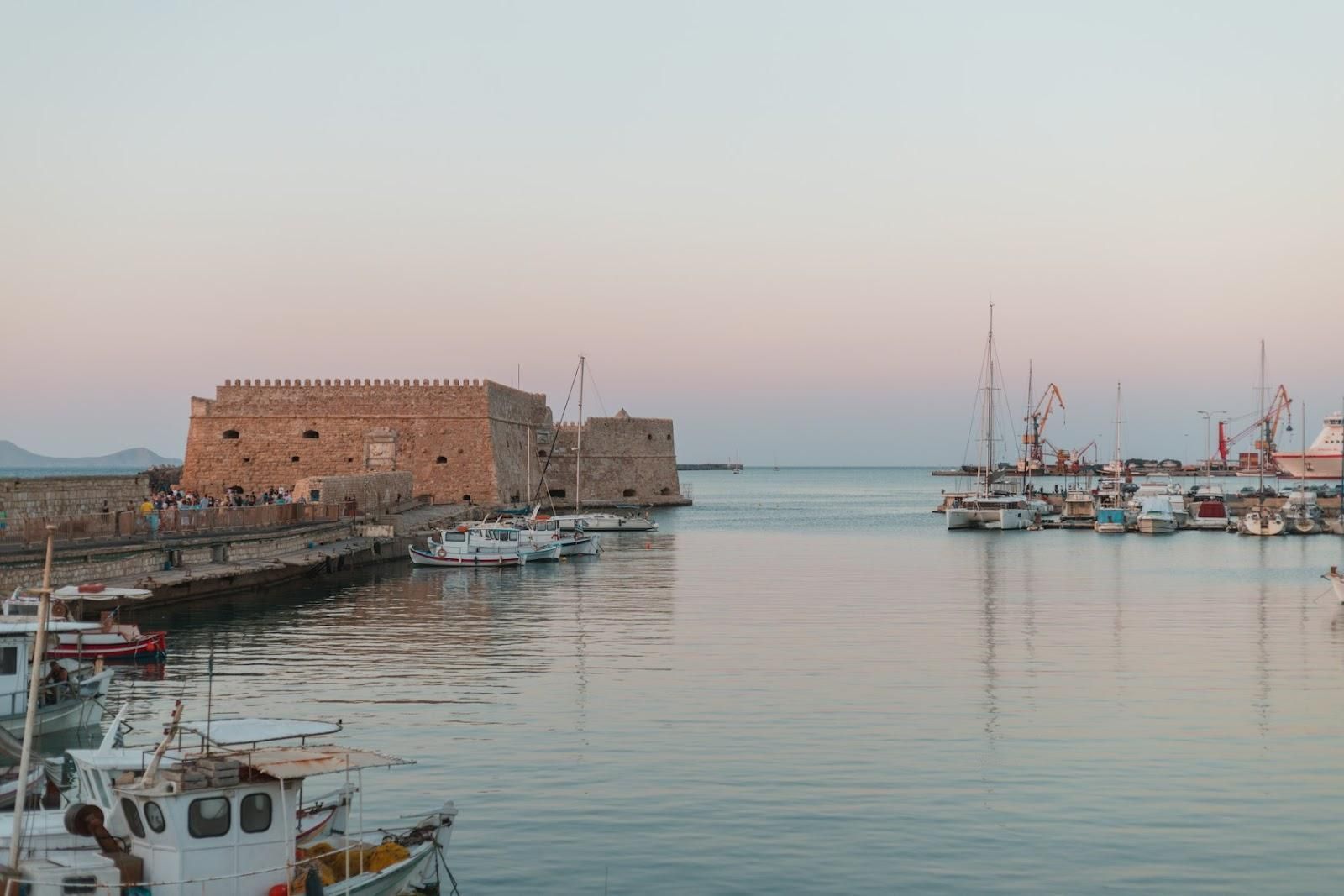
During Venetian rule, from the 13th to the 17th century, both the city and, at times, the entire island of Crete were commonly referred to as Candia in European maps, trade documents, and diplomatic correspondence. Local Greek populations, however, continued to use Heraklion (or Iraklio) in everyday speech and regional records. After Crete unified with the Kingdom of Greece in 1913, the Greek government adopted Heraklion as the official name. This change gradually replaced Candia in administrative documents, cartography, and international references.
Peking → Beijing

European travelers adopted the name Peking based on older pronunciations of the city’s name that circulated in foreign accounts during the Yuan dynasty. These forms entered Western languages through early maps, missionary writings, and trade records.
Within China, however, the Ming dynasty formally established Beijing, meaning "Northern Capital", as the administrative name in 1403. The term remained through later dynasties and into the modern period. In the 20th century, the Chinese government standardized Beijing for international use, and over time, it replaced Peking in official English-language publications, atlases, and diplomatic documents.
Tiflis → Tbilisi

To refer to the capital of Georgia, European and Russian documents from the medieval period through the 19th century commonly used Tiflis, a form that entered widespread use through administrative records, maps, and travel writing. Yet, the Georgian name Tbilisi existed throughout this time as the local designation.
In 1936, during a series of Soviet administrative and linguistic reforms, authorities formally adopted Tbilisi as the standardized name. After this change, Tiflis was gradually removed from official documents.
Edo → Tokyo

Founded as Edo in the medieval period, this ancient city grew from a fortified settlement into a major urban center under the Tokugawa shogunate beginning in the early 1600s. During this time, Edo became the seat of the shogun and developed one of the largest populations in the world.
When the Meiji Restoration transferred imperial authority to Edo in 1868, the new government renamed the city Tokyo, meaning "Eastern Capital." This decision recognized its new status as the national capital and marked the beginning of its role as the administrative and political center of modern Japan.
Christiania → Oslo
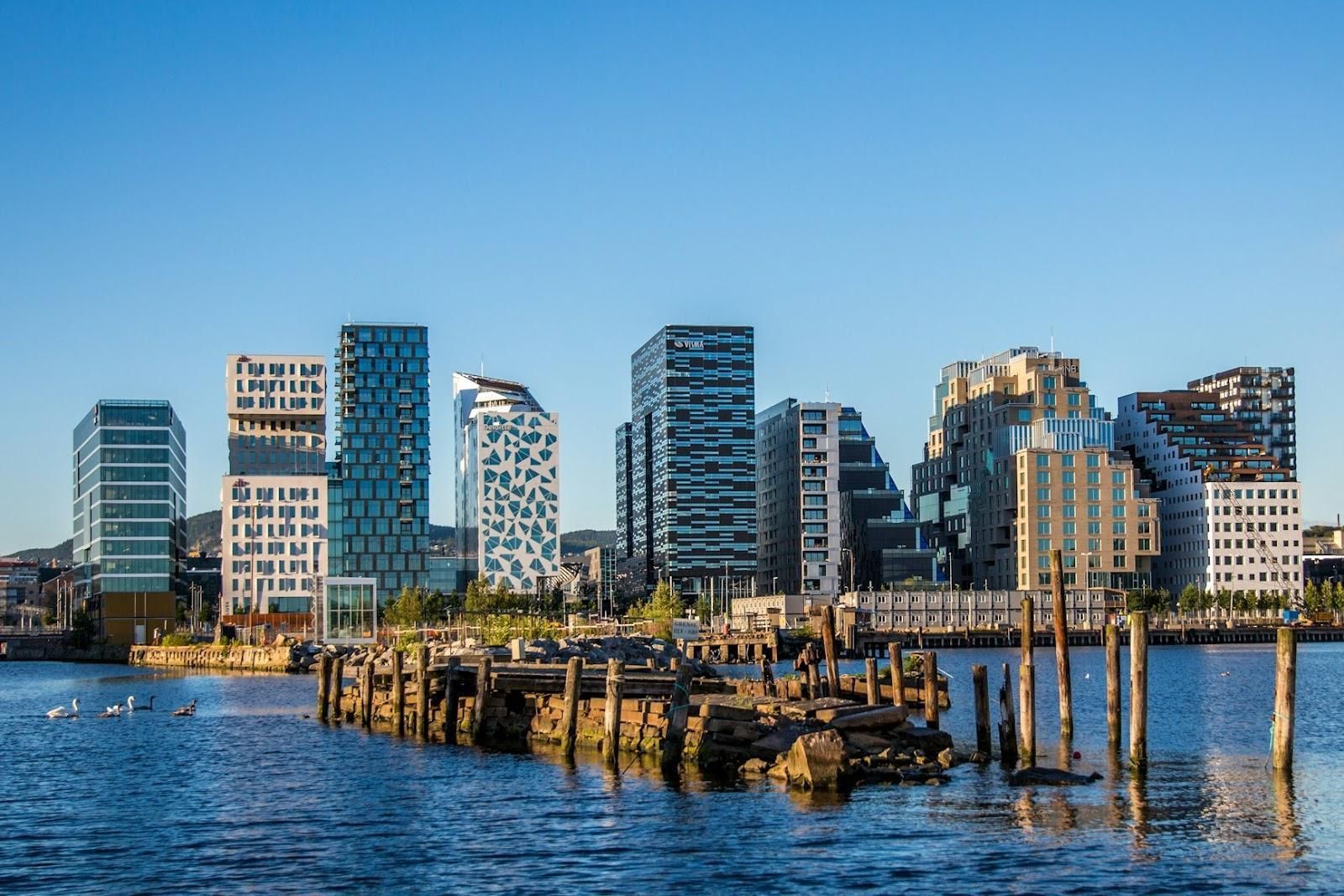
After a major fire in 1624, the capital of Norway, originally called Oslo, was rebuilt under King Christian IV and renamed Christiania as part of the reconstruction effort. The earlier name continued to appear in local usage and historical references during the following centuries. In 1925, however, the Norwegian government formally reinstated Oslo as the official name, restoring the designation used before the medieval period and aligning administrative records with long-standing local tradition.