You probably do it too
Looking to sound smarter? Here are 12 redundant words & how to avoid them
Published on January 20, 2026
 Image: Linh Pham
Some of these phrases belong to what is known as RAS (Redundant Acronym Syndrome), a linguistic phenomenon in which an acronym or initialism is used alongside one of the words it represents, such as "ATM machine." Others are simply redundancies that have become common through frequent use, like "free gift." Still, we all use a couple of these—at least. Which of these 12 do you use the most?
ATM machine
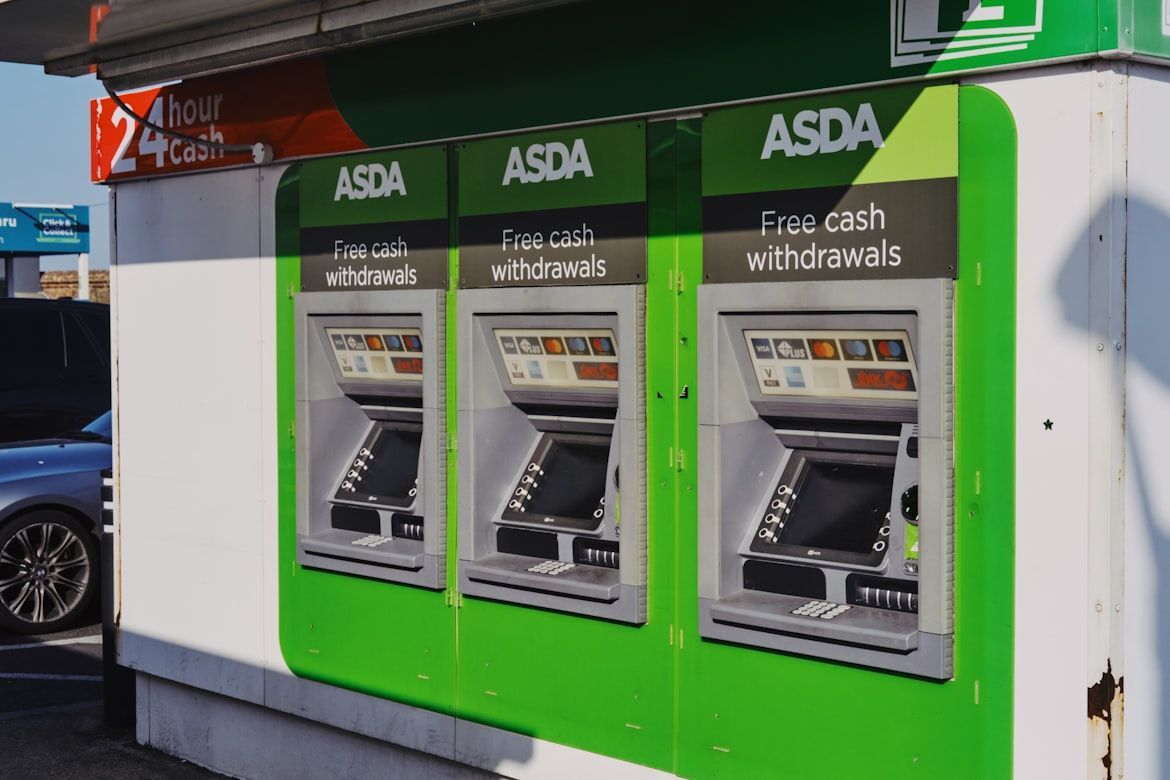 Image: Precious Madubuike
The phrase "ATM machine" is redundant because "ATM" already stands for "Automated Teller Machine," so adding "machine" repeats the word unnecessarily. It’s like saying "Automated Teller Machine machine."
This phrase is not the only example of RAS on the list, as we will see in the following entries.
Free gift
 Image: Ekaterina Shevchenko
An expression commonly found in advertising and marketing, "free gift," is redundant because a gift already means something given without payment. Adding "free" simply repeats what the word "gift" already implies.
Though often used in advertising to emphasize that there’s no cost, "free gift" technically restates the same idea twice.
PIN number
 Image: Eduardo Soares
Saying "PIN number" is redundant because "PIN" already stands for "Personal Identification Number," so adding "number" repeats the word unnecessarily.
While common in casual speech, this expression is best avoided in formal or precise writing.
End result
 Image: Jakub Żerdzicki
Another redundant phrase, "end result" falls into this category because "result" already means the outcome of something. Adding "end" repeats an idea that’s already implied in the word.
Saying "end result" is like saying "final outcome outcome." Simply using "result" is clear and complete on its own. Though stylistically the phrase is still widely used for emphasis in both spoken and written English.
Added bonus
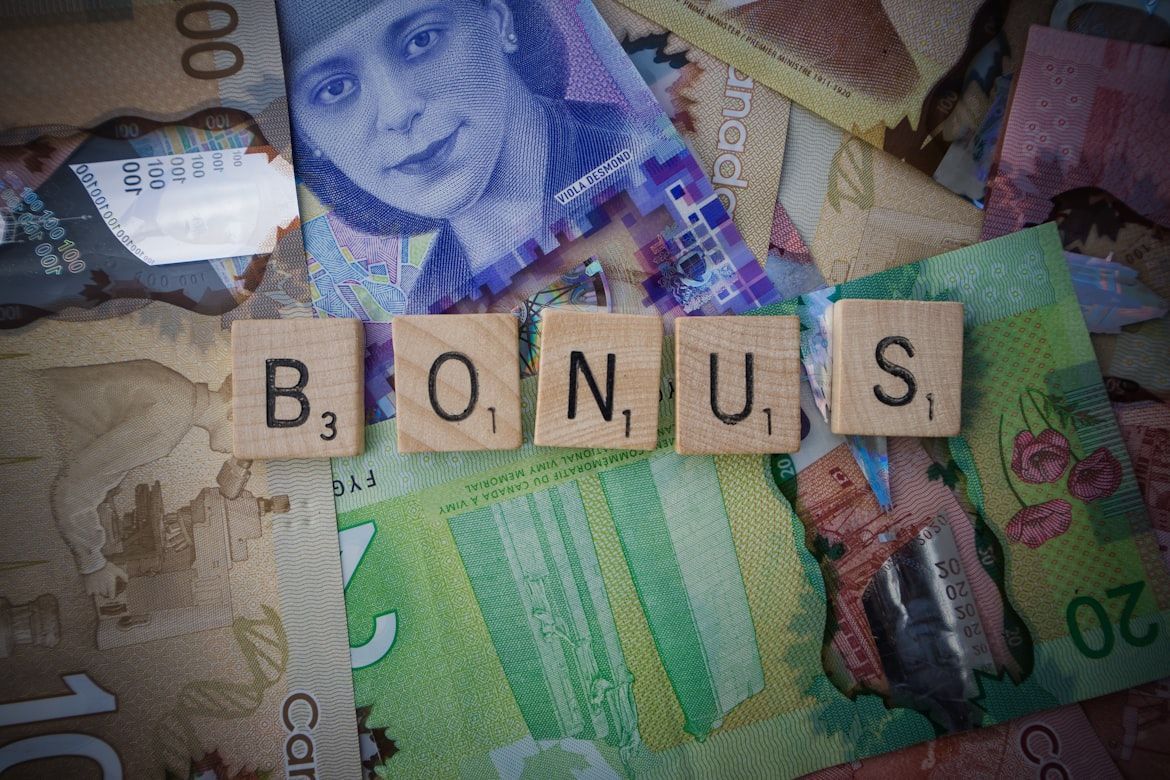 Image: Frugal Flyer
"Added bonus" is redundant because a bonus already means something extra or beyond what’s expected. Saying "added" simply repeats the idea unnecessarily. Since "bonus" already implies an addition, the word "added" doesn’t contribute any new meaning. It’s a clear example of redundancy in language.
Like "free gift," this phrase is very common and often used for emphasis in everyday speech or marketing.
Close proximity
 Image: Marek Studzinski
"Close proximity" is redundant because "proximity" already means closeness or nearness. Adding "close" simply repeats the same idea.
Not unlike the previously mentioned "PIN number," where "number" is already part of the acronym. In both cases, one word unnecessarily duplicates the meaning of the other.
Advance warning
 Image: Breana Panaguiton
The expression "advance warning" is redundant because a warning already implies something given ahead of time. Adding "advance" simply repeats the idea of "beforehand."
Since "warning" means prior notice of danger or trouble, saying "advance warning" is like saying "beforehand warning," which adds no new meaning. However, it’s worth noting that this phrase is very common and often considered idiomatic, especially in formal or technical contexts.
Unexpected surprise
 Image: Ben White
This one should be obvious, but we’ve all seen it from time to time. "Unexpected surprise" is redundant because a surprise is, by nature, not expected.
Saying "unexpected" adds no new meaning—unless, of course, the person was already expecting a surprise and received a different one, which effectively surprised them.
Completely destroyed
 Image: Julia Joppien
Saying that something is "completely destroyed" is redundant because "destroyed" already means total ruin. Adding "completely" simply repeats the idea without adding any new meaning.
When something is destroyed, it’s already beyond repair or use. Saying "destroyed" alone is clear and sufficient.
True fact
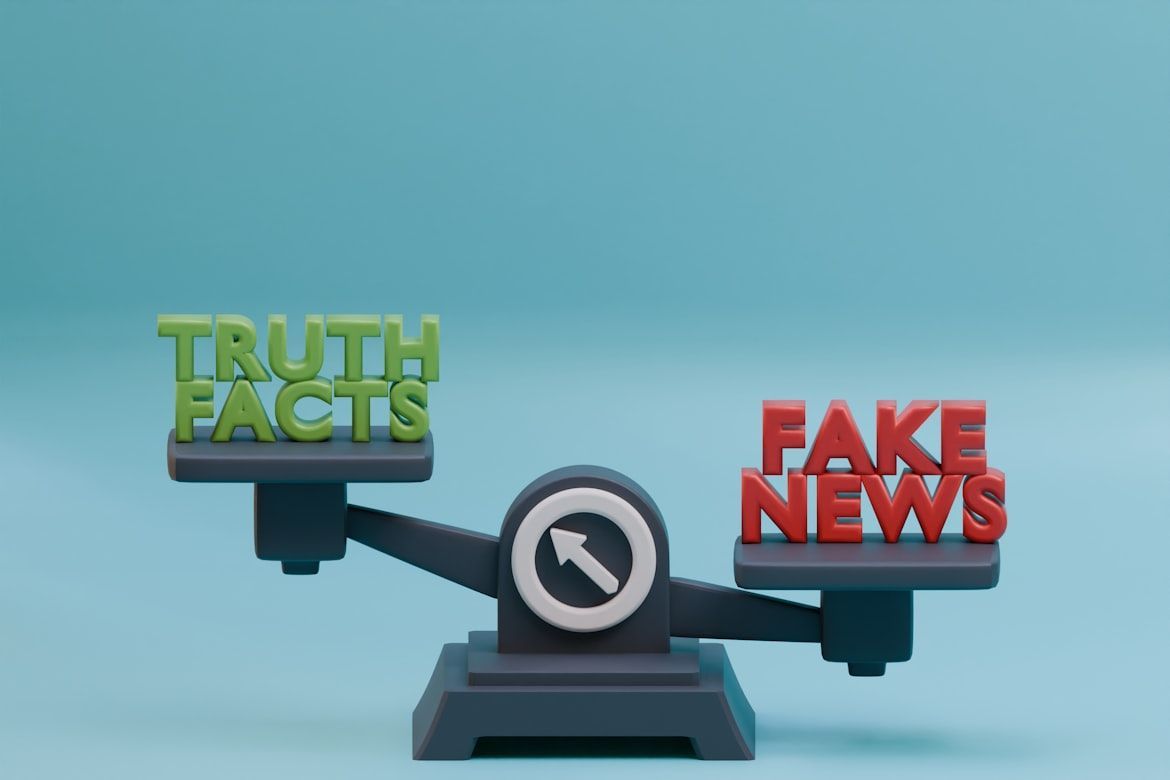 Image: Hartono Creative Studio
A much-used phrase in the age of fake news, "true fact" is redundant because a fact is, by definition, something that is true or can be proven. Adding "true" just repeats what’s already implied.
It’s like saying "frozen ice" or "past history"—the second word adds no new meaning. While "true fact" may be used for emphasis, it’s unnecessary and best avoided in formal writing.
Future plans
 Image: Glenn Carstens-Peters
Since all plans are, by nature, in the future, the expression "future plans" is redundant. Adding "future" repeats what is already understood.
Unless you have a time machine, you can’t make plans for the past, so the word "future" adds nothing. Simply saying "plans" is clear and more concise.
Unsolved mystery
 Image: 𝓴𝓘𝓡𝓚 𝕝𝔸𝕀
Another expression used for added drama, "unsolved mystery" is redundant because a mystery already implies something unexplained or unresolved. Adding "unsolved" repeats what’s inherently part of the word.
A mystery is, by definition, something not yet understood, so saying "mystery" alone is clear and more concise.