Expensive origins

Living as kings: 10 everyday things that were once worth more than gold


Published on March 25, 2026

Image: Annie Spratt

Many of the things we take for granted today were once the stuff of dreams for kings, aristocrats, and the wealthy few. From basic household staples to everyday technology, these now-common goods were once markers of status and privilege. Here’s a look at 10 items that were once nearly unattainable luxuries.

1

Sugar

Image: Daniel Kraus

Once called "white gold," sugar was a luxury in Europe during the Middle Ages, imported at high cost from the East. Only the wealthy could afford it, and it was often displayed as a status symbol.

By the 18th century, however, colonial plantations had increased supply, driving down global prices. Today, it’s one of the cheapest commodities in the world.

2

Black pepper

Image: Anas Alhajj

Highly coveted, black pepper was once used as currency in medieval Europe. Imported from India, it was so valuable that entire expeditions were launched just to secure trade routes.

Only the wealthiest households could afford to season their food with pepper regularly. Now, thanks to mass cultivation, it’s the most common spice in kitchens worldwide.

3

Glass windows

Image: Vidar Nordli-Mathisen

Who would have thought transparent windows were once a luxury? In the Middle Ages, glass windows were reserved for cathedrals and palaces, while most homes relied on wooden shutters or oiled cloth.

It wasn’t until the 19th century that mass production made window glass affordable for ordinary households.

4

Coffee

Image: Mike Kenneally

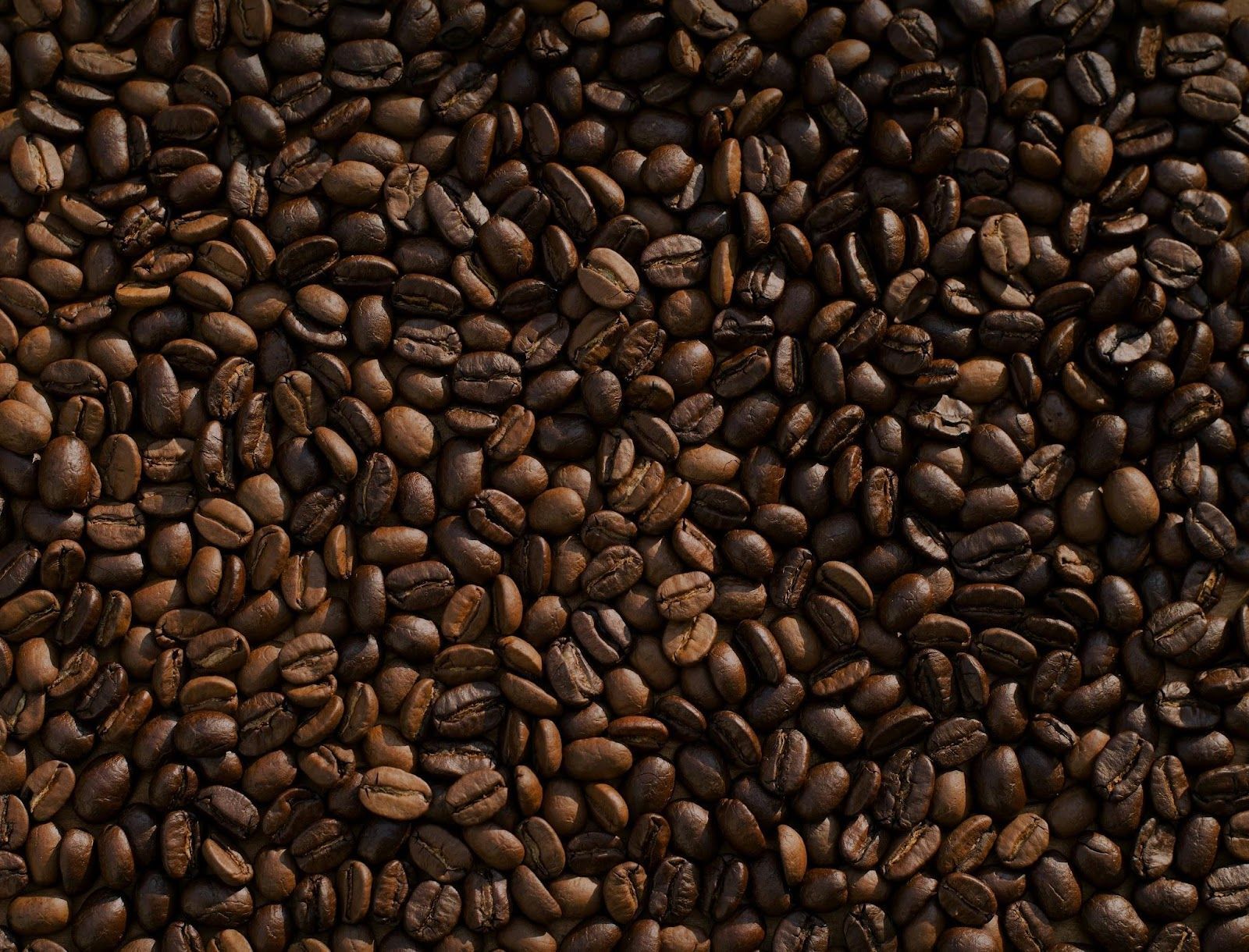
Coffee didn’t reach Europe until the 17th century, where it was considered an exotic and costly import. Coffeehouses soon became elite meeting places for merchants and intellectuals.

By the 19th century, improved trade routes and colonial plantations made coffee affordable for the masses.

5

Ice

Image: Scott Rodgerson

A humble ice cube wasn’t always a common sight. Before refrigeration, ice was harvested from frozen lakes and shipped long distances, making it expensive and seasonal.

Some insulation techniques allowed it to be preserved year-round, but it remained a privilege mostly reserved for the wealthy. Ice production plants in the late 19th century democratized cold storage, and by the mid‑20th century, home freezers had made ice an everyday convenience.

6

Salt

Image: Emmy Smith

Though abundant now, salt was once vital—not just for flavor, but for preserving food and countless other uses—and notoriously difficult to produce in inland regions. Heavily taxed and fiercely coveted, it even sparked wars.

The Roman practice of paying soldiers partly in salt is often said to have given us the word "salary," literally meaning payment in salt. Only with modern mining and global shipping did salt lose its status as a precious commodity.

7

Books

Image: Vrînceanu Iulia

Before the printing press, books were handwritten manuscripts that could take months or even years to produce. Only monasteries, royalty, and the very wealthy could afford to own them.

Fortunately, Gutenberg’s press in the 15th century revolutionized access by lowering prices and helping to spread literacy to the broader public.

8

Mirrors

Image: Noah Clark

The earliest mirrors were made from polished obsidian or metal, making them very difficult to produce. Even after more refined techniques using glass backed with a thin layer of silver were developed, mirrors remained luxury goods.

It wasn’t until the 19th century that industrial glassmaking and silvering techniques made mirrors affordable for middle-class homes.

9

Soap

Image: Nadia Clabassi

In medieval Europe, soap was costly—largely because it was made using olive oil, itself an expensive commodity. Those who couldn’t afford soap relied on water or abrasive cleaning materials.

Heavy taxation kept soap prices high until the 19th century, when a combination of lifted taxes and industrial manufacturing made soap affordable for the masses.

10

Photographs

Image: Museums Victoria

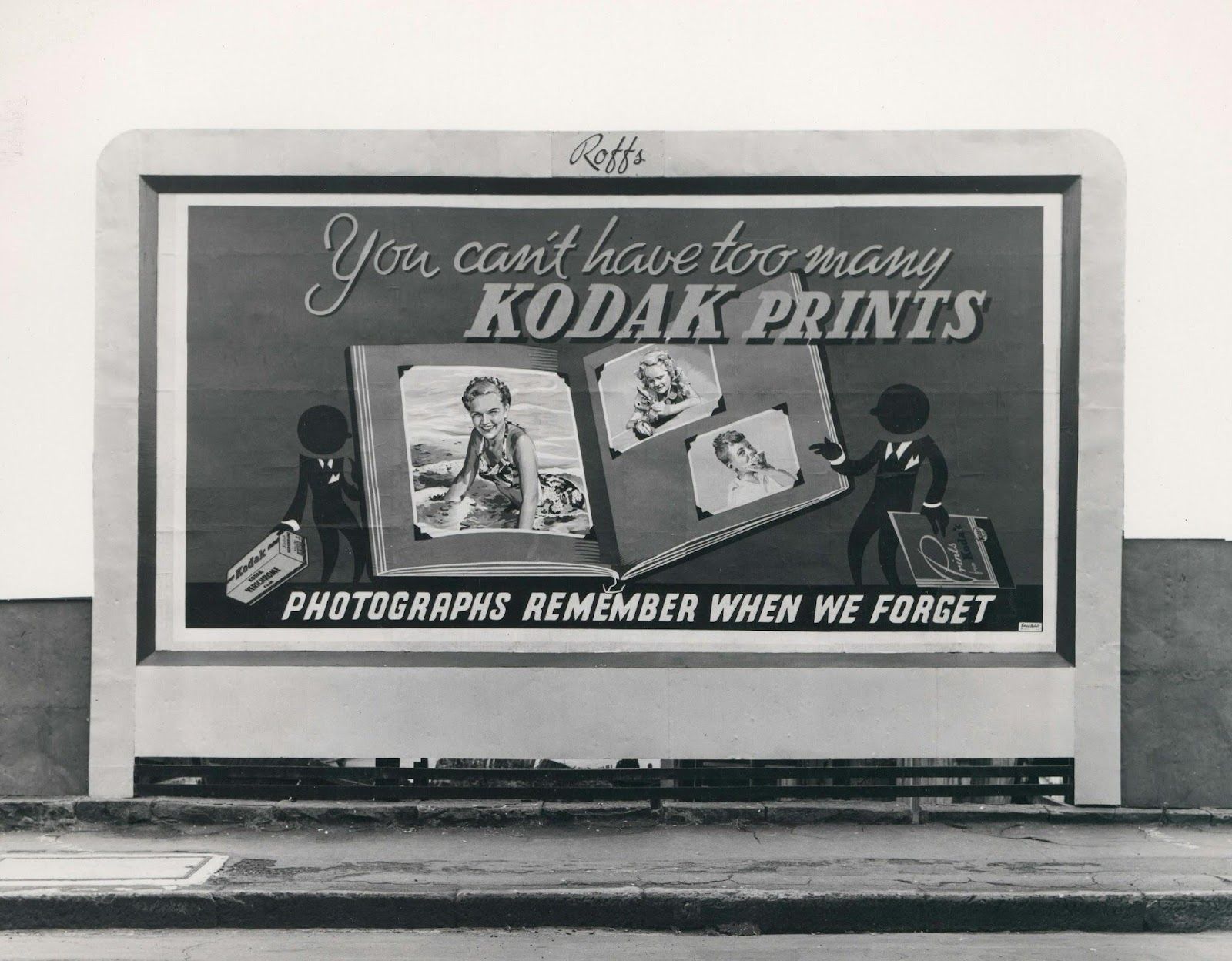
Soon after its invention, photography remained an expensive and formal process that required a professional studio. Only the wealthy could afford photographic portraits.

It wasn’t until the 20th century, with mass-market cameras like Kodak’s Brownie and simpler film development techniques, that photography became accessible to everyone.


AN OCEAN AWAY

American vs. British English: 10 Dramatic Vocabulary Differences!


Published on March 25, 2026


Image: freestocks

While many things bring us closer to the UK, some aspects of our language are key elements that set us apart. English is spoken by more than 1.4 billion people worldwide; with so many people using this language, it is understandable that some differences have developed. It is those little details that give each place its unique style!

To honor that, we have compiled some objects called very differently in America and the UK. Come with us as we walk through these 10 drastic vocabulary differences between American English and British English!

1

Punctuation marks

Image: Thought Catalog

Everybody knows that every sentence must end with a period, right? Well, actually, in the UK, they end with a "full stop."

While both terms refer to the same punctuation mark, they carry very different names in each country.

The British term arose around the 14th century and has its origin in the Latin phrase punctus plenus ("full point"). The American word comes from the Latin periodus, which was used to refer to a complete series of events or a complete and finished sentence.

2

Car Parts

Image: Swansway Motor Group

How would you react if a friend from the neighborhood asked you to put the market bags in the "boot"? That's what they call the car trunkin the UK!

The term "boot" to refer to that part of the vehicle is a bit older in history. Many sources claim that this term has been around since the days of coachmen, who used to keep their boots in the back of carriages or cars.

The American "trunk," on the other hand, is believed to come from when vehicles had actual trunks attached to them, where luggage and other large packs were stored.

3

Sports

Image: Joshua Hoehne

If you hear the word "football," you probably think of quarterbacks and touchdowns. However, to a Brit, this would be different.

"Football" in the UK refers to what we know as "soccer." Why do we use such different words for the same sport? Because, as you know, we Americans reserve the term "football" for our beloved gridiron.

Surprisingly, "soccer" originated in England! Emerging in the 19th century, it was a short form for "association football," which was a way of calling soccer to distinguish it from other forms of football played in those days.

4

Car types

Image: Arvin Dale

It seems that cars are a big point of divergence between American and British English, not only in terms of parts but also in vehicle types.

What we know as a "station wagon" is called an "estate car" in the UK; quite different, right? The UK uses this term because that type of vehicle was mainly used in country estates to transport large amounts of goods to and from those locations.

Meanwhile, the American "station wagon" originated from early wagons that transported people and luggage between hotels and train stations.

5

Baby stuff

Image: Jorge Barros

If a toddler asked you for the "dummy," would you know what he or she meant? That child is probably British, as "dummy" is the term used for pacifiers in the UK.

The word "dummy" has been used to refer to an imitation or substitute. In the UK, from the 20th century onwards, babies' dummies were so named for serving as a substitute for the mother's breast or bottle.

The term "pacifier" (or "passy" for the cool babies) is pretty self-explanatory, right? It refers to the object's main purpose: to calm our beloved little ones.

6

Fashion

Image: Hermes Rivera

With so many garments and styles, fashion has vocabulary differences as well. What is called a "vest" in America is known in the UK as a "gilet."

While Americans call any sleeveless garment a "vest," the British use "gilet" only for casual wear.

Do you know where these terms come from? You got it: they both come from France, one of the birthplaces of world fashion.

The French gilet entered English around the 19th century and was related to the utility of the garment. "Vest," on the other hand, comes from the French veste, which referred to a long, sleeveless garment worn under armor.

7

Car parts (again)

Image: Tim Mossholder

Here we are with the cars again. We've already checked the trunk. Now, let’s move to the front of the car to inspect the hood.

That cover that we lift to check -or just admire- the engine is called a "hood" in America. But, as is often the case, things are different in the UK, where this part of the car is referred to as a "bonnet."

Both terms come from the early days of automobiles. The old carriages had a protective cover over the driver's seat known as a "hood" or "bonnet." Between the 19th and 20th centuries, these terms were simply transposed to the engine cover of early cars.

8

Stores

Image: National Cancer Institute

You know where to go if you need medicine or health care products: the drugstore. But if you're in the UK, you might have a little more trouble finding this place. Not because it's hidden but because it has another name there: "chemist."

"Chemist" comes from the Latin chimista, a person who experimented with chemical substances. From the 18th century on, "chemist" was applied in England to early pharmacy practitioners.

The American term "drugstore" is more explicit. Originally, this type of store only sold meds, expanding its product offering over time.

9

Vegetables

Image: Deon Black

Eggplant is one of those vegetables with as many lovers as haters; which group are you in?

But today, we're not discussing the qualities of this vegetable but its name. What we know here as "eggplant" is called "aubergine" in the UK.

The British word has French, Catalan, and Arabic origins and began to be used in English around the 18th century. The American word also appeared in the 18th century, and it is believed to have arisen due to the resemblance between the vegetable's shape and that of chicken eggs.

10

Shopping

Image: Markus Spiske

Remember those days as a kid when your mom would push you around in the shopping cart? Well, if you had been to the UK, she would have placed you in the "trolley" instead.

The British "trolley" comes from the name of a type of cart used to transport goods on trails. In the 20th century, with the rise of supermarkets, it began to refer to shopping carts or baskets.

The American term originated in the 20th century with the invention of the cart specifically designed for shopping.

Looking for an extra scoop of literary fun?

Learn more with our Word of the day

welfare

/ˈwɛlˌfɛr/