Expensive origins

Living as kings: 10 everyday things that were once worth more than gold


Published on March 25, 2026

Image: Annie Spratt

Many of the things we take for granted today were once the stuff of dreams for kings, aristocrats, and the wealthy few. From basic household staples to everyday technology, these now-common goods were once markers of status and privilege. Here’s a look at 10 items that were once nearly unattainable luxuries.

1

Sugar

Image: Daniel Kraus

Once called "white gold," sugar was a luxury in Europe during the Middle Ages, imported at high cost from the East. Only the wealthy could afford it, and it was often displayed as a status symbol.

By the 18th century, however, colonial plantations had increased supply, driving down global prices. Today, it’s one of the cheapest commodities in the world.

2

Black pepper

Image: Anas Alhajj

Highly coveted, black pepper was once used as currency in medieval Europe. Imported from India, it was so valuable that entire expeditions were launched just to secure trade routes.

Only the wealthiest households could afford to season their food with pepper regularly. Now, thanks to mass cultivation, it’s the most common spice in kitchens worldwide.

3

Glass windows

Image: Vidar Nordli-Mathisen

Who would have thought transparent windows were once a luxury? In the Middle Ages, glass windows were reserved for cathedrals and palaces, while most homes relied on wooden shutters or oiled cloth.

It wasn’t until the 19th century that mass production made window glass affordable for ordinary households.

4

Coffee

Image: Mike Kenneally

Coffee didn’t reach Europe until the 17th century, where it was considered an exotic and costly import. Coffeehouses soon became elite meeting places for merchants and intellectuals.

By the 19th century, improved trade routes and colonial plantations made coffee affordable for the masses.

5

Ice

Image: Scott Rodgerson

A humble ice cube wasn’t always a common sight. Before refrigeration, ice was harvested from frozen lakes and shipped long distances, making it expensive and seasonal.

Some insulation techniques allowed it to be preserved year-round, but it remained a privilege mostly reserved for the wealthy. Ice production plants in the late 19th century democratized cold storage, and by the mid‑20th century, home freezers had made ice an everyday convenience.

6

Salt

Image: Emmy Smith

Though abundant now, salt was once vital—not just for flavor, but for preserving food and countless other uses—and notoriously difficult to produce in inland regions. Heavily taxed and fiercely coveted, it even sparked wars.

The Roman practice of paying soldiers partly in salt is often said to have given us the word "salary," literally meaning payment in salt. Only with modern mining and global shipping did salt lose its status as a precious commodity.

7

Books

Image: Vrînceanu Iulia

Before the printing press, books were handwritten manuscripts that could take months or even years to produce. Only monasteries, royalty, and the very wealthy could afford to own them.

Fortunately, Gutenberg’s press in the 15th century revolutionized access by lowering prices and helping to spread literacy to the broader public.

8

Mirrors

Image: Noah Clark

The earliest mirrors were made from polished obsidian or metal, making them very difficult to produce. Even after more refined techniques using glass backed with a thin layer of silver were developed, mirrors remained luxury goods.

It wasn’t until the 19th century that industrial glassmaking and silvering techniques made mirrors affordable for middle-class homes.

9

Soap

Image: Nadia Clabassi

In medieval Europe, soap was costly—largely because it was made using olive oil, itself an expensive commodity. Those who couldn’t afford soap relied on water or abrasive cleaning materials.

Heavy taxation kept soap prices high until the 19th century, when a combination of lifted taxes and industrial manufacturing made soap affordable for the masses.

10

Photographs

Image: Museums Victoria

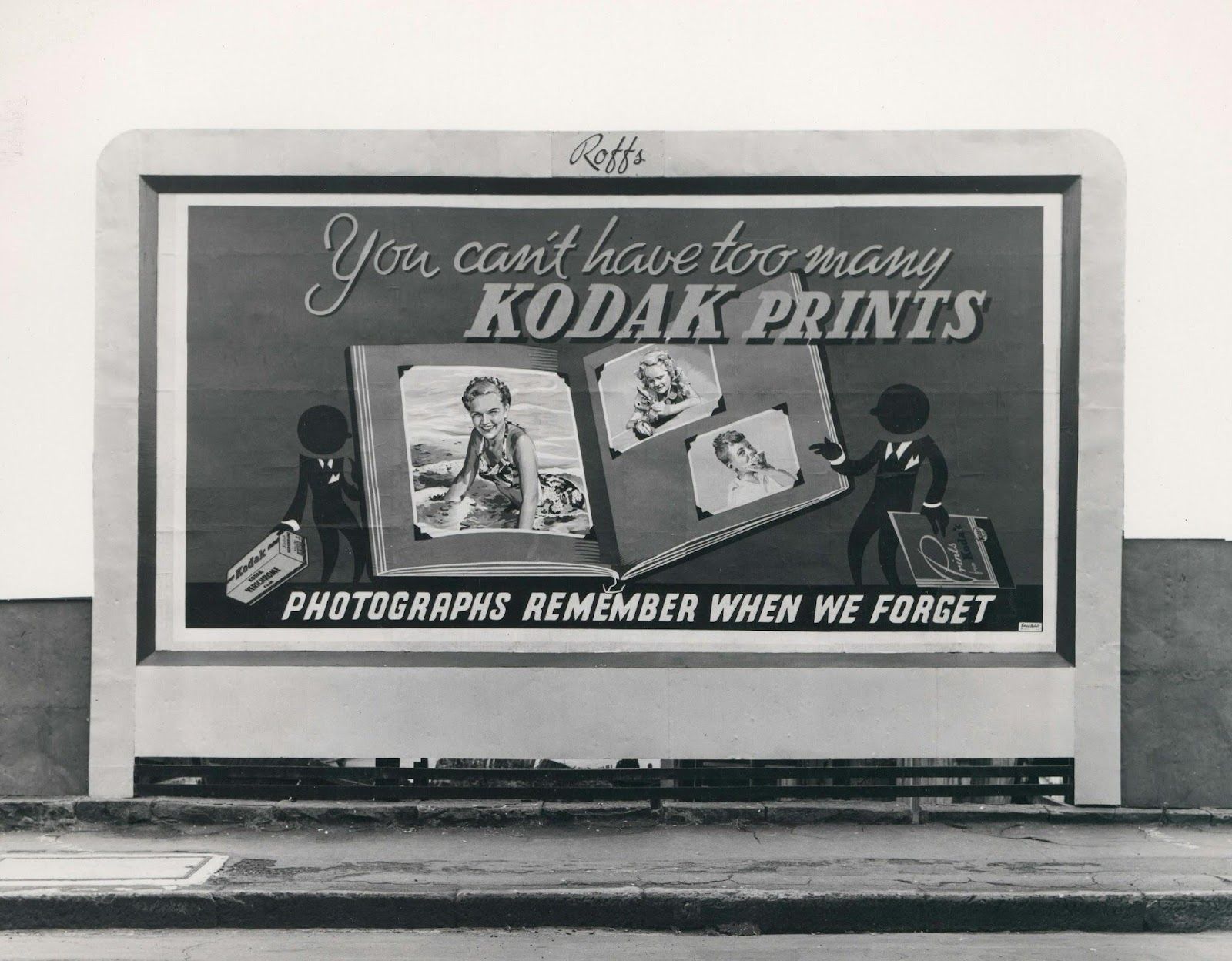
Soon after its invention, photography remained an expensive and formal process that required a professional studio. Only the wealthy could afford photographic portraits.

It wasn’t until the 20th century, with mass-market cameras like Kodak’s Brownie and simpler film development techniques, that photography became accessible to everyone.


FROM CAVE WALLS TO CYBERSPACE

10 Pivotal Moments in the Evolution of Writing


Published on March 25, 2026


Image: Glenn Carstens-Peters

From ancient cave drawings to the digital age, the way we record and convey information has always been at the heart of human culture. Writing not only enabled us to better grasp the world we live in, but also to bridge vast distances of time and space, linking us with our past and our future.

Join us to explore ten pivotal moments in the history of writing. We are about to unravel a captivating tale of human ingenuity and deep cultural transformation.

1

Proto-Writing during the Paleolithic

Image: Rabah Al Shammary

Before the dawn of formal writing systems, the earliest forms of communication took shape in the form of cave paintings, petroglyphs, and engraved symbols. These primitive markings served as visual expressions of early human experiences, beliefs, and cultural practices, laying the groundwork for the development of more sophisticated writing systems.

2

Invention of Cuneiform Script (3500 BCE)

Image: Egor Myznik

The birth of cuneiform script in Mesopotamia marks the dawn of recorded history. Developed by the Sumerians around 3500 BCE, this early form of writing consisted of wedge-shaped symbols impressed on clay tablets. This breakthrough technique allowed for the first time the systematic recording of transactions, laws, and even literature.

3

The Epic of Gilgamesh (2100 BCE)

Image: mostafa meraji

One of the earliest known literary works in human history, the Epic of Gilgamesh, also holds the significant honor of being the first heroic narrative ever written. The epic poem recounts the adventures of Gilgamesh, a legendary king of Uruk. Its universal themes of friendship, love, and mortality resonate across millennia, shaping the narrative tradition of storytelling and influencing later literary works (like the Homeric epics).

4

Phoenician Alphabet (1100 BCE)

Image: Tomas Martinez

The Phoenician alphabet, developed by the ancient Phoenicians around 1100 BCE, represented a monumental leap forward in the history of writing. Unlike earlier writing systems, which primarily relied on logograms or syllabic symbols, the Phoenician alphabet is considered the first purely alphabetic script. Consisting of only 22 consonant letters (vowel sounds were implicit), this early alphabet greatly simplified the process of writing and reading, paving the way for the development of many other alphabetic scripts like Greek, Latin, and Cyrillic.

5

Early Universities (1000 - 1300 CE)

Image: Ben Seymour

The establishment of early universities in medieval Europe played a crucial role in the advancement of writing and literacy. Emerging during the High Middle Ages, institutions such as the University of Bologna, Oxford University, and the University of Paris became centers of learning and intellectual exchange. The rise of universities fostered a culture of scholarship and critical inquiry, fueling the demand for written texts and contributing to the dissemination of knowledge across Europe.

6

Gutenberg's Printing Press (1440 CE)

Image: Lennert Naessens

In the year 1440 CE, German inventor Johannes Gutenberg revolutionized the spread of information with his design for a movable type printing press. With the ability to produce up to 3,600 pages per day, the new printing press enabled for the first time the mass production of books, making the written word accessible to everyone - and not just scholars or the elite. This groundbreaking innovation deeply changed the way information and ideas moved within societies, bringing about social and scientific advances of all kinds.

7

The Typewriter (1868 CE)

Image: Daria Kraplak

Although there were many previous attempts at similar designs, the first typewriter to be commercially successful was patented in 1868 by American inventor Christopher Latham Sholes, with the assistance of a team of printers and mechanical engineers. This mechanical marvel not only streamlined the process of producing documents, making writing faster and more efficient, but also empowered individuals to express themselves freely, revolutionizing both literature and journalism.

8

The Launch of the World Wide Web (1989 - 1991 CE)

Image: Thomas Jensen

Tim Berners-Lee's creation of the World Wide Web revolutionized how we access and share information. Initially conceived as a "universal linked information system," the web largely democratized access to information and, for the first time in history, offered anyone the possibility of disseminating knowledge on a global scale. The main pillar behind the Information Age, widespread access to the Internet has forever changed the way we think about the world and our societies.

9

The Rise of Social Media (1994 - 2000 CE)

Image: camilo jimenez

The advent of social media platforms like Facebook, Twitter, and Instagram facilitated instantaneous global connectivity, reshaping how we interact, share ideas, and consume information in the digital age. As of 2015, studies show that there are as many as 4.76 billion social media users in the world, more than half of the total global population.

10

Artificial Intelligence in Writing (2022)

Image: Alina Grubnyak

Advancements in artificial intelligence, such as OpenAI's GPT models, are currently reinventing the way we write and produce digital content. These AI-powered tools assist writers, automate content generation, and even produce literature, blurring the lines between human and machine creativity. Although the system is still in development, and it is far from perfect, it has the potential to completely change the way we write, or even think about writing!

Looking for an extra scoop of literary fun?

Learn more with our Word of the day

destitute

/ˈdɛstəˌtut/