Time changes things
Little boys were once called "girls": The shocking past of 12 words
Published on August 3, 2026

There was a time when thousands of people were "villains," and most young people were "girls." The English language is a living, breathing thing. That’s why describing something as "nice", "terrible", or "artificial" would have meant entirely different things at other points in history. Join us in uncovering the original meanings of these everyday words!
Girl

Such a short and straightforward word! How could it ever have had a different meaning? Believe it or not, "girl" didn't always refer specifically to a young female.
Around the 13th century, in Middle English, "girl" or girle was a general term for a child or young person of either sex. It wasn't until the 15th century that "girl" became exclusively associated with any young woman.
Guy

Did you guess it? The word "guy" comes from the name Guy Fawkes, the infamous conspirator behind the 1605 attempt to blow up the English Parliament.
Effigies of Fawkes, known as "guys," were burned during the annual Guy Fawkes Day celebrations. Eventually, "guy" came to refer to any oddly dressed or grotesque figure, and later, to any man in general.
Villain

Every good story needs a "villain," but this word has humble origins. It comes from the Late Latin word villanus, which meant "farmhand" or "peasant."
As social hierarchies shifted and Medieval city-dwellers sought to distinguish themselves from those living in rural areas, "villain" came to be associated with someone of low social standing, and eventually, with someone who was wicked or evil. Talk about looking down on your neighbors.
Nice

"Nice" comes from the 12th century, when the Old French word nice meant "silly" or "foolish." It can be traced further back to the Latin word nescius, meaning "ignorant."
Basically, calling someone "nice" was like saying they were a bit of a dunce. It was only by the 18th century that "nice" had evolved to mean "coy", or "refined", before finally settling on the "agreeable" or "thoughtful" meaning we know today.
Silly

The Old Norse word for "happiness" was sæl. Do you see where this is going? Seel was the Old English adaptation of it, which derived into "seely" and eventually "silly." For a long time, before the late 13th century, it meant "blessed" or "joyous."
Over time, it evolved to mean "pious" or "innocent," and then "weak" or "helpless." By the 1570s, its definition had settled on its current meaning of "foolish" or "whimsical."
Clue

"Clue" comes from the Greek word kleos, meaning "fame" or "glory." It then entered Old English as "cliewen," which referred to a ball of yarn. Do you see the connection?
Think of the Greek myth of Theseus, who used a ball of yarn to navigate the Labyrinth and slay the Minotaur. When this myth was popularized in England by Chaucer (in the late 1300s), the image of the yarn guiding Theseus out of the maze led to "clue" becoming the term for a hint or a tool that helps solve a problem. The spelling shifted to "clue" in Early Modern English, around the 1500s-1600s.
Naughty

"Naughty" might bring to mind a mischievous child or a playful prank. But we all know that "naught" means "nothing." Essentially, in Old English, around the 1300s or 1400s, if you were "naughty," you were considered "worthless" or "good for nothing!"
Over time, the meaning softened, shifting to "wicked" or simply "disobedient" or "mischievous."
Terrible

Today, we may catch ourselves using "terrible" and "lousy" interchangeably. But there was a time when "terrible" meant "awe-inspiring." That’s more closely related to the other meaning of "terrible," which is horrible or frightful.
It comes from the classical Latin word terribilis, used pre-500 AD, more closely related to reverence than to dread.
Nervous

In Latin, nervosus meant "sinewy" or "vigorous". Initially, it described someone outstandingly strong—but that’s not what we mean today when we say we feel "nervous".
The term as we know it today emerged in the 1700s, describing a state of excitability or anxiety, perhaps because people associated those feelings with a tensing of the muscles and sinews.
Artificial
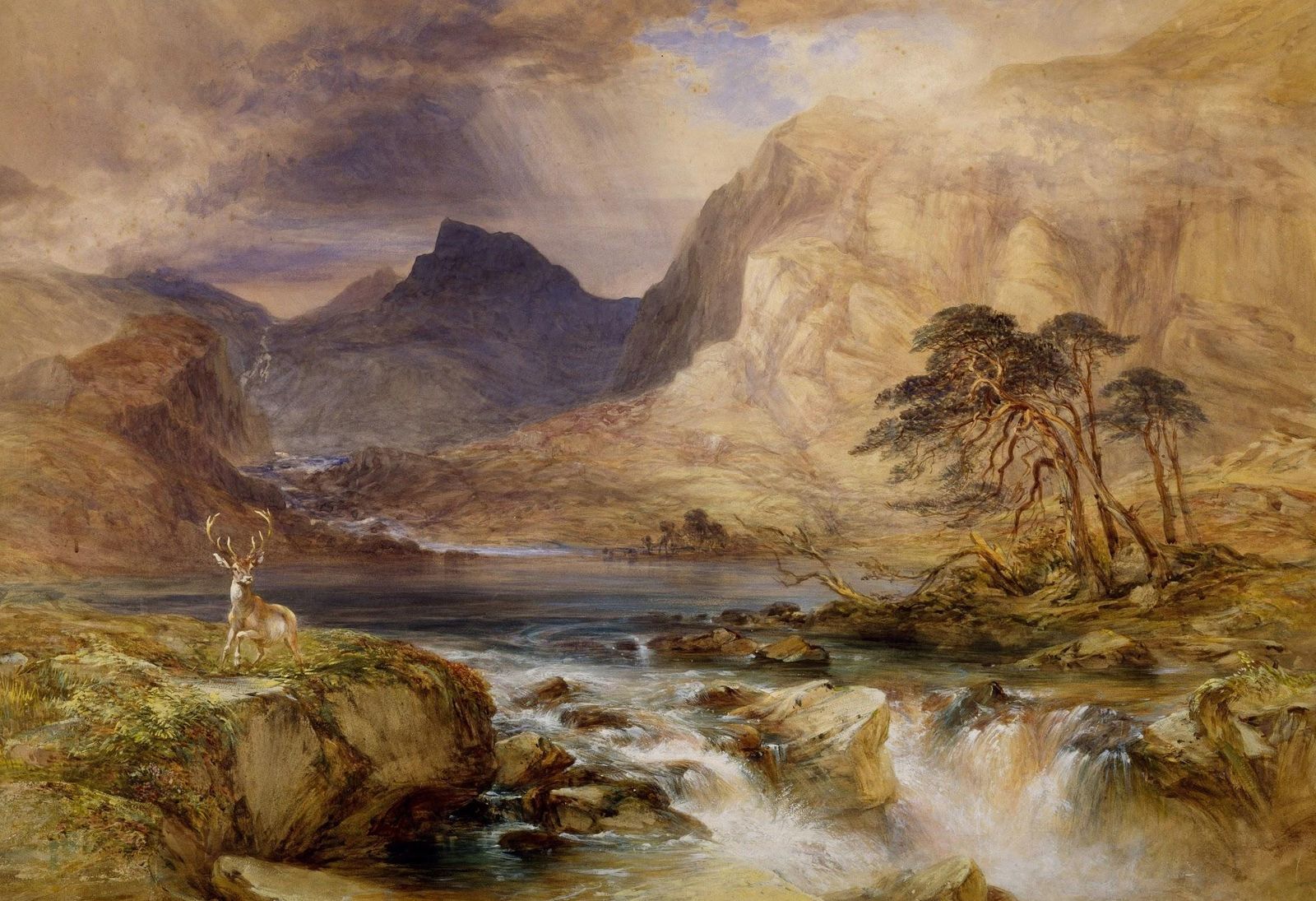
Today, the term "artificial" might conjure the image of plastic flowers or even a computer generating Artificial Intelligence. But the word once meant "full of artistic or technical skill".
That is, it was used for creations we would now refer to as art, or even technology: Things crafted by human ingenuity, most often with positive connotations. Its current negative or synthetic connotation developed in more modern times, through the 1700s-1800s.
Meat

There was a time when "meat" referred to any kind of solid food. It came from the Old English word mete, which, before the 1100s, could refer to any edible, from a juicy steak to a bowl of porridge.
It wasn't until later that "meat" narrowed its focus to the flesh of animals.
Myriad

Another Greek origin. Even in Ancient Greece, if you had a myrios of problems, you still had a lot of them. Its meaning was exactly "ten thousand", although it was also used as an expression to mean "indefinitely large."
It later entered the English language in the 1550s, meaning specifically "the number of 10,000."