Did you know any of these?
Lima 9 Quebec! Discover the meaning behind NATO phonetics and their use
Published on April 25, 2026

While most people have never heard of the NATO phonetic alphabet, they have likely encountered it in use, at least in movies and television. If you can recall a scene where a pilot says something like "Alpha," "Bravo," and "Charlie" over the radio, then you have heard the NATO phonetic alphabet at work. It is a system designed to ensure letters are clearly understood, even over crackly or noisy connections. It's been around since the 1950s, but its roots go back even further. Take a look at some interesting and cool facts about it!
What it is
Simply put, a spelling alphabet helps clarify letters and numbers in messages, since many of them sound alike—like B and P, or M and N.
This is especially useful when static or interference affects radio or phone communication. For example, "DH98" would be said as "Delta-Hotel-Niner-Ait" to avoid confusion.
The current alphabet

The following is the complete current NATO phonetic alphabet: Alfa, Bravo, Charlie, Delta, Echo, Foxtrot, Golf, Hotel, India, Juliett, Kilo, Lima, Mike, November, Oscar, Papa, Quebec, Romeo, Sierra, Tango, Uniform, Victor, Whiskey, X-ray, Yankee, and Zulu.
Each word starts with the letter that it represents, and the words were selected to be easily understood by speakers of many different languages.
Not every word made the cut

The original International Civil Aviation Organization (ICAO) alphabet, the predecessor to the NATO phonetic alphabet, was officially adopted on November 1, 1951, and became effective for civil aviation on April 1, 1952.
However, issues soon arose. Words like Delta and Extra, or Nectar and Victor, sometimes caused confusion, especially in poor radio conditions.
Live words only

To be included in the NATO phonetic alphabet, a word had to be a "live," or commonly used, word in English, French, and Spanish—the three working languages of the ICAO, which developed the system before NATO adopted it.
This rule helped ensure that the words were easily recognized and understood across different cultures and languages, improving international communication and reducing confusion.
Ease of pronunciation

The ICAO required each word to be easy to pronounce and recognize by speakers of many different languages.
This helped ensure clear communication between pilots and air traffic controllers worldwide, reducing the risk of misunderstandings.
Good radio transmission
Another criterion for inclusion in the NATO phonetic alphabet was that a word had to be clearly transmissible over the radio and easy to understand.
This helped minimize confusion caused by static, poor signals, or accents, making communication in aviation safer and more reliable.
Similar spelling
Each word in the NATO phonetic alphabet had to begin with the letter it represented and be easily recognizable across several major languages, including English, French, and Spanish.
This made the alphabet easier to learn and understand internationally, ensuring consistency and clarity in communication.
No objectionable meanings

Words in the NATO phonetic alphabet had to be free of any offensive or inappropriate meanings in any of the major languages.
This helped ensure that the words could be used safely and respectfully across different cultures and regions without causing misunderstandings or offense.
"X-ray" to "Xray"
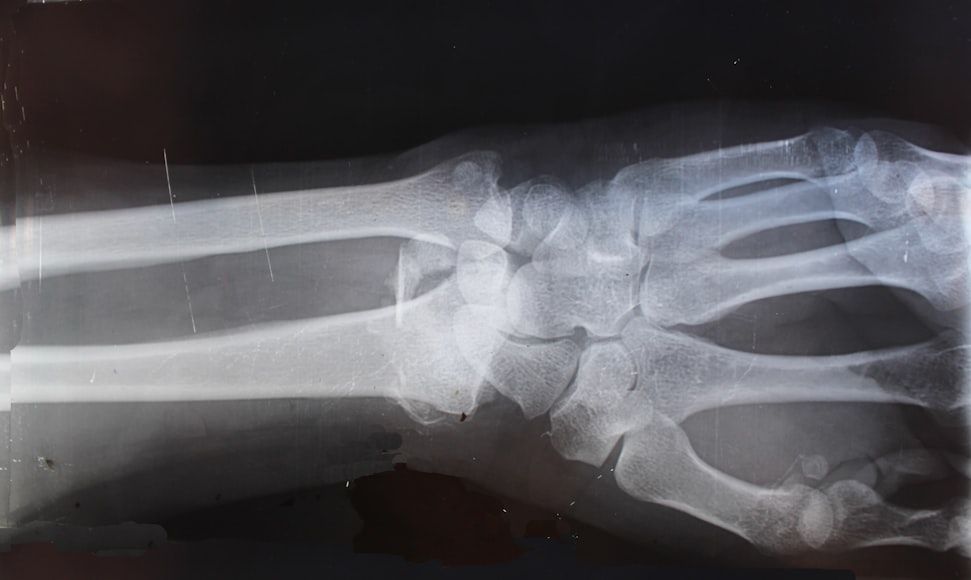
NATO changed the spelling of "X-ray" to "Xray" early on to make sure it was pronounced as a single word.
The ease of pronunciation goes hand in hand with another crucial aspect: there can be no other meaning interpretations.
Alfa for Alpha
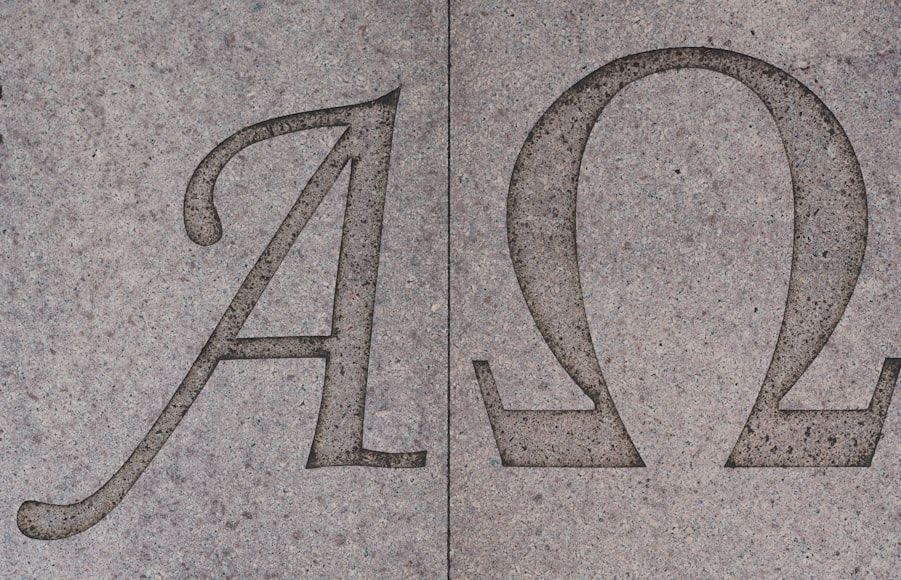
Two words in the NATO phonetic alphabet use non-standard English spellings: "Alfa" and "Juliett."
"Alfa" avoids the "ph" to ensure correct pronunciation by non-English speakers. "Juliett" includes a second "t" so French speakers don't mistakenly drop the final sound.