Delicious words!

Learn why nuts are crazy and the meaning of 11 other food terms


Published on March 31, 2026

Image: Rumman Amin

Our language loves to borrow from the dinner table. Many everyday words that sound delicious once referred only to food but have since taken on entirely new meanings. Think of "salty" moods or "cheesy" jokes, how did these expressions come to describe emotions or humor? Take a look at 12 of these idioms and see for yourself!

1

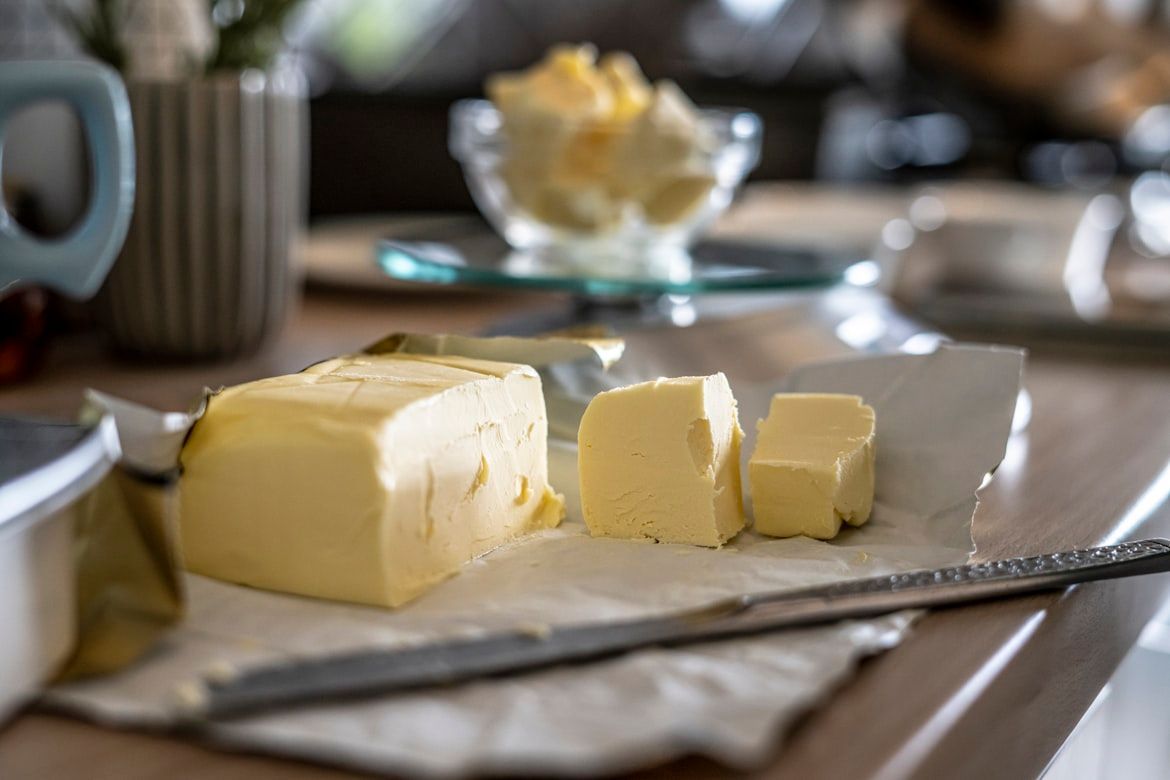
Butterfingers

Image: Sorin Gheorghita


A term once used for describing the act of dropping buttered food, "butterfingers" now labels anyone who fumbles objects easily. Baseball announcers helped popularize the term in the early 1900s.


These days, it’s used far beyond sports. If someone drops their phone or fumbles the remote, they might be called butterfingers.

2

Meathead

Image: Emerson Vieira

3

This insult began with the idea of someone whose brain was replaced by meat (indeed, not the most flattering image). It became slang for brawny but dim-witted men.


After the television show All in the Family popularized its use in the 1970s, "meathead" stuck as shorthand for someone strong in muscle but short on sense.

4

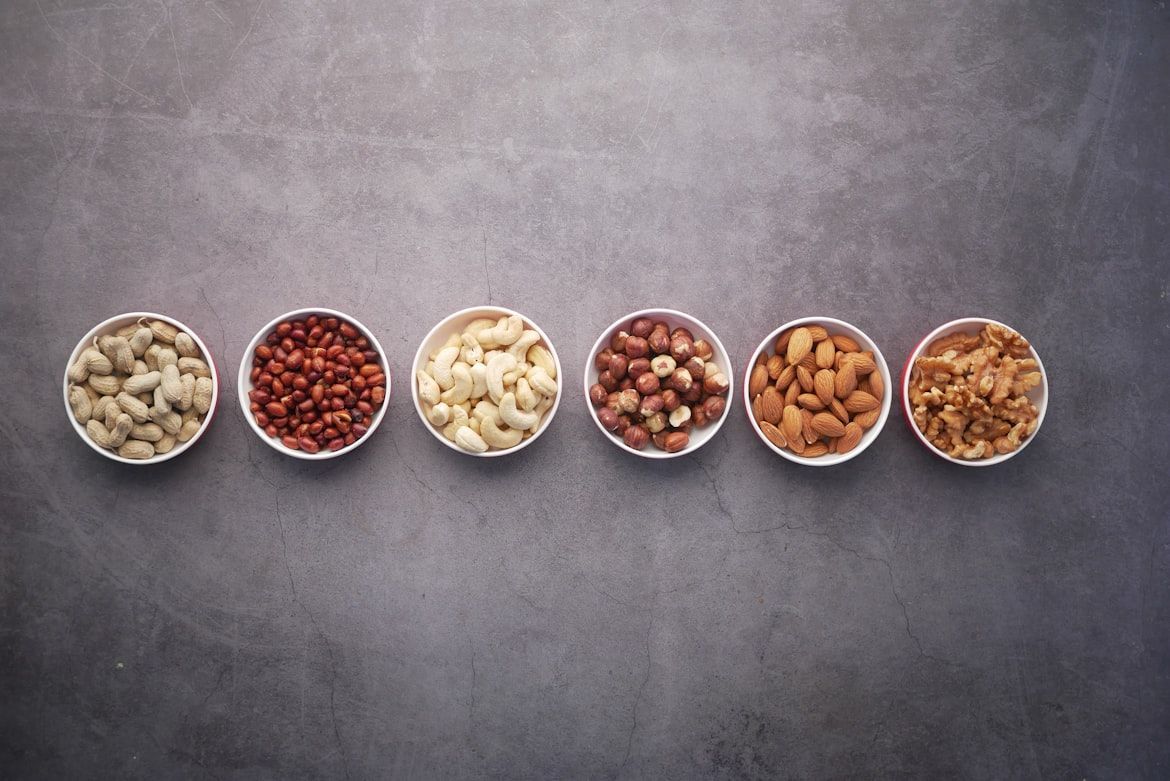
Nuts

Image: Towfiqu barbhuiya


Before it meant "crazy," it was just a snack. "Nuts" became slang for "insane" in early 20th-century slang, perhaps because nuts were small, round, and a bit "off the wall."

Now the word is often used affectionately as well, as in "I’m nuts about you," meaning deeply fond.

5

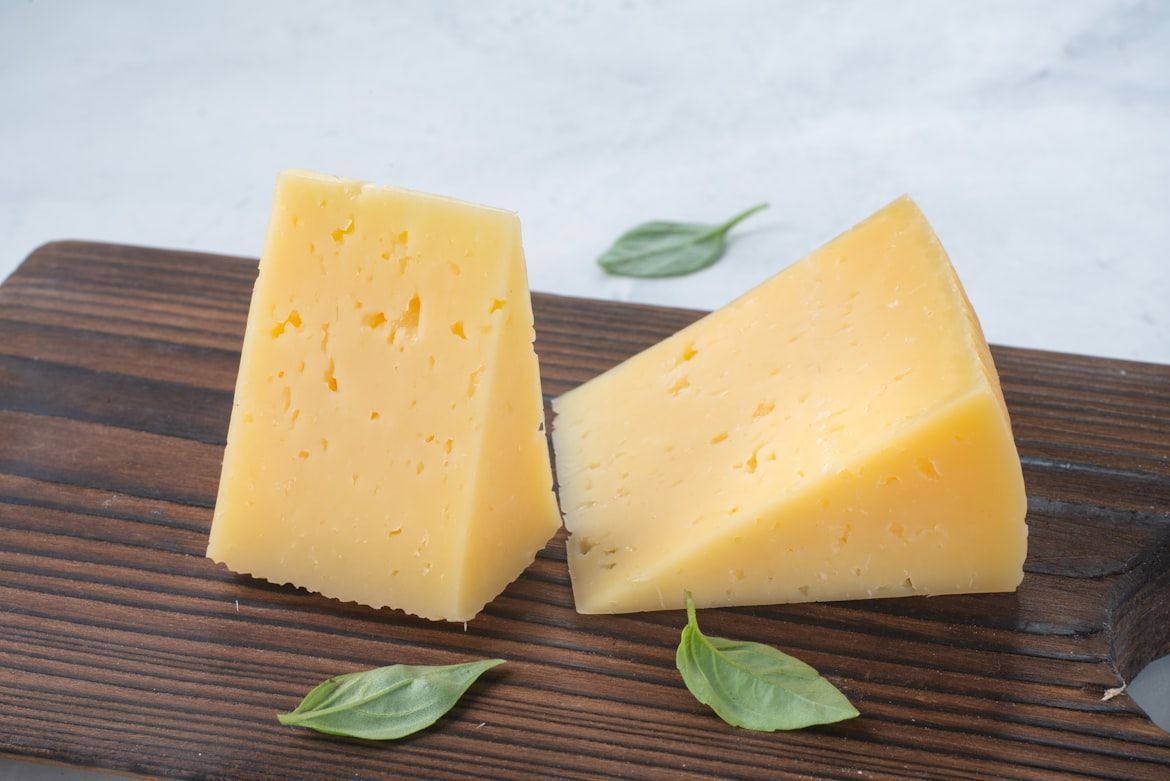
Cheesy

Image: David Foodphototasty

6

A term originally linked to cheap cheese or bad dairy smells, "cheesy" came to describe things lacking class or quality.

From clothing items to home décor, today, calling something "cheesy" means it’s corny, overdone, or trying too hard, with none of the charm of real cheese.

7

Salty

Image: Edi Libedinsky

8

Long ago, sailors who were "worth their salt" were admired, but by the 20th century, "salty" had shifted in meaning. It came to describe coarse language and, later, sour moods.

Today, being "salty" just means you’re irritated or resentful, a figurative taste of bitterness, no longer tied to the shaker.

9

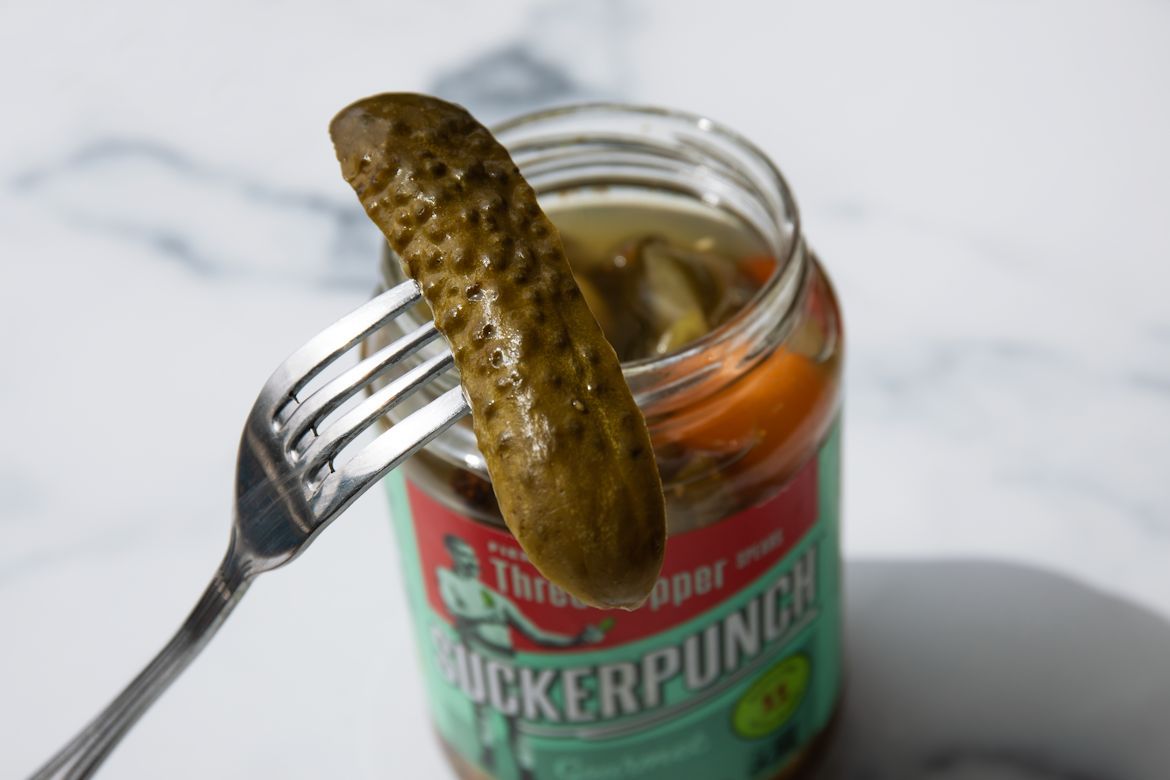
Pickle

Image: SuckerPunch Gourmet

10

Before it meant trouble, a pickle was simply a brined cucumber. William Shakespeare gave the word new figurative life when he wrote "in such a pickle," using it to suggest "a tricky situation."

Nowadays, being "in a pickle" just means you’ve landed in a mess that’s hard to escape.

11

Cool Beans

Image: Shelley Pauls

12

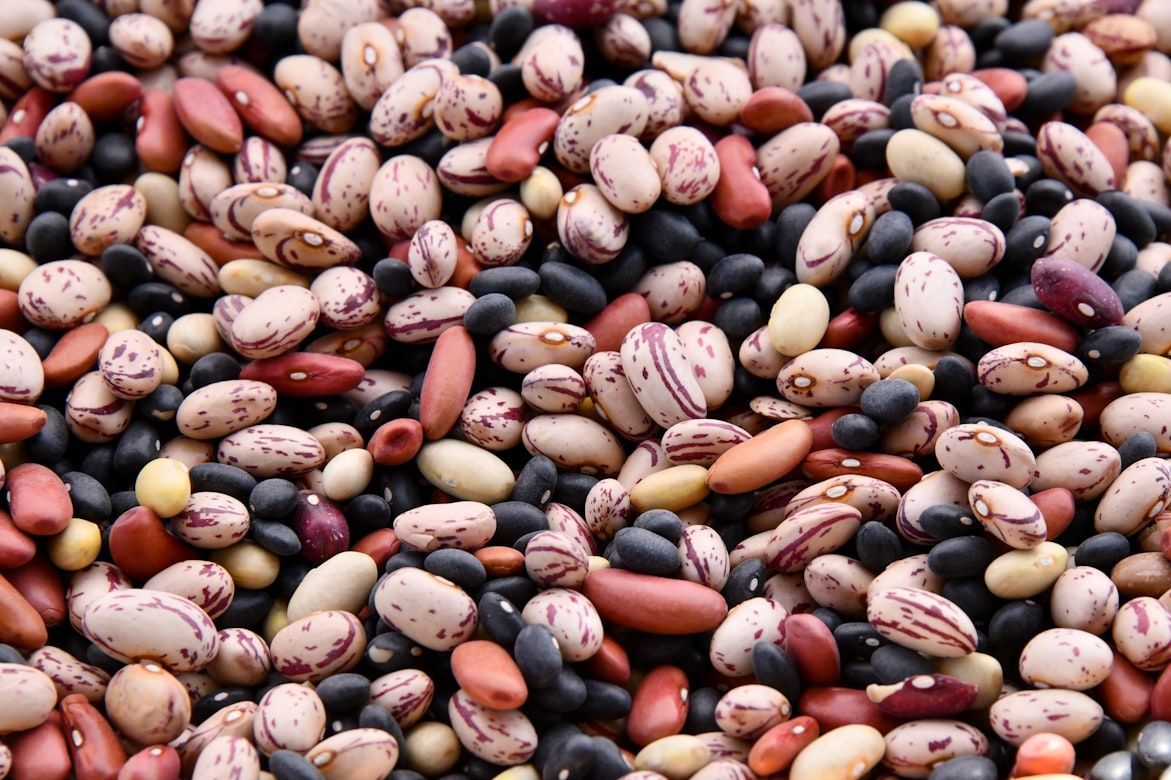
The use of this word as a phrase began as college slang in the 1960s, possibly inspired by "cool" jazz culture. Beans were everyday and friendly, making them perfect for playfulness.

Saying "Cool beans!" today still feels sunny and casual, a lighthearted way to express approval without sounding too serious.

13

Honey

Image: Arwin Neil Baichoo

14

What was once purely a sticky treat, "honey" became a term of affection centuries ago, showing how sweetness appeals to both the tongue and the heart.

Today, it is one of English’s most common terms of endearment, heard in phrases ranging from "Honey, I’m home!" to "Hey, honey."

15

Cookie

Image: A S

16

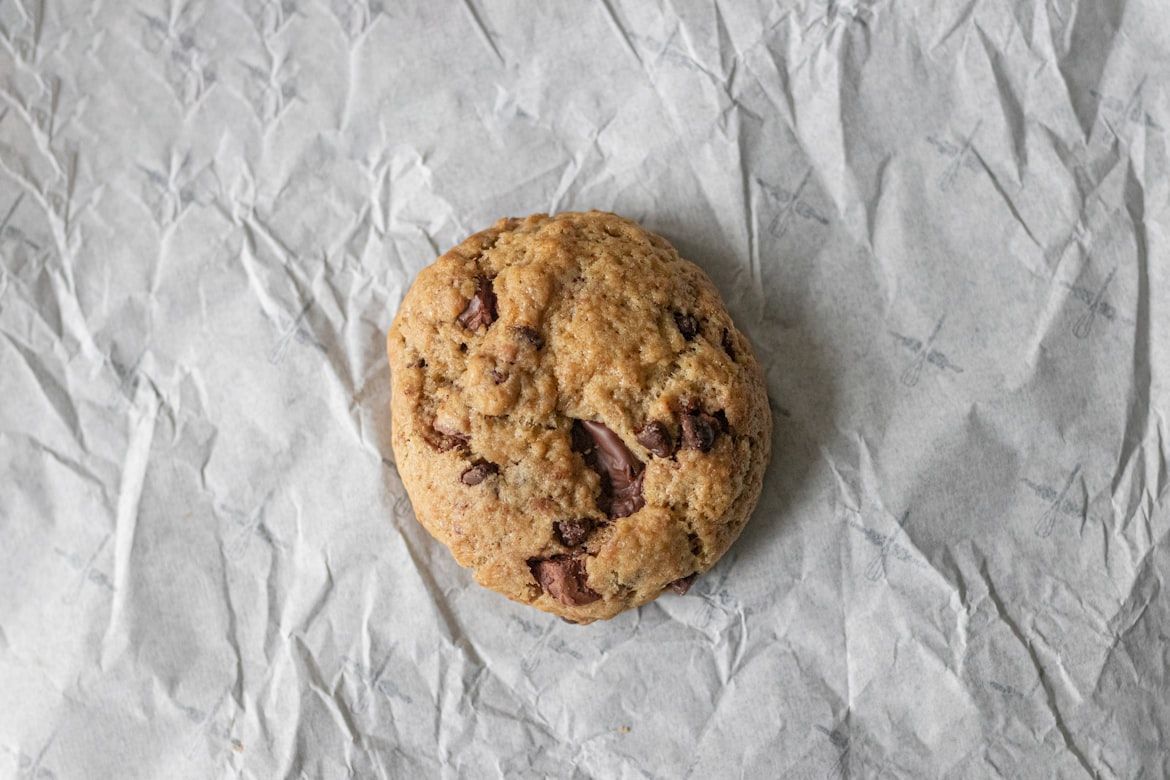
The term might be more commonly used to describe baked goods, but cookies also became metaphors for people with distinctive traits or character.

Expressions like "smart cookie" or "tough cookie" show how language uses food to describe personalities in a lighthearted and playful way.

17

Peachy

Image: NisonCo PR and SEO

18

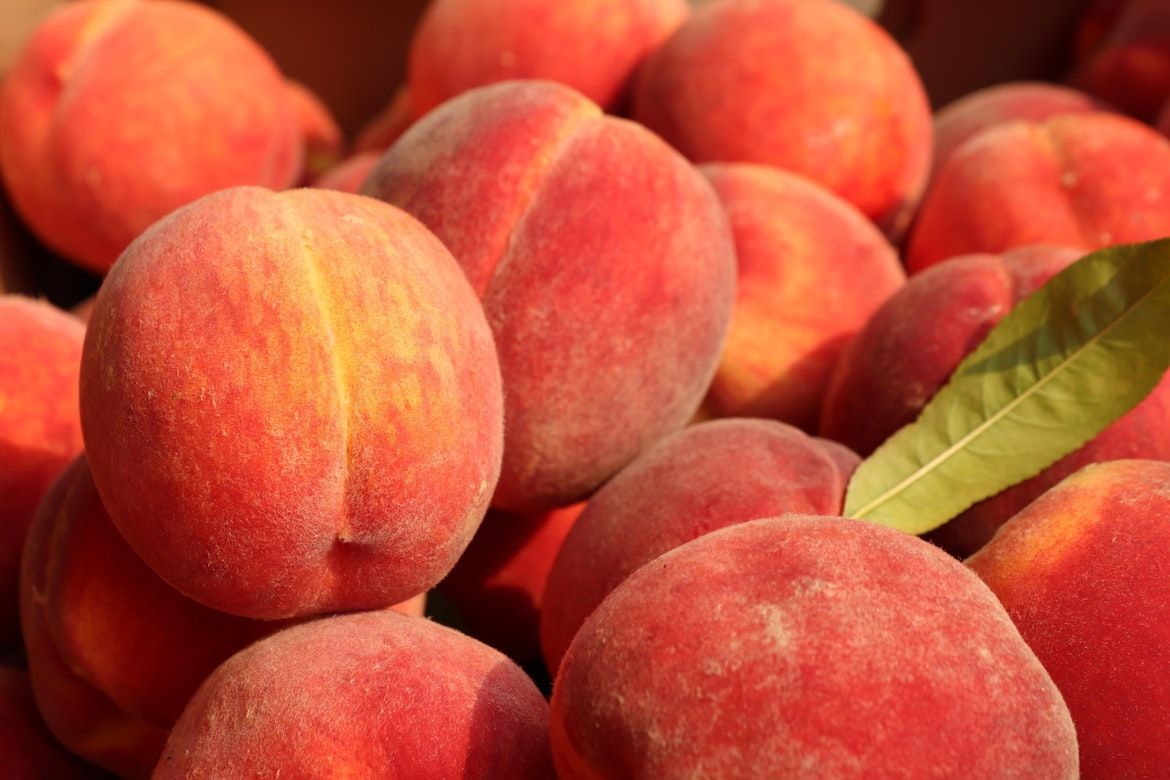
Peaches have long symbolized beauty, youth, and desirability. By the early 1900s, "peachy" had come to mean everything was fine or delightful.

Saying "Everything’s peachy!" expresses a sort of vintage sense of joy and optimism that is sometimes used ironically.

19

Jam

Image: Sharon Waldron

20

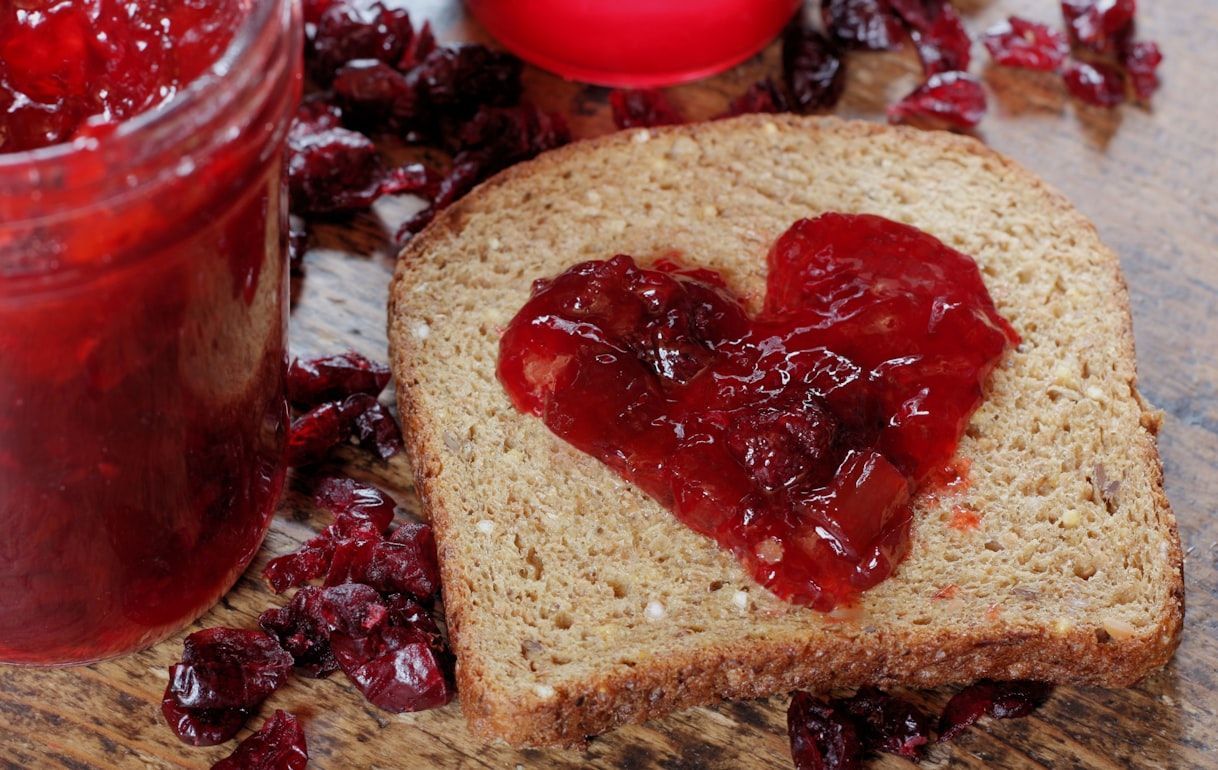
From fruit spread to music sessions, "jam" is a word that has branched out in surprisingly creative ways. Musicians "jam" together in improvised play, while people find themselves "in a jam" when facing trouble.

It’s a curious word that can sound both fun and frustrating, depending on whether you’re making music or missing a deadline.

21

Gravy

Image: victoria.


This word, referring to a comfort food, once meant simply sauce, but by the 20th century, "gravy" came to describe bonuses or easy wins.

Expressions like "gravy job," "gravy train," and "it’s all gravy" share the same idea: smooth, rich, and effortless, just like a delicious serving of gravy.


PHRASES WITHOUT BORDERS

Did You Know That These 10 Idioms Have Equivalents In Other Languages?


Published on March 31, 2026


Image: Adolfo Félix

To say that the English language is filled to the brim with quirky and baffling idioms is no groundbreaking news: after all, we say that someone has "kicked the bucket" when they pass away, or that a heavy thunderstorm is comparable to "cats and dogs" raining from the sky. However, while we have previously delved into the inherent strangeness of the idioms we use every day, one of the most beautiful aspects of these phrases is how difficult they are to translate: tell a non-native English speaker that you are "head over heels" for them and you might only receive a weird look as a response. Luckily, for every strange English idiom, there’s always an even stranger idiom that conveys the same meaning, though using entirely different images. With that in mind, here are ten of the most unique equivalents of English idioms we could find. Enjoy!

1

It's all Greek to me

Image: Arthur Yeti

We’ll start with one that perfectly describes how baffling some of these idioms are. Whenever someone says "It’s all Greek to me" they are trying to convey how incomprehensible or difficult something is. In a way, this idiom makes perfect sense: English and Greek are extremely dissimilar, from the way both languages sound to the way they are written.

Similarly, the Czech language’s equivalent to this idiom also focuses on a completely dissimilar language to convey this feeling. The expression je to pro mě španělská vesnice literally translates to "It's a Spanish village to me."

2

Rekindle an old flame

Image: PHÚC LONG

To say that someone has "rekindled an old flame" means that they have rediscovered feelings for a former partner. In that sense, these idioms are fairly self-explanatory: the image of lighting up a fire perfectly summarizes the heat and excitement of passion. However, Italy’s answer to this idiom perplexingly focuses on an objectively less romantic image. Let’s put it this way: if you had to associate passion and intimacy with a vegetable, would you honestly pick a cabbage?

The Italian phrase cavolo riscaldato, the equivalent to "rekindling an old flame", literally translates to "reheated cabbage." If this doesn’t speak to you, we have good and bad news. The good news is that some regions of Italy use a variant of this idiom, minestra riscaldata, so you might prefer to use this one the next time you find yourself in "the Boot." The bad news is that this idiom doesn’t fare that much better, since it translates to "reheated soup."

3

Third wheel

Image: Petim latifi

No one wants to be the third wheel, that friend caught in the awkward position of unwillingly chaperoning a date. While tricycles are definitely a thing, this idiom speaks to how useless a third wheel is to a two-wheeled vehicle like a bicycle. Moreover, an argument could be made that it also highlights how troublesome it would be to carry a third and motionless wheel: it is as awkward for the couple as it is for the third party. Like we said, no one wants to be the third wheel.

In that sense, British English has a colorful idiom with the same meaning as "third wheel": being an unwanted companion is known in the United Kingdom as "playing gooseberry." The history behind this idiom is rather interesting: it comes from how chaperones would pretend to pick gooseberries to allow couples some intimacy during a date.

4

Having the Blues

Image: Pasqualino Capobianco

The color blue has been associated with sadness since at least the late 19th century: "Having the blues" is a common idiom that describes not feeling great. There’s a reason why Blues music received this name: its slow chords and melancholic lyrics usually convey an atmosphere of sadness.

While the English language has a primary color to describe sadness, French is not so lucky: the phrase avoir le cafard, the equivalent of "having the blues," literally means "to have the cockroach." While definitively unpleasant, a point could be made that encountering a cockroach produces an unpleasant feeling not completely dissimilar to the blues.

5

Call a spade a spade

Image: Caleb Woods

Quick question: if you had to choose the subject of our next idiom between a spade or a cat, would you even hesitate to choose the kitten? We know you wouldn’t: who in their right mind would pick a boring old spade over an adorable little furry bundle of joy?

Unfortunately for us English speakers, we are stuck with the idiom "to call a spade a spade" whenever we need to speak bluntly and in a straightforward manner. On the other hand, the French equivalent to this idiom is the phrase appeler un chat un chat, which translates to "to call a cat a cat."

6

Take the fall

Image: Andrea Sonda

Any English speaker "taking the fall" is facing responsibility or repercussions for someone else’s actions, whether it is done intentionally or not. While this idiom is rather self-explanatory, the same can’t be said about its Portuguese counterpart: the phrase pagar o pato translates to "pay the duck."

Don’t worry, this idiom doesn’t involve reimbursing any ducks. Its origins can be traced back to an old Portuguese fable in which a dispute concerning the cost of a duck breaks out between a poor family and a duck vendor.

7

To have tomatoes on one’s eyes / In the dark

Image: Rafael Corrêa

When someone is "in the dark," they are completely unaware of something happening in the background. Whether they are kept in the dark by someone or they choose to live in ignorant bliss doesn’t really affect the meaning of this idiom: at the end of the day, someone is "in the dark" just by ignoring something.

In that sense, the imagery of this idiom seems rather obvious: someone whose vision is impaired and can’t see properly. Curiously, the German equivalent of this idiom still manages to convey the same meaning with an entirely different picture: the idiom Tomaten auf den Augen haben means "to have tomatoes on one's eyes."

8

To give a darn

Image: Bovia & Co. Photography

While we mostly use it as a mild and more polite swear word, the term "darn" actually has a definition: it can be used as a verb for mending knitted clothing like a sweater, or as a noun to describe patches and holes in clothes. Funnily, when it comes to the idiom "to give a darn," both meanings of this word can be used. Since this idiom means not caring at all about something, both a meaningless hole and a bland insult can convey this feeling.

On the contrary, some Spanish-speaking countries have an equivalent idiom that makes use of one of the most beloved vegetables in the world. The phrase me importa un pepino roughly translates to "It matters to me as much as a cucumber does." While we can’t be sure if this idiom speaks of how cheap or how disliked cucumbers are in the Spanish-speaking world, we are certain that being told that you matter as much as a vegetable is definitively a hard pill to swallow.

9

Speak of the Devil

Image: Mathew Schwartz

Don’t worry; this idiom doesn’t involve any curses: The devil won’t actually show up if you speak of him, like some sort of Bloody Mary urban legend. This extremely popular idiom is used whenever you are talking about someone, and they suddenly show up at that exact moment.

In the Spanish-speaking world, the devil is replaced with a king. Contrary to what you might think though, the saying does not mention the king of Spain, but rather a fictional king of the capital city of Italy: Spanish speakers use the expression hablando del rey de Roma, which literally translates to "speaking of the King of Rome."

10

To Wear a Cat on One’s Head / Wolf in Sheep’s Clothing

Image: Reba Spike

We’ll end this article with the idiom that confused us the most. The expression "a wolf in sheep’s clothing" is used to describe a dangerous person hiding behind an innocent facade. This idiom comes from the New Testament, where Jesus warns his disciples against false prophets who mask their dark intentions with kindness. In any case, this idiom doesn’t require much explanation: a wolf is, after all, a dangerous predator to defenseless sheep.

However, Japan’s take on this idiom uses what’s probably this country’s most beloved pet. Japan’s expression "To wear a cat in your head" means exactly the same thing as "a wolf in sheep’s clothing." We know this is confusing, but trust us, there is a perfectly reasonable explanation. Japan’s very well-documented love for cats means that no one would ever suspect a cat of something nefarious. Thus, hiding behind a cat’s cuteness helps divert prying eyes from someone’s true intentions.

Looking for an extra scoop of literary fun?

Learn more with our Word of the day

wondrous

/ˈwəndrəs/