Delicious words!

Learn why nuts are crazy and the meaning of 11 other food terms


Published on March 31, 2026


Image: Rumman Amin

Our language loves to borrow from the dinner table. Many everyday words that sound delicious once referred only to food but have since taken on entirely new meanings. Think of "salty" moods or "cheesy" jokes, how did these expressions come to describe emotions or humor? Take a look at 12 of these idioms and see for yourself!

1

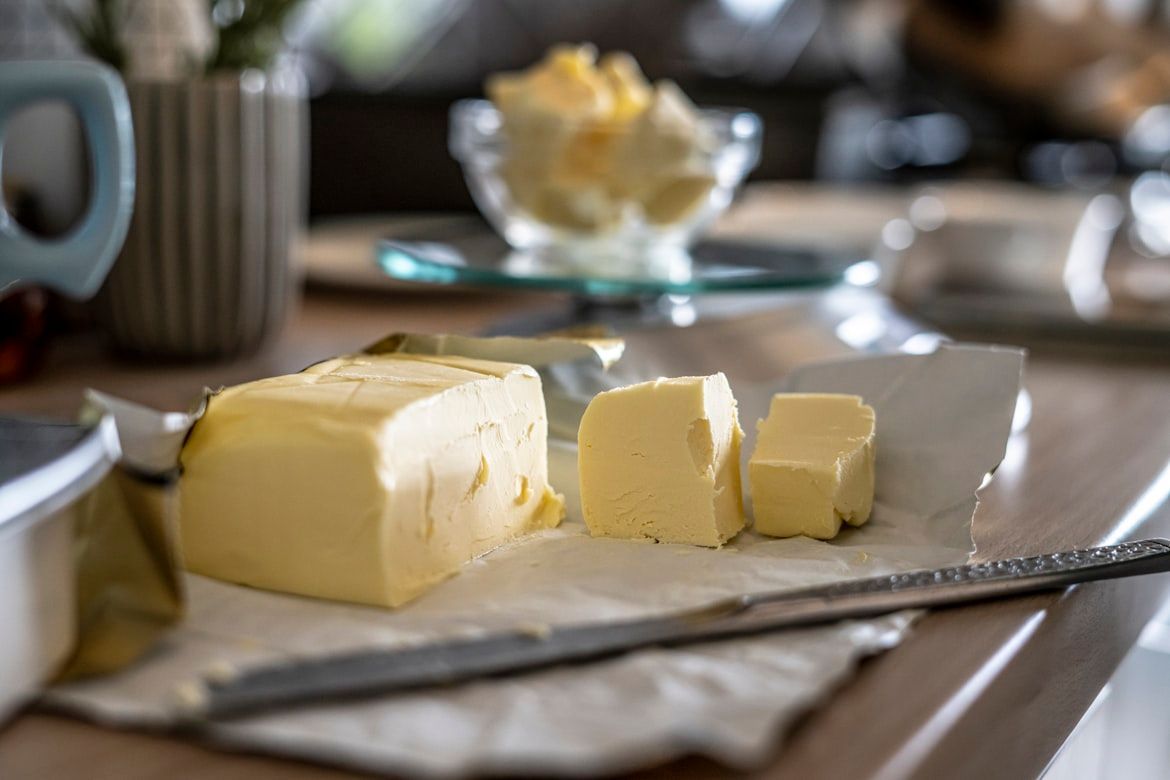
Butterfingers

Image: Sorin Gheorghita


A term once used for describing the act of dropping buttered food, "butterfingers" now labels anyone who fumbles objects easily. Baseball announcers helped popularize the term in the early 1900s.


These days, it’s used far beyond sports. If someone drops their phone or fumbles the remote, they might be called butterfingers.

2

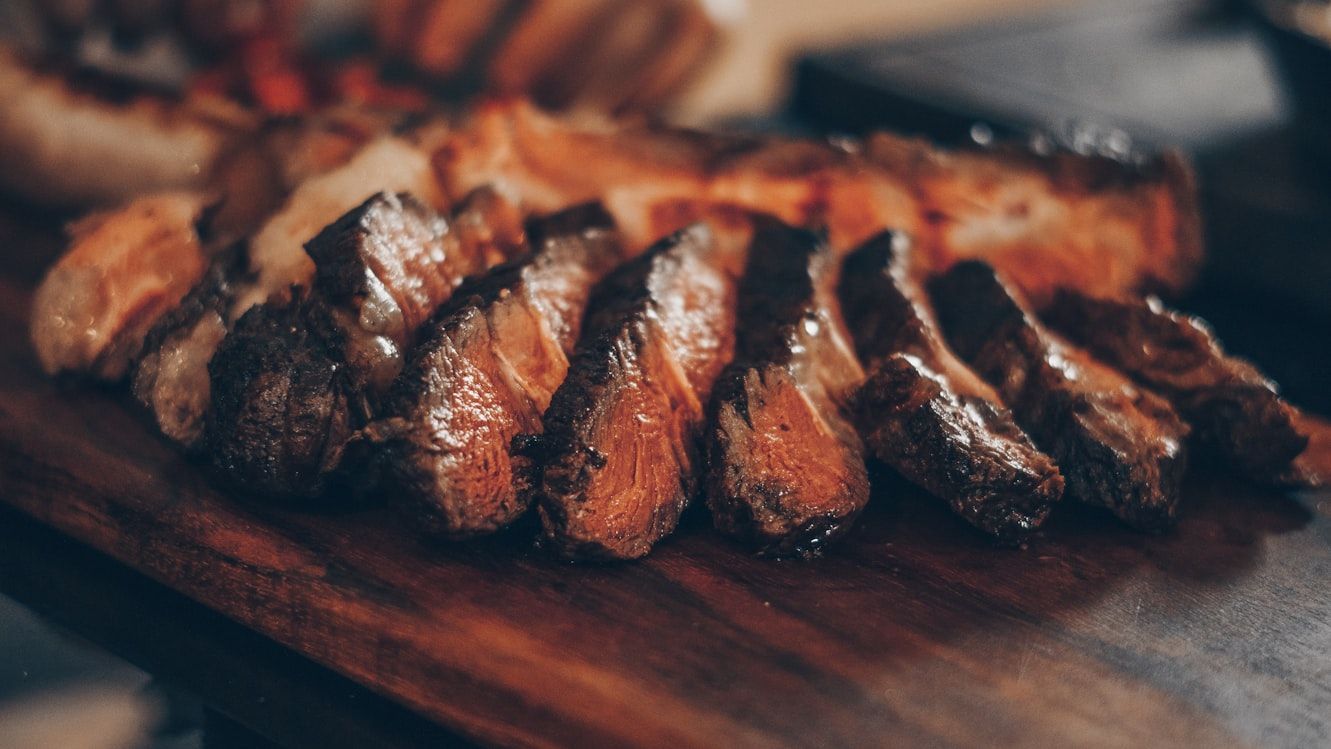
Meathead

Image: Emerson Vieira

3

This insult began with the idea of someone whose brain was replaced by meat (indeed, not the most flattering image). It became slang for brawny but dim-witted men.


After the television show All in the Family popularized its use in the 1970s, "meathead" stuck as shorthand for someone strong in muscle but short on sense.

4

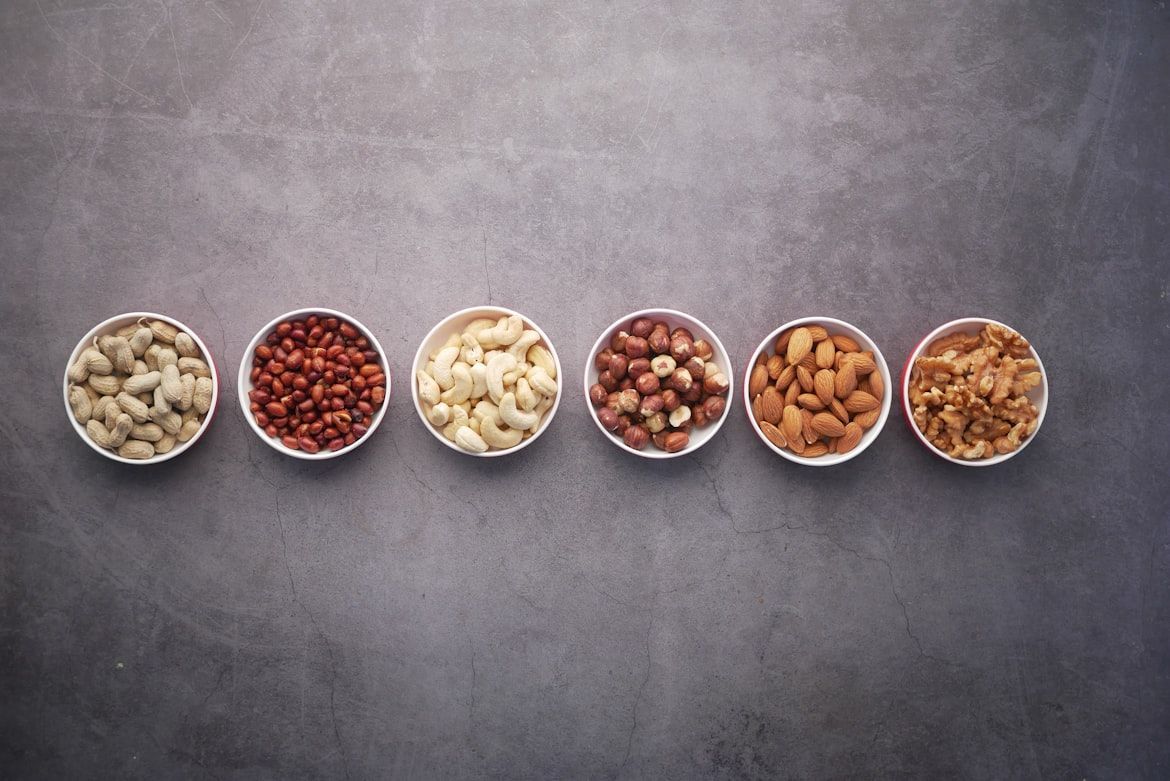
Nuts

Image: Towfiqu barbhuiya


Before it meant "crazy," it was just a snack. "Nuts" became slang for "insane" in early 20th-century slang, perhaps because nuts were small, round, and a bit "off the wall."

Now the word is often used affectionately as well, as in "I’m nuts about you," meaning deeply fond.

5

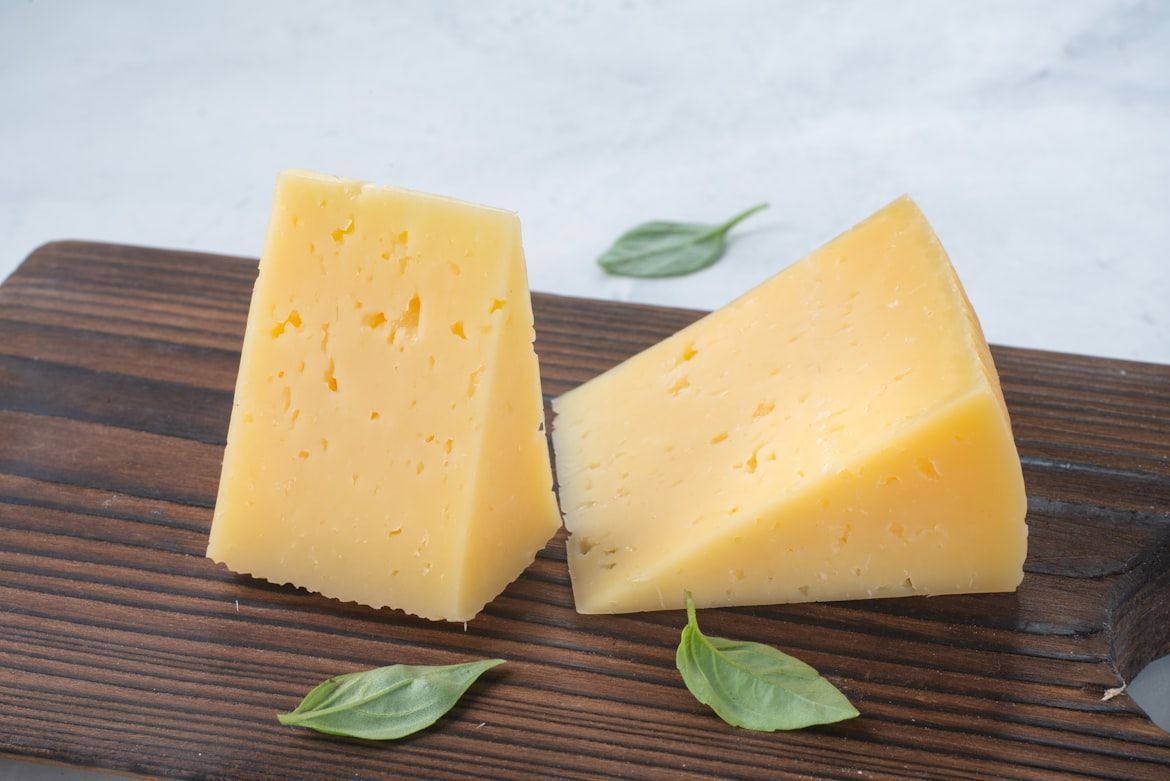
Cheesy

Image: David Foodphototasty

6

A term originally linked to cheap cheese or bad dairy smells, "cheesy" came to describe things lacking class or quality.

From clothing items to home décor, today, calling something "cheesy" means it’s corny, overdone, or trying too hard, with none of the charm of real cheese.

7

Salty

Image: Edi Libedinsky

8

Long ago, sailors who were "worth their salt" were admired, but by the 20th century, "salty" had shifted in meaning. It came to describe coarse language and, later, sour moods.

Today, being "salty" just means you’re irritated or resentful, a figurative taste of bitterness, no longer tied to the shaker.

9

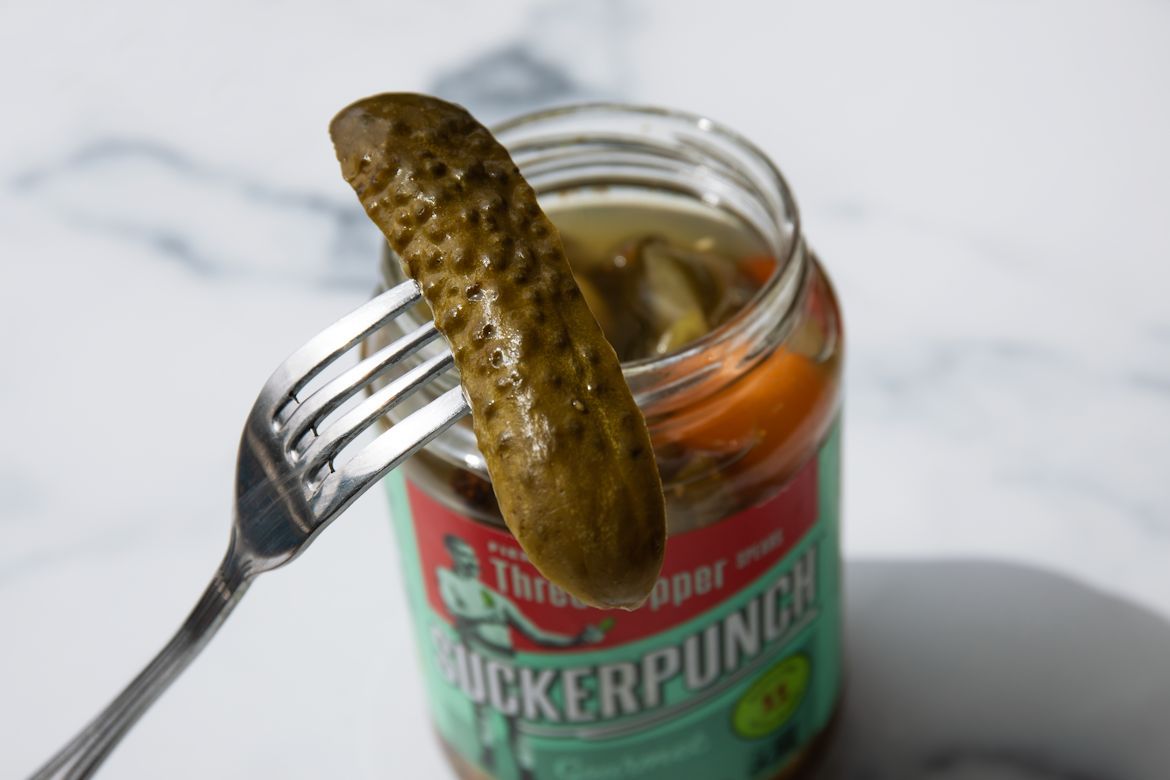
Pickle

Image: SuckerPunch Gourmet

10

Before it meant trouble, a pickle was simply a brined cucumber. William Shakespeare gave the word new figurative life when he wrote "in such a pickle," using it to suggest "a tricky situation."

Nowadays, being "in a pickle" just means you’ve landed in a mess that’s hard to escape.

11

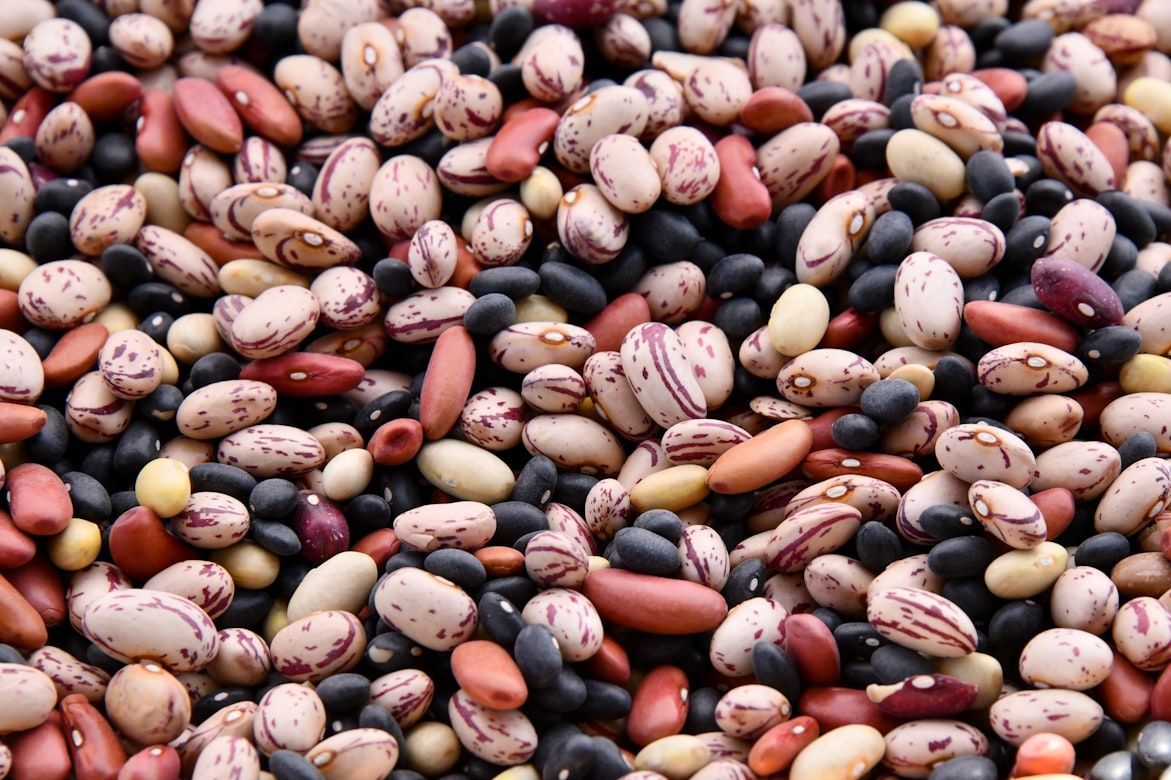
Cool Beans

Image: Shelley Pauls

12

The use of this word as a phrase began as college slang in the 1960s, possibly inspired by "cool" jazz culture. Beans were everyday and friendly, making them perfect for playfulness.

Saying "Cool beans!" today still feels sunny and casual, a lighthearted way to express approval without sounding too serious.

13

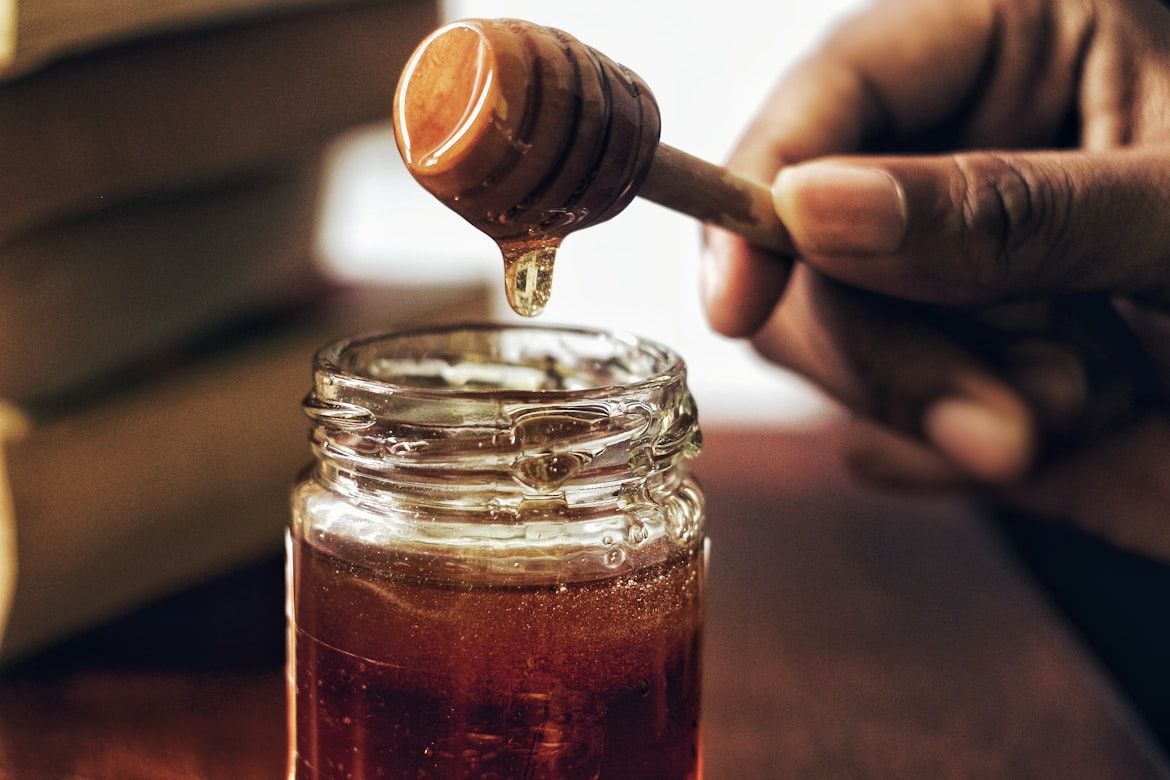
Honey

Image: Arwin Neil Baichoo

14

What was once purely a sticky treat, "honey" became a term of affection centuries ago, showing how sweetness appeals to both the tongue and the heart.

Today, it is one of English’s most common terms of endearment, heard in phrases ranging from "Honey, I’m home!" to "Hey, honey."

15

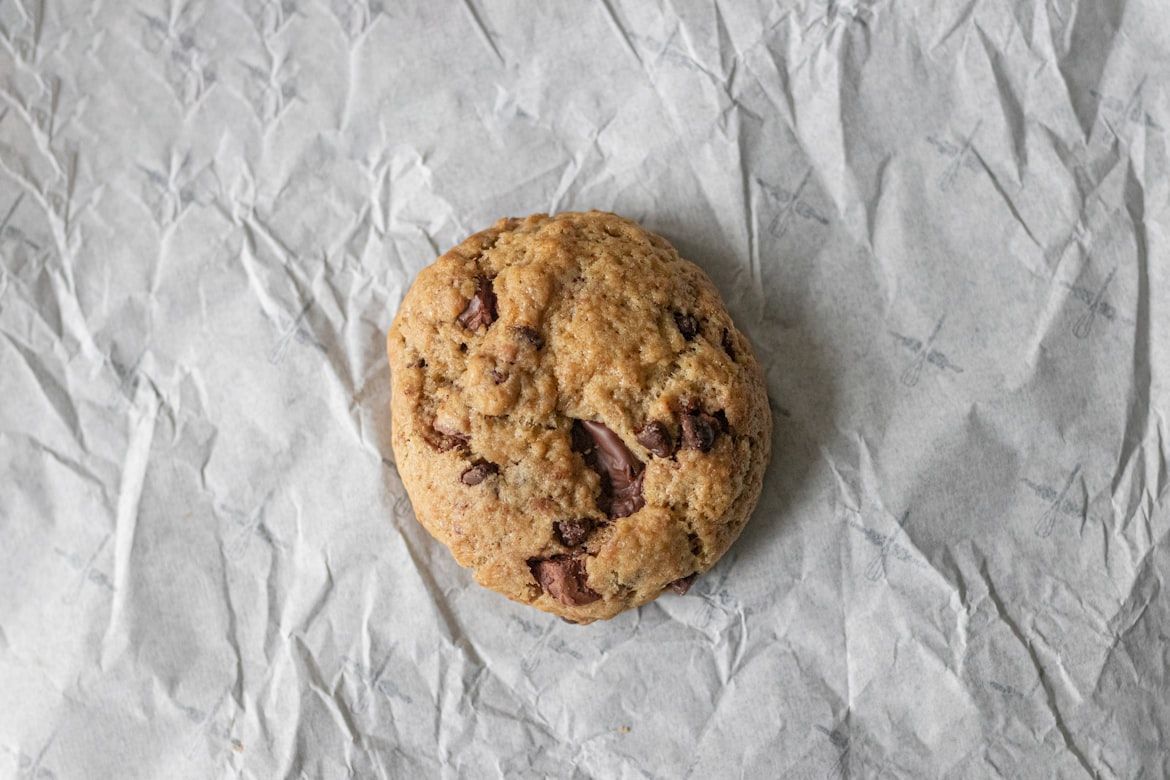
Cookie

Image: A S

16

The term might be more commonly used to describe baked goods, but cookies also became metaphors for people with distinctive traits or character.

Expressions like "smart cookie" or "tough cookie" show how language uses food to describe personalities in a lighthearted and playful way.

17

Peachy

Image: NisonCo PR and SEO

18

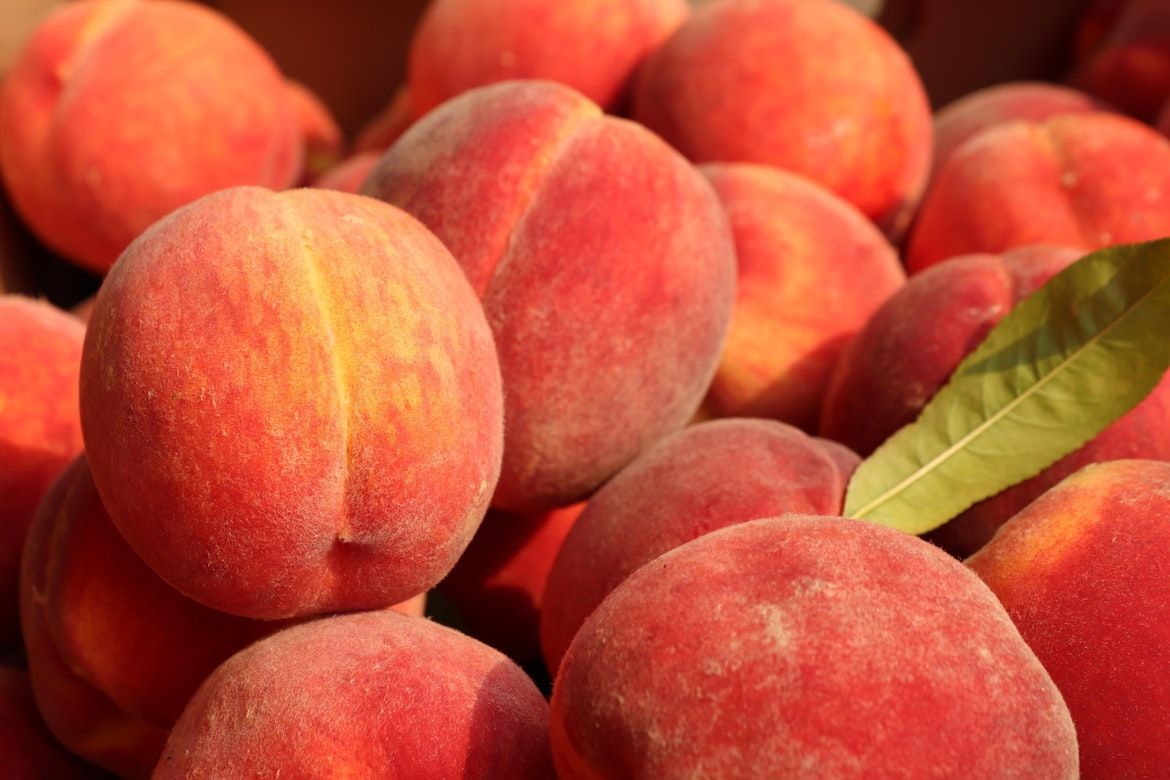
Peaches have long symbolized beauty, youth, and desirability. By the early 1900s, "peachy" had come to mean everything was fine or delightful.

Saying "Everything’s peachy!" expresses a sort of vintage sense of joy and optimism that is sometimes used ironically.

19

Jam

Image: Sharon Waldron

20

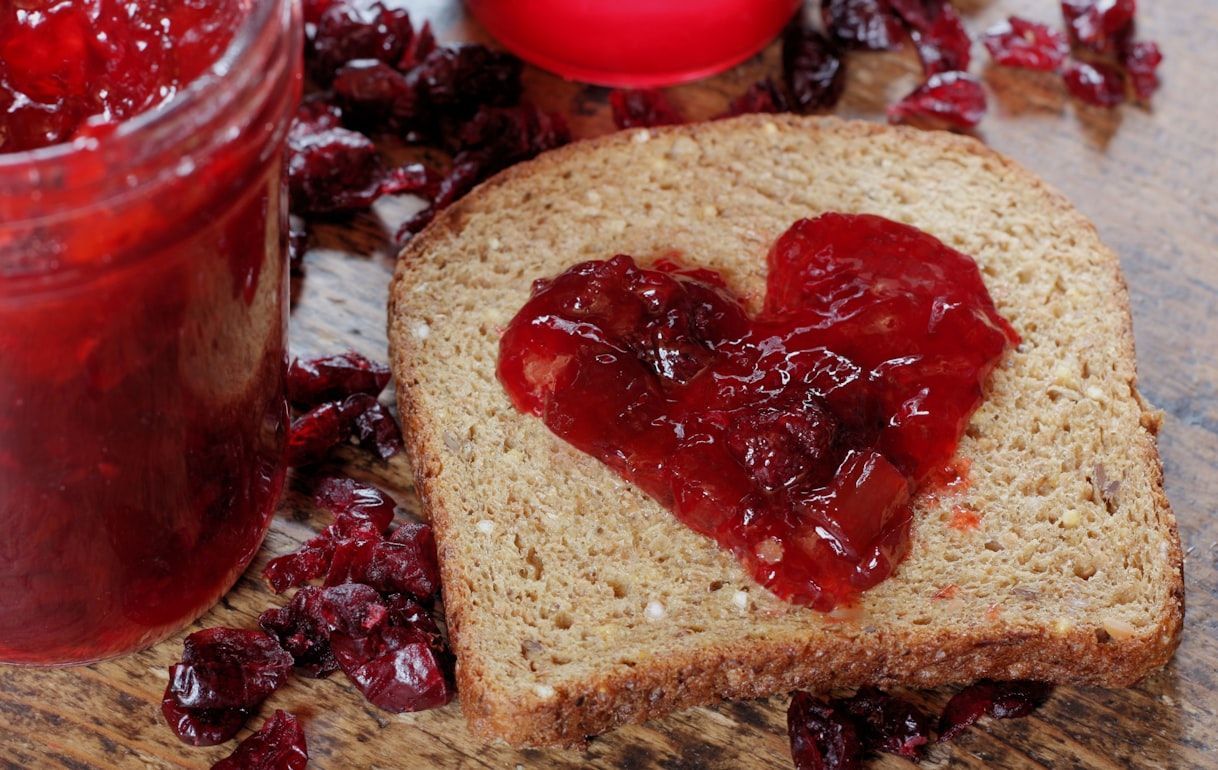
From fruit spread to music sessions, "jam" is a word that has branched out in surprisingly creative ways. Musicians "jam" together in improvised play, while people find themselves "in a jam" when facing trouble.

It’s a curious word that can sound both fun and frustrating, depending on whether you’re making music or missing a deadline.

21

Gravy

Image: victoria.


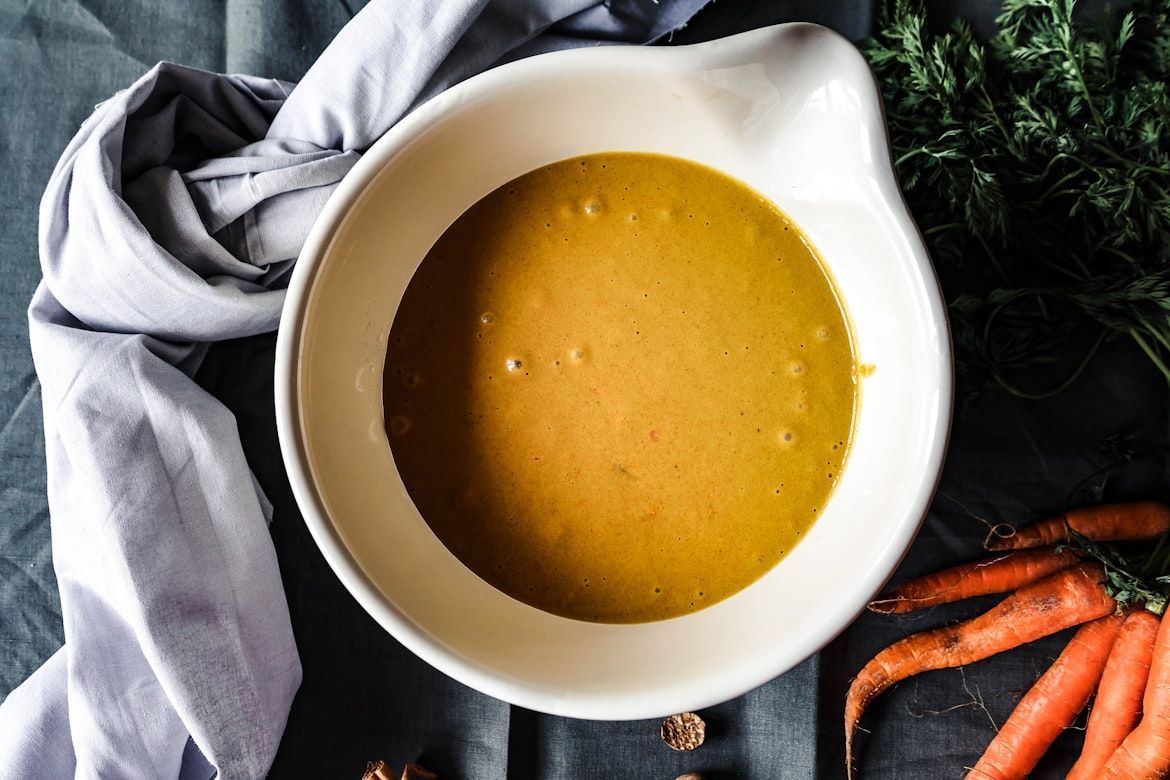
This word, referring to a comfort food, once meant simply sauce, but by the 20th century, "gravy" came to describe bonuses or easy wins.

Expressions like "gravy job," "gravy train," and "it’s all gravy" share the same idea: smooth, rich, and effortless, just like a delicious serving of gravy.


Literary beef

Friends and foes in literature: 10 literary allusions


Published on March 31, 2026


Image: Kelly Sikkema

We sometimes fail to remember that literary geniuses are still human and driven by the same impulses that move ordinary people. No matter their style or ideologies, sometimes their motivations are simple: affection for their friends and disdain for their enemies. More than a few literary masterpieces have been influenced in some way by these passions, even if the final result was a work of art. Here are ten rivalries and friendships that left their mark on literature!

1

Lord Byron

Image: Pierre Bamin

The Romantics were known for being dramatic and capricious, and Lord Byron was not an exception. Between his many feuds, he had a particular rivalry with John Keats. Keats despised Byron because of his charisma, nobility, and general snobbery, and Byron despised Keats because he was a struggling, middle-class poet.

After Keats’ death due to tuberculosis, other writers claimed that negative literary critiques had taken a toll on his already fragile health. Byron publicly lamented Keats’ passing, but he later mentioned him in his Don Juan as someone "who was kill'd off by one critique".

2

T. S. Eliot

Image: Annie Spratt

A key figure of the Modernist movement, T. S. Eliot is known for both his literary works and his critical essays. His poem The Waste Land is considered one of the most important literary works of the 20th century, and has served as inspiration for countless authors.

What many people don’t know is that The Waste Land would have looked very different if not for the influence of another writer, Ezra Pound. A mentor and friend to Eliot, Pound was given ample liberty to edit the first draft, so much so that Eliot considered him to be ‘the mother’ of the poem. The Waste Land is dedicated to Pound, whom Eliot calls il miglior fabbro or ‘the best craftsman.’

3

Shakespeare

Image: stefano stacchini

We might think of Shakespeare as one of the greatest literary minds in history, but the Bard had his fair share of detractors in his time. One of the best-known cases is his feud with the writer Robert Greene, who called him "an upstart crow, beautified in our feathers," accusing him of plagiarism and of being bombastic in his writing.

Shakespeare’s answer was twofold: He first wrote Titus Andronicus, one of the goriest, most over-the-top plays of the time. Then, he wrote A Midsummer Night’s Dream, which is plagued with references to several well-known classical authors.

4

Jane Austen

Image: Alexander Grey

All of Jane Austen's novels are filled with pointed social commentary and critiques, but Northanger Abbey stands out for also being a satire of a popular genre of that time: the Gothic novel.

But Austen was not happy with making a parody of the genre. She called out by name several Gothic novels and authors, making it clear that these works were harmful for the readers, especially young, impressionable girls without world experience.

5

Miguel de Cervantes

Image: Mick Haupt

The first part of The Quixote was an instant success upon publication. After a few years without a second part, an opportunist published a sequel under the pseudonym ‘Avellaneda’, something Cervantes was not happy about.

Cervantes then penned a continuation in record time, making clear to the readers that Avellaneda’s work was not part of the original story. How did he accomplish this? By having Don Quixote himself talk about Avellaneda’s work and how it was a poor representation of his character. To ensure it wouldn’t happen again, the story ended with the death of Don Quixote.

6

E.E. Cummings

Image: jaikishan patel

Another key figure in Modernist poetry, E.E. Cummings wrote over two thousand poems in his lifetime, on top of several theater plays. Although he had published several books, in the 1930s, one of his poem collections kept being rejected by editors.

After 14 rejections, Cummings decided to self-publish the book with his mother’s help. The chosen title, No Thanks, was his ironic response to the editors, to whom he dedicated the book. All fourteen editors appear in the dedication, their names forming the shape of a funeral urn.

7

Luis de Góngora and Francisco de Quevedo

Image: Towfiqu barbhuiya

The Spanish literary scene of the 17th century was filled with geniuses, who for the most part couldn’t stand each other. Luis de Góngora and Francisco de Quevedo were two of the most important poets of the time, and they were sworn enemies due to their adherence to opposite poetry styles.

Their literary and personal differences often resulted in satirical poems filled with insults, mocking each other’s writing styles, and resorting to direct attacks about physical characteristics, such as Gongora’s big nose or Quevedo’s limp.

8

Harper Lee

Image: Joshua J. Cotten

To Kill a Mockingbird has often been called one of the Great American novels, garnering critical acclaim and several prizes. Its author, Harper Lee, was from the Southern U.S., and her personal experiences appear throughout the novel.

Not everyone knows about her childhood friendship with Truman Capote, one that they maintained well into adulthood, with Lee even including Capote in her novel. Although she never confirmed it, it is widely believed that Capote was the inspiration for Dill Harris.

9

William Wordsworth and Samuel Taylor Coleridge

Image: Yoksel 🌿 Zok

The first Romantic poets, Wordsworth and Coleridge, were the start of a literary movement that wouldn’t have been possible without friendship. Meeting by chance, they created a bond so strong that Coleridge moved to be close to Wordsworth and his family.

Out of their friendship and common literary ideals, they decided to write together the Lyrical Ballads, a book that is considered the starting point of Romanticism. Sadly, their views started diverging later in life, which created a rift between them.

10

Henry Fielding

Image: Ed Robertson

The 18th century was a great time for the English novel, and it saw the emergence of many authors who are now considered essential to the genre. But like with any era where great minds abound, these geniuses were not necessarily cordial with each other. Henry Fielding, prone to satirical, realistic writing, was not fond of Samuel Richardson, who wrote more sentimental, moralistic novels.

After the publication of Richardson’s Pamela, or Virtue Rewarded, Fielding decided to write his own version of the story, titled Shamela (the full title was An Apology for the Life of Mrs. Shamela Andrews). In it, he told the "true" story of Pamela, parodying Richardson and the morals he preached.

Looking for an extra scoop of literary fun?

Learn more with our Word of the day

accursed

/əˈkərsəd/