What science says

Eating before bed? Don't fall for these 10 popular health misconceptions!


Published on August 12, 2025
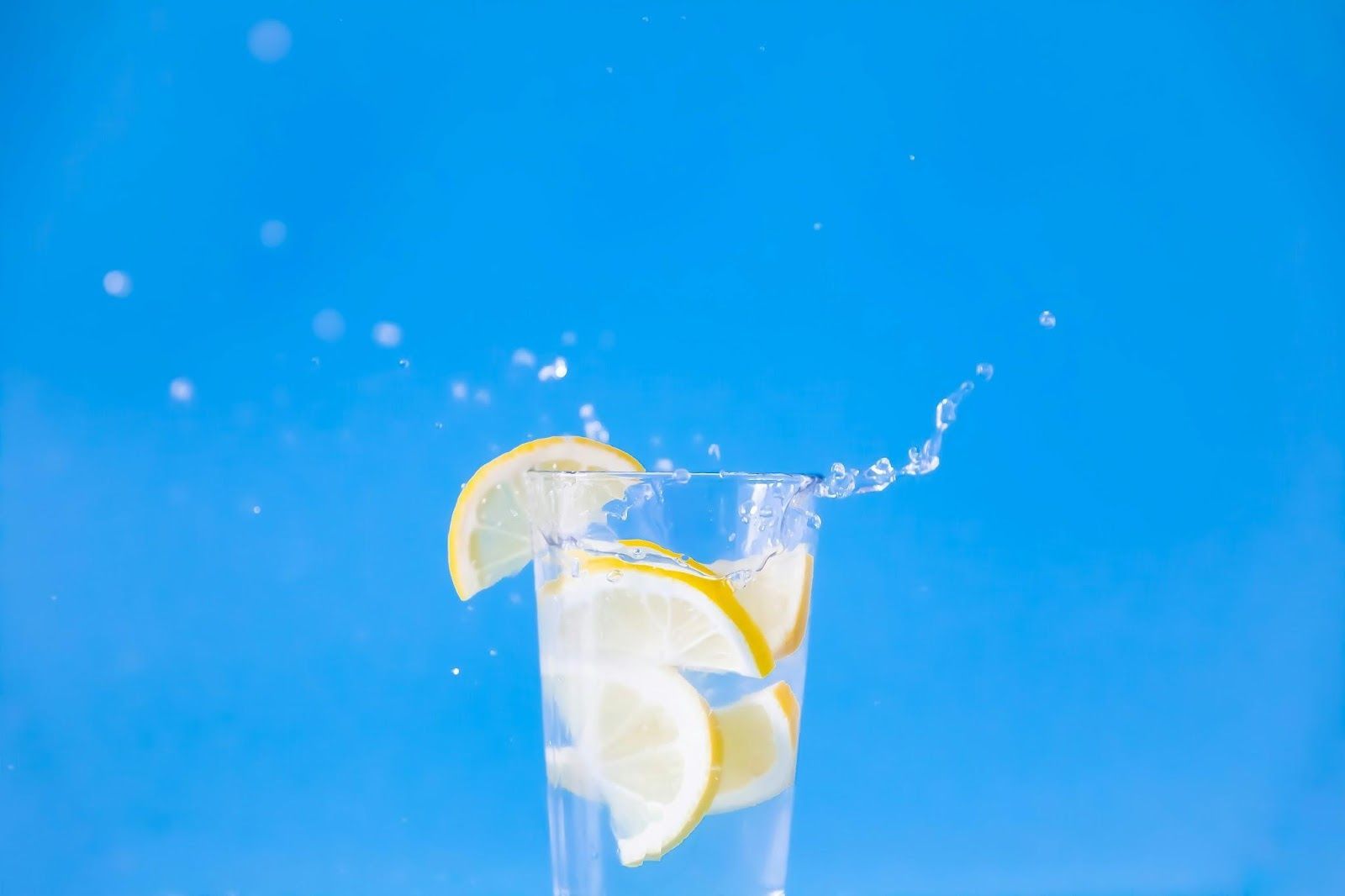

Image: Alicja Gancarz

Health myths are everywhere! These ideas were simply passed down for so long that they became part of what we believed. But now science has stepped in to clear things up. Does cold weather make you sick? Can lemon detox your body? Is reading in low light really harmful? Let's uncover the truth behind 10 common health myths!

1

Cutting your hair makes it grow faster

Image: Element5 Digital

Have you ever been told that cutting your hair will make it grow faster? We're sorry to say that's just a myth. Hair grows from the root, not the ends. So, trimming it won't boost growth, though it does help remove split ends that can make your hair look dry or unhealthy.

2

Cold weather causes colds

Image: Thom Holmes

This is one of the most common health myths. Cold weather often gets blamed, but it's not the temperature that makes you catch a cold. During winter, we tend to stay indoors with others and keep the windows closed, an environment that makes it easier for viruses to spread. That's why colds tend to be more common in winter!

3

Eating before bed makes you gain weight
Image: Michelen Studios

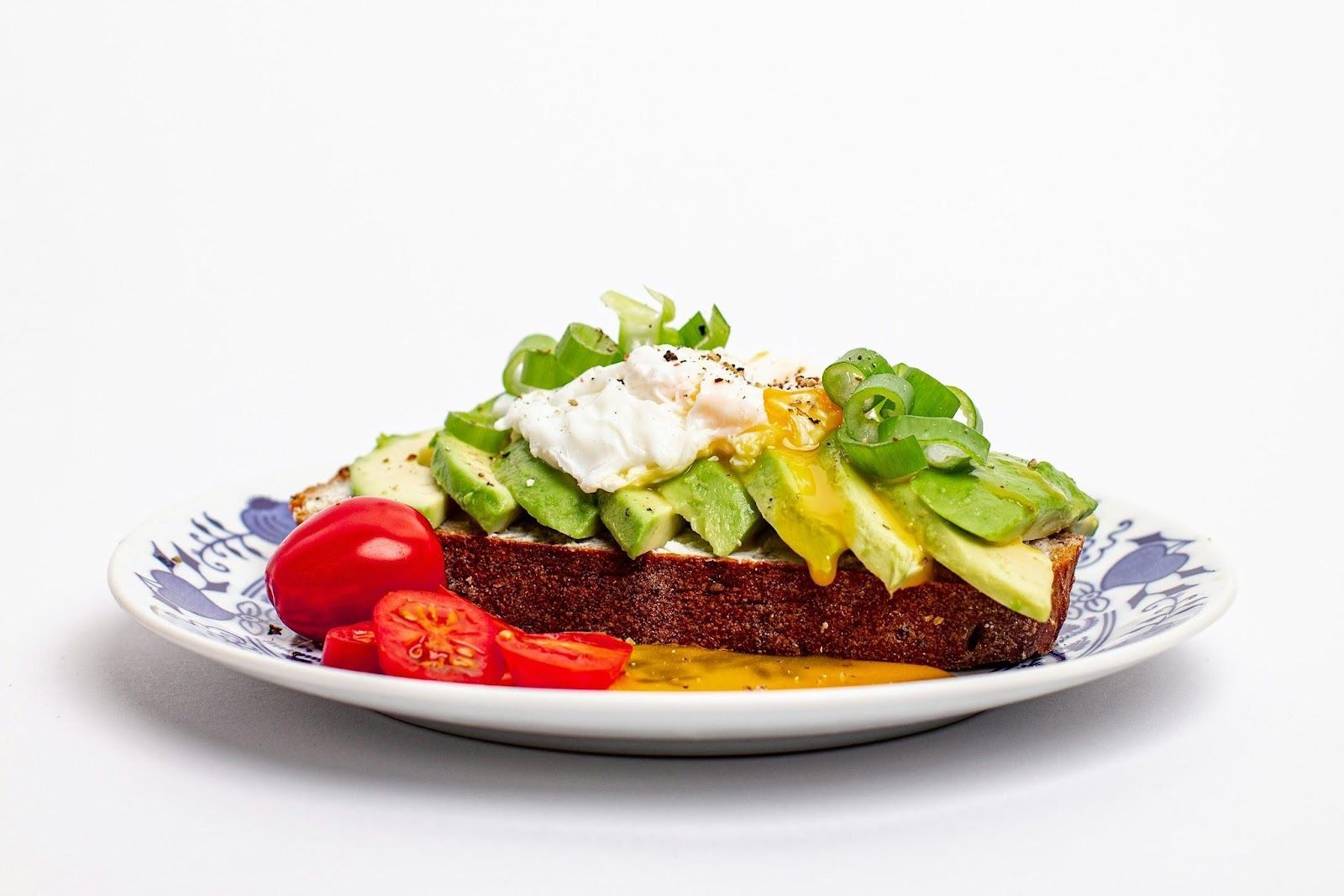
The idea that eating before bed automatically leads to weight gain is a myth. In reality, it has more to do with what you eat and how much, rather than the time of day. Often, when we eat very late at night, we're tired and more likely to reach for quick, high-calorie, heavy foods. This can disrupt sleep and lead to consuming more calories than we burn, both of which may affect weight. If it's close to bedtime, it's better to have something light and healthy in a moderate portion than to skip a meal altogether.

4

Wearing glasses weakens your vision

Image: Bud Helisson

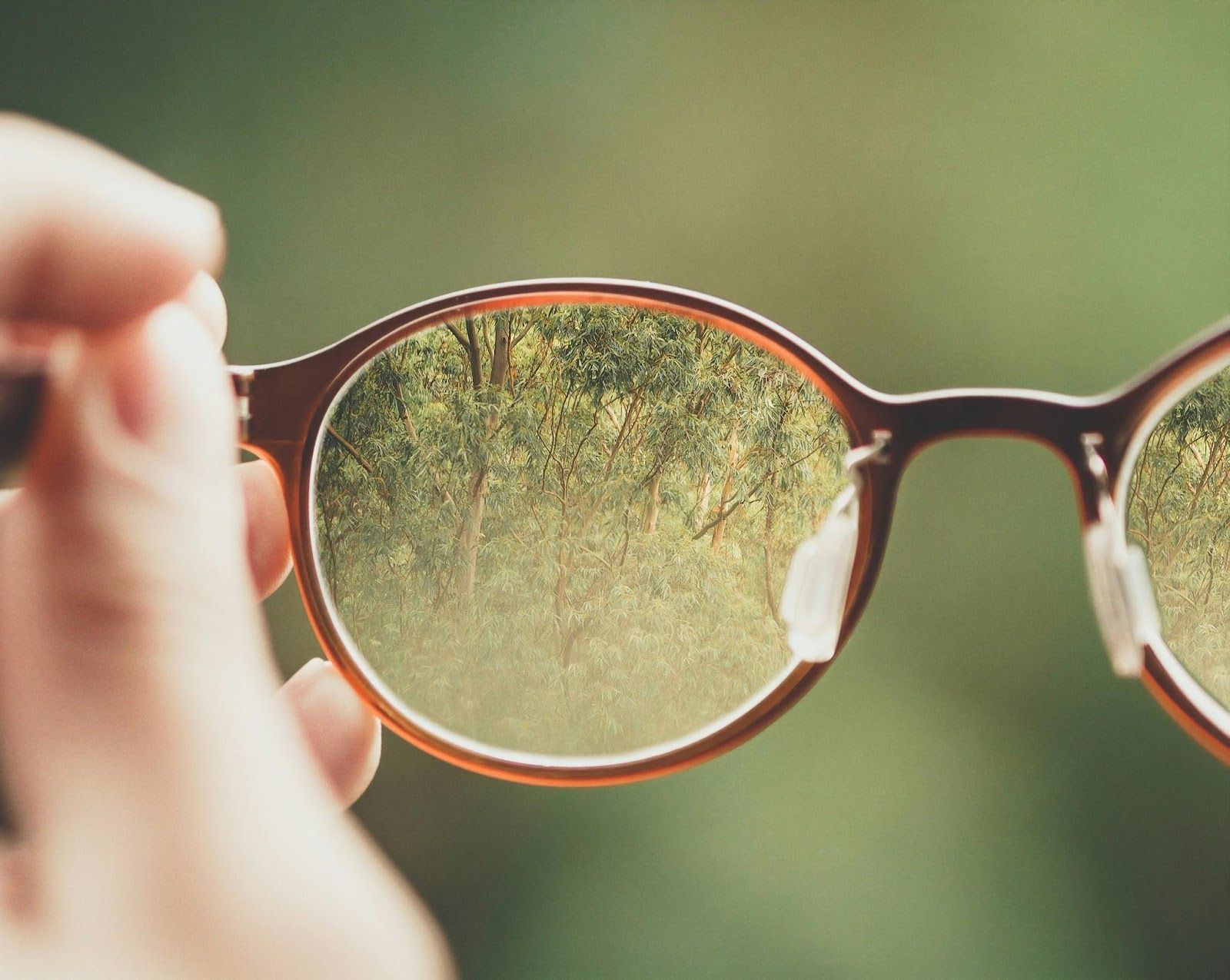
Does wearing glasses weaken your vision? Myth! If an eye doctor prescribes glasses, wearing them as directed helps correct your vision; it won't make it worse. Additionally, the right glasses can help prevent or reduce headaches caused by reading or spending long hours in front of a screen.

5

Reading in low light causes permanent eye damage
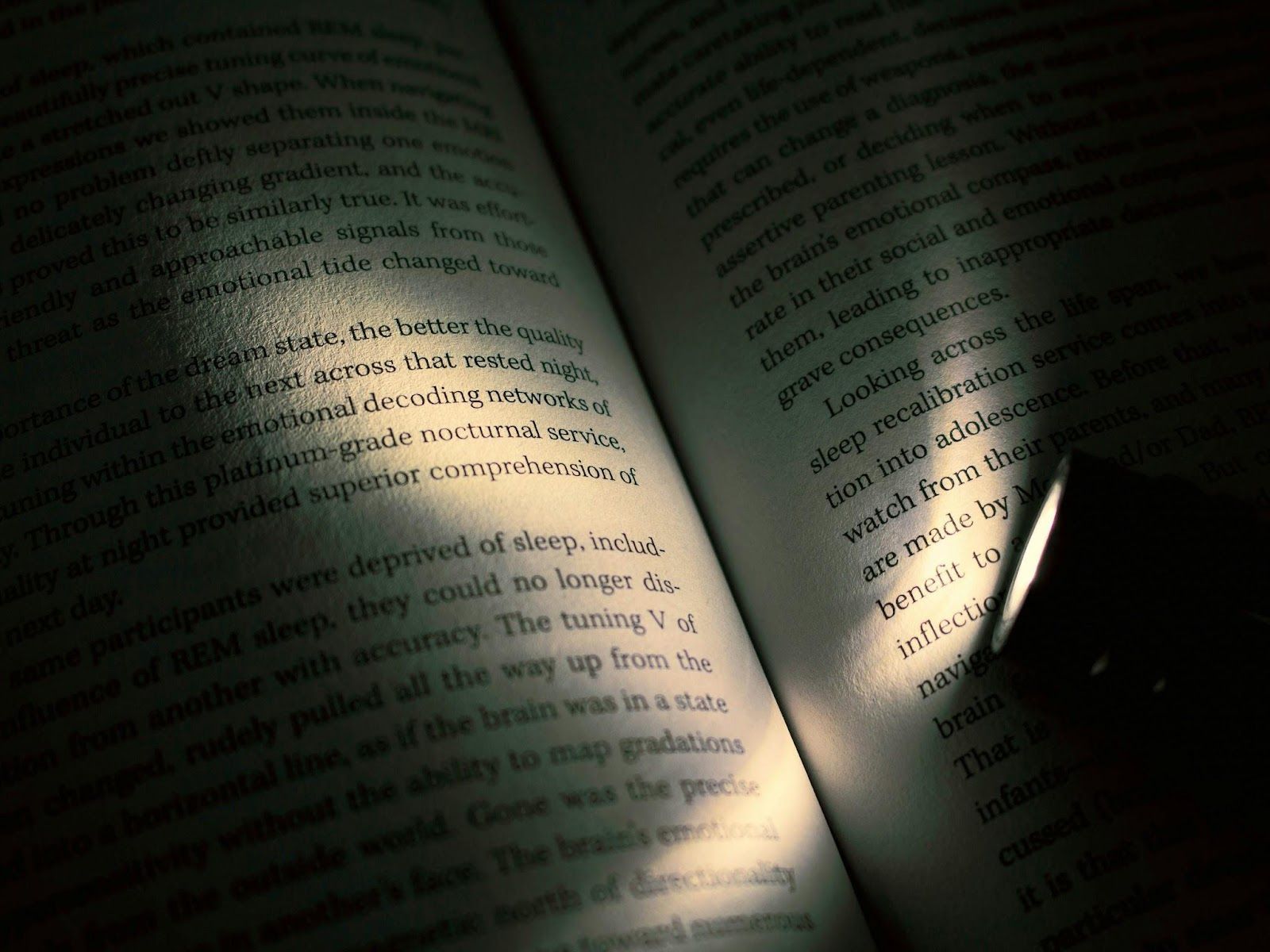
Image: Amir Balam

This myth is closely related to the previous one. If you love reading and sometimes have to do it in low light because of the situation, don't worry. According to experts, reading in low light doesn't cause permanent or irreversible eye damage. However, it's not recommended because it can make your eyes feel tired or strained, leading to discomfort or headaches.

6

You need to drink 8 glasses of water a day

Image: engin akyurt

We're all different, and so are our bodies. The idea that everyone should drink exactly eight glasses of water a day is more of a general guideline than a rule. Staying well hydrated throughout the day is extremely important, but how much water you need depends on factors like your weight, age, climate, and overall health. We should prioritize staying consistently hydrated instead of obsessing over the number of glasses we drink.

7

Lemon water detox and cleanse your body
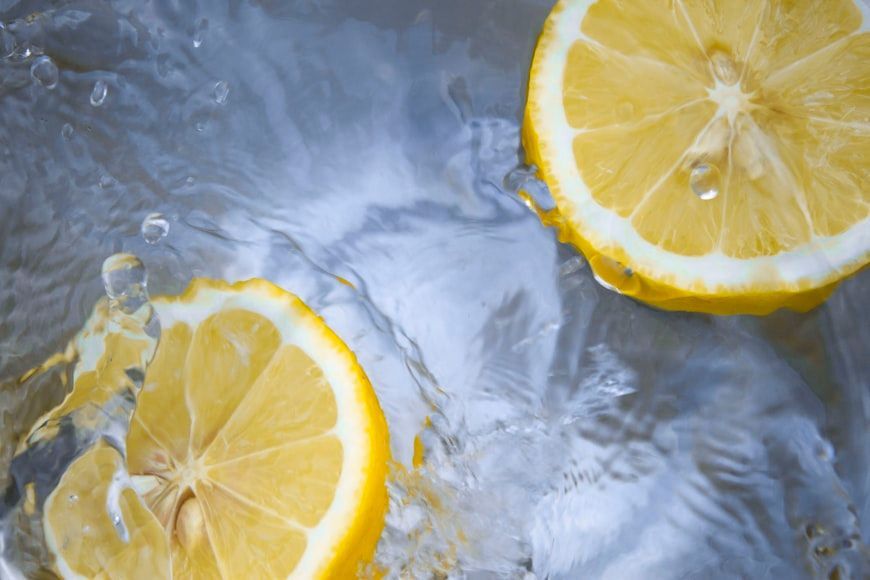
Image: Tirza van Dijk

Some people say drinking lemon water helps eliminate toxins and cleanse the body. While adding a slice of lemon to your water is a refreshing way to stay hydrated, it doesn't have any special "detoxifying" powers. The vitamin C in citrus fruits is beneficial, but the body has its own natural detox system. The liver and kidneys are the main organs that filter waste and eliminate toxins.

8

All fat is bad

Image: Aneta Voborilova

Not all fats are bad! Just like other food groups, your body needs fats to function properly. The important thing is knowing the difference between healthy fats and those that can be harmful. Foods like avocados, seeds, olive oil, fish, and nuts are rich in healthy fats. On the other hand, the fats found in processed or fried foods are the ones that can have a negative impact on your body.

9

Liver disease is always caused by alcohol or fats

Image: Elevate

Liver diseases can be serious. While heavy and frequent consumption of alcohol and fats is a major contributor, it's not the only cause. Liver problems can also result from many other factors. These include viral infections, autoimmune diseases, genetic disorders, high blood pressure, and exposure to certain chemicals.

10

Breakfast is the most important meal

Image: Brooke Lark

There's some truth to it: breakfast is important because it replenishes our glucose and energy levels and supports proper metabolism. However, the idea that it's the most important meal of the day might be an exaggeration. Everyone's body has different needs, and all meals are important, so we shouldn't skip any of them!


Fear Factor

What pet was Julius Caesar afraid of? Discover 10 rare phobias


Published on August 12, 2025


Image: Nik

We all feel scared sometimes, right? But phobias aren't simple fears; They represent a type of irrational and strong fear of objects, situations, or activities that can cause intense feelings of anxiety. Some are very frequent, such as arachnophobia (fear of spiders) or claustrophobia (fear of confined spaces). However, there are many other phobias that are not only rare but also have some of the strangest names. Have you ever heard of chaetophobia? Do you know the term for mirror phobia? If you want to discover 10 uncommon phobias and the origin of their names, read on!

1

Anthophobia

Image: Gabriela Popa

Since old times, poets and artists have dedicated part of their work to nature, particularly flowers. In all types, sizes, and colors, Mother Nature has a flower for everyone, and we, as humans, have incorporated them into our culture in countless ways.

But not everything is rosy. Some people struggle when spring arrives. We're not talking about those allergic to pollen –although they suffer too– but those with anthophobia.

Άνθος (anthos) is the Greek word for flower. So, as the name implies, it's a deep fear of flowers, their appearance, contact with them, or, in some cases, even their scent.

2

Arithmophobia

Image: Waldemar

Do you have a lucky number? We do! Numbers represent a lot in our lives, both socially and personally. In fact, many cultures have adopted certain numbers as positive or negative symbols. For example, according to Chinese culture, 8 is a lucky number, while 4 heralds bad news. In Japanese culture, 7 is responsible for announcing good fortune.

Arithmophobia is the irrational fear of numbers. Some people with arithmophobia may reject all numbers in general, while others may associate the fear with a specific number, especially those considered negative or unlucky. Just like the word "arithmetics," arithmophobia has its origin in the Greek ἀριθμός (arithmós), meaning "numbers" or "counting."

3

Nomophobia

Image: Yura Fresh

While connectivity allows us to work, find out what's going on in the world, keep in touch with our loved ones, and receive funny memes, technology can also have its downside.

Our reliance and dependence on laptops and cell phones have increased in recent years, and one of the consequences was the emergence of a condition called nomophobia.

According to the National Library of Medicine, nomophobia is the severe anxiety caused by the fear of being without your phone, losing it, or lacking cell service. Unlike most phobias, its name doesn't have Greek origins; it's actually a portmanteau: NO MObile PHOne phoBIA.

4

Ailurophobia

Image: Kim Davies

Cats and dogs have been part of our lives for ages, but while many of us may find them adorable, some people would prefer another type of pet. Why? Well, for many and varied reasons, and one of them could be ailurophobia.

Ailurophobia is the intense and irrational fear of cats. Its name comes from the Greek αἴλουρος (ailouros), meaning "cat," and φόβος (phóbos), "fear," and its symptoms and triggers can vary from person to person.

Surprising as it may be, this phobia is not new. It seems that this fear has been around since ancient times. In fact, some stories claim that figures such as Julius Caesar and Alexander the Great experienced this phobia.

5

Eisoptrophobia

Image: Caroline Veronez

What's the first thing you do when you wake up in the morning? For many of us, looking in the mirror is part of our daily routine, whether it's brushing our teeth or trying on the outfit we'll wear to work. For some, however, a mirror isn't necessary. In fact, they would prefer to avoid it at all costs.

We're talking about eisoptrophobia, the irrational fear of mirrors. As you've probably guessed by now, this word is also derived from Greek but is a bit more specific. εἰς (eis) means "into," and ὀπτῐκός (optikos) refers to vision, image, or sight. As you can see, the word's etymology points to a fear of the reflected image rather than the mirror itself.

6

Logophobia

Image: Ionela Mat

Wherever you go, wherever you look, there will be words. On your phone screen, on the TV, on book spines, food packages, clothing labels, street signs, and even graffiti. They're everywhere!

All that will seem overwhelming when you learn about logophobia, the fear or terror of words. As you know, Φόβος is the Greek word for "fear," while λόγος (logos) translates as "word" or "speech." This fear can be triggered by a specific word, a type of word, or all of them.

7

Sesquipedalophobia

Image: Sergi Kabrera

Believe it or not, sesquipedalophobia is the fear of long words. Ironic, isn't it?

In Latin, sesqui means "one and a half," while pedis is "foot." In Rome, there was a term for really long words: sesquipedalis, those that seemed "a foot and a half long." Over time, this Latin joke became part of the medical term.

But there's more! As if "sesquipedalophobia" wasn't long enough, the term "hippopotomonstrosesquippedaliophobia" has emerged in recent years to describe the same fear. While the latter is not officially recognized, it seems that someone thought it would be good to exaggerate the term by adding the Latin monstrum ("monster") and hippopotamus.

8

Arachibutyrophobia

Image: Towfiqu barbhuiya

Peanut butter is one of Americans' major favorites. Whether it's breakfast or any other meal, this ingredient is a staple in most of our diets. However, there are those who can't tolerate it.

If you experience sweaty palms, dizziness, discomfort, or anxiety at the mere thought of peanut butter entering your mouth, perhaps it's arachibutyrophobia.

Arachi is a Greek term related to leguminous plants such as peanuts, and βούτυρον (bouturon) means "butter." Some people associate this specific phobia with the idea of peanut butter sticking to the roof of their mouth, which triggers a fear of choking.

9

Chaetophobia

Image: Tim Mossholder

When it comes to looking good, hair is the key. We all know things aren't easy when it's a bad hair day, right?

While for most of us, it's as simple as going to the salon or taking some time out of our day to fix our hair, it's not so simple for others.

No one enjoys walking into the bathroom just to find a pile of loose hair scattered around. Definitely not pleasant scenery! But when dislike reaches an extreme, it can be chaetophobia, an irrational and persistent fear of hair. This name comes from the Greek χαίτη (khaitē), meaning "loose, flowing hair."

10

Globophobia

Image: Adi Goldstein

"Pennywise" is a familiar name to most of us, isn't it? Thanks to this iconic clown from Stephen King's novel and the movies based on it, we have all come to hear about coulrophobia, the fear of clowns.

While coulrophobia is quite common, there is another related phobia that is much less frequent. This is globophobia, the extreme fear of balloons, their texture, smell, the material they are made of, or the possibility of them popping. For that reason, globophobia is one of the phonophobias, associated with loud sounds.

Looking for an extra scoop of literary fun?

Learn more with our Word of the day

gladiatorial

/ˌɡlædiəˈtɔriəl/