Potato, potahto

It is English, but is it American English? 10 unique terms


Published on March 28, 2026
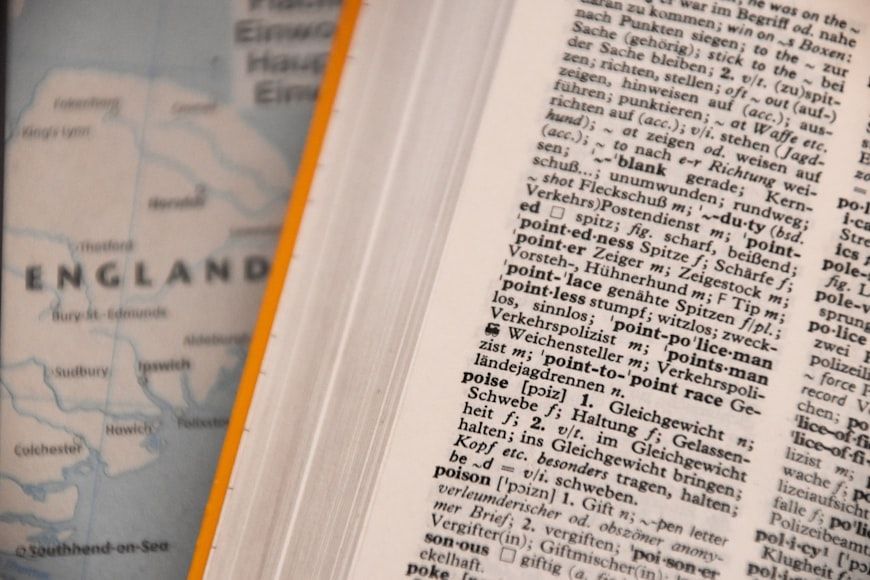

Image: Waldemar Brandt

English is the official language of more than 50 nations across the world, so it’s not surprising that English speakers from different parts of the world have developed dialectal variations with unique vocabulary. But, being English —especially American English— used as an international common language, one would think that American vocabulary would have spread to foreign English speakers. While it has in some cases, certain terms are still unique to American English. Let’s have a look at some of them!

1

Soccer

Image: Emilio Garcia

This might be the best example of a uniquely American term, though it is technically derived from the original name of the sport. Internationally known as football, soccer was originally called ‘association football’ to distinguish it from ‘Gaelic football’. With time, the popularity of the sport became associated with the term football, except in the U.S., where Gridiron or American football was more popular. So, for Americans, American football became just ‘football’, and association football became ‘soccer’.

2

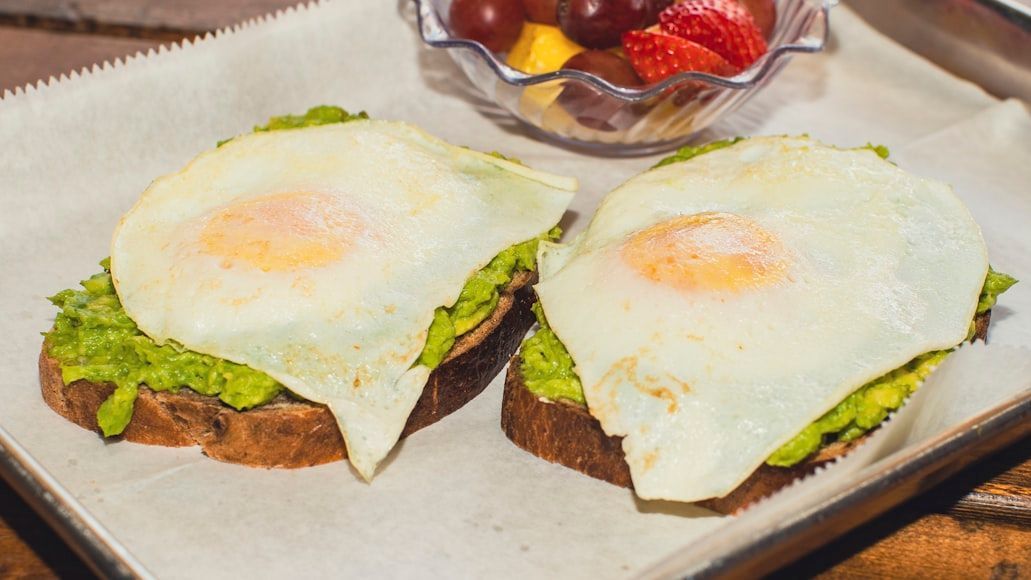
Over easy

Image: Freddy G

Eggs are an integral element of American diners, where a specific vocabulary was developed to quickly explain the type of egg desired in the least amount of time. Where other English speakers would simply ask for a fried egg, Americans know that there are several ways to fry an egg: over easy is just one of them.

3

ZIP code

Image: Joanna Kosinska

Have you ever wondered why the U.S. has a Postal Service but not postal codes? It’s not that they don’t exist; they just have a different name. The ‘Zone Improvement Plan’, or ZIP, was created to make mail services more efficient, but nowadays it’s key for analyzing demographics, sales, and the types of data. While the name ‘Zone Improvement Plan’ might sound strange, it was chosen with the ZIP acronym in mind to suggest that mail would zip along using the system.

4

Condo

Image: Agustin Lara

Whether you use condo to mean an owned apartment of any kind or as a certain type of building, both are terms mainly used in America. Other English speakers would just say flat or apartment, and would use the term commonhold (UK), strata (Australia and parts of Canada), or divided co-ownership (Francophone Canada) for a building with common areas and services.

5

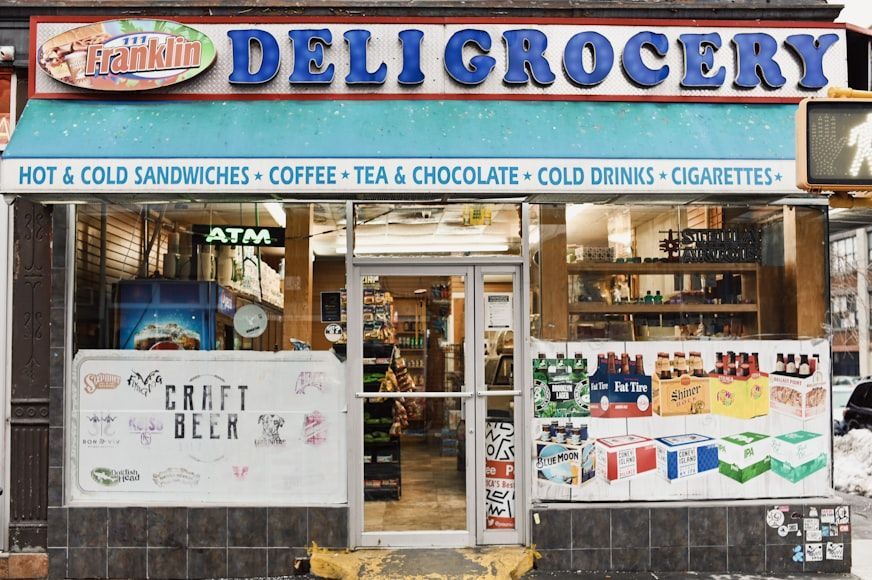
Bodega

Image: Robinson Greig

Let’s address the obvious first: yes, bodega is a Spanish word. However, it has a unique meaning in American English. While for Spanish speakers it means a winery, in the U.S., it refers to a specific type of convenience store or deli, traditionally owned by Hispanics.

6

Silverware

Image: Mika Baumeister

If you hear the word ‘silverware’ in the UK, it won’t mean what you think it means. Kind of. For Americans, the term ‘silverware’ encompasses all eating utensils, including forks, knives, spoons, and even chopsticks. Outside of the U.S., it is more common to say ‘cutlery’, while silverware is used for cutlery actually made from silver.

7

College

Image: Pang Yuhao

While words such as ‘university’ or ‘school’ are typical when discussing higher education, ‘college’ is the more commonly used term in the U.S., even present in the names of famous institutions. In other English variants, ‘college’ can be used to talk about trade schools, vocational training, or a university’s residential hall.

8

Period

Image: Unseen Studio

If we consider that Canadians also use the term ‘period’ for the punctuation mark, we could say that this term is uniquely North American, but it’s a term other English speakers commonly associate with the U.S. In other parts of the world, ‘full stop’ is the preferred name. What a mouthful!

9

Mailman

Image: Joel Moysuh

Again, why do we have a Postal Service but prefer the term ‘mailman’? It’s just a matter of use. Originally, ‘post’ was used for domestic letters, while ‘mail’ was used for letters sent abroad. While the term ‘postal service’ is common to all English variants, mail and its derivatives, such as mailman, are now the norm in American English, while other English dialects tend to use post.

10

Nightstand

Image: Christopher Jolly

Although Canadians might sometimes use ‘nightstand’ to talk about this piece of furniture, outside of American English, it is common to use the term ‘bedside table’. Originally, the word nightstand implied a furniture piece with built-in storage, while a bedside table was simpler, but nowadays they are equivalent terms.


DECODING DNA

10 Surprising Facts About Genetics and DNA


Published on March 28, 2026


Image: Sangharsh Lohakare

Genetics can both fascinate and befuddle us with its complexity, but understanding its mechanisms just might be the key to deciphering the building blocks of our entire existence. From genes that are shared between different species to viruses that insert themselves into our DNA, here are 10 things you—likely—didn’t know about genetics and DNA.

1

Human DNA Could Stretch to the Moon and Back

Image: Ganapathy Kumar

We vastly underestimate the amount of DNA we carry around in our cells. If you were to unravel all the DNA molecules in your body and lay them end to end, they would stretch an astonishing 10 billion miles—enough to reach the moon and back over 40 thousand times! However, despite the vast amount of DNA in our bodies, if we were to gather and weigh all of it together, it would surprisingly amount to only around 8 ounces.

2

You Share A Lot Of DNA with Bananas

Image: Harshad Khandare

Surprisingly, humans share about 50% of their DNA with bananas! But this shouldn’t be too surprising given the fact that all life on Earth evolved from a single organism, roughly 3.5 billion years ago. Every living creature on our planet has the same type of DNA, undergoing almost identical processes in order to live and reproduce.

3

Some Animals Can Regenerate Lost Body Parts

Image: Pedro Lastra

Certain species, like salamanders and starfish, possess remarkable regenerative abilities, allowing them to regrow lost limbs. Other species like axolotls or jellyfish can even go further, regenerating anything from parts of their brains to crucial internal organs, or even recovering from being cut in half! Understanding the genetic mechanisms behind this ability holds promise for regenerative medicine and even tissue engineering.

4

You Inherit More DNA from Your Mom

Image: Hillshire Farm

Surprisingly, we inherit slightly more DNA from our mother’s side. While everyone receives 50% of DNA from each parent, a small portion of mitochondrial DNA, which is passed down exclusively from mother to child, contributes to this imbalance. Mitochondrial DNA also allows for tracing the ancient relationships of human populations, and for this reason, it is extensively studied in anthropology and evolutionary biology.

5

DNA Can Store Digital Data

Image: Pietro Jeng

Scientists have already successfully stored digital data within DNA molecules, and many believe the technique has potential as a long-term storage solution. Its vast storage capacity and durability make it very attractive to store digital information, but the technology is still in development.

6

DNA Can Be Altered by Environmental Factors

Image: George Prentzas

DNA is sort of a blueprint that determines most of our traits and characteristics, but it is far from having the last say on how particular traits or genes will express themselves. Environmental factors can modify gene expression without changing the underlying DNA sequence, potentially impacting health and development. This is the reason that even identical twins have noticeable differences, like unique fingerprints.

7

Trauma Can Sometimes Be Passed Down In Your DNA

Image: Transly Translation Agency

Studies have shown that certain environmental factors experienced by parents, like exposure to stress or traumatic events, can leave chemical marks on DNA that are passed down to offspring. This phenomenon is called transgenerational epigenetic inheritance, and though it seems to contradict some of the tenets of Darwinian ideas, it is now widely accepted as one of the many mechanisms of genetic inheritance in most living organisms.

8

Genetic Mutations Can Make You Immune To Certain Diseases

Image: Fusion Medical Animation

Rare genetic mutations can give natural immunity to certain diseases. In time, if these genes can be distributed sufficiently within a given population this can even lead to collective immunity. For example, there is a genetic mutation called CCR5-delta 32 that provides natural immunity to the Human Immunodeficiency Virus (HIV) by altering the structure of a specific protein these viruses use to infect cells. Studying these unique phenomena can be promising for developing cures and more effective treatments.

9

We Carry A Lot Of 'Junk' DNA

Image: Sangharsh Lohakare

A significant portion of the human genome consists of non-coding DNA, often referred to as "junk" DNA because it does not code for proteins. However, recent research suggests that this non-coding DNA plays important roles in gene regulation and genome stability, challenging the notion of it being just 'junk'.

10

DNA Can Be Transferred Between Species

Image: Belinda Fewings

Horizontal gene transfer is a very weird phenomenon where genetic material is transferred between completely different species, bypassing traditional vertical inheritance from parent to offspring. Although the mechanism behind this process is poorly understood, scientists believe that it played a significant role in the evolution of many organisms. In fact, certain types of viruses force this to happen in order to encode themselves into the DNA of their hosts and reproduce.

Looking for an extra scoop of literary fun?

Learn more with our Word of the day

gloomy

/ˈɡlumi/