Once upon a rhyme

Here's what they never told you about your favorite nursery rhymes!


Published on June 8, 2025


Image: Susan Holt Simpson

We all have those nursery rhymes etched in our memory, verses that take us straight back to our childhood. But behind some of those catchy, cheerful tunes lie surprisingly dark and mysterious origins rooted in real-life history! Join us to discover the hidden stories behind the most popular nursery rhymes!

1

The Muffin Man

Image: David Todd McCarty

Although it's a staple in preschools, this rhyme is believed to have originated from a rather sinister urban legend. According to the myth, in 16th-century London, there was a baker named Frederic Thomas Lynwood, who had a creepy nickname: "the Dicer of Drury Lane." As the tale goes, this man was said to be a dangerous criminal who used muffins to lure his victims!

2

Here We Go Round the Mulberry Bush

Image: Larry Farr

Making a circle to the rhythm of "Here We Go Round the Mulberry Bush" is a childhood classic. But once you learn the origin of this nursery rhyme, the lyrics might take on a whole new meaning. It's believed that "the bush" was actually a mulberry tree in the center of the yard at Wakefield Prison in England. There, female inmates would circle the tree exercising, or repeating the same domestic chores day after day.

3

Ring Around the Rosie

Image: Aleksandar Kyng

"Ring around the rosie, pocket full of posies!" Sound familiar? Of course it does! But there might be a tragic story behind this animated rhyme.

The bubonic plague of the 14th century, also known as the "Black Death," claimed a staggering 25 to 50 million lives in Europe. It's believed that this catastrophic event is reflected in the lines of this famous nursery rhyme: The "ring around the rosie" could refer to the red, circular rash that appeared on the skin of those infected, and suddenly, the line "we all fall down" hits differently once you know where it may have come from.

4

Pop Goes the Weasel

Image: Peter Neumann

"Pop Goes the Weasel" is a classic, though trying to make sense of its lyrics isn't exactly easy. The confusion might come down to how language has evolved over time, particularly slang. It seems that "weasel" was once a common slang term for a fur coat in England before the 19th century. This rhyme is believed to have originated in the financial struggles of the time, where the less privileged classes would sell their weasels to get by.

5

Jack and Jill

Image: Jonas Dücker

The symbolism behind Jack and Jill hides more than you think. While there are several theories -one even involving a tragic love story- many believe the rhyme's origin is tied to a monarch's decision in the 16th century. Jack and Jill may refer to Richard Empson and Edmund Dudley, financial advisors and ministers to King Henry VII of England. As money collectors, they were not very popular, especially among the privileged classes. When King Henry VIII took office, they were accused of treason: One fell down first, and his partner came tumbling after.

6

Baa Baa Black Sheep

Image: Jonathan Greenaway

The catchy and fun "Baa Baa Black Sheep" is also one of the most popular. The most widely accepted version of its origin has to do with taxes! That's right; in the 13th century, King Edward I of England imposed a "sheep tax," which required that a portion of all wool produced be given to the monarchy. Thus, in the rhyme, the master and the dame could represent the monarchy, which benefited from this rule at the expense of the people.

7

Ladybird, Ladybird

Image: Charlotte Descamps

"Ladybird, ladybird, fly away home / Your house is on fire and your children are gone," goes the nursery rhyme "Ladybird, Ladybird," well known in many English-speaking countries. There are two main theories about its origin -one more obscure than the other- and it's the darker one that draws our attention. It's believed that the rhyme may be related to the religious conflicts of 16th-century England, with the "ladybird" symbolizing persecuted Catholics during the English Reformation.

8

Rock-A-Bye Baby

Image: Piotr Makowski

We've all heard "Rock-a-bye Baby" at one point or another; it's one of the most famous nursery rhymes. Though it's now sung as a gentle lullaby, the rhyme has roots in deep political conflict and change. In 17th-century England, the Catholic King James II was overthrown and replaced by the Protestant rulers William and Mary. So, in the rhyme, the "tree top" and the "branch" symbolize royal power, the "wind" represents the Protestant forces, and the "baby" is believed to refer to the overthrown king.

9

Humpty Dumpty

Image: Олег Мороз

The origins of the nursery rhyme "Humpty Dumpty" are disputed, with several competing theories. Some historians believe that Humpty Dumpty refers to a large cannon used by Royalist forces during the English Civil War. During the Siege of Colchester in 1648, a massive artillery piece nicknamed "Humpty Dumpty" was mounted on the walls of St Mary's Church. When Parliamentarian forces attacked, the wall beneath the cannon crumbled, sending it crashing to the ground.

Others, however, argue that "Humpty Dumpty" is a metaphor for King Charles I himself, whose power was dismantled by parliamentary forces. A third theory suggests that the rhyme refers to King Richard III of England, said to have been humpbacked, and who was defeated at the Battle of Bosworth Field in 1485.

10

Three Blind Mice

Image: Nikolett Emmert

We must tell you that the origins of this fun nursery rhyme also come from infamous historical facts. It's believed that the "three blind mice" represent three Protestant bishops who were persecuted and sentenced to death under the reign of Queen Mary I of England, portrayed in the rhyme as the "farmer's wife." Their "blindness" is thought to symbolize their rejection of Catholicism. Pretty deep for a nursery rhyme, right?



Fiddlesticks!

Hard to say? Maybe not. Learn 11 nicer words for gross things


Published on June 8, 2025


Image: patpitchaya

We all need to say things that are not pleasant-sounding from time to time. But we can choose how we express such things. That's especially true when the topic involves bodily functions or other unpleasant realities. English is full of words that soften, sanitize, or medicalize things we'd rather not describe too vividly. Some come from Latin or Greek, others from doctors' offices, and a few were invented simply because saying the blunt version felt awkward. Here are 11 examples of "nice" words for not-so-nice things.

1

"Perspiration" sounds better than "sweat"

Image: Hans Reniers

If "sweat" sounds a bit too direct, perspiration offers a more polished alternative. The word comes from the Latin perspirare, meaning "to breathe through," and originally referred to moisture passing through the skin. By the 18th and 19th centuries, it had become the preferred choice in polite society, especially among writers and etiquette experts who considered "sweat" a little too earthy.

The distinction wasn't always scientific, but social. Victorians often treated "perspiration" as the refined term while reserving "sweat" for hard labor or athletic exertion. Today, both words describe the same natural process, but "perspiration" still carries a more formal, clinical tone in advertisements, medicine, and everyday conversation.

2

"Flatulence" is somewhat better than "passing gas"

Image: BlueRingMedia

Few topics inspire more creative wording than this one. While everyday English offers plenty of colorful expressions, the medical term for flatulence is derived from the Latin flatus, meaning "wind" or "blowing."

The funny part is that it's completely normal. Digestive specialists note that healthy adults commonly pass gas many times a day as part of ordinary digestion. Using a gentler expression doesn't change the biology; it simply makes discussing it a little less awkward.

3

"Restroom" sounds better than "toilet"

Image: Tim Mossholder

Americans rarely ask, "Where's the toilet?" Instead, they're far more likely to ask for the restroom, even though almost nobody goes there to rest. The word became popular during the early 20th century as a polite substitute that avoided mentioning the room's actual purpose.

It's one of English's classic euphemisms. Similar terms like "bathroom" and "washroom" focus on the room's features rather than the activities that take place inside.

4

"Expectoration" sounds much better than "spitting"

Image: Towfiqu barbhuiya

Doctors rarely tell patients to "spit." Instead, they'll often ask them to expectorate. The word comes from the Latin expectorare, meaning "to drive from the chest," and specifically refers to expelling mucus or phlegm rather than simply spitting.

Because it's more precise, the term remains standard in hospitals and medical textbooks. Outside healthcare, however, few people ever use it. It's a perfect example of how scientific language can make an unpleasant subject sound surprisingly dignified.

5

"Cerumen" sounds better than "earwax"

Image: Franco Antonio Giovanella

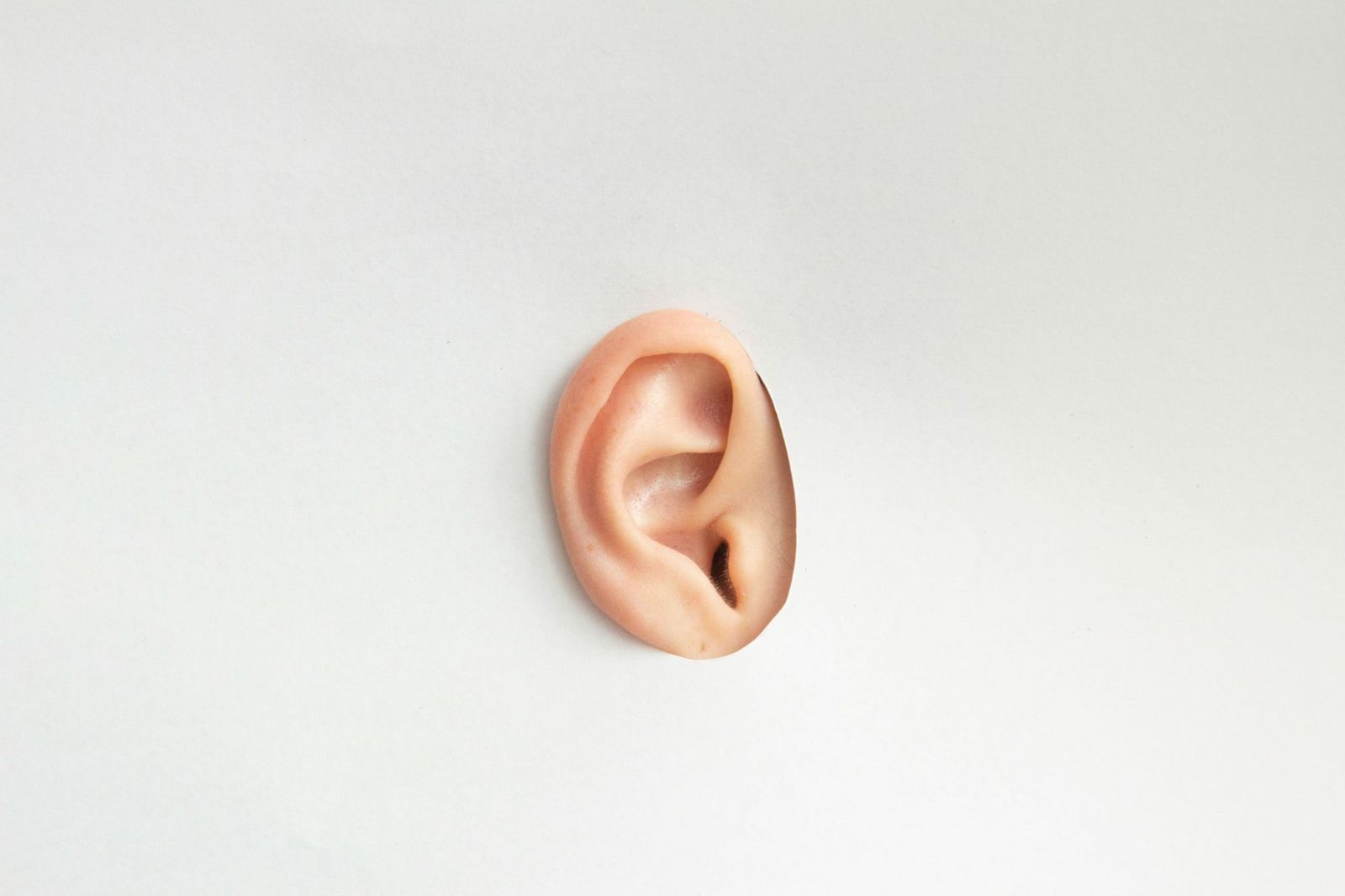
Most people know it as "earwax," but physicians and hearing specialists almost always call it "cerumen." The term comes from the Latin word cera, meaning "wax," and is the official anatomical term for the substance naturally produced in the ear canal.

Using the scientific term doesn't make it any less ordinary, but it certainly sounds more professional. That's why you'll find "cerumen" in medical charts, anatomy textbooks, and audiology clinics instead of the much more familiar everyday word.

6

"Halitosis" is better than "bad breath"

Image: Vitaly Gariev

"Halitosis" may sound like an intimidating medical condition, but it's simply the clinical term for persistent bad breath. Although doctors use the word today, it became widely known thanks to Listerine advertising campaigns during the early 1900s, which presented halitosis as a treatable problem rather than just an occasional inconvenience.

Those advertisements are still studied by marketing historians because they helped transform mouthwash into a household staple. It's a reminder that sometimes a sophisticated-sounding word can completely change how people think about an everyday issue.

7

"Emesis" sounds a lot better than "vomit"

Image: Alexey Demidov

Hospitals rarely record that a patient "vomited." Instead, medical records almost always use the term "emesis," borrowed from the Greek word emein, meaning "to vomit." The more formal language helps healthcare professionals communicate with precision while maintaining an objective tone.

The same Greek root appears in words like "antiemetic," the name for medications that prevent nausea and vomiting. Outside medical settings, though, most people stick with simpler vocabulary, even if it's a bit less elegant.

8

"Stool" is significantly better than "poop"

Image: fr0ggy5

When doctors, laboratories, or researchers discuss bodily waste, they almost always use the word "stool" in direct reference to the bathroom.

The term removes much of the emotional reaction that everyday words can provoke. That's one reason formal writing almost always favors "stool" over the more casual vocabulary heard in ordinary conversation.

9

"Urinate" is marginally better than "pee"

Image: jacopo marello

Children usually learn the word "pee" long before they ever hear the word "urinate," but the latter is the preferred term in medicine. It comes from the Latin urina, which also gave English words like "urinary," "urinalysis," and "urology."

Using "urinate" creates a neutral, professional tone that's especially helpful in healthcare. It allows doctors and patients to discuss sensitive topics comfortably without resorting to slang or overly childish language.

10

"Menstruation" is somewhat better than "period"

Image: Natracare

Many cultures have developed indirect ways of referring to a period, but medicine generally uses the more formal term "menstruation." It comes from the Latin mensis, meaning "month," reflecting the cycle's roughly monthly pattern.

English has accumulated dozens of euphemisms over the centuries, from "that time of the month" to more playful nicknames, revealing how reluctant many societies have been to discuss the subject openly. Today, "menstruation" is widely preferred in education and healthcare because it's both accurate and neutral.

11

"Decompose" sounds better than "rot"

Image: Nancy Hughes

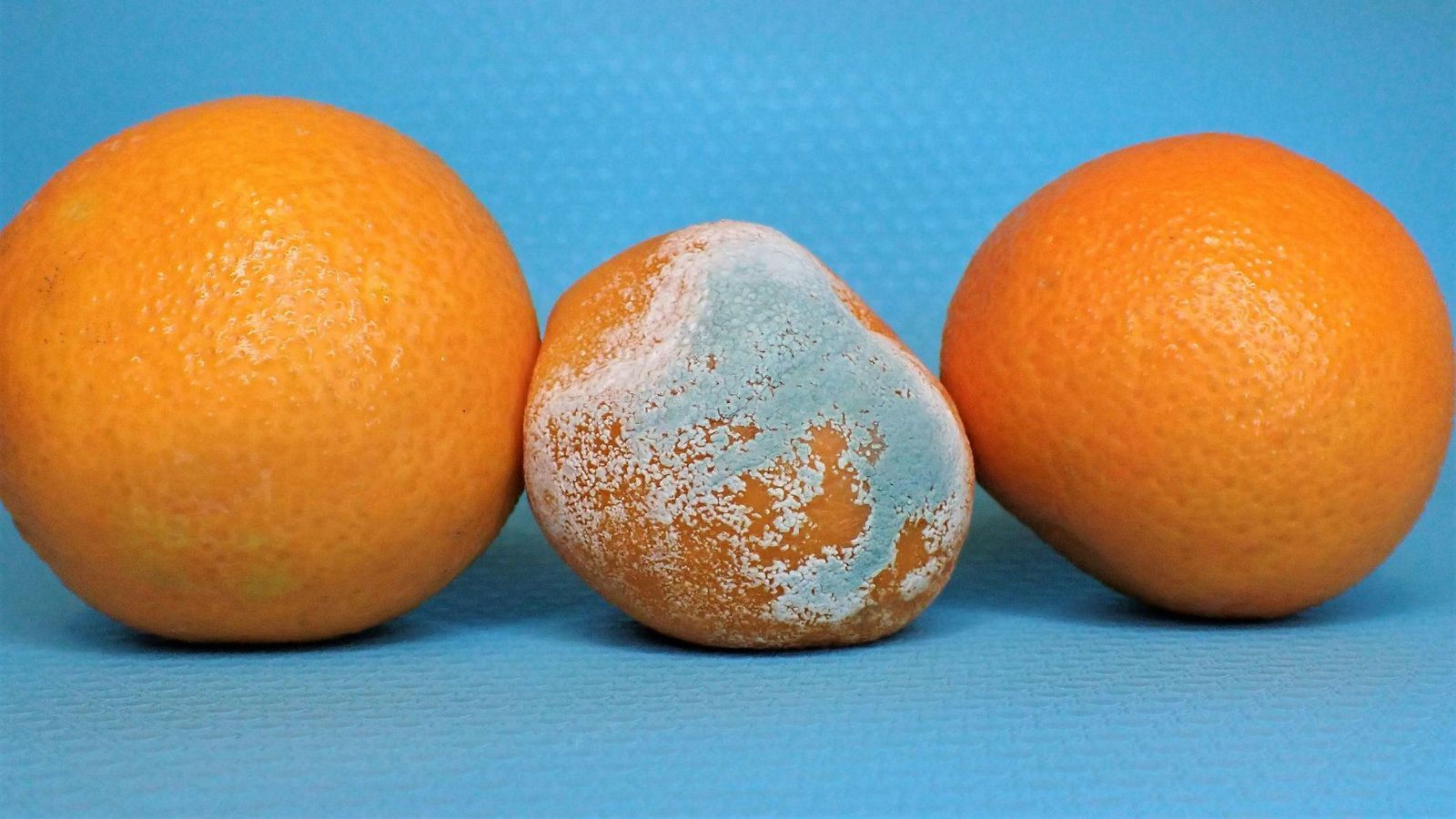
Most people would say something rotted, but scientists usually say it decomposed. The two words describe essentially the same process, yet "decompose" emphasizes the natural biological breakdown of organic material by bacteria, fungi, and other microorganisms.

Because it's more precise and emotionally neutral, the word appears regularly in biology, ecology, archaeology, and forensic science. Sometimes the nicest-sounding word also happens to be the most scientifically accurate, proving that language can soften reality without sacrificing the truth.

Looking for an extra scoop of literary fun?

Learn more with our Word of the day

malign

/məˈlaɪn/