Once upon a rhyme
Is the nursery rhyme "Pop Goes the Weasel" about financial struggles?
Published on June 8, 2025

We all have those nursery rhymes etched in our memory, verses that take us straight back to our childhood. But behind some of those catchy, cheerful tunes lie surprisingly dark and mysterious origins rooted in real-life history! Join us to discover the hidden stories behind the most popular nursery rhymes!
The Muffin Man

Although it's a staple in preschools, this rhyme is believed to have originated from a rather sinister urban legend. According to the myth, in 16th-century London, there was a baker named Frederic Thomas Lynwood, who had a creepy nickname: "the Dicer of Drury Lane." As the tale goes, this man was said to be a dangerous criminal who used muffins to lure his victims!
Here We Go Round the Mulberry Bush

Making a circle to the rhythm of "Here We Go Round the Mulberry Bush" is a childhood classic. But once you learn the origin of this nursery rhyme, the lyrics might take on a whole new meaning. It's believed that "the bush" was actually a mulberry tree in the center of the yard at Wakefield Prison in England. There, female inmates would circle the tree exercising, or repeating the same domestic chores day after day.
Ring Around the Rosie

"Ring around the rosie, pocket full of posies!" Sound familiar? Of course it does! But there might be a tragic story behind this animated rhyme.
The bubonic plague of the 14th century, also known as the "Black Death," claimed a staggering 25 to 50 million lives in Europe. It's believed that this catastrophic event is reflected in the lines of this famous nursery rhyme: The "ring around the rosie" could refer to the red, circular rash that appeared on the skin of those infected, and suddenly, the line "we all fall down" hits differently once you know where it may have come from.
Pop Goes the Weasel

"Pop Goes the Weasel" is a classic, though trying to make sense of its lyrics isn't exactly easy. The confusion might come down to how language has evolved over time, particularly slang. It seems that "weasel" was once a common slang term for a fur coat in England before the 19th century. This rhyme is believed to have originated in the financial struggles of the time, where the less privileged classes would sell their weasels to get by.
Jack and Jill

The symbolism behind Jack and Jill hides more than you think. While there are several theories -one even involving a tragic love story- many believe the rhyme's origin is tied to a monarch's decision in the 16th century. Jack and Jill may refer to Richard Empson and Edmund Dudley, financial advisors and ministers to King Henry VII of England. As money collectors, they were not very popular, especially among the privileged classes. When King Henry VIII took office, they were accused of treason: One fell down first, and his partner came tumbling after.
Baa Baa Black Sheep

The catchy and fun "Baa Baa Black Sheep" is also one of the most popular. The most widely accepted version of its origin has to do with taxes! That's right; in the 13th century, King Edward I of England imposed a "sheep tax," which required that a portion of all wool produced be given to the monarchy. Thus, in the rhyme, the master and the dame could represent the monarchy, which benefited from this rule at the expense of the people.
Ladybird, Ladybird

"Ladybird, ladybird, fly away home / Your house is on fire and your children are gone," goes the nursery rhyme "Ladybird, Ladybird," well known in many English-speaking countries. There are two main theories about its origin -one more obscure than the other- and it's the darker one that draws our attention. It's believed that the rhyme may be related to the religious conflicts of 16th-century England, with the "ladybird" symbolizing persecuted Catholics during the English Reformation.
Rock-A-Bye Baby

We've all heard "Rock-a-bye Baby" at one point or another; it's one of the most famous nursery rhymes. Though it's now sung as a gentle lullaby, the rhyme has roots in deep political conflict and change. In 17th-century England, the Catholic King James II was overthrown and replaced by the Protestant rulers William and Mary. So, in the rhyme, the "tree top" and the "branch" symbolize royal power, the "wind" represents the Protestant forces, and the "baby" is believed to refer to the overthrown king.
Humpty Dumpty

The origins of the nursery rhyme "Humpty Dumpty" are disputed, with several competing theories. Some historians believe that Humpty Dumpty refers to a large cannon used by Royalist forces during the English Civil War. During the Siege of Colchester in 1648, a massive artillery piece nicknamed "Humpty Dumpty" was mounted on the walls of St Mary's Church. When Parliamentarian forces attacked, the wall beneath the cannon crumbled, sending it crashing to the ground.
Others, however, argue that "Humpty Dumpty" is a metaphor for King Charles I himself, whose power was dismantled by parliamentary forces. A third theory suggests that the rhyme refers to King Richard III of England, said to have been humpbacked, and who was defeated at the Battle of Bosworth Field in 1485.
Three Blind Mice
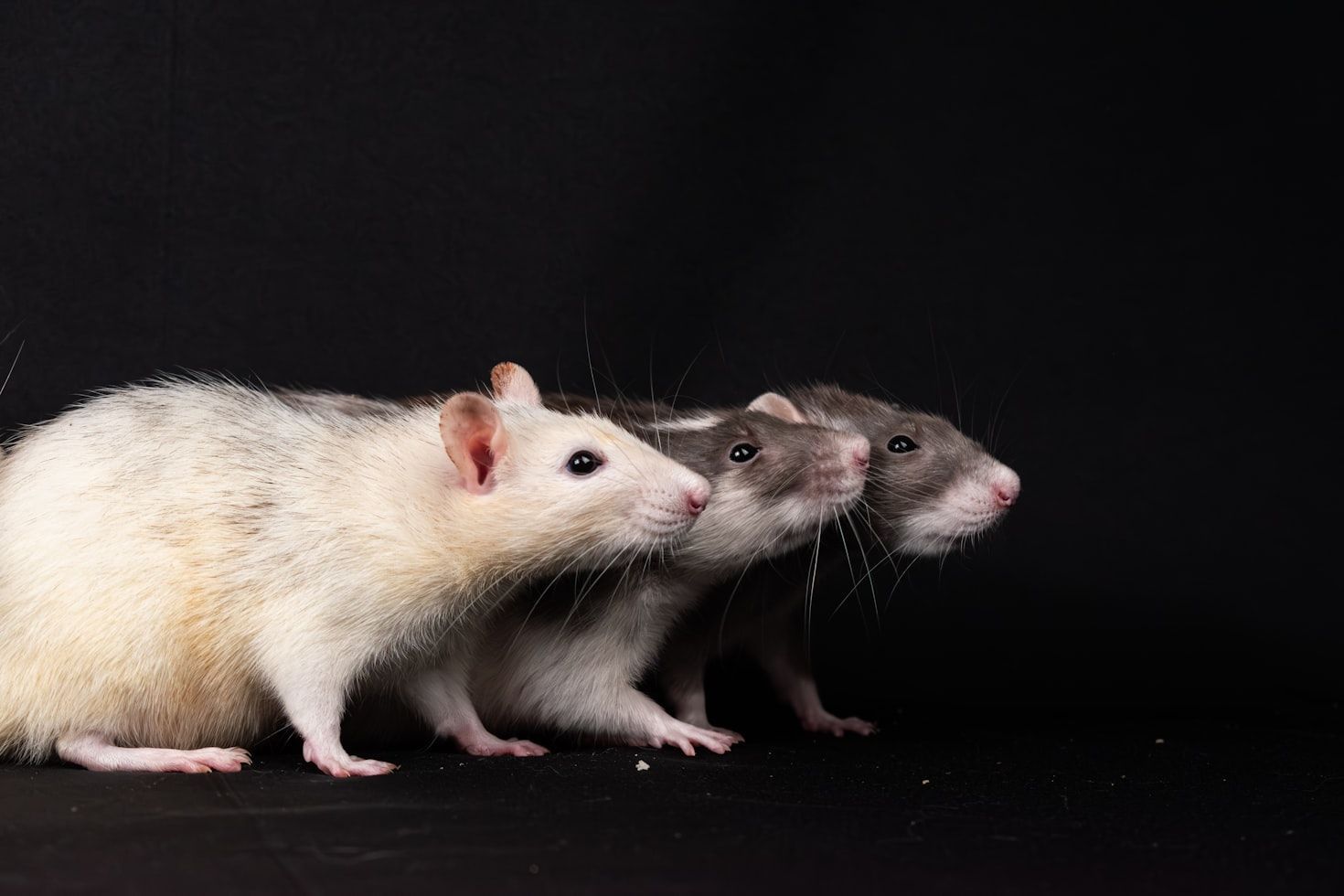
We must tell you that the origins of this fun nursery rhyme also come from infamous historical facts. It's believed that the "three blind mice" represent three Protestant bishops who were persecuted and sentenced to death under the reign of Queen Mary I of England, portrayed in the rhyme as the "farmer's wife." Their "blindness" is thought to symbolize their rejection of Catholicism. Pretty deep for a nursery rhyme, right?