Facts you didn't know you needed
Is the day longer for your pet? Mind-blowing facts you need to know
Published on March 10, 2026
Adults often assume they already understand the world, but there’s always something new to surprise us! Did you know that clouds actually have weight? Or that the day is longer for some animals? And that’s just the beginning. From hidden functions of your organs to the true color of the universe, today you’ll learn 10 fascinating facts you probably never thought to ask, but will make you sound impressively smart in your next conversation!
Slower time

Unlike humans, animals don’t experience a shared "present" in quite the same way. Instead, their sense of time is tied to the rhythms of their own bodies. For very small animals with fast metabolisms like parrots, hamsters, or guinea pigs, time actually seems to pass more slowly. In a sense, they live in slow motion because their faster-working nervous systems allow them to process sensory information at a fast speed.
Identical twins, but…

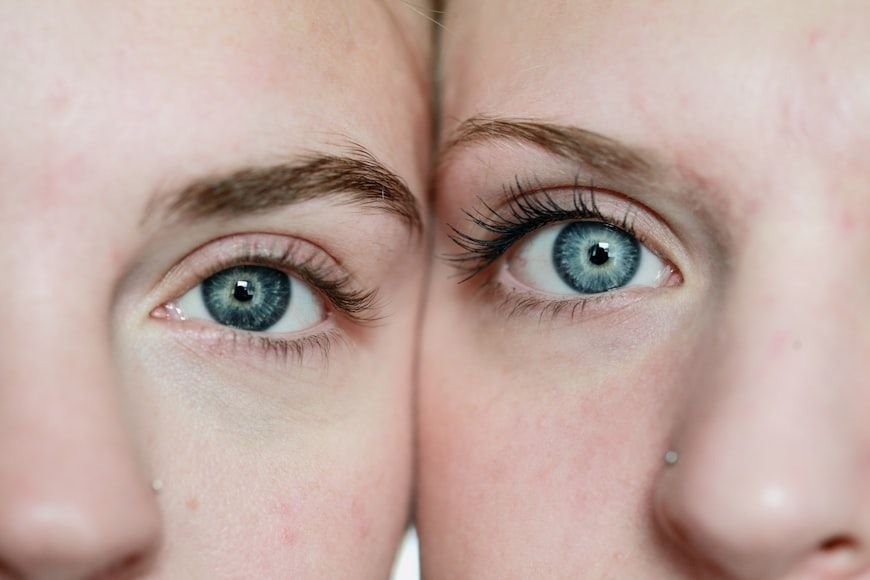
What if someone commits a crime and tries to blame their identical twin? Have you ever wondered about that? It’s a valid question; after all, identical twins not only look alike, they also share the same DNA. But here’s the surprising part: if investigators check fingerprints, the innocent twin could be cleared. That’s because, despite their nearly identical DNA, twins have unique fingerprints, shaped by subtle genetic and environmental factors in the womb.
Heavy clouds

You’ve probably spent time lying on the grass, watching clouds drift across the sky. They look light, fluffy, almost like cotton candy, and it’s hard to imagine them as heavy objects. But the truth is surprising: clouds are incredibly heavy. An average cumulus cloud can weigh around 1 million pounds! That impressive weight comes from the billions of tiny water droplets suspended in the air. So, how do they float? It’s because each droplet is extremely small and falls very slowly, while rising warm air currents help keep the cloud suspended above us.
Don’t believe everything you see
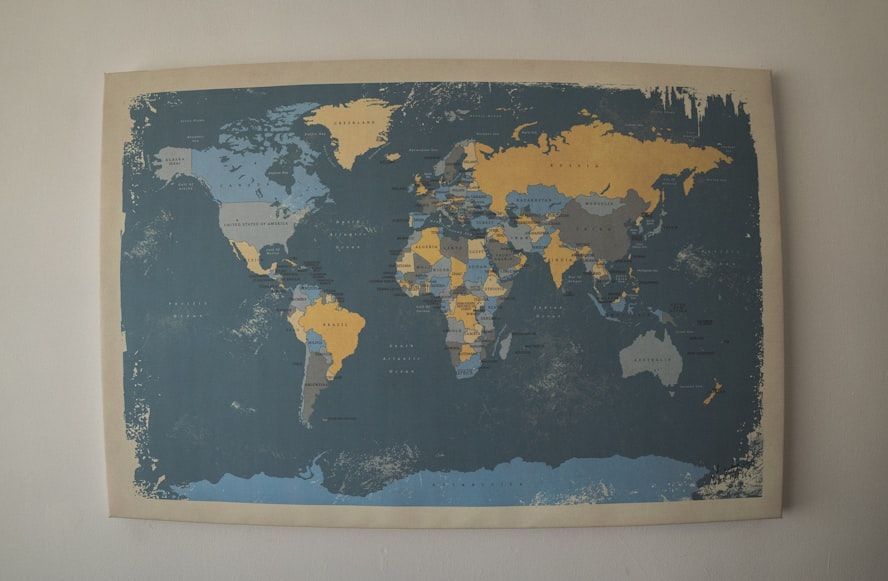
Most of us have a rough image of the world map in our minds. But we have something to tell you: most maps aren’t completely accurate. Because the Earth is a sphere, cartographers have to distort some areas to represent it on a flat surface. On Mercator projection maps, countries near the poles appear much larger than they really are, while countries near the equator look smaller in comparison. For example, Alaska looks about the same size as Brazil, but in reality, Brazil is nearly five times larger!
The Universe's color
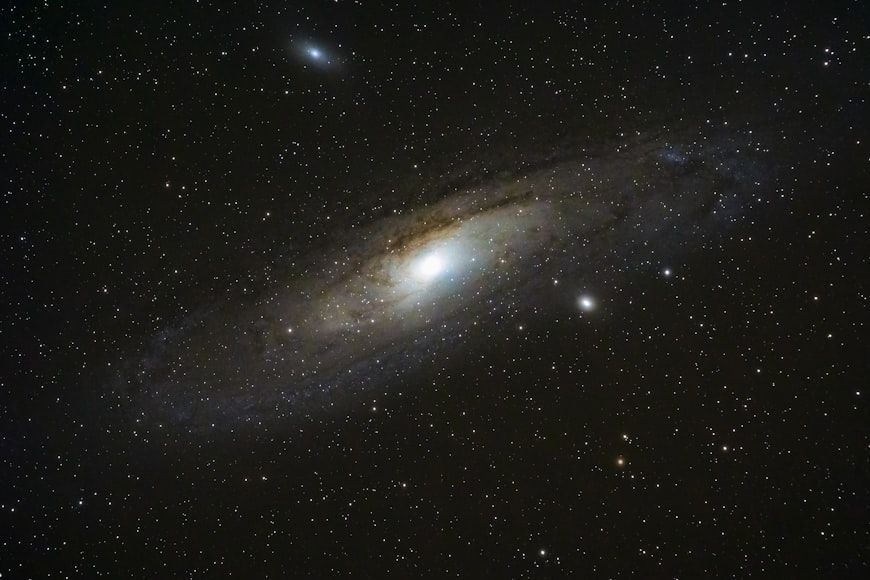
Most people don’t realize that there’s actually a name for the color of the universe. Strange, right? But it’s true! Astronomers who studied the light from thousands of galaxies discovered that if you blend all the colors from the observable universe, the result is a soft, beige-ish white shade, famously named "Cosmic Latte" in 2002.
No Qs
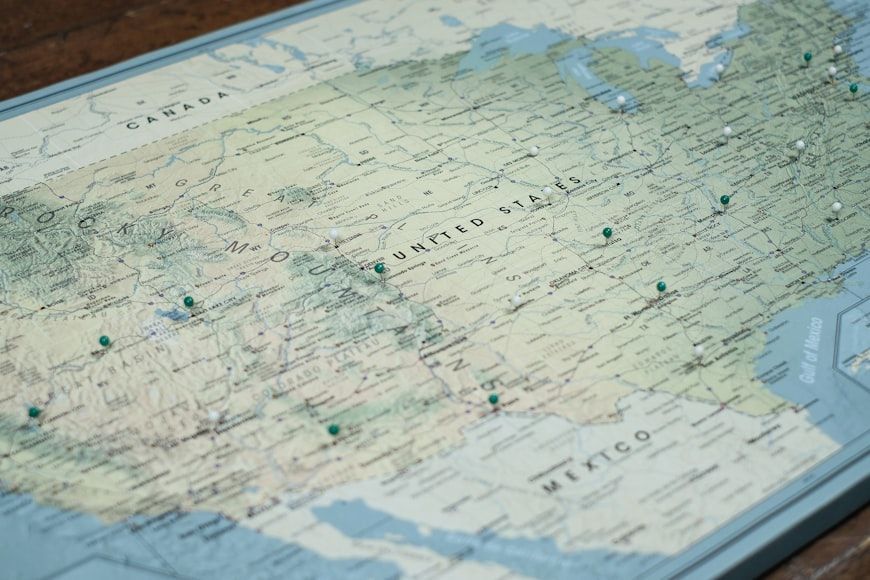
With 50 states, there’s no shortage of variety in their names. Almost every letter of the English alphabet appears at least once, except for one: Q, which is completely absent. In addition to this, there’s another surprisingly rare letter: J. While it isn’t entirely missing like Q, it only appears in one state, New Jersey.
Earth’s rotation is slowing
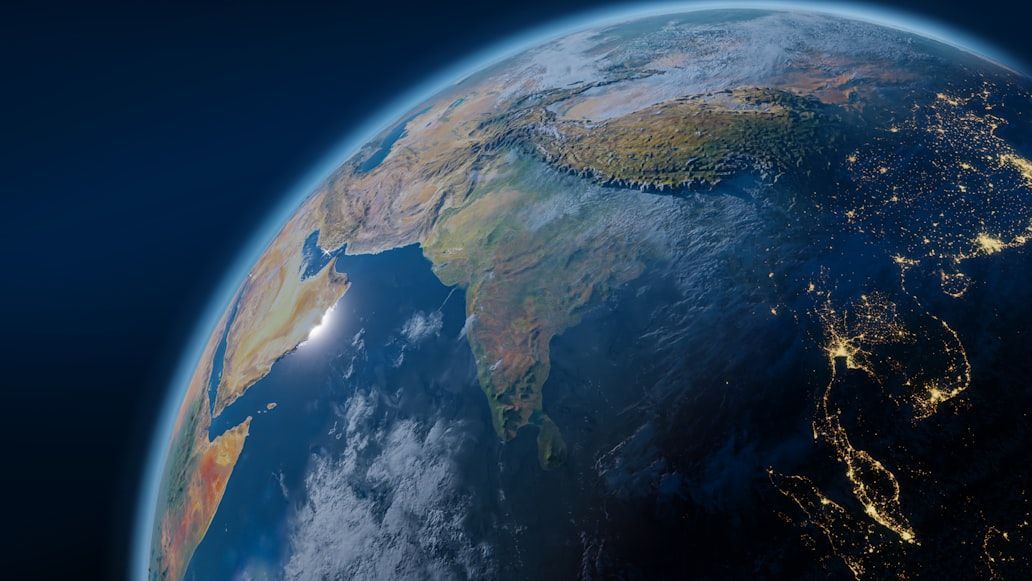
Although we don’t notice it, indeed, the Earth’s rotation is gradually slowing. This happens because tidal friction, caused by the Moon’s gravitational pull on our oceans, creates a subtle drag on the planet’s spin. As a result, days are getting longer, but very gradually: by only about 1.7 milliseconds per century.
Dreams in sign language
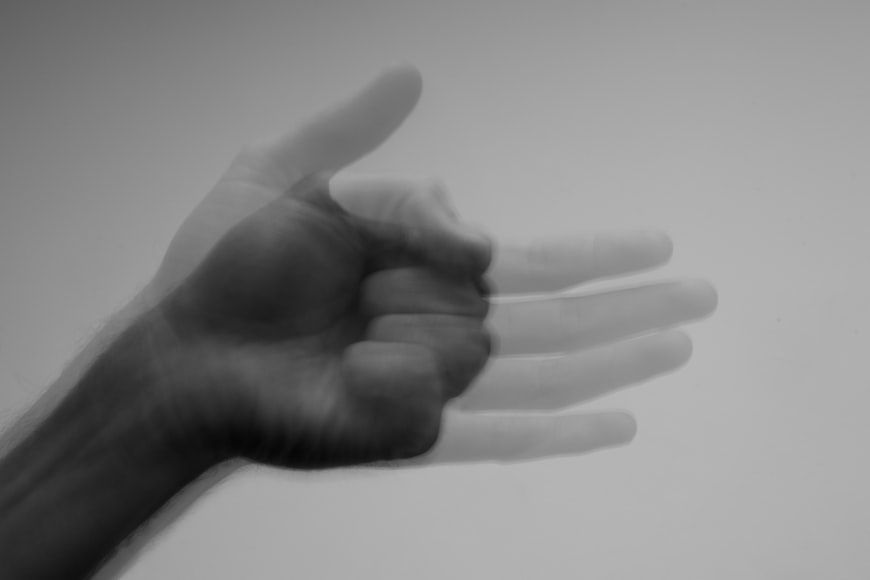
Do you remember your last dream? Whether good or bad, dreams are a constant part of sleep, but not everyone experiences them in the same way. Deaf people who use sign language in their daily lives often communicate through signs in their dreams, too. Meanwhile, blind people tend to have dreams rich in sounds, smells, and tactile sensations, using these other senses to experience the dream world.
Walking underwater
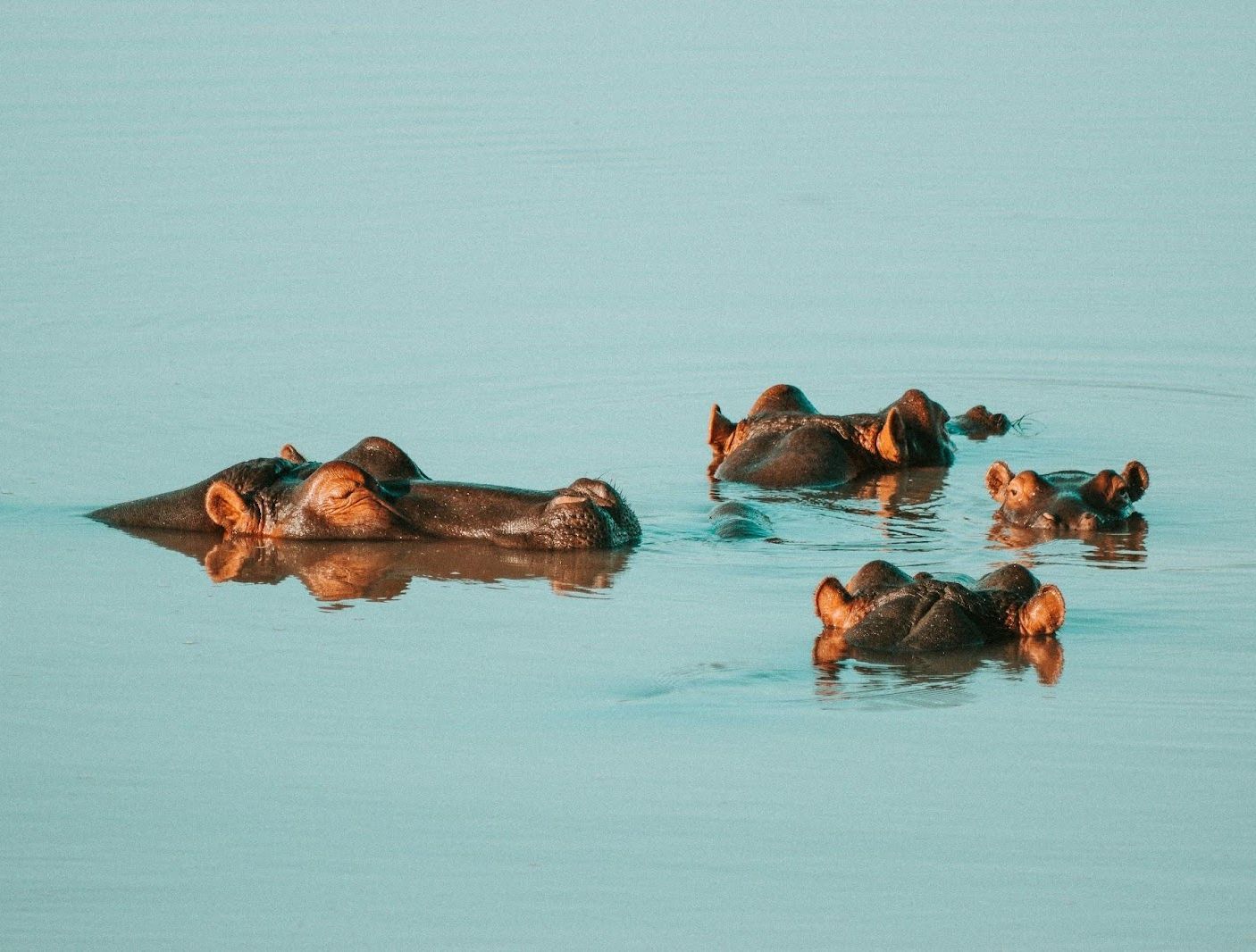
We’re used to seeing hippos covered in mud, splashing in water, or barely peeking above the surface. But here’s a surprise: hippos can’t actually swim! That’s right. Because of their huge, heavy bodies, they don’t float or paddle like most animals. Instead, they walk or run along the riverbed.
Is your brain hungry?
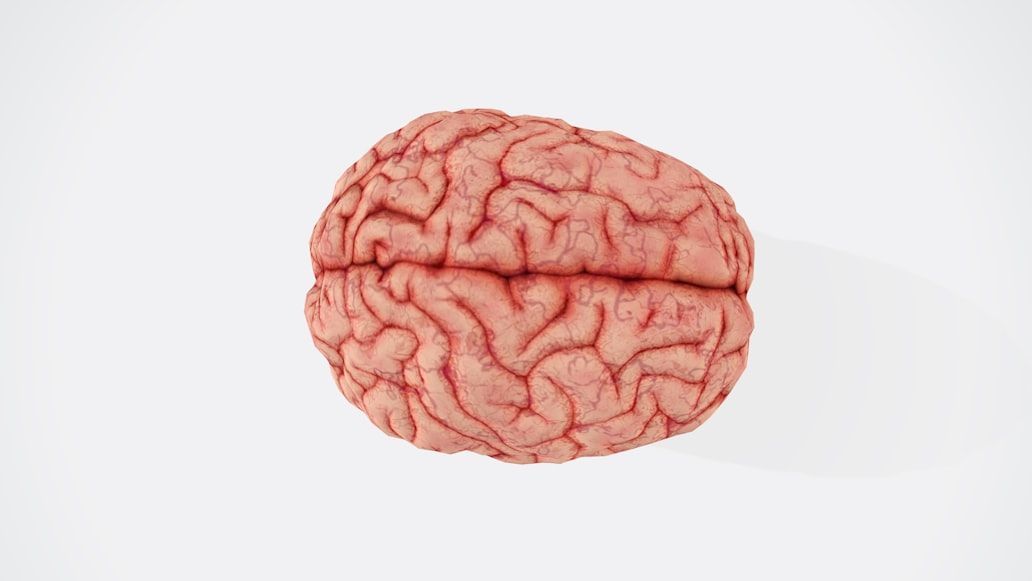
Can your brain really "eat" itself? Well, close, but not exactly. There’s a process called phagocytosis, carried out by specialized immune cells in the brain known as microglia. These cells engulf and remove debris, dead cells, and other unwanted material. But don’t worry; it’s safe! The mechanisms exist to protect, repair, and maintain your brain.