What is a Twix, anyway?

Is the Snickers bar named after an animal? 12 candy names explained


Published on January 12, 2026
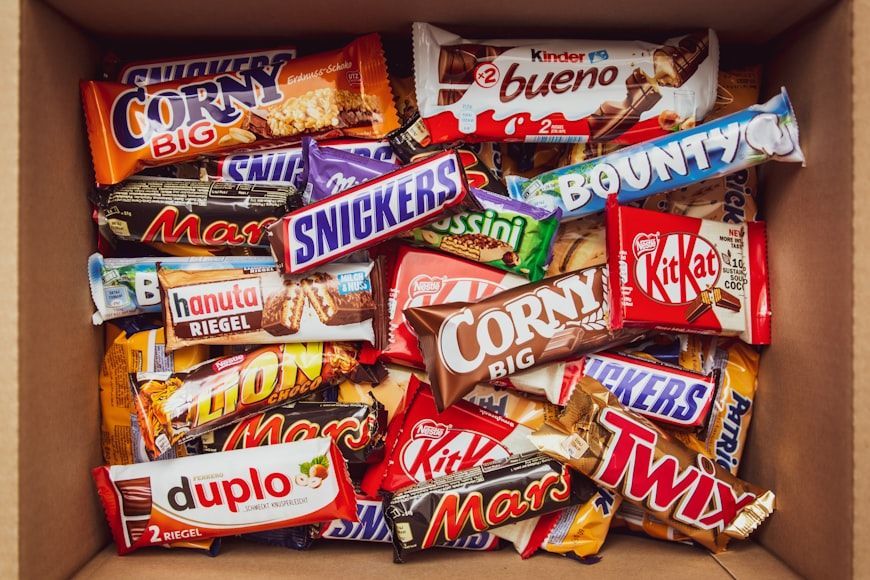

Image: Denny Müller

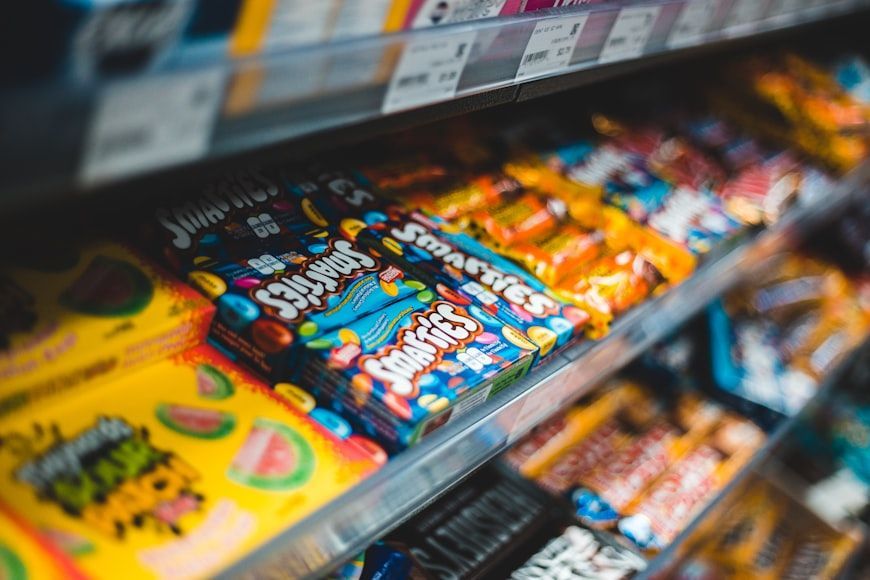
If you have never seen a Reese’s Peanut Butter Cup or an Almond Joy but only read the name, chances are that you would be able to form an idea of the product. But this is not always the case with candies and candy bars. Many of these delicious treats have names that do not seem to have any logical connection with their contents. But they do have it. Take a look at the following 12 famous examples. Did you know about any of these?

1

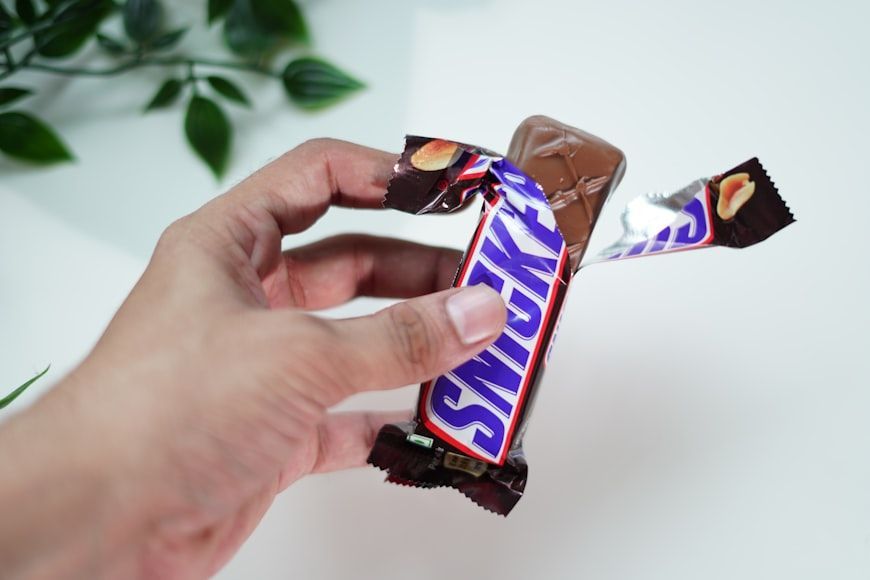
Snickers

Image: Shyam Mishra

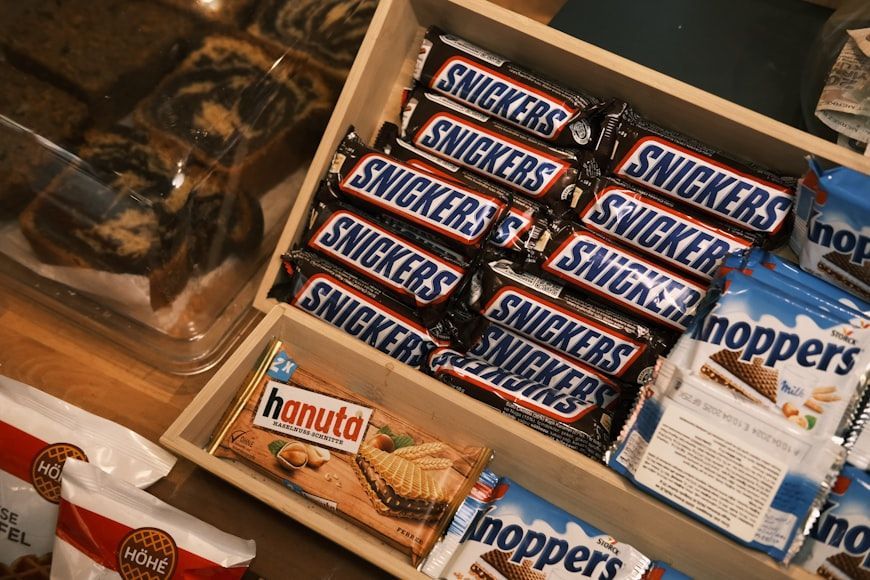
The Snickers bar, introduced by the Mars, Inc. company in 1930, was named after the Mars family's favorite horse. Snickers lived on their farm and was dearly loved.

Sadly, the horse passed away shortly before the candy bar's release, so naming the bar after him served as a tribute to their cherished companion.

2

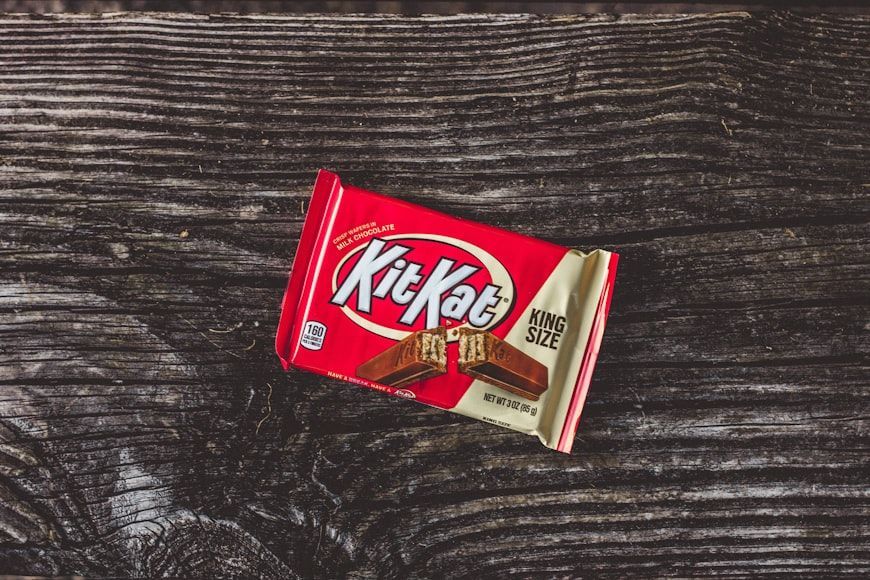
Kit Kat

Image: Justin

The name Kit Kat traces back to the 18th-century Kit-Cat Club in London, which itself was named after Christopher Catling, a pastry chef nicknamed "Kit Cat."

Rowntree's, the company that launched the bar in the 1930s, chose the name to give it a touch of history and sophistication.

3

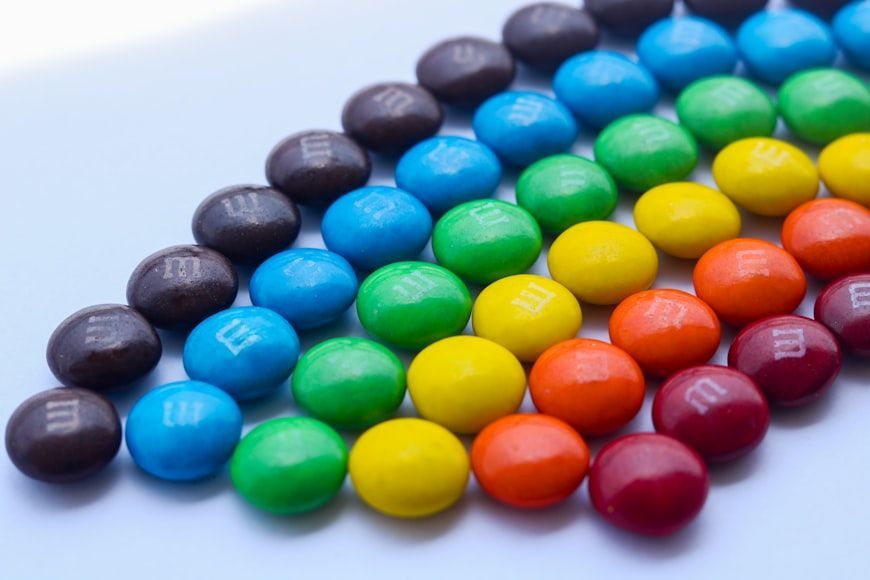
M&M’s

Image: Irfan Zaini

M&M’s stands for Mars and Murrie, the last names of the candy’s creators. Forrest Mars of the Mars Company teamed up with Bruce Murrie, son of Hershey’s president, and the delicious, colorful candies were born.

4

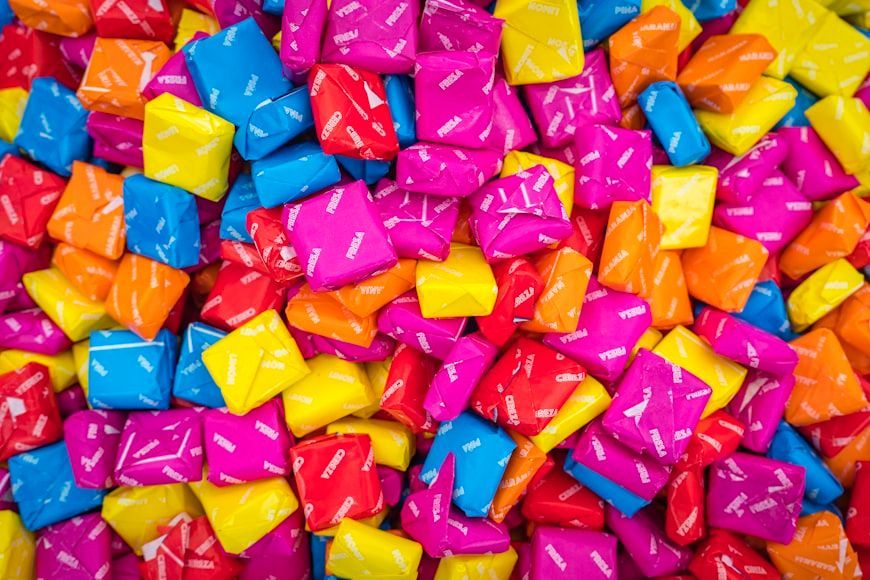
Starburst

Image: Alexander Schimmeck

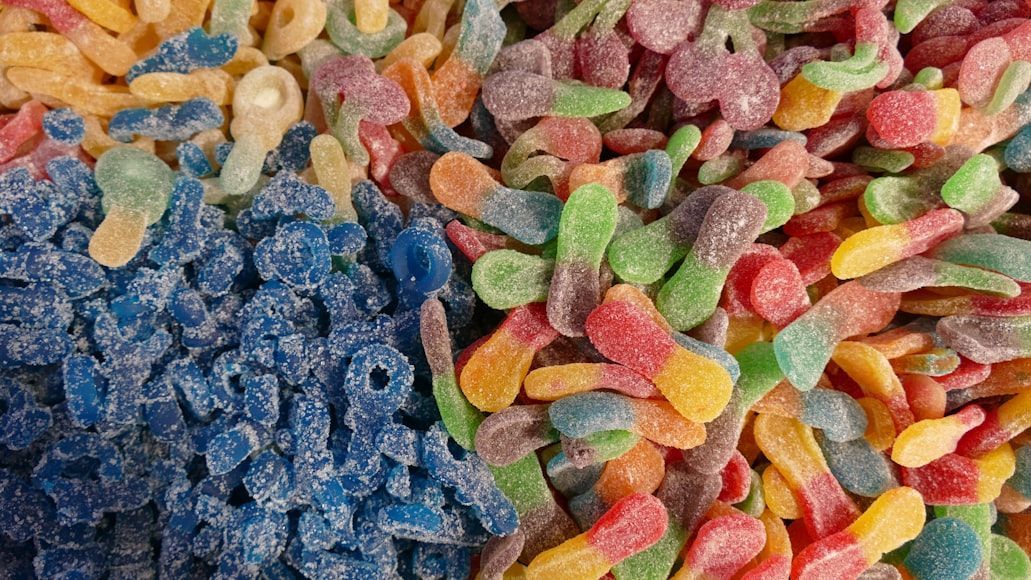
Starburst got its name to reflect the candy’s bold, fruity flavors, like a burst of flavor in every bite.

Originally launched in the UK in 1960 as Opal Fruits, it was renamed Starburst for the U.S. release in 1967, likely to create a more dynamic, space-age image during the height of the space race.

5

Sour Patch Kids

Image: Steffen Rehfuß

Sour Patch Kids were originally called Mars Men when they debuted in the 1970s, playing off the era’s fascination with space.

When introduced in the U.S. in 1985, the name changed to Sour Patch Kids to tap into the Cabbage Patch Kids craze. The new name also highlights the candy’s signature sour-then-sweet taste.

6

3 Musketeers

Image: Cemrecan Yurtman

The 3 Musketeers bar got its name in 1932 from its original trio of flavors: chocolate, strawberry, and vanilla. Each bar came in three separate pieces, echoing the "three" theme.

The name also nodded to the popular novel The Three Musketeers. During World War II, rising costs of sugar and fruit led to the discontinuation of strawberry and vanilla, leaving only chocolate—the version we still enjoy today.

7

Milky Way

Image: Alan Pope

The Milky Way bar was named after a popular malted milk drink from the 1920s, not the galaxy.

The name was meant to suggest a creamy, rich flavor, echoing the appeal of the drink that inspired it.

8

Skittles

Image: Jonathan J. Castellon

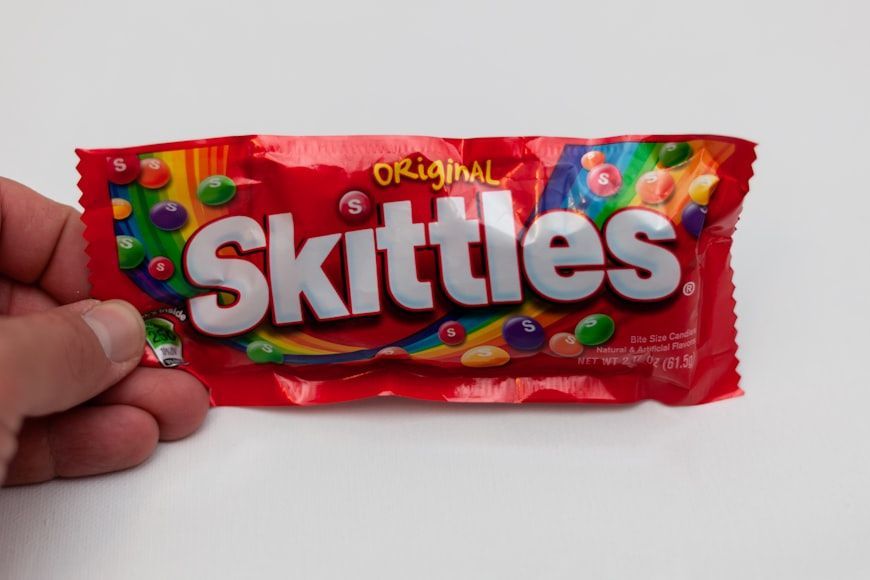
Skittles were named after the old European game of skittles, similar to bowling. The candy's round shape was the connection with the original game.

First produced in the UK in 1974 by a British distributor for Mars, Inc., the name was likely chosen to convey fun and flavor variety.

9

PayDay

Image: Erik Mclean

The PayDay bar got its name because it was first made on—yes, you guessed it—a payday at the Hollywood Candy Company. The timing inspired the name, which stuck.

Introduced in 1932 during the Great Depression, it was marketed as an affordable, energy-packed snack. With its combination of peanuts and caramel, it offered real substance, which can be a metaphor for a little "payday" in candy form.

10

Baby Ruth

Image: Louis Hansel

Anyone would be forgiven for thinking that the Baby Ruth bar was named after baseball legend Babe Ruth—but that’s not the case. The candy does indeed sound like it could honor the sports icon, but the Curtiss Candy Company claimed otherwise.

They stated that it was named after Ruth Cleveland, the daughter of President Grover Cleveland.

11

100 Grand Bar

Image: NATasha Nguyen

The 100 Grand bar was originally called the $100,000 Bar, inspired by quiz shows with big prizes, such as The $64,000 Question.

In the mid-1980s, Nestlé renamed it 100 Grand, likely to ease trademark issues and generate a greater appeal by simplifying the name.

12

Twix

Image: Petr Magera

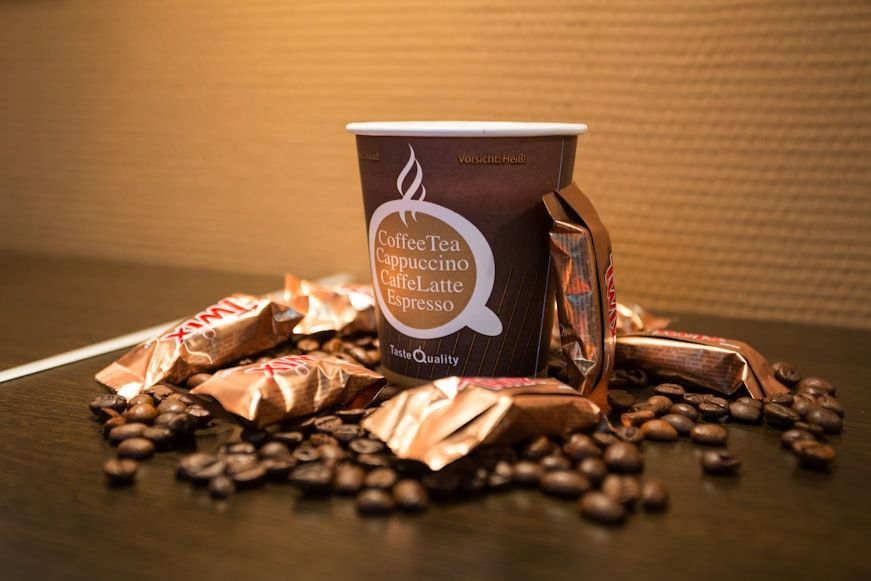
The name Twix is a blend of the words "twin" and "sticks," referring to its two chocolate-covered biscuit bars. It was first released in the UK in 1967 under the name Raider.

When introduced in the U.S. in 1979, the bar was renamed Twix. The twin-bar design later inspired the playful "Left vs. Right Twix" advertising campaign.


A what?

What is the name for the tip of your shoelaces?


Published on January 12, 2026


Image: Joshua Hoehne

While we typically go about life describing the end of our shoelaces as ‘the end of the shoelace’ or the whites of the egg as ‘egg whites’, these things, and many more, have names of their own, even if they are not always widely known or used. Let’s have a look at 11 common things that have proper names, even if no one uses them.

1

The tip of the shoelace

Image: Emilie

The little plastic or metal tip at the end of shoelaces or drawstrings is there to prevent the fibres from fraying, and to make it easier to pass the lace or drawstring through a hole. Its proper name is ‘aglet’, from the French aguillette, meaning ‘needle’, a reference to its use in helping to thread the string through the hole.

2

The metal band on the end of a pencil

Image: Kim Leary

Erasers at the end of wooden pencils are not usually glued together, but they are instead held together by a little metal band. This band is called a ‘ferrule’—from Medieval Latin viriola or ‘little bracelet’—and the term can be used for any metal band that strengthens or fastens a joint, such as those used in handles, to hold brush bristles, or to secure a connection between two cables.

3

The little plastic table on the pizza

Image: 4028mdk09, CC BY-SA 3.0, via Wikimedia Commons

The ‘little plastic table on the pizza’ is quite a long name for something aptly named ‘pizza saver’, but no one seems to really care. It was invented in 1974 by an Argentine pizza maker, who named it SEPI or separador de pizza (‘pizza separator’). In America, it was patented as a ‘package saver’ in 1985, though it was later renamed ‘pizza saver’.

4

The division sign

Image: Nathan Dumlao

Most mathematical symbols have proper names that are not regularly used, and the division sign is no exception. It was officially introduced into mathematics as a symbol of division in 1659 by the Swiss mathematician Johann Rahn in his influential work Teutsche Algebra. This sign is called an ‘obelus’, from the Greek obelos, meaning ‘sharpened stick’ or ‘skewer’, as it was initially used as a pointer for questionable passages in a text.

5

The coffee cardboard sleeve

Image: Truong Tuyet Ly

Paper cups and their corresponding cardboard sleeves to protect our hands from the heat or the cold are relatively new, but their proper names are not—at least, the name for the cardboard sleeve. This holder is called a ‘zarf’, an Arabic (zuruuf) and Turkish (zarflar) word used for ornamented cup holders, usually made from metal. The materials and the details of the zarf have changed, but the purpose still remains.

6

The armhole in clothes

Image: Liana S

Do we need a more technical term than ‘armhole’ for a hole meant for an arm to go through? Maybe not, but the technical term still exists. An ‘armscye’ (pronounced arm-sigh) is the proper term used in sewing and patterns to describe the opening on a garment where the sleeve is attached. The word is a compound of ‘arm’ + scye, a Scots word meaning ‘opening’. So, in the end, ‘armscye’ just means ‘armhole’.

7

The railing and pillars on a staircase

Image: Serhat Beyazkaya

We often use the words ‘railing’ or ‘handrail’ when talking about a staircase, but these terms only describe the top portion of it, not the pillars that support the handrail. The pillars and the rail altogether are called a ‘banister’, a corruption of the word baluster, derived from the Italian balaustro. The term originally was used for the pillars, but eventually came to mean the entire structure.

8

The foam on alcoholic beverages

Image: engin akyurt

Not all beverage foams are equal. The foam on top of alcoholic beverages, in particular, is called ‘barm’, a term derived from Old English beorma, meaning ‘yeast’ or ‘leaven’, and it's mainly used for the effervescence of fermented liquors such as beer, ale, or wine.

9

The whites of the egg

Image: sanjoy saha

Did you know that the white (or clear) part of the egg is called the ‘albumen’? The term entered English as a loan from Latin, where _albumen_—from albus, ‘white’—was used in the same way. Though it is not widely used in everyday life, it’s still the correct term for that part of the egg.

10

The dot on the j and the i

Image: Marcel Eberle

As a rule of thumb, you should always assume that all marks, symbols, and strokes in calligraphy have a proper name, even if it's not often used. When it comes to the lowercase letters ‘j’ and ‘i ’, the little dot on top is not a dot, but a ‘tittle’. This name comes from the Latin _titulus_—meaning ‘title’, ‘inscription’, or ‘small mark’—and was initially used by scribes to distinguish these letters in their cramped writing.

11

The ‘you are here’ pointer on a map

Image: Fallon Michael

If you ever got lost in the mall or the museum, you must have come across a map that marked your location using an arrow or a pointer, usually accompanied by the phrase ‘you are here’. Well, that pointer is called an ‘ideolocator’, a combination of the Greek idea, a ‘mental image, concept, or visual representation’ (in this case, the pointer), and the Latin locatus, meaning ‘to place’ (the specific location on the map). For the sake of convenience, we will keep calling it the ‘you are here’ sign.

Looking for an extra scoop of literary fun?

Learn more with our Word of the day

disparity

/dəˈspɛrədi/