What is a Twix, anyway?

Is the Snickers bar named after an animal? 12 candy names explained


Published on January 12, 2026


Credit: Denny Müller

If you have never seen a Reese’s Peanut Butter Cup or an Almond Joy but only read the name, chances are that you would be able to form an idea of the product. But this is not always the case with candies and candy bars. Many of these delicious treats have names that do not seem to have any logical connection with their contents. But they do have it. Take a look at the following 12 famous examples. Did you know about any of these?

1

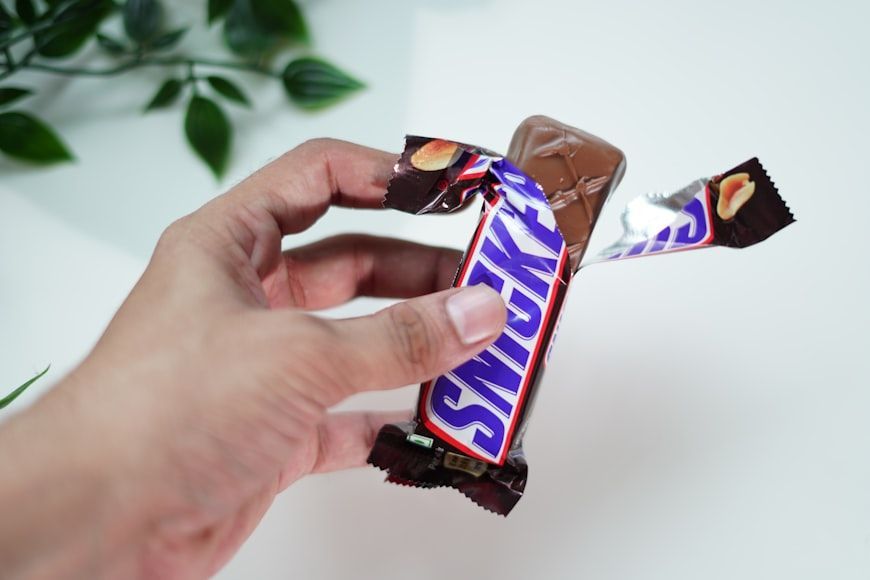
Snickers

Credit: Shyam Mishra

The Snickers bar, introduced by the Mars, Inc. company in 1930, was named after the Mars family's favorite horse. Snickers lived on their farm and was dearly loved.

Sadly, the horse passed away shortly before the candy bar's release, so naming the bar after him served as a tribute to their cherished companion.

2

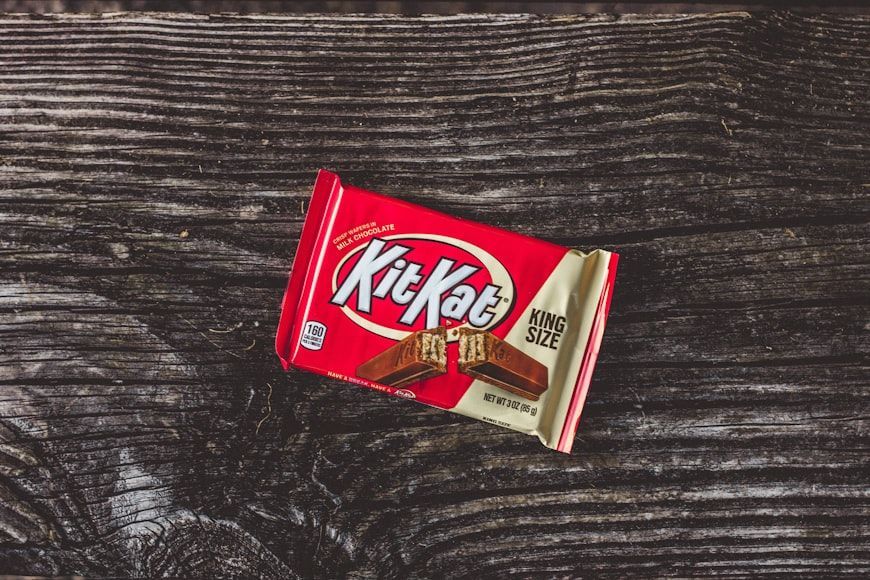
Kit Kat

Credit: Justin

The name Kit Kat traces back to the 18th-century Kit-Cat Club in London, which itself was named after Christopher Catling, a pastry chef nicknamed "Kit Cat."

Rowntree's, the company that launched the bar in the 1930s, chose the name to give it a touch of history and sophistication.

3

M&M’s

Credit: Irfan Zaini

M&M’s stands for Mars and Murrie, the last names of the candy’s creators. Forrest Mars of the Mars Company teamed up with Bruce Murrie, son of Hershey’s president, and the delicious, colorful candies were born.

4

Starburst

Credit: Alexander Schimmeck

Starburst got its name to reflect the candy’s bold, fruity flavors, like a burst of flavor in every bite.

Originally launched in the UK in 1960 as Opal Fruits, it was renamed Starburst for the U.S. release in 1967, likely to create a more dynamic, space-age image during the height of the space race.

5

Sour Patch Kids

Credit: Steffen Rehfuß

Sour Patch Kids were originally called Mars Men when they debuted in the 1970s, playing off the era’s fascination with space.

When introduced in the U.S. in 1985, the name changed to Sour Patch Kids to tap into the Cabbage Patch Kids craze. The new name also highlights the candy’s signature sour-then-sweet taste.

6

3 Musketeers

Credit: Cemrecan Yurtman

The 3 Musketeers bar got its name in 1932 from its original trio of flavors: chocolate, strawberry, and vanilla. Each bar came in three separate pieces, echoing the "three" theme.

The name also nodded to the popular novel The Three Musketeers. During World War II, rising costs of sugar and fruit led to the discontinuation of strawberry and vanilla, leaving only chocolate—the version we still enjoy today.

7

Milky Way

Credit: Alan Pope

The Milky Way bar was named after a popular malted milk drink from the 1920s, not the galaxy.

The name was meant to suggest a creamy, rich flavor, echoing the appeal of the drink that inspired it.

8

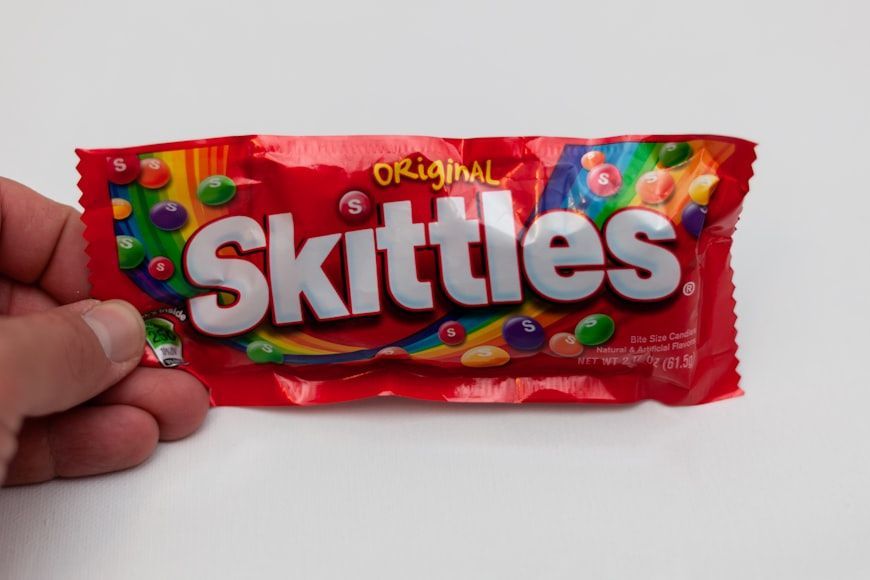
Skittles

Credit: Jonathan J. Castellon

Skittles were named after the old European game of skittles, similar to bowling. The candy's round shape was the connection with the original game.

First produced in the UK in 1974 by a British distributor for Mars, Inc., the name was likely chosen to convey fun and flavor variety.

9

PayDay

Credit: Erik Mclean

The PayDay bar got its name because it was first made on—yes, you guessed it—a payday at the Hollywood Candy Company. The timing inspired the name, which stuck.

Introduced in 1932 during the Great Depression, it was marketed as an affordable, energy-packed snack. With its combination of peanuts and caramel, it offered real substance, which can be a metaphor for a little "payday" in candy form.

10

Baby Ruth

Credit: Louis Hansel

Anyone would be forgiven for thinking that the Baby Ruth bar was named after baseball legend Babe Ruth—but that’s not the case. The candy does indeed sound like it could honor the sports icon, but the Curtiss Candy Company claimed otherwise.

They stated that it was named after Ruth Cleveland, the daughter of President Grover Cleveland.

11

100 Grand Bar

Credit: NATasha Nguyen

The 100 Grand bar was originally called the $100,000 Bar, inspired by quiz shows with big prizes, such as The $64,000 Question.

In the mid-1980s, Nestlé renamed it 100 Grand, likely to ease trademark issues and generate a greater appeal by simplifying the name.

12

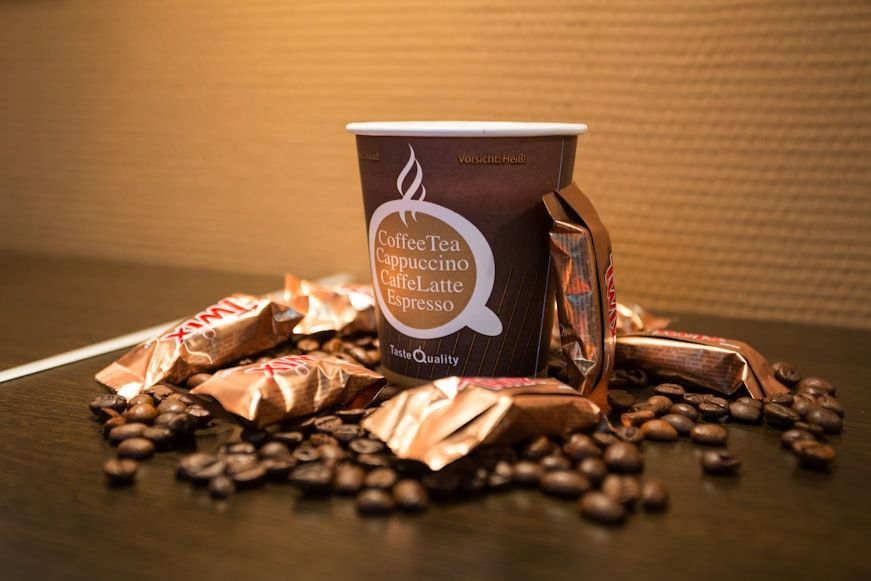
Twix

Credit: Petr Magera

The name Twix is a blend of the words "twin" and "sticks," referring to its two chocolate-covered biscuit bars. It was first released in the UK in 1967 under the name Raider.

When introduced in the U.S. in 1979, the bar was renamed Twix. The twin-bar design later inspired the playful "Left vs. Right Twix" advertising campaign.


Red flags

10 signs your home might be in need of urgent maintenance


Published on January 12, 2026


Credit: Roselyn Tirado

The upkeep of a house is never fun—no one wants to spend their hard-earned money and entire weekends fixing what seems like a minor issue. As the saying goes, you’ve got to fix the roof while the sun is shining. Ignoring small problems can lead to far more serious issues down the road, which will certainly cost you a lot more time and money. Identifying the signs early can help prevent major headaches. Here are 10 red flags you should never ignore when it comes to your home.

1

Cracks in Walls

Credit: Mick Haupt

While most cracks are normal and largely harmless—you can often plaster and paint over them yourself—cracks wider than 1/8 inch may indicate foundation movement or structural issues, especially if the crack is visible both inside and outside your home. Location matters too—cracks in load-bearing walls are particularly concerning, so be sure to inspect your basement as well.

If left untreated, foundation problems can open a Pandora’s box of issues and may even lead to structural failure; therefore, it’s essential not to ignore them. Depending on where you live, it’s wise to hire a professional familiar with the area, as the type of soil beneath your foundation may require specialized solutions.

2

Leaky Roof

Credit: Geetanjal Khanna

Leaky roofs can result from damaged shingles, cracked flashing, or improperly installed gutters, but this is something you definitely don’t want to sleep on. Water intrusion is a home’s worst enemy. Not only does it cause unsightly stains, but it can also weaken the entire structure of the home over time.

To make matters worse, depending on the materials your house is made of, water damage can lead to electrical issues, loss of insulation, and problems like rot or mold. Regular roof inspections can help you tackle repairs in time, save money, and keep you and your family safe, especially if you live in an area prone to storms or strong winds.

3

Flickering Lights

Credit: Steven Haddock

Unless a ghost is messing with you, flickering lights are often a symptom of more serious electrical problems, such as overloaded circuits or faulty wiring. On the bright side, loose connections at switches or light fixtures can also be the culprit—sometimes, it’s as simple as tightening a wire or replacing a worn-out component.

However, if the flickering happens frequently or in multiple rooms, don’t hesitate to call a licensed electrician. According to the Electrical Safety Foundation International (ESFI), faulty wiring is a leading cause of house fires, responsible for more than 51,000 fires each year in the U.S. alone.

4

Slow Drains

Credit: Victoria Kure-Wu

Have you noticed that a drain isn’t working as fast as it used to? In most cases, slow drains are caused by hair, soap scum, or grease buildup, but they can also signal a more serious blockage in the main sewer line. Tree roots often infiltrate older pipes, particularly in homes with clay or cast iron plumbing, which can lead to costly repairs if not addressed early.

To unclog a slow drain—and determine whether a bigger fix might be needed—you can try a commercial drain cleaner (used with caution), or go the DIY route with a mixture of equal parts vinegar and baking soda. Pour it down the drain as it starts to fizz, let it sit for a couple of hours, then flush with hot water. Keep in mind that this method works best for minor clogs and surface buildup.

5

Sagging Floors

Credit: Francisco Galarza

It should go without saying, but floors are just as important as roofs. Sagging or uneven floors often indicate problems with the home’s structural support system, such as rotting joists or a settling foundation. Causes range from moisture damage and termite infestation to poor construction practices.

Older homes may be especially vulnerable to these issues due to outdated building techniques or the effects of long-term wear and tear. The problem is that sagging or uneven floors can place additional stress on other structural elements, and even put your house at risk of collapsing.

6

Peeling Paint

Credit: Michael Hamments

Paint that peels, blisters, or cracks is one of the most common telltale signs of moisture infiltration in your walls. A variety of issues can cause this, so don’t panic. Sometimes it’s just a hidden leak or a case of poor ventilation, and minor fixes can often resolve the issue.

That said, don’t ignore it—especially if it recurs or spreads. When moisture gets trapped behind paint, it can weaken the wall’s structure and promote the growth of mold and mildew, which may lead to serious health problems over time. Excess wall moisture can also reduce your home’s insulation efficiency.

7

High Energy Bills

Credit: Thomas Kelley

Has your energy bill spiked unexpectedly in recent months? If so, you might be dealing with an insulation problem. Damage from moisture, pests, or general wear and tear can all reduce your home’s insulation efficiency. However, before replacing all the insulation, it’s important to identify the source of the problem.

Common culprits include the attic, damaged walls, and gaps around windows and doors. An aging HVAC system may also contribute to inefficiency. Investing in better insulation might seem like an unnecessary expense, but consider this: without proper insulation, you’ll end up paying more in energy bills while still dealing with the discomfort of a poorly insulated home. According to the U.S. Department of Energy, proper insulation can reduce heating and cooling costs by up to 15%.

8

Pests Indoors

Credit: Ante Hamersmit

Rodents, termites, or ants in your home are more than just unwanted guests—they can cause serious damage. Mice and rats chew through wiring, increasing the risk of fire, while termites can silently destroy wooden structures. More often than not, their presence is a symptom of larger issues, such as cracks in foundations or unseen gaps around doors and windows.

Sealing these entry points and addressing the issue promptly is key to preventing larger infestations and costly structural damage. The National Pest Management Association estimates that termites alone cause over $5 billion in property damage each year.

9

Frequent Circuit Breaker Trips

Credit: Troy Bridges

Circuit breakers are designed to protect your home from electrical overloads, which could otherwise lead to fires. If your breaker trips frequently, it may be a sign of outdated wiring, undersized circuits, or malfunctioning appliances. Older homes are particularly vulnerable, as their electrical systems weren’t built to support today’s energy demands.

Unless you're a certified electrician, avoid trying to fix the issue yourself—call a licensed professional instead. Electrical panels contain many hidden dangers, especially in homes with faulty or aging wiring. A poor installation can make things even worse. The last thing you want is to accidentally electrify your water pipes!

10

Water in the Basement

Credit: Saara Sanamo

Water in the basement is often a sign of poor drainage or foundation leaks. A properly graded yard and functioning gutters should direct water away from your home. Without these, water can seep into basements, causing mold growth, wood rot, and even foundation cracks over time.

According to the Federal Emergency Management Agency (FEMA), even an inch of water in a basement can cause over $25,000 in damage! Installing sump pumps or addressing drainage issues promptly can help prevent flooding and costly repairs down the line.

Looking for an extra scoop of literary fun?

Learn more with our Word of the day

kindred

/ˈkɪndrəd/