Money can't buy happiness... or can it?
Is it just me, or are grocery packages getting smaller?
Published on November 14, 2026
Everything costs money, but do we really spend it the way we want to? Are we always in control of our wallets? We've probably noticed some of these 10 pricing tricks before, but never knew they had a name or understood exactly how they worked. From grocery shopping to everyday purchases, these strategies are everywhere. So, how many of these money terms do you recognize from your daily life?
Shrinkflation: Same price, smaller bag
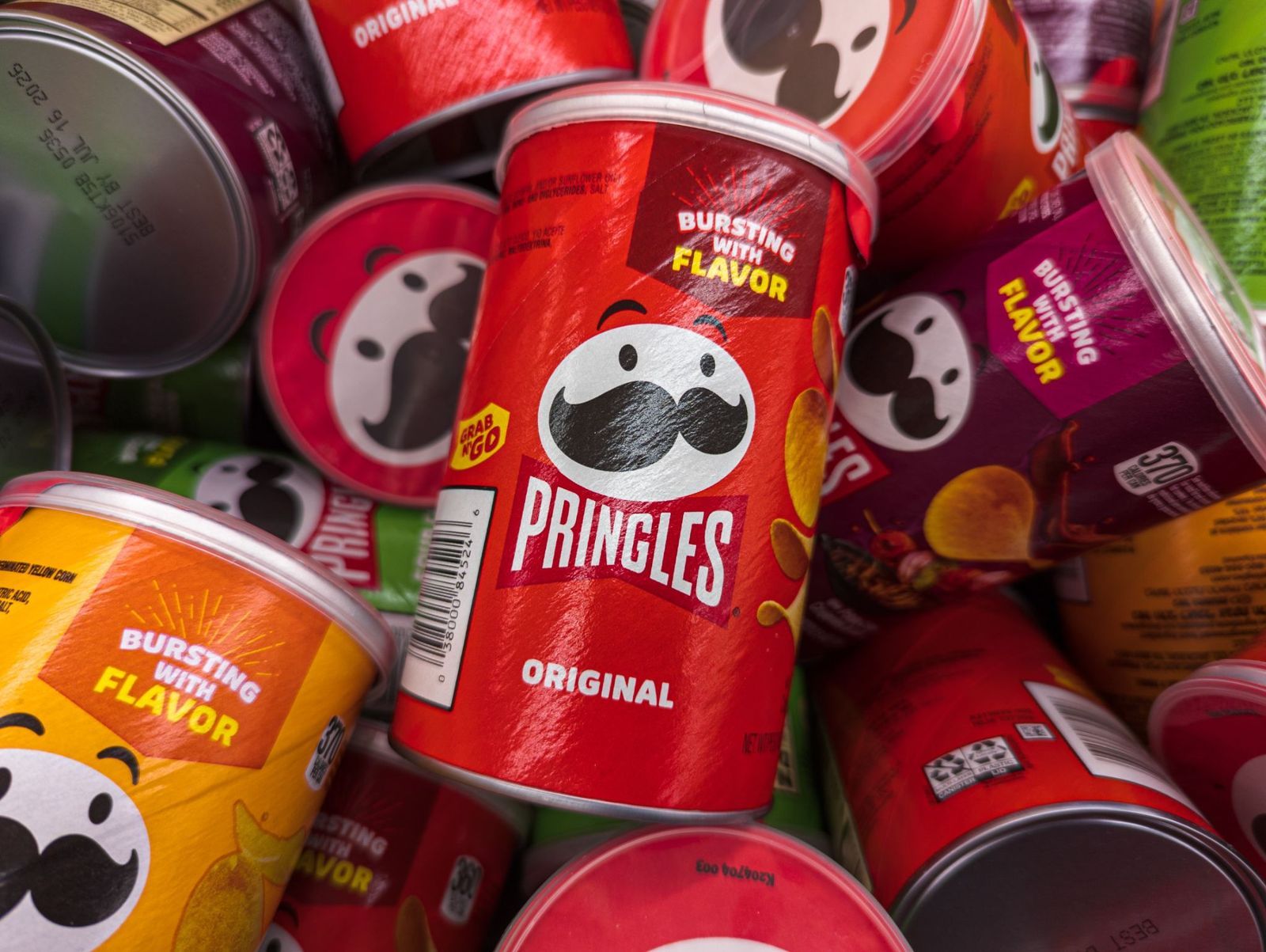
The word "shrinkflation" joins two words: shrink and inflation. It describes what happens when a product gets smaller, but the price stays the same, or even goes up. We've all noticed it at least once: you pay the same amount, but get fewer chips, less cereal, less juice, or a thinner chocolate bar.
Companies do this when costs grow. And it works, because a smaller package is always harder to notice than a higher price. Although the box looks the same, the printed weight gets lower.
Decoy pricing: The medium popcorn trap
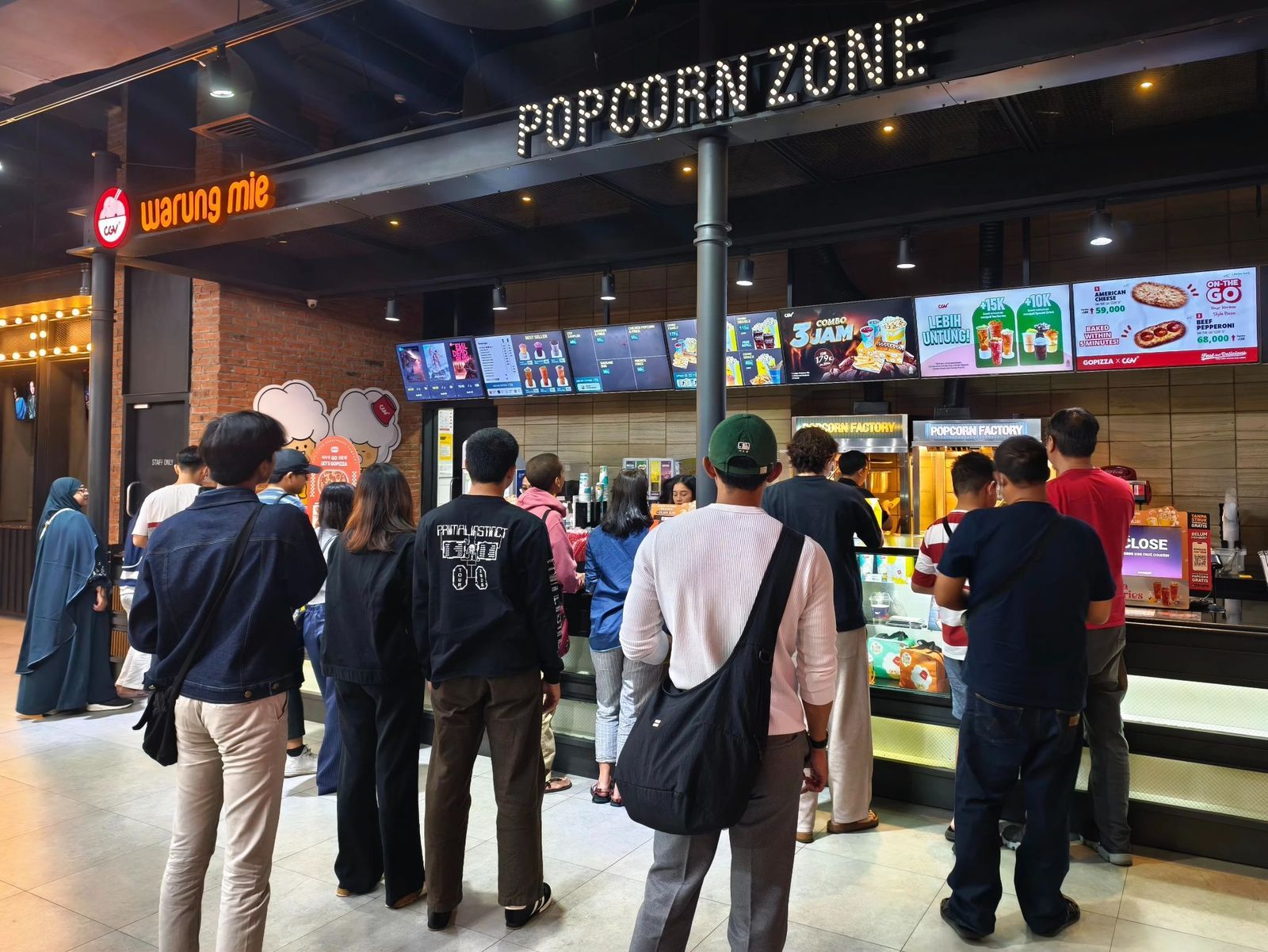
"Decoy pricing" or "decoy effect" means adding a third option that nobody is supposed to buy, to make another option look like a better deal. Movie theaters are the classic example. When the small popcorn costs $3 and the large costs $7, most people buy the small one. But then the theatre adds a medium for $6.50. Now the large one costs only $0.50 more than the medium, so many people choose large. The medium one is the decoy.
Decoys are everywhere: in coffee sizes, magazine subscriptions, phone plans, and online services with three price levels. In most cases, the middle or the top option is the one the seller wants us to pick.
Charm pricing: The magic of $9.99
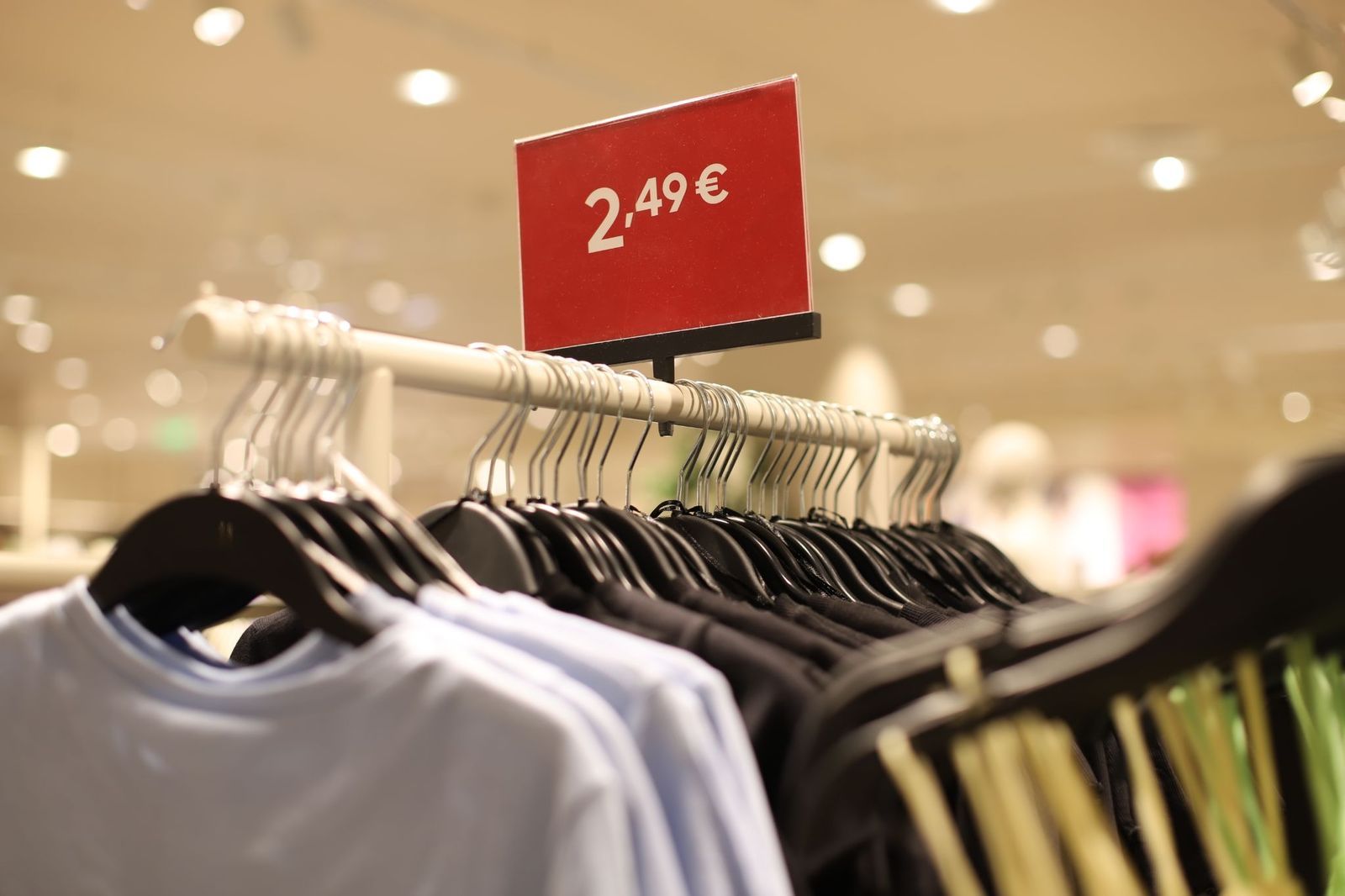
You may have already noticed this trick everywhere. We can spot "charm pricing" every time a price ends in 9, 99, or 95. When we want to buy a shirt, it costs $19.99 instead of $20. The difference is only one cent, but $19.99 feels much cheaper because we read prices from left to right and pay the most attention to the first number. So $19.99 feels closer to $19 than to $20.
Round prices, like $100, often make a product look more elegant or expensive, so luxury stores tend to use them instead.
Price anchoring: Why the first number sticks
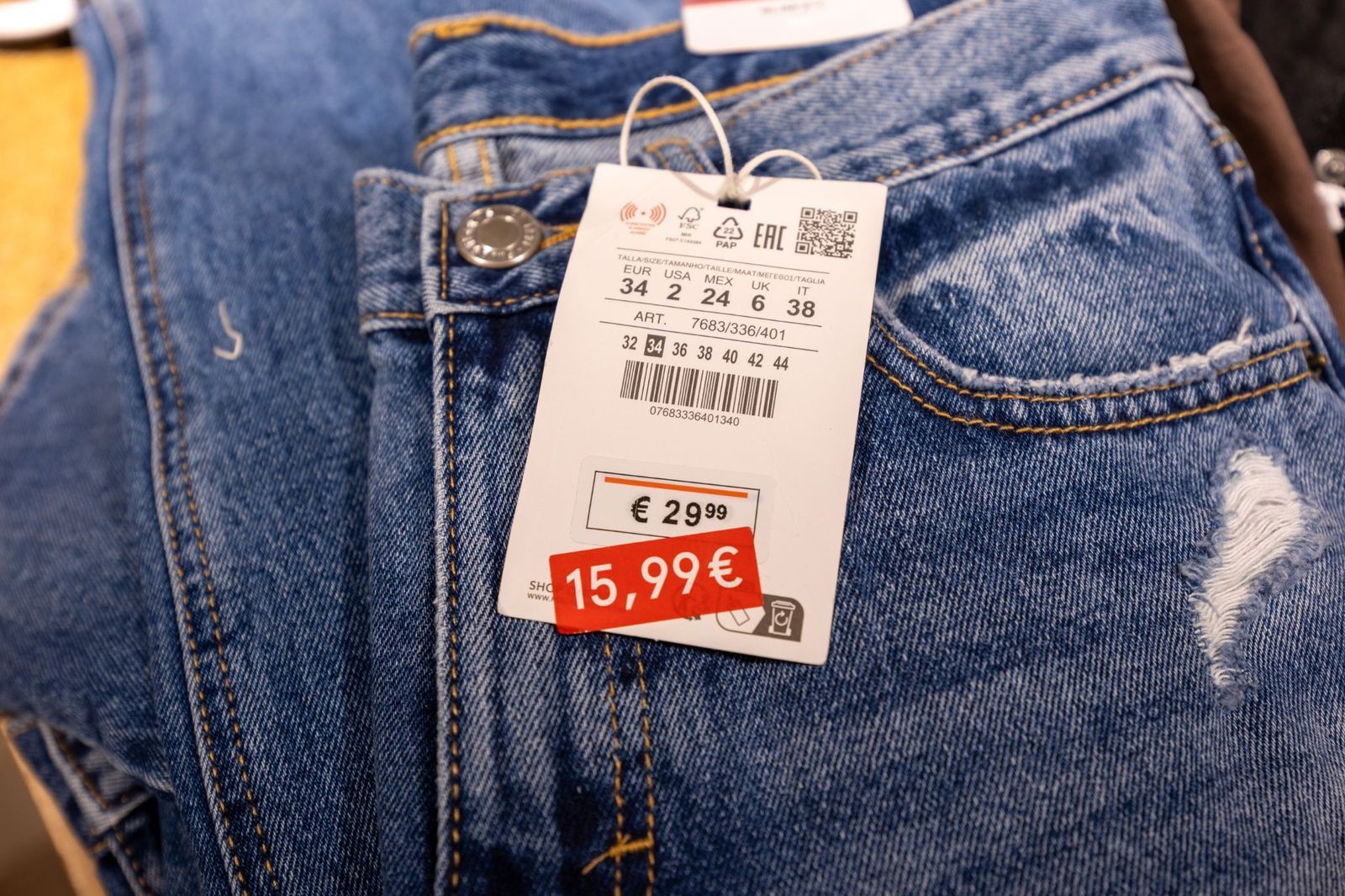
"Price anchoring" is our habit of trusting the first price we see. That first number becomes our point of comparison: we judge every other price against it, even if the first number was already far too expensive.
When a tag shows an old price of $120 crossed out and a new price of $55, the $55 looks like a great deal because we compare it to $120, not to what the item is really worth (or to how much we can actually spend on it).
Pain of paying: Why cash hurts more than plastic
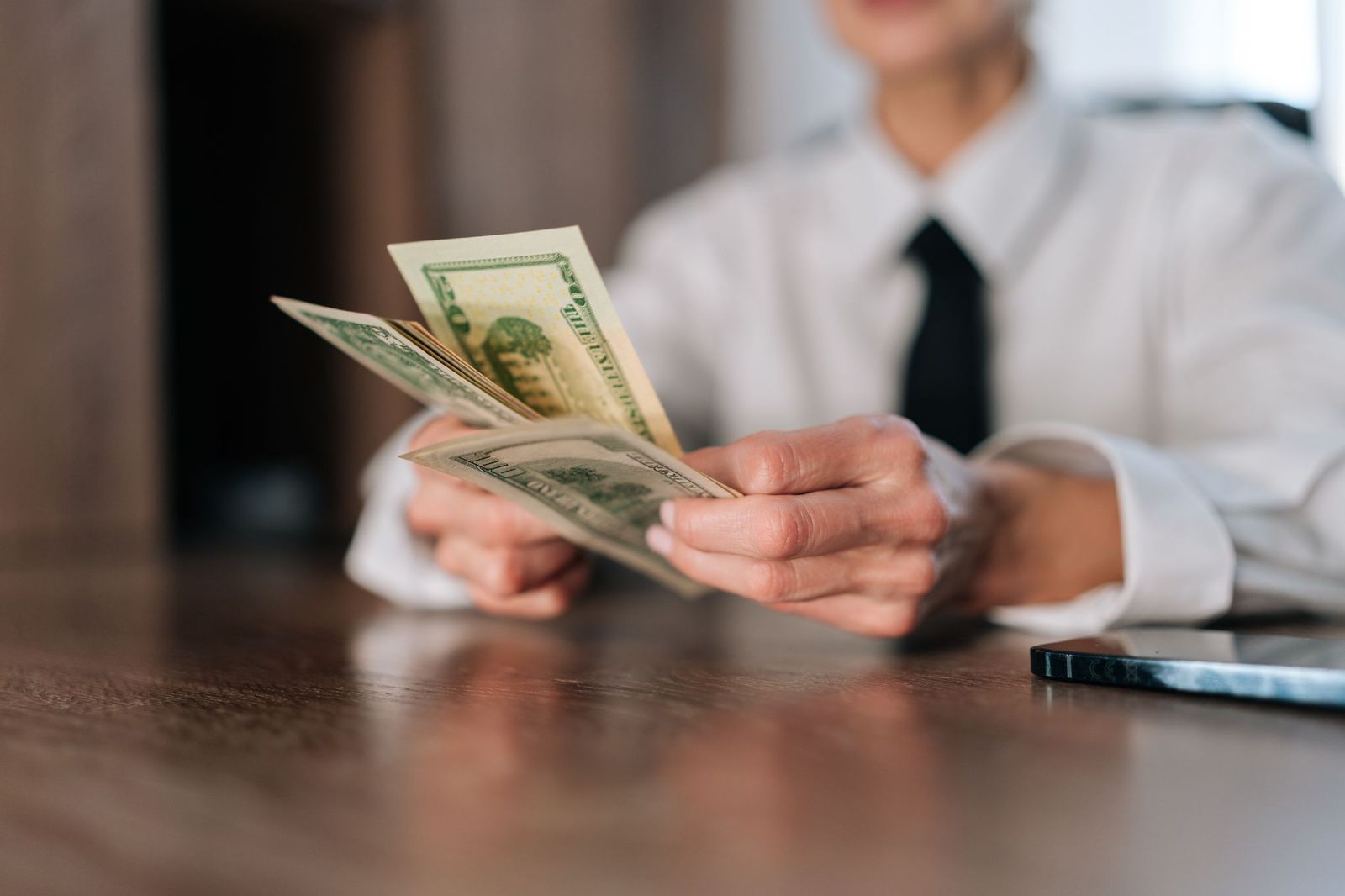
The "pain of paying" is the discomfort we feel when money leaves our hands. This discomfort appears when we pay with cash. With a credit card, we pay later, and nothing literally leaves our wallet.
Studies even say people pay much more for the same item when they use a card. This explains why cards, payments done over the phone, and "buy now, pay later" offers make shopping feel easier. People who understand this trick pay with cash on purpose, because feeling the pain helps them spend less.
The Diderot effect: One new thing leads to another

This term comes from Denis Diderot, an 18th-century French writer. In the 1760s, a friend gave him a new robe, and Diderot soon realized his old furniture looked poor next to it. So he replaced his furniture to match it. In the end, he was in debt. He wrote a short essay about this, and his story gave the habit its name.
The "Diderot effect" describes how one new purchase can lead to many others. The new item makes the things around it look old, and we develop the need to replace them too. We tend to see this more often in home decoration, fashion, and technology. You buy a new sofa, and then the rug, the lamp, and the curtains suddenly look old. Or you buy a new phone, and now you want the matching watch, headphones, and case.
The lipstick effect: Small splurges in hard times
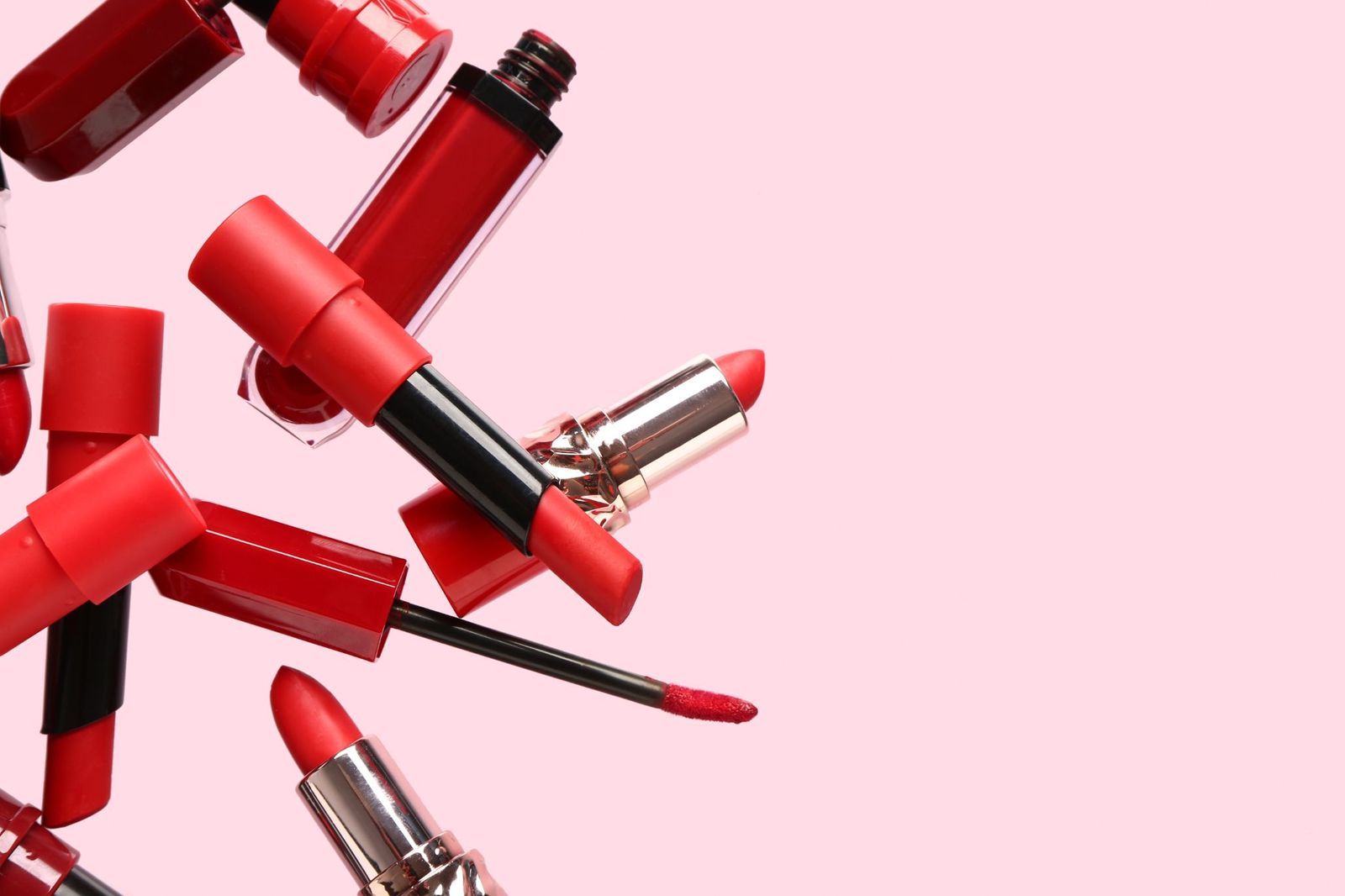
When money is tight, many people stop buying big luxury items, like designer coats or expensive trips. But since they still want to treat themselves, they buy small, cheaper treats instead, like a new beauty product. This is called the "lipstick effect."
The name comes from the beauty industry: lipstick sales tend to grow when the economy goes down. The same process applies to any small luxury people buy during hard times. It could be fancy coffee, movie tickets, or anything that causes a quick emotional boost.
Mental accounting: Why a tax refund feels like free money
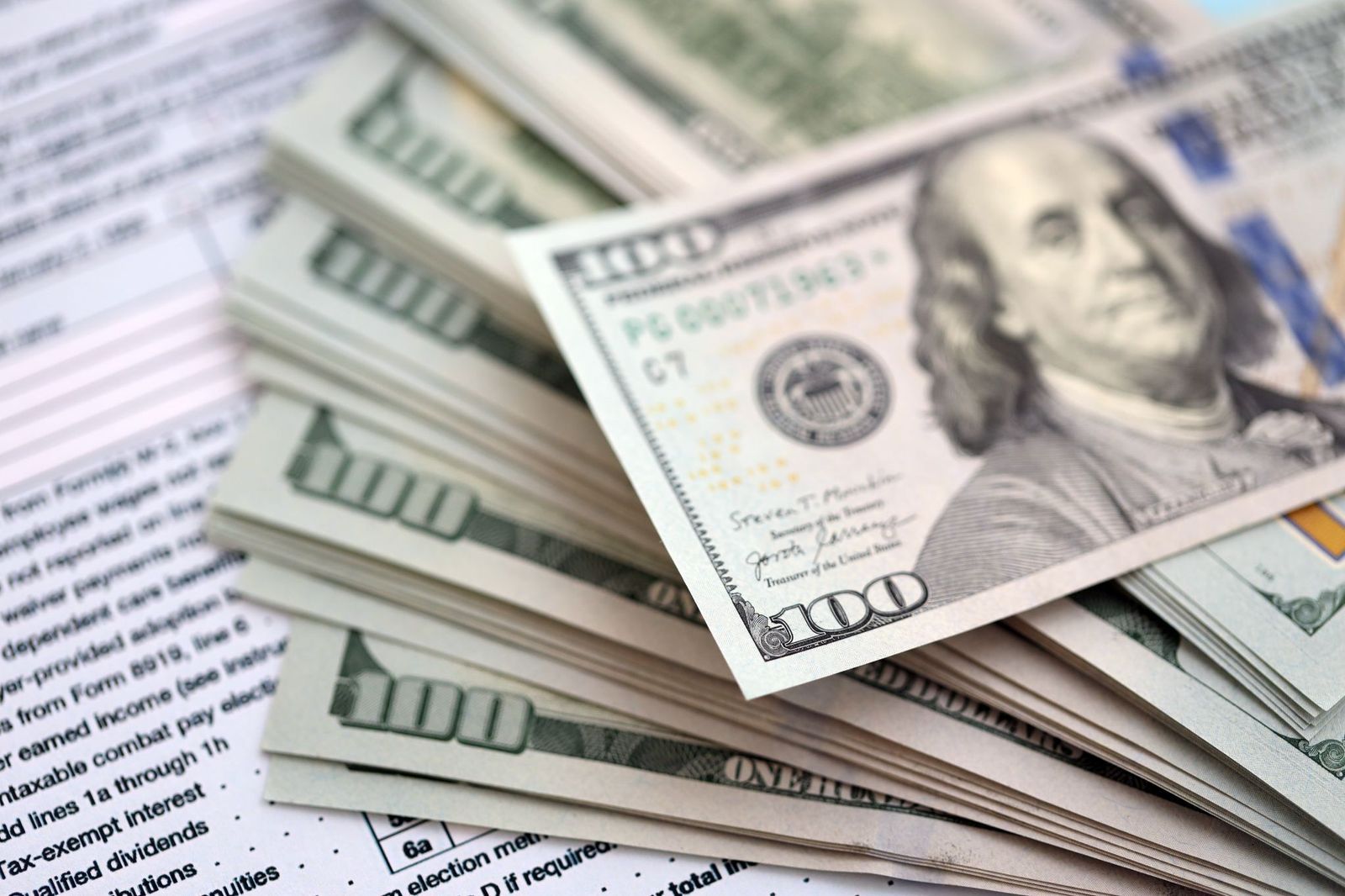
We use "mental accounting" when we put our money into separate groups in our head. One group is for rent, another for food, another for fun, another for unforeseen events. In theory, a dollar is a dollar, no matter where it comes from. But in practice, we treat money differently depending on its source and its label.
Money we earn from work feels serious, so we treat it carefully. But money that arrives as a surprise feels lighter, so we spend it faster. In tax season, people often see a tax refund as a bonus and spend it on extras, and the same happens with work bonuses and gifts.
Veblen goods: When a higher price sells more
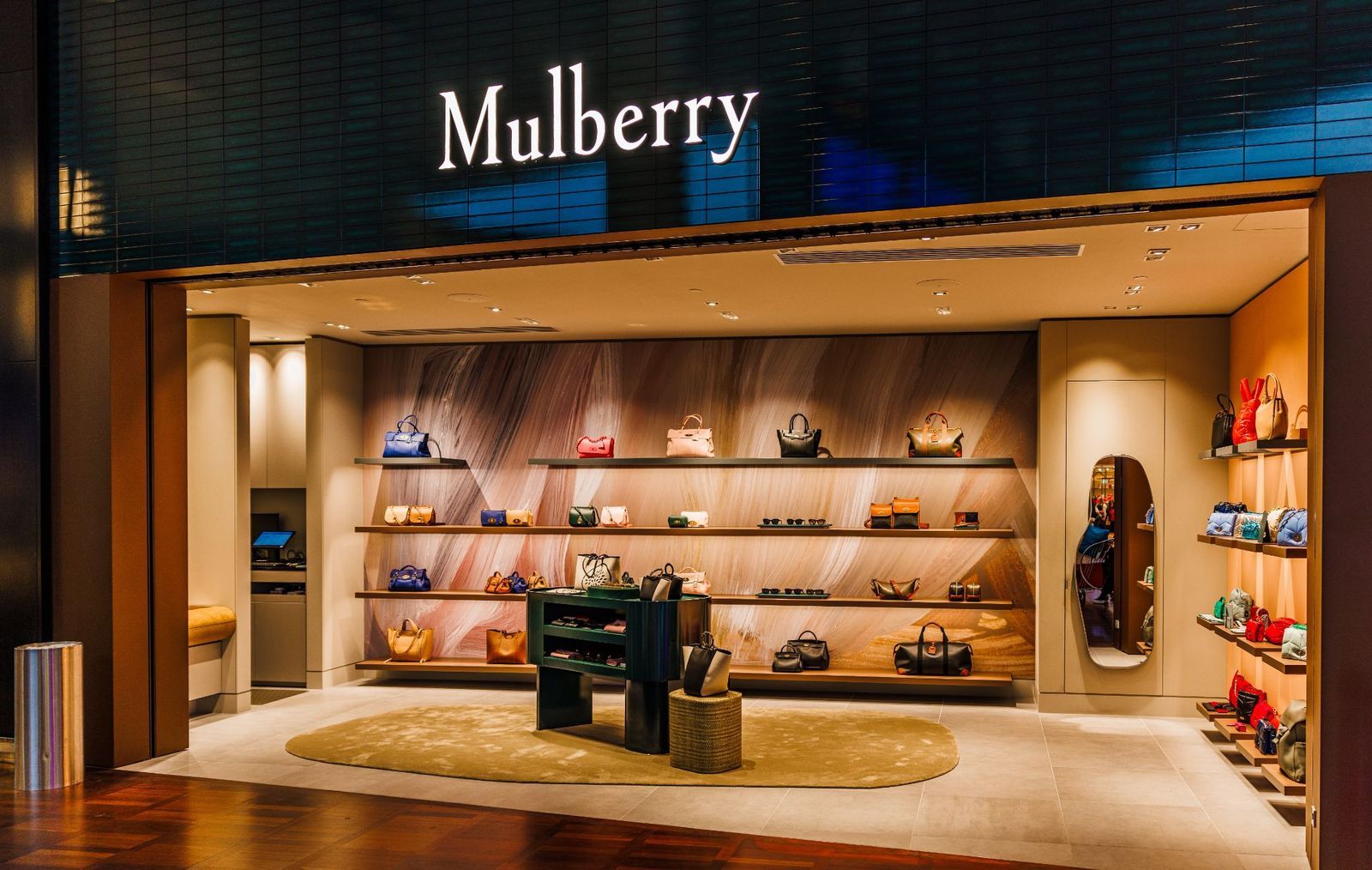
Most of the time, fewer people buy an item when its price goes up, but "Veblen goods" break this rule. For these products, a higher price makes people want them more. The high price is actually part of what they are buying.
Thorstein Veblen was an American economist who called this "conspicuous consumption," the act of spending in a visible way: like luxury watches, designer handbags, rare wines, and sports cars. If a fancy brand cut its handbag price in half, some buyers would lose interest; the bag would no longer show that they can afford something expensive.
Doom spending: The newest money slang on the block
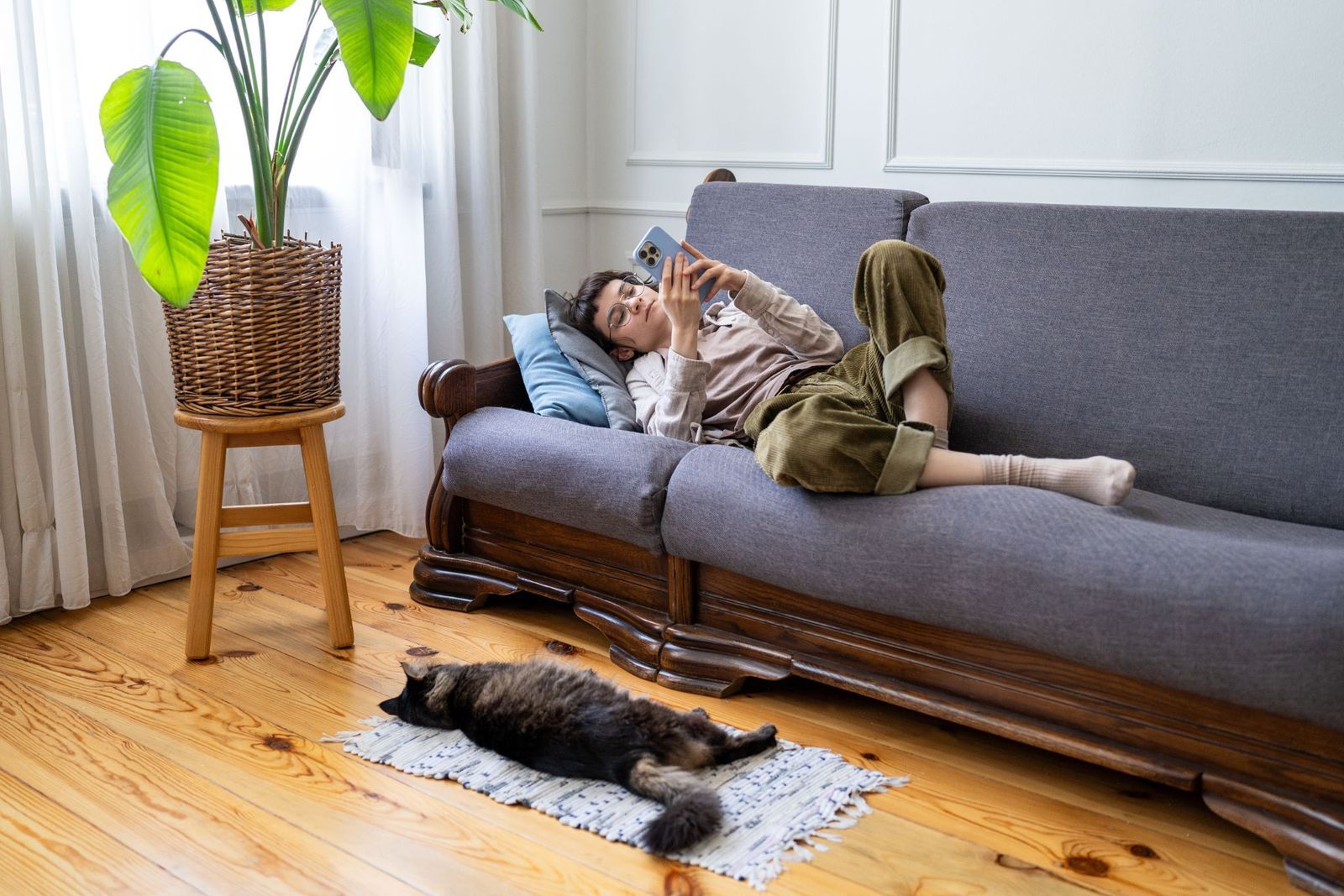
"Doom spending" is a new term young people made popular online. It describes buying things to feel better when you are worried about the economy or the future. The thinking follows this logic: "If I can't afford a house anyway, I might as well buy this jacket."
The name is based on "doomscrolling," the habit of reading bad news on your phone for hours. Surveys say about one in four adults "doom spend" to deal with stress. The habit is more common among millennials and Gen Z.


