Sneaky words

How we’ve lied to ourselves: 10 euphemisms through time


Published on January 14, 2026

Image: Jametlene Reskp

Euphemisms—those gentler, sometimes sneaky ways of saying uncomfortable truths—have existed for centuries. From avoiding taboos to sidestepping authority, these linguistic workarounds reveal just as much about human history as they do about language. Here are 10 curious euphemisms people have used through time to soften the blow.

1

"Pre-owned"

Image: Parker Gibbs

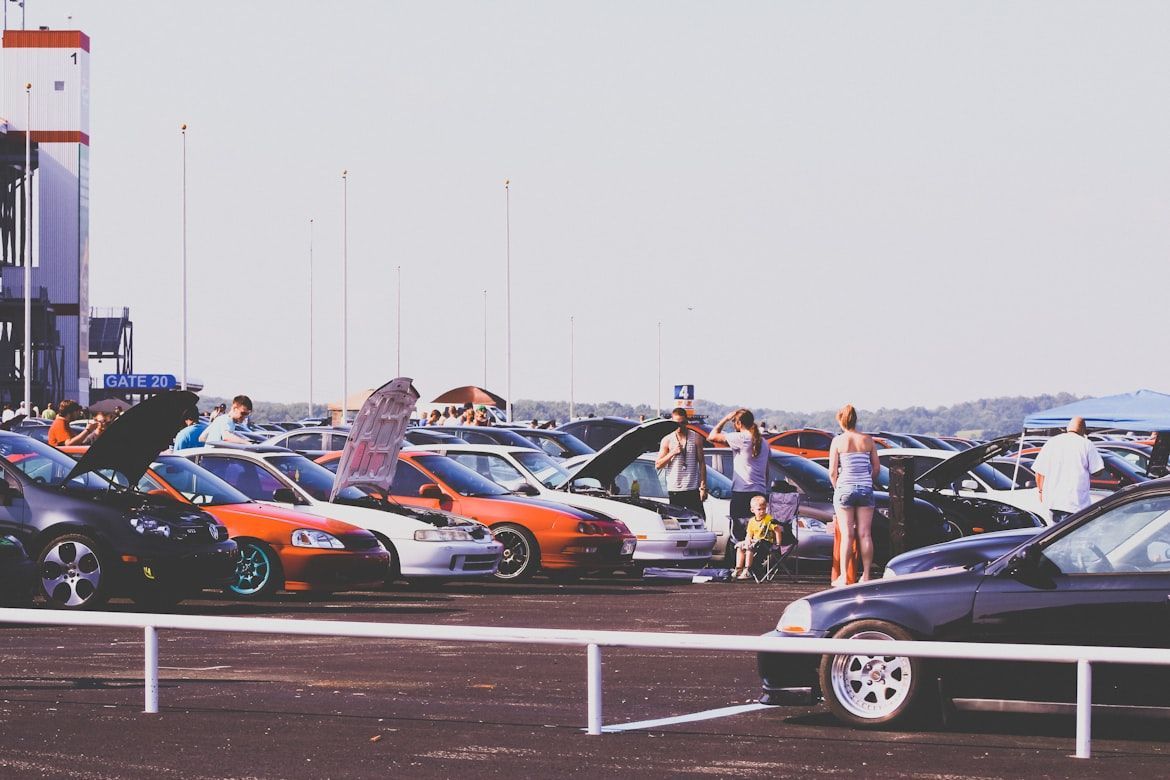
Car dealerships began using "pre-owned" in the 1980s to make used cars sound more appealing.

It’s a marketing euphemism that implies care and quality rather than wear and tear. The term now appears in many industries beyond cars, like fashion and tech.

2

"Let go"

Image: Nick Fewings

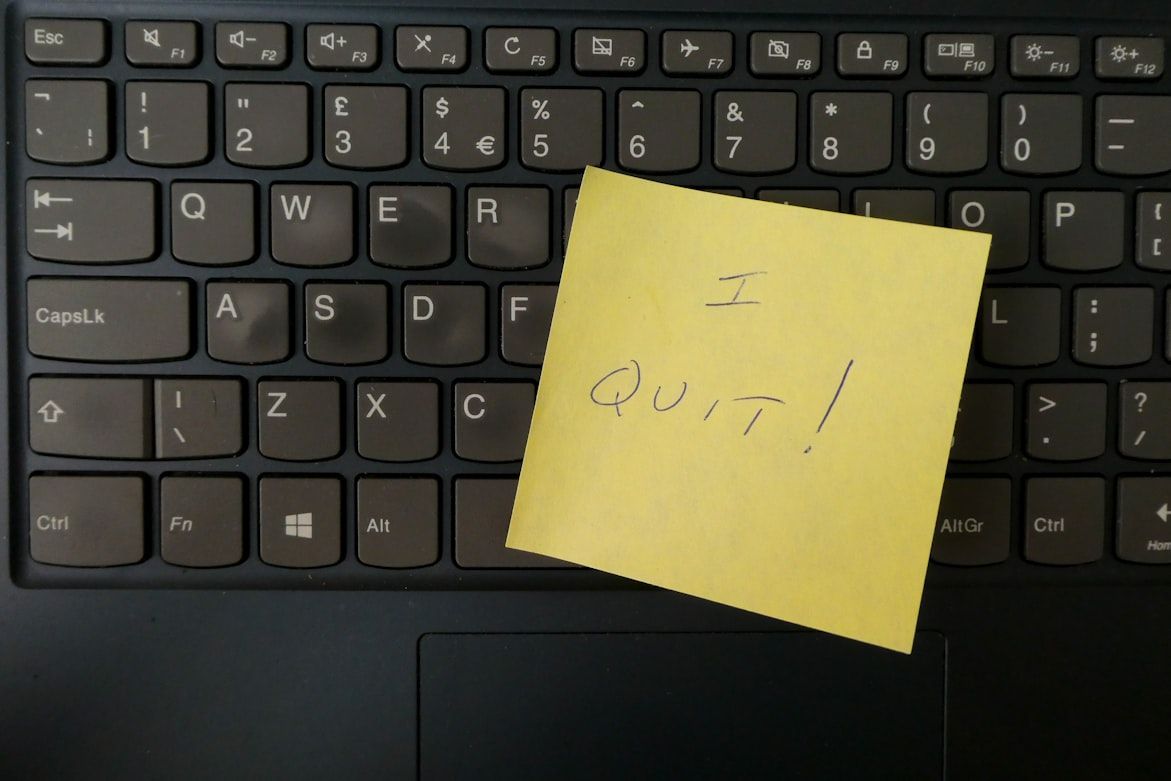
Instead of saying someone was fired, companies began saying employees were "let go" by the mid-1900s.

The term gained popularity with the rise of HR departments, which adopted softer, more legally neutral language. It's now common in business communication to avoid confrontation.

3

"Senior citizen"

Image: Huy Phan

"Senior citizen" first appeared in U.S. government documents in the 1930s and caught on with the creation of Social Security.

It added respectability to aging, shifting the public perception from decline to entitlement. Marketers also began using the term to appeal to older consumers without causing offense.

4

"Passed gas"

Image: Marra

This phrase came into use in the early 20th century, especially in households and media where bodily functions were taboo.

It's rooted in the Victorian habit of avoiding any mention of digestion or excretion. Even children's books adopted it to teach manners.

5

"Friendly fire"

Image: Daniel

There is nothing "friendly" about friendly fire. Used in military reports as early as World War II, "friendly fire" described tragic errors in combat.

The euphemism helps frame such incidents as blameless or unfortunate rather than negligent. It remains a standard term in NATO and Pentagon communications.

6

"Economical with the truth"

Image: Brian Wertheim

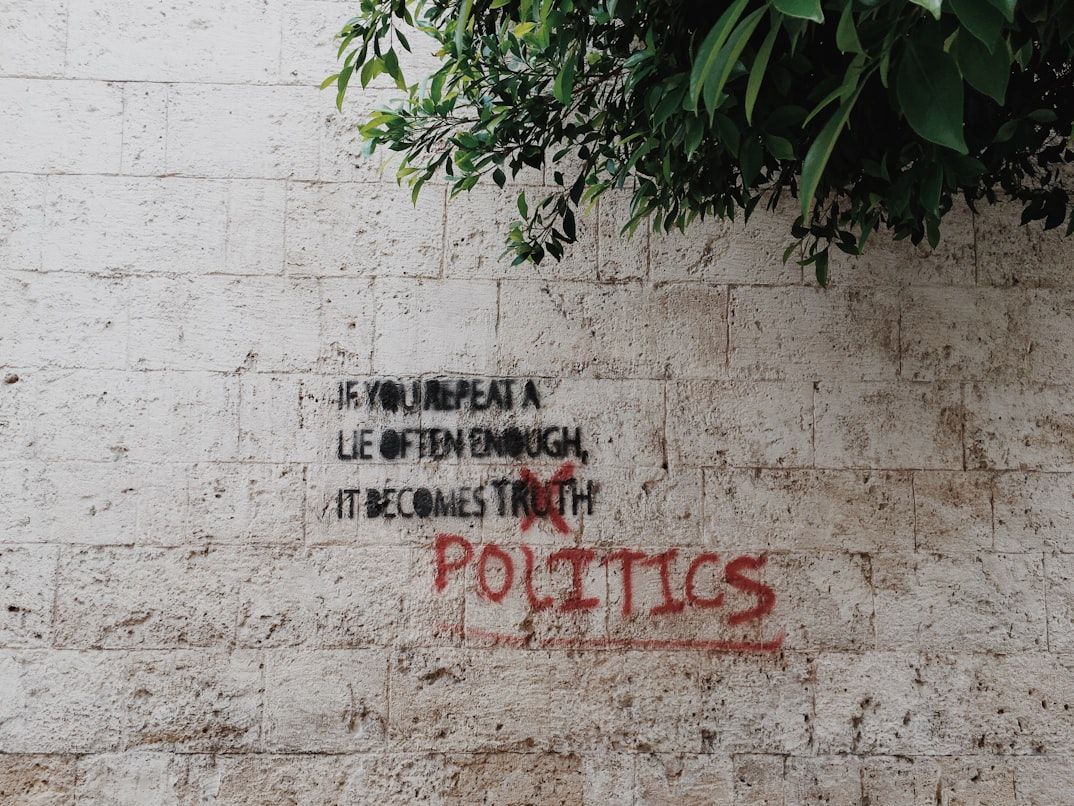
In a very British manner, the phrase was popularized by a government lawyer during the 1986 Spycatcher trial. It implies a partial or misleading truth—that is to say, a lie.

It has since become a political catchphrase in the English-speaking world. It softens accusations while still signaling dishonesty.

7

"Neutralize the target"

Image: Simeon Jacobson

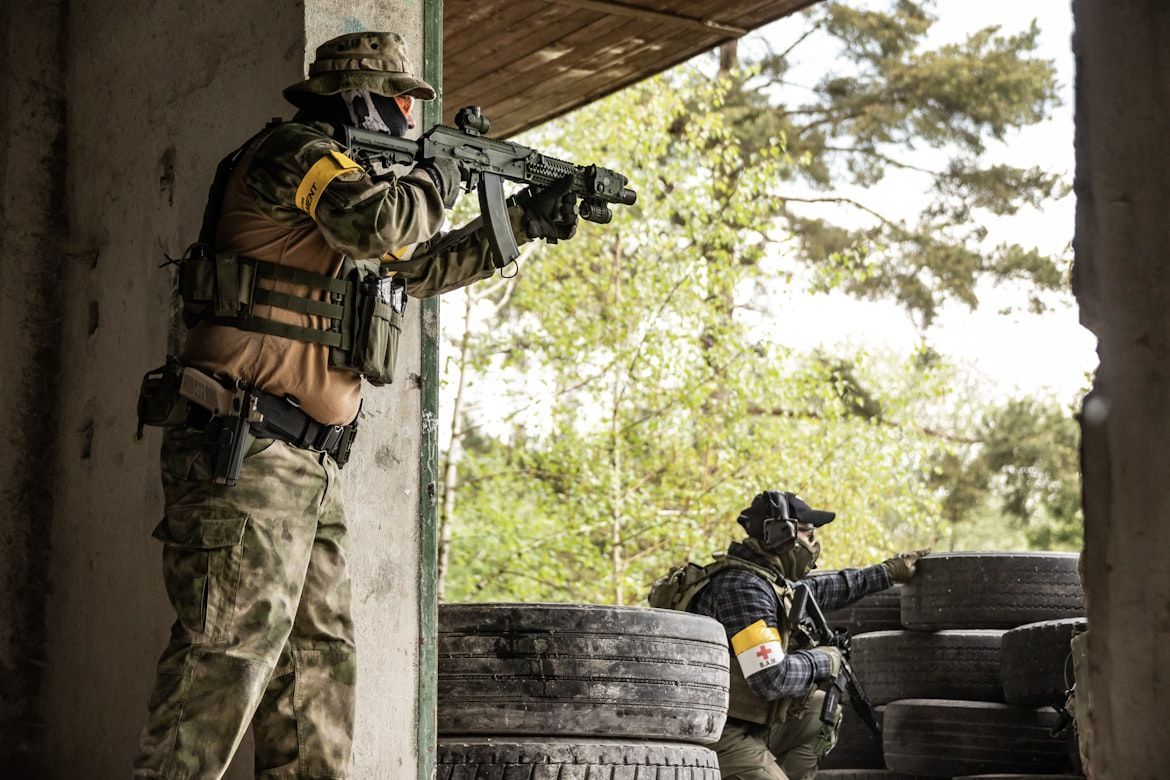
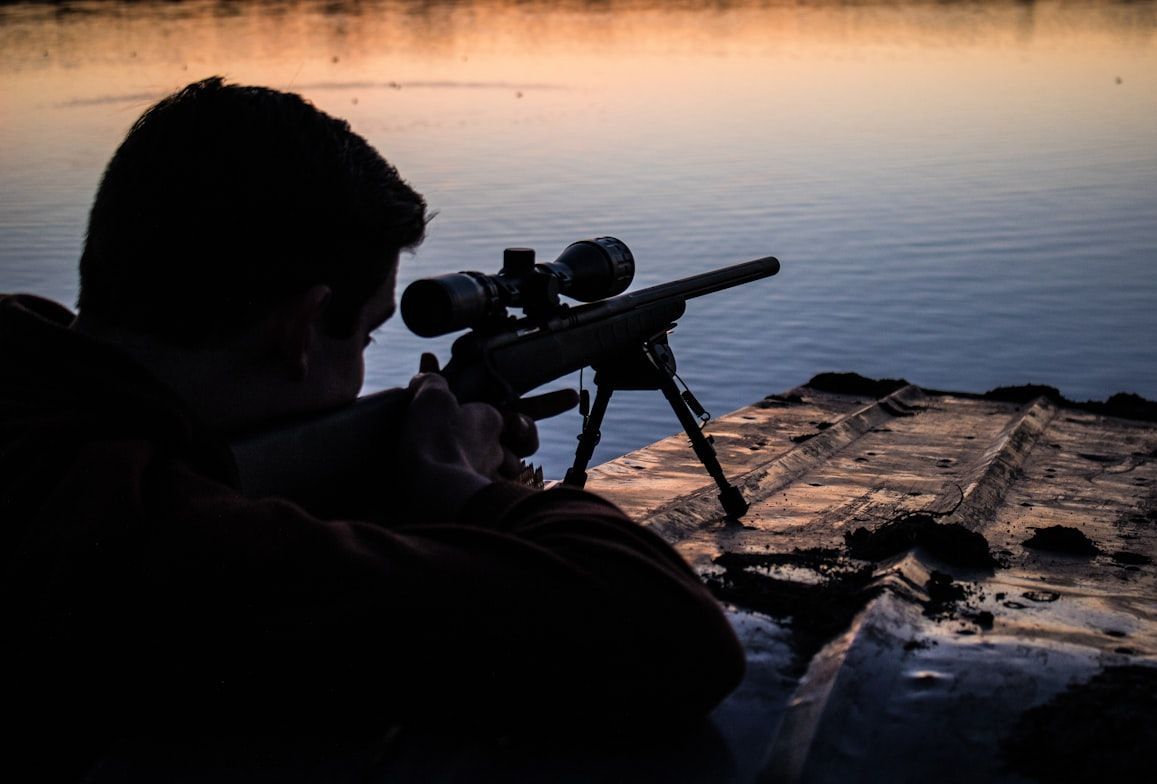
Used by the military and intelligence agencies, especially during the Cold War, to obscure lethal actions.

The word likely became popular because it provided operational vagueness without the emotional weight of the actual deed. The phrase remains common in drone and covert operation briefings.

8

"Expecting"

Image: freestocks

The term "expecting" goes back to the 18th century and offered a modest way to mention pregnancy without referencing any bodily function.

It became standard among the middle and upper classes during times when discussing pregnancy openly was frowned upon.

9

"Passed away"

Image: Eli Solitas

The phrase "passed away" emerged in the 15th century as a softer alternative to "died," linked to Christian ideas of entering the afterlife. A similar shift occurred with "departed," which has religious and poetic roots, implying a journey rather than an end.

10

"Between jobs"

Image: Hennie Stander

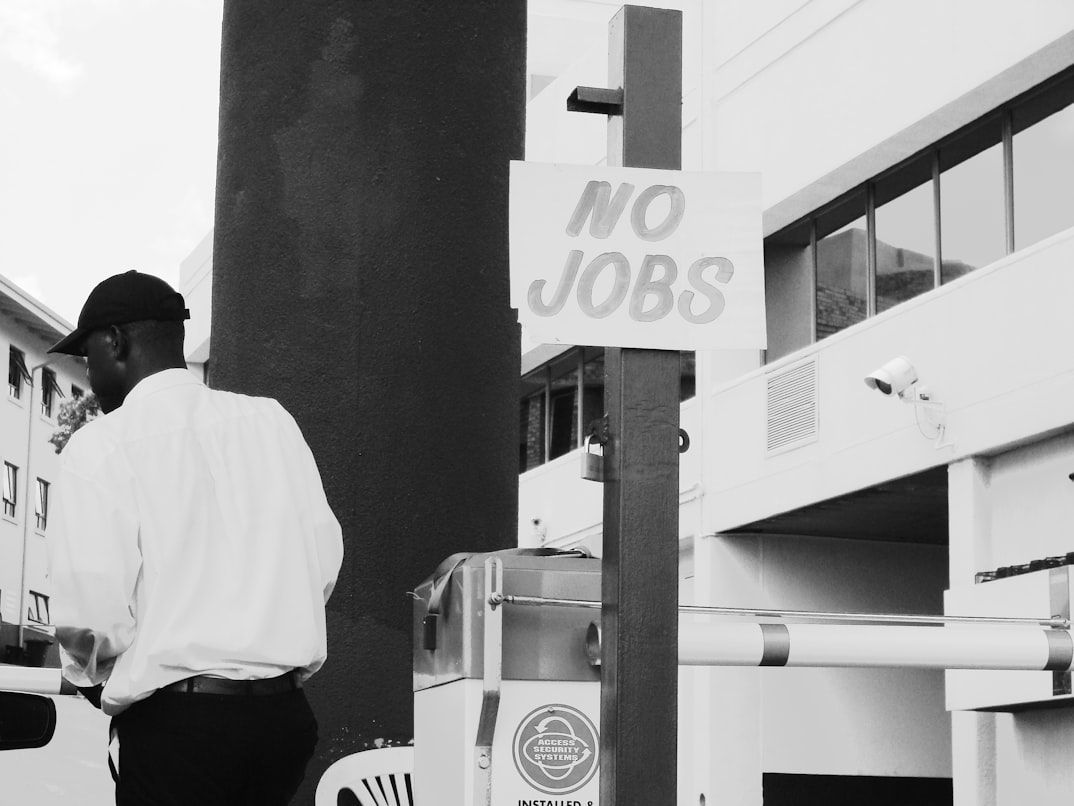
This phrase gained traction during economic downturns in the 1970s and ’80s, especially among white-collar workers.

It helped individuals maintain dignity and optimism during job searches. The euphemism is still widely used in professional networking.


The language of armed forces

Attention! Discover 10 words that come from the military!


Published on January 14, 2026


Image: israel palacio

Throughout human history, one profession has stood the passage of time and remained constant even in our modern days: Most nations, kingdoms, or empires in history have taken great pride in the strength and honor of their military. In that sense, it seems only logical that something as valuable for any society has a profound and direct impact on the way we communicate with each other. However, this influence can sometimes be overlooked, so we have decided to select a few words we use every day that have military origins. We guarantee you’ll be surprised by more than a few of these entries! Enjoy!

1

Skedaddle

Image: Mitchell Orr

Considering its meaning and silly-sounding nature, you might find it surprising to learn that the slang word "skedaddle", which means to hurriedly run away from a situation, rose to prominence during the American Civil War. While the exact origins of this word are unclear, it was first printed and popularized in 1861 by Northern newspapers, referring to the advancement and withdrawal of opposing troops.

2

Ginormous

Image: Kyle Johnston

Just like "skedaddle", the word "ginormous" seems more akin to a Dr. Seuss book than to the severity and discipline of the British army. And yet, that’s exactly where "ginormous" comes from: It was a slang term originated by British soldiers during WW2, naturally used to describe something extremely (and ridiculously) large, resulting from the combination of the words "gigantic" and "enormous".

3

Picket

Image: Markus Spiske

Nowadays, almost all forms of the word "picket" are associated with protesting: It can be used to refer to the act of protesting, to a group of protesters, or to a structure raised as a sign of protest. In fact, the meaning less linked to this word is its original definition: In the 17th century, the word "picket" described a post or fence with a sharp point, which was used as a defense against cavalry soldiers. In fact, this word comes from the French term piquet, which literally means "pointed stake".

4

Jamoke

Image: Indra Projects

"Jamoke" is a rather interesting term. Nowadays, this word is considered an insult, used to refer to someone uninteresting and dull. However, that wasn’t always the case: You probably already know that "jamoke" is originally a slang word used for coffee. It wasn’t until WW1 that soldiers started using this word as a derogatory term, used to insult someone as boring and plain as a cup of coffee.

5

Raunchy

Image: Lucas Lenzi

The word "raunchy" might be used to describe both a joke in bad taste or a messy and filthy place: It’s basically used to describe something dirty or in bad shape. While the etymology of the word remains unclear, we do know that it is a common slang term in the U.S. Air Corp, and some believe that it comes from cadets comparing an unkept place with a filthy "ranch".

6

Skosh

Image: Kier in Sight Archives

The origins of the word "skosh", which is used to describe a small amount or a pinch of something, are truly fascinating. It was brought back to the United States by American soldiers deployed to the Korean War. Interestingly, this word comes from the Japanese word sukoshi, which means "a little", so although the word has changed when brought to an American audience, the meaning of both terms is basically the same.

7

Clobber

Image: Johann Walter Bantz

The word "clobber" means to hit something or someone particularly hard: You might be familiar with the term from the Fantastic Four member "The Thing", whose iconic catchphrase is "It’s clobberin’ time!". In any case, most etymologists believe that the origins of this word come from the British Air Force, since "clobbering" was once used as a synonym for bombing.

8

Hotshot

Image: Andrew Neel

In our days, the word "hotshot" is usually used to describe someone of great importance, or of outstanding success in a particular field: For instance, you might employ the services of a hotshot lawyer or doctor. However, there’s also a derogatory side to this word, since a hotshot might be someone who recklessly jumps into action. Regardless, some historians believe that the origins of this word date back to the times of old naval battles, when sailors who loaded heated cannonballs (the titular "hot shots") were usually regarded as people with great skill for battle.

9

Fireworks

Image: Designecologist

This entry doesn’t refer to the etymology of the word itself, but rather to the military origins of the fireworks you might enjoy on a 4th of July. You might be surprised to learn that fireworks date back to Ancient China, since the earliest evidence of recreational fireworks can be dated back to the Song dynasty which ruled between 960 and 1279. However, the bright lights of fireworks were developed from early military rockets and explosive missiles, which employed the same kind of gunpowder.

10

Know the ropes

Image: Megan Menegay

Think back on your first day at a new school or a new job, and focus on both the excitement and nervousness that you probably felt: With any luck, you had a more experienced friend or coworker who "knew the ropes" and was able to show you how everything worked in that new environment. As you probably guessed, the expression "to know the ropes" comes from the world of sailing, where sailors had to be extremely familiar with the ropes of their ships: Any sailor worth its salt knew which rope raised which sail, and how to properly tie them.

Looking for an extra scoop of literary fun?

Learn more with our Word of the day

alter

/ˈɔltər/