Sneaky words
How we’ve lied to ourselves: 10 euphemisms through time
Published on January 14, 2026
 Image: Jametlene Reskp
Euphemisms—those gentler, sometimes sneaky ways of saying uncomfortable truths—have existed for centuries. From avoiding taboos to sidestepping authority, these linguistic workarounds reveal just as much about human history as they do about language. Here are 10 curious euphemisms people have used through time to soften the blow.
"Pre-owned"
 Image: Parker Gibbs
Car dealerships began using "pre-owned" in the 1980s to make used cars sound more appealing.
It’s a marketing euphemism that implies care and quality rather than wear and tear. The term now appears in many industries beyond cars, like fashion and tech.
"Let go"
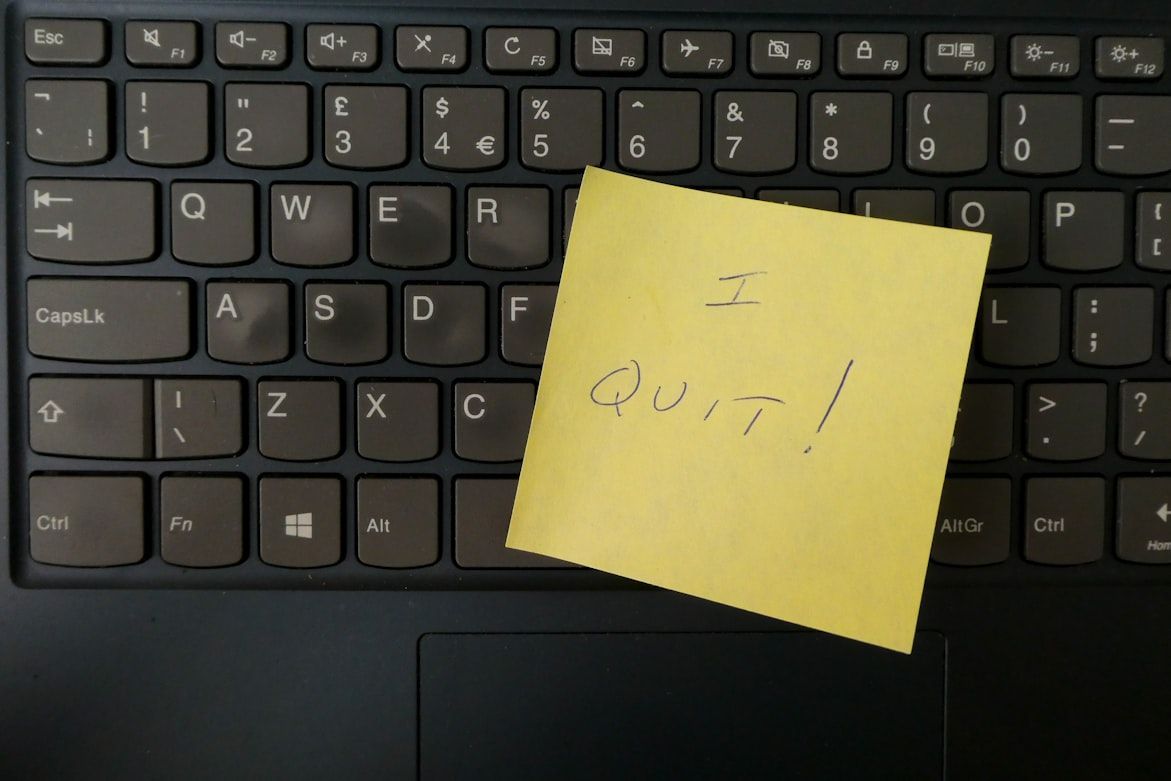 Image: Nick Fewings
Instead of saying someone was fired, companies began saying employees were "let go" by the mid-1900s.
The term gained popularity with the rise of HR departments, which adopted softer, more legally neutral language. It's now common in business communication to avoid confrontation.
"Senior citizen"
 Image: Huy Phan
"Senior citizen" first appeared in U.S. government documents in the 1930s and caught on with the creation of Social Security.
It added respectability to aging, shifting the public perception from decline to entitlement. Marketers also began using the term to appeal to older consumers without causing offense.
"Passed gas"
 Image: Marra
This phrase came into use in the early 20th century, especially in households and media where bodily functions were taboo.
It's rooted in the Victorian habit of avoiding any mention of digestion or excretion. Even children's books adopted it to teach manners.
"Friendly fire"
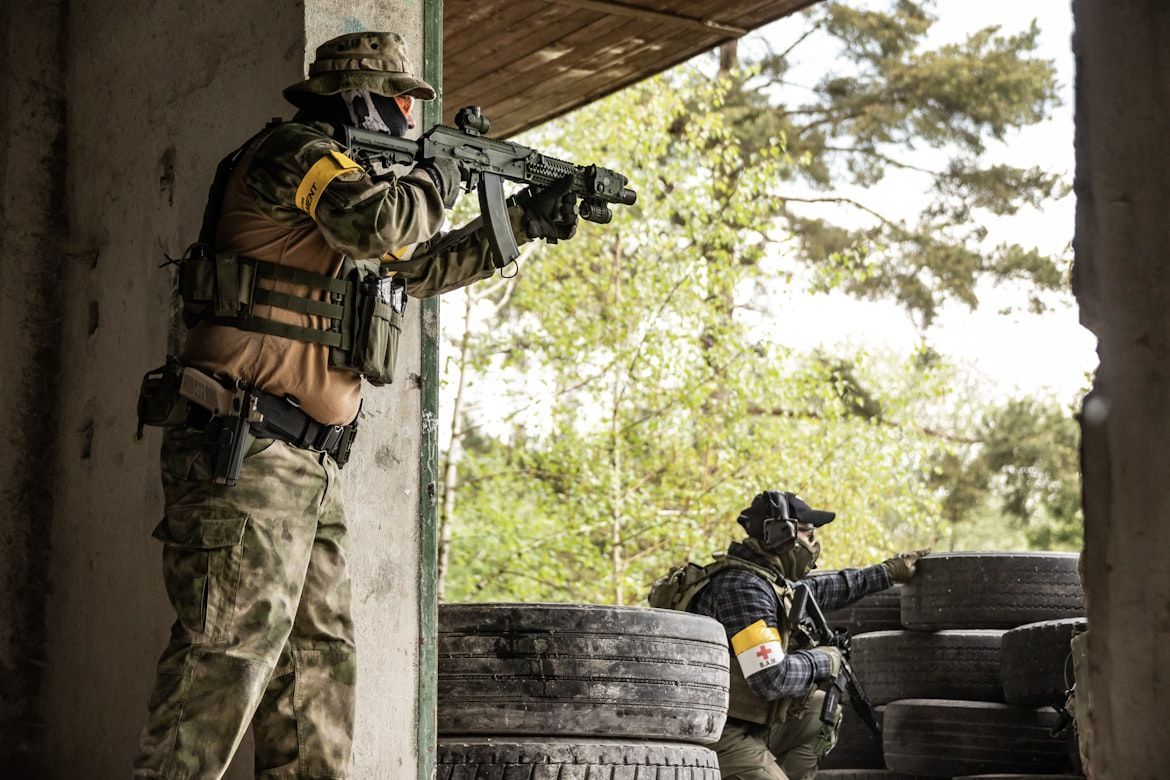 Image: Daniel
There is nothing "friendly" about friendly fire. Used in military reports as early as World War II, "friendly fire" described tragic errors in combat.
The euphemism helps frame such incidents as blameless or unfortunate rather than negligent. It remains a standard term in NATO and Pentagon communications.
"Economical with the truth"
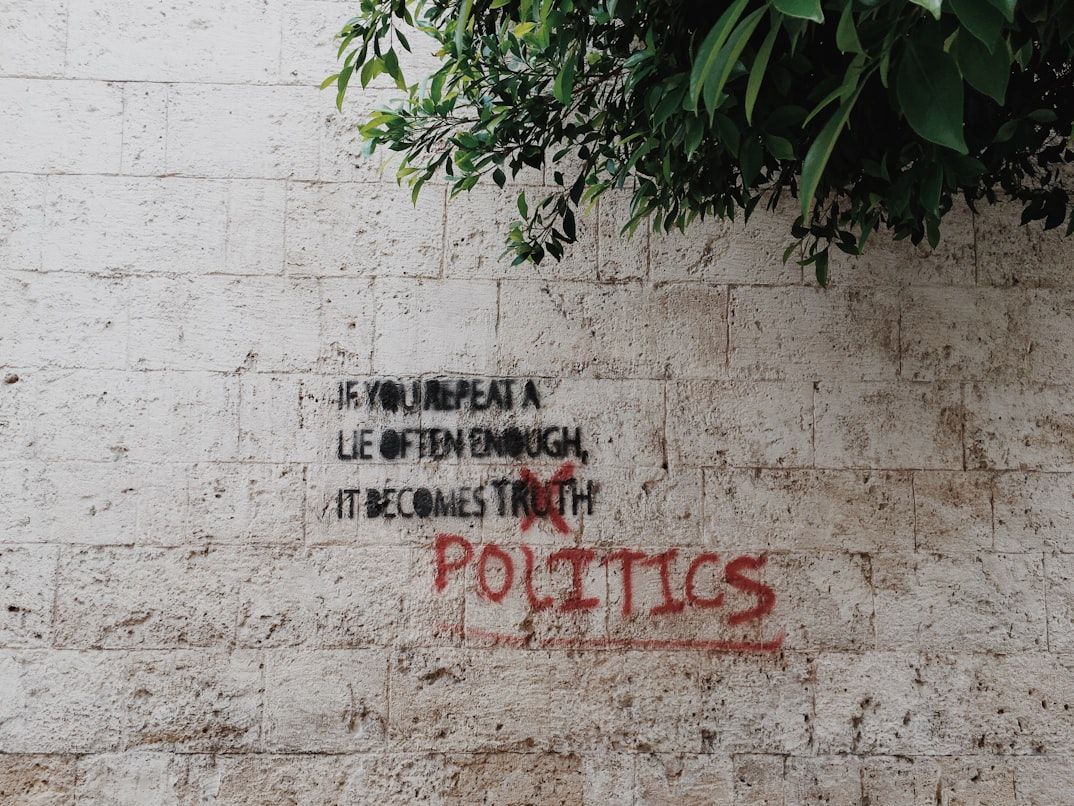 Image: Brian Wertheim
In a very British manner, the phrase was popularized by a government lawyer during the 1986 Spycatcher trial. It implies a partial or misleading truth—that is to say, a lie.
It has since become a political catchphrase in the English-speaking world. It softens accusations while still signaling dishonesty.
"Neutralize the target"
 Image: Simeon Jacobson
Used by the military and intelligence agencies, especially during the Cold War, to obscure lethal actions.
The word likely became popular because it provided operational vagueness without the emotional weight of the actual deed. The phrase remains common in drone and covert operation briefings.
"Expecting"
 Image: freestocks
The term "expecting" goes back to the 18th century and offered a modest way to mention pregnancy without referencing any bodily function.
It became standard among the middle and upper classes during times when discussing pregnancy openly was frowned upon.
"Passed away"
 Image: Eli Solitas
The phrase "passed away" emerged in the 15th century as a softer alternative to "died," linked to Christian ideas of entering the afterlife. A similar shift occurred with "departed," which has religious and poetic roots, implying a journey rather than an end.
"Between jobs"
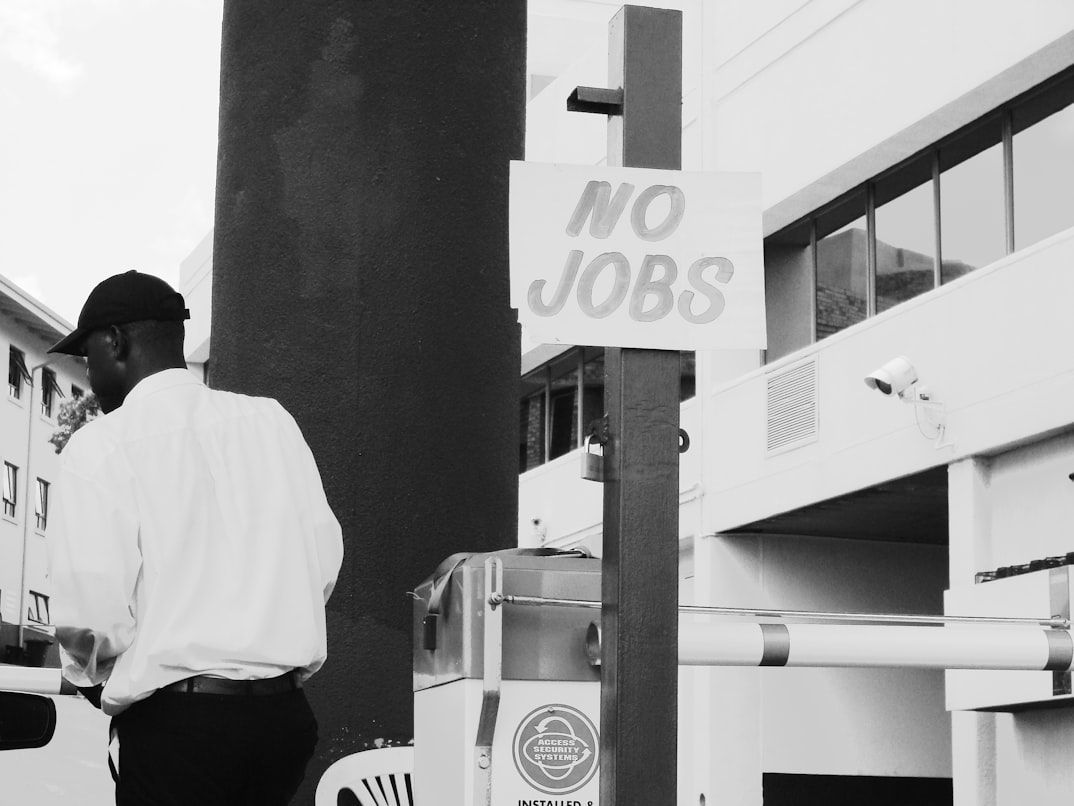 Image: Hennie Stander
This phrase gained traction during economic downturns in the 1970s and ’80s, especially among white-collar workers.
It helped individuals maintain dignity and optimism during job searches. The euphemism is still widely used in professional networking.