Become a hardware store savant

How old were you when you learned these hardware staples' names'?


Published on July 6, 2026


Image: Tyler Olson

It happens to the best of us: you embark on a mundane home repair, only to realize that there is a broken thing in need of replacement. But, alas, you don’t know the name of said item. Spare yourself the embarrassment of having to show the hardware store clerk a clumsy smartphone picture of the wretched piece itself. After reading this article, you will be able to walk into the store and order a wing nut or an escutcheon with the confidence of a seasoned contractor.

1

Toggle Bolt

Image: sockagphoto

A toggle bolt is a fastener designed for hollow walls such as drywall. Its secret weapon is a pair of spring-loaded wings that fold to fit through a hole and then expand behind the wall, spreading the load over a larger area.

The word toggle comes from an older mechanical term for a pivoting or folding device. The name describes exactly what the wings do: they change position after passing through the wall. As drywall construction became widespread during the twentieth century, toggle bolts became a common household fastener.

2

Wing Nut

Image: New Africa

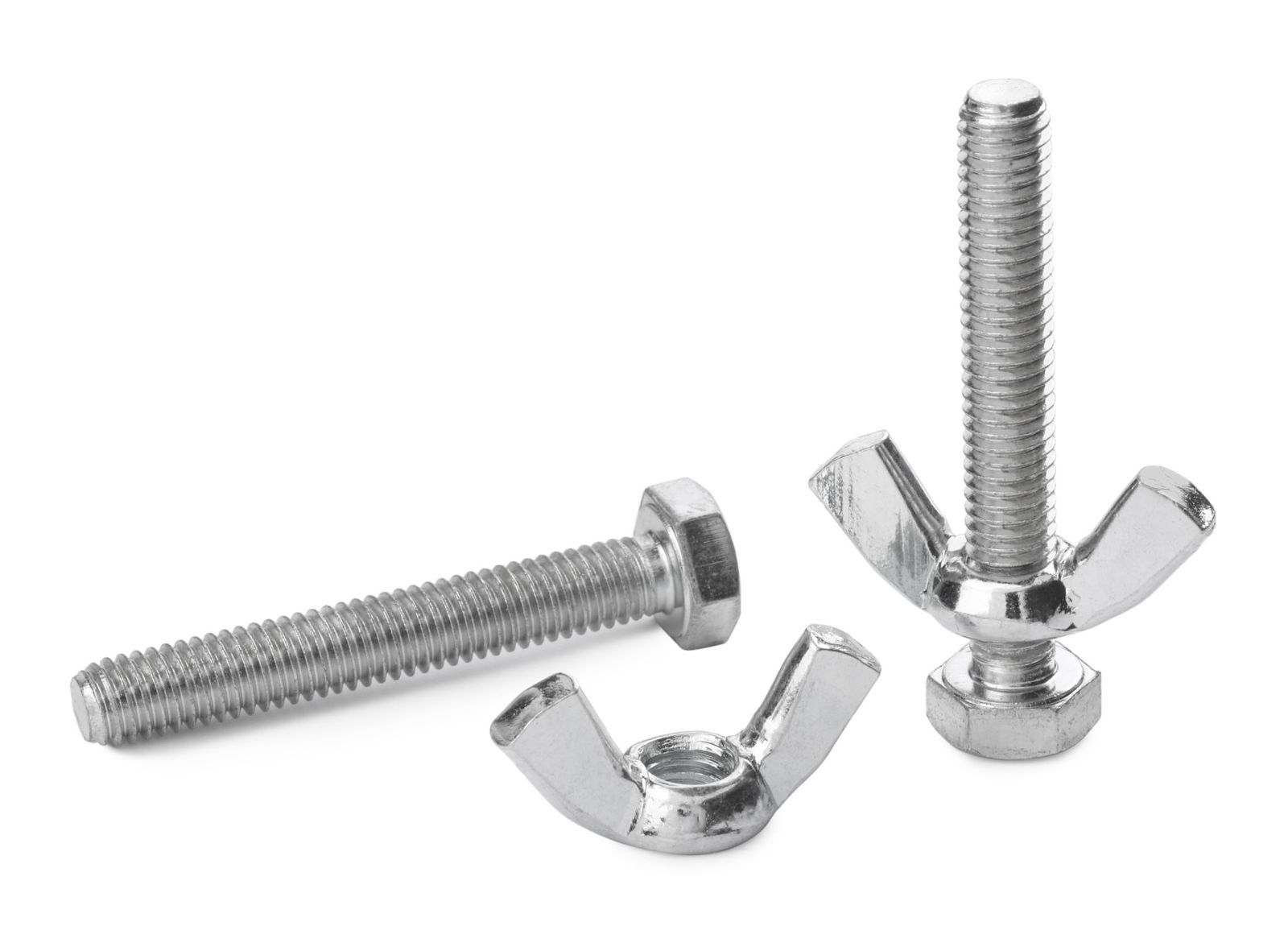
A wing nut is probably one of the easiest hardware names to understand. Instead of a standard hexagonal shape, it has two projections that resemble wings, allowing it to be tightened or loosened by hand. You might find it located under the toilet tank.

The design became popular wherever quick adjustments were needed without tools. You’ll find wing nuts on equipment, musical stands, machinery, and countless household items. Their name is purely visual, based on the shape that makes them so convenient.

3

Escutcheon

Image: Mathilda Photography

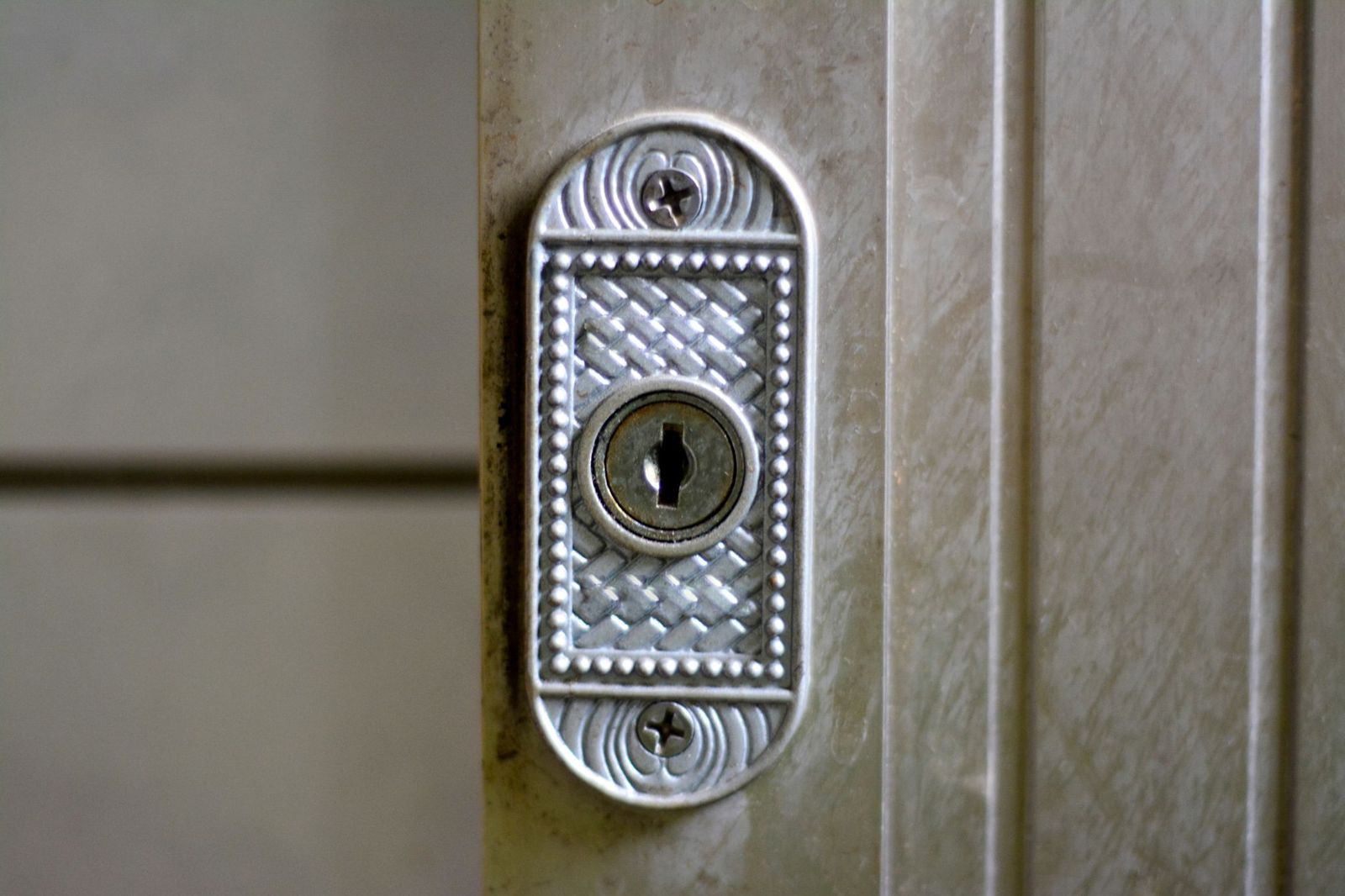
Among hardware terms, escutcheon sounds especially mysterious, right? It refers to the decorative or protective plate surrounding a keyhole, pipe opening, or door fixture.

The word originally referred to a shield used in heraldry. Over time, the term was applied to hardware because the plate "shielded" or covered an opening. Although most people encounter escutcheons regularly, almost nobody realizes that they are using a word with medieval roots.

4

Carriage Bolt

Image: New Africa

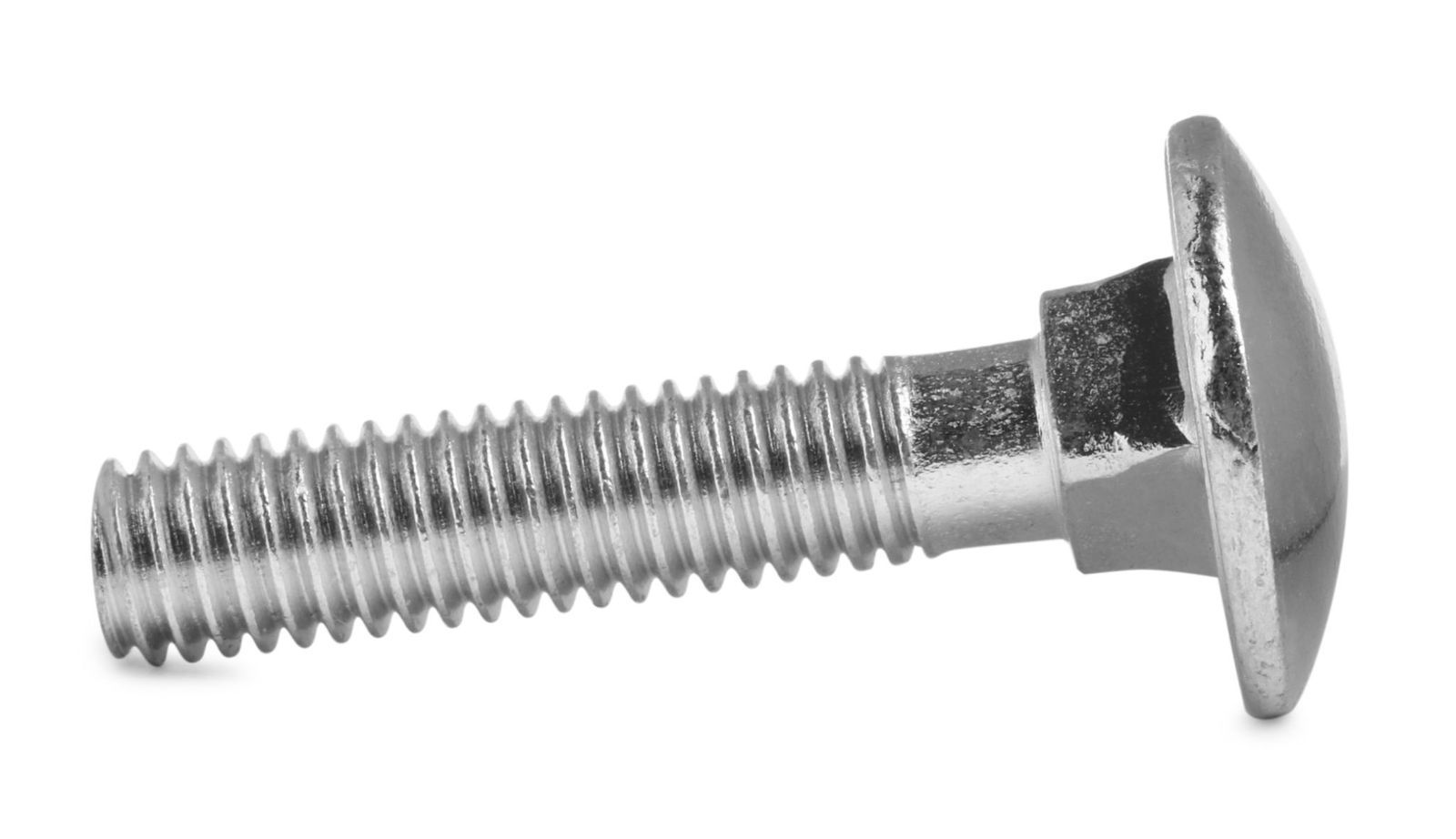
The carriage bolt earned its name from the horse-drawn carriage era. Builders needed a fastener that could secure wooden components without leaving a protruding head that might snag clothing, cargo, or harnesses. You might find one on an outdoor deck.

Its smooth, rounded head and square neck solved the problem. The square section bites into wood and prevents the bolt from turning while the nut is tightened. Even though carriages largely disappeared long ago, the name remains in use today.

5

Lag Screw

Image: Wirestock Creators

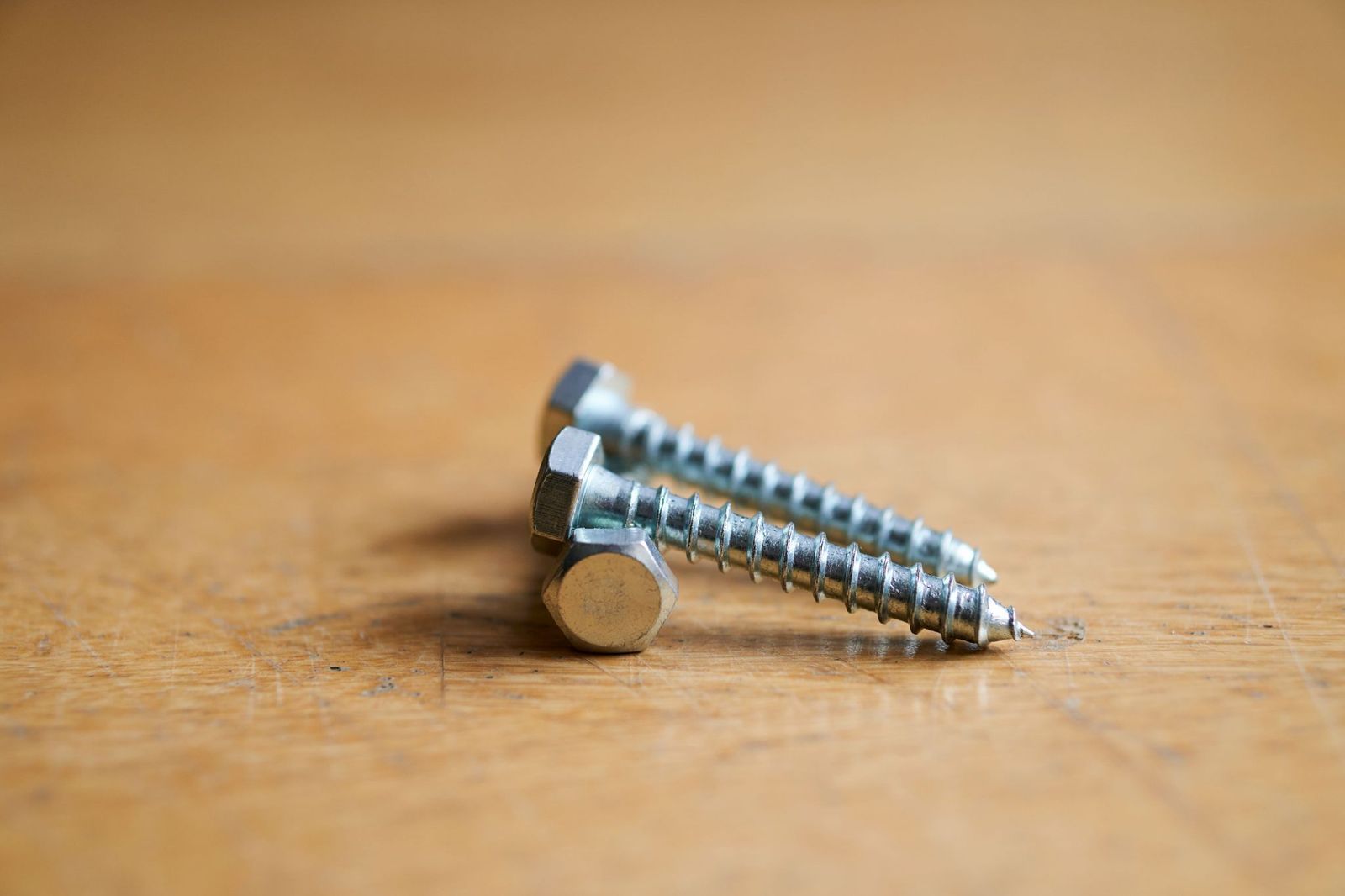
A lag screw is a heavy-duty fastener commonly used in timber construction. It looks like a giant screw but is often tightened with a wrench because of its large hexagonal head. It can usually be found on TV wall mounts.

The origin of the word lag is uncertain, but it likely derives from an older term associated with large wooden structural members. The name reflects the fastener’s traditional role in securing heavy timbers for buildings, bridges, docks, and other major structures.

6

S-Hook

Image: Ordinary Sun Photography

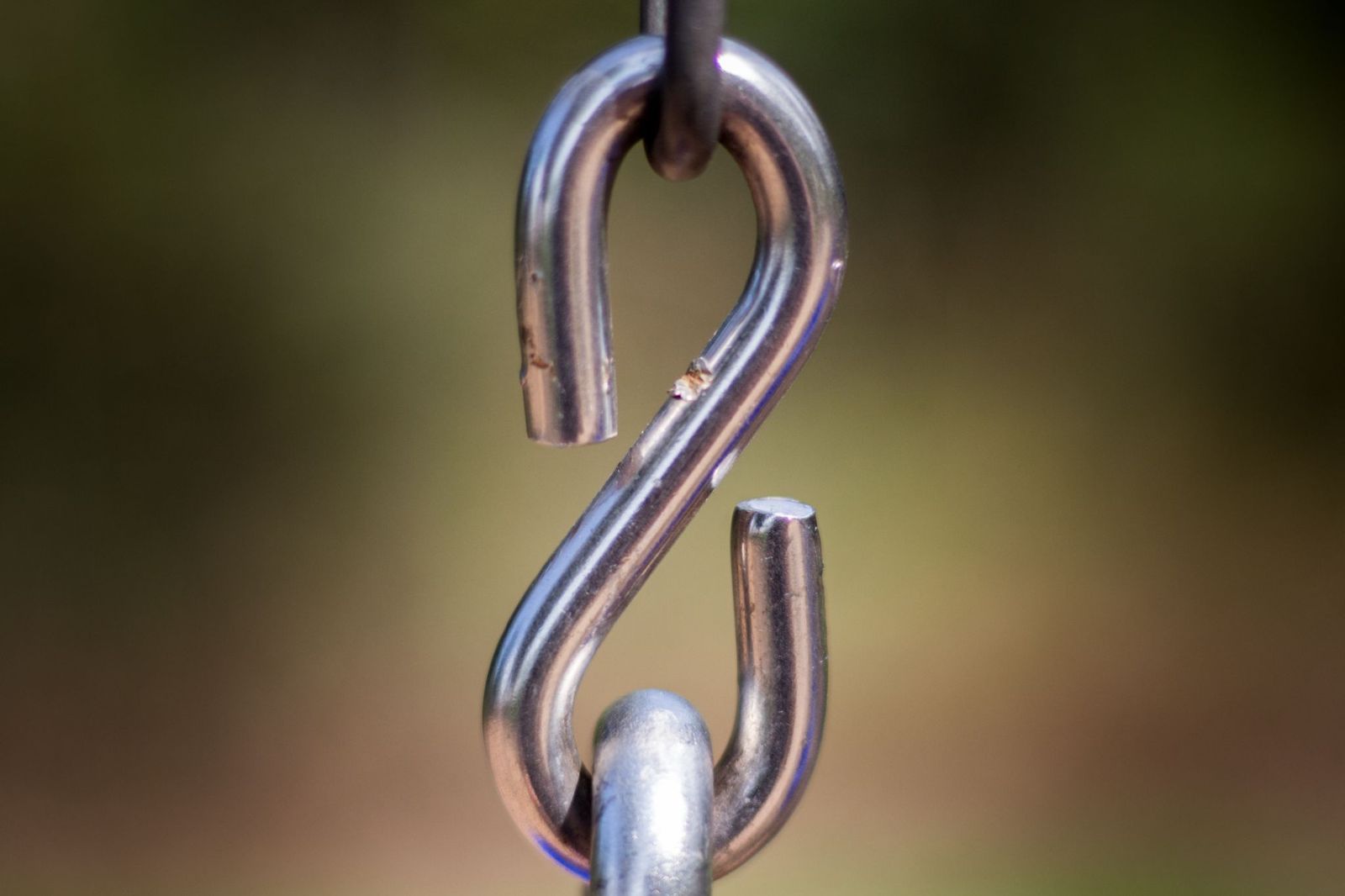
Sometimes hardware names are exactly what they seem. An S-hook is simply a hook shaped like, you guessed it, the letter S. You might recognize it from kitchen pot racks.

Its design has existed for centuries because of its simplicity and usefulness. One end can attach to a support while the other holds an object. From hanging pots and tools to organizing workshops and warehouses, the S-hook remains one of the most versatile pieces of hardware ever created.

7

Molly Bolt

Image: odecam

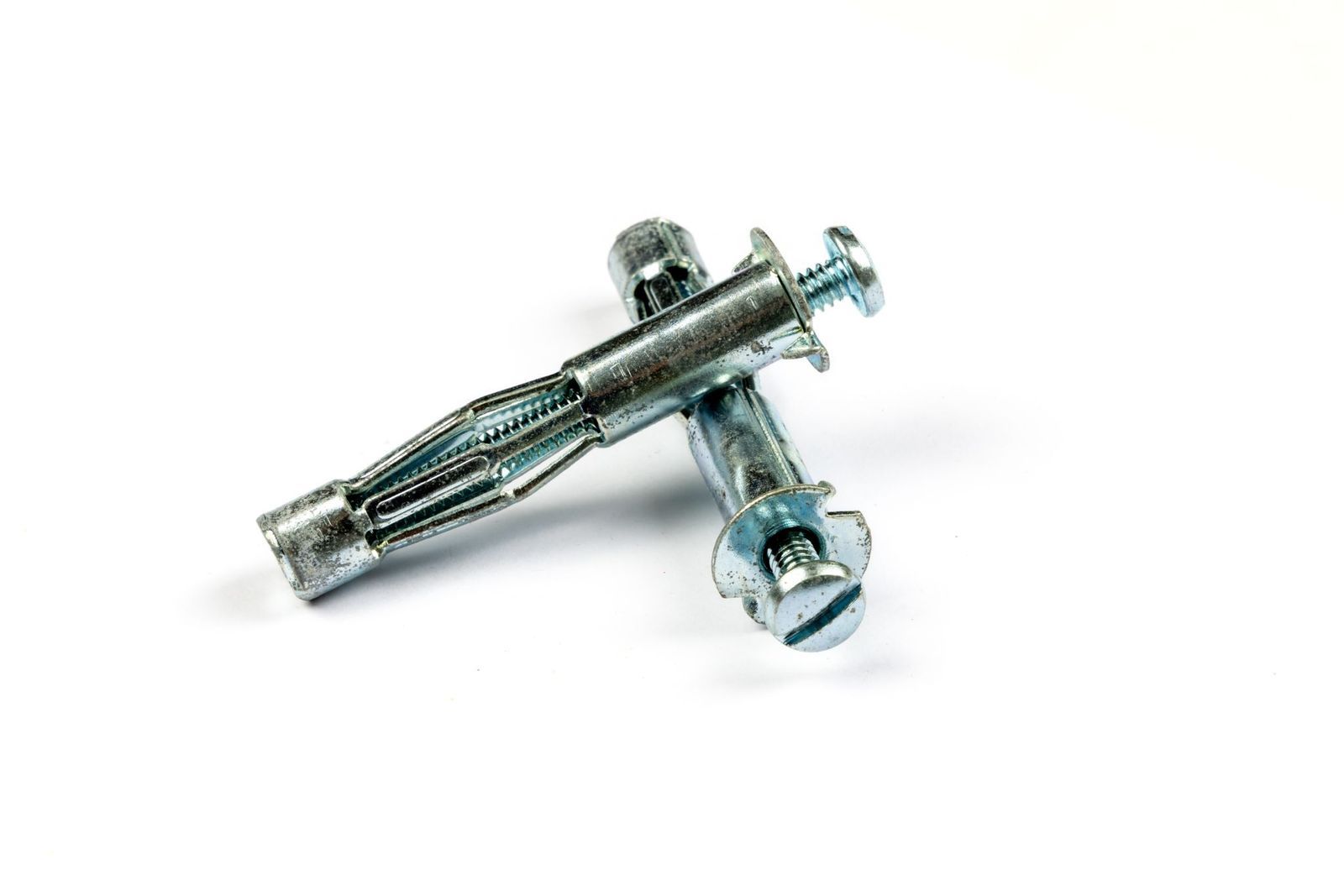
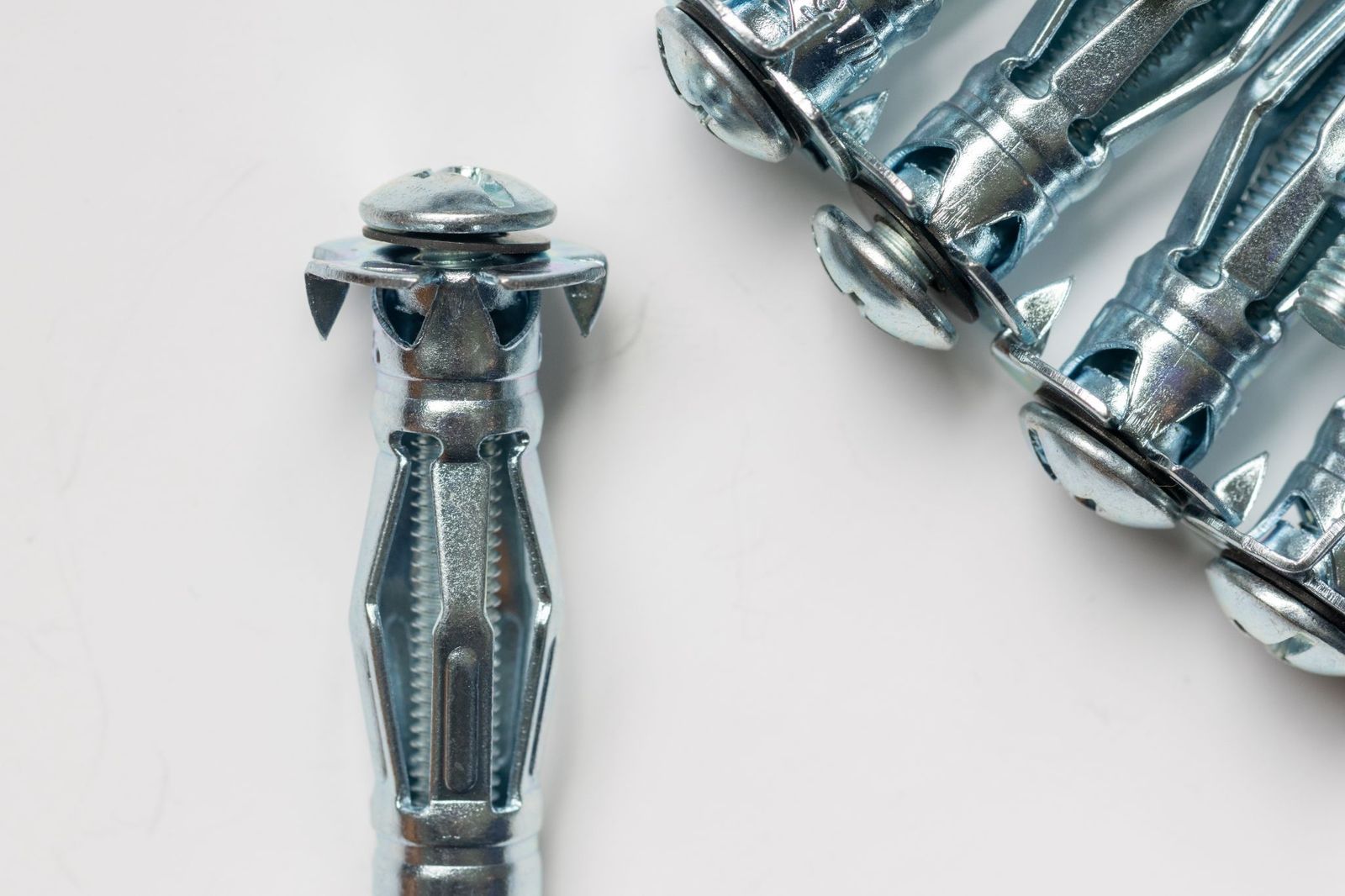
Aside from being a common name, many people assume that "molly" describes a type of fastener. It began as a trademark. In 1934, inventor George Frederick Croessant patented an improved hollow-wall anchor sold under the name MOLLY. Today, it can be seen in curtain rod brackets.

The product became so successful that the brand name gradually turned into a generic term. Today, countless people use "molly bolt" to describe expandable wall anchors, even when they are not made by the original manufacturer.

8

Lock Washer

Image: nelikdulatov

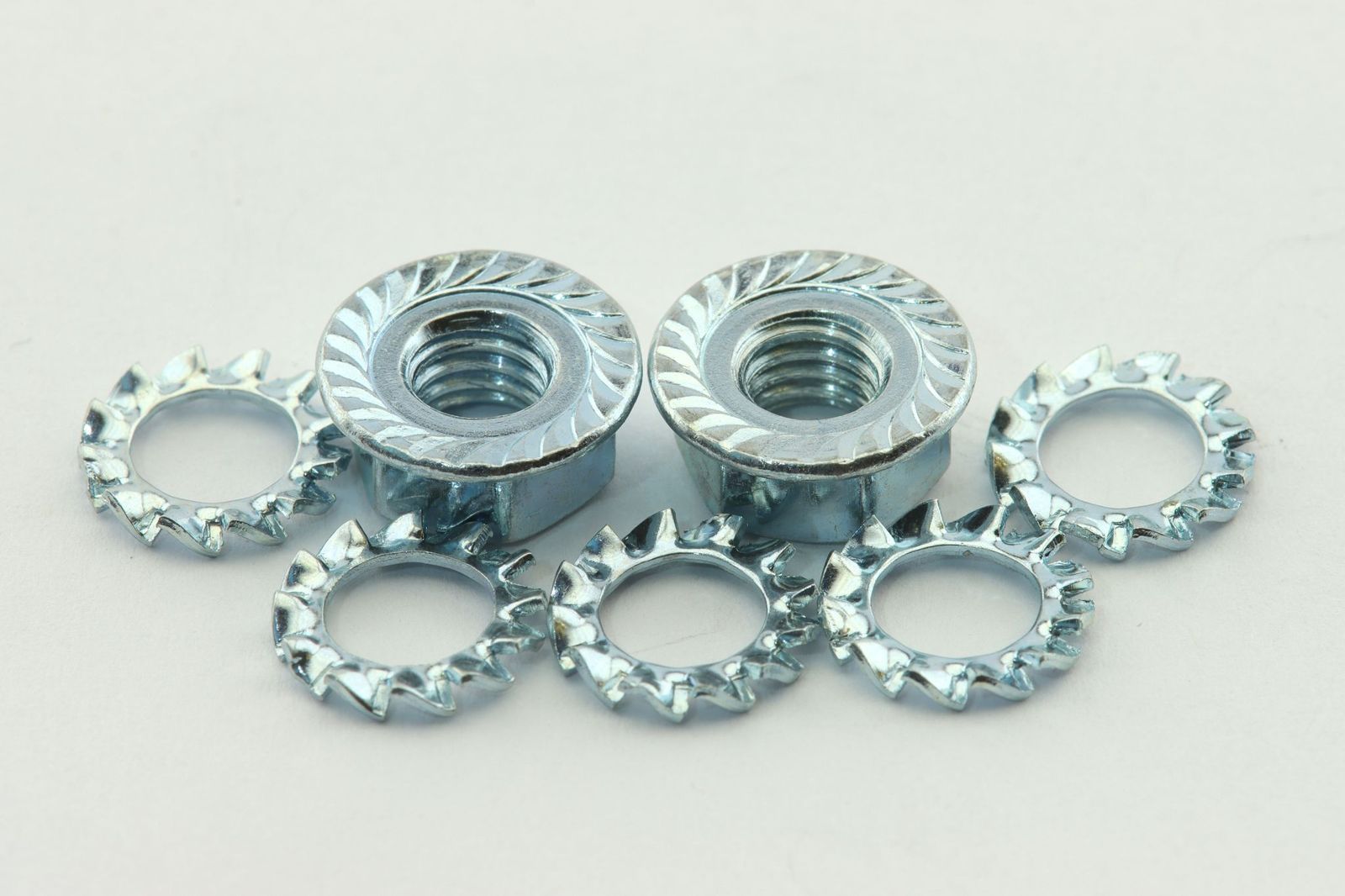
The purpose of a lock washer is built directly into its name. It is designed to help prevent a fastener from loosening because of vibration or movement. It can often be found in washing machines and dryers.

As automobiles, railroads, and industrial machinery became more common during the nineteenth and twentieth centuries, engineers needed better ways to keep bolts secure. Lock washers became one of the simplest solutions, helping assemblies stay tight under demanding conditions.

9

Nyloc Nut

Image: Adefreak

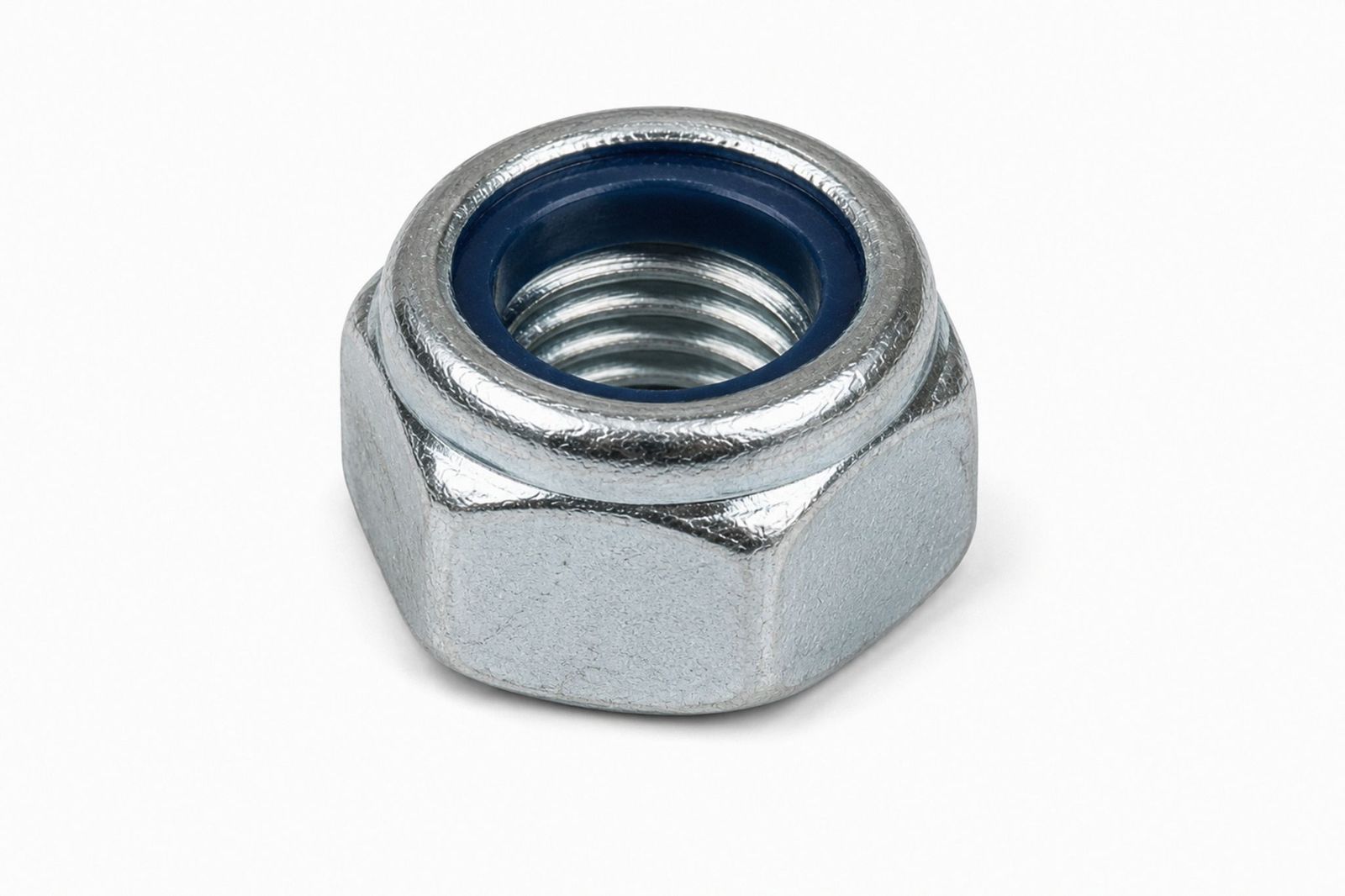
A nyloc nut contains a nylon insert that grips the bolt’s threads. This extra friction helps keep the nut from backing off when subjected to vibration. It can be found in skateboards and roller skates.

The name combines two words: nylon and lock. Like many successful engineering products, the term eventually became familiar beyond the company that originally promoted it. Today, nyloc nuts are widely used in automotive, aerospace, and industrial applications.

10

Acorn Nut

Image: Jerome L Lawson

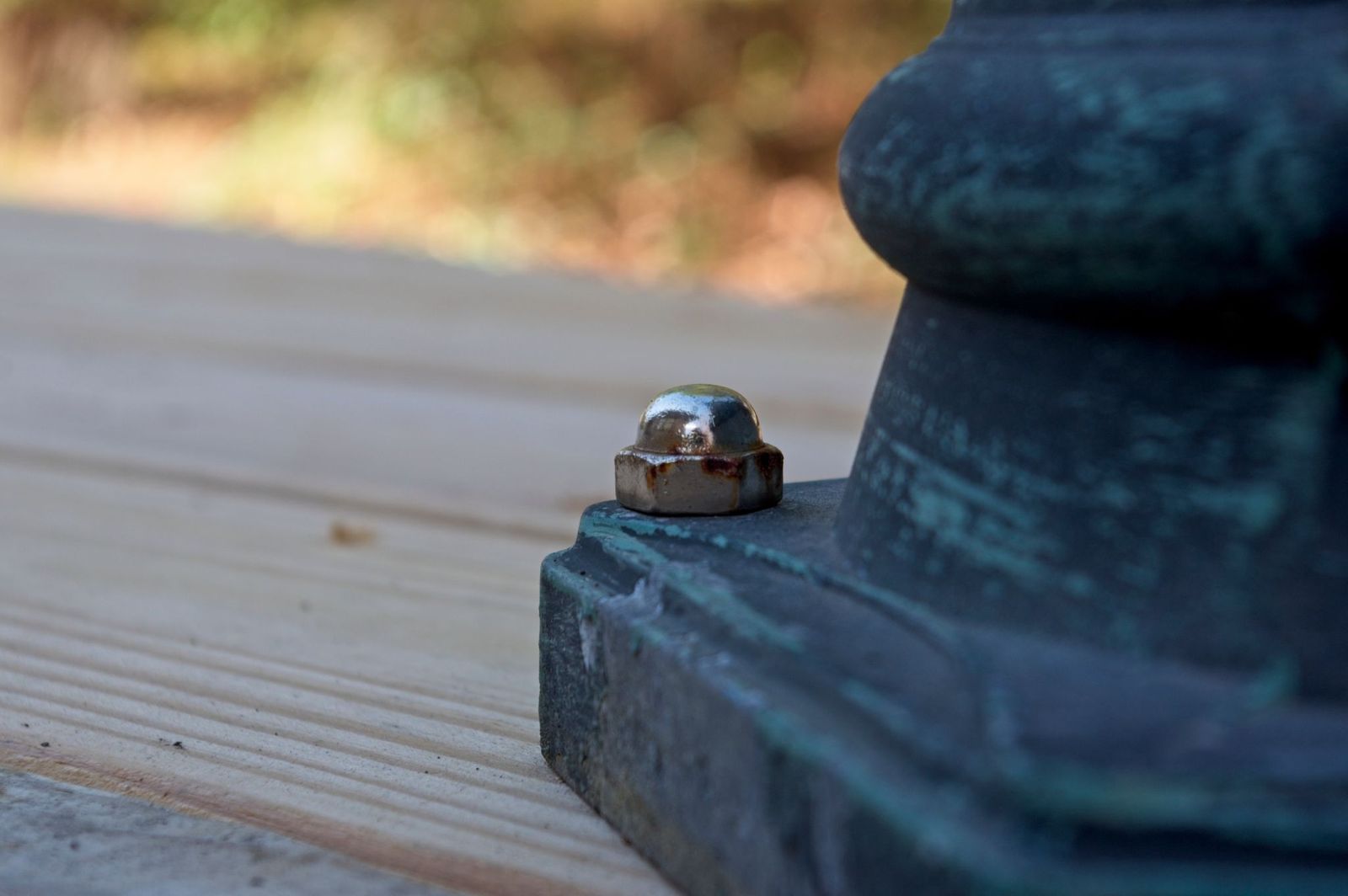
This acorn nut is not the kind that grows on oaks. An acorn nut bolt features a rounded, closed end that covers the exposed tip of a bolt. Viewed from the side, the shape somewhat resembles the acorn that grows on trees.

The design serves both practical and aesthetic purposes. It protects people from sharp threads while helping shield the bold from dirt and moisture. That’s why acorn nuts are often found on furniture, bicycles, playground equipment, and ornamental metalwork.

11

Draw bolt

Image: Ivan Dragiev

A draw bolt works by pulling two parts tightly together. Unlike a standard bolt-and-nut combination, it often functions as a latch that creates tension when closed.

The name comes directly from the verb draw, meaning to pull. Draw bolts are commonly used on toolboxes, storage cases, industrial cabinets, and equipment enclosures where a secure, tight closure is needed.

12

T-nut

Image: aquatarkus

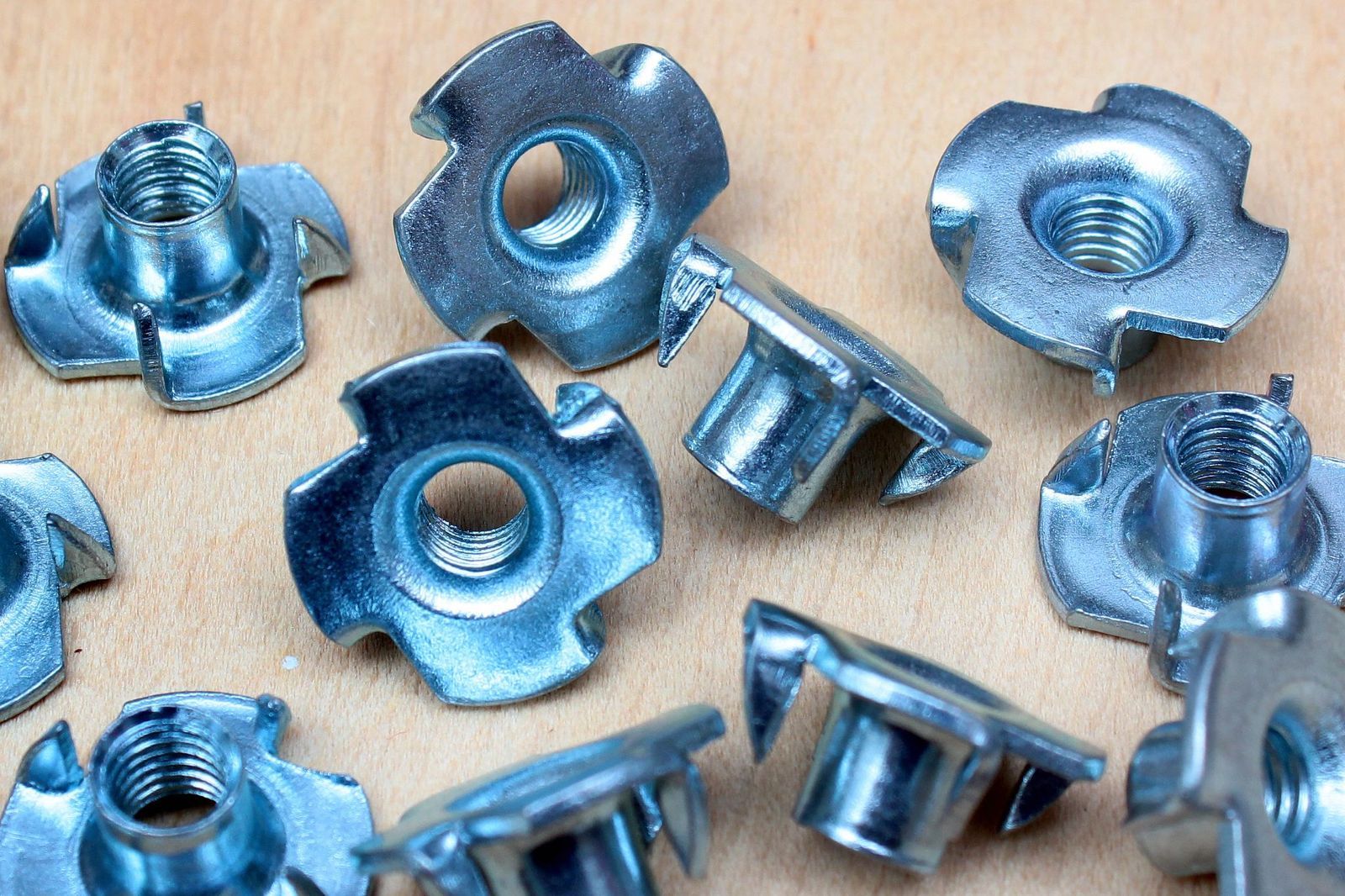
A T-nut, also known as a tee nut, gets its name from its shape. Viewed from the side, its threaded barrel and flange resemble the letter T.

The design allows a bolt to be inserted from one side of a wooden panel, while the T-nut anchors itself from the other. T-nuts are especially common in furniture, speaker cabinets, climbing walls, and other products that require strong threaded connections in wood.

Extraordinary

Superhumans: 10 gifted people with impressive abilities


Published on July 6, 2026


Image: DangrafArt

We are often unaware of the unlimited potential of human beings. Certain individuals possess unique and powerful abilities that are truly extraordinary. From a woman who can see inside the human body to a man who experiences colors and textures in numbers, these people are living proof of the incredible diversity of human talent and resilience. Read on to learn the stories of 10 individuals who have such amazing skills that they are almost superhuman.

1

Women with genetic superpowers

Image: john ko

On Jeju Island, South Korea, a group of women—some as old as 80—dive into freezing water without tanks or thermal suits. The haenyeo are not afraid of the cold; they descend up to 30 feet deep hunting for shellfish and can hold their breath for as long as two minutes.

But how is this possible? It's not magic—it’s adaptation. Since they have been diving for centuries, their bodies have adapted to extreme conditions. Recently, scientists discovered that these legendary divers have unique genetic traits that regulate their blood pressure, increasing their tolerance to cold and protecting them even during pregnancy. Researchers compared the DNA of haenyeo with that of other non-diving Korean women and found significant differences.

2

Dream Detective

Image: Randy Tarampi

Chris Robinson, or Dream Detective, as he calls himself, claims to be able to see the future in his dreams. Since 1989, he says he has dreamt of crimes, natural disasters, and even collaborated with law enforcement on several cases.

His uncanny ability has been studied multiple times, and on one occasion, he was able to accurately predict a series of events that would happen the next day. While Robinson doesn’t always get it right, his record of claimed premonitions is intriguing and has earned him considerable attention.

3

Chronic insomniac

Image: Nikhita Singhal

In 1973, Thai Ngoc developed a severe fever from a rare illness. He recovered after a few weeks, but was affected by a strange medical condition that scientists cannot explain: Thai Ngoc claims he can’t sleep, not even for a moment.

The Vietnamese farmer is now 83 years old and says he hasn't slept in more than 60 years. Even prescription medications have failed to help him rest. So what does he do during those endless nights? He spends his time farming and making his own rice wine!

4

X-ray vision

Image: lhon karwan

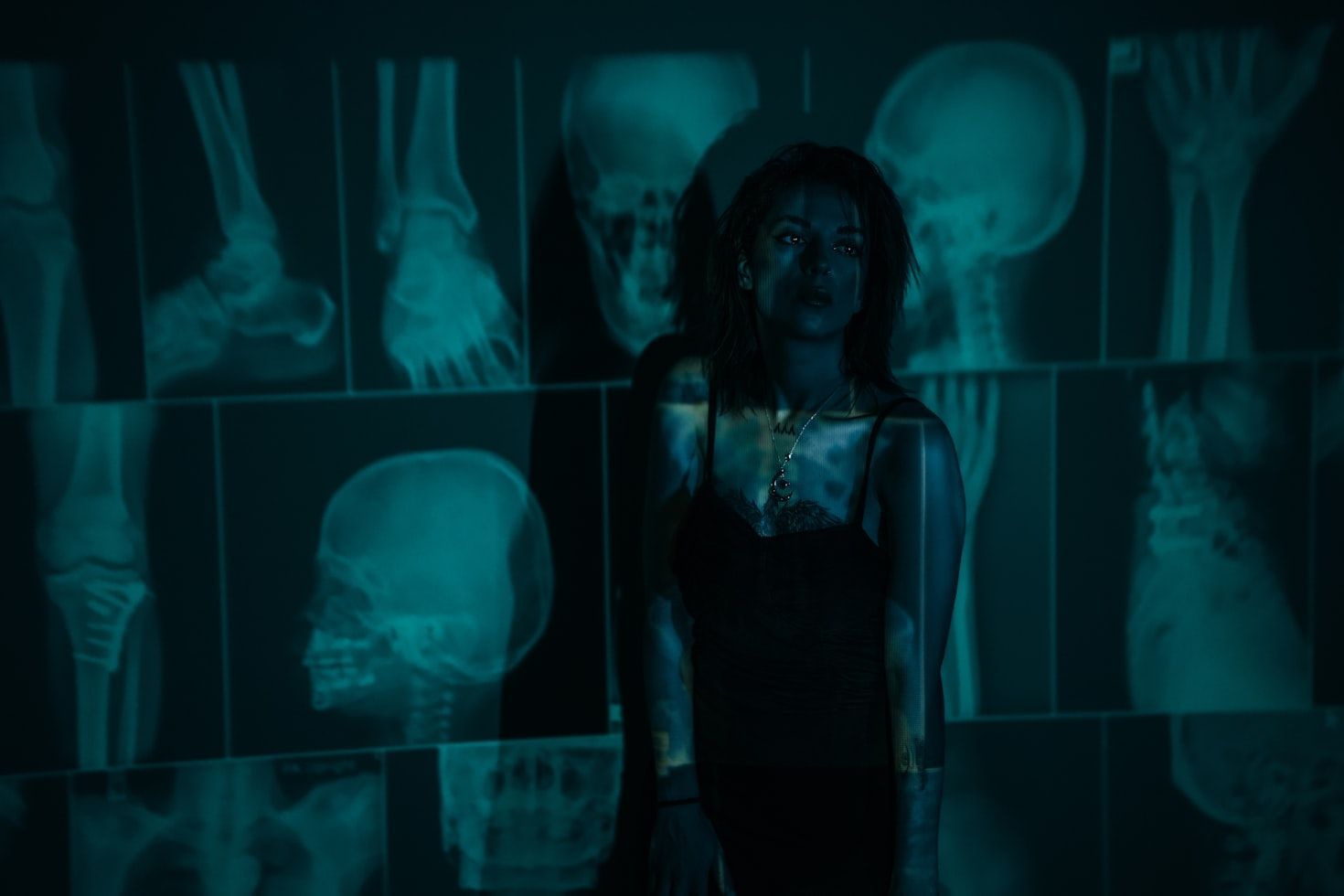
Natalya Demkina, a young woman from Russia, can see inside people's bodies. At least that's what she claims and has been trying to prove over the years. The first time she declared to have this ability, she was 10 years old, and everyone thought it was childish nonsense. However, as time went by, Natalya proved she could actually diagnose a person just by looking at them for a few minutes.

Scientists have carried out various tests to investigate her claims, often with mixed or skeptical results. Still, many continue to believe in her powers. What do you think? Is it true?

5

Seeing sounds, tasting colors

Image: Logan Voss

Elisabeth Sulser suffers from a strange condition called synesthesia. A synaesthete can hear colors and see sounds, as well as experience taste when she touches a particular texture. It is a rare neurological condition, and Elisabeth Sulser presents one of the most complex cases of synesthesia in the world.

As a child, she believed her unusual perceptions were completely normal. It wasn’t until her teenage years, while beginning her musical career, that she learned she had this rare neurological condition. Today, she is a successful performer and composer. How do you think she feels about her own music?

6

A landscape painter with an incredible memory

Image: Gobierno CDMX, CC0, via Wikimedia Commons

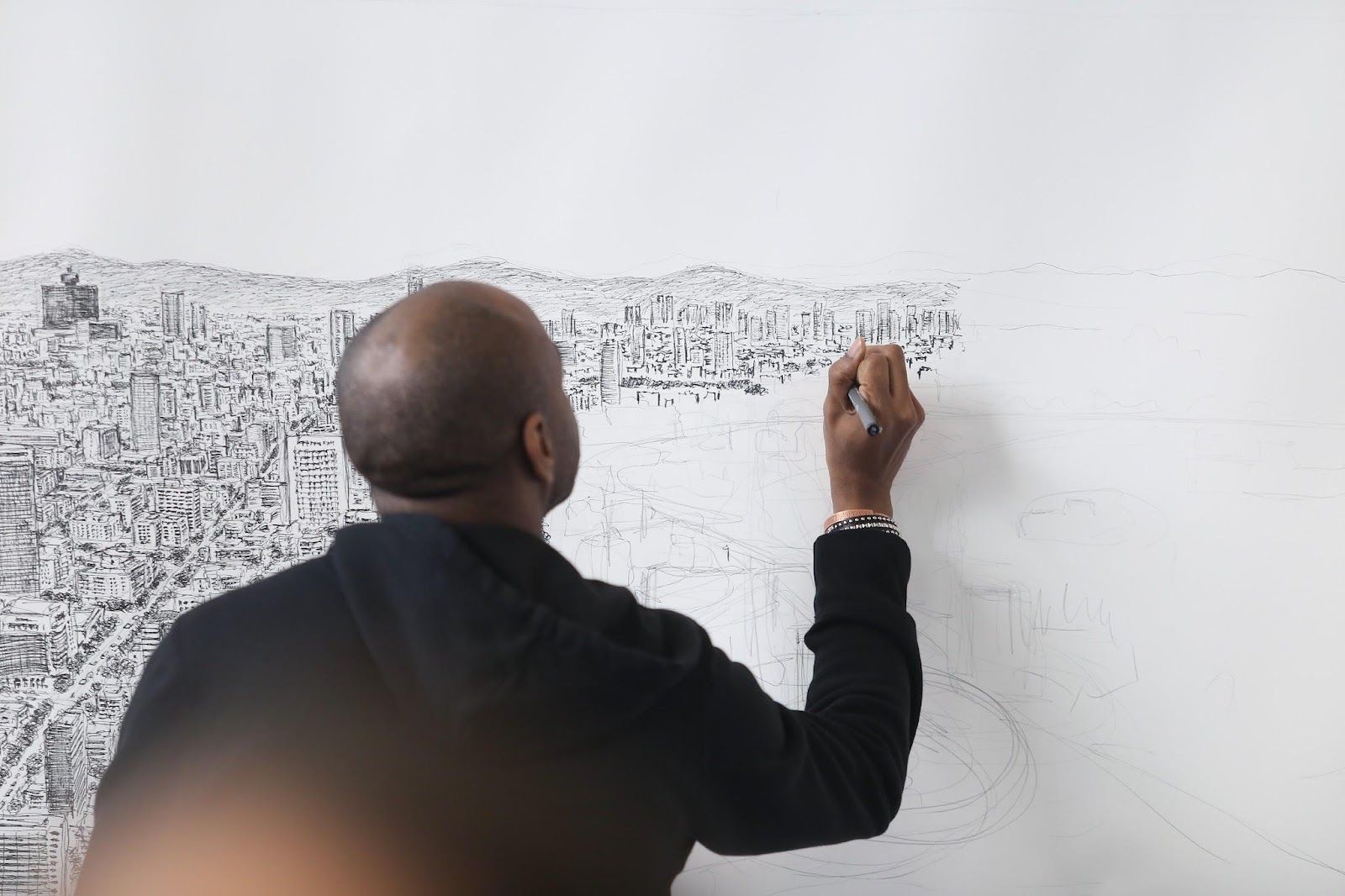
Stephen Wiltshire is an English artist famous for his extraordinary ability to draw detailed landscapes entirely from memory after seeing them just once. Diagnosed with autism at the age of three—the same year his father was killed in a motorcycle accident—Wiltshire found comfort in drawing. Encouraged by his teachers, he used art not only to express himself but also as a bridge to learning speech.

His ability is so impressive that in 2006, Prince Charles of England made him a Member of the Order of the British Empire in recognition of his artistic work.

7

Accidental genius

Image: Thomas T

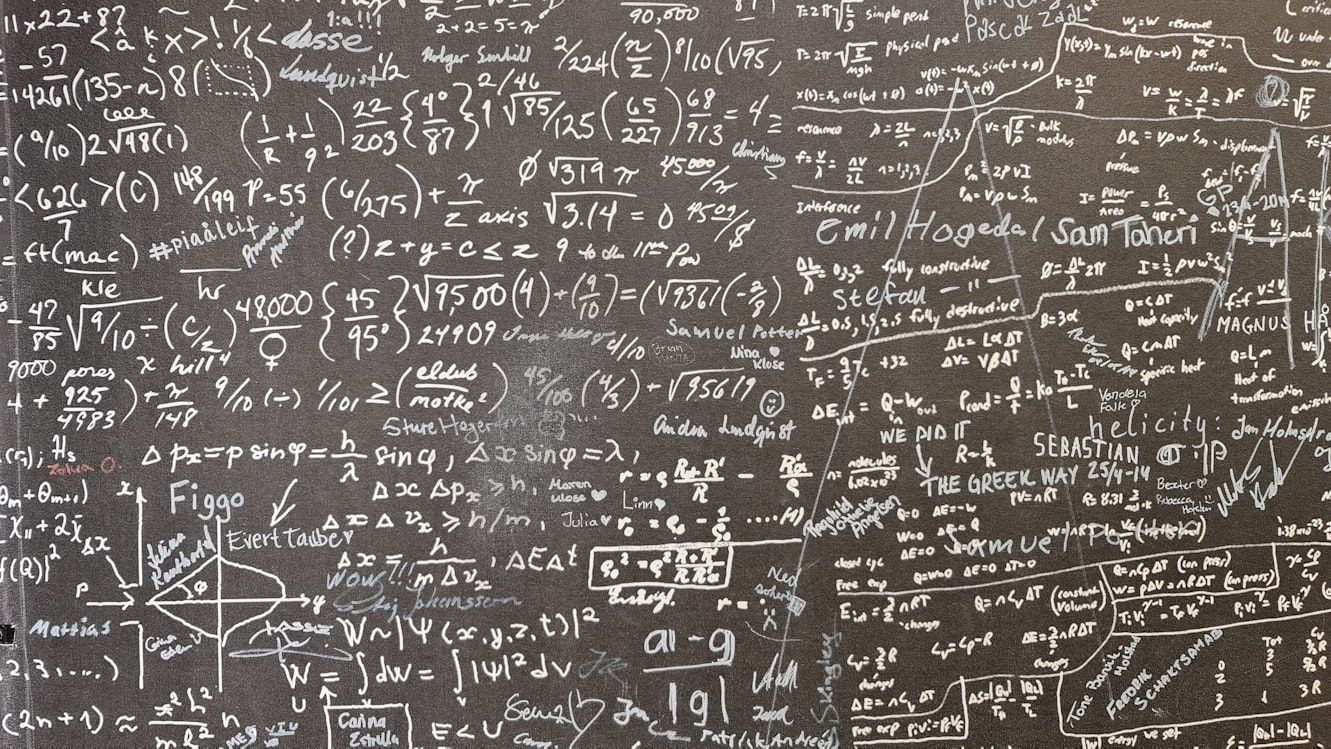
When he was 10 years old, American Orlando Serrell was struck in the head by a baseball and briefly knocked unconscious. After recovering, he discovered he could solve complex math problems in record time. Serrell suffers from brain damage, and although his mathematical ability was latent before the accident, his trauma turned him into a genius.

Acquired savant syndrome is a rare condition in which a person develops exceptional skills after a brain injury or trauma. In addition to his mathematical abilities, Serrell has other rare skills, such as being able to remember what the weather was like every day since his accident, or identify the day of the week for almost any date mentioned to him.

8

The man who never stops

Image: Alex Kinkate

The American ultramarathon runner Dean Karnazes is no ordinary athlete; his body works in an extraordinary way. He has a rare physiological adaptation that allows him to efficiently clear lactic acid from his muscles, preventing the painful buildup that normally forces people to stop.

Lactic acid is responsible for the hot, burning sensation we feel when we do physical activity. Because Karnazes' muscles always receive the necessary oxygen, he never gets tired and can keep running for miles without even taking a break. This uncanny ability has allowed him to set an incredible record in the United States: he ran 50 marathons in 50 states in 50 consecutive days.

9

The mathematical translator

Image: Alexandru-Bogdan Ghita

Daniel Tammet is a British writer and scholar celebrated for his extraordinary skills in mathematics and languages. Diagnosed with high-functioning autism and having experienced epilepsy as a child, he can perform complex calculations, memorize vast sequences of numbers, and learn new languages with remarkable speed.

In addition, Tammet experiences synesthesia, which enables him to assign totally unique physical properties to each number. He can even identify numbers according to the way their surface feels to the touch, awakening in him a totally different set of emotions each time.

10

A nurse's extraordinary sense of smell

Image: Markus Spiske

Joy Milne is a Scottish nurse known for her remarkable sense of smell, which allows her to detect Parkinson’s disease. She first noticed this unusual ability when she detected a distinctive musky odor on her husband, twelve years before he was officially diagnosed.

Researchers have since confirmed her talent, finding that she can identify a specific odor in the sebum of people with Parkinson’s. Thanks to Joy’s extraordinary sense of smell, progress has been made in early diagnosis and research, offering hope to those affected by the disease.

Looking for an extra scoop of literary fun?

Learn more with our Word of the day

pander

/ˈpændər/