Healthy language

Wanna go bananas? Read this article on fruit idioms!


Published on May 11, 2026
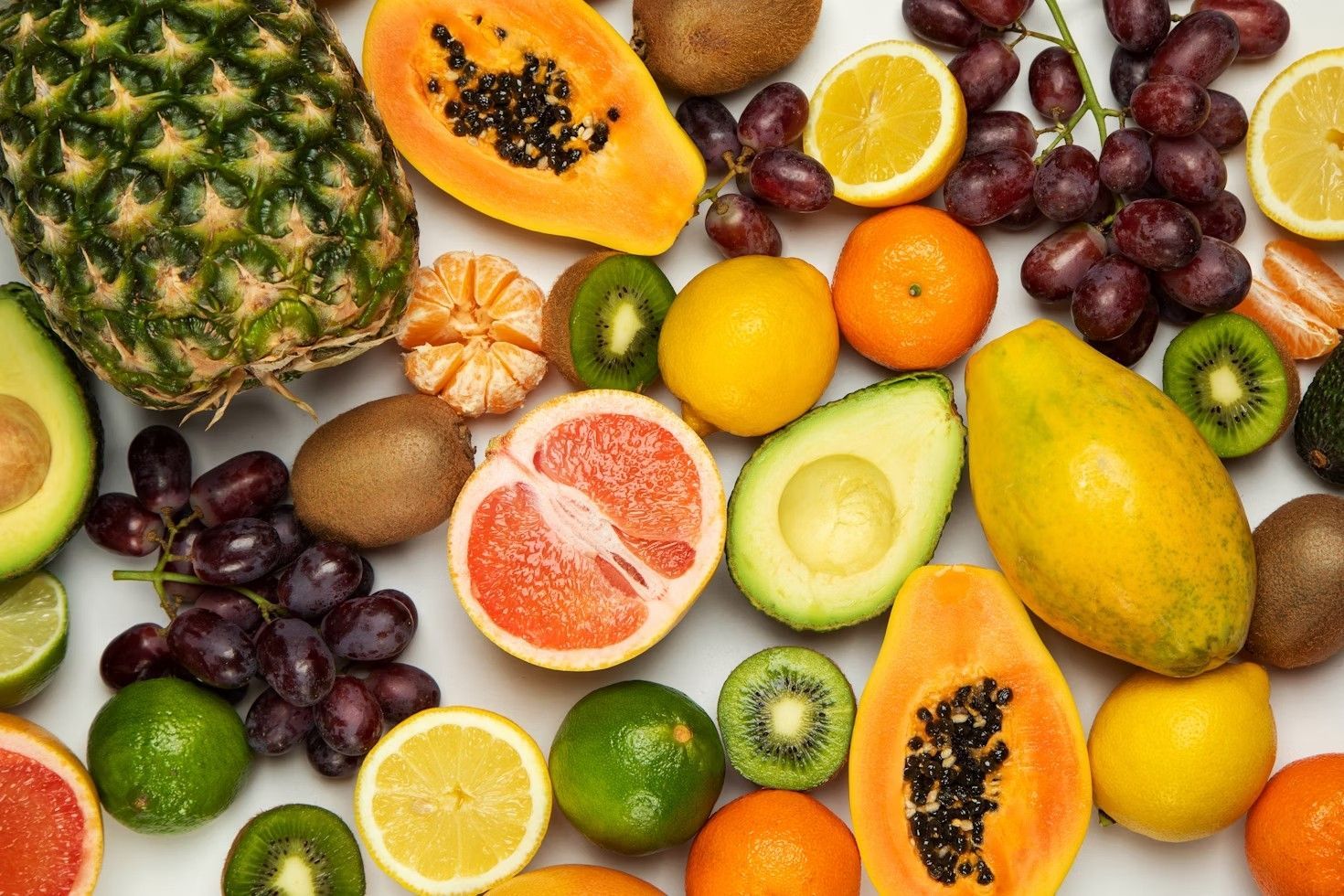

Image: Julia Zolotova

You may not have a healthy diet, and fruit may not be part of your everyday intake, and that’s all right. We’re not here to judge! But we are here to tell you there’s an alternative way to enjoy fruit every day. Want to know what it is? It’s language. There are plenty of idioms that include fruit, and we’ve gathered a bunch of them for you to revisit here. Ready? Go bananas with this article!

1

The apple of one’s eye

Image: Matheus Cenali

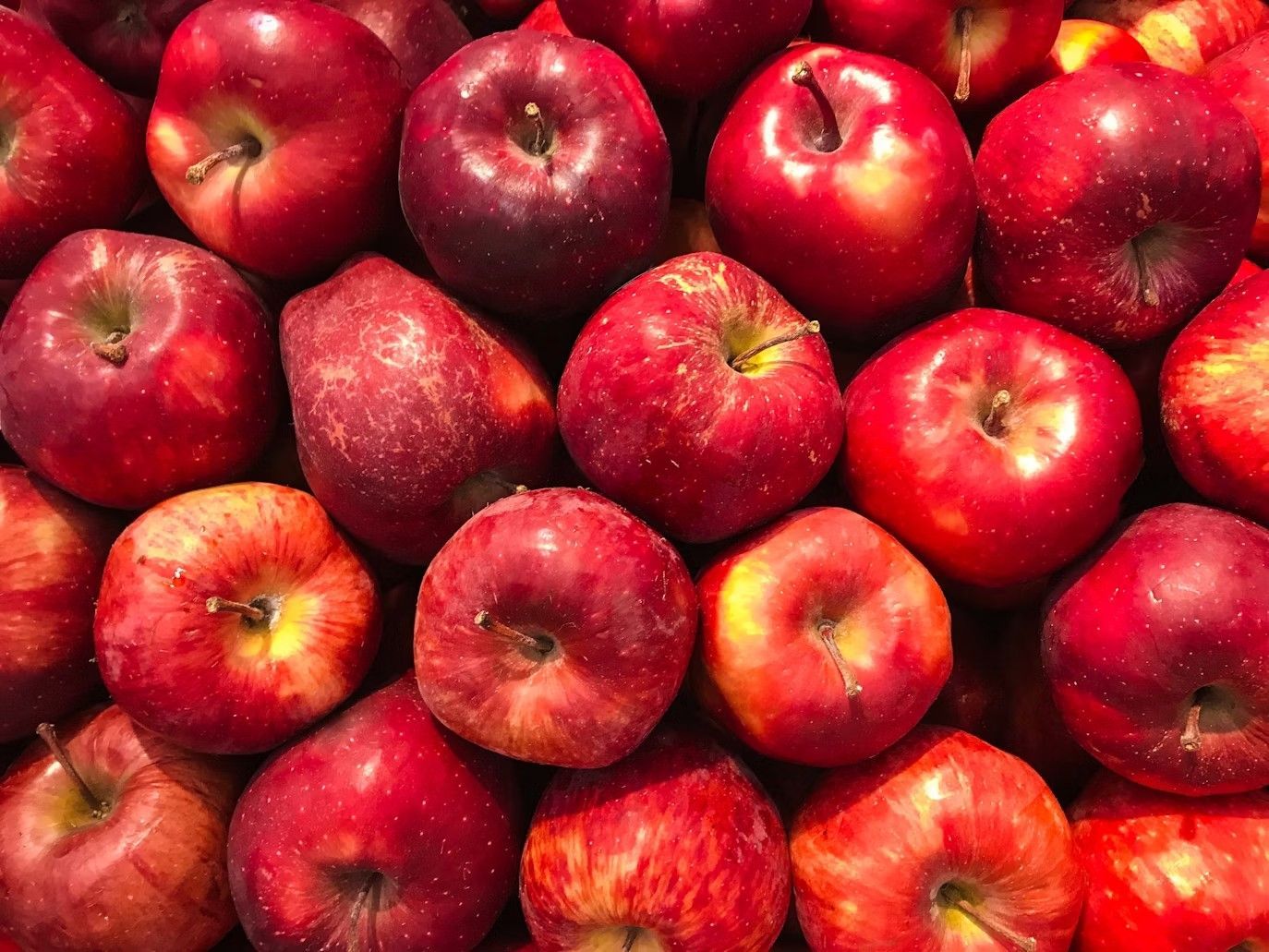
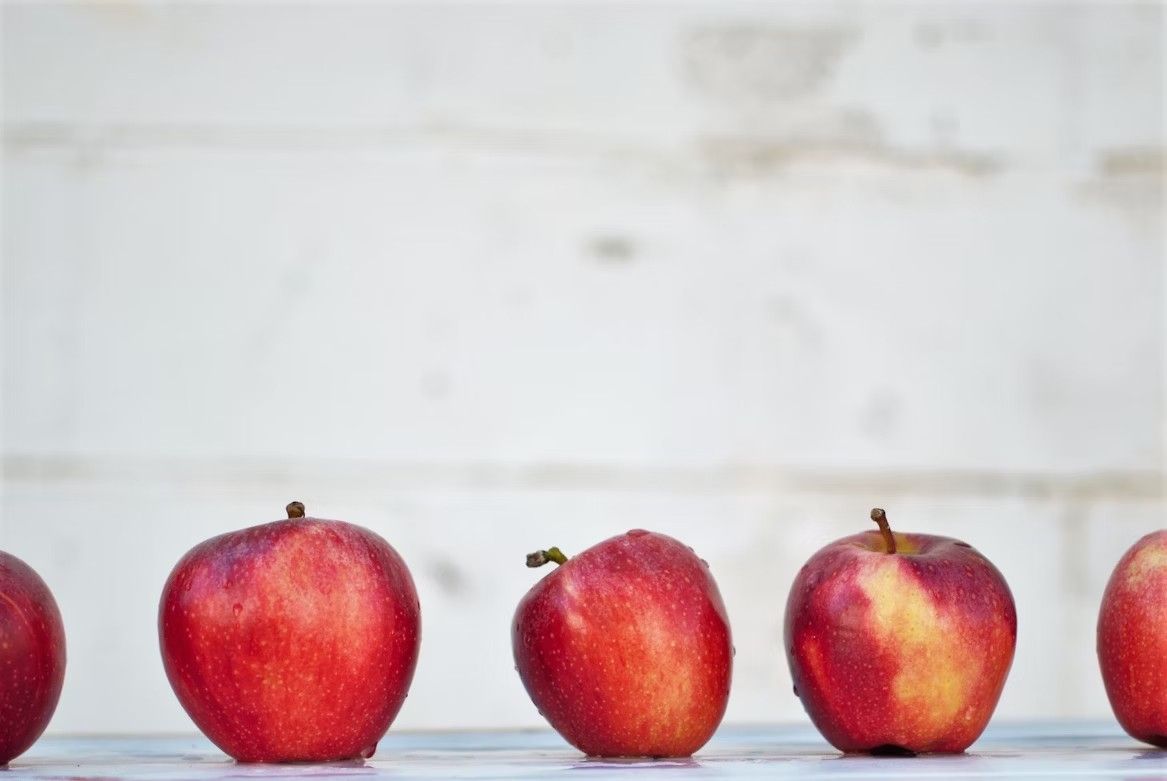
Do you have a special someone? Maybe a person who brightens your day by simply looking at them. Well, that’s the apple of your eye. This expression means someone is very special to or cherished by you. The redness of the apple, ever connected to love and emotional connection, explains why this fruit was the chosen one for this idiom, right?

2

Go bananas

Image: Pop & Zebra

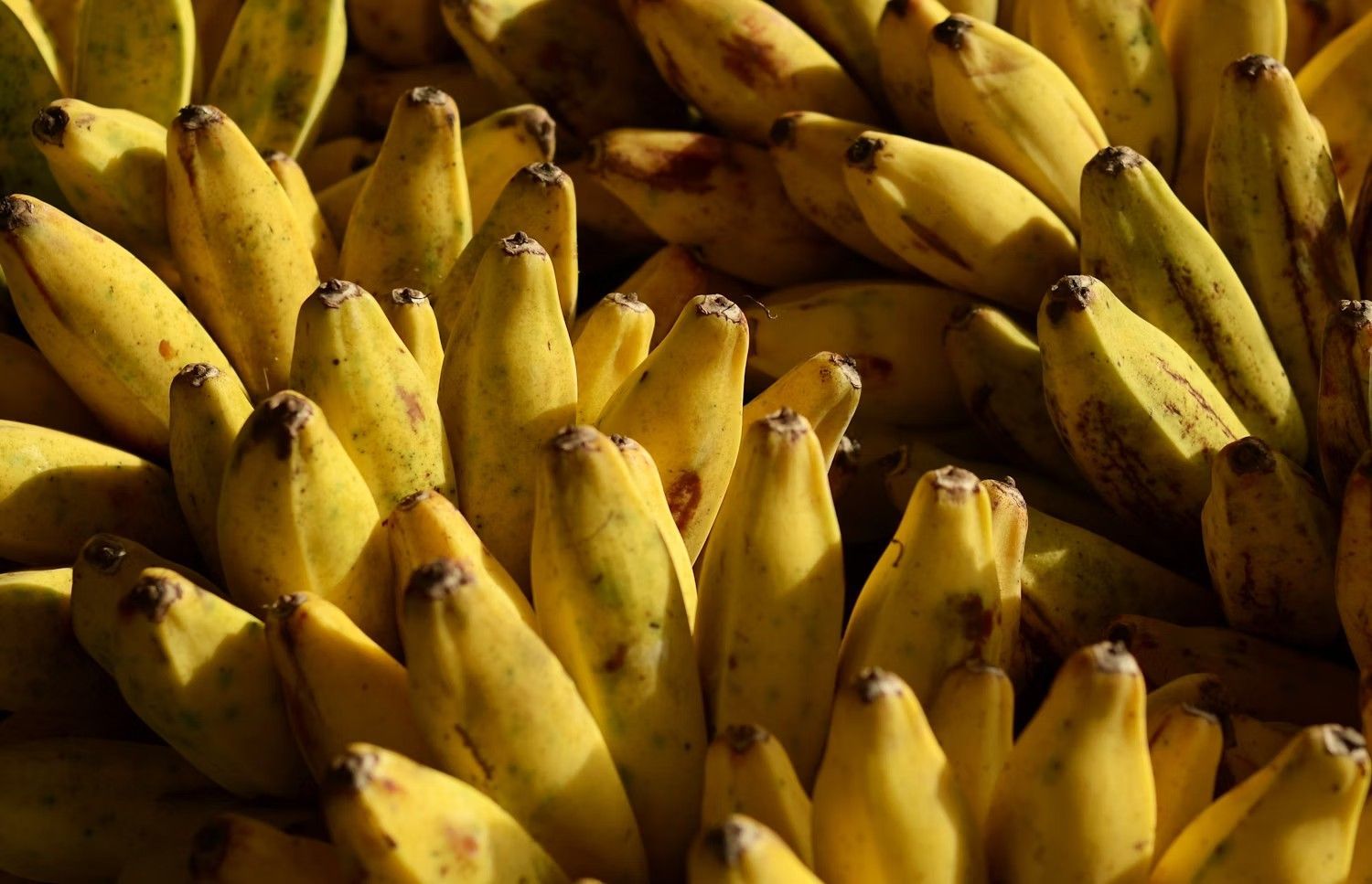
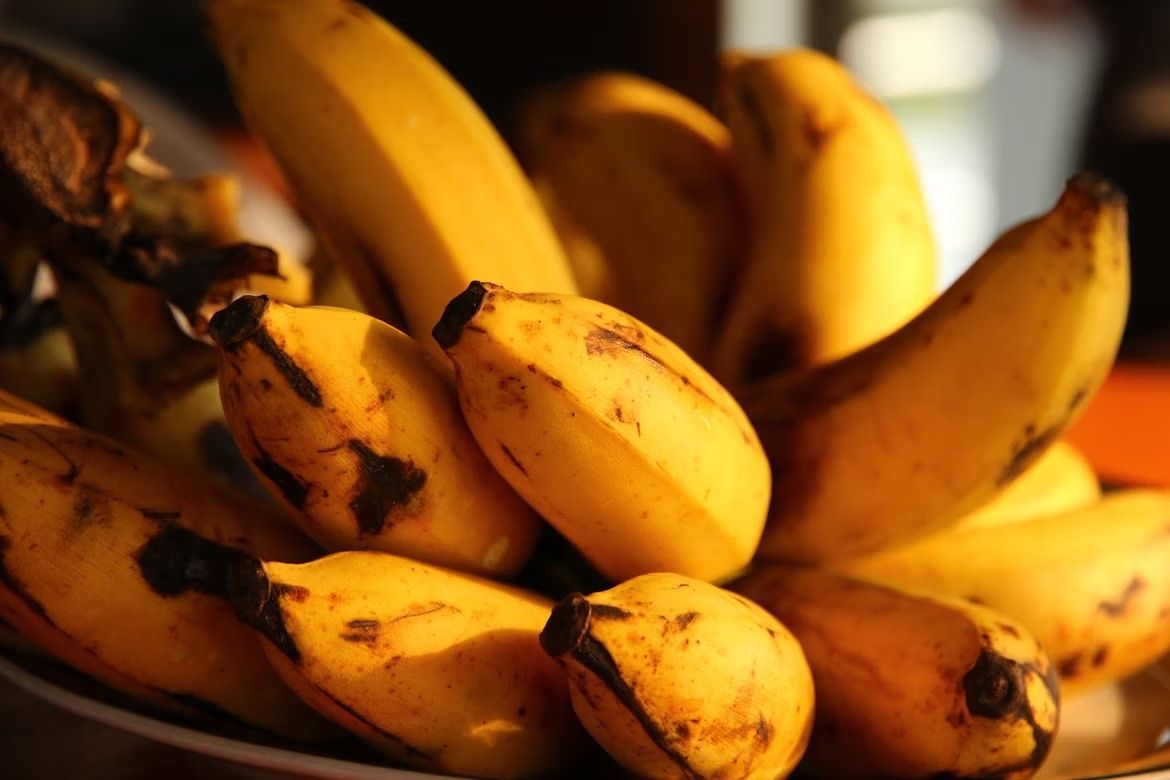
If you paid close attention to the intro here, we wish you had gone bananas on this article. And if you are a daily reader of our blog, you’ll know the kind of excitement this idiom refers to. You know when you get that email saying your article of the day is ready for you to tackle? Well, that’s the feeling! Excitement? That’s too plain. "Go bananas" describes it better!

3

Sour grapes

Image: Rajesh Rajput

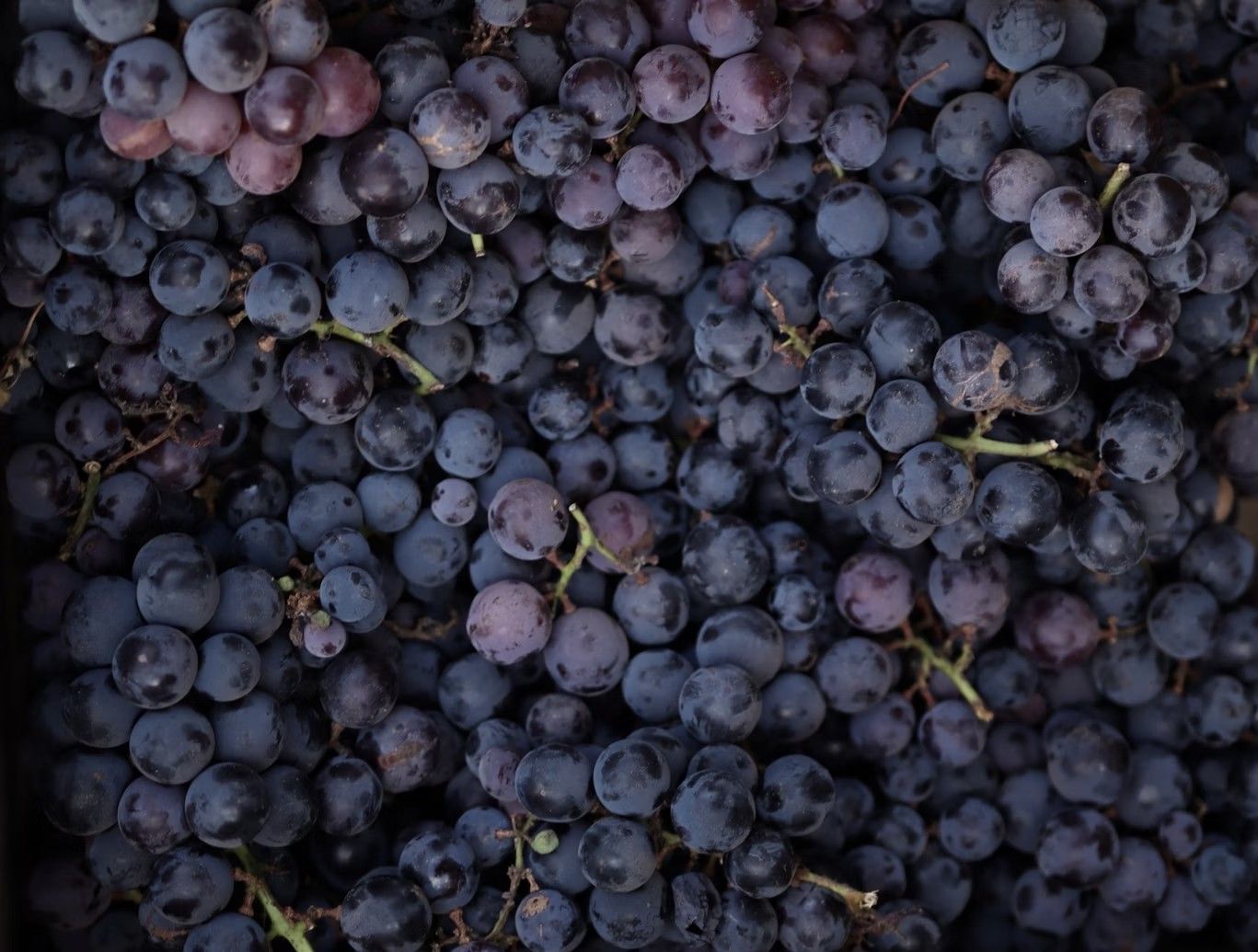
As much as one tries to deny it, we’ve all been in a situation where jealousy takes over, right? Imagine being a sports person and losing a match, you could say, "Well, they won, but that’s just because they got lucky!" Is that real or sour grapes? In other words, are you being realistic or simply jealous? That’s what the sour grapes refer to.

4

Cherry on top

Image: Roksolana Zasiadko

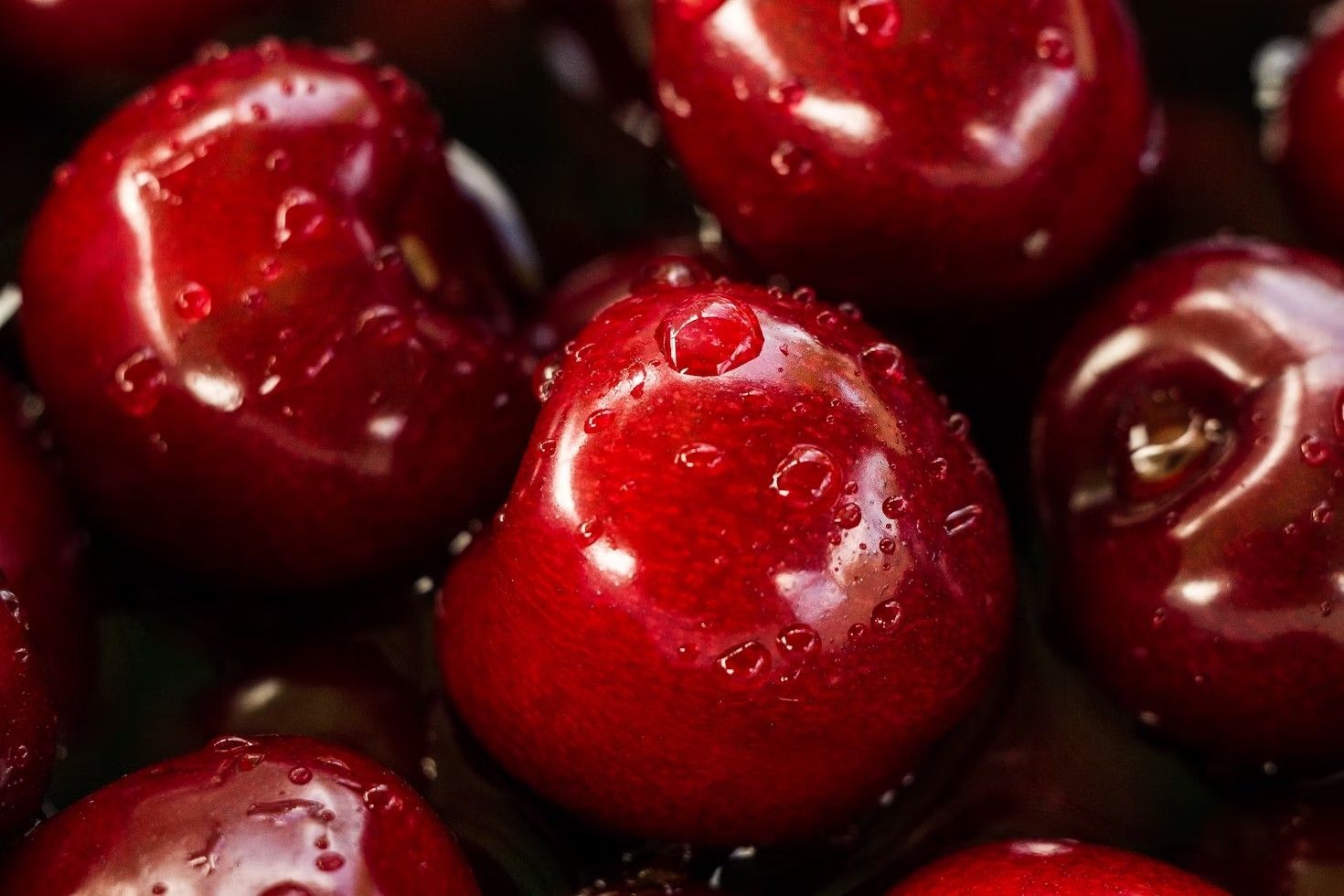
You had a great week at your job, everything went right on track, and the cherry on top is that you got a trip plan for the weekend. The cherry, red and delicious as it looks and tastes, is the representation of the final touch that makes something great or even greater.

5

As cool as a cucumber

Image: Louis Hansel

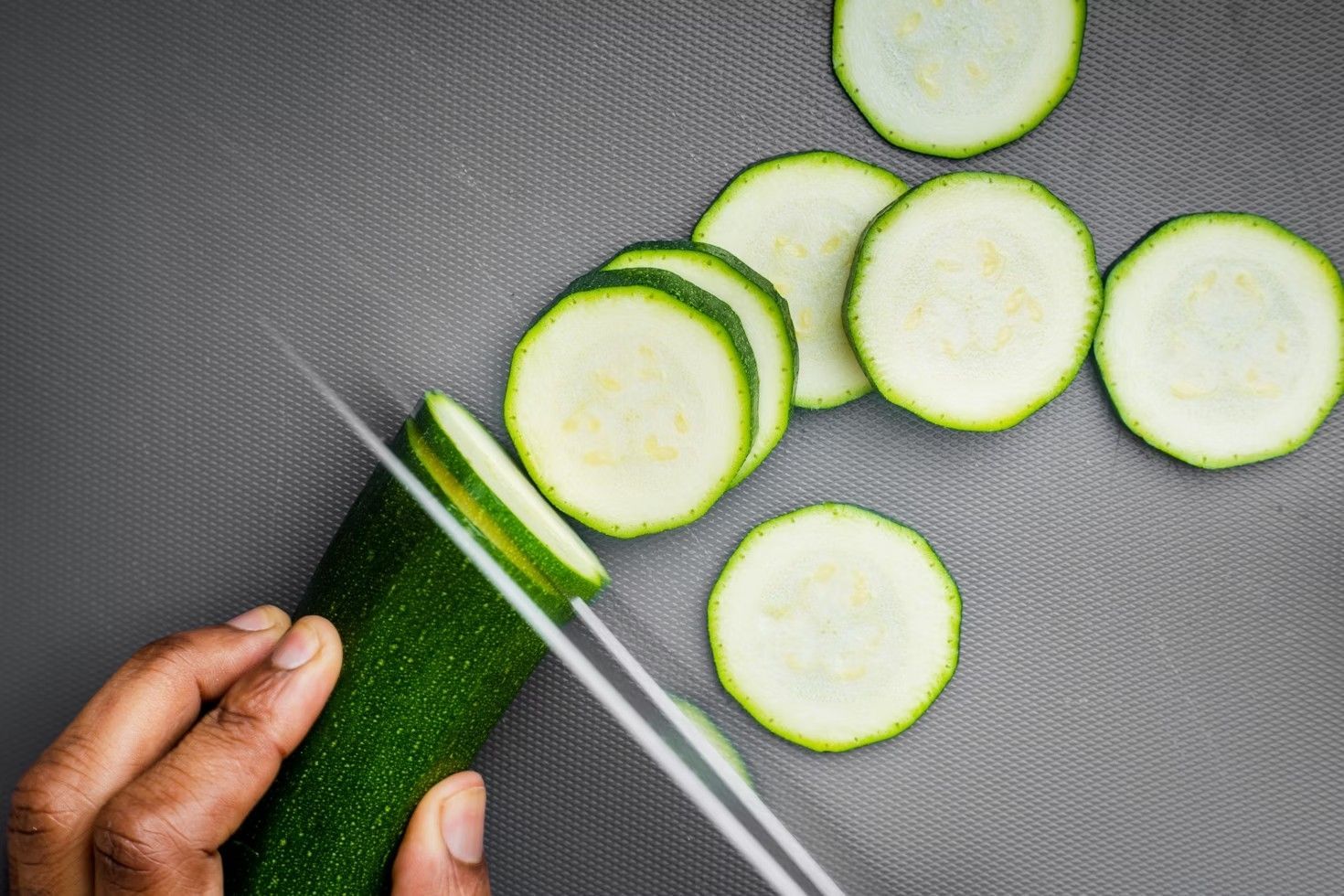
You’re on that trip that is the cherry on top of your exhausting week, and you went to a beautiful retreat. Can you imagine how you would feel? Is the expression "as cool as a cucumber" appropriate? It probably is, since this idiom refers to feeling calm and very relaxed. Why? Well, because the cucumber is quite a fresh fruit. Who hasn't used it to reduce the puffiness in the eyes?

6

A bad apple

Image: Isabella Fischer

In every group of any kind, there’s always that person who is always causing trouble, raising problems where there were none. Conflict follows them, and they spread it around. Maybe it’s not their intention, but it happens, and that’s what we call a bad apple. Those trouble-makers we love and hate at the same time. Do you know any?

7

Go pear-shaped

Image: Jonathan Mast

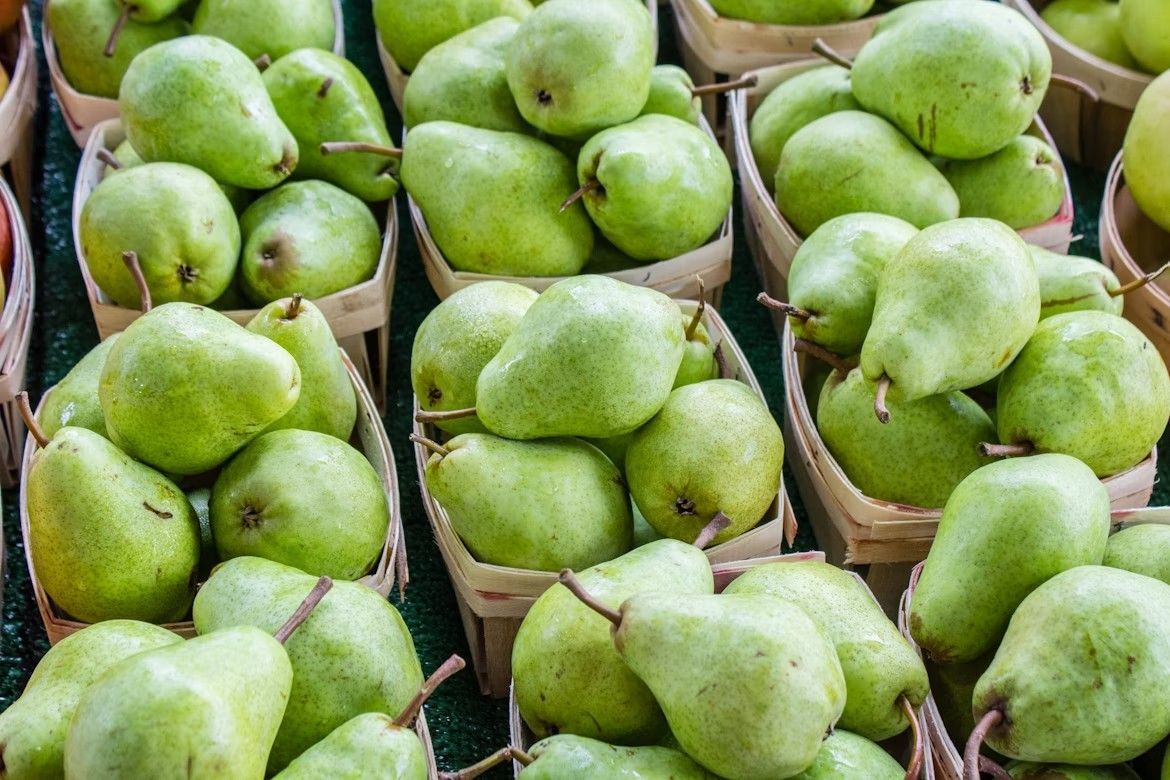
Here is an example of this one, see if you can guess what it means: "Their plant to sneak out in the middle of the night went pear-shaped when the mother saw them." Imagine the embarrassment! But this expression is not about that exactly, but a way of saying things did not go as planned or that they went wrong. Did anything go pear-shaped for you today?

8

A plum job

Image: jasper benning

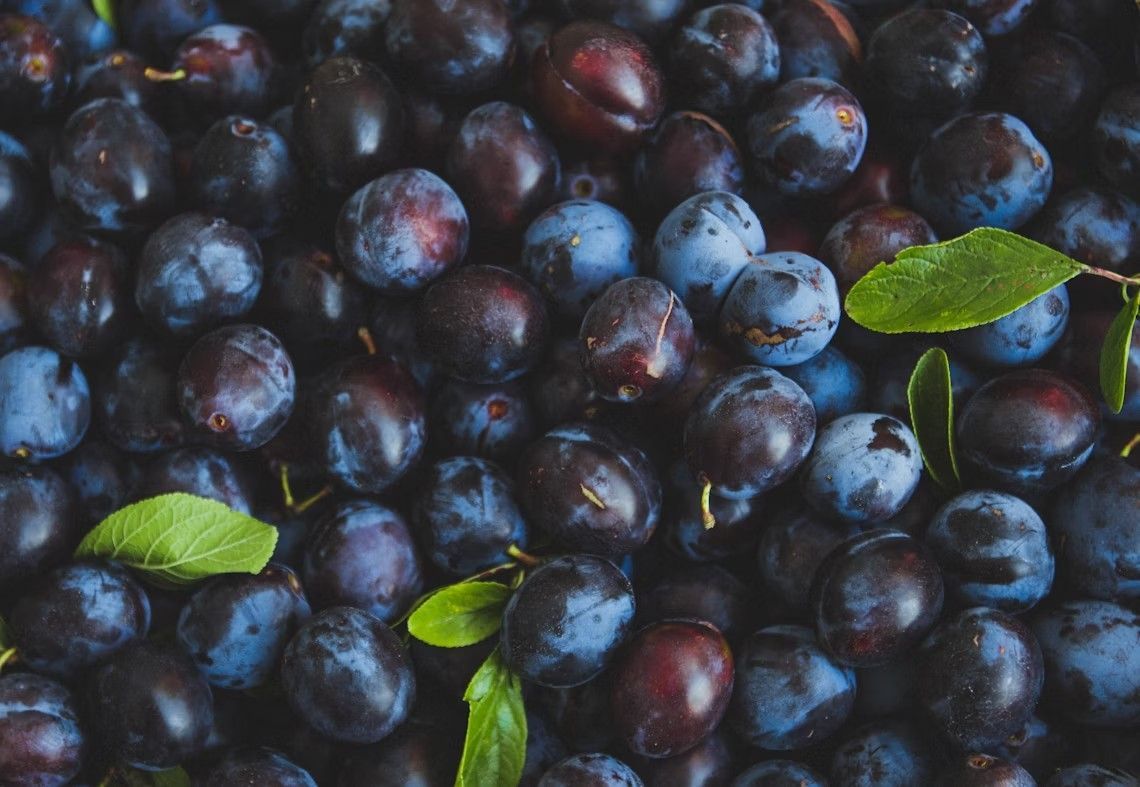
There are jobs… And jobs! Who wouldn’t like to be a librarian, arranging books in a quiet space surrounded by bookworms alike? Well, that may not be the case for you, but it sure is a plum job, which is an alternative way of saying that it’s a dream job or at least an easy and desirable one.

9

Top banana

Image: Fabrizio Frigeni

We mentioned the troublemaker earlier, but as soon as we can identify the one that takes on that role in every group, we can also point to the one who is a natural leader. Every single group has a top banana! Wait, what? Exactly, the top banana is that natural boss that stands out from the rest, thanks to their dominant personality.

10

Peachy keen

Image: LuAnn Hunt

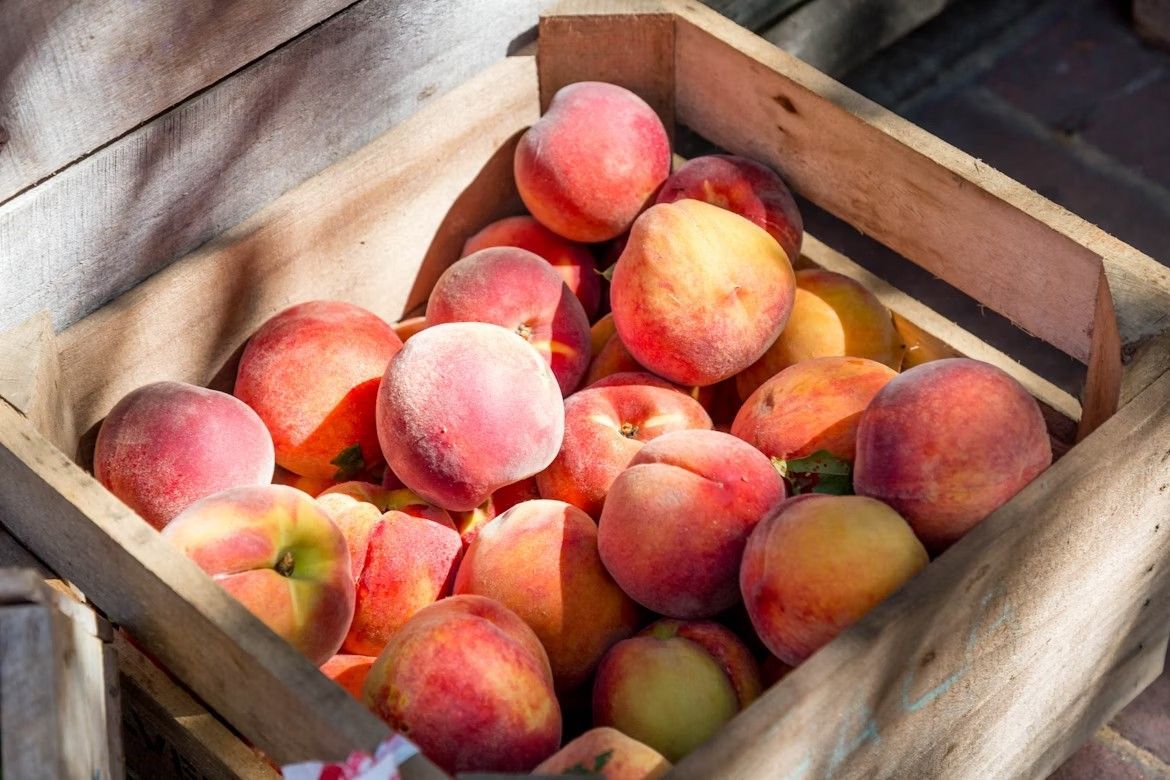
There are many more, but let’s close this article with an easy, light-hearted one. What did you think of it? Hope you thought it was peachy keen, or, in other words, a great one! And let’s hope that these expressions help you get your daily fruit intake. See you in the next article!


High five!

OK, thumbs-up & beyond:12 common gestures and their global meanings


Published on May 11, 2026


Image: Ashkan Forouzani

It is often said that body language transcends borders. And that is quite true to a great extent. But not always. At least not when it comes to the silent gestures that we use to express a myriad of different things. What is perceived as a friendly gesture here might be seen as a very rude insult in other places. So, take a look at the following 12 cases and remember them, just in case!

1

Thumbs up

Image: Katya Ross

The classic thumbs-up sign represents approval, agreement, or satisfaction within American and European cultures.

But, in many Asian countries, it is seen as a major insult, and it can be offensive to anyone on the receiving end.

2

Come here

Image: Julia Taubitz

This simple summoning gesture, done by curling the index finger towards the palm, is well known within the U.S.

However, don't attempt to use this gesture in the Philippines, where it is considered to be one of the most offensive gestures one can make and can result in you being punished with broken fingers or arrested.

Image: Gregory Hayes

3

Head shake

Shaking your head up and down is used to say "yes" and shaking it sideways, "no". This is the case in most countries.

But in places like Bulgaria and Greece, these two gestures are reversed, which can be very confusing to anyone visiting for the first time.

4

Crossed arms

Image: Antonio Araujo

Crossing the arms over the chest is a quite common gesture without much meaning in most countries.

However, in Finland, this posture is viewed as a huge sign of arrogance. Standing with this posture can get you into a fight or make people dislike you.

5

V sign

Image: Patrick Fore

Primarily to the 1960s, this hand gesture was mostly used to indicate "victory" but, during the Vietnam War and the hippie era, this sign became associated with the concept of "peace", and it is now commonly known as the "peace sign".

6

OK sign

Image: Igor Omilaev

The OK sign is a common hand gesture throughout the English-speaking world and is typically used to say that everything is going well.

However, in New Zealand, it is used to call out a lazy person, and in Australia, it’s used to express the number "zero."

7

Pinky swear

Image: Andrew Petrov

Within most English-speaking countries, extending your pinky finger is a way to initiate a pinky swear, which means that someone is making a heartfelt and genuine promise.

But, in certain Asian countries, pointing outward with your pinky is considered a rude gesture and is best to be avoided.

8

Fingers crossed

Image: Dayne Topkin

Crossing one’s fingers expresses a wish for good luck in the U.S. and most English-speaking countries.

But crossing one’s fingers behind one’s back expresses insincerity while making a promise.

9

One sign

Image: charlesdeluvio

In most Western countries, holding up the index finger signifies "number one" or "first place."

However, in Greece, Russia, and the Middle East, holding up the index finger is considered rude and can be interpreted as an insult or even a threat.

10

Horns gesture

Image: Shafin Ashraf

The "horns" gesture, done by extending the index and pinky finger, is a common hand gesture in the U.S., especially in the heavy metal and rock music scene, meaning "rock on".

But in many countries, like Italy, Portugal, and Brazil, this same gesture can be interpreted as an accusation of infidelity.

11

L sign

Image: Max Kolganov

While holding your extended index and thumb at a 90-degree angle over your forehead is used to say that somebody else is a loser, that is not the case in China, where it symbolizes something else completely: a number eight.

12

Pinky up

Image: Roman Kraft

Raising the pinky finger alone is commonly used to parody a snob attitude. It is a cheeky gesture that is not to be taken seriously, at least in most Western cultures.

In China, however, extending your pinky finger indicates that you think little of the person you're speaking to and is considered quite rude.

Looking for an extra scoop of literary fun?

Learn more with our Word of the day

gladiatorial

/ˌɡlædiəˈtɔriəl/