Healthy language

How many fruit idioms do you know? Here are 10 of them!


Published on May 11, 2026
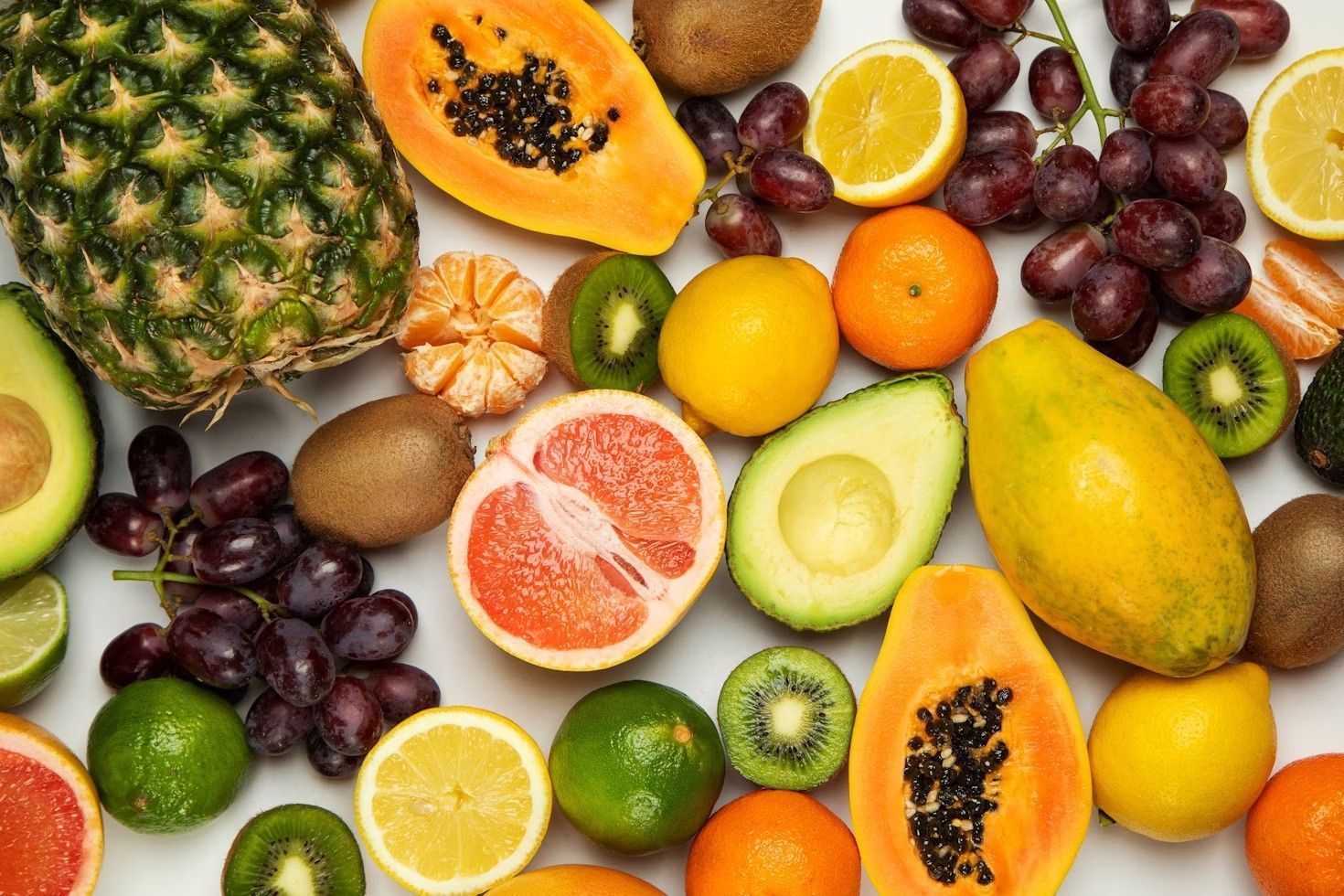

Image: Julia Zolotova

You may not have a healthy diet, and fruit may not be part of your everyday intake, and that’s all right. We’re not here to judge! But we are here to tell you there’s an alternative way to enjoy fruit every day. Want to know what it is? It’s language. There are plenty of idioms that include fruit, and we’ve gathered a bunch of them for you to revisit here. Ready? Go bananas with this article!

1

The apple of one’s eye

Image: Matheus Cenali

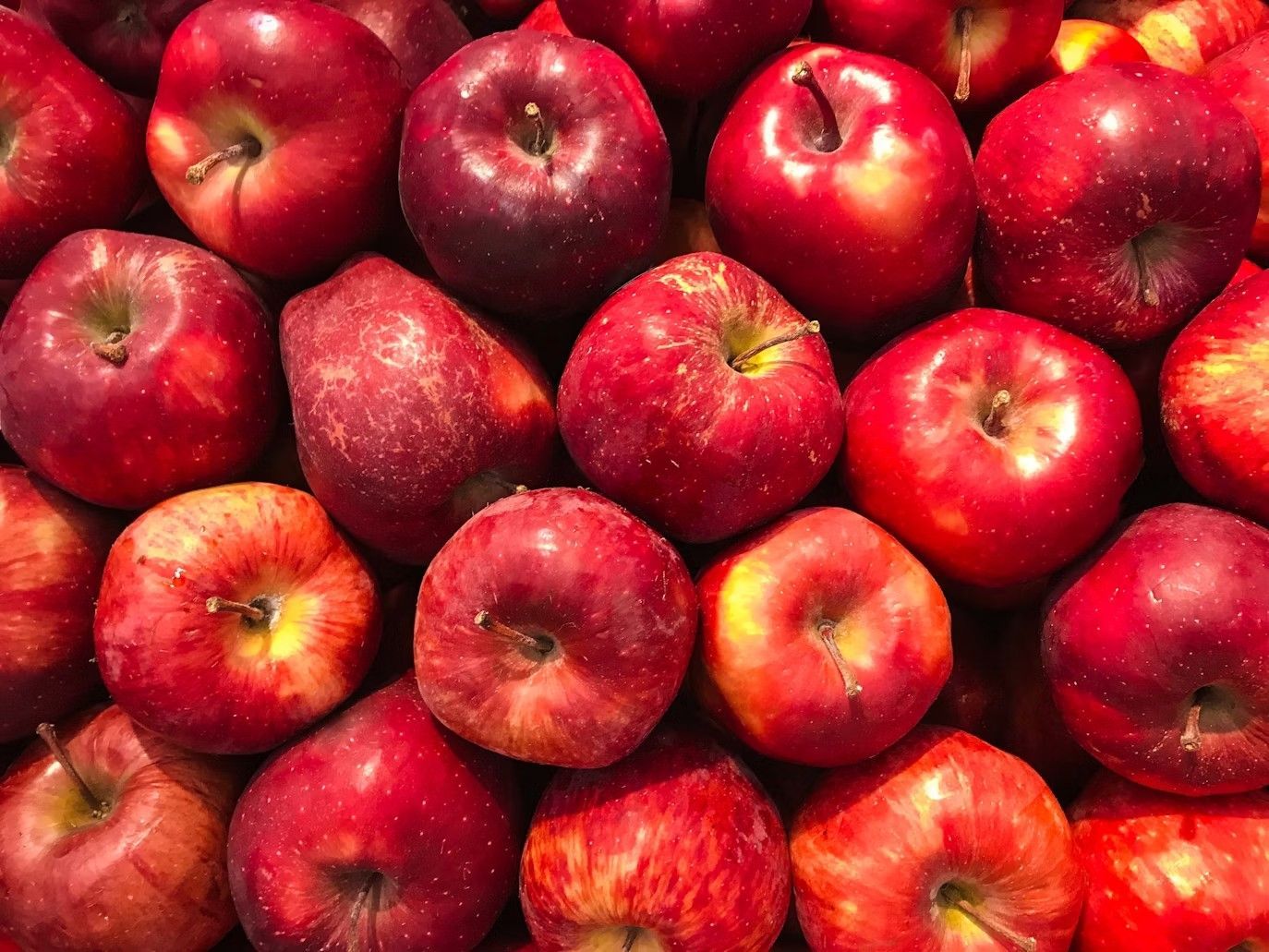
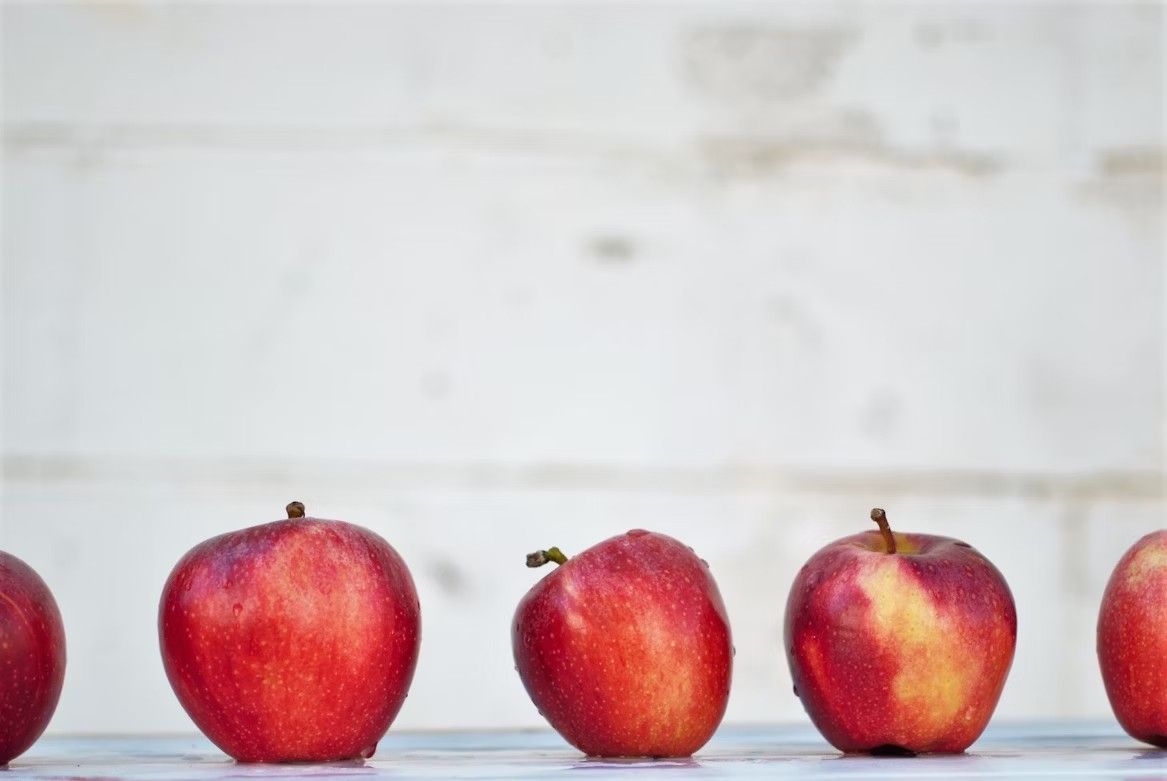
Do you have a special someone? Maybe a person who brightens your day by simply looking at them. Well, that’s the apple of your eye. This expression means someone is very special to or cherished by you. The redness of the apple, ever connected to love and emotional connection, explains why this fruit was the chosen one for this idiom, right?

2

Go bananas

Image: Pop & Zebra

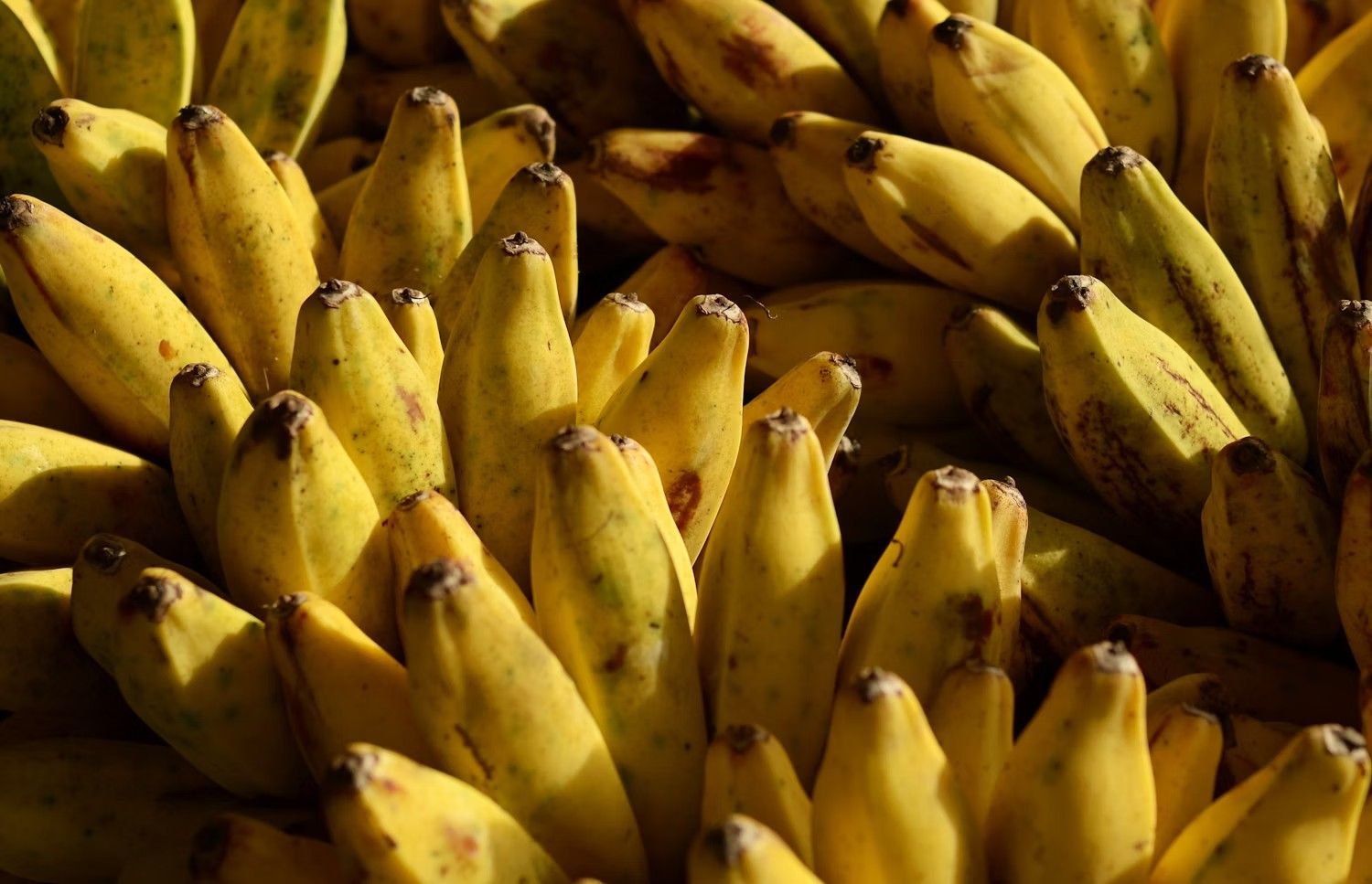
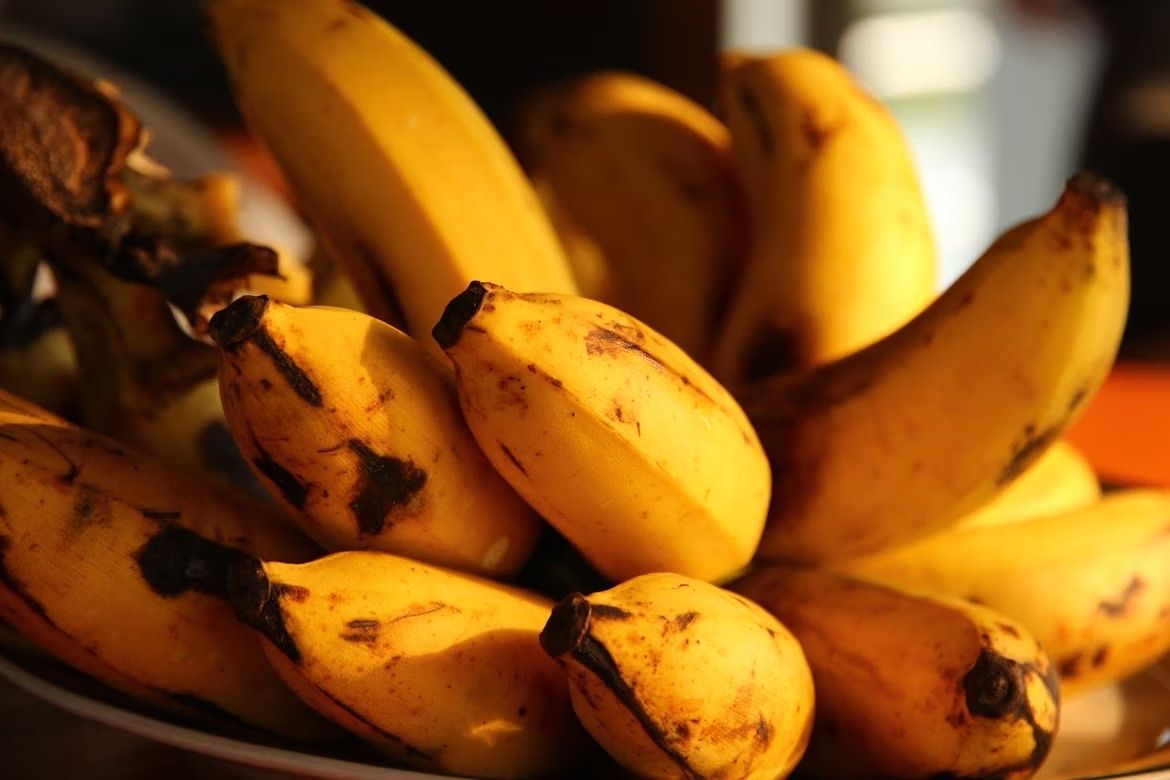
If you paid close attention to the intro here, we wish you had gone bananas on this article. And if you are a daily reader of our blog, you’ll know the kind of excitement this idiom refers to. You know when you get that email saying your article of the day is ready for you to tackle? Well, that’s the feeling! Excitement? That’s too plain. "Go bananas" describes it better!

3

Sour grapes

Image: Rajesh Rajput

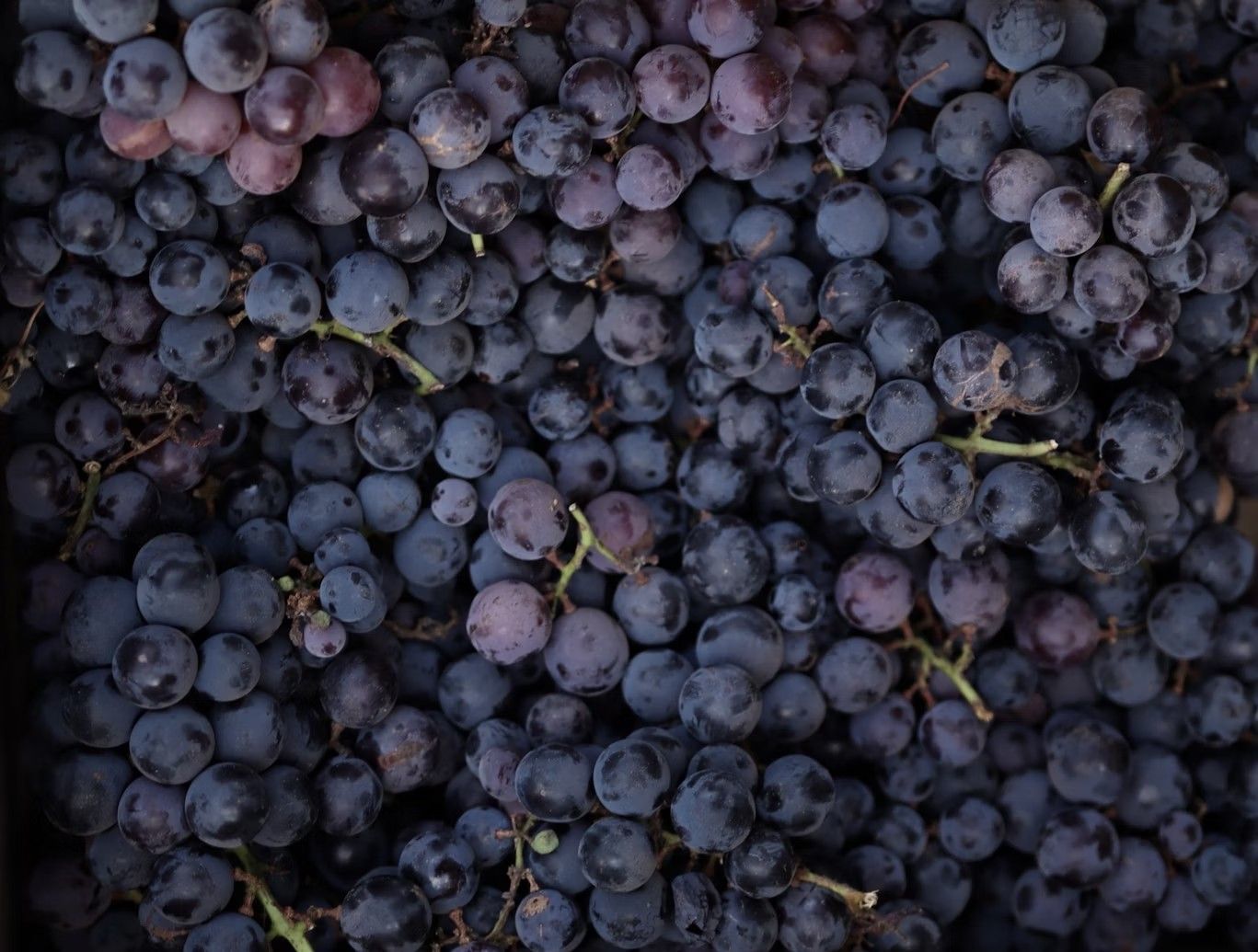
As much as one tries to deny it, we’ve all been in a situation where jealousy takes over, right? Imagine being a sports person and losing a match, you could say, "Well, they won, but that’s just because they got lucky!" Is that real or sour grapes? In other words, are you being realistic or simply jealous? That’s what the sour grapes refer to.

4

Cherry on top

Image: Roksolana Zasiadko

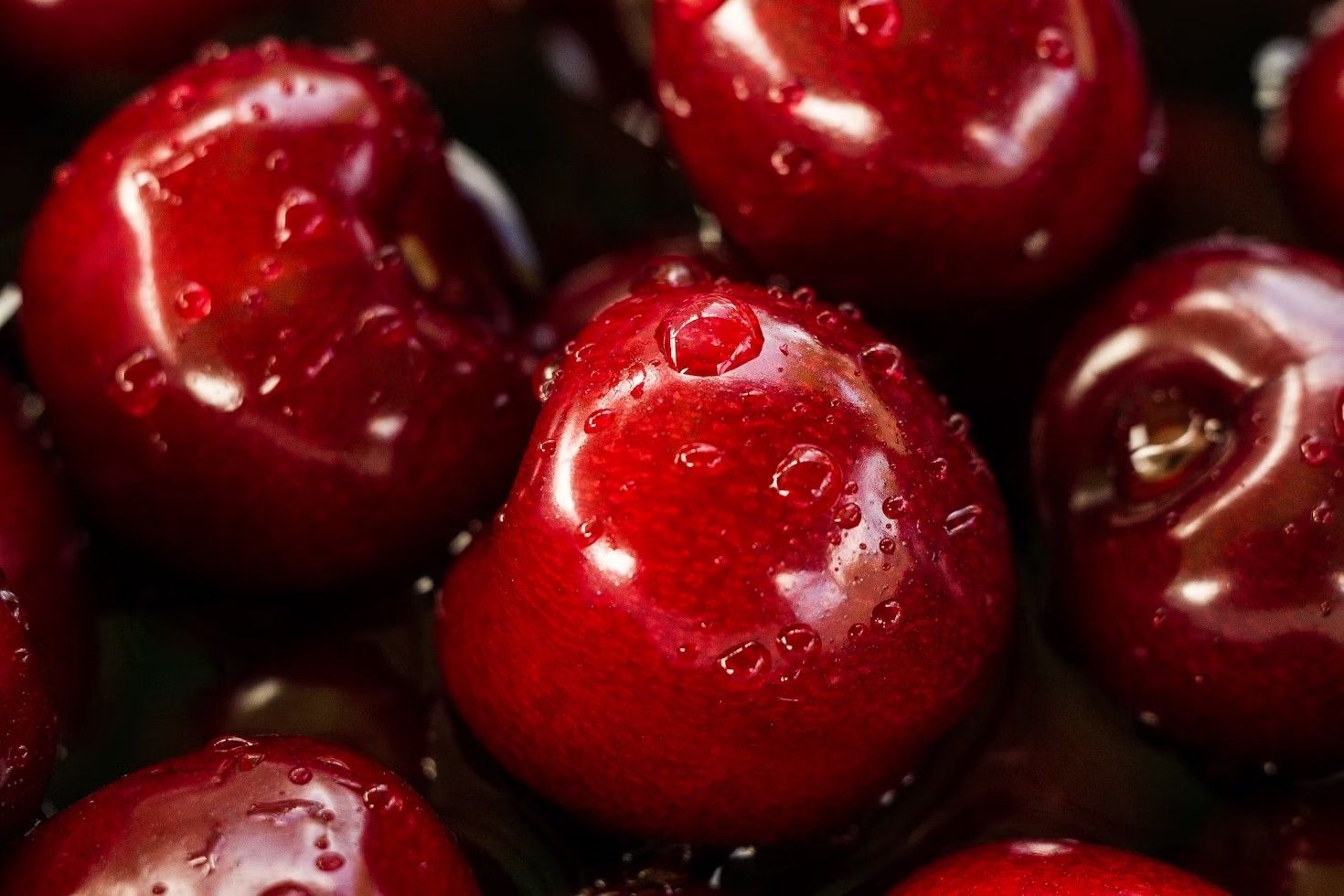
You had a great week at your job, everything went right on track, and the cherry on top is that you got a trip plan for the weekend. The cherry, red and delicious as it looks and tastes, is the representation of the final touch that makes something great or even greater.

5

As cool as a cucumber

Image: Louis Hansel

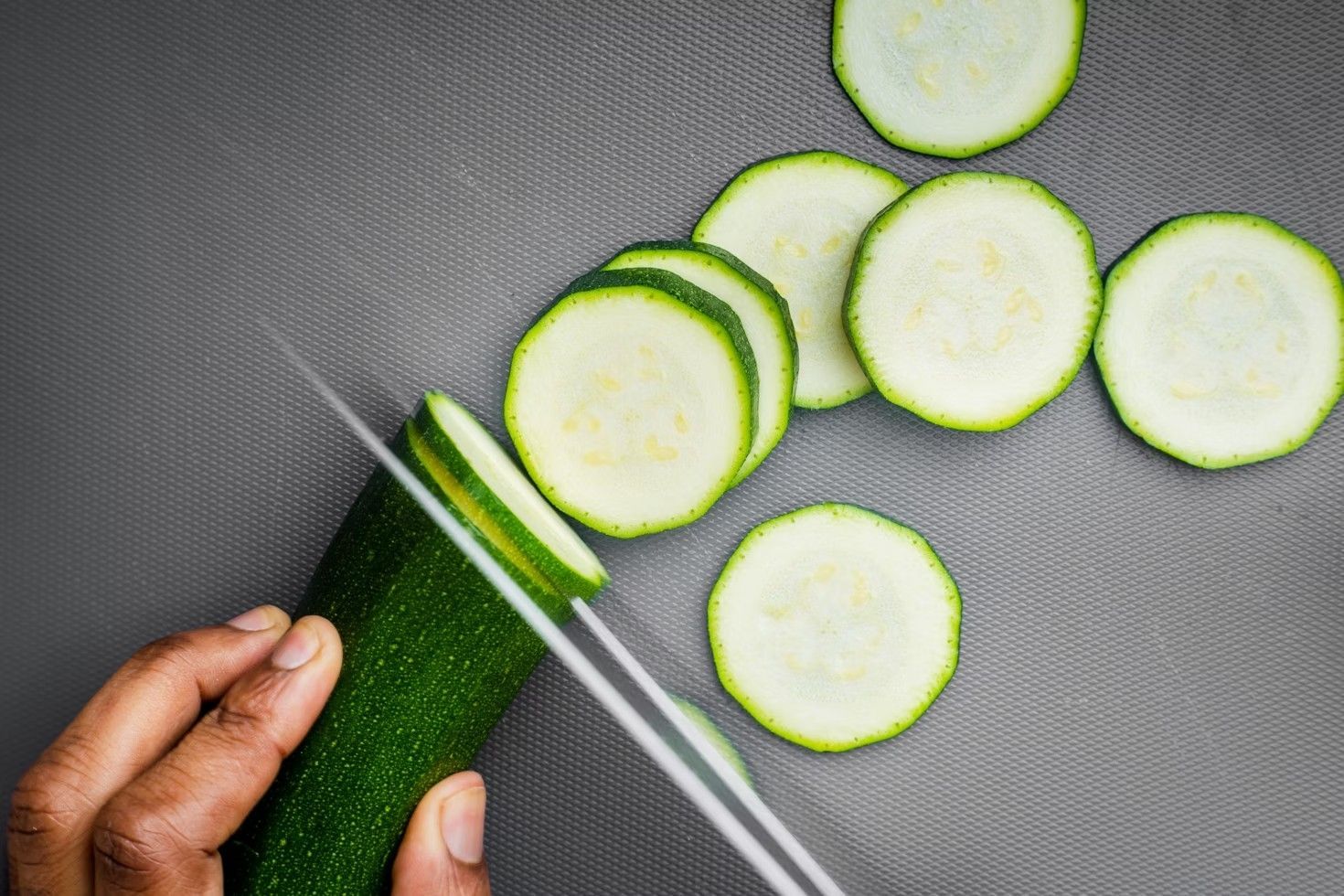
You’re on that trip that is the cherry on top of your exhausting week, and you went to a beautiful retreat. Can you imagine how you would feel? Is the expression "as cool as a cucumber" appropriate? It probably is, since this idiom refers to feeling calm and very relaxed. Why? Well, because the cucumber is quite a fresh fruit. Who hasn't used it to reduce the puffiness in the eyes?

6

A bad apple

Image: Isabella Fischer

In every group of any kind, there’s always that person who is always causing trouble, raising problems where there were none. Conflict follows them, and they spread it around. Maybe it’s not their intention, but it happens, and that’s what we call a bad apple. Those trouble-makers we love and hate at the same time. Do you know any?

7

Go pear-shaped

Image: Jonathan Mast

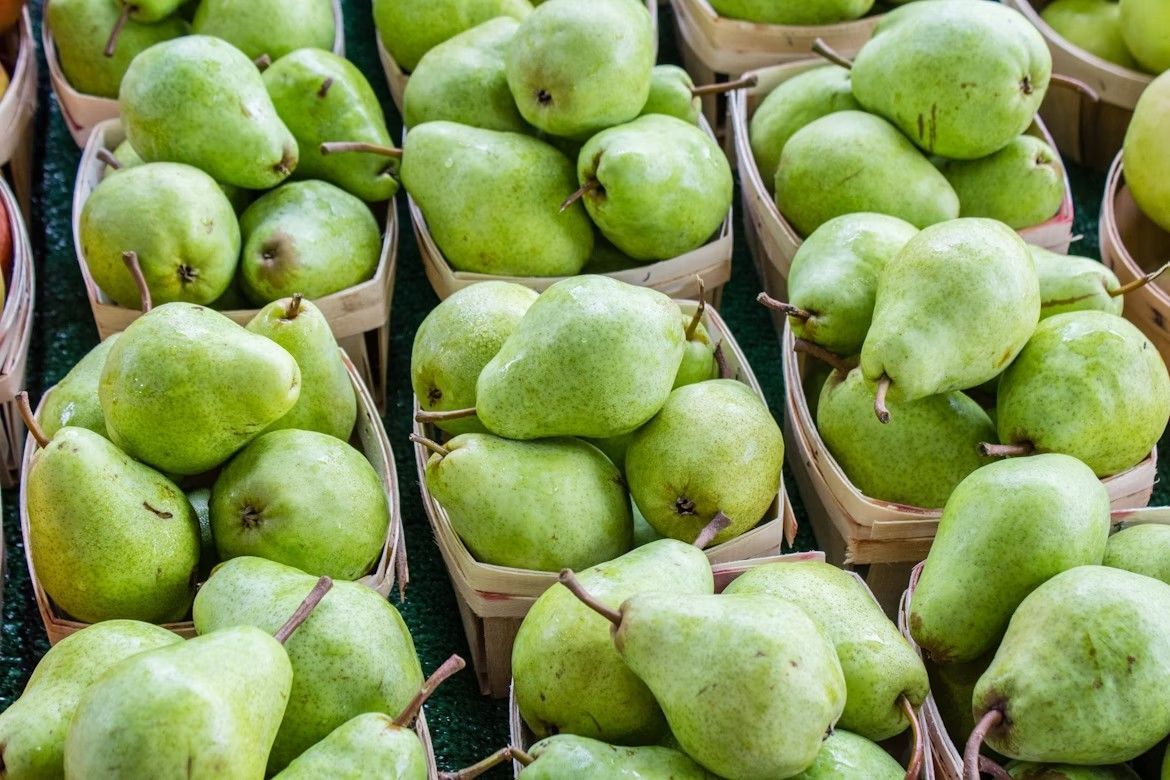
Here is an example of this one, see if you can guess what it means: "Their plant to sneak out in the middle of the night went pear-shaped when the mother saw them." Imagine the embarrassment! But this expression is not about that exactly, but a way of saying things did not go as planned or that they went wrong. Did anything go pear-shaped for you today?

8

A plum job

Image: jasper benning

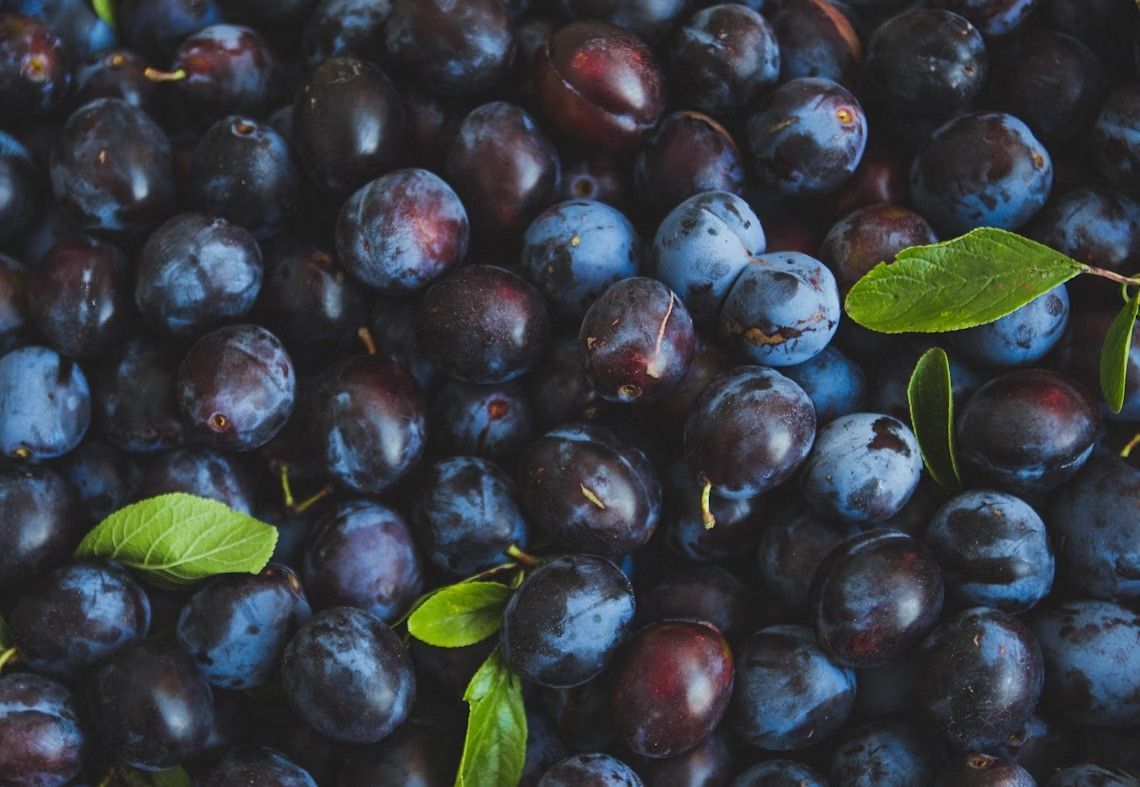
There are jobs… And jobs! Who wouldn’t like to be a librarian, arranging books in a quiet space surrounded by bookworms alike? Well, that may not be the case for you, but it sure is a plum job, which is an alternative way of saying that it’s a dream job or at least an easy and desirable one.

9

Top banana

Image: Fabrizio Frigeni

We mentioned the troublemaker earlier, but as soon as we can identify the one that takes on that role in every group, we can also point to the one who is a natural leader. Every single group has a top banana! Wait, what? Exactly, the top banana is that natural boss that stands out from the rest, thanks to their dominant personality.

10

Peachy keen

Image: LuAnn Hunt

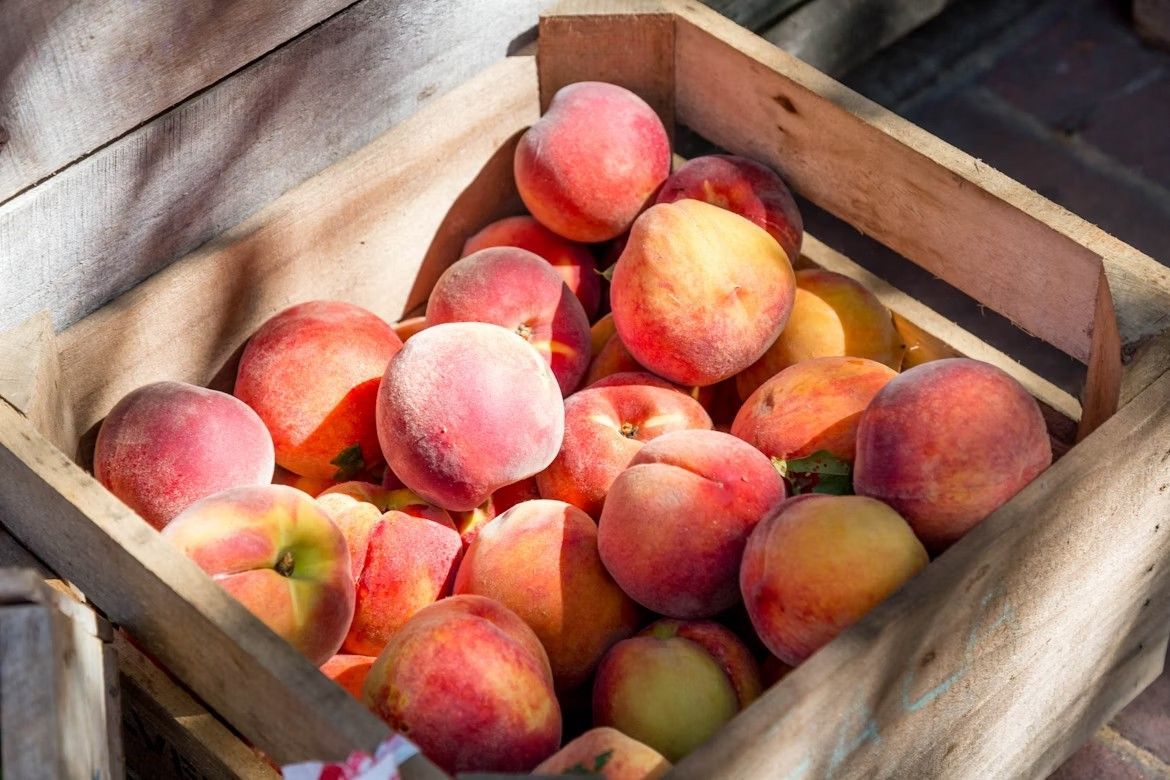
There are many more, but let’s close this article with an easy, light-hearted one. What did you think of it? Hope you thought it was peachy keen, or, in other words, a great one! And let’s hope that these expressions help you get your daily fruit intake. See you in the next article!


Genealogy of words

Cobwebs and scapegoats: The surprising origins of 10 compound words


Published on May 11, 2026


Image: Jackson Films

Compound words are everywhere, often hiding fascinating stories in plain sight. English is an exceptionally adaptable language, and one way it creates new words is by combining the sounds and meanings of existing ones. These terms, deeply rooted in history, culture, and language evolution, have become part of everyday speech. From cobweb to hodgepodge, here are 10 compound words you’ve probably used without realizing their fascinating backstories.

1

Cobweb

Image: Simple stripes

"Cob" comes from an Old English word for spider. Over time, web naturally paired with it, referring to the silky structures spiders spin to catch their prey. While cob eventually faded from use, "cobweb" endured, surviving linguistic changes.

Interestingly, cobweb now typically refers to older, abandoned spider webs rather than the fresh silk spun by active spiders. The word (and cobwebs themselves) feels more at home in the long-forgotten corners of an attic than in an entomology class.

2

Strawberry

Image: Anastasia Zhenina

Although the origin of this word remains somewhat unclear, strawberries are likely unrelated to straw in any way. The name probably comes from strew, referring to how the plants spread runners along the ground. Early farmers may have noticed this characteristic and coined the term.

But if that sounds odd, here’s another twist: strawberries aren’t even true berries! Botanically, they belong to a group of aggregate fruits, with tiny seeds embedded on their surface rather than inside.

3

Jackpot

Image: SLNC

"Jackpot" originated in 19th-century poker games, where it referred to a hand requiring at least two jacks to open betting. If no player had the necessary cards, the pot would grow until someone did.

Over time, jackpot expanded beyond poker to describe any big prize or windfall, from casino winnings to life-changing events like lotteries or discoveries. The phrase "hit the jackpot," meaning to achieve sudden and unexpected success, emerged in the 1940s.

4

Wedlock

Image: Alfonso Lorenzetto

"Wedlock" comes from the Old English wed, meaning pledge, and lac, meaning action or proceeding. Together, they signified the act of pledging oneself in marriage. Though lock now evokes the idea of being bound, it originally meant something closer to "law."

The term persists today in phrases like "born out of wedlock," but its origin highlights the ancient importance of marriage vows.

5

Bulldoze

Image: Sindy Süßengut

"Bulldoze" combines bull and dose, originating as a late 19th-century Americanism. Initially, it referred to severely beating someone—akin to receiving a "dose" of a bull’s force. Over time, it came to signify using brute strength to push through obstacles.

By the early 20th century, the term evolved to describe heavy machinery used to clear land or construction sites, reflecting the sheer power needed to reshape the earth.

6

Hopscotch

Image: Jametlene Reskp

The name "hopscotch" comes from the Old English word scotch, which originally meant to scratch or cut—unrelated to the modern term for whisky.

In the game, children hop across squares scratched or drawn into the ground. Although this meaning of scotch has fallen out of everyday use, it lives on in the game. When you play hopscotch, you’re literally hopping over scotches, or marks.

7

Eggplant

Image: Monoar Rahman Rony

Surprisingly, the name "eggplant" comes from early European varieties that were small, white, and resembled eggs—quite different from the large, purple ones we know today.

In various parts of the world, the plant goes by other names, such as aubergine or brinjal, both of which trace back to the Arabic word al-bāḏinjān.

8

Scapegoat

Image: Nandhu Kumar

"Scapegoat" originates from an ancient Jewish tradition in which the community's sins were symbolically placed on a goat that was then driven into the wilderness. The goat, escaping with the blame, gave rise to the modern meaning of someone unfairly held responsible for others' mistakes.

The practice of assigning guilt to an animal later influenced literature and language, and today, scapegoat refers to individuals wrongfully blamed for group failures.

9

Honeymoon

Image: Serey Kim

The word "honeymoon" combines honey, symbolizing sweetness, and moon, representing a month. Originally, it had little to do with a post-marriage vacation and simply referred to the first full month after marriage.

However, it was still considered a special time for newlyweds. Honeymoon traditions date back centuries, with early references to couples drinking honey-based mead during their first month of marriage—a custom believed to enhance fertility.

10

Hodgepodge

Image: Edward Howell

"Hodgepodge" is a corruption of the French hochepot, a stew made from a mix of meats and vegetables. Over time, the word evolved to mean any confusing or jumbled mixture, often lacking planning or order.

Today, we use hodgepodge to describe any chaotic assortment, from ingredients in a dish to a random collection of objects or ideas.

Looking for an extra scoop of literary fun?

Learn more with our Word of the day

wondrous

/ˈwəndrəs/