TALL TALES

How high are the tallest buildings in the world? Take a look and see!


Published on March 27, 2024


Image: Rohan Makhecha

Skyscrapers are the architectural legacy of modernity. Pushing the boundaries of engineering and design, these monumental structures redefined urban living and reshaped cities. From towering glass structures to spiraling wonders, skyscrapers continue to fascinate city dwellers and stand as testaments to human ingenuity.

Let’s take a tour around the world and explore 10 of the most fascinating skyscrapers out there!

1

Burj Khalifa

Image: Nick Fewings

Location: Dubai, UAE

At a staggering 2,722 feet, the Burj Khalifa currently reigns as the world's tallest building. Its sleek design, inspired by the desert flower Hymenocallis as well as by Islamic architecture, features a spiraling pattern that draws the eye upward. An architectural wonder, it is built to endure the extreme conditions of the desert while offering panoramic views of the city below.

2

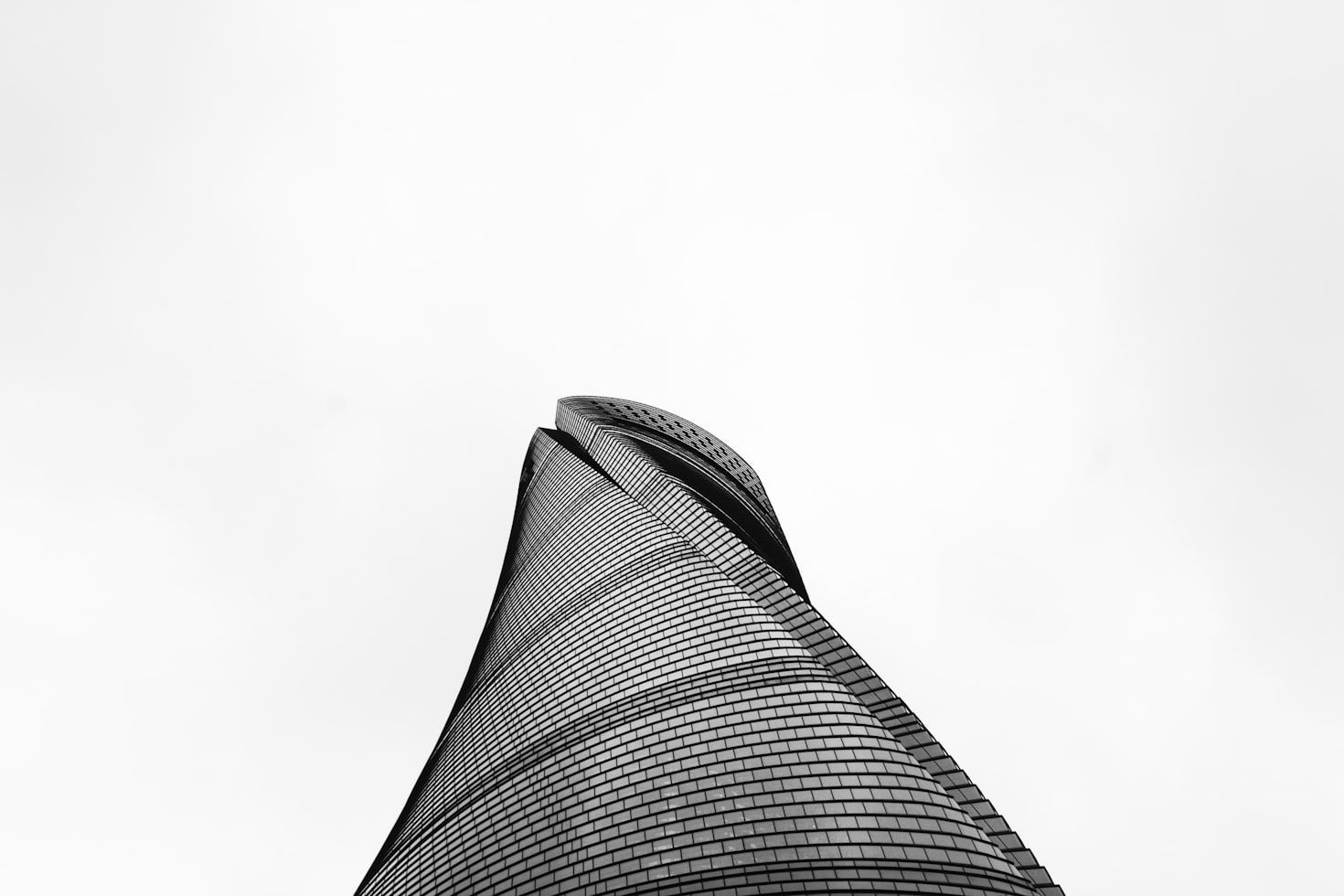
Shanghai Tower

Image: Antonella Vilardo

Location: Shanghai, China

As the third-tallest building globally, the Shanghai Tower soars 2,073 feet into the sky. Its distinctive twisted shape not only reduces wind loads but also creates a stunning visual effect. With some of the world's fastest elevators, a mixed-use concept, and a futuristic design that focuses on high energy efficiency, the Shanghai Tower is a striking symbol of China's rapid development.

3

One World Trade Center

Image: Lucas Franco

Location: New York City, USA

An emblem of resilience and rebirth, the One World Trade Center is arguably the beating heart of New York City. Reaching 1,776 feet, a deliberate homage to the year of American independence, the colossal building was also designed to be in harmony with the city’s iconic skyline. Whether seeking to understand the city's history, or simply marvel at the breathtaking views, the One World Trade Center is an unforgettable experience for visitors from around the world.

4

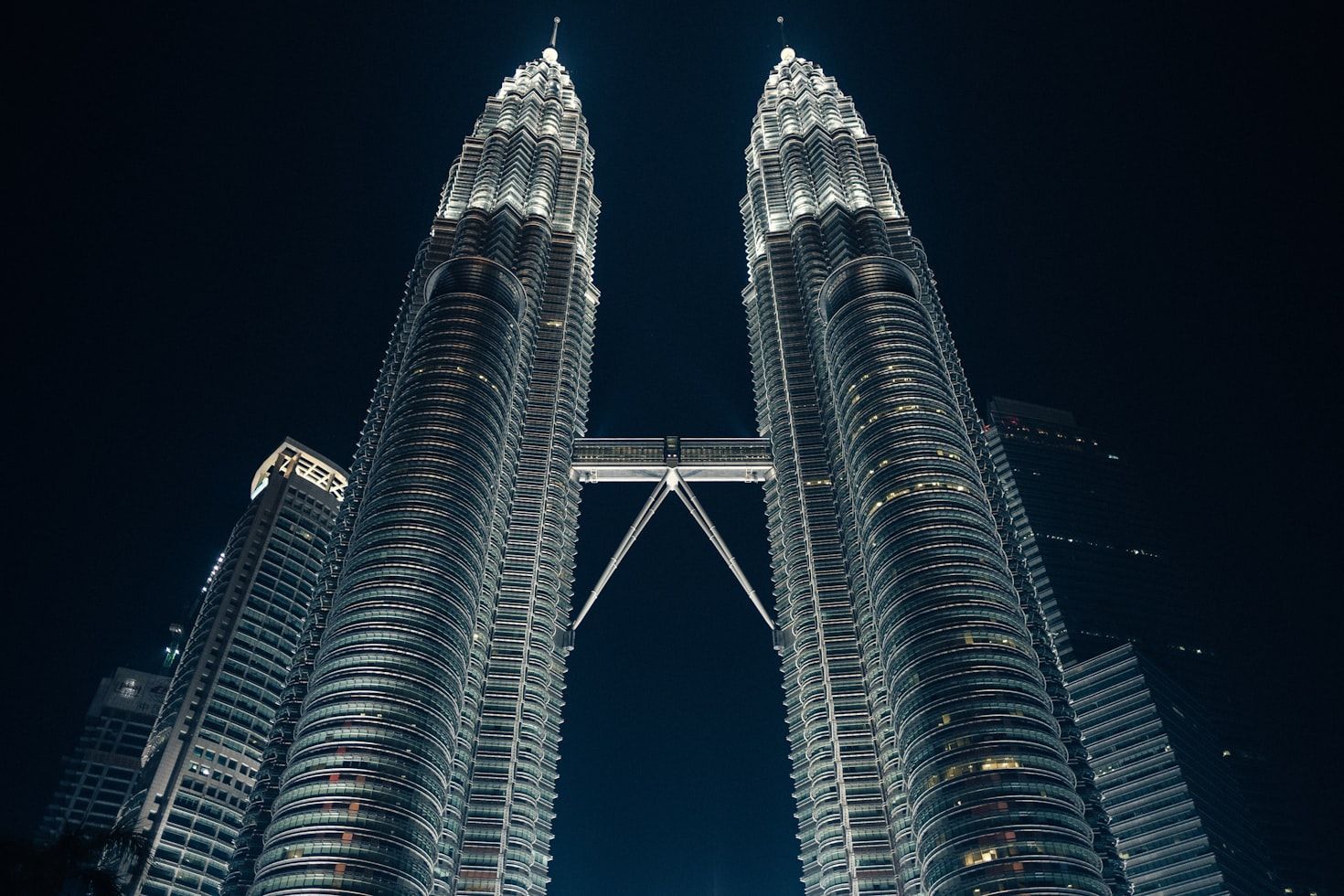
Petronas Towers

Image: Vlad Shapochnikov

Location: Kuala Lumpur, Malaysia

The breathtaking Petronas Towers in Malaysia’s capital proudly held the title of the world's tallest buildings from 1998 to 2004. But despite being surpassed, they are still a marvel of modern architecture. Their sleek design inspired by Islamic motifs incorporates steel and glass to stunning effect. The sky bridge connecting the two towers offers panoramic views of the city and is a popular tourist attraction.

5

Taipei 101

Image: Jack Brind

Location: Taipei, Taiwan

The tallest building in Taiwan, Taipei 101's bold design incorporates elements of traditional Asian architecture with modern technology. Its distinctive pagoda-like structure is made to withstand typhoons and earthquakes and also to symbolize the connection between earth and sky. Its 101 floors are also deliberate, as the number represents the renewal of time, linking past and future.

6

Lotte World Tower

Image: Ryan Brooklyn

Location: Seoul, South Korea

Standing 1,821 feet tall, Lotte World Tower's elegant silhouette dominates the Seoul skyline. Its design draws inspiration from traditional Korean ceramics and features cutting-edge sustainability elements. The first building in South Korea to be over 100 stories tall, light and fireworks displays are often showcased from the tower during national festivities or celebrations.

7

The Shard

Image: Valentin Kremer

Location: London, UK

Formerly known as the London Bridge Tower and rising 1,016 feet above the skyline, The Shard's glass façade and iconic silhouette have become synonymous with modern London. Its characteristic pyramidal shape was designed to resemble the 18th-century London spires as well as the masts of sailing ships.

8

Marina Bay Sands

Image: Andreas M

Location: Singapore

Although technically not a skyscraper by most accounts, at 650 feet, the Marina Bay Sands building is still a wonder of modern architecture. The multifaceted complex consists of three towers connected at the top by a massive rooftop terrace known as the SkyPark, which features gardens, infinity pools, and panoramic views of the city skyline.

9

Central Park Tower

Image: Martti Salmi

Location: New York City, USA

Soaring 1,550 feet above Manhattan's skyline, the Central Park Tower stands as the tallest primarily residential building in the world. Designed to maximize both views and comfort, the luxurious building offers unparalleled views of Central Park and the iconic cityscape, with amenities including a private club, swimming pool, and concierge services.

10

Al Hamra Tower

Image: irvin calicut, CC BY-SA 3.0

Location: Kuwait City, Kuwait

As the tallest building in Kuwait and the tallest curved concrete skyscraper in the world, the Al Hamra Tower is the central piece of Kuwait City’s skyline. Its twisting form and beautifully polished frontage make it an unforgettable landmark, with an innovative design that incorporates energy-efficient features and advanced technology to minimize reflective surface area.


Time changes everything

These 12 job titles mean something very different today than they used to


Published on March 27, 2024


Image: Sopotnicki

Language preserves history in unexpected places. Many job titles that seem ordinary today began with entirely different meanings, reflecting the needs of medieval kingdoms, noble households, religious institutions, and even long-forgotten professions. Although the work behind these titles has changed dramatically over the centuries, the words themselves continue to carry traces of the past wherever they are used.

1

Secretary

Image: Vitaly Gariev

Today, a secretary is usually associated with calendars, correspondence, and office organization. But centuries ago, a secretary was a trusted keeper of confidential information. The word comes from the Latin secretarius, referring to someone entrusted with secrets and private affairs.

In royal courts and governments, secretaries often served as influential advisers rather than clerical workers. The title still carries traces of that earlier status in positions such as Secretary of State, where the role involves high-level decision-making rather than routine paperwork.

2

Clerk

Image: Stokkete

A modern clerk may work in an office, store, courthouse, or government agency. Originally, however, a clerk was a member of the clergy. During the Middle Ages, churches and monasteries were among the few places where people regularly learned to read and write.

Because clergy handled many written records, the word gradually became associated with literacy itself. As education spread beyond religious institutions, the meaning shifted from "churchman" to someone responsible for records, documents, and administrative work.

3

Marshal

Image: Scott Cornell

Today, marshals are often law enforcement officers or senior military officials. The title has surprisingly humble roots. It comes from an old Germanic term meaning something close to "horse servant" or "keeper of horses."

In medieval times, horses were essential for transportation, communication, and warfare. The official responsible for managing them gained increasing authority, and over centuries, the role evolved into one of the most prestigious military and governmental titles in many countries.

4

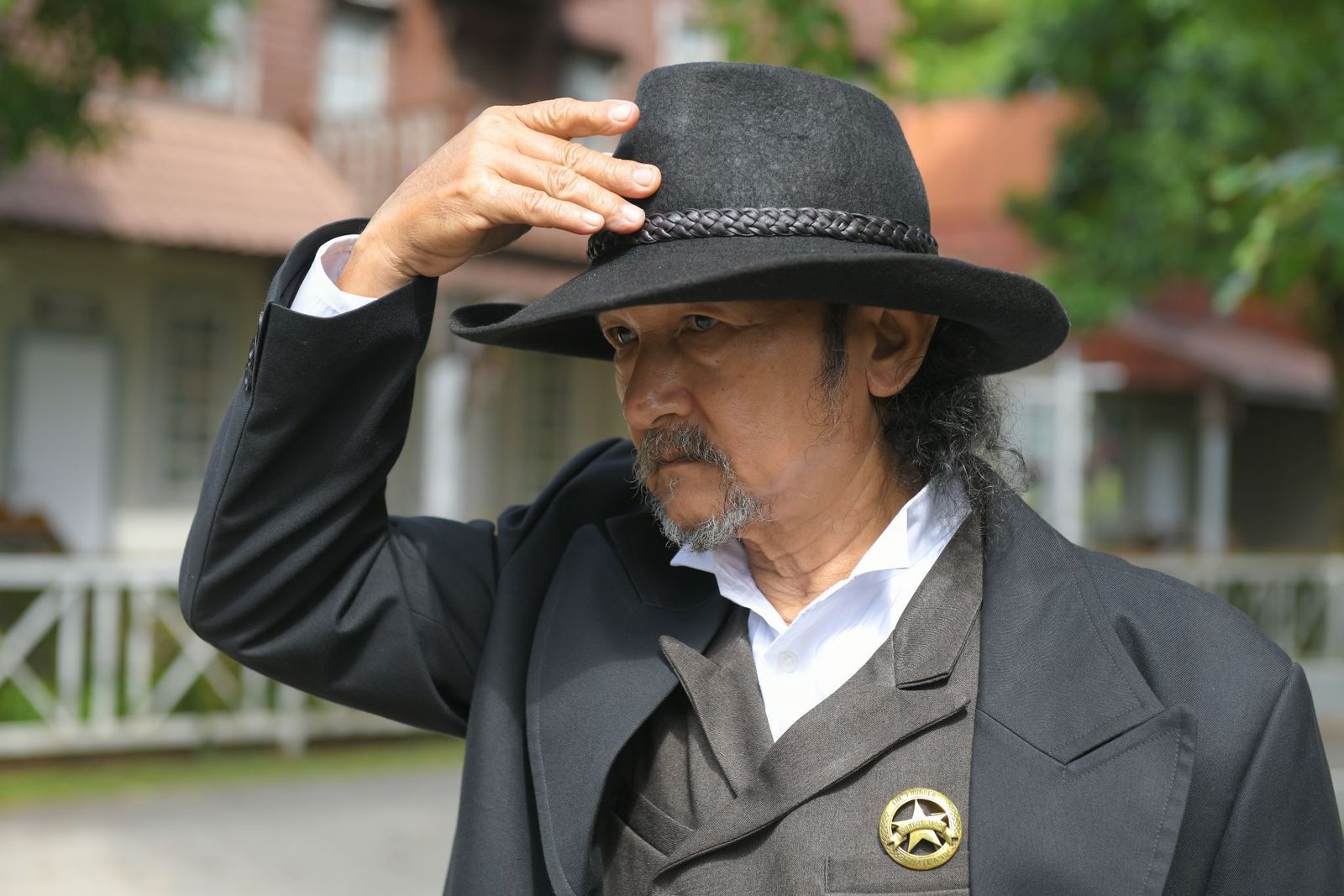
Sheriff

Image: Sanit Fuangnakhon

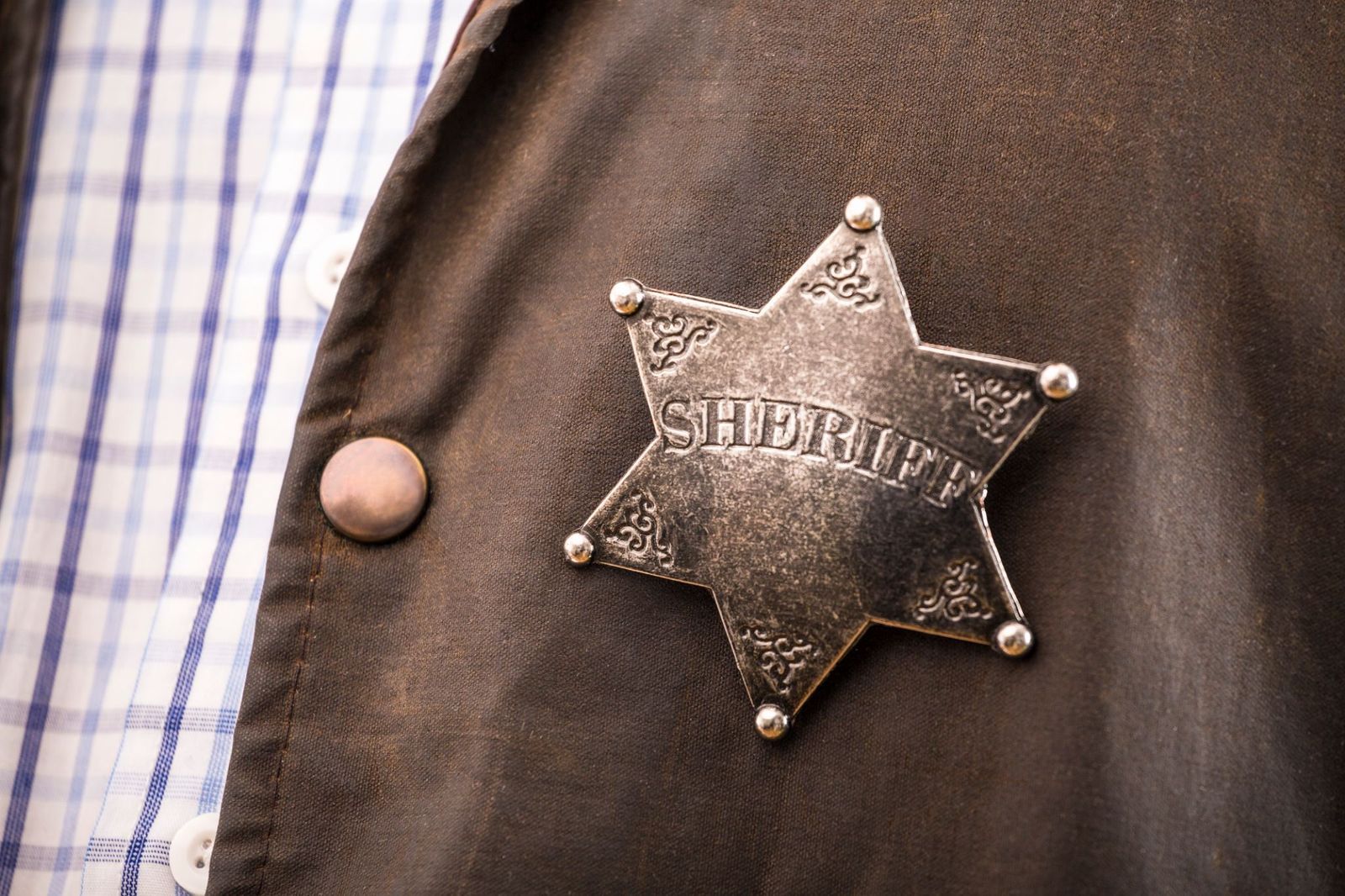
Modern Americans know sheriffs as elected county law-enforcement officials. The title dates back more than a thousand years to Anglo-Saxon England, where a sheriff was known as a shire-reeve.

A shire was a county, and a reeve was a royal administrator. Early sheriffs collected taxes, enforced the king’s orders, managed courts, and supervised local government. Fighting crime was only one part of a much broader set of responsibilities.

5

Butler

Image: Jeremy Walter

The butler is often portrayed as the head servant in a grand household. Yet the job originally revolved around something much more specific: wine. Early butlers were responsible for managing wine cellars and serving valuable beverages.

Because wine represented both wealth and status, the position required trust and responsibility. Over time, butlers gained authority over other servants and eventually became the chief managers of large households.

6

Steward

Image: Skytech Aviation

Today, the title steward may be used for airline attendants, ship personnel, or event supervisors. Historically, a steward was a powerful official responsible for managing a noble household, estate, or even an entire territory.

The word comes from Old English terms meaning "household guardian." Medieval stewards oversaw finances, property, staff, and daily operations. Some became influential political figures who effectively governed on behalf of kings and nobles.

7

Doctor

Image: Online Marketing

Most people immediately think of medicine when they hear the word doctor. Originally, however, a doctor was simply a teacher. The word comes from the Latin docere, meaning "to teach."

Medieval universities awarded the title to scholars qualified to instruct others at the highest level. Long before it became closely associated with physicians, doctors could be experts in theology, law, philosophy, and other academic disciplines.

8

Minister

Image: Alexandros Michailidis

A minister today can lead a government department or serve as a religious leader. The word’s original meaning is surprisingly modest. In Latin, minister meant "servant" or "attendant."

The title emphasized service rather than authority. Over time, ministers became trusted representatives of rulers and governments, eventually overseeing major areas of public policy while retaining a word that originally suggested humility and assistance.

9

Engineer

Image: Scott Blake

Modern engineers design everything from skyscrapers to software. The title originally referred to specialists who built or operated military "engines," a term once used for siege machines such as catapults and trebuchets.

These experts combined technical skill with practical problem-solving. As technology expanded during the Industrial Revolution, the meaning broadened dramatically, eventually encompassing the countless engineering fields that exist today.

10

Accountant

Image: Scott Graham

An accountant now manages financial records, audits, taxes, and budgets. Historically, the role was more closely tied to giving an account: that is, explaining how money or resources had been used.

Kings, merchants, and estate owners needed trusted individuals to report on financial matters. As trade and commerce became more complex, accounting evolved into a highly specialized profession recognized around the world today.

11

Computer

Image: Alex Knight

For centuries, a computer was not a machine at all. It was a person whose job involved performing calculations. Governments, observatories, universities, and scientific organizations employed teams of human computers to solve mathematical problems.

Human computers played important roles in astronomy, navigation, engineering, and even early space research. Only in the mid-20th century did electronic machines become so closely associated with the work that they inherited the title themselves.

12

Pilot

Image: Blake Guidry

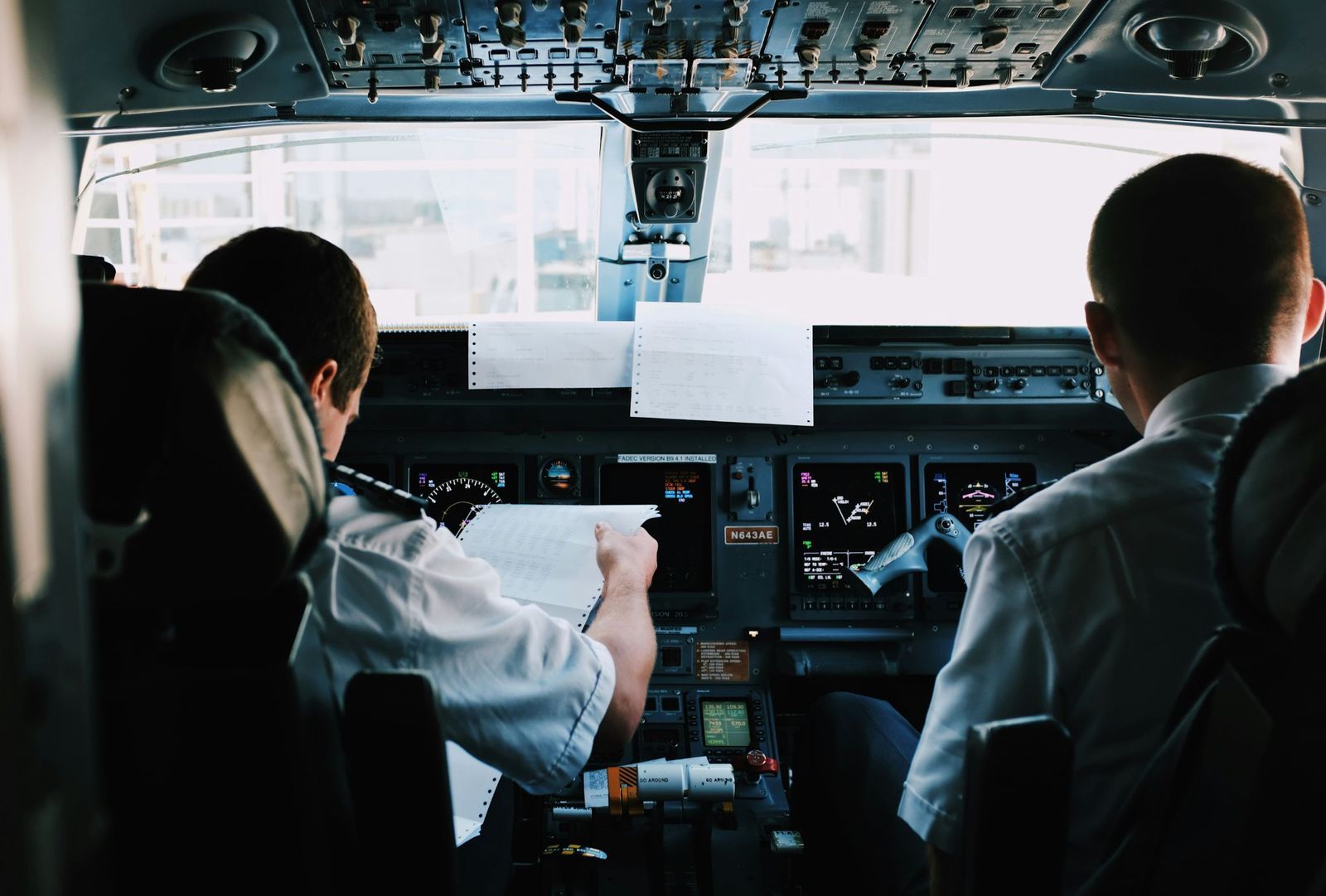
Today, pilots are most commonly associated with airplanes. Yet the word was guiding vessels long before powered flight existed. Originally, a pilot was an expert navigator who directed ships through difficult harbors, rivers, and coastal waters.

These specialists relied on detailed local knowledge to help vessels avoid hazards and reach their destinations safely. When aviation emerged in the early 1900s, the title naturally transferred to those guiding aircraft through the skies.

Looking for an extra scoop of literary fun?

Learn more with our Word of the day

hateful

/ˈheɪtfəl/