How a melted candy bar changed the way we cook


Published on August 21, 2026
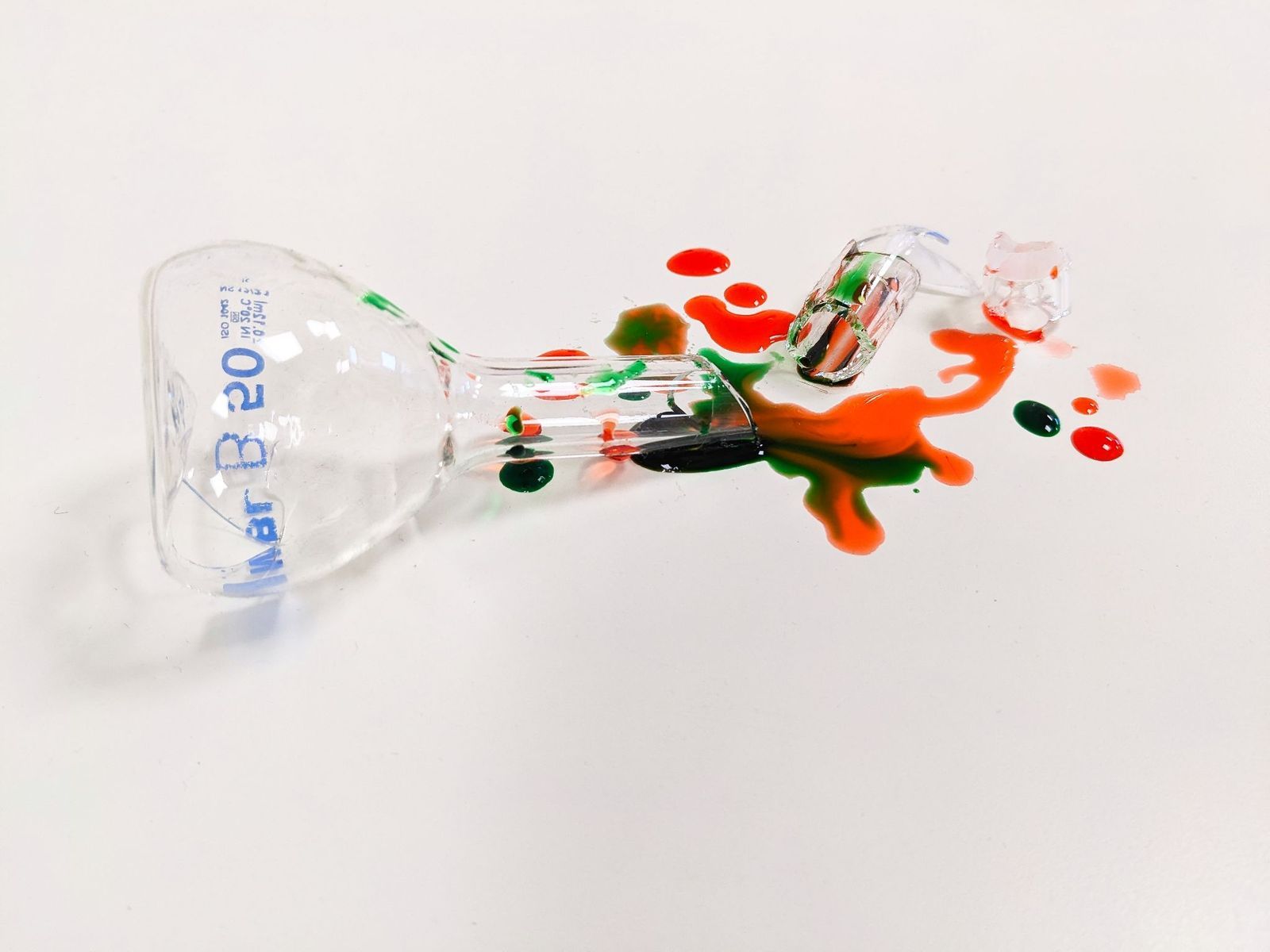

Image: Genzor

What if I told you some of the most recognizable, everyday things we use, like the microwave oven or Post-it notes, and other revolutionary inventions like penicillin or Velcro, came about by accident? That’s right; they weren’t necessarily the result of careful planning, but the byproduct of other experiments that unintentionally led to their findings. Keep reading to learn about 10 fascinating discoveries that occurred by accident.

1

Penicillin

Image: luchschenF

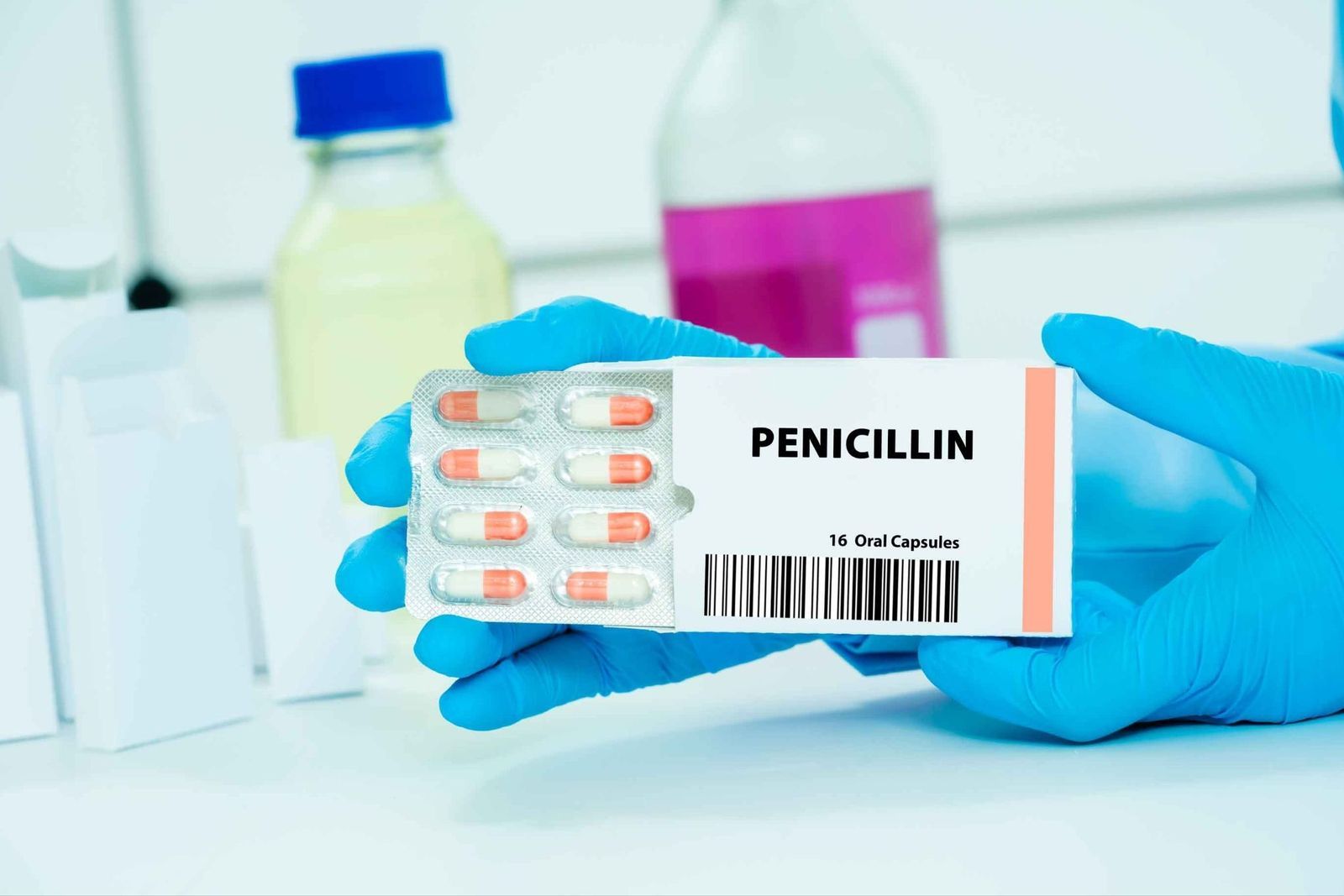
Penicillin became the first widely used antibiotic and went on to save millions of people from deadly bacterial infections. But this wasn’t what its creator, Scottish bacteriologist Alexander Fleming, was trying to do in the first place.

In 1928, he went to his laboratory and noticed that in one of his bacterial culture dishes, a mold had grown accidentally and killed the surrounding bacteria. This small accident sent him down a path to figure out what happened and eventually led him to discover what we know as penicillin.

2

Microwave oven

Image: New Africa

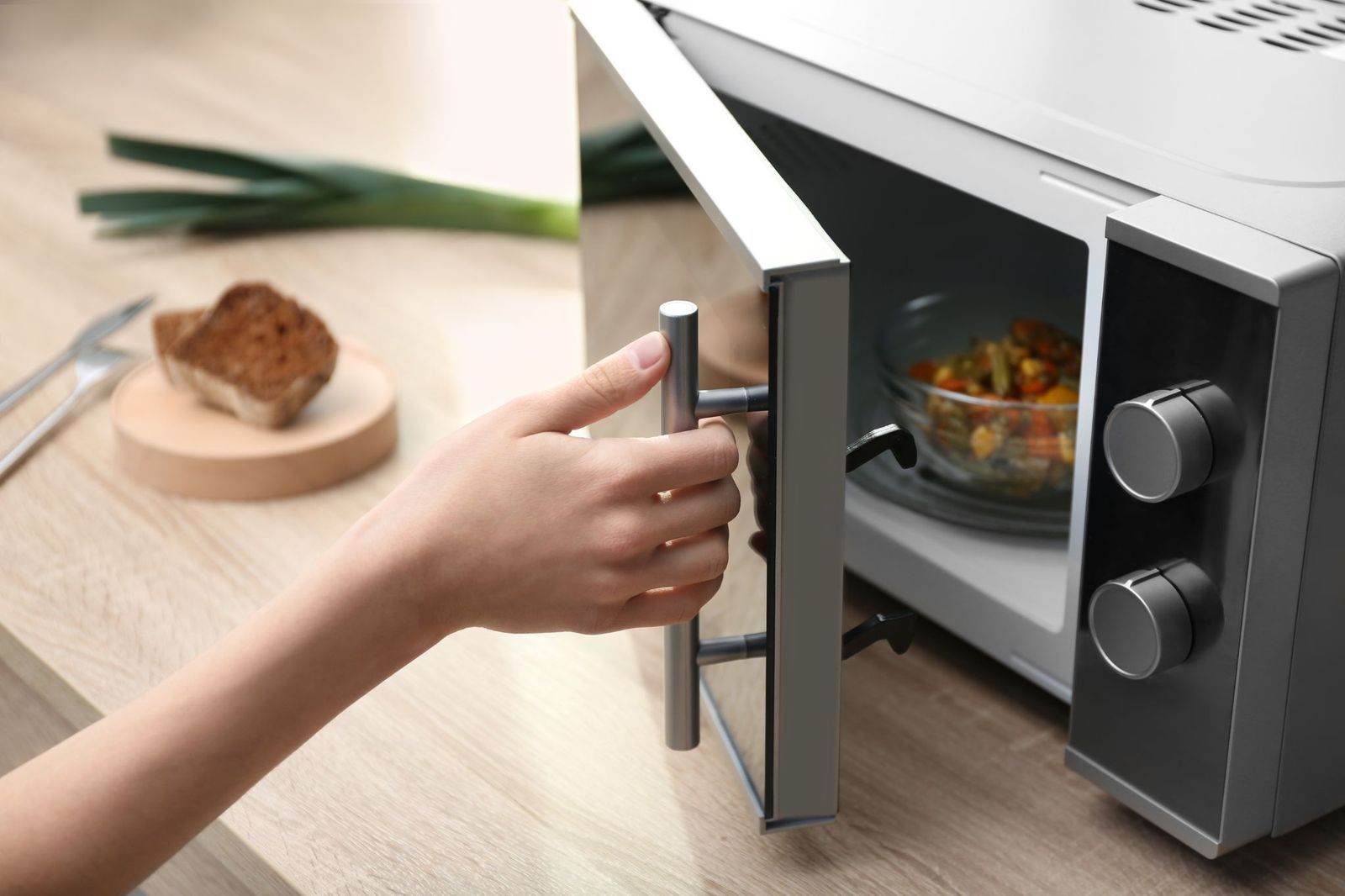
One day, a scientist was working with a magnetron as always when he suddenly realized that the candy bar in his pocket had melted. Surprised by this, he brought popcorn kernels close to the magnetron and watched them pop; finally, he tried an egg, which heated up and burst.

The scientist was Percy Spencer, and he had just laid the foundations for creating the first commercial microwave oven, called the Radarange, which was introduced in 1947, opening the door to a whole new way of cooking.

3

Post-it notes

Image: Siarhei Kuranets

How did a fake glue become a billion-dollar idea? Scientist Spencer Silver was trying to create a powerful glue in 1968, but instead, he ended up with an adhesive that was strong enough to stick to surfaces but incredibly easy to peel off without leaving much residue.

Instead of regarding this as a failure, he thought it might have some practical use, though his idea was dismissed multiple times by others. Finally, in 1974, another scientist called Art Fry realized Silver’s glue could hold a bookmark in place, which, after years of experimenting, led to the invention of a single piece of paper that could stick and be removed without damaging the surface: the Post-it notes.

4

Potato chips

Image: PV productions

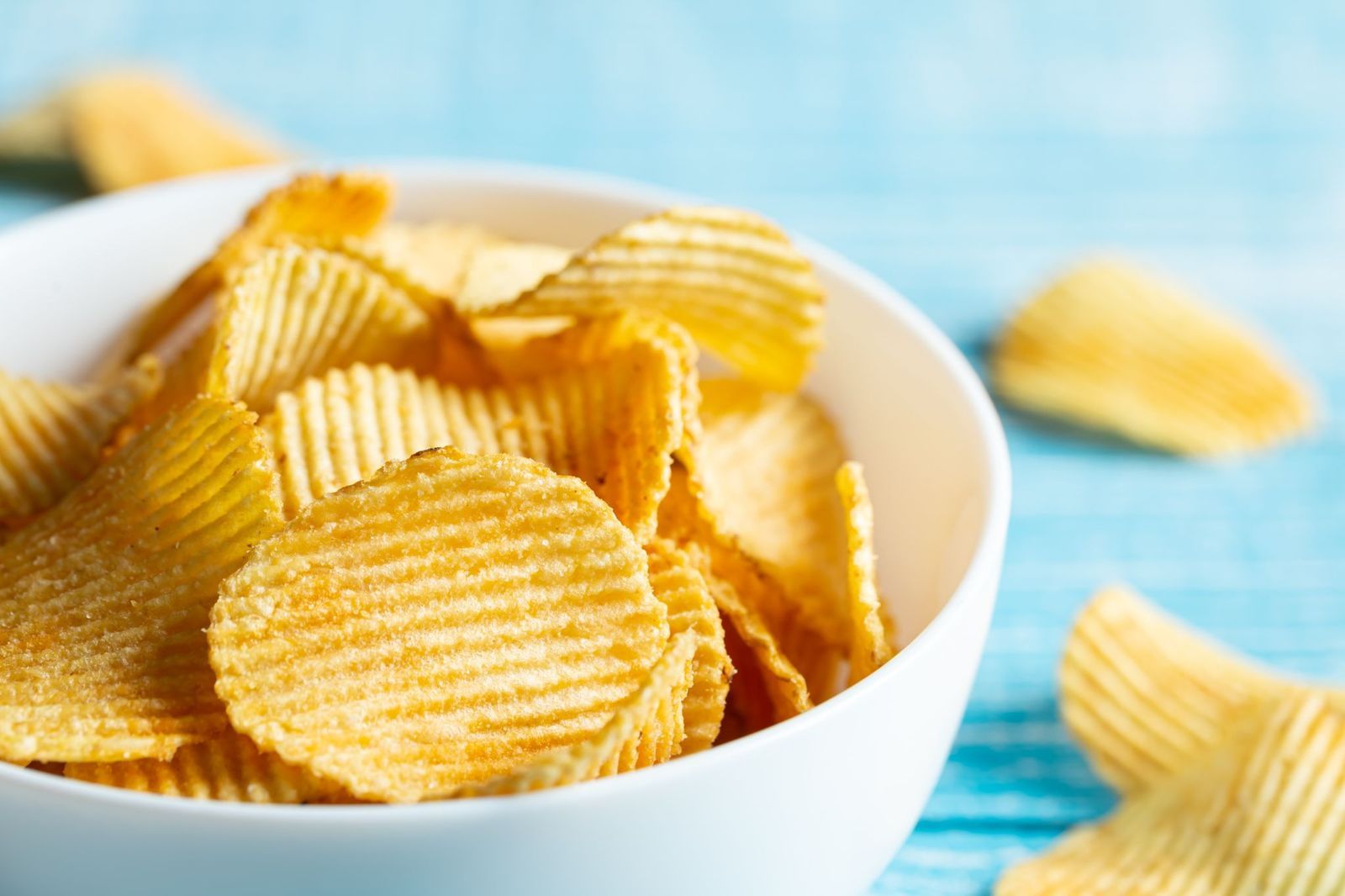
An upset chef in Saratoga Springs, New York, in 1853, after a fussy customer complained his potatoes were too thick, served him extremely thin potatoes fried in oil as a joke. Turns out, the customer loved it, and the dish became known as "Saratoga chips."

It’s fair to mention that this popular snack wasn’t 100% invented there, as there are records of a similar recipe in an 1817 English cookbook, though the Saratoga chef certainly helped popularize it.

5

Velcro

Image: Andrei Dubadzel

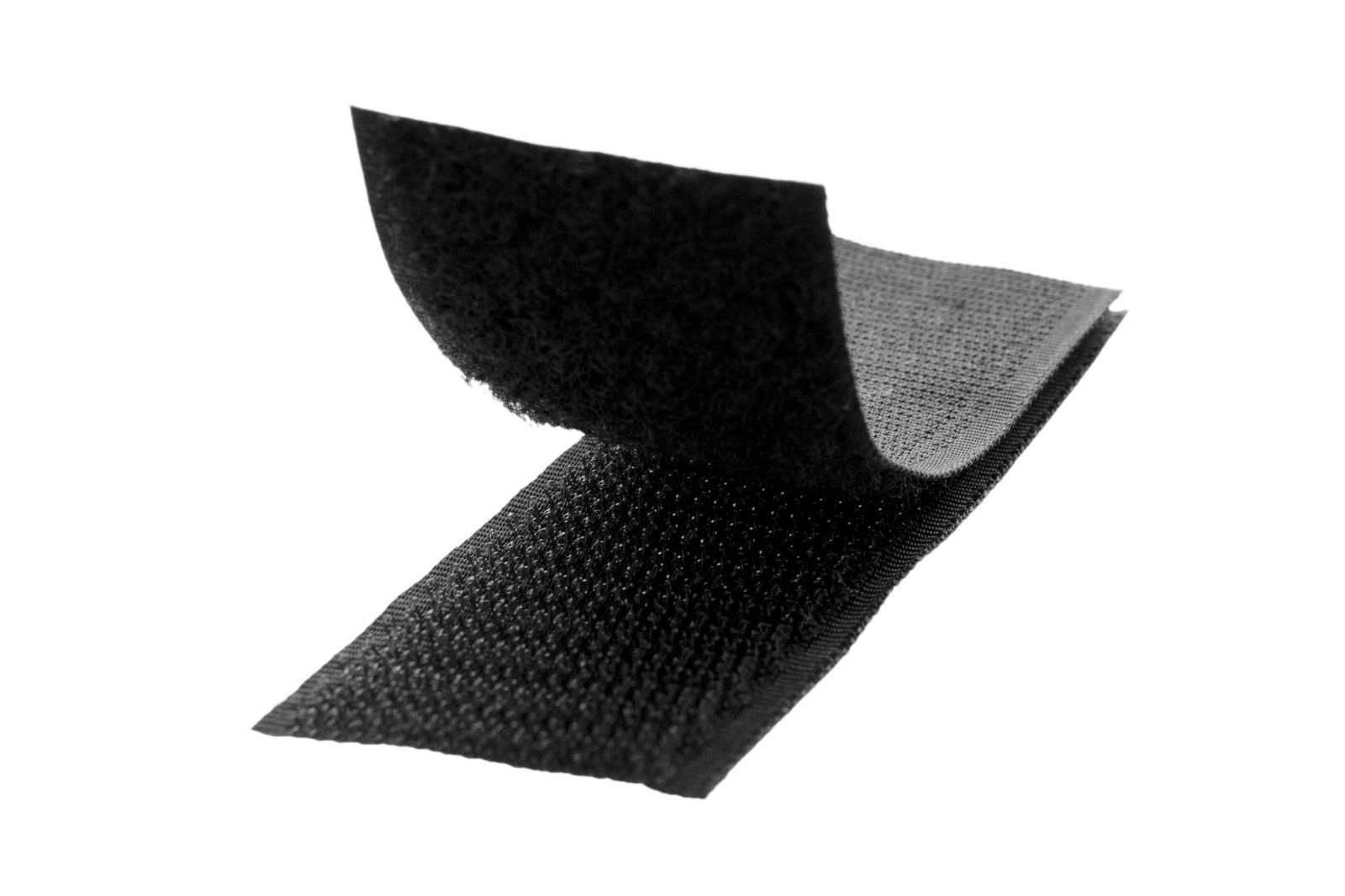
While Velcro was indeed created and patented by the Swiss engineer George de Mestral in 1955, the reality is that nature had invented it first. What triggered Mestral's "eureka" moment was seeing some burrs stuck to his clothing and his dog’s fur when returning from a hunting trip.

He was curious about how the burr could stick so firmly, and after studying it with a microscope, he saw that the burr had some tiny hooks that attached to the fabric and the animal fur, so he decided to replicate the same principle to create Velcro.

6

Teflon

Image: Stella Photography

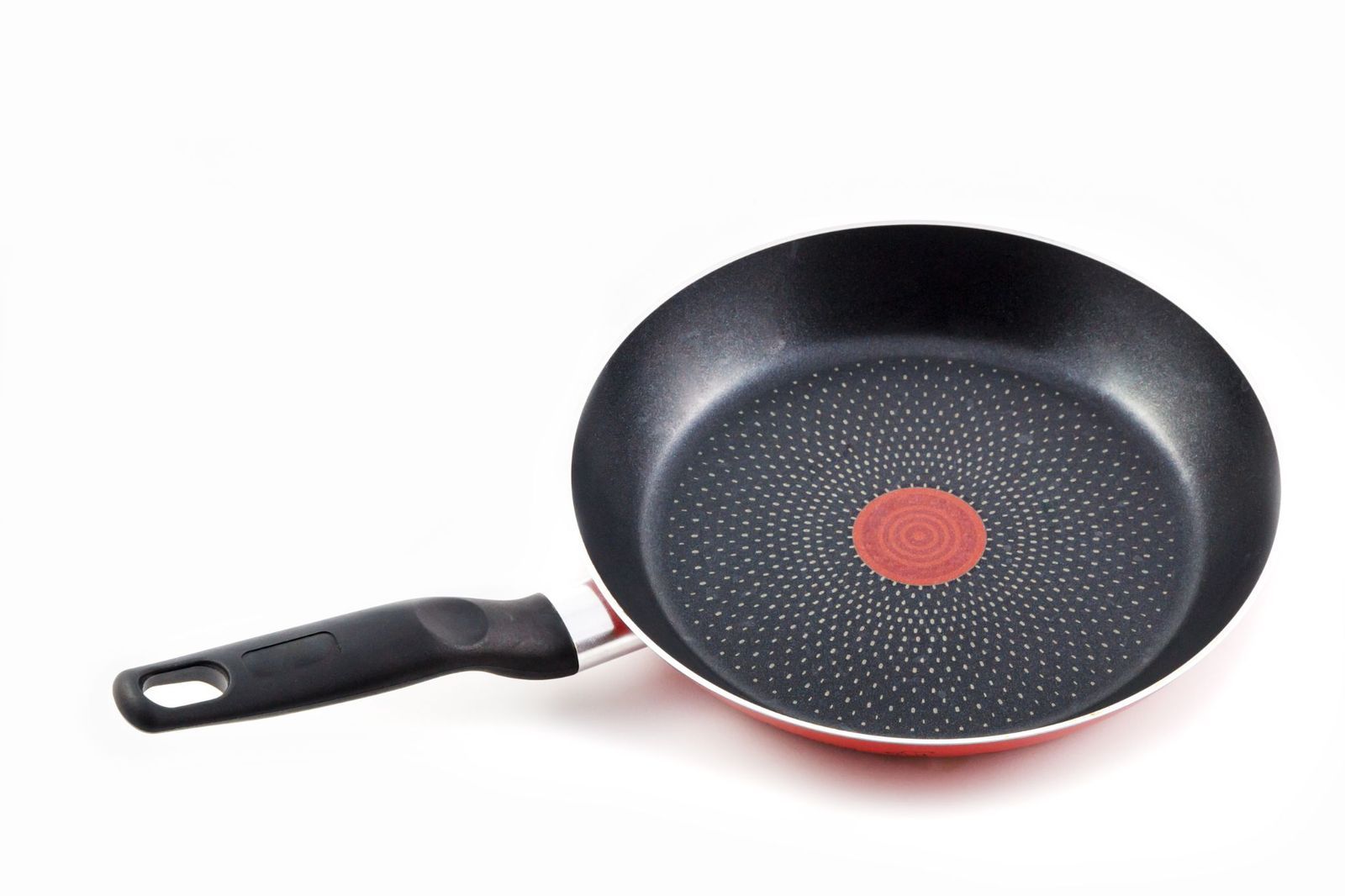
In 1938, a chemist and DuPont worker called Roy Plunkett was working with tetrafluoroethylene gas, trying to come up with new refrigerants, though he ended up creating a completely new material. At some point while doing his experiments, he noticed the gas had turned into a waxy solid "thing" that was extremely resistant to heat and chemicals and was highly nonstick.

The material was first used in industrial and military applications and later became associated with the brand name Teflon, mainly used as a coating for cookware.

7

Super Glue

Image: MAFPHOTOART8

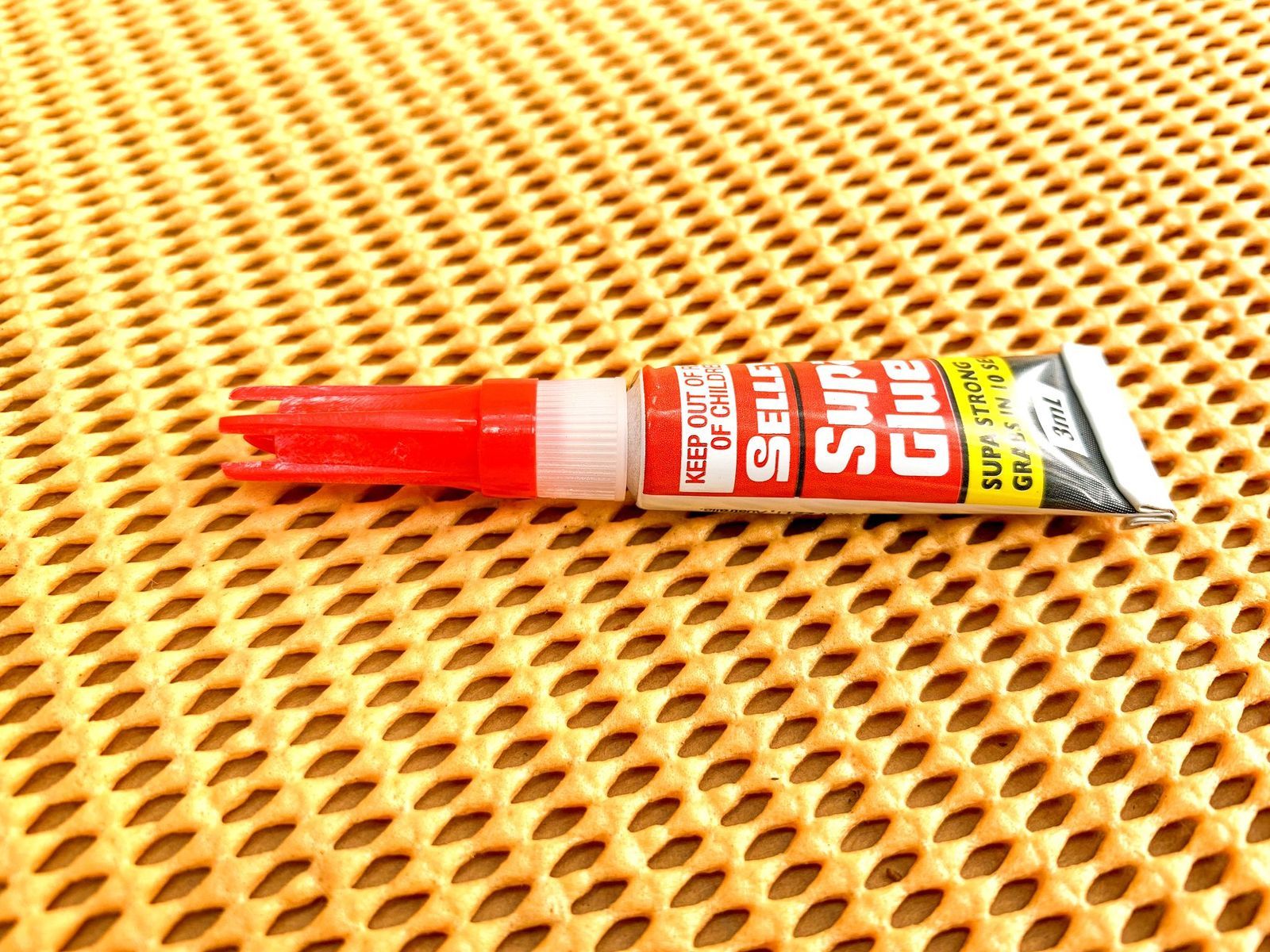
Scientists first rejected Super Glue because it was too sticky — ironic, isn’t it? The story makes more sense when you learn that the initial goal of Harry Coover Jr. and his team in 1942 was to find a material to make clear plastic gun sights during World War II.

The material they were experimenting with was too sticky and difficult to work with, so the team moved away from it, though Coover Jr. realized he had discovered a substance that could easily bond two surfaces together without the need to use heat or pressure. Later, this product went on to become what we all know now as Super Glue.

8

Popsicles

Image: barbajones

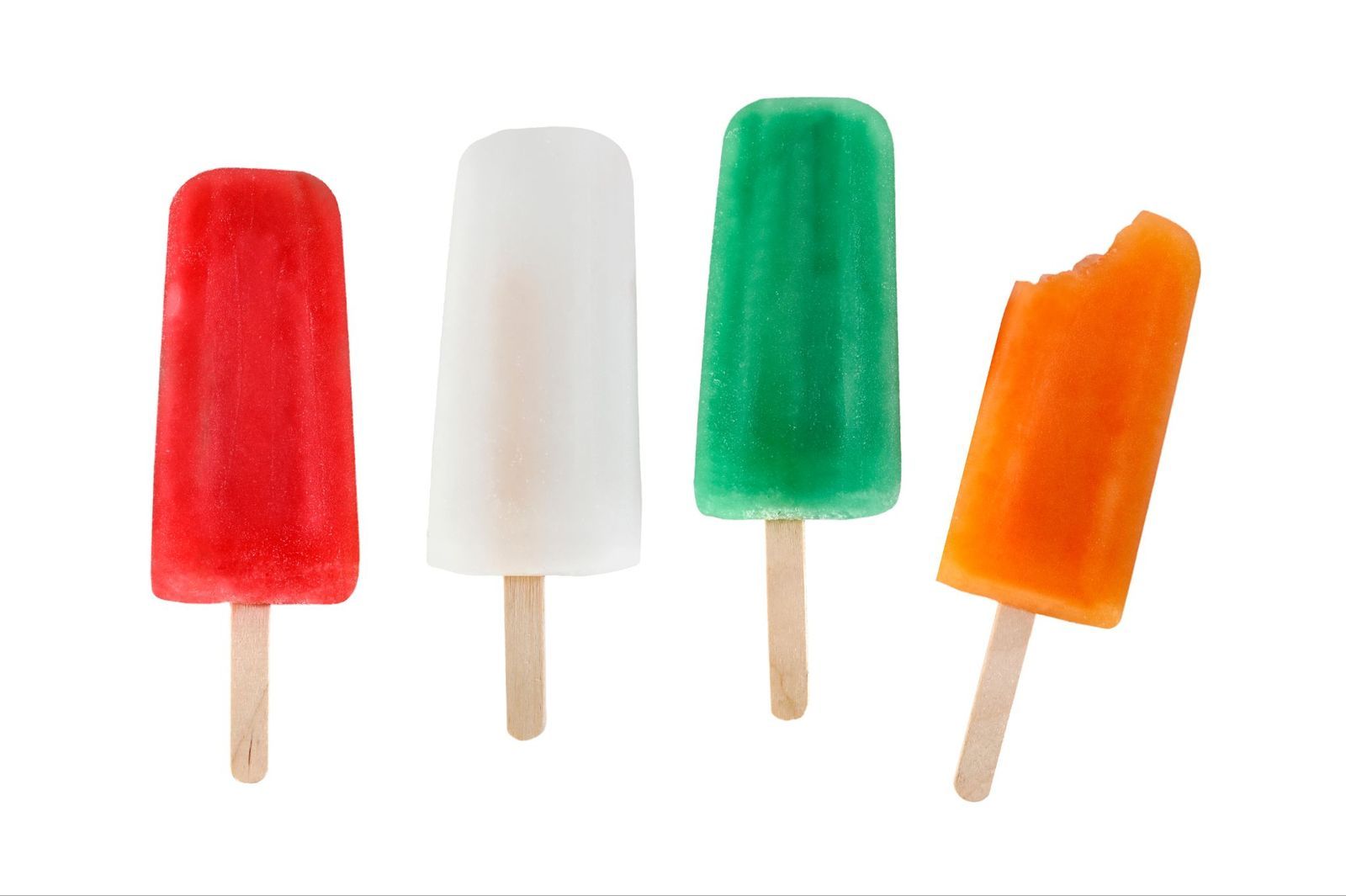
Kids love popsicles, but did you know it was also a kid who invented them? In 1905, Frank Epperson, an 11-year-old boy from San Francisco, forgot his soda with a wooden stirring stick outside overnight on his porch. The next morning, the thing was frozen, and he noticed he could hold it by the stick and eat it like a frozen treat.

At first he made them for his family and friends, but later he started selling his invention. The popsicle became a sensation, particularly during the Great Depression, as it was an affordable treat for the family.

9

Slinky

Image: VanoVasaio

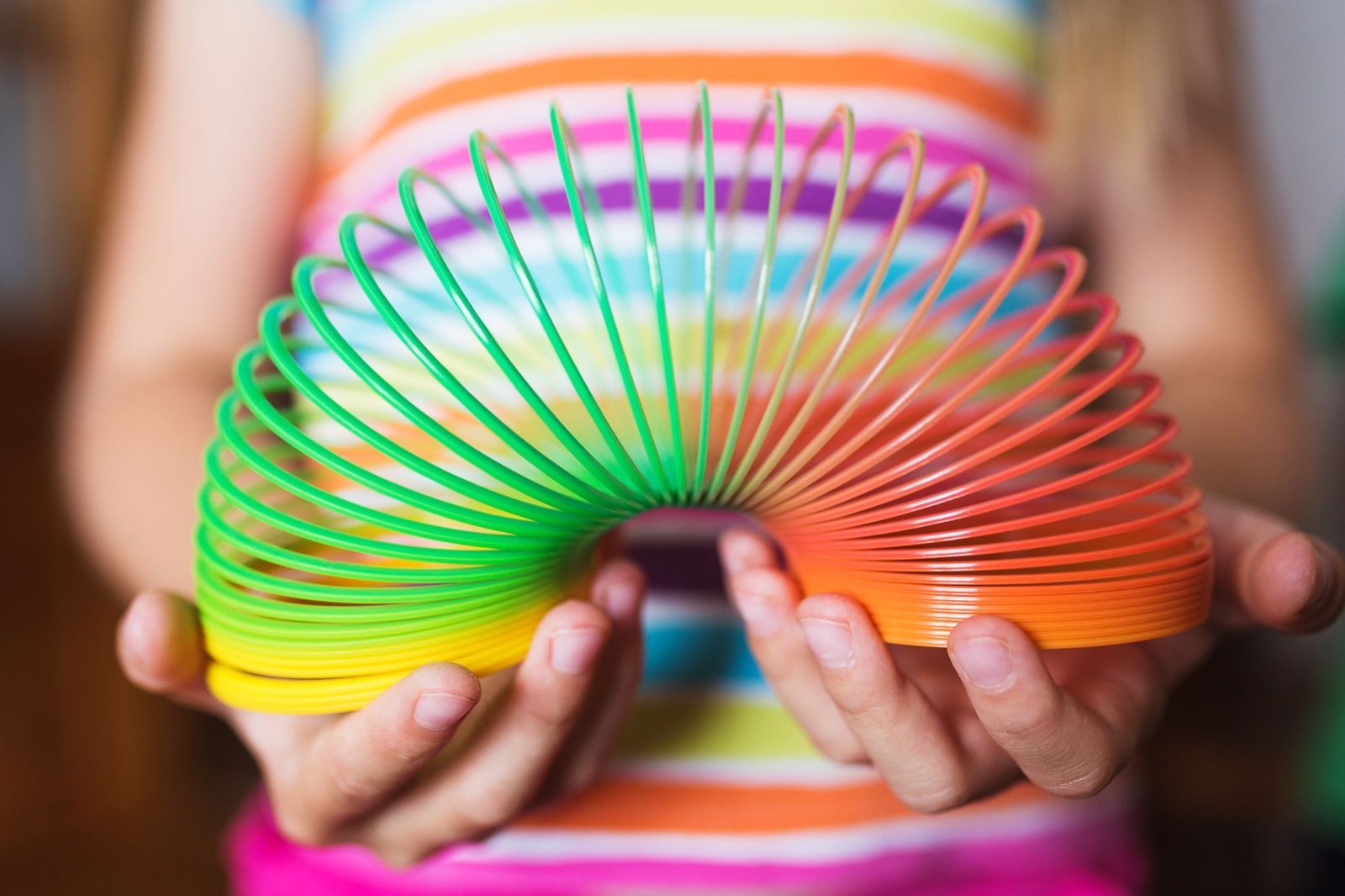
Imagine being a serious naval engineer working on a serious engineering problem and accidentally creating one of the most fun and iconic toys ever. That’s exactly what happened to Richard James, who in 1943 was trying to make springs to help stabilize sensitive equipment aboard ships when one of them accidentally fell and "walked" away.

James saw the opportunity to make a toy out of that and showed it to his wife, who named it "Slinky." The naval engineer sold the toy to Gimbels department store in Philadelphia in 1945, and Slinky was an immediate success.

10

Laminated safety glass

Image: Art_Pictures

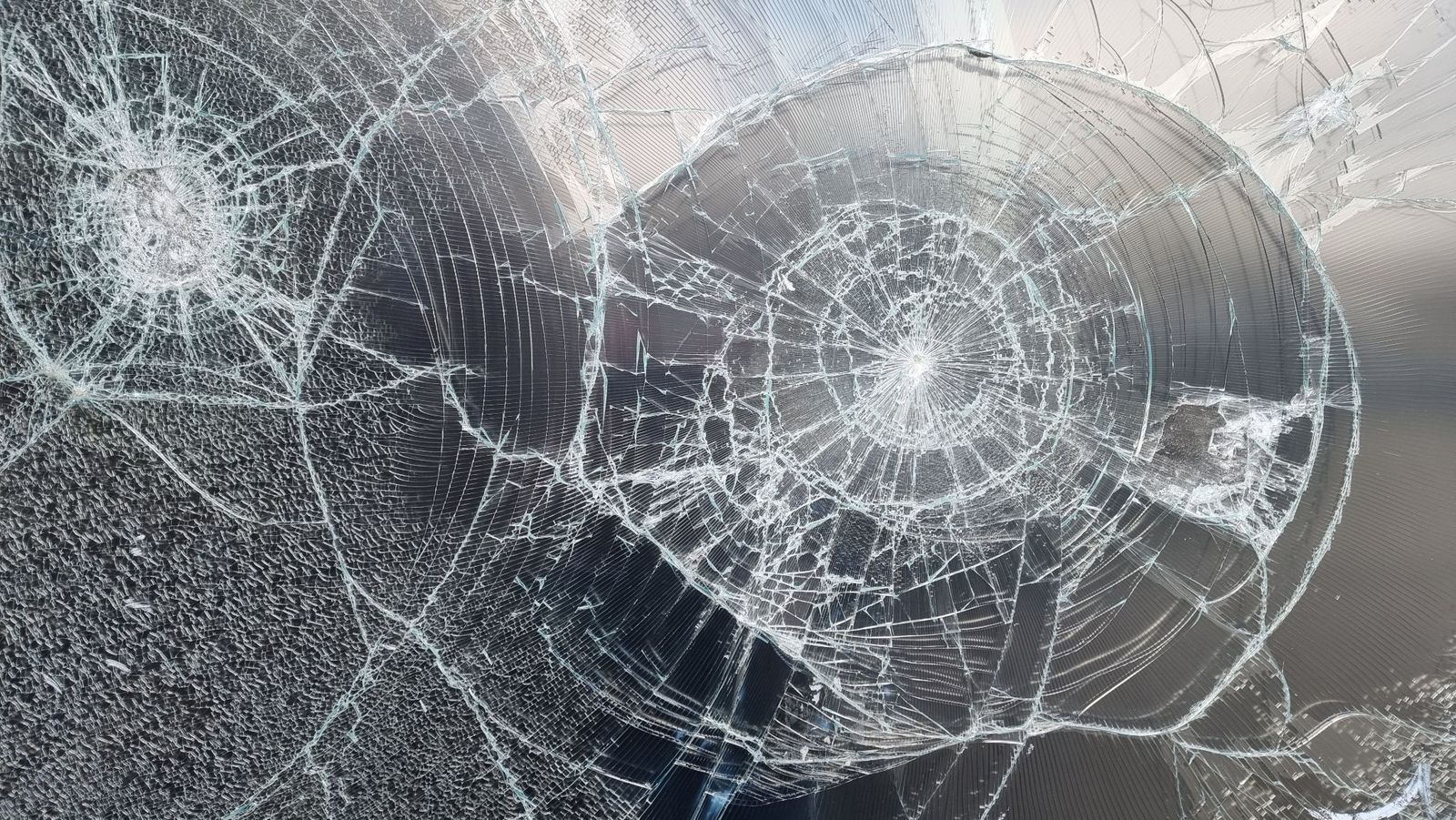
The whole point of laminated safety glass is that its pieces won’t fly apart when it breaks. The discovery was made by chemist Édouard Bénédictus in the 1900s, when one of his laboratory flasks fell and did not completely shatter because it had a thick coating of a type of plastic that helped hold the pieces together.

This accident made him realize that putting a flexible material between layers of glass prevents broken glass from flying apart. His discovery is still used today in vehicles and buildings.


ECCENTRIC PLACES OF CULTURE

Discover The Wonderful Weirdness These Ten Museums Have To Offer!


Published on August 21, 2026


Image: Andrew Neel

While museums are truly elevated keepers of timeless art and superb culture, we can all probably agree that they can sometimes be a bit stuffy. We have all felt moved by a particularly majestic piece of art, but sometimes we just want to engage our wacky sides. Sometimes you walk into a museum not looking to contemplate the truth about human nature: you are just looking to have some fun.

Don’t worry, we got you covered! We have gathered ten iconic museums from around the world that showcase and study unconventional subjects, and truly find beauty in common, unusual, and downright zany items.

1

Dr. Pepper Museum

Larry D. More Image: 4.0

In the world of soft drinks, few sodas have a history as rich and interesting as Dr. Pepper. The tale of this beverage, invented by pharmacist Charles Alderton in 1885, is filled with fun facts and details that will surely surprise you. But don’t take our word for it: if you ever find yourself in Waco, Texas, take the time to visit the Dr. Pepper Museum and learn all about one of America’s favorite drinks.

The museum is housed in the Artesian Manufacturing and Bottling Company. This 100-year building is commonly known as "The Home of Dr. Pepper", since it was the first building specifically built to bottle the soft drink. Besides numerous exhibitions detailing the history of Dr. Pepper, it also allows visitors to create and bottle their own soda.

2

Potato museums

Image: Lars Blankers

Potatoes are truly the "jack of all trades" of vegetables. There are so many different ways to enjoy a potato: you can bake them, fry them, mash them, turn them into delicious French fries, or turn them into a nurturing and comforting potato soup. With so many ways to eat this beloved vegetable, is it any wonder that many countries around the world have decided to honor our "spudtacular" friends with various potato museums?

Considering the number of potato museums around, we have selected a few of our favorite locations. Belgium’s Frietmuseum is entirely dedicated to French fries, and is housed in a beautiful 1399 building. The Canadian Potato Museum is home to "the Potato Hall of Fame" and proudly displays a 14-foot high fiberglass potato in its entrance. Here in the United States, you might want to visit the Idaho Potato Museum in the city of Blackfoot, which houses the largest potato chip, measuring 25 inches.

3

Museum of Bad Art

Image: Yunsik Noh

Approximately 30 years ago, antique dealer Scott Wilson was walking down the streets of Boston when he came across a painting protruding between two trash cans. Interested only in the frame, Wilson originally intended to throw away the arguably bad painting, titled "Lucy in the Field with Flowers". However, both he and his wife found themselves captivated by the piece, and sought to acquire and exhibit other equally objectionable pieces. And thus, the Museum of Bad Art was born.

MOBA’s mission is "to celebrate the labor of artists whose work would be displayed and appreciated in no other forum", and has been doing so since 1993. Their collection includes 700 pieces of "bad" art, curated through a severely rigorous process: to be included in the museum, a piece must have serious intent, but exhibit significant flaws. Deliberately bad or kitsch art is not displayed.

4

Cup Noodle Museum

Image: Cz XIE

Instant noodles might be the main source of nourishment for millions of college students across the world: affordable, easy to make, and easily consumable during an all-night study marathon. In case you want to pay your respects, the man to thank for this miraculous invention is Japanese businessman Momofuku Ando, who created instant noodles in 1958, and whose life is remembered by Japan’s Cup Noodles Museums.

These museums are located in Yokohama and in the city of Ikeda, Osaka, where the first instant noodles were created. Both locations heavily feature visitor interaction, encouraging tasting and having fun with different kinds of noodles. Ando’s entire life story is told in detail, including his first experiments in the 50s, and the "space ramen" he designed in 2005 to be consumed in outer space.

5

The Underwater Museum

Image: Bibi Pace

Have you ever dived underwater to visit a museum? You definitively will have to in order to see the amazing pieces of art that the Underwater Museum has to offer. Located in Mexico, this museum features 500 sculptures exhibited deep in the ocean at the Cancun National Marine Park.

Curiously, this museum was started in an effort to preserve natural coral reefs from damage produced by tourist divers. Dr. Jaime González Cano came up with the idea of creating an artificial coral reef as a way to drive away massive diving from the reefs. This idea later evolved into the artwork the museum showcases: diverse submarine sculptures and statues, including a famous 400-piece installation called The Silent Evolution.

6

International Spy Museum

Image: Sergiu Nista

You don’t have to wear an inconspicuous raincoat or deliver codes on a park bench to visit this museum, but it helps. Located in the heart of Washington D.C., the International Spy Museum focuses on the history of espionage, dating as back as the Ancient Greeks and the Roman Empire.

Visitors entering the International Spy Museum must first go through a "Briefing Center", on which they are assigned a mission that helps them get into the mind of an international spy. The museum proudly holds the largest collection of international spy objects, including an Enigma Machine and a coat with a button camera designed by the KGB.

7

International Cryptozoology Museum

Image: Jon Sailer

We know that Fox Mulder from "The X-Files" would have been at the entrance of the International Cryptozoology Museum on opening day, excitedly waiting with his ticket in his hand. Located in Portland, Maine, this museum focuses on the field of cryptozoology, the study of hidden or unknown creatures and animals. It features an unparalleled collection of objects related to famous cryptids, such as Bigfoot or the Yeti.

The museum was opened in 2003 by Lore Coleman, one of the most prominent experts in cryptozoology. Its main exhibit is a 5.5-foot-long, life-size model of a coelacanth, an ancient fish first discovered in 1938.

8

Cat Museum

Image: Pacto Visual

Are you a cat person? You are definitively not alone: cats tend to find a way to snuggle and purr into the hearts of the grumpiest of owners. If you ever happen to find yourself looking for new ways to express your love for our feline friends, you might want to pay a visit to Kattenkabinet, a museum in Amsterdam entirely dedicated to artworks depicting cats.

This museum’s collection includes artwork from big names in art history, such as Pablo Picasso and Rembrandt. It was founded by Bob Meijer in 1990, to honor the memory of his beloved tomcat John Pierpont Morgan. Fun fact: the 2004 heist film "Ocean’s 12" used the Kattenkabinet as a filming location.

9

The Museum of Broken Relationships

Image: Kelly Sikkema

Even if they are amicable, the end of most relationships is followed by a sad time, filled with comfort food and listening to sad, romantic songs. However, most relationships end for the better, and, after a brief mournful period, people realize that the future holds great things. In the case of Croatian artists Olinka Vištica and Dražen Grubišić, what came after the end of their four-year relationship was the opening of the Museum of Broken Relationships, in the city of Zagreb.

The idea behind the museum was to showcase different breakups and heartaches: Consequently, its collection is composed of seemingly common objects that tell the stories of different couples. The museum is considered by many to be a place to heal, and to learn how to move on from failed relationships.

10

International UFO Museum and Research Center

Image: Uninteneded Concept

If you are looking for a place to open up a UFO museum, chances are that you’ll look to open it in Roswell, New Mexico: After all, this city was the site of the most famous UFO sighting in history. However, should you visit the International UFO Museum and Research Center in downtown Roswell, you’ll find carefully curated exhibitions that delve into hundreds of UFO sightings around the world.

Founded in 1991, the museum seeks not to convince people of the existence of alien life forms, but rather to encourage them to ask questions and conduct research on their own. It showcases documentaries, pictures of encounters, and, of course, heavily features the 1947 Roswell crash that made this New Mexico city the heart of extraterrestrial enthusiasts.

Looking for an extra scoop of literary fun?

Learn more with our Word of the day

bewildered

/bəˈwɪldərd/