How a melted candy bar changed the way we cook


Published on August 21, 2026
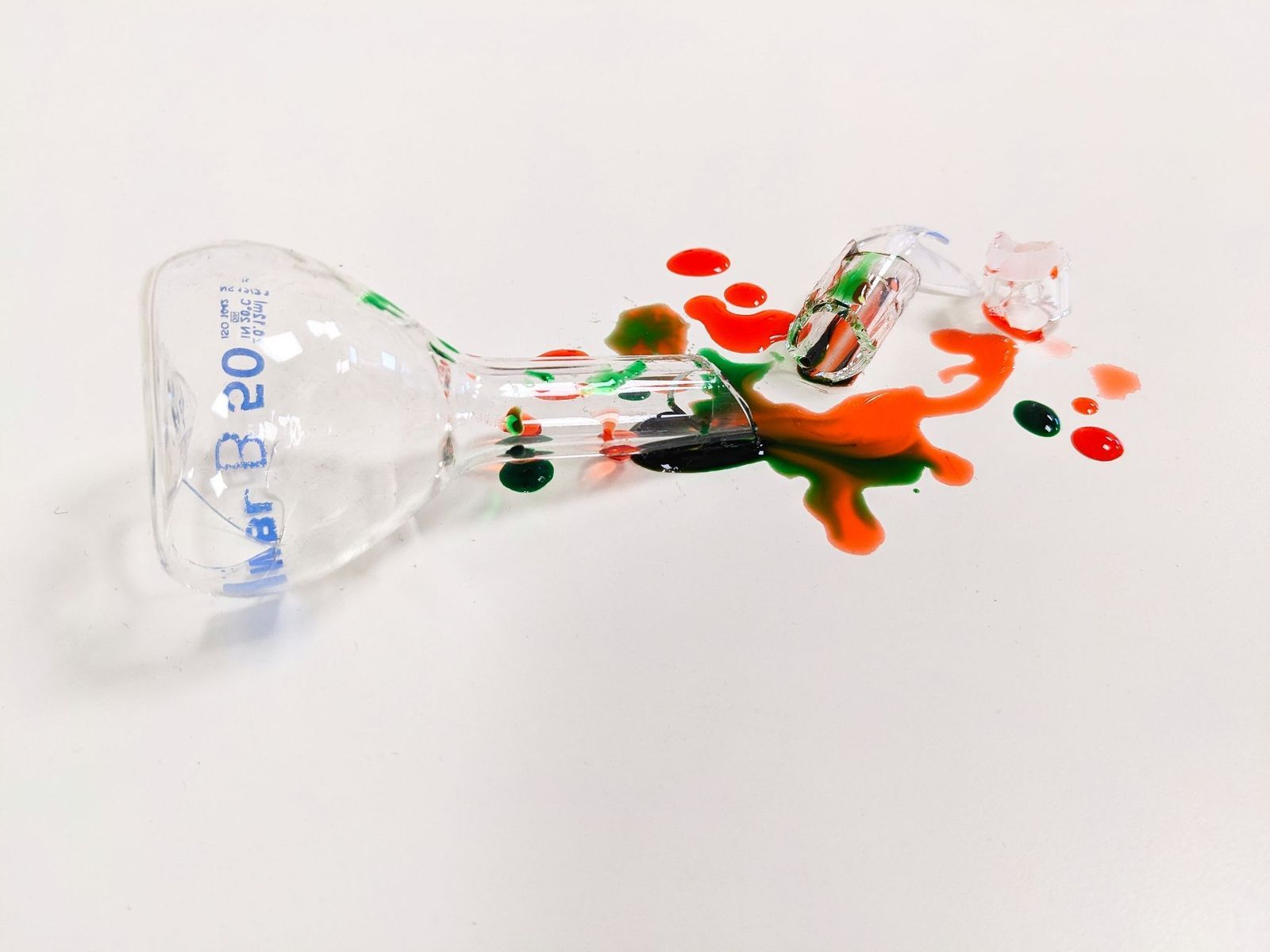

Image: Genzor

What if I told you some of the most recognizable, everyday things we use, like the microwave oven or Post-it notes, and other revolutionary inventions like penicillin or Velcro, came about by accident? That’s right; they weren’t necessarily the result of careful planning, but the byproduct of other experiments that unintentionally led to their findings. Keep reading to learn about 10 fascinating discoveries that occurred by accident.

1

Penicillin

Image: luchschenF

Penicillin became the first widely used antibiotic and went on to save millions of people from deadly bacterial infections. But this wasn’t what its creator, Scottish bacteriologist Alexander Fleming, was trying to do in the first place.

In 1928, he went to his laboratory and noticed that in one of his bacterial culture dishes, a mold had grown accidentally and killed the surrounding bacteria. This small accident sent him down a path to figure out what happened and eventually led him to discover what we know as penicillin.

2

Microwave oven

Image: New Africa

One day, a scientist was working with a magnetron as always when he suddenly realized that the candy bar in his pocket had melted. Surprised by this, he brought popcorn kernels close to the magnetron and watched them pop; finally, he tried an egg, which heated up and burst.

The scientist was Percy Spencer, and he had just laid the foundations for creating the first commercial microwave oven, called the Radarange, which was introduced in 1947, opening the door to a whole new way of cooking.

3

Post-it notes

Image: Siarhei Kuranets

How did a fake glue become a billion-dollar idea? Scientist Spencer Silver was trying to create a powerful glue in 1968, but instead, he ended up with an adhesive that was strong enough to stick to surfaces but incredibly easy to peel off without leaving much residue.

Instead of regarding this as a failure, he thought it might have some practical use, though his idea was dismissed multiple times by others. Finally, in 1974, another scientist called Art Fry realized Silver’s glue could hold a bookmark in place, which, after years of experimenting, led to the invention of a single piece of paper that could stick and be removed without damaging the surface: the Post-it notes.

4

Potato chips

Image: PV productions

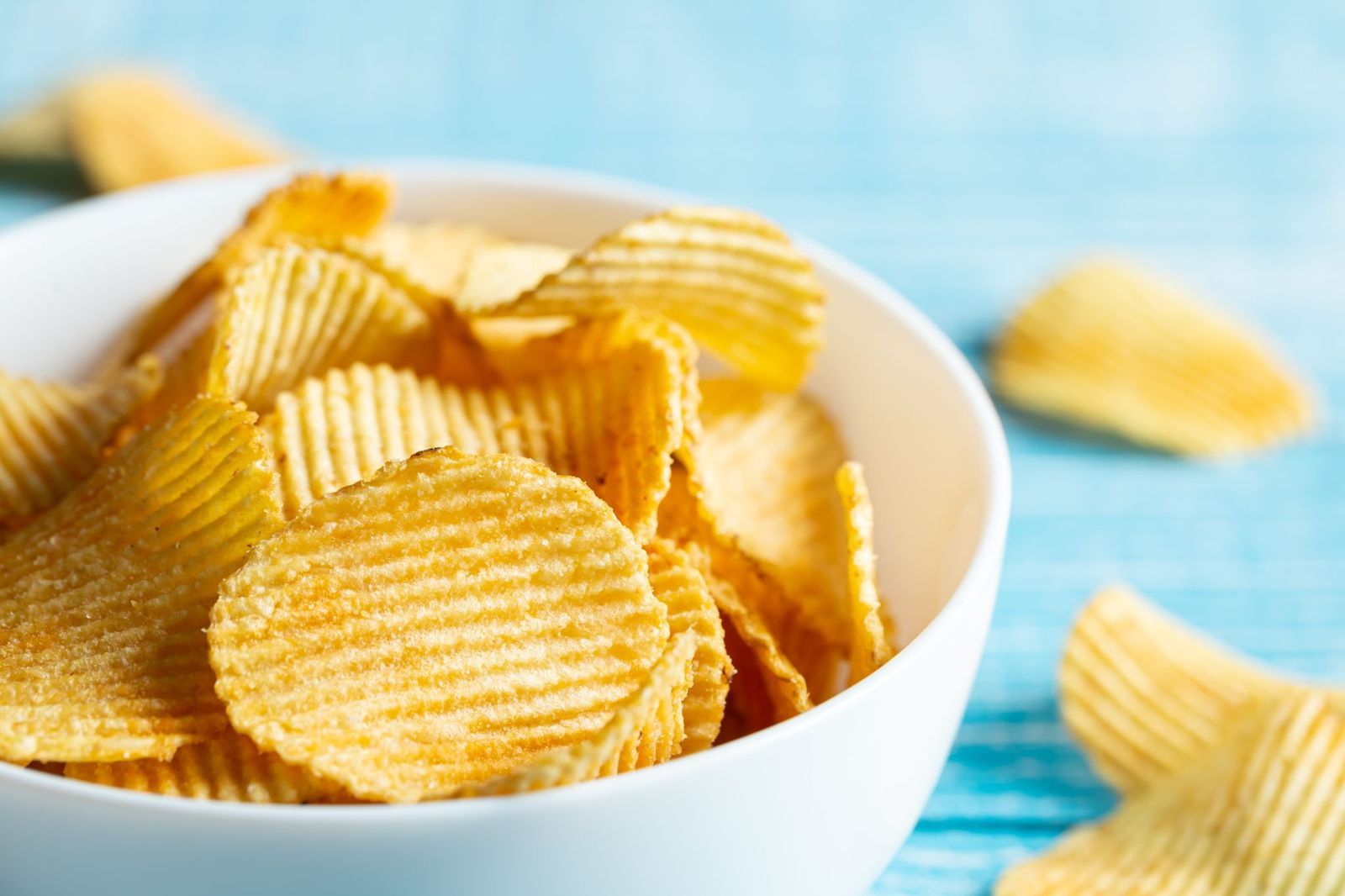
An upset chef in Saratoga Springs, New York, in 1853, after a fussy customer complained his potatoes were too thick, served him extremely thin potatoes fried in oil as a joke. Turns out, the customer loved it, and the dish became known as "Saratoga chips."

It’s fair to mention that this popular snack wasn’t 100% invented there, as there are records of a similar recipe in an 1817 English cookbook, though the Saratoga chef certainly helped popularize it.

5

Velcro

Image: Andrei Dubadzel

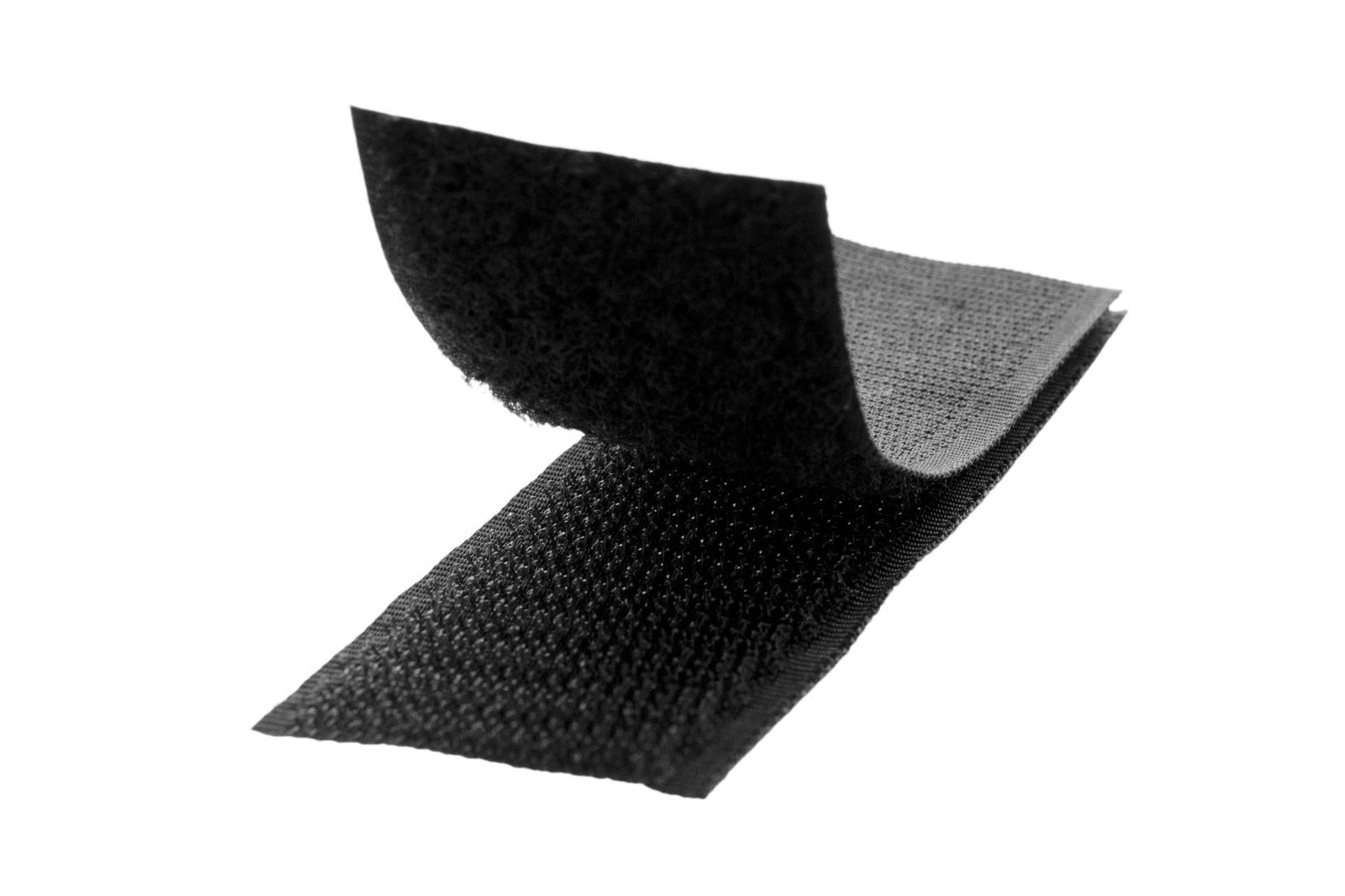
While Velcro was indeed created and patented by the Swiss engineer George de Mestral in 1955, the reality is that nature had invented it first. What triggered Mestral's "eureka" moment was seeing some burrs stuck to his clothing and his dog’s fur when returning from a hunting trip.

He was curious about how the burr could stick so firmly, and after studying it with a microscope, he saw that the burr had some tiny hooks that attached to the fabric and the animal fur, so he decided to replicate the same principle to create Velcro.

6

Teflon

Image: Stella Photography

In 1938, a chemist and DuPont worker called Roy Plunkett was working with tetrafluoroethylene gas, trying to come up with new refrigerants, though he ended up creating a completely new material. At some point while doing his experiments, he noticed the gas had turned into a waxy solid "thing" that was extremely resistant to heat and chemicals and was highly nonstick.

The material was first used in industrial and military applications and later became associated with the brand name Teflon, mainly used as a coating for cookware.

7

Super Glue

Image: MAFPHOTOART8

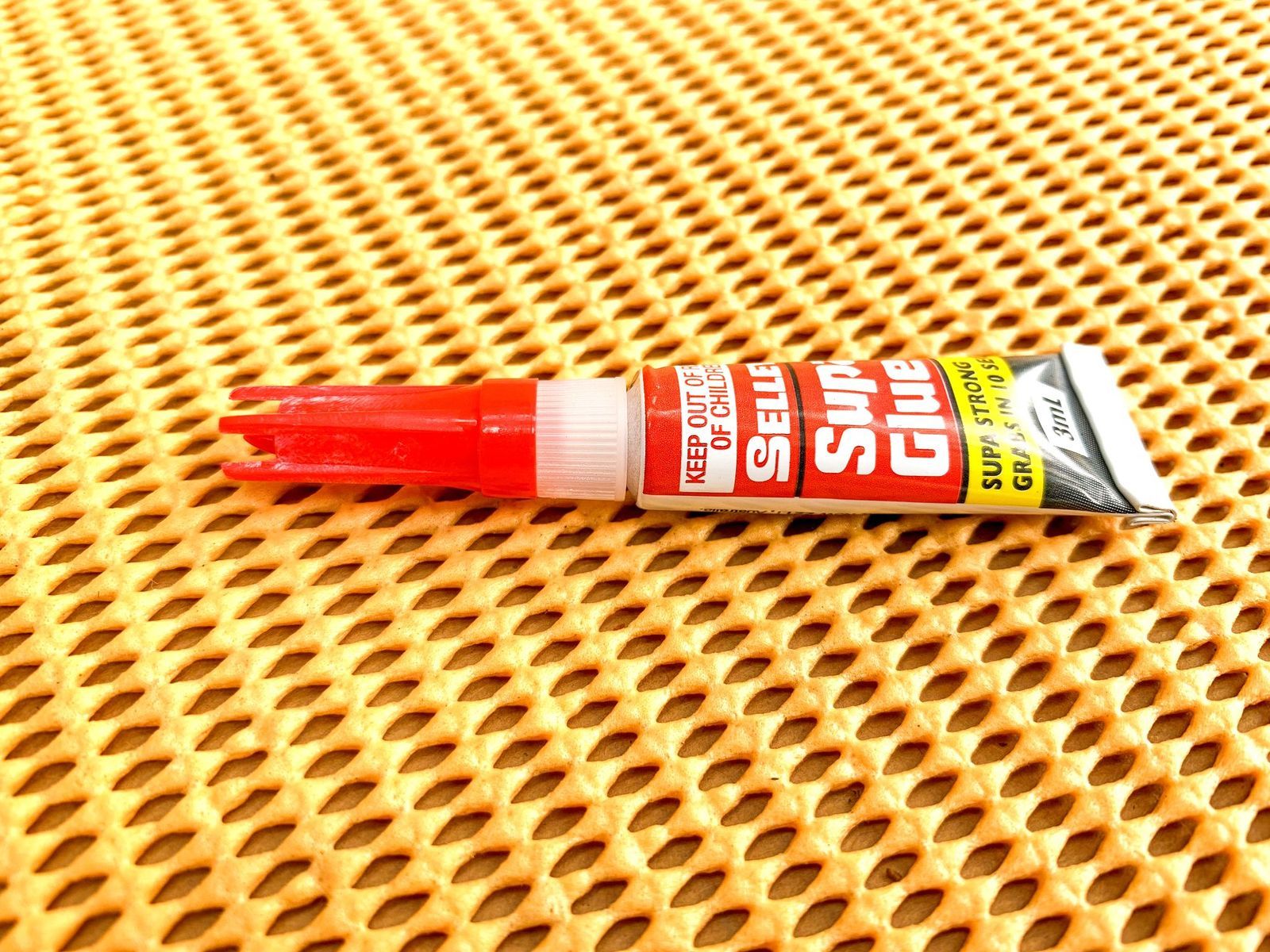
Scientists first rejected Super Glue because it was too sticky — ironic, isn’t it? The story makes more sense when you learn that the initial goal of Harry Coover Jr. and his team in 1942 was to find a material to make clear plastic gun sights during World War II.

The material they were experimenting with was too sticky and difficult to work with, so the team moved away from it, though Coover Jr. realized he had discovered a substance that could easily bond two surfaces together without the need to use heat or pressure. Later, this product went on to become what we all know now as Super Glue.

8

Popsicles

Image: barbajones

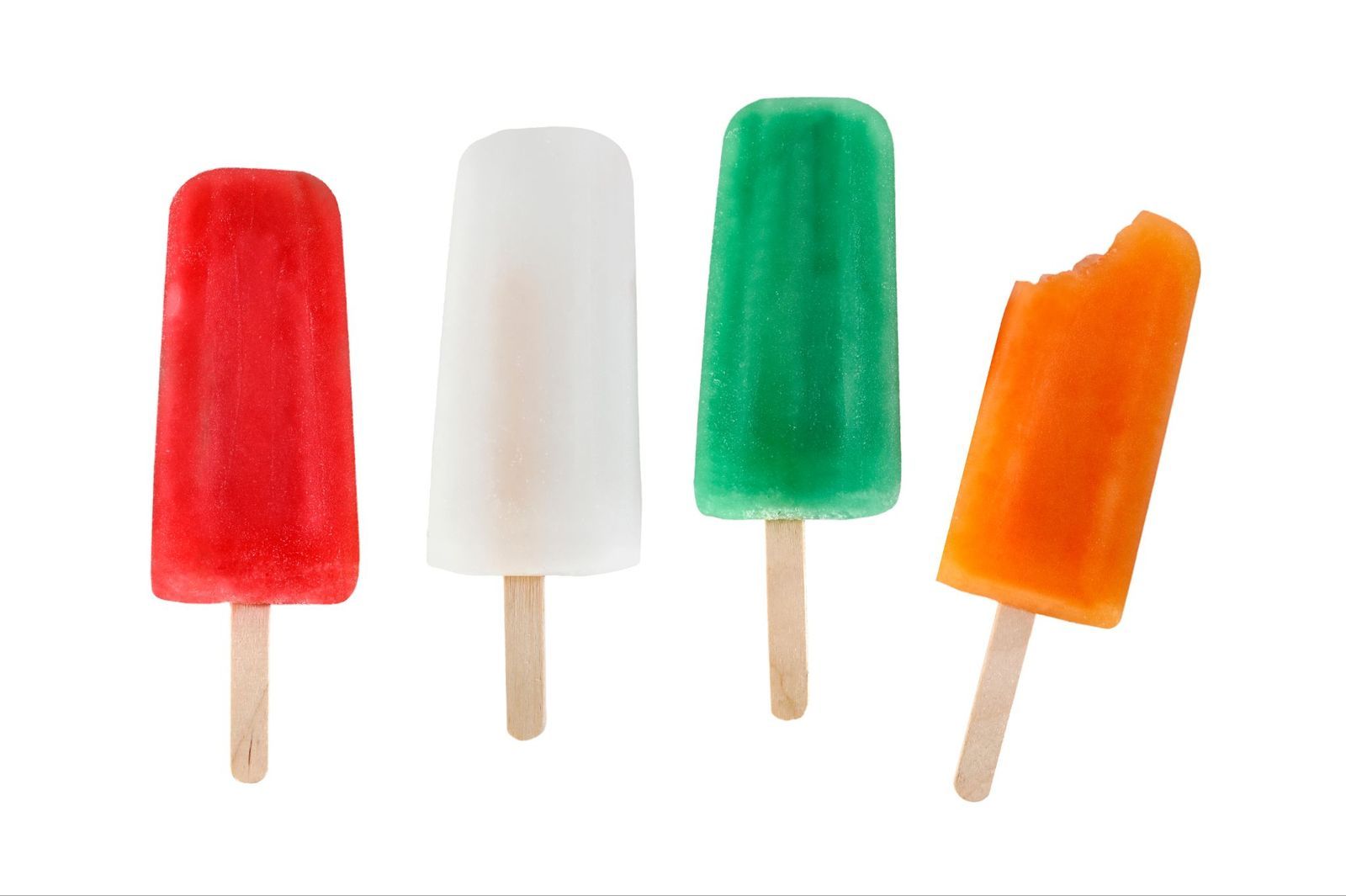
Kids love popsicles, but did you know it was also a kid who invented them? In 1905, Frank Epperson, an 11-year-old boy from San Francisco, forgot his soda with a wooden stirring stick outside overnight on his porch. The next morning, the thing was frozen, and he noticed he could hold it by the stick and eat it like a frozen treat.

At first he made them for his family and friends, but later he started selling his invention. The popsicle became a sensation, particularly during the Great Depression, as it was an affordable treat for the family.

9

Slinky

Image: VanoVasaio

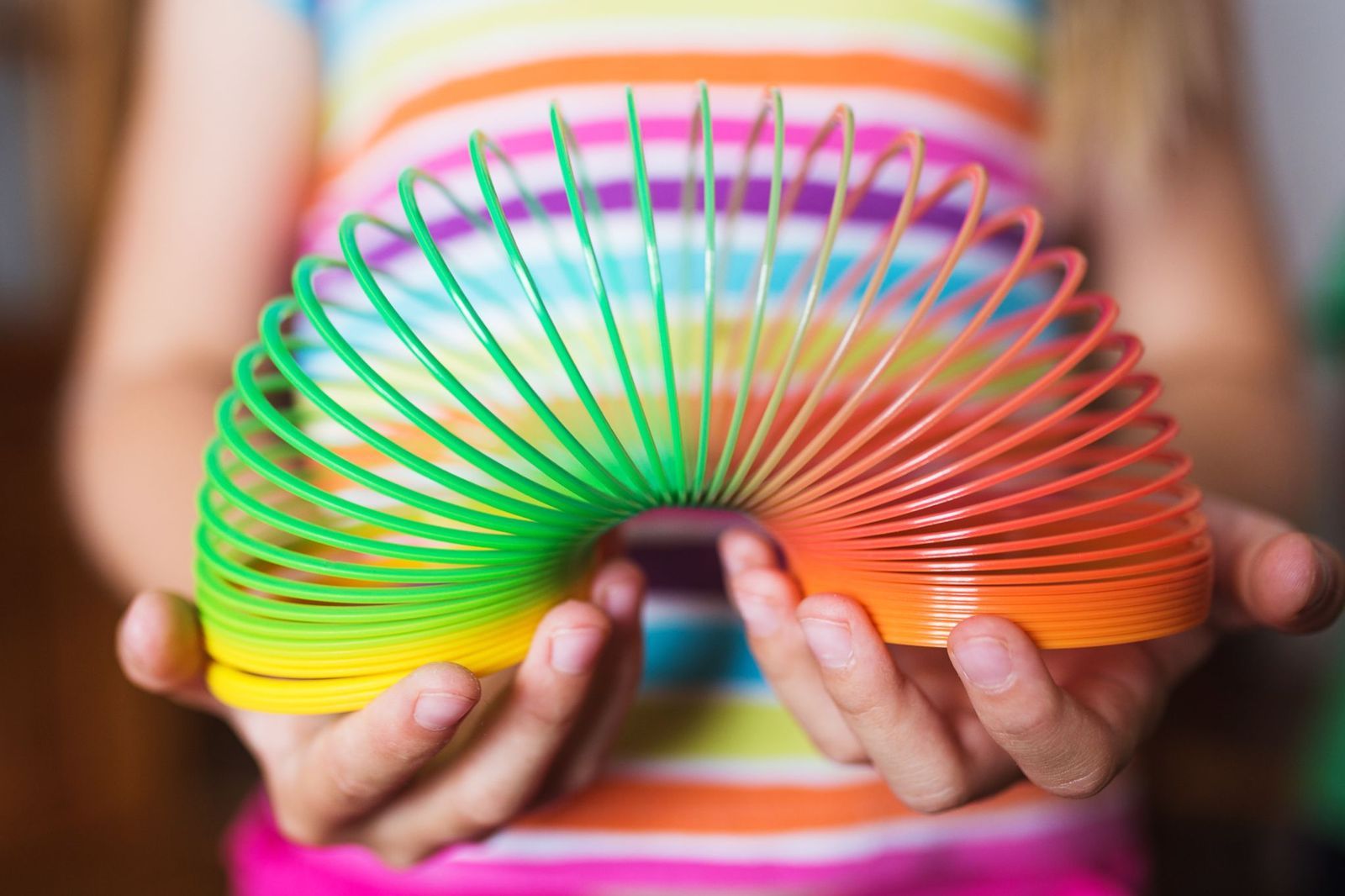
Imagine being a serious naval engineer working on a serious engineering problem and accidentally creating one of the most fun and iconic toys ever. That’s exactly what happened to Richard James, who in 1943 was trying to make springs to help stabilize sensitive equipment aboard ships when one of them accidentally fell and "walked" away.

James saw the opportunity to make a toy out of that and showed it to his wife, who named it "Slinky." The naval engineer sold the toy to Gimbels department store in Philadelphia in 1945, and Slinky was an immediate success.

10

Laminated safety glass

Image: Art_Pictures

The whole point of laminated safety glass is that its pieces won’t fly apart when it breaks. The discovery was made by chemist Édouard Bénédictus in the 1900s, when one of his laboratory flasks fell and did not completely shatter because it had a thick coating of a type of plastic that helped hold the pieces together.

This accident made him realize that putting a flexible material between layers of glass prevents broken glass from flying apart. His discovery is still used today in vehicles and buildings.


WILD HOLIDAYS

10 Crazy Festivals From Around The World You Have To See To Believe


Published on August 21, 2026


Image: Adam Whitlock

When it comes to something universally loved worldwide, coming together to celebrate things is undoubtedly one of them. Anniversaries, popular traditions, and historical and religious events are an important part of human culture. Some places, however, take festivities to new heights, pushing the boundaries of social norms with crazy festivals and dangerous traditions.

From ancient traditions to modern-day spectacles, these 10 festivals offer a glimpse into the wonderfully weird tapestry of human culture. Get ready to expand your horizons and maybe even add a few new destinations to your bucket list!

1

La Tomatina

Image: Graham McLellan, CC BY 2.0

Location: Buñol, Spain

For one day in August, the small town of Buñol in Spain becomes ground zero for the world's largest tomato fight. Thousands of participants hurl overripe tomatoes at each other in a messy, yet strangely cathartic, display of pure fun. The tradition originated in the 40s after a spontaneous tomato fight erupted during an unrelated festivity, and after that, it became so popular that everyone in town started to join in.

2

Boryeong Mud Festival

Image: Jirka Matousek, CC BY 2.0

Location: Boryeong, South Korea

Every summer, the sleepy coastal town of Boryeong in South Korea transforms into a mud-soaked playground during the Boryeong Mud Festival. What started as a promotional event for the town's mineral-rich mud skincare products has evolved into a massive celebration featuring mud pools, mudslides, and even mud skiing competitions.

3

Songkran Water Festival

Image: Takeaway, CC BY-SA 3.0

Location: Thailand

During Songkranknown as the Thai New Yearall Thailand engages in a country-wide water fight. Locals and tourists take to the streets armed with hoses and buckets, ready to douse each other with water in a symbolic cleansing ritual. Originating as a celebration of harvest and springtime, people traditionally throw water on images of Buddha or statues in Buddhist temples.

4

Baby Jumping

Image: Tara Raye

Location: Castrillo de Murcia, Spain

In the village of Castrillo de Murcia in Spain, an unusual tradition takes place during the week-long festivities of Corpus Christi, a strange ritual known as El Colacho in Spanish, or "Baby Jumping". As part of the ritual, men dressed as devils jump over rows of babies born in the past year that lie on mattresses in the street. The tradition is believed to cleanse them of sin and protect them from evil spirits.

5

Carnival of Ivrea

Image: Vfbia, CC BY-SA 4.0

Location: Ivrea, Italy

In a similar fashion to the Spanish Tomatina, the Carnival of Ivrea includes a traditional orange battle, where organized teams fight each other by throwing oranges. However, the festivity goes back to medieval times, as it commemorates the city’s successful rebellion against a local tyrant. The Carnival lasts three whole days, during which the orange battle rages on while various other minor traditions are held.

6

Burning Man

Image: Bry Ulrick

Location: Nevada, U.S.A.

Burning Man isn't just a festivalit's a temporary city built in the heart of the Nevada desert for one week each summer. This experimental community celebrates radical self-expression, art, and communal living, culminating in the ritual burning of a massive wooden effigy known as "The Man." Festival goers are encouraged to clean after themselves and embrace principles of inclusion and responsibility.

7

Running of the Bulls

Image: San Fermin Pamplona - Navarra

Location: Pamplona, Spain

Each year in July, the Spanish city of Pamplona hosts the infamous Running of the Bulls during the Saint Fermin festival. Brave—or foolhardy—participants run alongside a herd of charging bulls through the narrow streets of the city in a thrilling display of adrenaline-fueled madness. Despite its inherent dangers (as one would expect, injuries are common), it's a tradition that dates back centuries and continues to attract thrill-seekers from around the world.

8

Cooper's Hill Cheese-Rolling and Wake

Image: Dave Farrance, CC BY-SA 3.0

Location: Gloucestershire, England

In the tiny English village of Brockworth, Gloucestershire, an age-old tradition known as the Cooper's Hill Cheese-Rolling and Wake takes place each spring. Participants launch themselves down a steep hill in pursuit of a wheel of Double Gloucester cheese, risking life and limb for the chance to be named the winner. Recently, the quirky event gained worldwide recognition, with participants coming from all over the world for a chance to catch the elusive cheese.

9

Underwater Music Festival

Image: Sime Basioli

Location: Looe Key Reef, United States

Ever dreamed of joining an underwater orchestra playing catchy old-time tunes? If that’s the case, then you definitely should go check out the Underwater Music Festival that takes place annually in the Florida Keys. This underwater spectacle features musicians playing specially designed instruments while submerged in the crystal-clear waters of Looe Key Reef, creating a one-of-a-kind sensory experience that blurs the line between art and nature.

10

Wife-carrying Contest

Image: U.S. Air Force photo/Cortney Paxton

Location: Sonkajärvi, Finland

First introduced at Sonkajärvi, Finland, the Wife-Carrying Contest is exactly what you would expect from its name: male contestants race through an obstacle course while carrying their female partners on their backs. While the precise origin of this weird practice is not clear, today it’s considered sort of a joke sportthough competitors tend to take it very seriouslywith the winners taking home the wife’s weight in beer.

Looking for an extra scoop of literary fun?

Learn more with our Word of the day

unyielding

/ˌənˈjildɪŋ/