The day after us

How Earth would reset itself in 11 brutal steps


Published on August 27, 2025


Image: Peter Herrmann

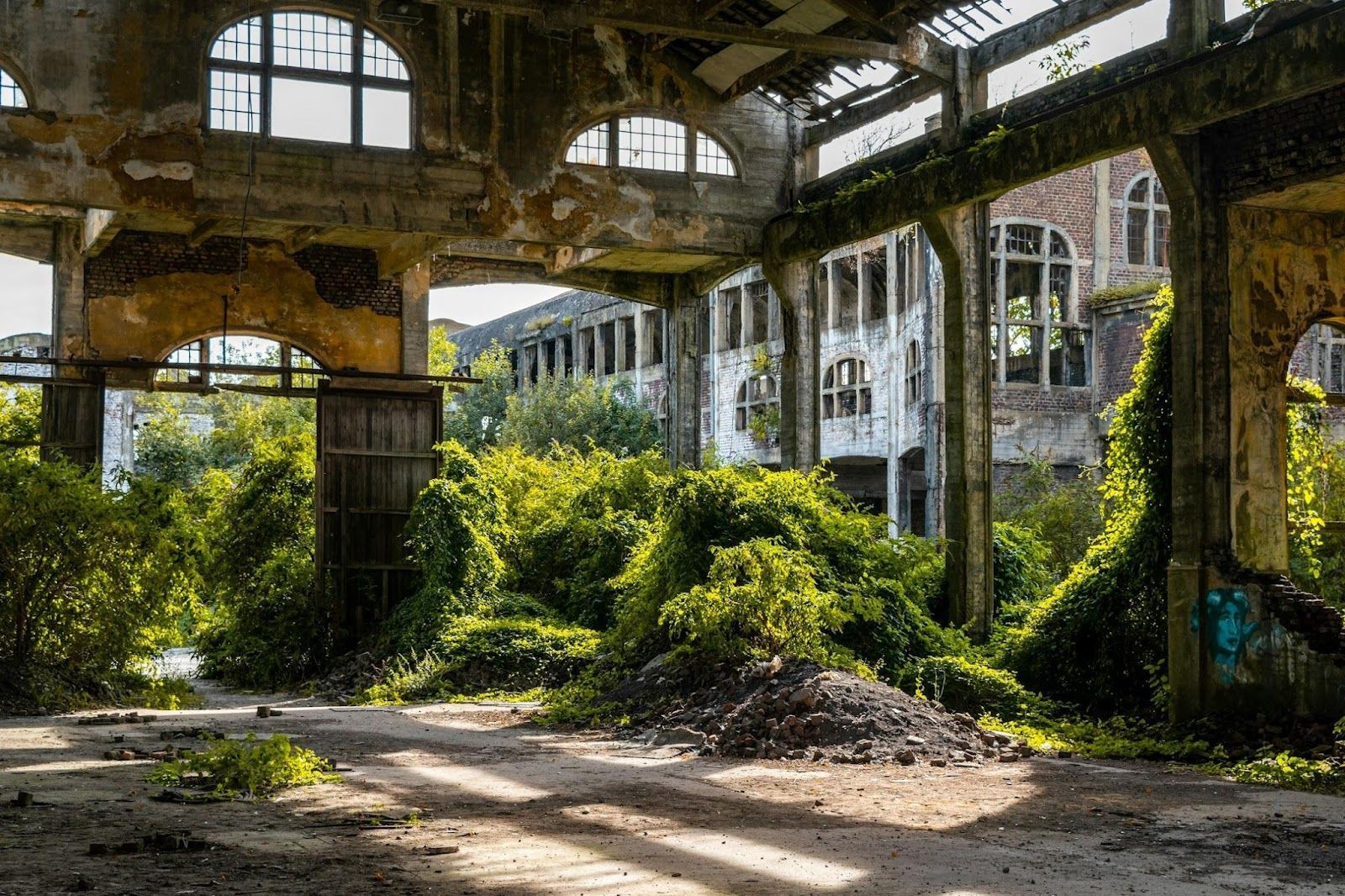
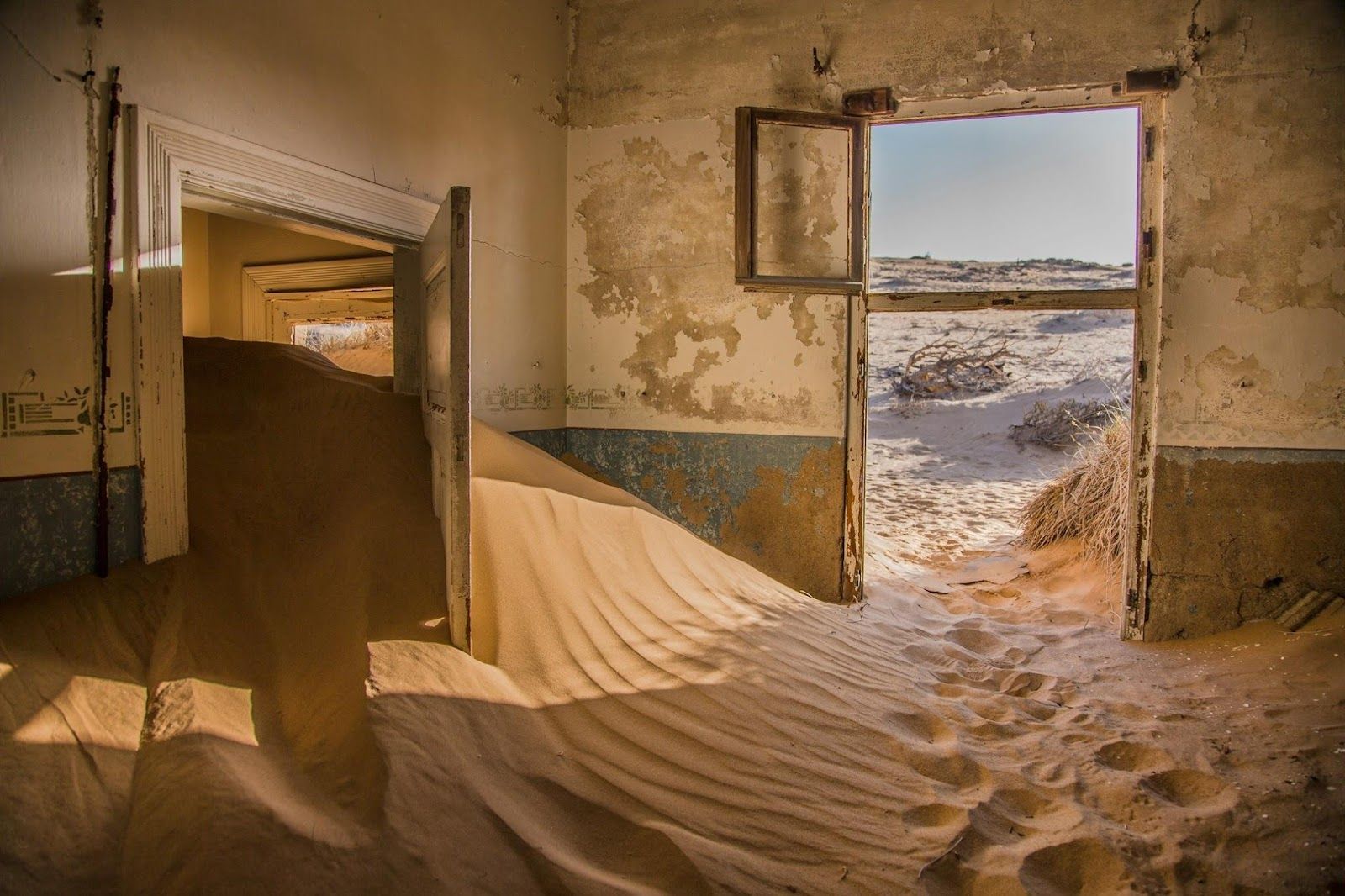
What if every human vanished right now? For the sake of this thought experiment, let’s assume that there was no big war, no virus—just poof, gone. Nature wouldn’t hesitate to reclaim what we built. From silent cities to nuclear disasters, the world would start changing immediately. Here’s what would actually happen, and how fast, if people disappeared from Earth.

1

Power fails within hours

Image: Andriy Nestruiev

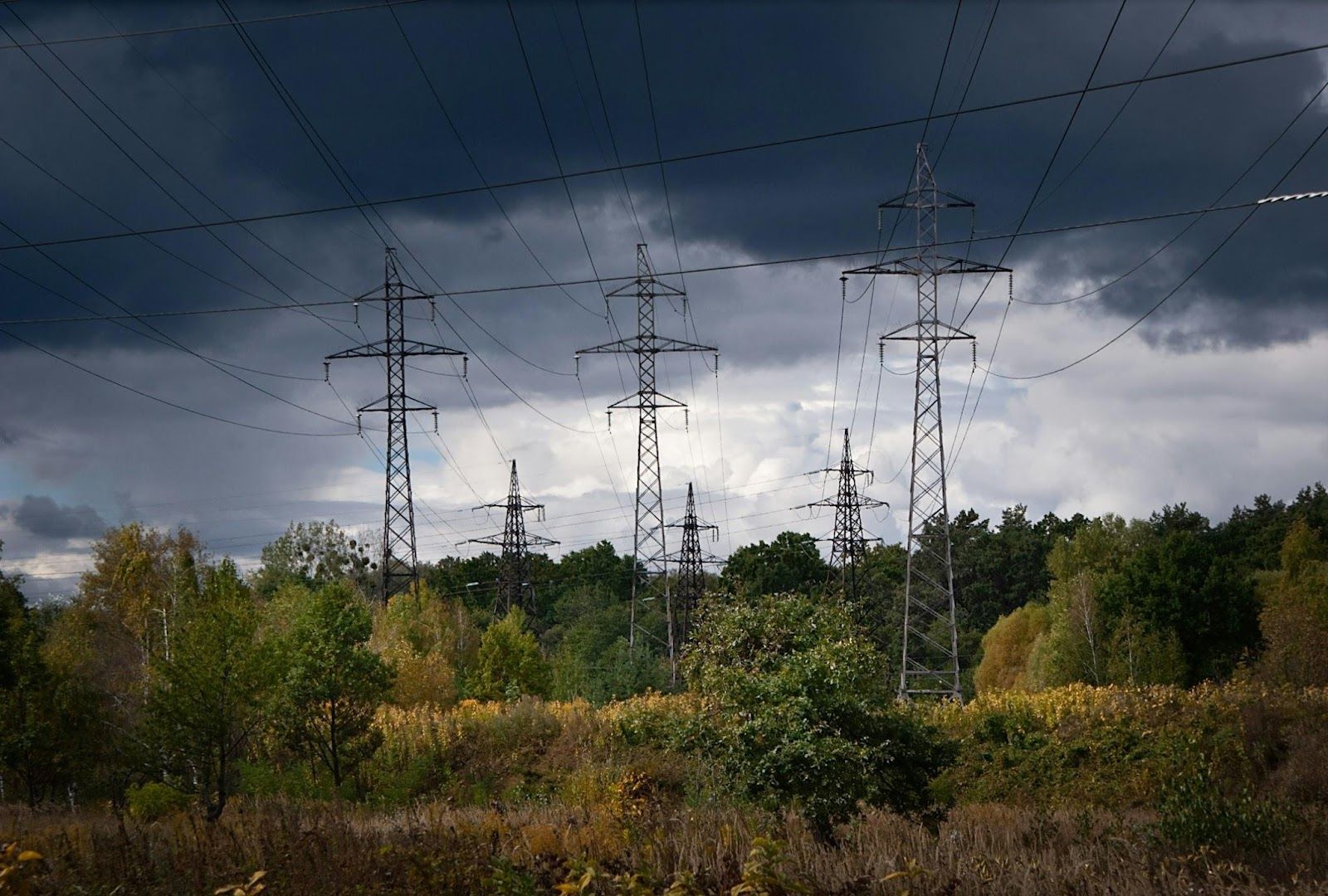
Power plants need constant maintenance. Without humans, fossil fuel stations would shut down within just a few hours. Backup generators at nuclear and hydro plants might last a couple more days, but without human oversight, even they’d fail.

Eventually, power grids would collapse worldwide, and complete darkness would fall on cities within a day or two.

2

Subways start flooding

Image: Nenad Spasojevic

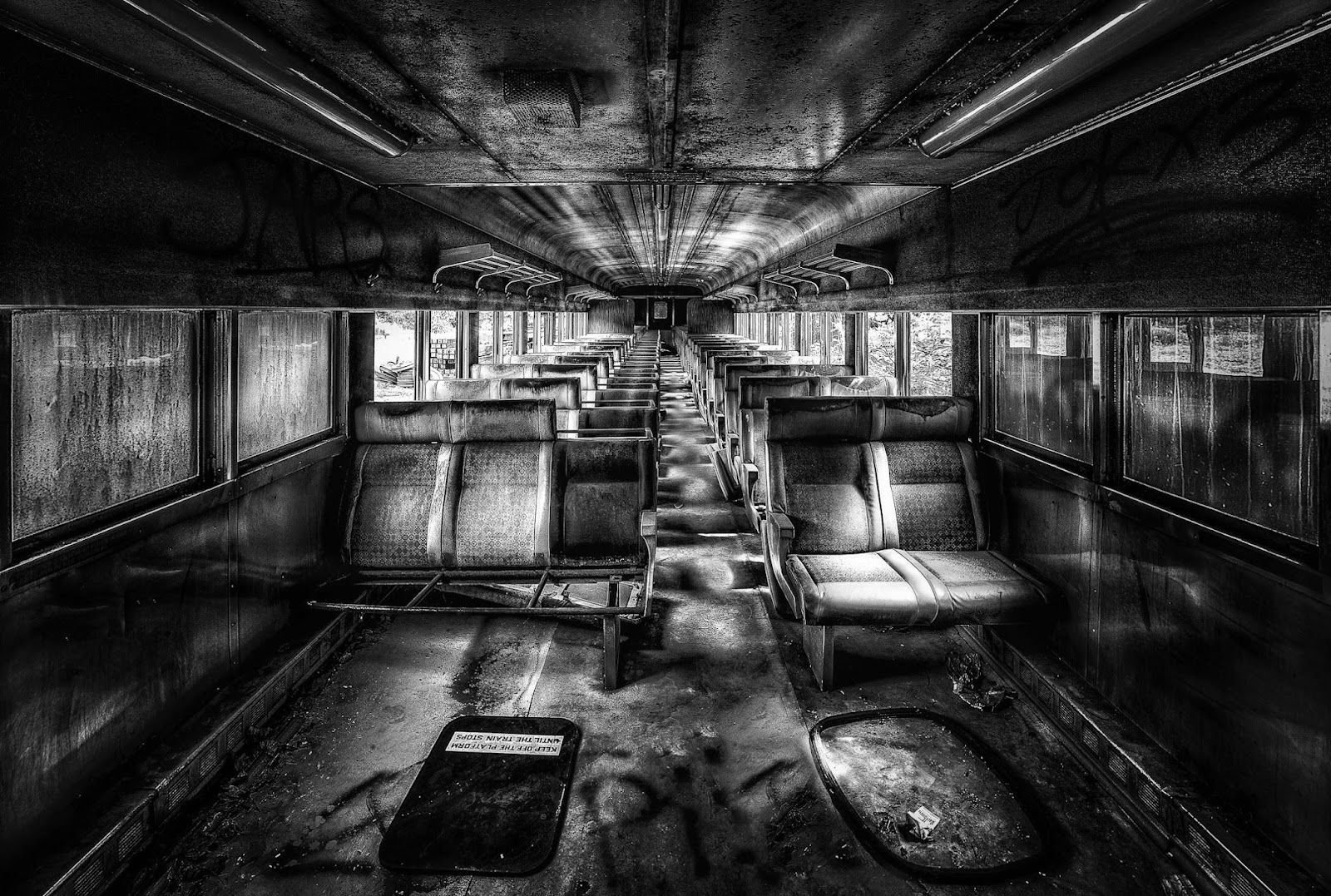
Pumps in underground transit systems like NYC’s run nonstop to keep out water. Without maintenance (and more importantly, power), those pumps would stop working in just a couple of days.

By the end of the first week, tunnels would begin flooding, damaging infrastructure, and washing out entire underground networks.

3

Pets and livestock go feral

Image: Praswin Prakashan

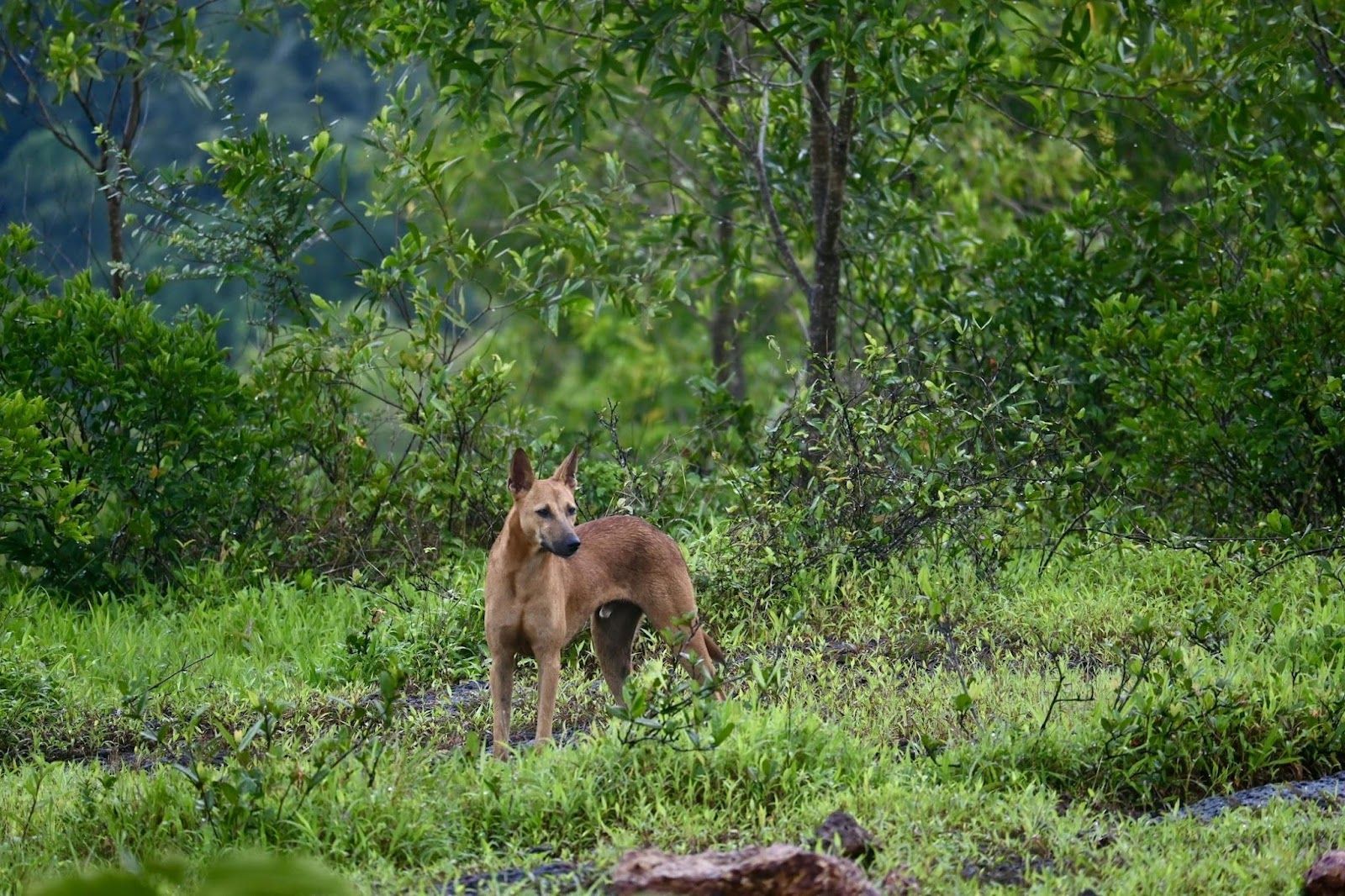
Most domestic animals rely entirely on humans for food, water, and shelter. Dogs might form feral packs, but millions—especially indoor pets—would eventually die of starvation.

Livestock like cows and chickens would perish or become easy prey, disrupting rural food chains. However, within a few generations, some could revert to free-roaming behavior, similar to their wild ancestors.

4

Nuclear plants meltdown

Image: Lukáš Lehotský

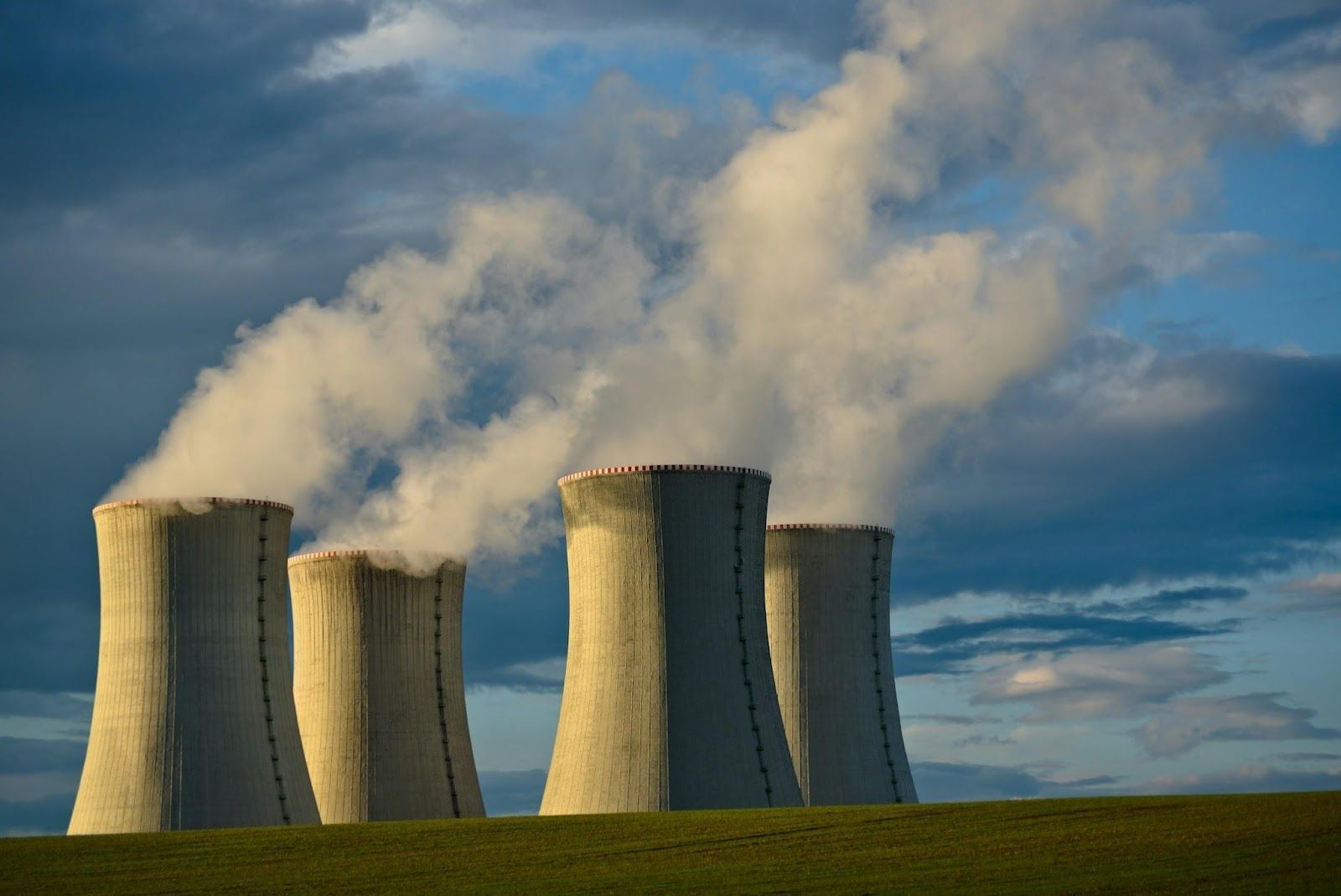
Without humans, nuclear power plants would quickly become major hazards to all surviving life. Most reactors would automatically enter into safe mode and shut down within hours, as automated systems detect the loss of the electrical grid.

However, cooling systems require active maintenance. Within a short time, without intervention, reactor cores would begin to overheat. Multiple Fukushima-style meltdowns could occur, releasing radioactive material into the air, soil, and water across entire regions.

5

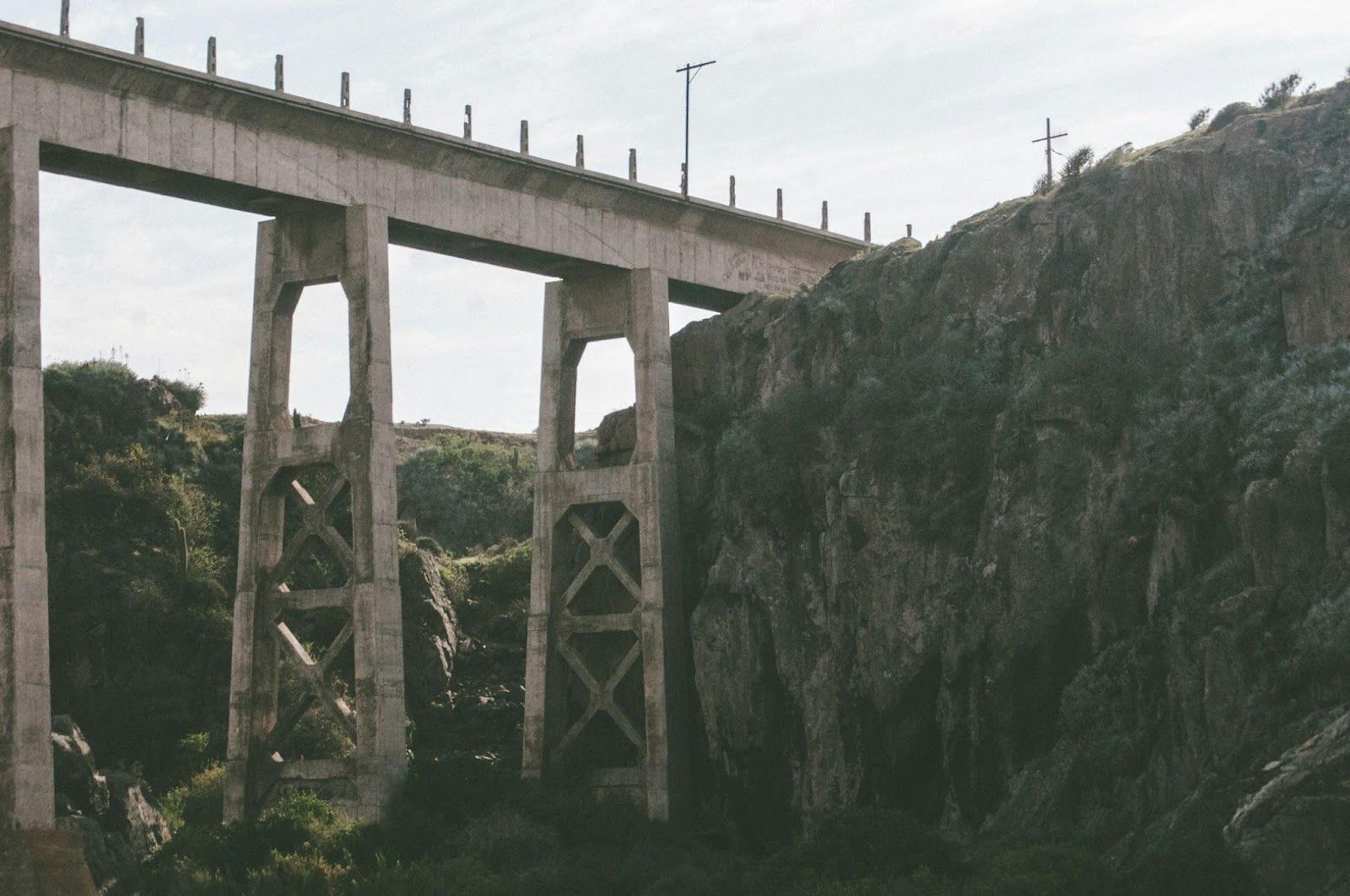
Bridges rust and fall

Image: Juan Manuel Núñez Méndez

Salt, moisture, and wind would destroy most human-made bridges within decades. Without protective coatings, steel corrodes and load-bearing cables weaken over time.

Even iconic structures like the Golden Gate Bridge would likely collapse within 100 years. In contrast, ancient Roman structures and other archaeological remains that have already endured for millennia could survive for many centuries more, barring major seismic events or other natural disasters.

6

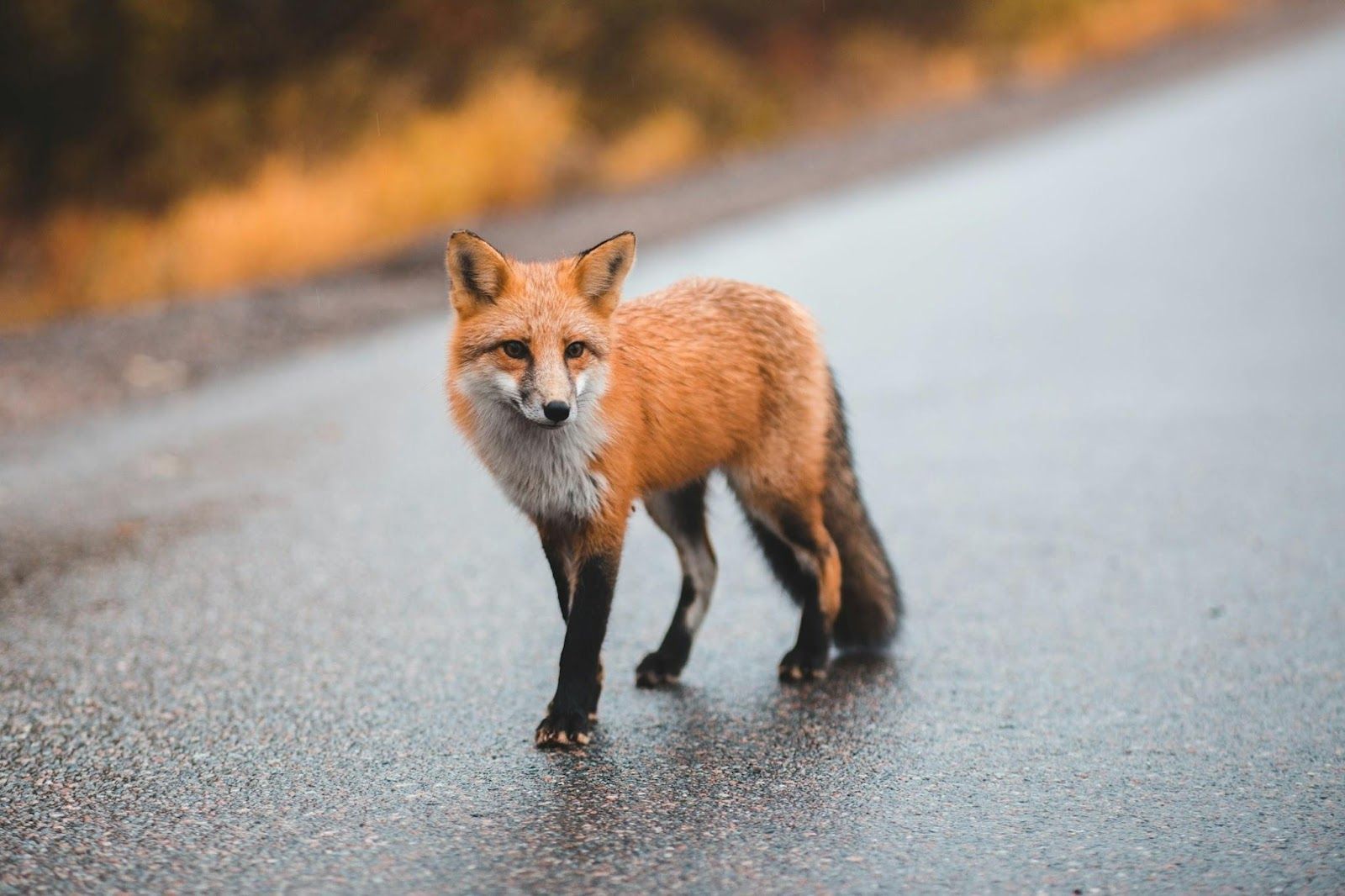
Wildlife rebounds

Image: Erik Mclean

Many animal populations would thrive without humans suppressing them. Species once hunted or crowded out would reclaim territory.

Wolves, bears, deer, and even predators like big cats could return to their former ranges, reshaping ecosystems quickly.

7

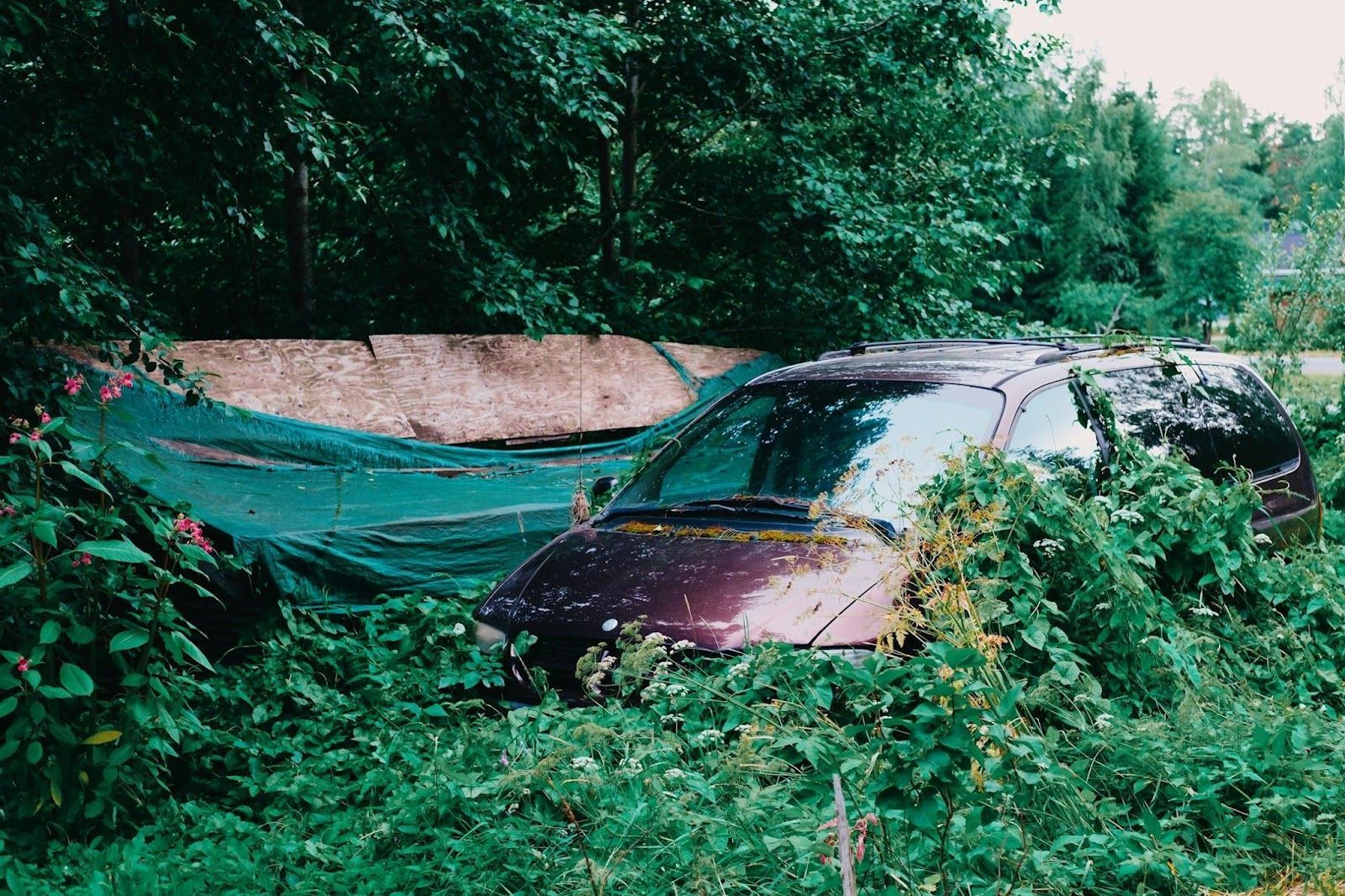
Roads disappear under greenery

Image: Miikka Luotio

Plants would break through pavement and reclaim roadways within a few years—something nature wastes no time doing, as we can see in any abandoned roads or areas today.

Tree roots and erosion would be the first to crack and crumble concrete and asphalt. And without vehicles to maintain wear patterns, roads would soon disappear under grasses, shrubs, and eventually forest.

8

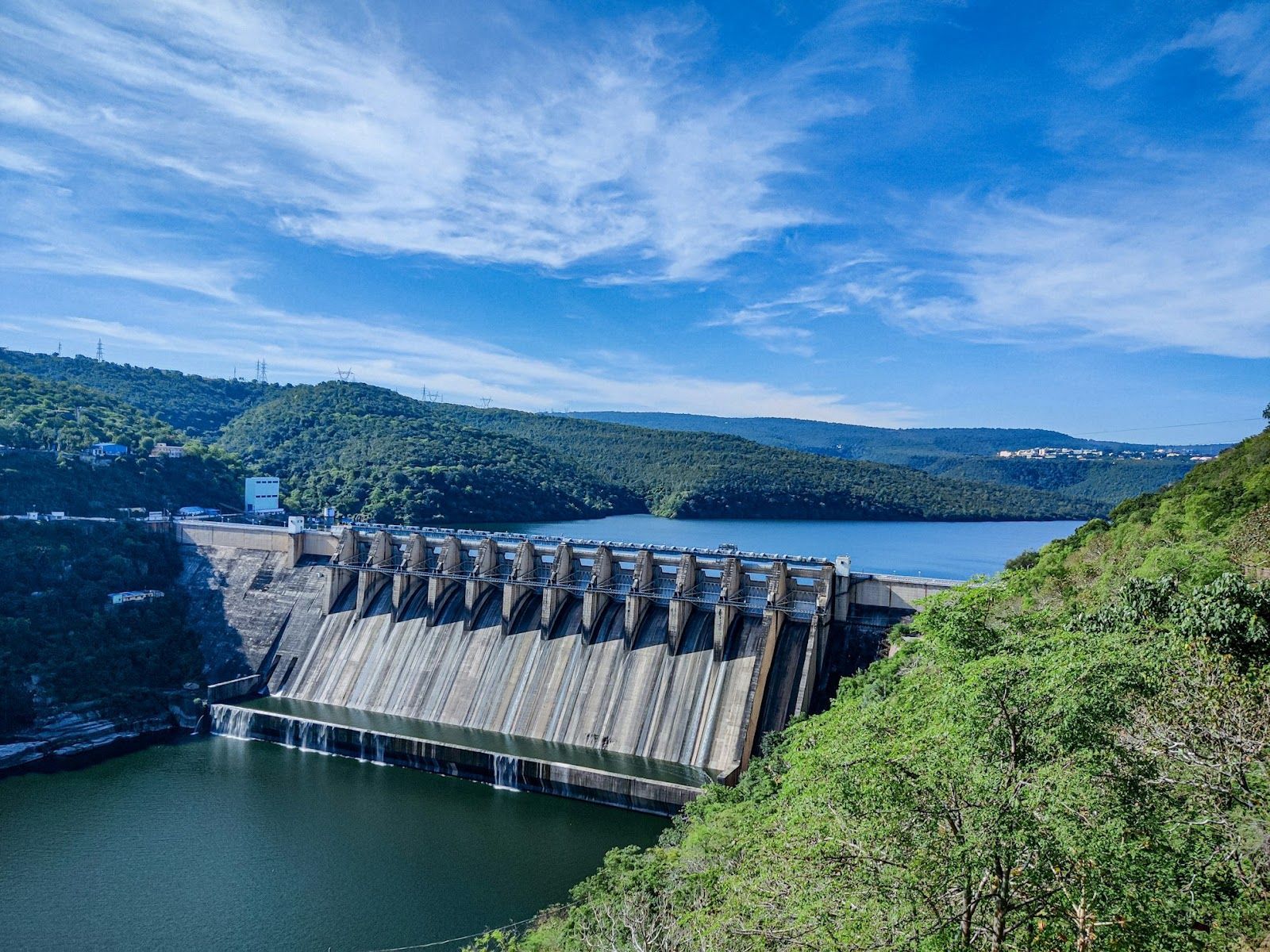
Dams break down

Image: Tejj

Like many human-made structures, dams require active monitoring to prevent erosion, cracking, and overflow. Within a few decades, silt buildup and unchecked water flow would cause many to breach or collapse.

The resulting floods would be catastrophic, reshaping river valleys and floodplains across entire continents.

9

Art and culture are forgotten

Image: Nik

What would happen to our cultural legacy? Without us, it won’t last long. Books, paintings, and digital media would begin to degrade quickly.

Even in semi-protected conditions, paper would yellow and crumble. Museums without climate control would suffer from mold and temperature damage. Hard drives and servers would corrode and become unreadable within decades.

10

Earth's climate stabilizes—slowly

Image: Cédric Dhaenens

Despite the chaos our disappearance would bring to most ecosystems, there’s a silver lining: greenhouse gases would decline over time, gradually cooling the planet. Oceans and plants would absorb the excess CO₂.

Within a few hundred years, global temperatures could return to pre-industrial levels, though damage like ice sheet loss would take millennia to undo.

11

Traces fade in millennia

Image: jean wimmerlin

Most recognizable evidence of human civilization would vanish over a few thousand years. Materials like plastic, glass, and some metals might persist for over 500,000 years, but nature would slowly break them down.

Concrete crumbles, buildings collapse, and corrosion eats metal. After 10,000 years, only massive stone structures like Mount Rushmore or the Pyramids might remain—weathered and barely recognizable. Even our radio signals would eventually fade into cosmic background noise.


WORD MASH-UP

Mixed words that make sense: 10 portmanteaus explained


Published on August 27, 2025


Image: Nick Fewings

In life, many inventions came from mixing things around, the ebay cocktails were at least! Well, something similar happens with words, they are called portmanteaus: two words are cleverly fused to create a new one with an original meaning, of course. These linguistic mashups are not only funny, but they are also convenient and expressive: there’s no way to replace words like "brunch" or "workaholic." In this article, we’ll explore 10 portmanteaus and explain how they were formed and what they mean. Are you ready? Let’s go!

1

Brunch

Image: Priscilla Du Preez 🇨🇦

Let’s kick off the list with a classic. This word is so commonly used, that we often forget it’s actually a combination of "breakfast" and "lunch." It was born after the need to call that late-morning meal something new.

A brunch can also be a social event as much as a meal, often accompanied by friends, laughter, and relaxed vibes. Modern, practical, and precise, this one is here to stay.

2

Adorkable

Image: Warren

You probably know someone who is a bit awkward and nerdy, but irresistibly cute. Well, that person is "adorkable." This word is a combination of "adorable" and "dork," and far from being an insult, it describes someone whose interests may be uncommon, yet they are cute and appealing.

The word has found a home in popular culture, introduced by Fox to describe the main character of an upcoming TV series. But it stayed because it is an accurate and affectionate description, don’t you agree?

3

Biopic

Image: Daizy Isumi

Bohemian Rapsody; I, Tonya; The Social Network, can you guess what they have in common? First of all, they are movies, specifically "biopics." But the distinctive feature is that they all portray the significant lives of real people. In the case of the movies mentioned, the people were Freddie Mercury, Tonya Harding, and Mark Zuckerberg.

The word "biopic" combines the words "biography" and "picture." Whether it’s an artist, politician, or scientist, biopics aim to capture the essence of a person’s life on the big screen. They offer a peek into history and, more often than not, it’s used to highlight some aspects of these people’s lives.

4

Motel

Image: Steven Lewis

Did you know the word "motel" is a portmanteau? It combines the words "motor" and "hotel" and it emerged during the rise of automobile travel in the mid-20th century. What was the appeal of motels? Their location!

Motels provided convenient, roadside lodging for travelers who didn’t want to stray too far from the highway. They were budget-friendly and perfect for a quick overnight stay. Of course, over the years, motels have become an iconic and essential part of American road culture. While often depicted as mysterious in movies, they are still the number one choice for weary drivers!

5

Edutainment

Image: Tim Mossholder

Who said learning can’t be fun? In fact, most professionals agree that the best way to effectively learn something is through enjoyment! So, "education" meets "entertainment" to give birth to "edutainment," a term to describe educative content that is also recreational and fun to make the learning experience, an enjoyable one!

The term has been embraced by everything from children’s TV shows to interactive museums, where people can experience lively tours that help the information stick. Learning is not a chore anymore, edutainment will keep everyone engaged!

6

Workaholic

Image: KOBU Agency

Neither too little nor too much is good in any case! The same goes for work. We all want to strive and improve in life, but being addicted to work won’t get us anywhere. Don’t be a "workaholic"!

This word combines "work" and "alcoholic," and even though alcohol isn’t involved in this description, the term was chosen to refer to an addiction. The adjective describes those who cannot stop working, usually to the detriment of their personal lives. While this behavior is not recommended, no one can deny it was a necessary word!

7

Frenemy

Image: Monika Simeonova

In social circles, the workplace, and even within the family, we all have that one person for whom we can’t really decide whether we love or hate them—that’s our personal "frenemy."

A frenemy is someone who blurs the lines between "friend" and "enemy," a blend of both. It describes the kind of person who might support you but also somehow, compete with you. It’s truly a unique, and often confusing dynamic. Nothing personal, it’s all about chemistry!

8

Mockumentary

Image: Jakob Owens

Have you watched The Office? That series is set in a paper company, where we follow the people who work there, their relationships, and their terribly useless boss. It’s styled as a documentary, but it is actually a work of fiction and also a bit of a satire. That’s what makes it a mockumentary.

Blending the words "mock" and "documentary," this specific type of film imitates documentary-like features, such as the handheld camera or characters’ interviews and comments, while incorporating fictional stories and deadpan humor, absurd situations, and satirical elements. The purpose? To mock real-life scenarios or exaggerate them.

9

Webinar

Image: Austin Distel

We’ve already learned that education can take a fun turn and become entertaining. Similarly, education also found a way to become accessible to all through the internet, our best ally when it comes to learning. A "webinar" is a blend of "web" and "seminar," and it refers to online educational events.

It’s a product of the digital age and the goal is to increase accessibility and comfort, as they are typically attended from home. They have become a key piece of professional development and, during the pandemic, were highly requested to keep up with the educational goals. Creative, don’t you think?

10

Phablet

Image: Firmbee.com

To close our article, we’ll also explore a word that comes from the technological field. In this case, the word "phablet" is a combination of "phone" and "tablet." You may wonder why this word was created, and that would be a fair question.

A phablet is what you get when you combine both technology devices in order to create a device with a larger screen—bigger than a phone but smaller than a tablet. It is both an inventive device with a creative word that aims to give users the best of both worlds. The comfort of a phone, with the size(-ish) of a tablet. Did you know about this one?

Looking for an extra scoop of literary fun?

Learn more with our Word of the day

influential

/ˌɪnˌfluˈɛn(t)ʃ(ə)l/