Evolution of a language

How American English became its own language: 10 historical twists


Published on November 13, 2026
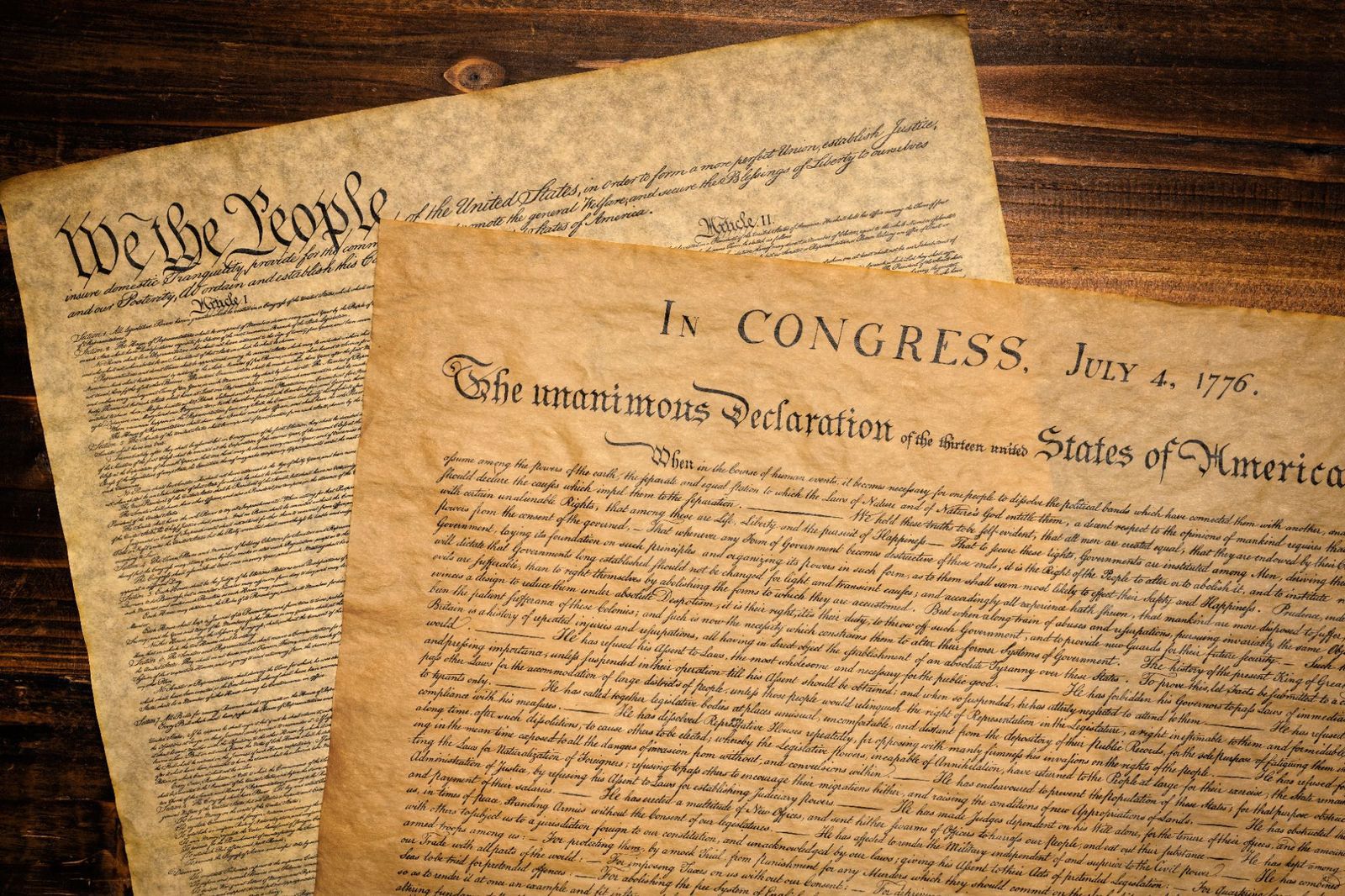

Image: Mike Flippo

If George Washington walked into an average office tomorrow, how many words do you think he’d struggle to understand? Would he be confused by a modern American accent? Ever since the first settlers arrived in North America, British and American English started growing apart. Now, the language that was forged in the US carries traces of its history. In this article, we’ll explore 10 of those modifications.

1

Kept archaisms that the UK forgot

Image: David Hertle

Linguists have a name for what happened to American English after the colonies split from Britain: colonial lag, coined by scholar Albert Marckwardt in 1958. It means that the speech of populations who move away from the mother country doesn't always keep pace with the changes happening back home.

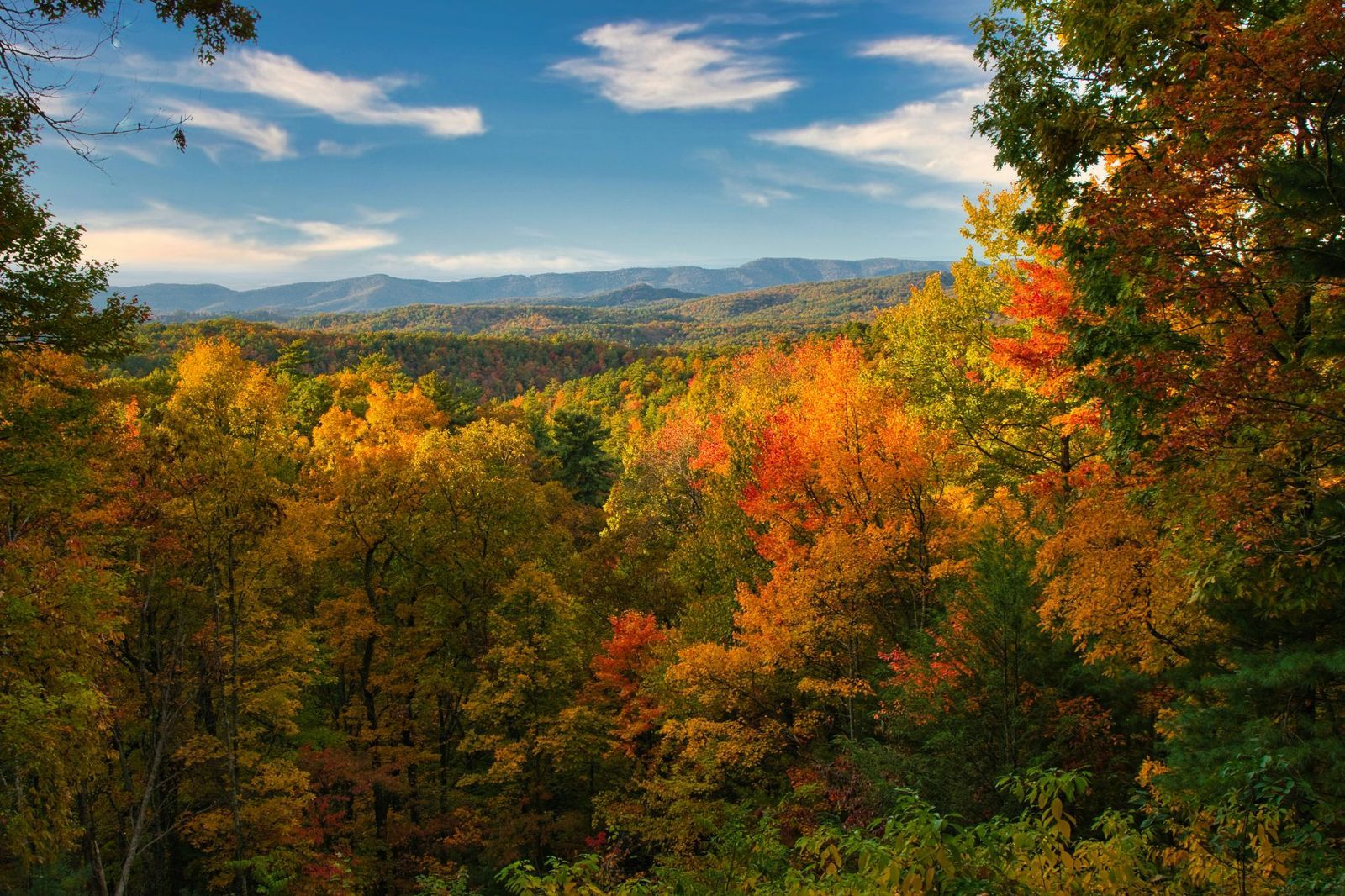
While British English evolved, the colonies, more isolated, often kept speaking the way everyone did the day they left. A good example of this is "fall," from the 1500s phrase "fall of the leaf," which was standard English until London traded it for the French import "autumn" in the late 1600s. Another is "gotten," which appears throughout Shakespeare, but was no longer used by the 1700s.

2

The pronunciation of the Rs

Image: Undrey

The British "R" that vanishes in words like "car" and "father" is a rather new invention. In the 1600s, every English speaker pronounced every R, until fashionable London society started dropping them in the late 1700s as a mark of refinement. Some American port cities with strong ties to England, like Boston and New York, picked up the trend too, which is exactly why some coastal accents still drop the R today.

But settlers moving inland and westward never got the update, so most of American English kept pronouncing every R, the way England once did.

3

The evolution of ways of saying "you"

Image: Page Light Studios

Old English had a perfectly good word for the second person plural: It was gē (pronounced like yay), which then evolved to "ye." Then, sometime in the Middle Ages, "you" swallowed both the singular and the plural, and English speakers have been improvising clarifying terms ever since.

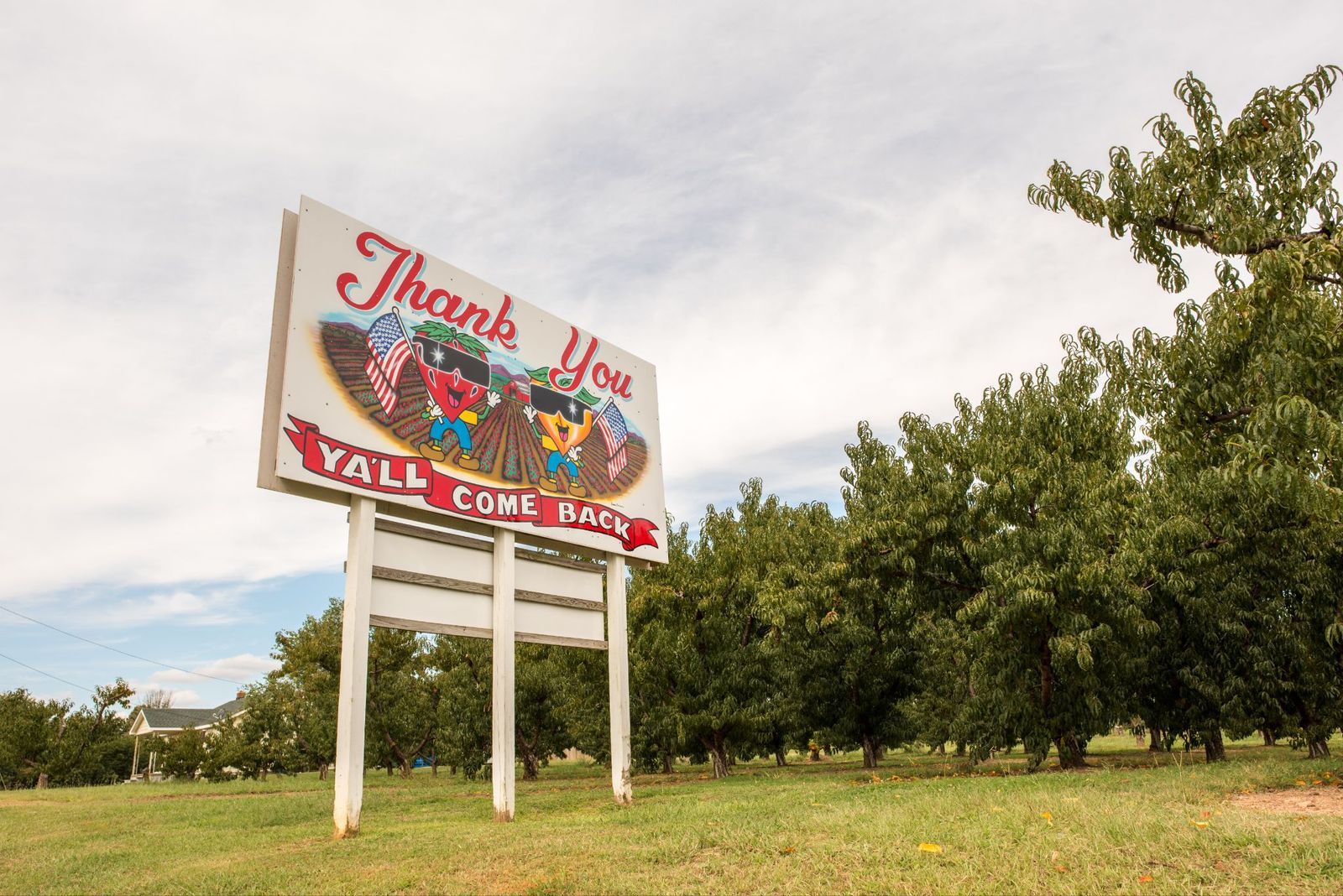
The American South answered with "y'all," likely shaped by Scots-Irish settlers who said, "ye aw." Pittsburgh shortened Scottish "you ones" into the now-iconic "yinz." New York and Philadelphia went with "youse." And across much of the rest of the country, "you guys" became the default, first recorded in the 1890s and now widespread.

4

Incorporation of Native American words
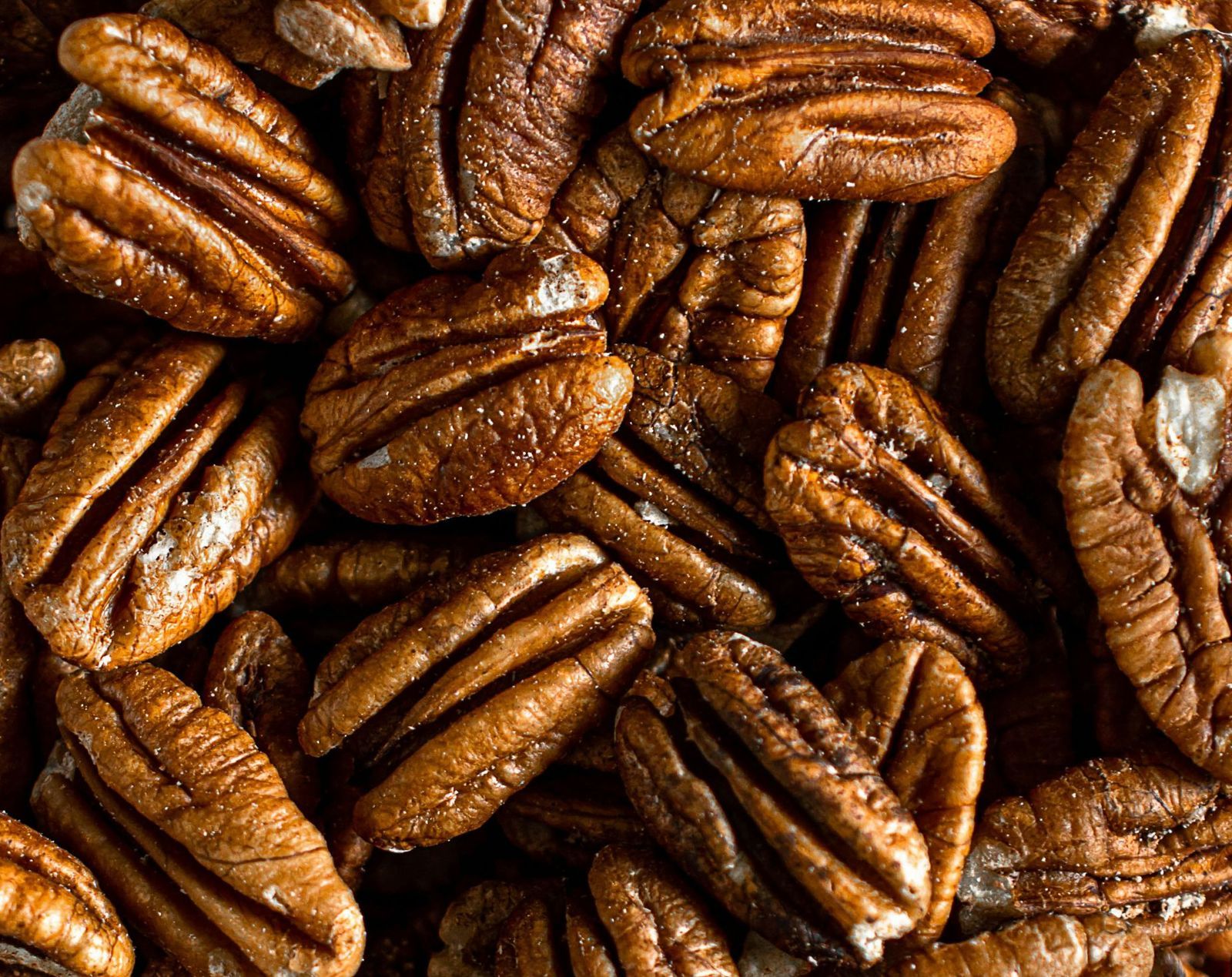
Image: Sara Cervera

When English colonists met animals and plants they'd never seen before, they borrowed the words already in use for them. How else would you call a specific nut that is so hard to crack that you need to use a stone? They went for the term "pecan," derived from the Miami-Illinois Algonquian pakani.

"Skunk" comes from Massachusett Algonquian, the result of combining roots for "urinate" and "fox." "Opossum" derives from Virginia Algonquian for "white dog," and "squash" comes from Narragansett, where it meant "eaten raw or uncooked."

5

Incorporation of terms from immigrating languages
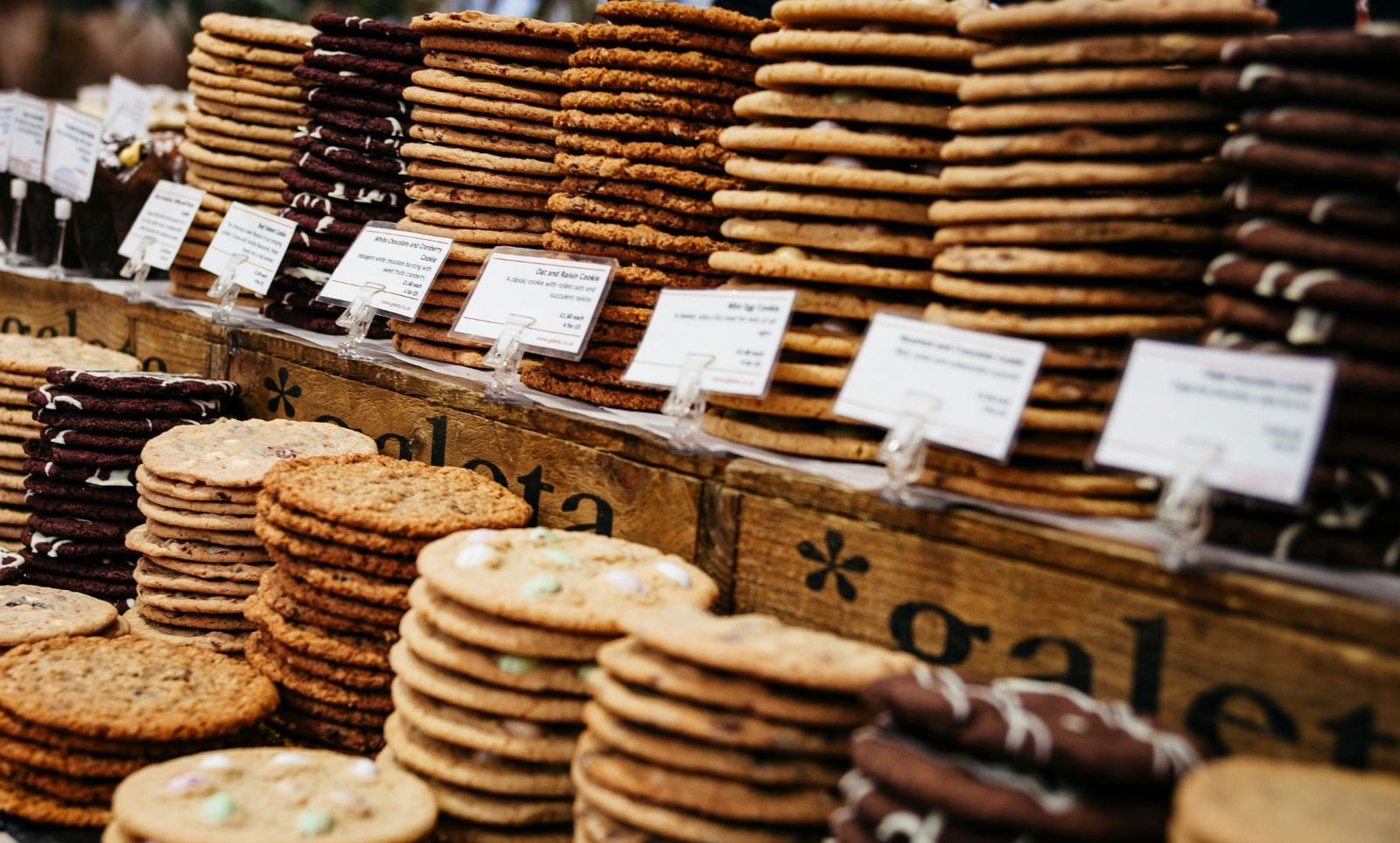
Image: Clem Onojeghuo

If you ask for a "biscuit" in England, you’ll get something quite different from a chocolate chip cookie. That's because "cookie" isn't English; it's Dutch, from koekje, "little cake," and was carried into New York by Dutch settlers and first recorded in 1808.

This pattern repeats with all of the languages that came into the country, carried by early settlers and immigrants. German immigrants gave America "kindergarten," "pretzel," and "delicatessen." Another example is Spanish-speaking vaqueros of the Southwest, who gave the language "ranch," "corral," and "rodeo." Absorbing these terms started gradually distancing American English from its British counterpart.

6

Words that acquired a different meaning in America
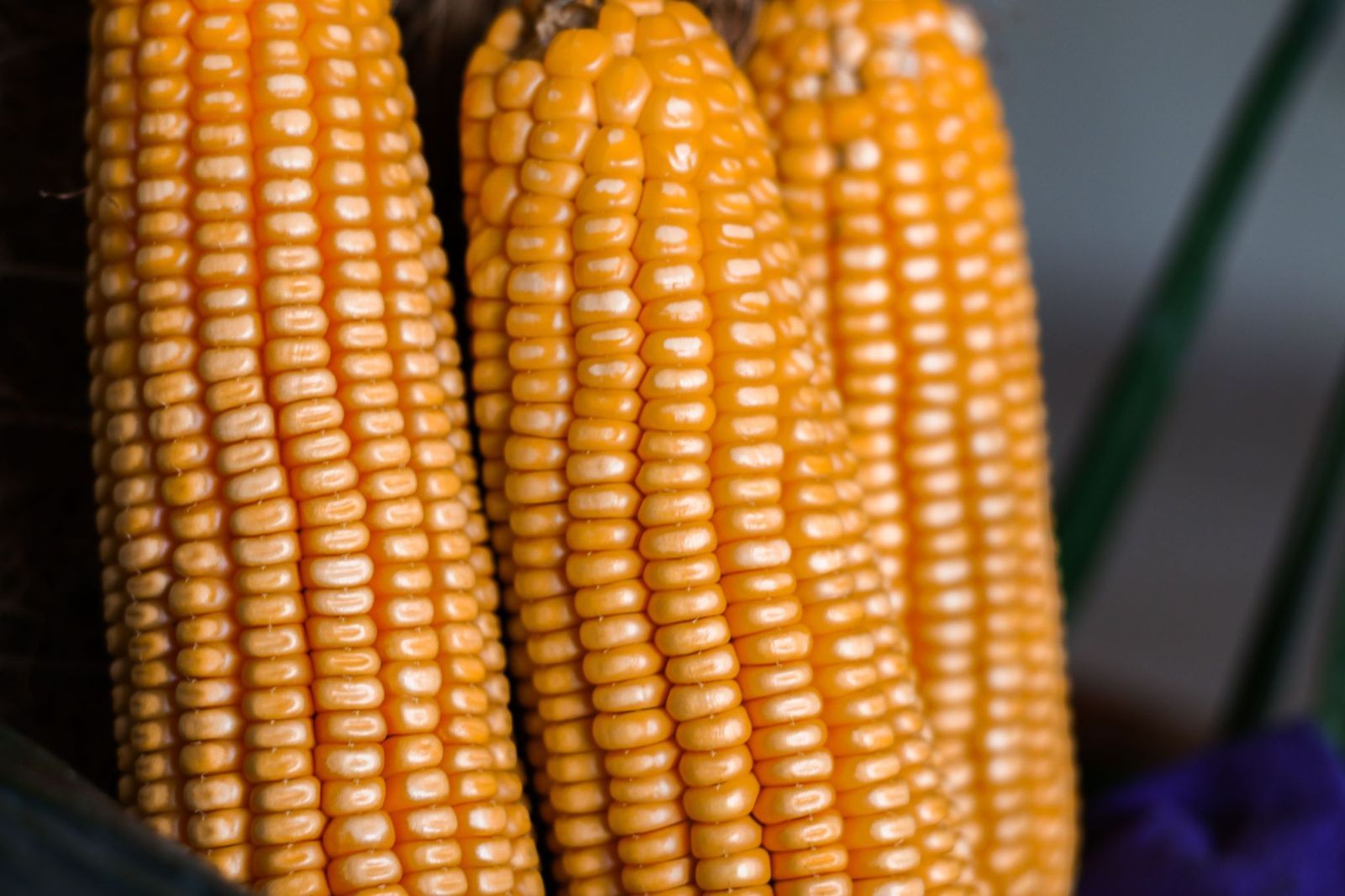
Image: Fuka jaz

Another phenomenon that distanced the two versions of the language was that of old words earning new meanings in America, while Britain retained their old use or forgot them. Take "corn" for example: in Old English it just meant "grain," any grain, which is why the British still call wheat "corn" today, and Americans reserved it for maize.

"Diaper," for centuries, only named a diamond-woven fabric pattern, until Americans repurposed it for infant cloths by 1837, a meaning Britain never adopted, preferring "nappy" instead. "Faucet," which referred to a small part of an old tap mechanism, came to name the whole fixture in the US.

7

Inverted endings: How the -re became -er

Image: Giusi Borrasi

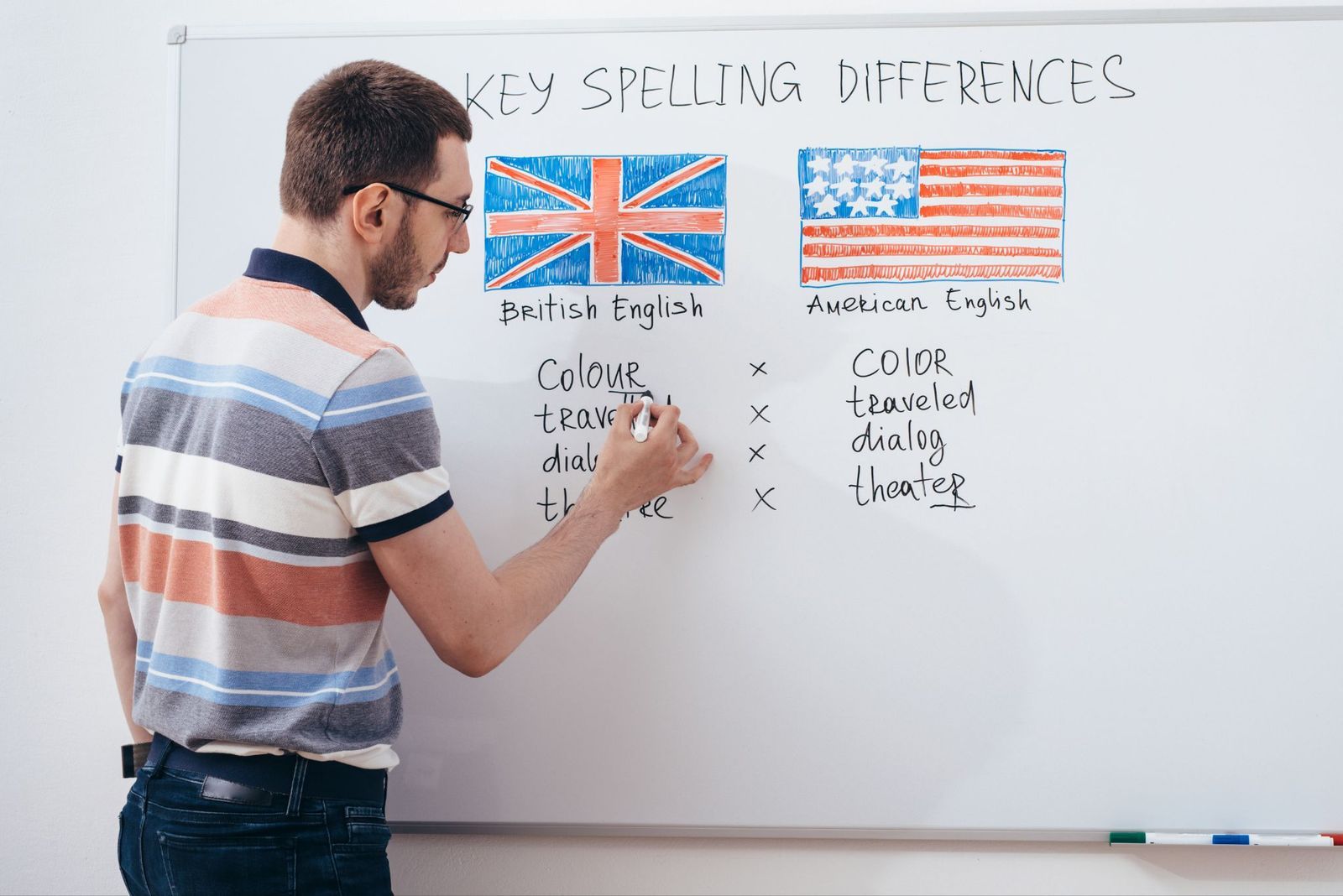
There’s another rule: any word ending in the French-derived "-re" got flipped to "-er" to match how Americans actually said it. So, theatre became theater, centre became center, and the same happened to caliber, fiber, liter, and somber.

Britain, having borrowed these spellings from French centuries earlier, saw no reason to abandon tradition just because the pronunciation no longer matched the letters.

8

Words developed from technology

Image: Nic Wood

When technology evolves, either a brand new word is invented, or an old one is repurposed. On either side of the Atlantic, regional dialects came up with different terms for the same inventions.

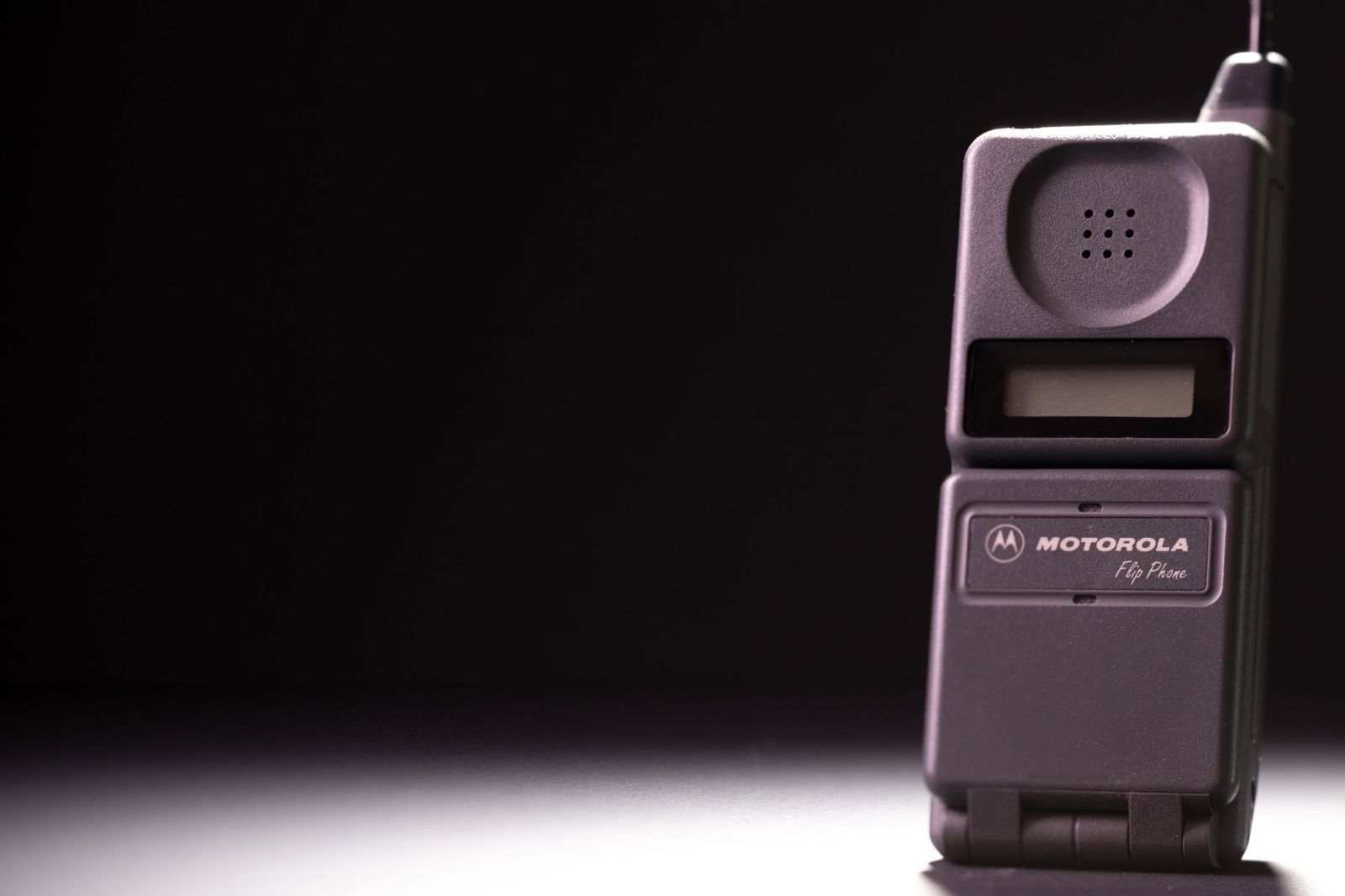
It’s why Americans chose to refer to cellular phones as "cells," while the British named them "mobiles." Battery-powered electric lights became "flashlights" in the US and "torch" in the UK. Another example is the transportation called "streetcar" in the US and "tram" in the UK.

9

Noah Webster's dictionaries and standardized media
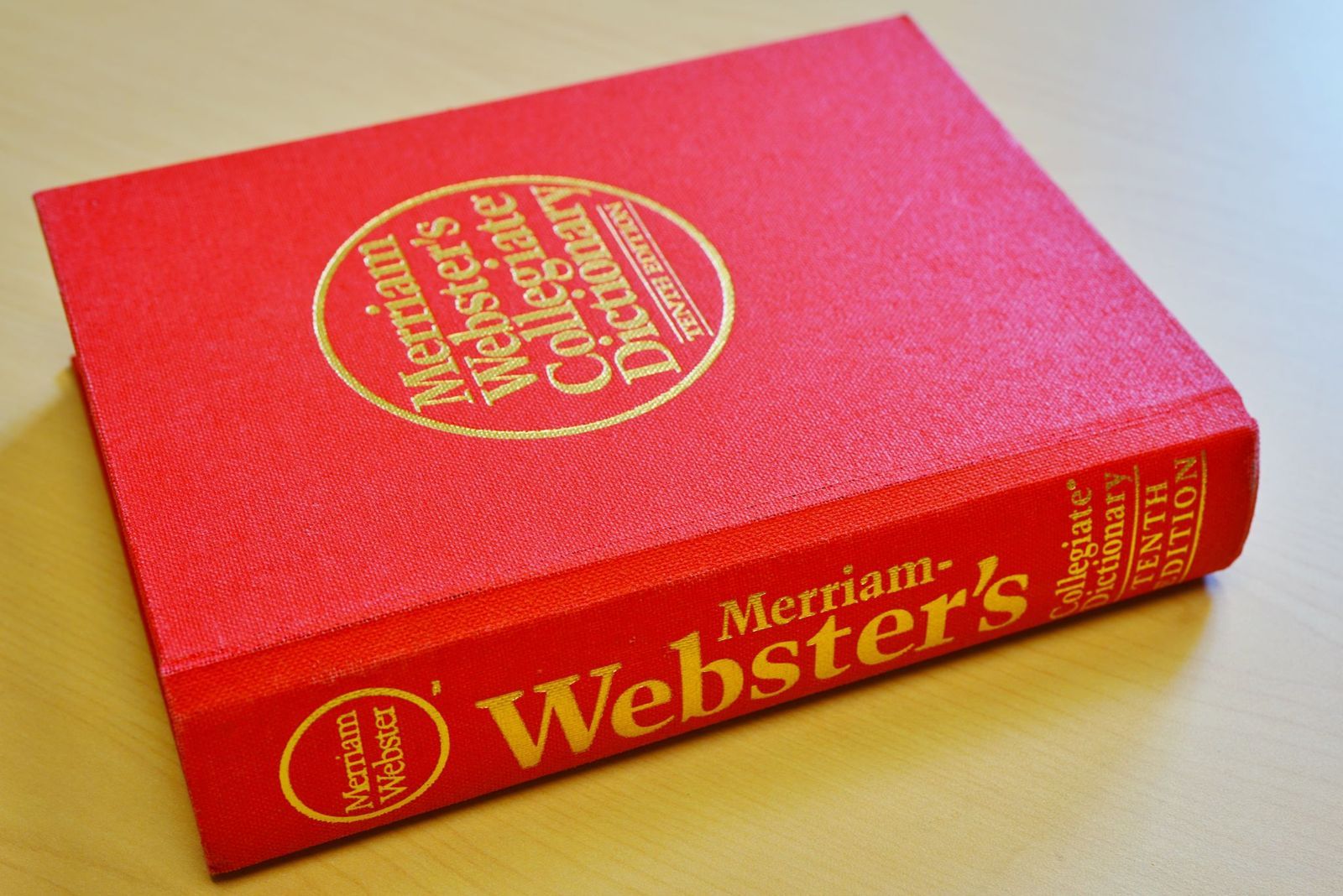
Image: EQRoy

Noah Webster was a Connecticut schoolteacher who in 1783 published what became known as the "Blue-Backed Speller," a schoolbook that eventually sold an estimated 60 to 100 million copies, making it one of the best-selling books in American history.

Webster believed a shared, simplified spelling would help unite a young, fractured nation, so in his 1828 masterwork, An American Dictionary of the English Language, twenty-two years in the making, he deliberately Americanized hundreds of words: "colour" to "color," "defence" to "defense," "plough" to "plow."

10

Radio and TV helped homogenize the "American accent"
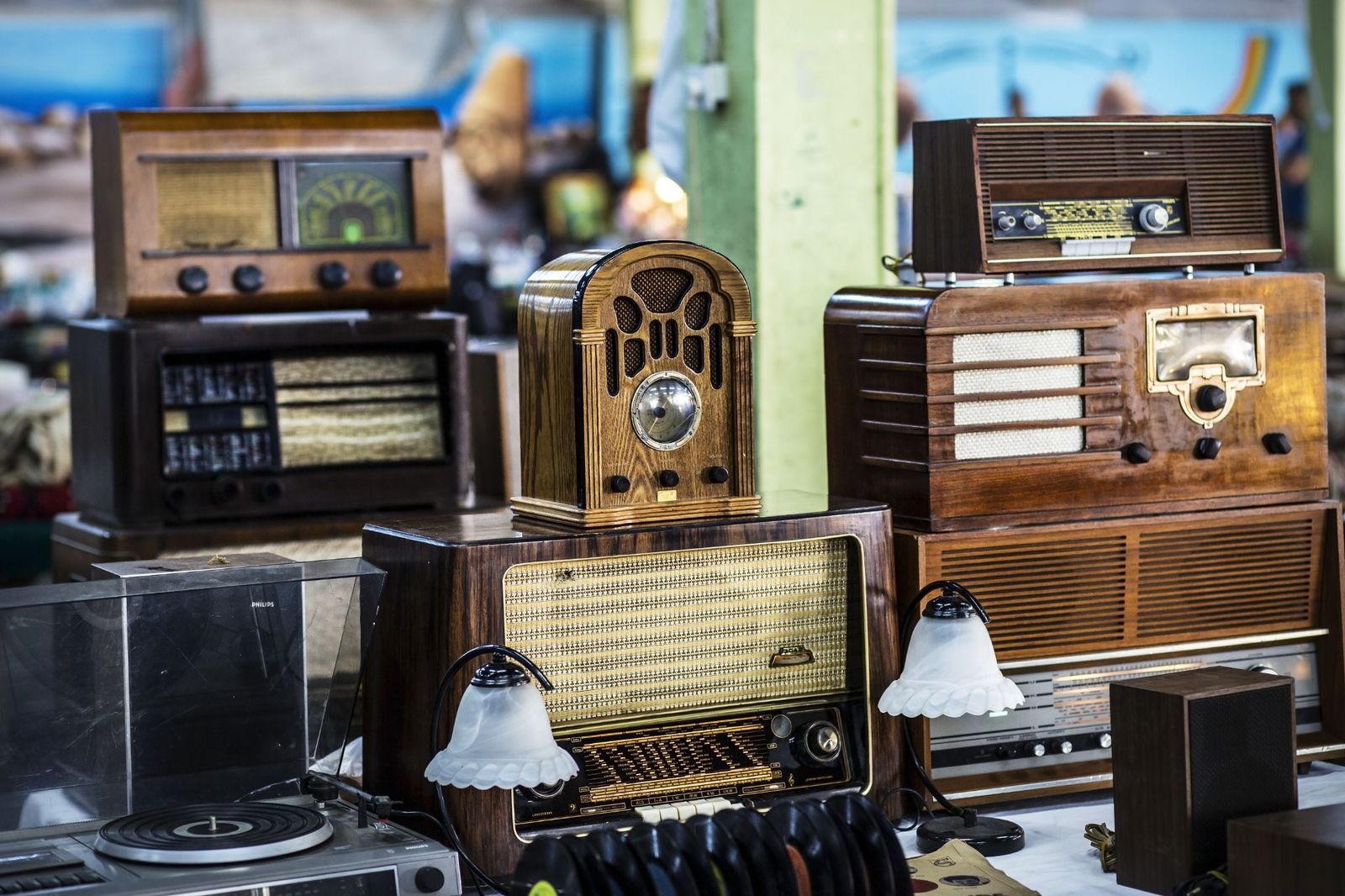
Image: OVKNHR

What is "General American"? In 1925, linguist George Philip Krapp coined this term, and by 1930 a colleague was insisting some 90 million Americans spoke it natively. But it wasn’t wholly true.

Early radio and film actually relied on something else entirely: the "Mid-Atlantic accent," a deliberately cultivated Anglo-American blend taught at Juilliard and heard in nearly every prestige film through World War II. That artificial accent collapsed after the war, and broadcasters pivoted toward a flatter, Midwestern-inflected sound, epitomized by Walter Cronkite, that masked regional origin entirely.
Lost meanings

The fascinating stories behind America's favorite place names


Published on November 13, 2026


Image: John-Mark Smith

Ever wondered why Chicago is called Chicago, when Florida got its name, or what Alaska's name really means? Some of America's most familiar place names have surprisingly old, and sometimes unexpected, stories behind them. From Native American languages to Spanish explorers and even a fictional island, these names offer little glimpses into the people, languages, and cultures that shaped the country. Here are the fascinating stories behind some of America's best-known place names.

1

Chicago: The city named after wild onions

Image: Pedro Lastra

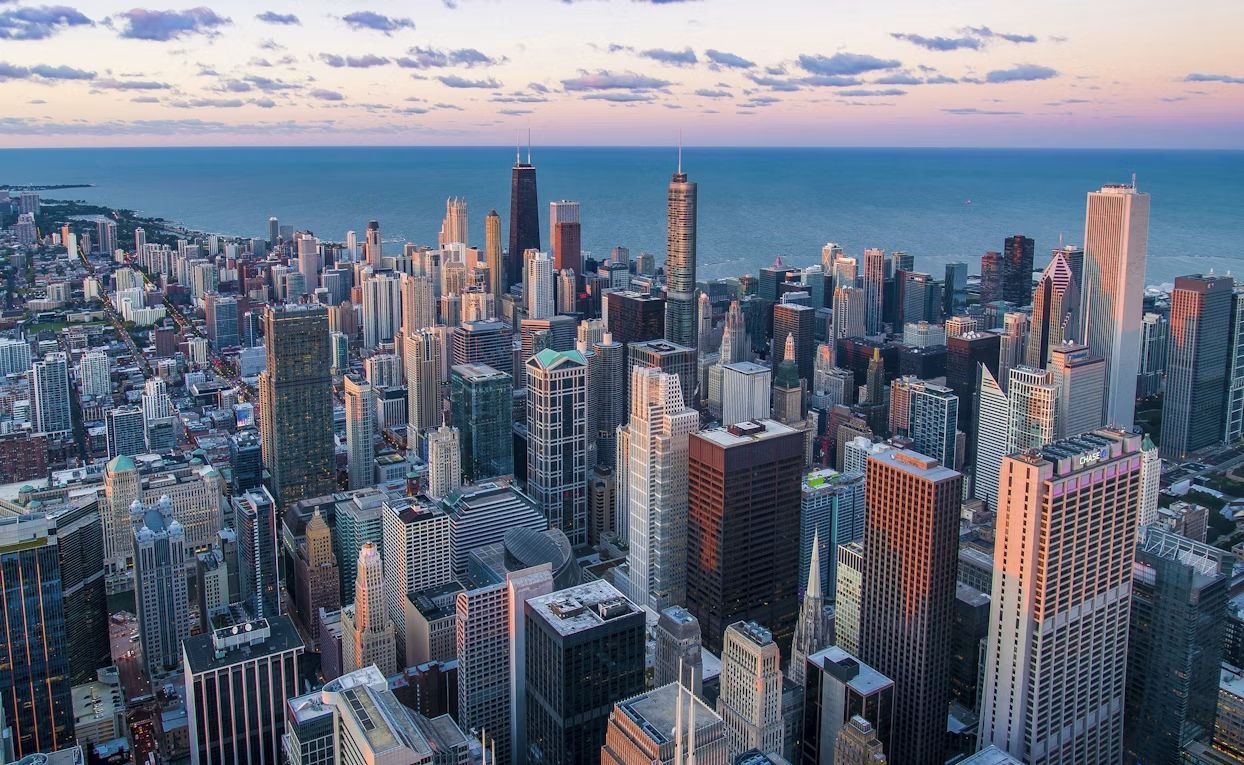
Chicago is known for its impressive skyline, deep-dish pizza, blues music, and location along Lake Michigan. But why is it called Chicago?

The name traces back to a Native American word, shikaakwa, referring to wild onions or garlic that once grew abundantly in the area. French explorers recorded the name in the late 1600s in various forms, eventually leading to the spelling we know today. Long before Chicago became one of America's largest cities, the plants growing around its waterways had already given the area its name.

2

Alaska: The great land

Image: Rod Long

With its enormous wilderness, glaciers, mountains, and wildlife, Alaska hardly needs a grand name to convey its scale. Yet its name does exactly that.

Alaska comes from an Aleut word, often rendered as Alyeska or a related form, commonly interpreted as "the great land" or "the mainland." Long before Alaska became America's largest state in 1959, its Indigenous people had a name that reflected the vast landscape around them. Today, it remains an unusually fitting description of the Last Frontier.

3

California: A place named after a fictional island

Image: Gustavo Zambelli

California is home to Silicon Valley, sunny beaches, Hollywood, and some of America's most recognizable landmarks.

In the early 16th century, a popular Spanish novel, Las Sergas de Esplandián, written by the Castilian author Garci Rodríguez de Montalvo**, described a mythical island called California. When Spanish explorers encountered the region in 1542, the name was eventually applied to the land they were exploring**. Perhaps it's fitting that America's home of fiction, Hollywood, is in a state that may have gotten its name from a fictional island.

4

Texas: Friendship in one simple word

Image: Getty Images

Think of Texas, and images of cowboys, cattle ranches, barbecue, and the Alamo probably aren't far behind. But the meaning behind the state's name is surprisingly friendly.

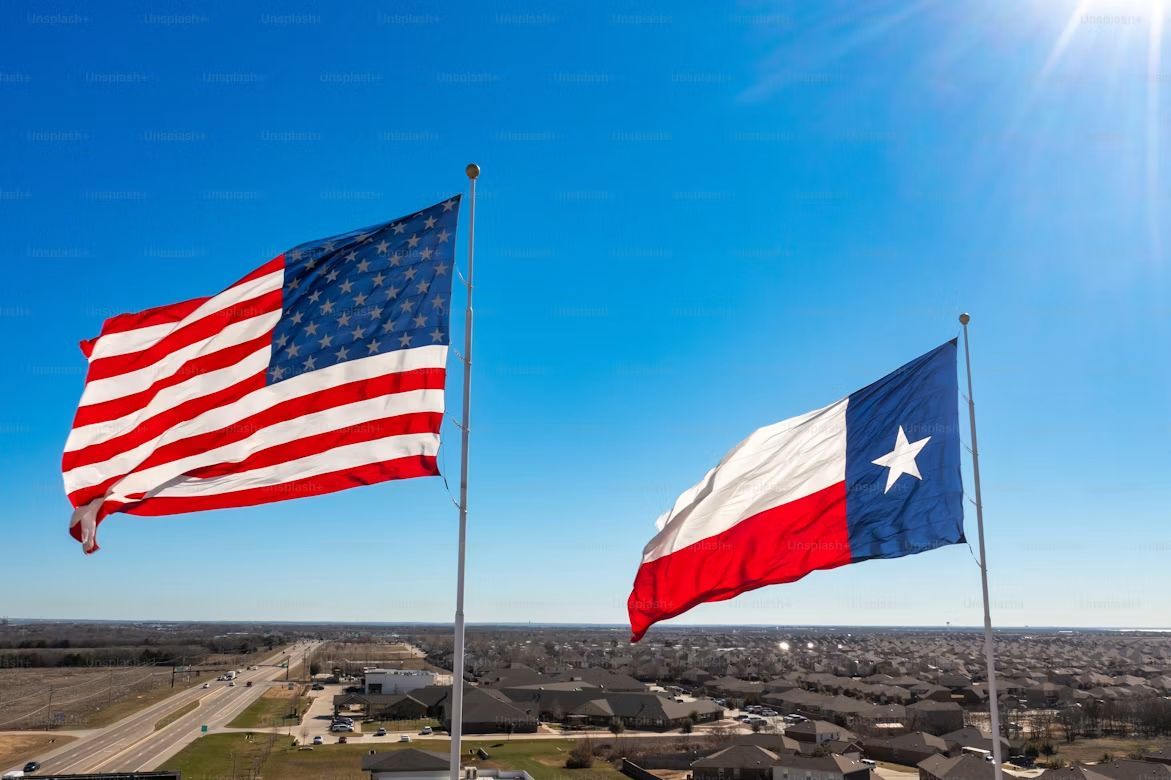
Texas comes from the Caddo word tejas, commonly understood to mean "friends" or "allies." In 1689, Spanish explorers encountered Hasinai peoples in East Texas and recorded the word tejas, which they understood to mean 'friends' or 'allies.' The Spanish later adopted Tejas as a name for the region.

5

Florida: A name inspired by flowers

Image: Antonio Cuellar

Palm trees, beaches, orange groves, and warm weather have become synonymous with Florida. The state's name, though, has its roots in a Spanish Easter tradition.

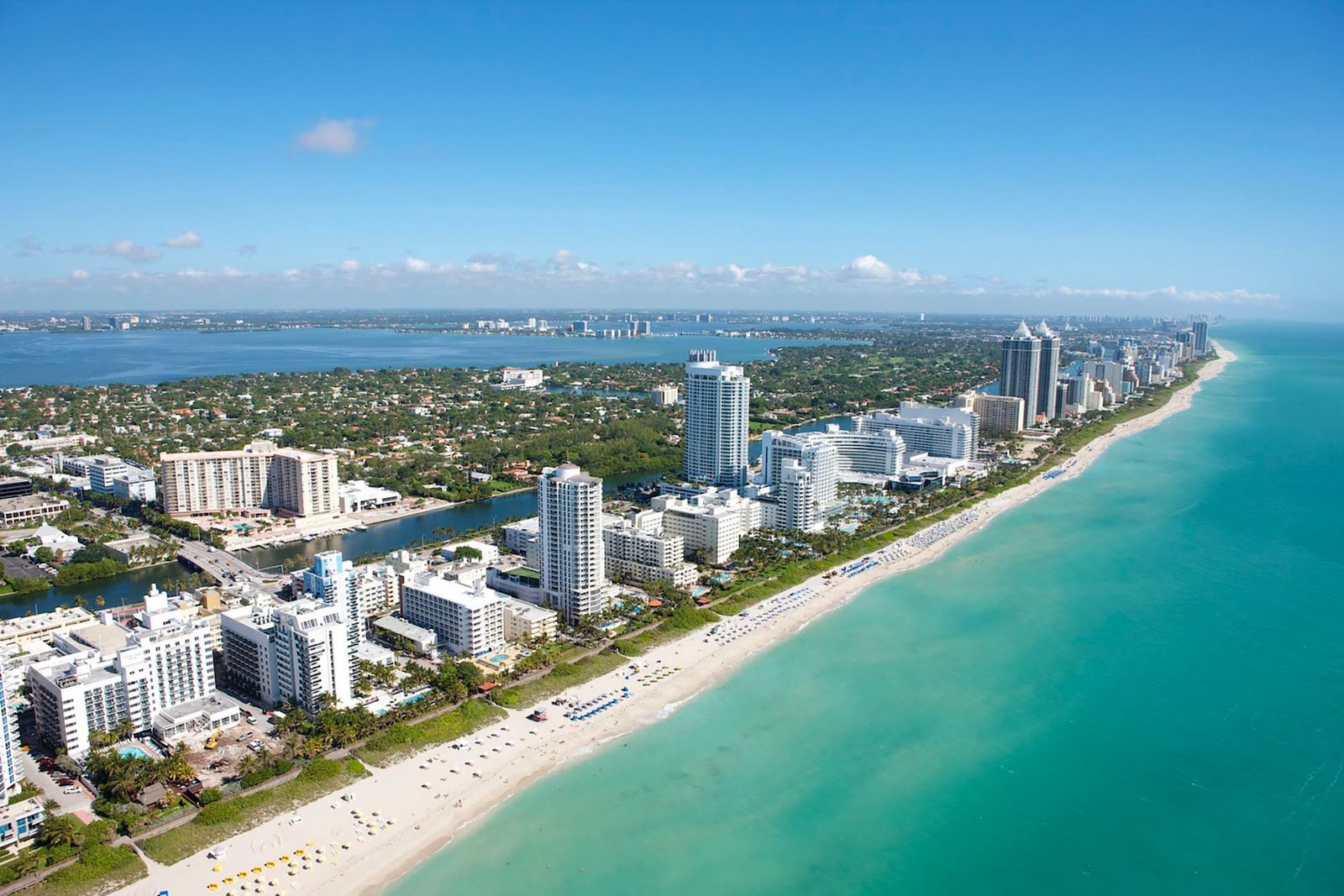
When Spanish explorer Juan Ponce de León arrived in the region in 1513, he called it La Florida, a name associated with Pascua Florida, the Spanish Easter season, meaning "flowery Easter." The name has remained for more than 500 years, even as Florida became known for very different things.

6

Manhattan: A name with Native American roots

Image: Jermaine Ee

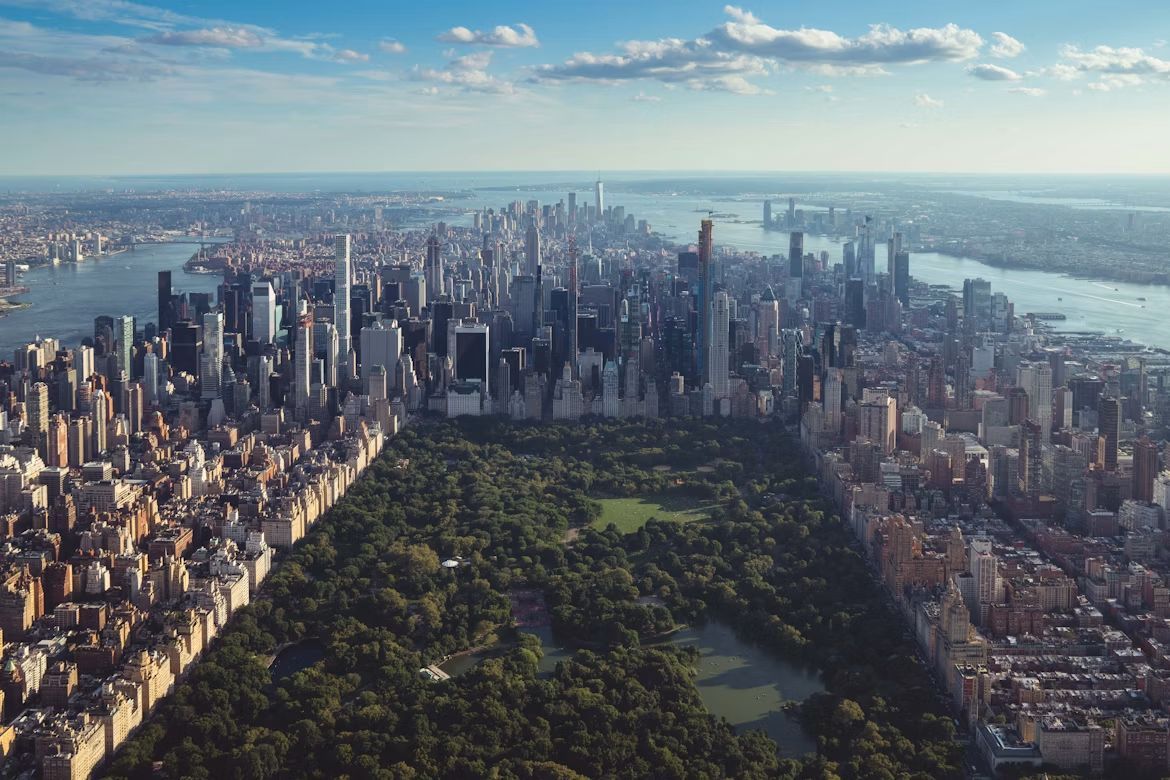
Long before Broadway, Wall Street, and the Empire State Building defined Manhattan, the island was home to the Lenape people. Their language left behind a name that millions of Americans use every day.

The exact meaning of Manhattan is debated, but interpretations have included "hilly island" and "place where wood is gathered." Whatever the precise translation, the name offers a reminder of the island's history long before New York became one of the world's great cities.

7

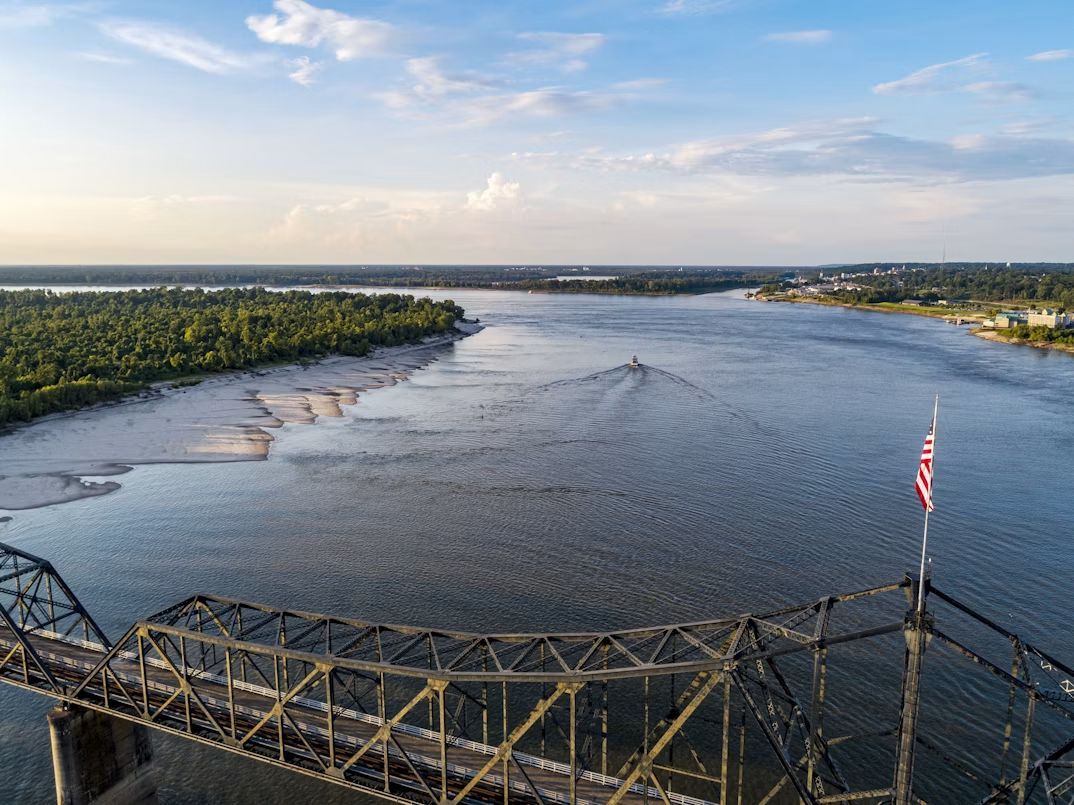
Mississippi: The great river

Image: Justin Wilkens

Few names are more closely tied to a river than Mississippi. The state shares its name with one of America's most important waterways, a river that has shaped transportation, trade, agriculture, and settlement for centuries.

The word comes from an Indigenous language and is commonly translated as "great river" or "great waters." Considering the Mississippi's enormous size and importance in American history, the name is remarkably fitting.

8

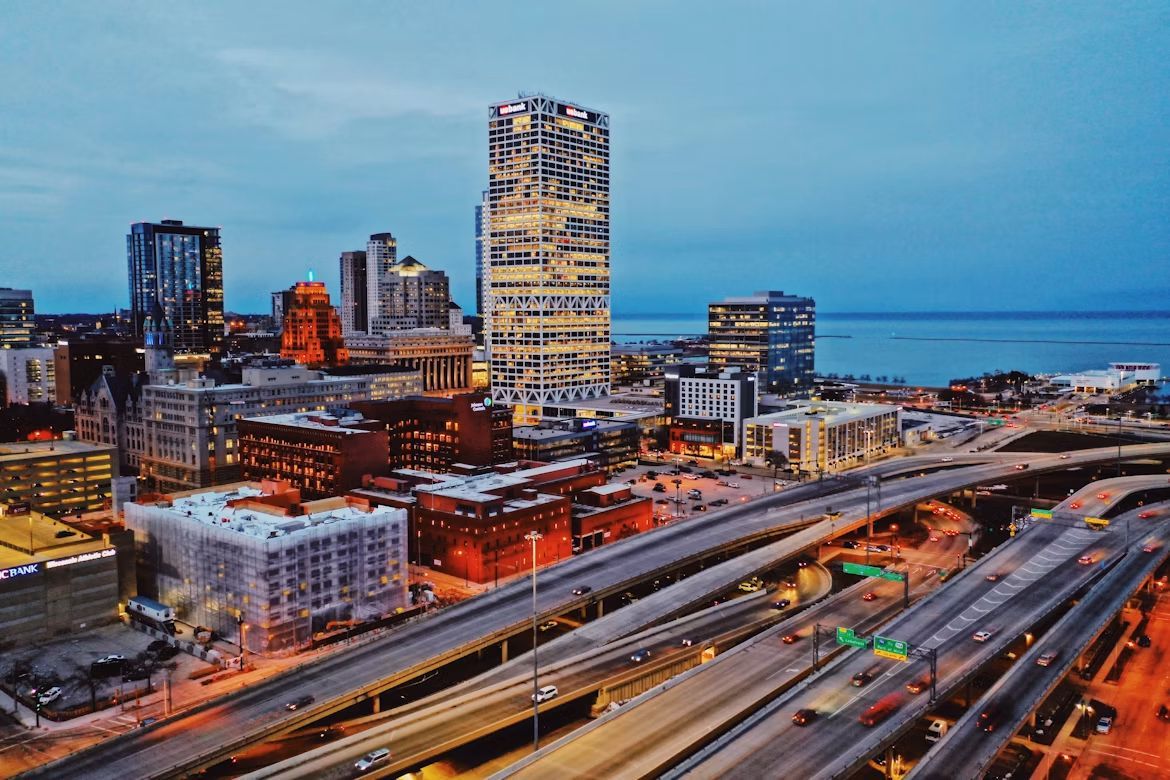
Milwaukee: The gathering place by the water

Image: Matthew Schultz

Today, Milwaukee is often associated with beer, baseball, and its Lake Michigan waterfront. But its name comes from a much older connection to the area's natural landscape.

Milwaukee comes from an Algonquian language and has been interpreted in several ways, including "good," "pleasant," or "gathering place by the water." The exact meaning has been debated, but the reference to water makes sense: the city developed along Lake Michigan and around the Milwaukee, Menomonee, and Kinnickinnic rivers.

9

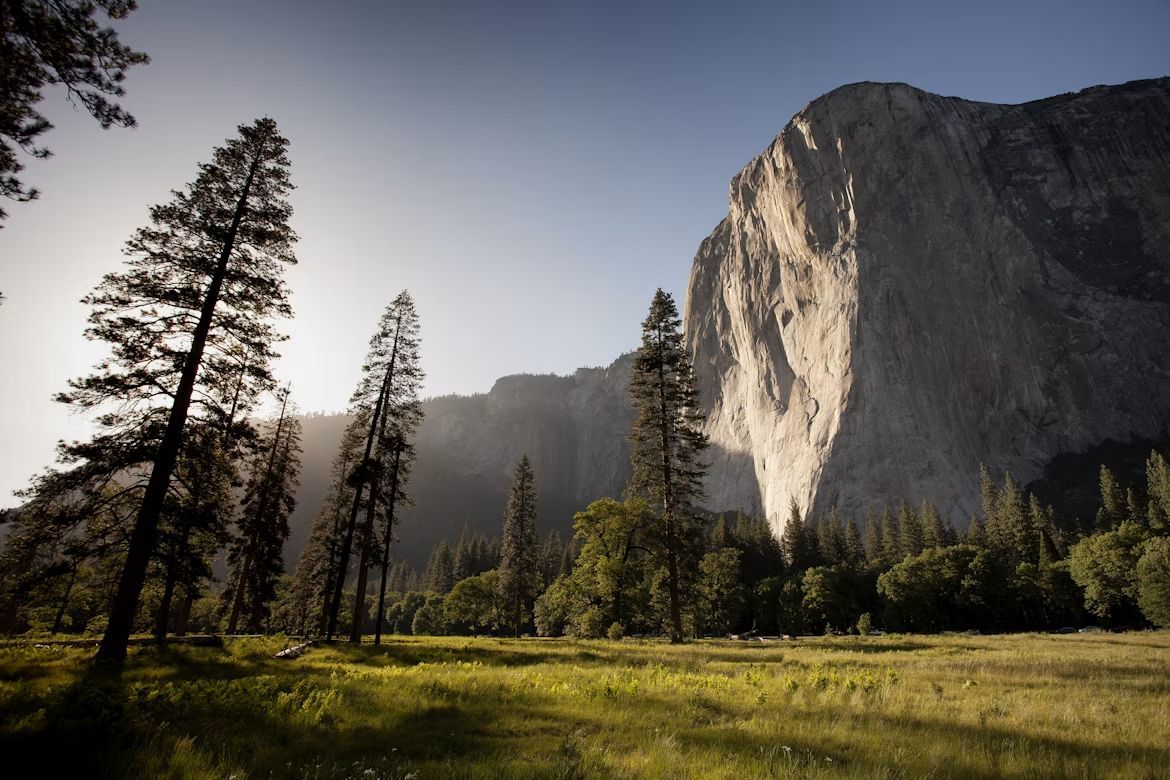
Yosemite: A name born from Native American history

Image: Adam Kool

Yosemite is one of the most recognizable names in America's national parks, evoking towering granite cliffs, waterfalls, and giant sequoias. Its name, however, carries a more complicated story.

The name Yosemite is often linked to a term used for the Ahwahneechee people and has traditionally been translated as "those who kill." But that simple translation leaves out an important part of the story: the word was reportedly used by outsiders to refer to the Ahwahneechee rather than being the name those people used for themselves. Today, the famous name remains, even though its origins are more complex than many visitors realize.

10

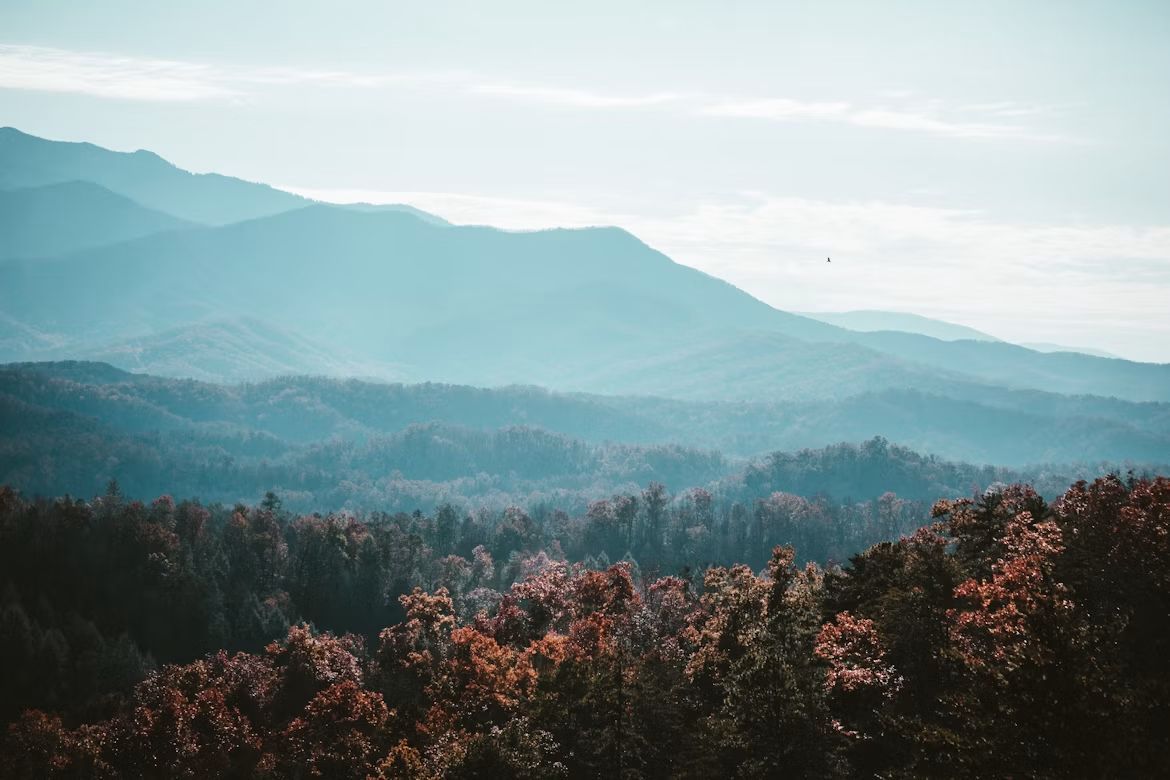
Appalachia: A name that traveled across a mountain range

Image: Sean Foster

Appalachia is more than a mountain range. The name evokes a distinctive American region known for its mountain communities, bluegrass music, traditional crafts, and deep-rooted cultural traditions.

The word Appalachia traces back to the Apalachee, an Indigenous group who lived in what is now the southeastern United States. Spanish explorers encountered the Apalachee in the 16th century, and variations of their name were eventually applied to the Appalachian Mountains and surrounding region. Over time, the name came to describe an entire cultural region stretching across several states.

Looking for an extra scoop of literary fun?

Learn more with our Word of the day

pollute

/pəˈlut/