Ever been on cloud nine?
Have you ever seen a storm in a teacup? Learn 12 weather-related phrases
Published on March 13, 2026
 Image: NOAA
We always talk about the weather, but, as it happens, we also use weather-related terms to talk about other things as well. From "under the weather" to "snowed under," many common phrases have surprisingly stormy origins. These sayings are part of our everyday lexicon, often without us even realizing their connection to sun, rain, wind, or snow. Which of these 12 do you use the most?
Under the weather
 Image: Ravi Sharma
The familiar phrase "under the weather" means feeling a bit sick or unwell. It likely comes from sailors who went below deck during storms when they were seasick.
Being sheltered from harsh weather became linked to feeling ill, and over time, the phrase took on its current meaning in everyday language.
Come rain or shine
 Image: Tofazzal Hossain
You have probably heard this one. "Come rain or shine" means something will happen no matter the weather or situation. It shows strong commitment and determination to follow through, despite obstacles.
The phrase began with its literal meaning (events happening in any weather) but grew to express persistence in all circumstances. It’s often used to promise support or dedication, like, "I’ll be there, come rain or shine."
Every cloud has a silver lining
 Image: David Ballew
"Every cloud has a silver lining" means there’s always something good, even in tough times. It’s a reminder to stay hopeful and look for the positive in bad situations.
It is said that the phrase likely comes from John Milton’s 1634 poem Comus, where he described a dark cloud revealing a silver edge. This image became a lasting symbol of optimism during hardship.
A storm in a teacup
 Image: Johannes Plenio
Have you ever heard of "a storm in a teacup"? It means making a big deal out of something minor. It describes situations where small problems are blown out of proportion, causing needless drama.
The idea goes back to ancient times: Cicero used a similar phrase about stirring up waves in a ladle. The message is the same: don’t let little things cause major stress.
Take a rain check
 Image: Noah Silliman
Another classic, to "take a rain check" means turning down an offer for now but showing interest in doing it later. It’s a polite way to postpone plans without saying no entirely.
The phrase comes from 19th-century baseball, where fans got "rain checks" if games were rained out, letting them return later without extra cost.
Get wind of something
 Image: Joshua Fuller
To "get wind of something" means to hear about something, usually a secret or hidden detail, often through rumors or indirect sources. It suggests finding out information unintentionally.
The phrase comes from the idea of animals catching a scent on the wind, picking up on something not meant to be noticed.
Snowed under
 Image: Adam Chang
When someone is "snowed under," it means that he or she is feeling overwhelmed, usually by work or responsibilities. It describes being buried by tasks to the point where it’s hard to keep up.
The phrase dates back to the late 1800s and comes from the image of being covered in heavy snow, stuck, weighed down, and unable to move freely.
As right as rain
 Image: Max
"As right as rain" means feeling well or that something is in perfect order. It’s used to say everything is fine or back to normal.
The phrase likely began in 19th-century Britain, with rain seen as natural and refreshing. Though the exact origin is unclear, it suggests comfort and things being just as they should be.
A fair-weather friend
 Image: mosi knife
Everybody can recognize one: a "fair-weather friend" is someone who sticks around only when things are going well but disappears during tough times. They enjoy the good moments but aren’t there when support is needed.
The phrase dates back to the early 18th century and compares such people to those who flee when the weather, or life, gets stormy. It highlights the difference between true friends and those who vanish when challenges arise.
Head in the clouds
 Image: Emmanuel Appiah
"Head in the clouds" describes someone who’s daydreaming or not paying attention to reality. It can suggest being unrealistic, distracted, or lost in thought.
The phrase comes from the image of clouds high in the sky, far from the ground, just like someone not grounded in the present. It’s a way to describe being mentally elsewhere or out of touch.
Steal someone's thunder
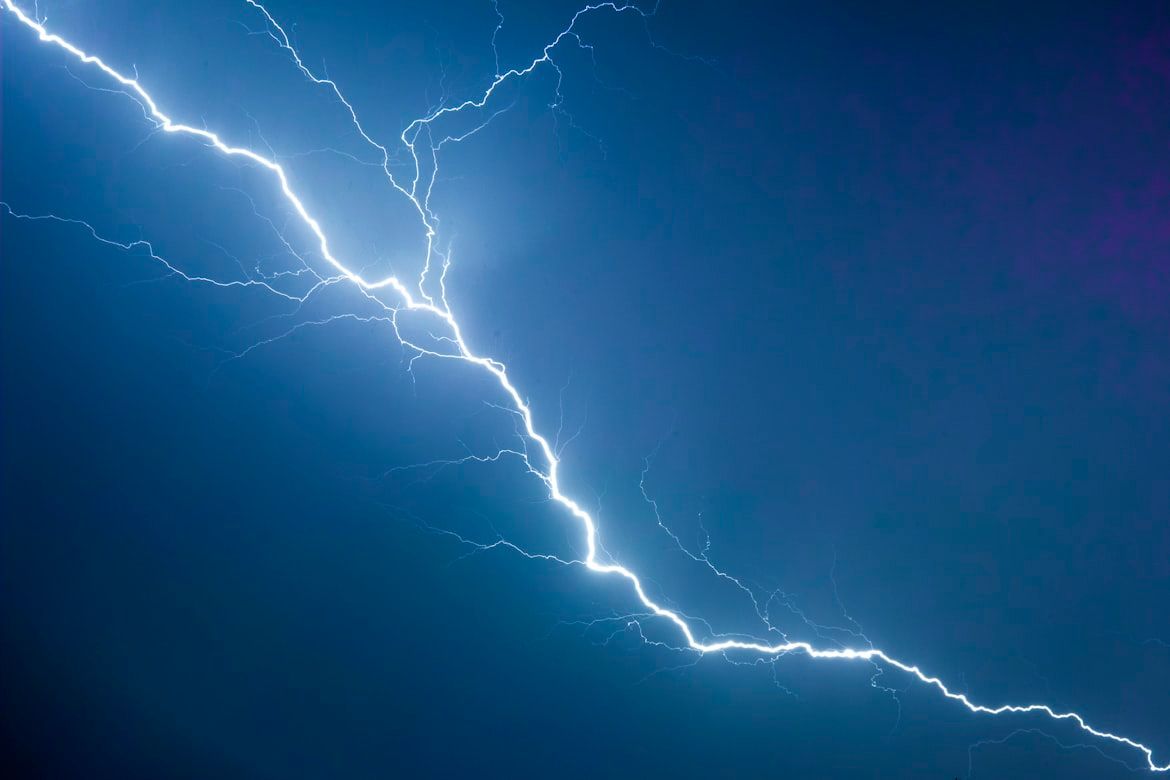 Image: Michał Mancewicz
A phrase usually employed in competitive environments or situations, to "steal someone’s thunder" means to take credit for their idea or divert attention from their achievement, often for personal gain. It’s about overshadowing someone unfairly.
Weather the storm
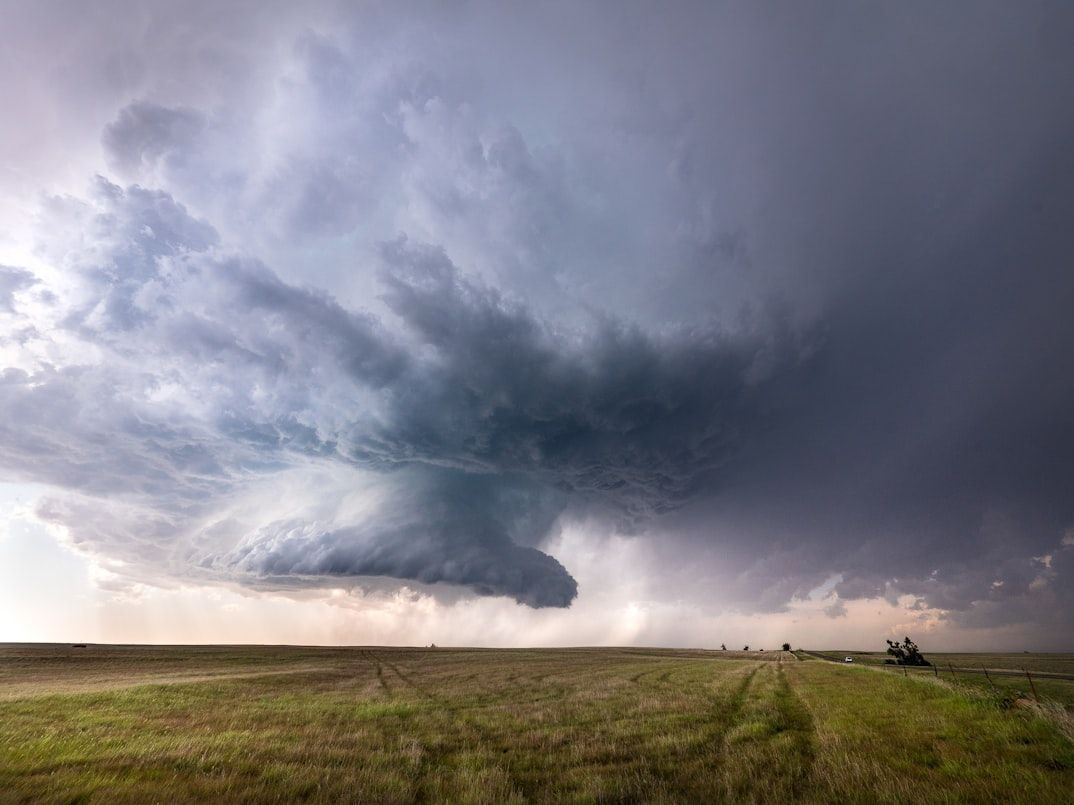 Image: Raychel Sanner
To "weather the storm" means to get through a tough situation with strength and resilience. It suggests enduring hardship without serious harm.
The phrase comes from sailing, where ships had to survive harsh storms at sea. Just like sailors battling wind and waves, it reflects the ability to stay steady through life’s challenges.