Good luck, bad luck

Have you ever broken a mirror? Let's demystify these 10 superstitions


Published on April 11, 2026
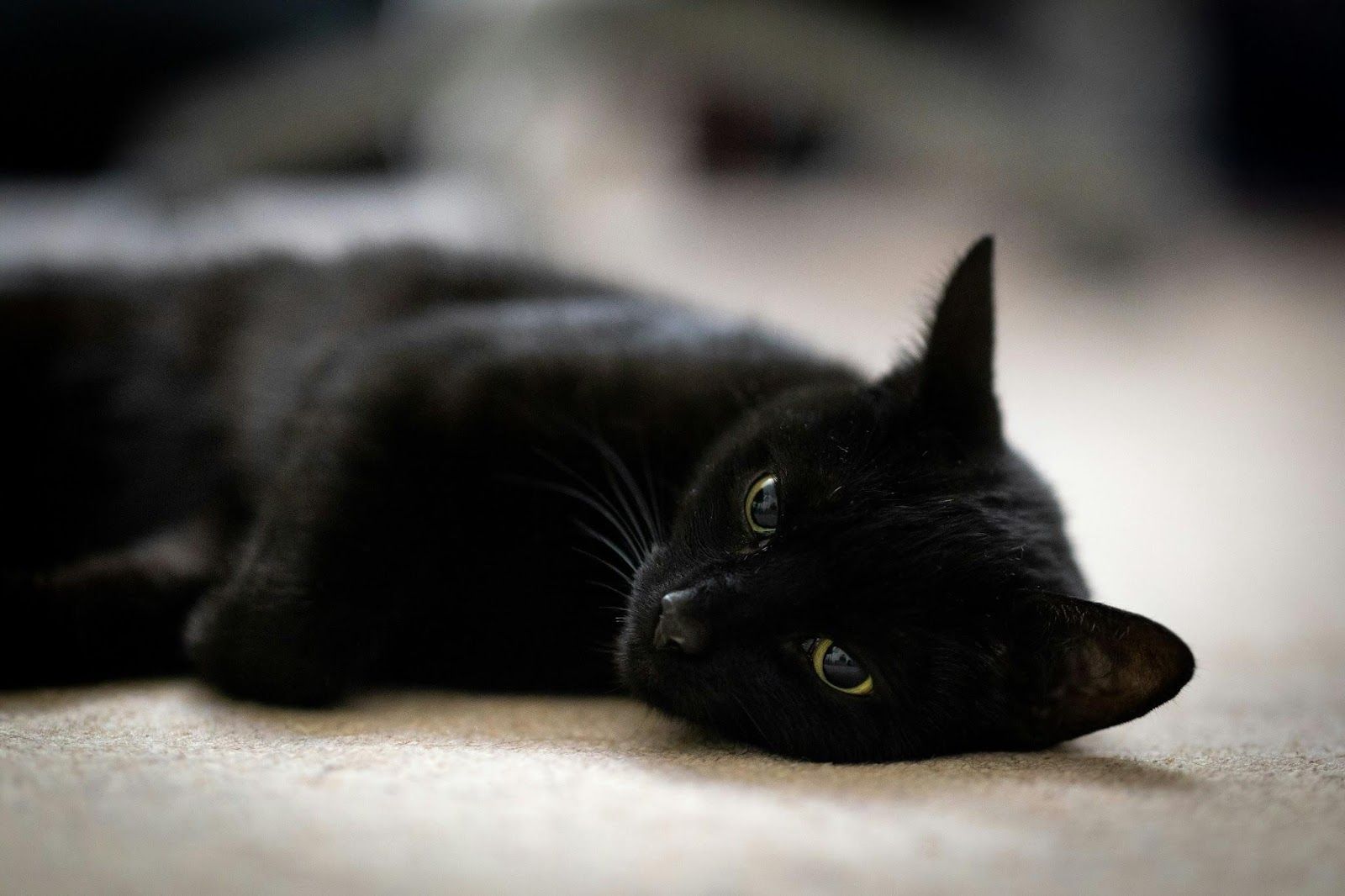

Image: Ben Griffiths

Do you have rules you follow "just in case"? Some of us avoid walking under ladders, hesitate before opening umbrellas indoors, or instinctively knock on wood after saying something… But

where did these rituals come from? Why did some everyday accidents, animals, or gestures get labeled "unlucky"? Let’s explore some of the answers and whether they have to do with psychology, religion, history, or plain old common sense!

1

Walking under a ladder

Image: Jilbert Ebrahimi

For one, there’s the safety concern: Why would you walk under a ladder if you could avoid the –albeit low– risk of it falling on you?

However, this superstition is also linked to the medieval Christian belief that interrupting a shape resembling a triangle was a way of insulting the Holy Trinity. Again: Why risk it?

2

Breaking a mirror

Image: Mick Haupt

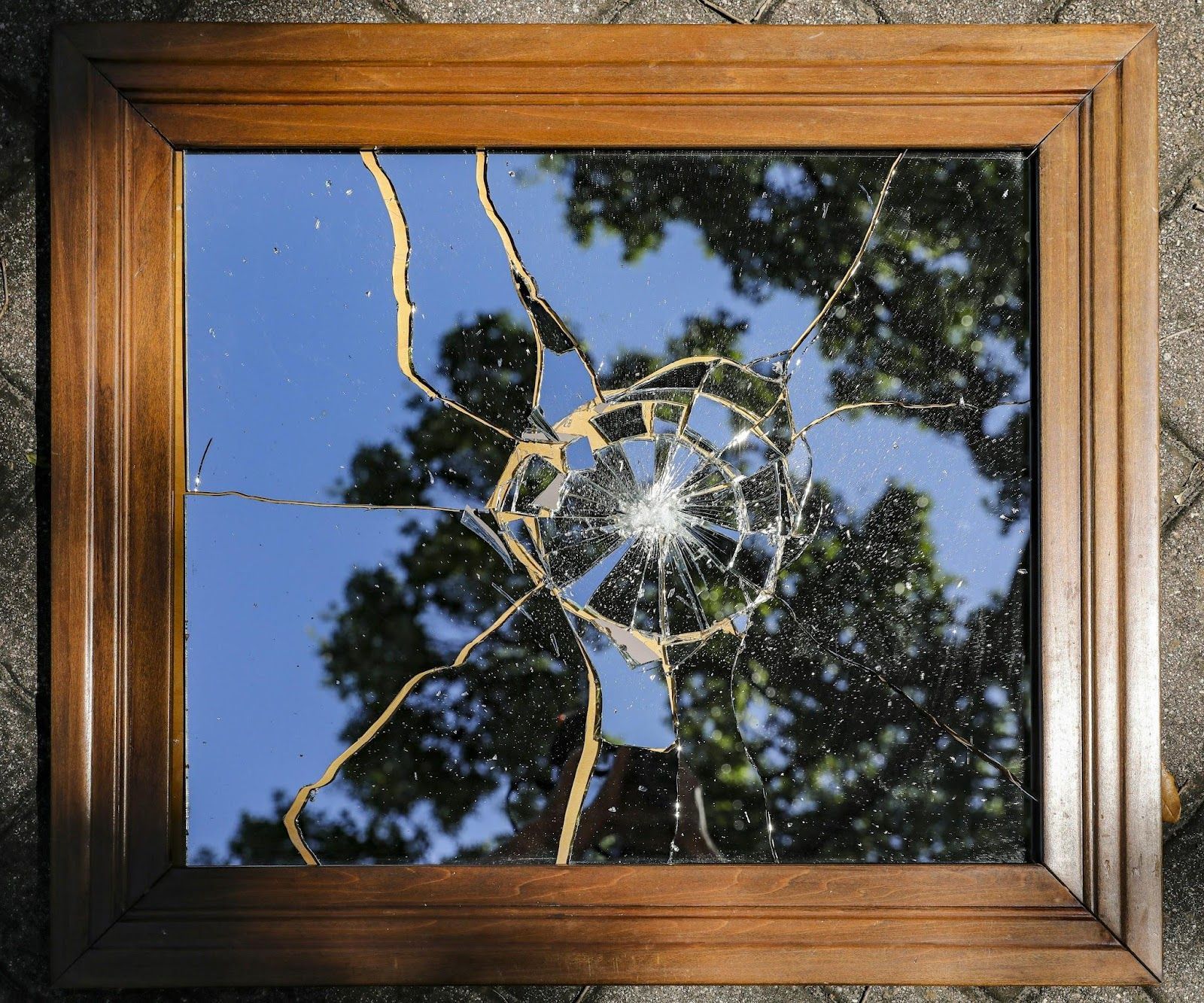
Have you ever shattered a mirror and winced at the thought of years of bad luck? This goes back to ancient Greece and Rome. There, reflections were thought to be linked to the soul. Destroying a mirror was considered an affront to the gods watching over your spiritual self.

The "seven years" bit comes from the Roman idea that the human body renewed itself in seven-year cycles.

3

Celebrating a birthday early

Image: Adi Goldstein

"You’ll jinx it!" is a common reaction when someone celebrates before their actual birthday. This superstition appears across several European traditions, where marking a milestone before it arrives was seen as presumptuous, even disrespectful to fate.

In eras when illness and mortality were real daily concerns, reaching your birthday wasn’t guaranteed… so celebrating early felt like counting blessings before earning them.

4

A black cat crossing your path

Image: Clément Falize

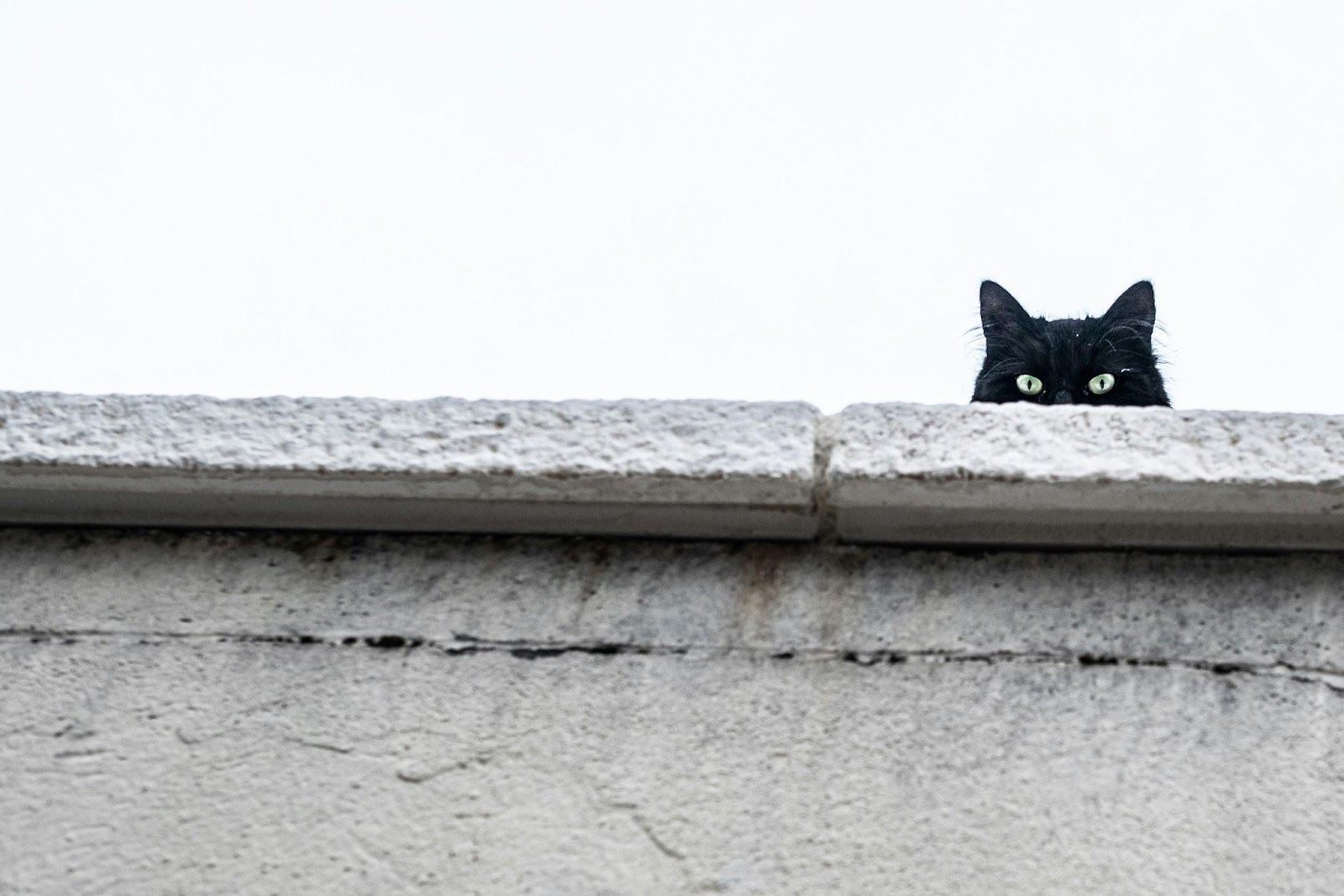
In ancient Egypt, black cats were revered and associated with protection and prosperity. What happened to their reputation, then? Simply put, in medieval Europe, when fear of witchcraft ran rampant, cats (especially the poor black ones) became linked with witches.

However, beliefs vary widely: in Britain, Ireland, and Japan, black cats can signify good luck or fortune, and sailors once welcomed them aboard ships to ensure safe voyages.

5

Friday the 13th

Image: Bruno Guerrero

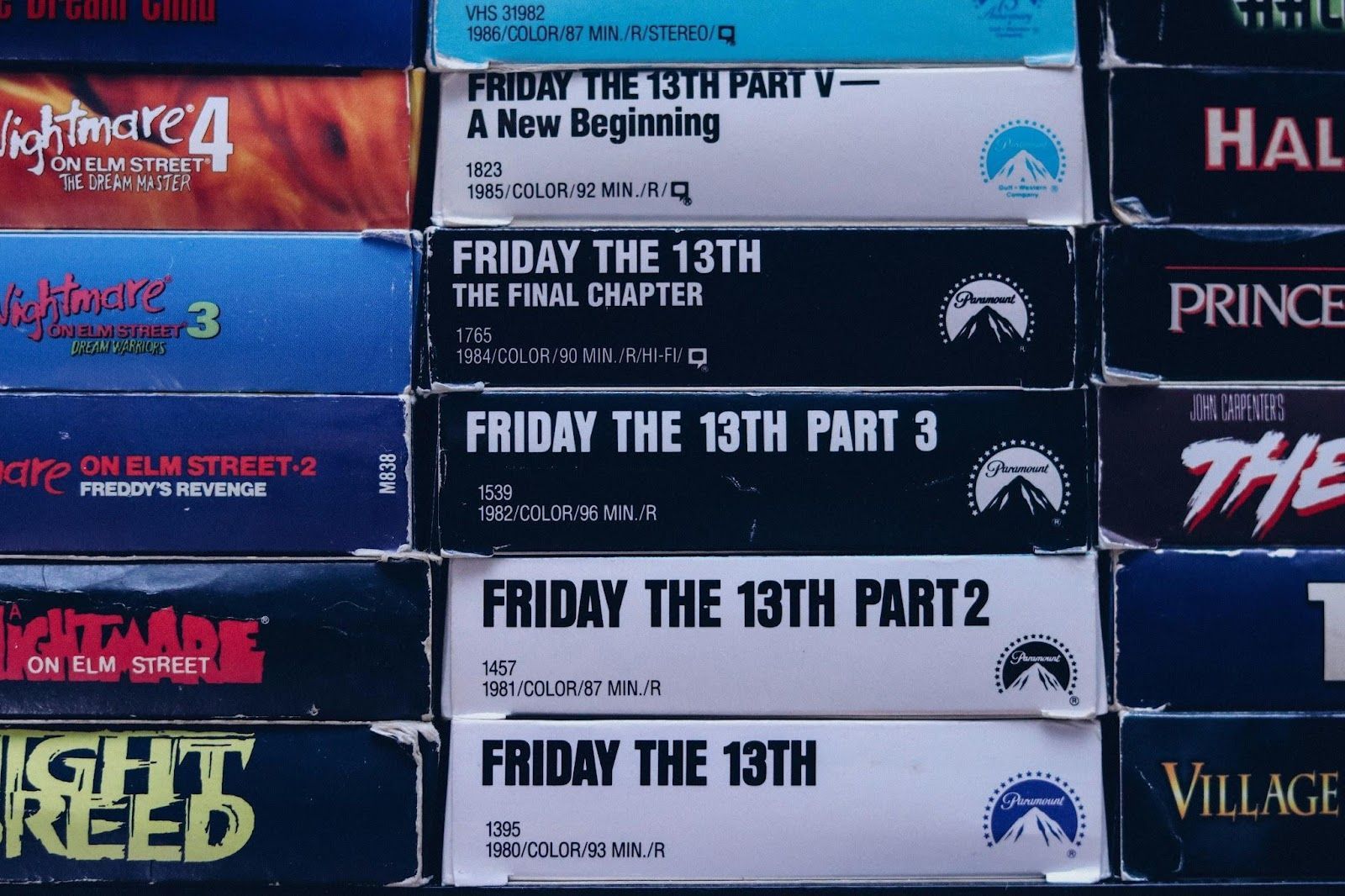
In many Western traditions, both Fridays and the number 13 had separate unlucky connotations long before they were combined: Friday was sometimes seen as ill-fated in Christian lore (Jesus’ crucifixion is said to have been on a Friday), and 13 was viewed with suspicion in Norse myth (where Loki’s unexpected arrival as the 13th guest at a feast led to chaos).

6

Opening an umbrella indoors

Image: Kevin Lehtla

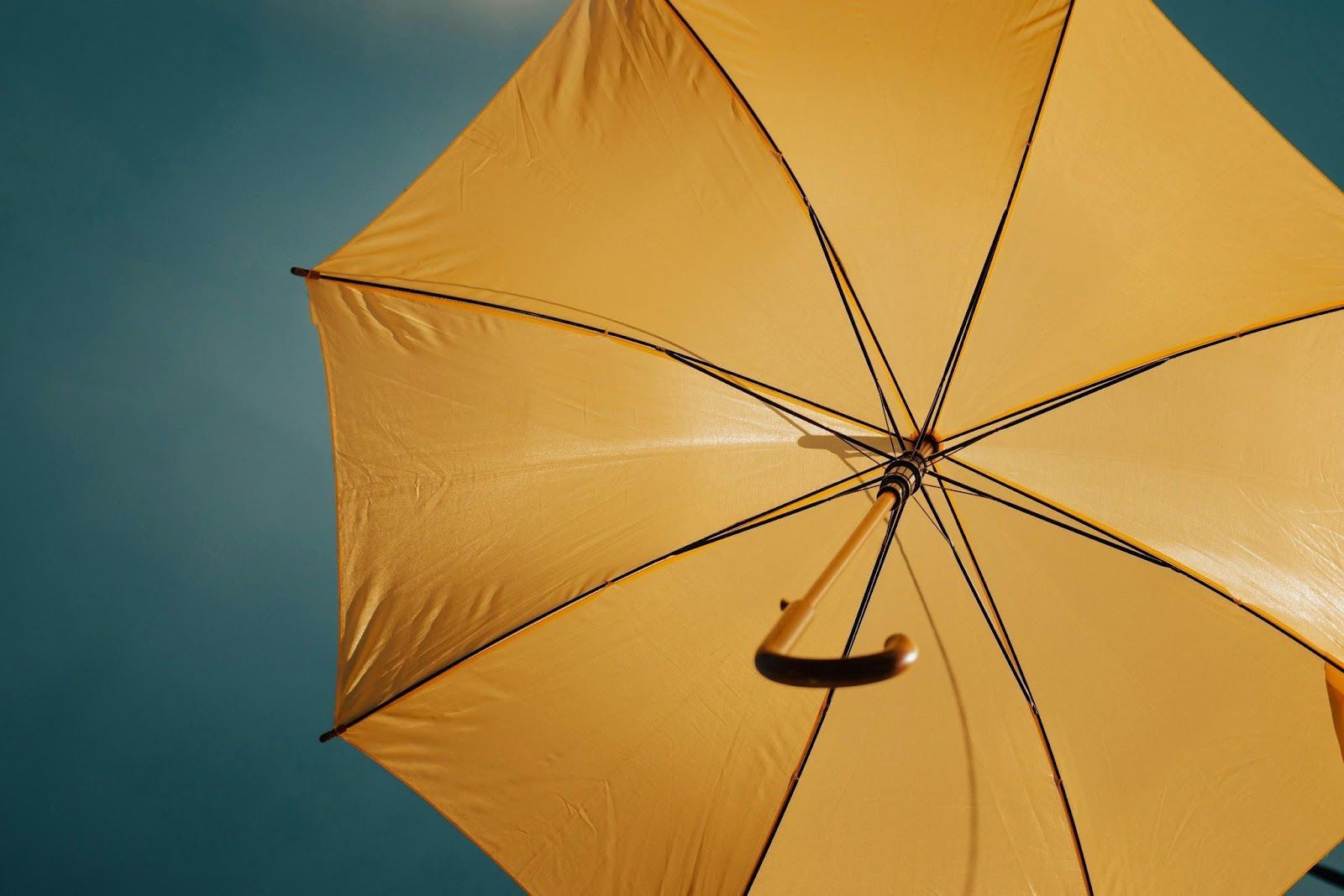
When early umbrellas with stiff metal frames first became popular in Britain and Europe, they were hard to fold and easy to jab into furniture, lamps, or unsuspecting family members. That made opening one inside genuinely hazardous, and turning it into a superstition was a tidy way to say, "Please don’t do it."

7

Knocking on wood

Image: engin akyurt

Almost everyone does this reflexively: you say something hopeful and then tap wood to "keep the luck going." One theory ties this to pagan traditions in Europe, where people believed protective spirits lived in trees; knocking on the trunk was a way to call on those spirits or to secure their goodwill.

8

Spilling salt

Image: Jason Tuinstra

Salt was once very precious: it preserved food, flavored meals, and even served as currency in parts of the ancient world. Spilling it meant waste, and waste invited misfortune. But, of course, everyone knows the fix: throw some over your left shoulder.

9

Stepping on a crack

Image: Ilya Semenov

"Step on a crack, break your mother’s back." This ominous-sounding rhyme isn’t ancient at all; it rose to popularity in the early 20th century, spread through schoolyards rather than folklore. Of course, there is no logical explanation to back it up. But if you are superstitious… why would you risk it?

10

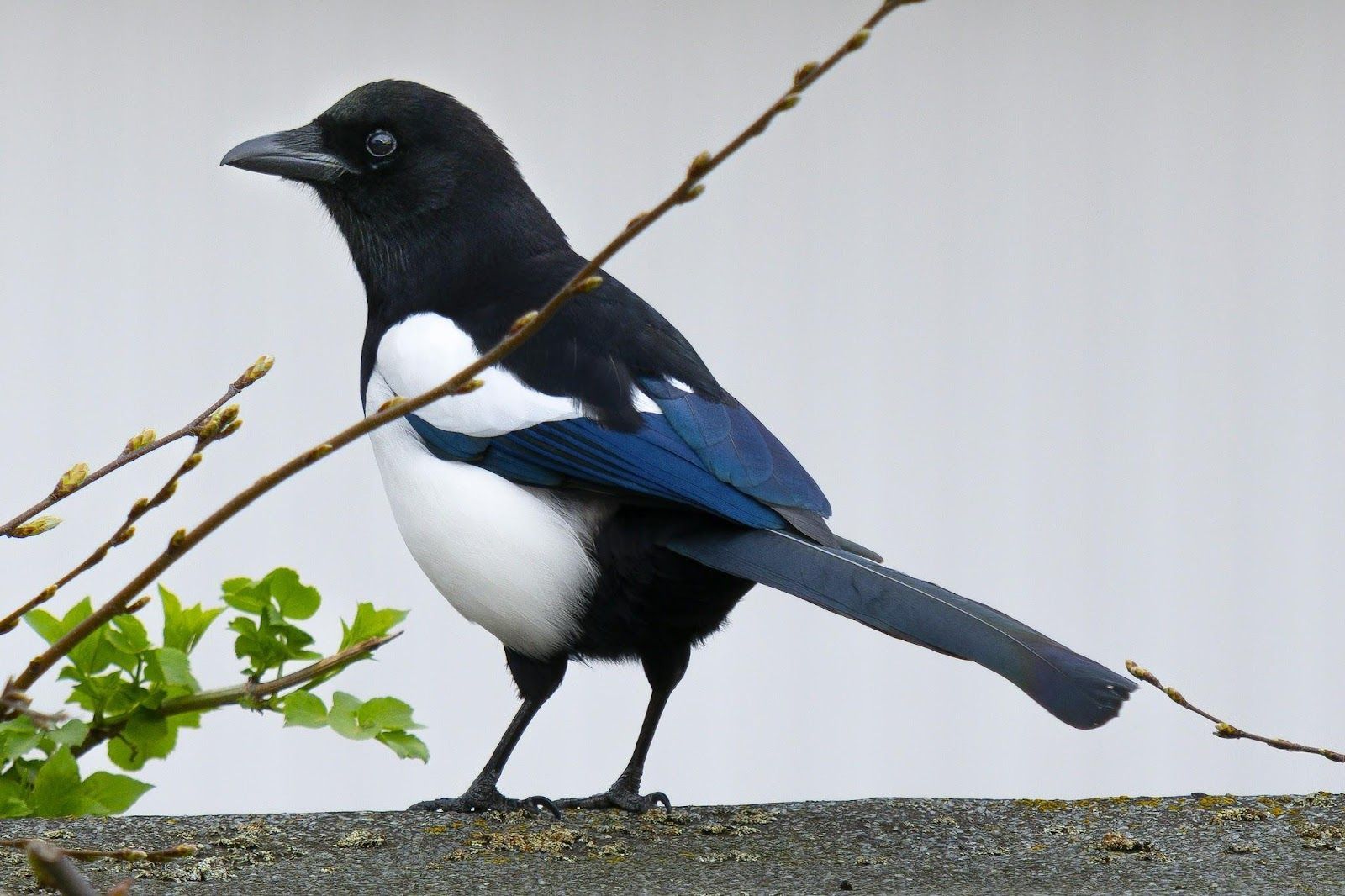
Seeing a solitary magpie

Image: Daniel Bertrams

"One for sorrow, two for joy"... In British and Irish folklore, seeing a single magpie was thought to signal misfortune, loneliness, or bad news. The belief probably just pointed at how unlikely it is to see only one of these beautiful birds. To counter the bad luck, people developed rituals: tipping a hat, greeting the bird politely, or even saluting it.
From weddings to moon landing: The most-watched events in history


Published on April 11, 2026


Image: History in HD

There are rare moments when the world seems to pause and look in the same direction. From royal weddings to space exploration, the past century has held live broadcasts that became shared experiences across international borders and inside billions of homes. Let’s look at some of the most-watched events in history!

1

State Funeral of Queen Elizabeth II (2022)

Image: Museums of History New South Wales

In 2022, when Queen Elizabeth II passed away after 70 years on the throne, the world paid its respects. Estimated to have been watched by around 4.1 billion people globally, it became the most-watched television broadcast in history.

2

The 1996 Summer Olympics Opening Ceremony (Atlanta)

Image: Chen Liu

Around 3.5 billion viewers worldwide tuned in for the 1996 opening ceremony, making it one of the highest-watched sporting events ever.

The show included memorable performances and the iconic lighting of the Olympic flame by Muhammad Ali, whose Parkinson’s disease made his appearance all the more powerful.

3

Funeral of Princess Diana (1997)

Image: Provincial Archives of Alberta

In September 1997, the streets of London filled with mourners as the world watched one of the most widely broadcast funerals in history.

Estimates for viewership of beloved Princess Diana’s final goodbye range from 2 to 2.5 billion globally. The image of Princes William and Harry walking behind their mother’s coffin became a scene etched into collective memory.

4

Leon Spinks vs. Muhammad Ali II (1978)

Image: Nelson Ndongala

One night in 1978, the Superdome in New Orleans became the center of the sporting world as Muhammad Ali sought to reclaim his heavyweight title from Leon Spinks.

Ali had suffered a shocking defeat just months earlier, and the rematch was expected to be a career-defining moment. More than 63,000 people packed the arena, while an estimated 2 billion tuned in globally to watch.

5

Live Aid (1985)

Image: Dominik Scythe

The dual-venue concert for famine relief in Ethiopia reached around 1.5 to 1.9 billion viewers in over 110 countries. Its star-studded lineup (including Queen, U2, David Bowie, The Who, Elton John, Madonna, and dozens more) and satellite broadcast turned it into a legendary day for music and media history.

6

2022 FIFA World Cup Final

Image: Fauzan Saari

Football (a.k.a. soccer) remains one of the few mass spectator sports able to unite audiences across every continent. The 2022 World Cup finale might be called the greatest in history, as it attracted around 1.5 billion viewers globally.

Argentina and France delivered a rollercoaster of drama: Lionel Messi against Kylian Mbappé, and the tension of a shootout that crowned Argentina champions.

7

Elvis’ Aloha from Hawaii via Satellite (1973)

Image: JR Harris

An Elvis Presley concert, beamed live worldwide from Hawaii, was one of the first broadcast globally via satellite, reaching about 1.5 billion viewers. It marked a milestone in both cultural globalization and live entertainment broadcasting.

8

Michael Jackson Memorial Service (2009)

Image: Márcio Pêgo

Michael Jackson’s memorial service held in L.A. in 2009 was not only attended by fellow stars like Stevie Wonder, Mariah Carey, and Jennifer Hudson, but watched by around 2 billion people around the world. Family and friends remembered Jackson not just as the "King of Pop" but as a father, son, and brother.

9

Prince Harry and Meghan Markle’s Wedding (2018)

Image: Peter Albanese

The royal wedding of 2018 at Windsor Castle became the focus of millions of curious watchers as Prince Harry married American actress Meghan Markle.

It reportedly reached about 1.9 billion viewers worldwide. Royal weddings traditionally capture massive audiences, and this one in particular became a symbol of a more diverse and contemporary monarchy.

10

Apollo 11 Moon Landing (1969)

Image: NASA

Of course, it must be included in this list: an estimated 600 million people worldwide watched live as Neil Armstrong took his first steps on the Moon. For the 1960s, that was groundbreaking.

Though smaller in raw numbers than later global broadcasts, it was unprecedented for its time and remains one of the most iconic television moments in history. The landing symbolized a giant leap not only for space exploration but also for the shared experience of global media.

Looking for an extra scoop of literary fun?

Learn more with our Word of the day

wondrous

/ˈwəndrəs/