Good luck, bad luck
Superstition ain't the way! Why we concluded these things bring bad luck
Published on April 11, 2026
Do you have rules you follow "just in case"? Some of us avoid walking under ladders, hesitate before opening umbrellas indoors, or instinctively knock on wood after saying something… But
where did these rituals come from? Why did some everyday accidents, animals, or gestures get labeled "unlucky"? Let’s explore some of the answers and whether they have to do with psychology, religion, history, or plain old common sense!
Walking under a ladder

For one, there’s the safety concern: Why would you walk under a ladder if you could avoid the –albeit low– risk of it falling on you?
However, this superstition is also linked to the medieval Christian belief that interrupting a shape resembling a triangle was a way of insulting the Holy Trinity. Again: Why risk it?
Breaking a mirror
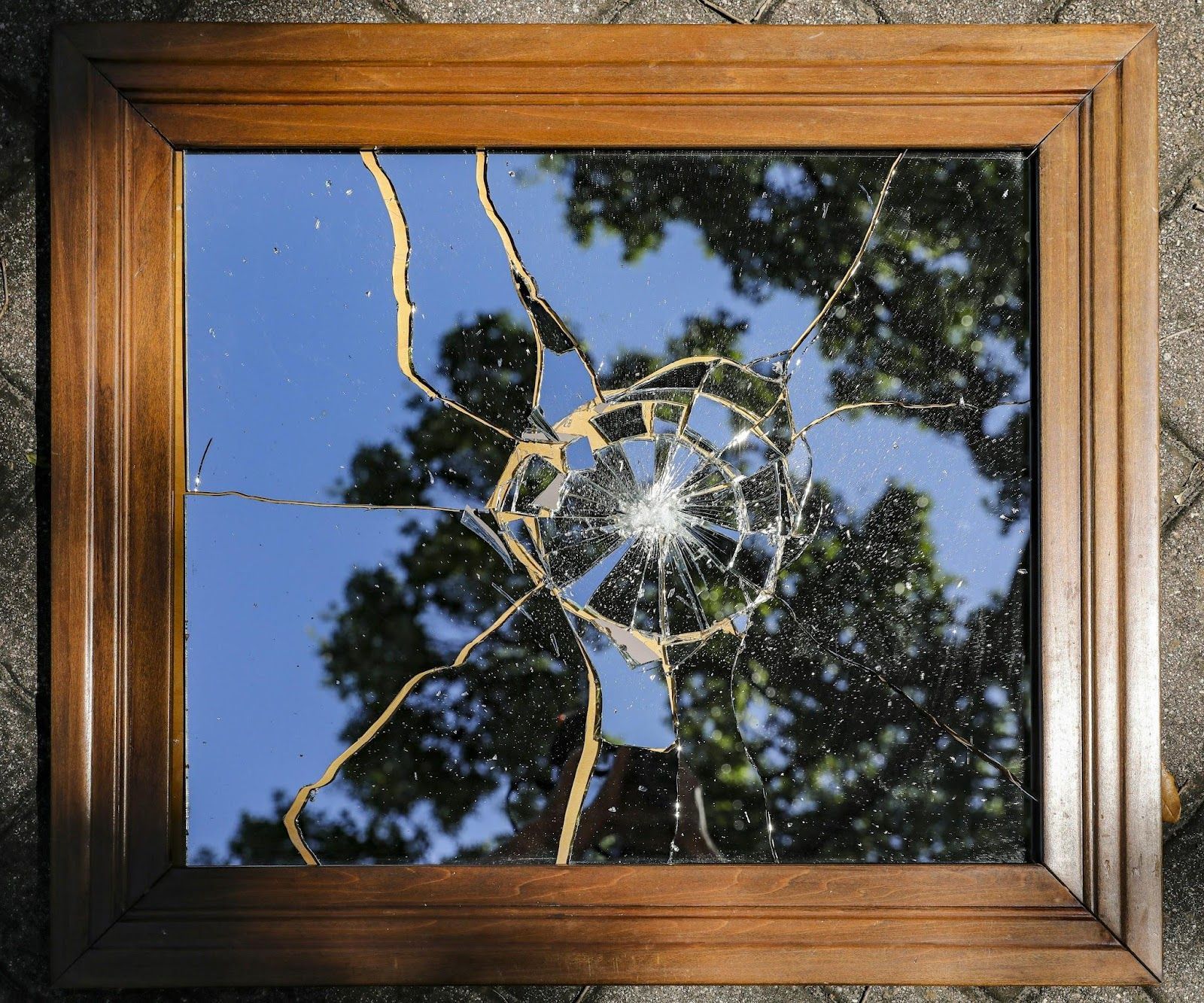
Have you ever shattered a mirror and winced at the thought of years of bad luck? This goes back to ancient Greece and Rome. There, reflections were thought to be linked to the soul. Destroying a mirror was considered an affront to the gods watching over your spiritual self.
The "seven years" bit comes from the Roman idea that the human body renewed itself in seven-year cycles.
Celebrating a birthday early

"You’ll jinx it!" is a common reaction when someone celebrates before their actual birthday. This superstition appears across several European traditions, where marking a milestone before it arrives was seen as presumptuous, even disrespectful to fate.
In eras when illness and mortality were real daily concerns, reaching your birthday wasn’t guaranteed… so celebrating early felt like counting blessings before earning them.
A black cat crossing your path
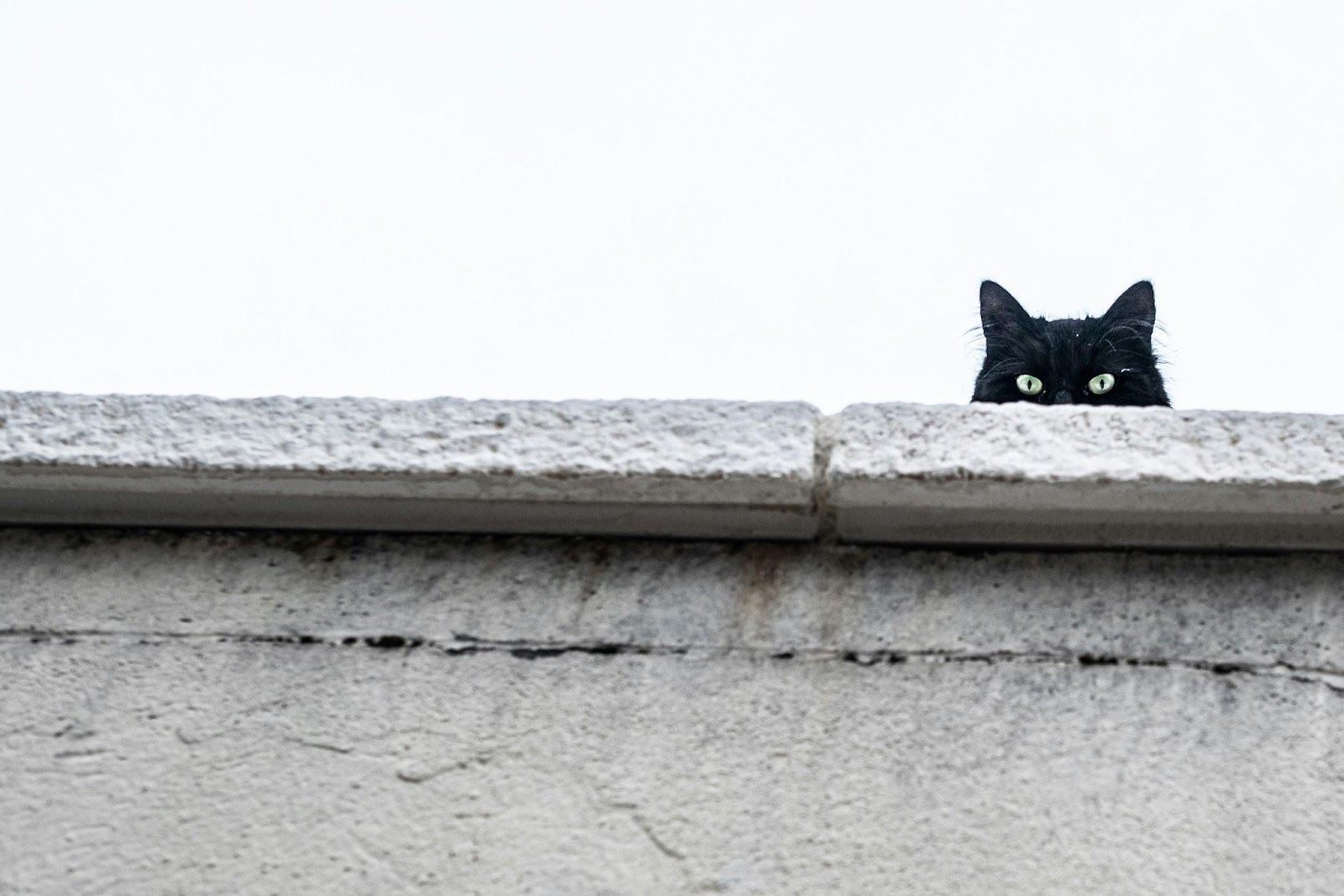
In ancient Egypt, black cats were revered and associated with protection and prosperity. What happened to their reputation, then? Simply put, in medieval Europe, when fear of witchcraft ran rampant, cats (especially the poor black ones) became linked with witches.
However, beliefs vary widely: in Britain, Ireland, and Japan, black cats can signify good luck or fortune, and sailors once welcomed them aboard ships to ensure safe voyages.
Friday the 13th

In many Western traditions, both Fridays and the number 13 had separate unlucky connotations long before they were combined: Friday was sometimes seen as ill-fated in Christian lore (Jesus’ crucifixion is said to have been on a Friday), and 13 was viewed with suspicion in Norse myth (where Loki’s unexpected arrival as the 13th guest at a feast led to chaos).
Opening an umbrella indoors

When early umbrellas with stiff metal frames first became popular in Britain and Europe, they were hard to fold and easy to jab into furniture, lamps, or unsuspecting family members. That made opening one inside genuinely hazardous, and turning it into a superstition was a tidy way to say, "Please don’t do it."
Knocking on wood

Almost everyone does this reflexively: you say something hopeful and then tap wood to "keep the luck going." One theory ties this to pagan traditions in Europe, where people believed protective spirits lived in trees; knocking on the trunk was a way to call on those spirits or to secure their goodwill.
Spilling salt

Salt was once very precious: it preserved food, flavored meals, and even served as currency in parts of the ancient world. Spilling it meant waste, and waste invited misfortune. But, of course, everyone knows the fix: throw some over your left shoulder.
Stepping on a crack

"Step on a crack, break your mother’s back." This ominous-sounding rhyme isn’t ancient at all; it rose to popularity in the early 20th century, spread through schoolyards rather than folklore. Of course, there is no logical explanation to back it up. But if you are superstitious… why would you risk it?
Seeing a solitary magpie
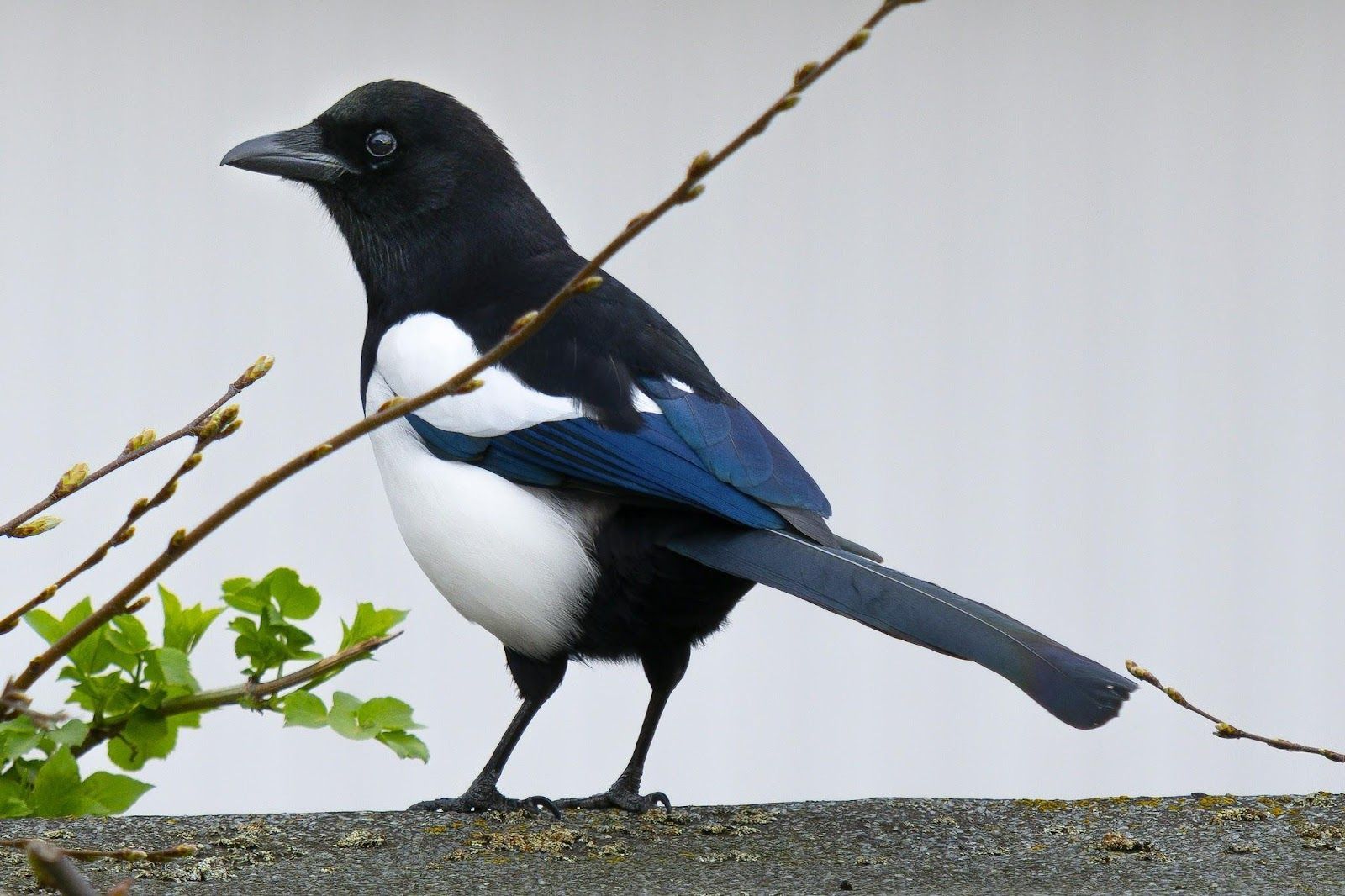
"One for sorrow, two for joy"... In British and Irish folklore, seeing a single magpie was thought to signal misfortune, loneliness, or bad news. The belief probably just pointed at how unlikely it is to see only one of these beautiful birds. To counter the bad luck, people developed rituals: tipping a hat, greeting the bird politely, or even saluting it.