Good luck, bad luck

Have you ever broken a mirror? Let's demystify these 10 superstitions


Published on April 11, 2026
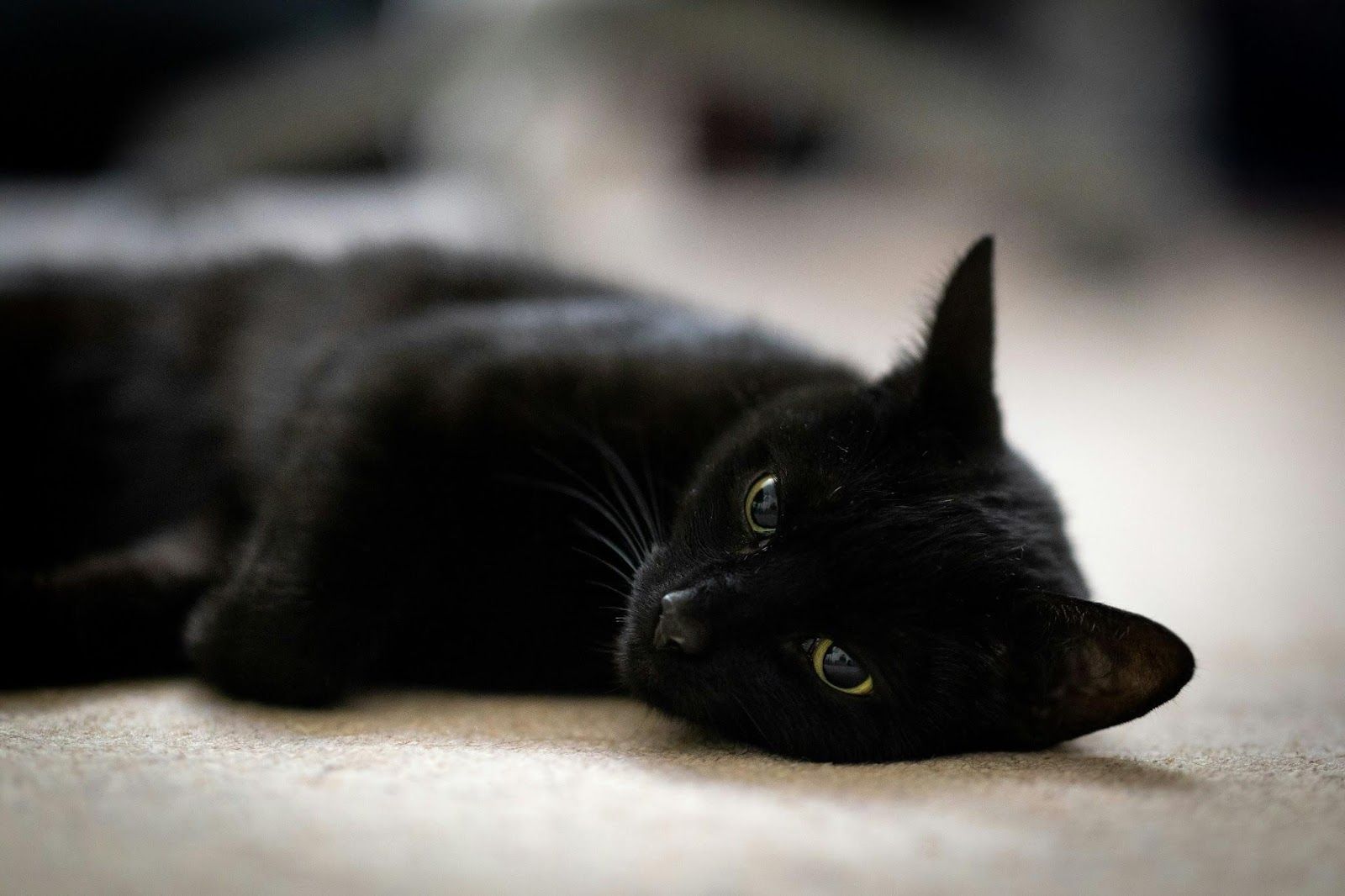

Image: Ben Griffiths

Do you have rules you follow "just in case"? Some of us avoid walking under ladders, hesitate before opening umbrellas indoors, or instinctively knock on wood after saying something… But

where did these rituals come from? Why did some everyday accidents, animals, or gestures get labeled "unlucky"? Let’s explore some of the answers and whether they have to do with psychology, religion, history, or plain old common sense!

1

Walking under a ladder

Image: Jilbert Ebrahimi

For one, there’s the safety concern: Why would you walk under a ladder if you could avoid the –albeit low– risk of it falling on you?

However, this superstition is also linked to the medieval Christian belief that interrupting a shape resembling a triangle was a way of insulting the Holy Trinity. Again: Why risk it?

2

Breaking a mirror

Image: Mick Haupt

Have you ever shattered a mirror and winced at the thought of years of bad luck? This goes back to ancient Greece and Rome. There, reflections were thought to be linked to the soul. Destroying a mirror was considered an affront to the gods watching over your spiritual self.

The "seven years" bit comes from the Roman idea that the human body renewed itself in seven-year cycles.

3

Celebrating a birthday early

Image: Adi Goldstein

"You’ll jinx it!" is a common reaction when someone celebrates before their actual birthday. This superstition appears across several European traditions, where marking a milestone before it arrives was seen as presumptuous, even disrespectful to fate.

In eras when illness and mortality were real daily concerns, reaching your birthday wasn’t guaranteed… so celebrating early felt like counting blessings before earning them.

4

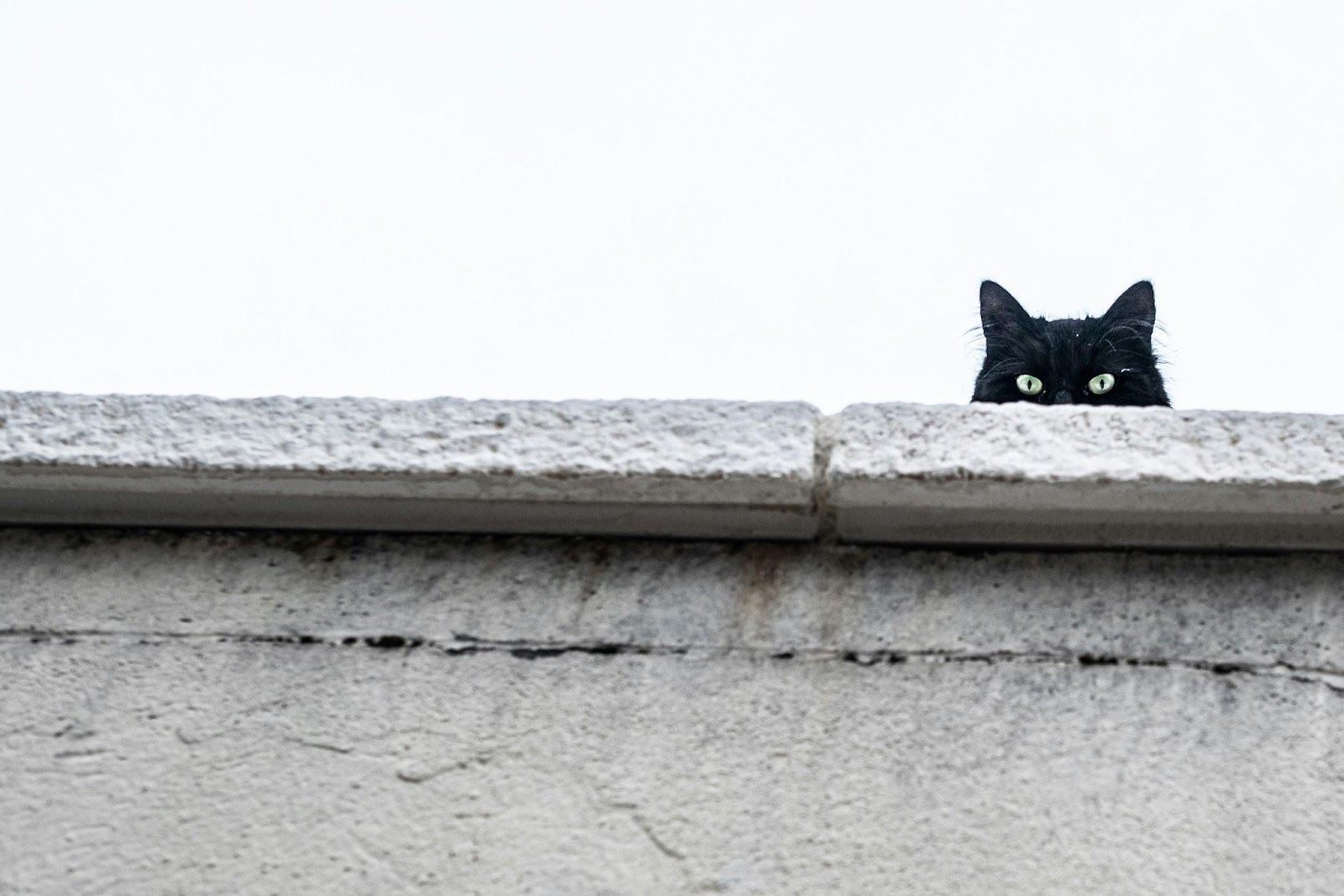
A black cat crossing your path

Image: Clément Falize

In ancient Egypt, black cats were revered and associated with protection and prosperity. What happened to their reputation, then? Simply put, in medieval Europe, when fear of witchcraft ran rampant, cats (especially the poor black ones) became linked with witches.

However, beliefs vary widely: in Britain, Ireland, and Japan, black cats can signify good luck or fortune, and sailors once welcomed them aboard ships to ensure safe voyages.

5

Friday the 13th

Image: Bruno Guerrero

In many Western traditions, both Fridays and the number 13 had separate unlucky connotations long before they were combined: Friday was sometimes seen as ill-fated in Christian lore (Jesus’ crucifixion is said to have been on a Friday), and 13 was viewed with suspicion in Norse myth (where Loki’s unexpected arrival as the 13th guest at a feast led to chaos).

6

Opening an umbrella indoors

Image: Kevin Lehtla

When early umbrellas with stiff metal frames first became popular in Britain and Europe, they were hard to fold and easy to jab into furniture, lamps, or unsuspecting family members. That made opening one inside genuinely hazardous, and turning it into a superstition was a tidy way to say, "Please don’t do it."

7

Knocking on wood

Image: engin akyurt

Almost everyone does this reflexively: you say something hopeful and then tap wood to "keep the luck going." One theory ties this to pagan traditions in Europe, where people believed protective spirits lived in trees; knocking on the trunk was a way to call on those spirits or to secure their goodwill.

8

Spilling salt

Image: Jason Tuinstra

Salt was once very precious: it preserved food, flavored meals, and even served as currency in parts of the ancient world. Spilling it meant waste, and waste invited misfortune. But, of course, everyone knows the fix: throw some over your left shoulder.

9

Stepping on a crack

Image: Ilya Semenov

"Step on a crack, break your mother’s back." This ominous-sounding rhyme isn’t ancient at all; it rose to popularity in the early 20th century, spread through schoolyards rather than folklore. Of course, there is no logical explanation to back it up. But if you are superstitious… why would you risk it?

10

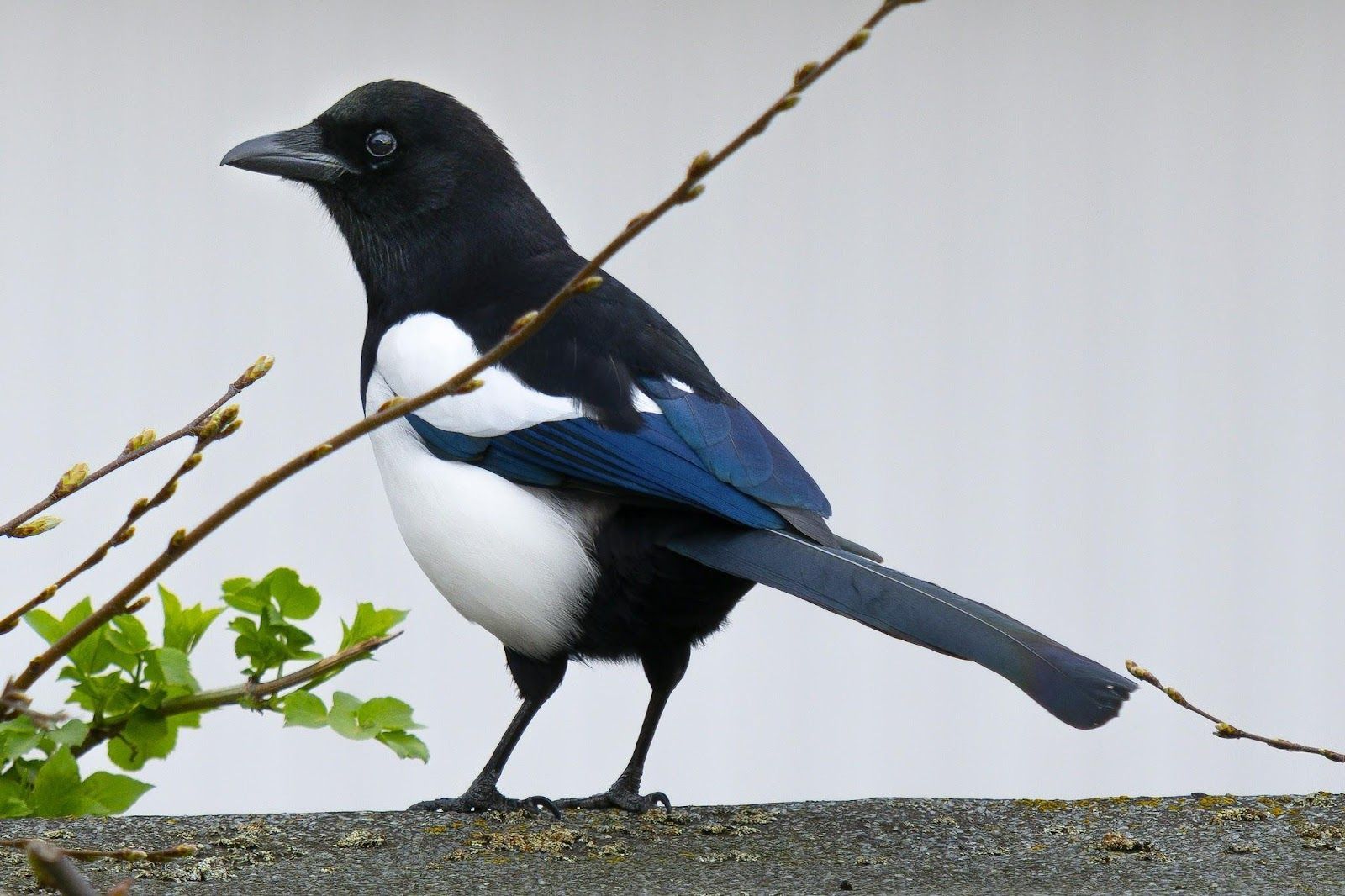
Seeing a solitary magpie

Image: Daniel Bertrams

"One for sorrow, two for joy"... In British and Irish folklore, seeing a single magpie was thought to signal misfortune, loneliness, or bad news. The belief probably just pointed at how unlikely it is to see only one of these beautiful birds. To counter the bad luck, people developed rituals: tipping a hat, greeting the bird politely, or even saluting it.



Secrets of heights

Unsolved mysteries, strange finds, and fossils: The truth about Everest


Published on April 11, 2026


Image: Martin Jernberg

At 29,032 feet, Mount Everest is known as the "rooftop of the world." While that's a fact most people already know, this ancient mountain holds more secrets than you might expect. From mythical creatures to the most unusual objects ever found there, today we're taking a journey up Everest, and what we'll discover might surprise you!

1

It has many names

Image: Ben Lowe

Most of us know it simply as Everest, but this mountain has more identities. In the 19th century, the British named it after Sir George Everest, a British surveyor. But in Nepal, it's called Sagarmatha, which means "Forehead of the Sky." In Tibet, meanwhile, it's known as Chomolungma, meaning "Goddess Mother of the World." Beautiful, right?

2

Peculiar weddings

Image: Konstantin Mishchenko

If you think marriage is only for the daring, you won't believe this. Despite the danger and harsh weather, several couples have chosen the world's highest peak as the location for their wedding. A recent example is Ashley Schmieder and James Sissom, who in 2017 became the first couple to get married on the summit of Everest wearing traditional wedding outfits. Imagine wearing a wedding dress at -10°F!

3

What they've found

Image: Sebastian Pena Lambarri

On average, 800 to 900 people try to climb Everest each year, with many more visiting its base. Along the way, climbers often leave behind a surprising amount of items like crampons, clothing, cooking utensils, climbing tools, and oxygen bottles. In fact, there are "Trash zones" filled with these and many other articles left behind by people. You can imagine what else might be found there, especially since not everyone makes it to the summit.

4

Fossils of what?

Image: Joseph Corl

At the top of Everest, there's more than just leftover climbing gear. There, at almost 30,000 feet above sea level, they have found something else: marine fossils!

Although the summit is far from the sea today, it wasn't always that way. Millions of years ago, the area where Everest now stands was once part of a seabed at the bottom of the ocean. Over time, tectonic plates pushed the land upward, forming not just Everest but the entire Himalayan mountain range.

5

Fastest climber

Image: Jonathan Ansel Moy de Vitry

Experienced climbers typically take 6 to 9 weeks to reach the summit of Everest, something incredible given the mountain's extreme conditions. But hear this: In 2003, expert Nepalese climber Lakpa Gelu reached the summit in just 10 hours and 56 minutes. And as if that wasn't impressive enough, in 2004, Sherpa Pemba Dorje beat that record, making it to the top in only 8 hours and 10 minutes!

6

Still growing

Image: Luo Lei

The movement of tectonic plates causes the Himalayas to rise. Incredible as it may seem, Mount Everest isn't just tall: It's actually growing a fraction of an inch every year! It may not sound like much, but over millions of years, it really adds up.

7

Everest's ghosts

Image: Ehab Al-Hakawati

There's an unsolved mystery on Everest involving two British climbers, George Mallory and Andrew Irvine, who aimed to be the first to reach the summit back in 1924. They were reportedly last seen close to the top, but no one knows if they actually made it.

Both climbers disappeared, and while Mallory's body was discovered in 1999, Irvine has never been found. Many people report encountering ghosts that haunt the mountain and sometimes even offer help. Could those spirits be the two of them?

8

100 years

Image: Kirsten Frank

In 2024, Nat Geo explorers found a boot with a sock inside that read "A. C. Irvine." That's right! It took a hundred years before they finally discovered this boot, believed to have belonged to Irvine.

If it took a century to find just one boot, imagine everything else that might still be up there!

9

Traces of the Yeti?

Image: Agnès Maillard

Part of the mountain's folklore is the mythical Yeti, also known by his stage name: the Abominable Snowman. Reports of a huge, ape-like creature walking on two legs date back as early as the 19th century.

Most research suggests it's likely all about a bear species, but even today, some people still claim to have seen the Yeti. In the mountain, there have also been discoveries of footprints too large to be human, and even enormous bones!

10

It has its own plants and animals

Image: JC Gellidon

The extreme altitude, cold, and other harsh conditions make life on Everest tough. However, to many people's surprise, the mountain does have its own unique plants and animals, all known for their ruggedness. On one hand, you can find hardy plants like mosses, lichens, and the Himalayan Blue Poppy. When it comes to animals, the area is home to snow leopards, Himalayan tahr (wild goats), and yaks. Of course, the higher you go, the scarcer wildlife becomes.

Looking for an extra scoop of literary fun?

Learn more with our Word of the day

alter

/ˈɔltər/