Ancient medicine

How honey, willow bark, and foxglove changed medicine forever


Published on May 4, 2026


Image: Katherine Hanlon

Before modern medicine, people relied on instinct, herbs, and plenty of trial and error. While many folk remedies were more superstition than science, a surprising number proved to have real medical merit. From moldy bread to leeches, these age-old treatments often concealed a trace of scientific truth beneath their folklore—and in some cases even inspired modern pharmaceuticals.

1

Honey

Image: Benyamin Bohlouli

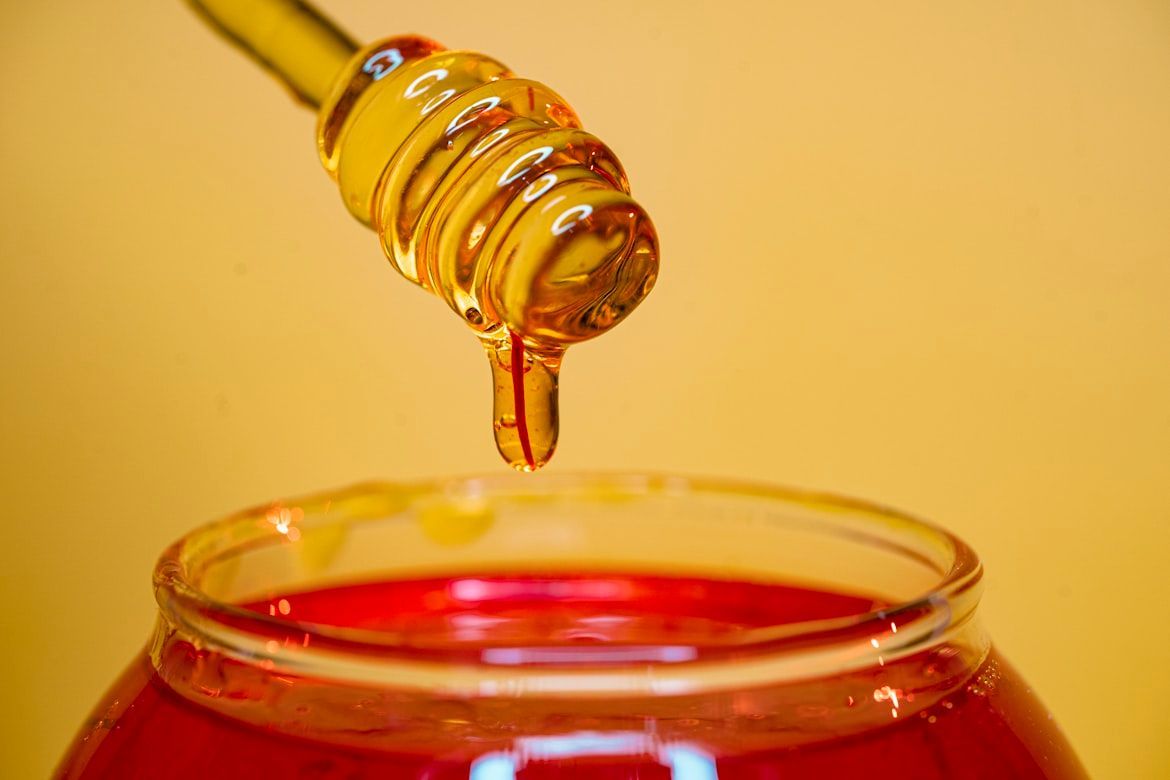
Ancient Egyptians used honey on wounds to prevent infection. Modern studies show that honey’s enzymes produce hydrogen peroxide, giving it antibacterial power. It also helps seal wounds, keeping dirt and bacteria out.

Medical-grade honey is now even used in hospitals for burns and ulcers. Its high sugar content and acidity further dehydrate bacteria, proving why this sweet cure was anything but primitive.

2

Willow bark

Image: Alfred Kenneally

Used for centuries to reduce pain and fever, willow bark contains salicin—the same active ingredient that inspired aspirin.

Once ingested, salicin is converted to salicylic acid in the body, providing anti-inflammatory and analgesic effects. Modern aspirin simply refines this natural process into a convenient pill.

3

Moldy bread

Image: Dmitrii Tarnovski

Thousands of years before Alexander Fleming discovered penicillin, ancient Egyptians were already applying moldy bread to wounds for its antibiotic properties.

The Penicillium mold that grows naturally on stale bread produces compounds that prevent bacteria from forming strong cell walls, causing them to burst. This shows that even something as ordinary as moldy bread can conceal a groundbreaking discovery.

4

Garlic

Image: Matthew Pilachowski

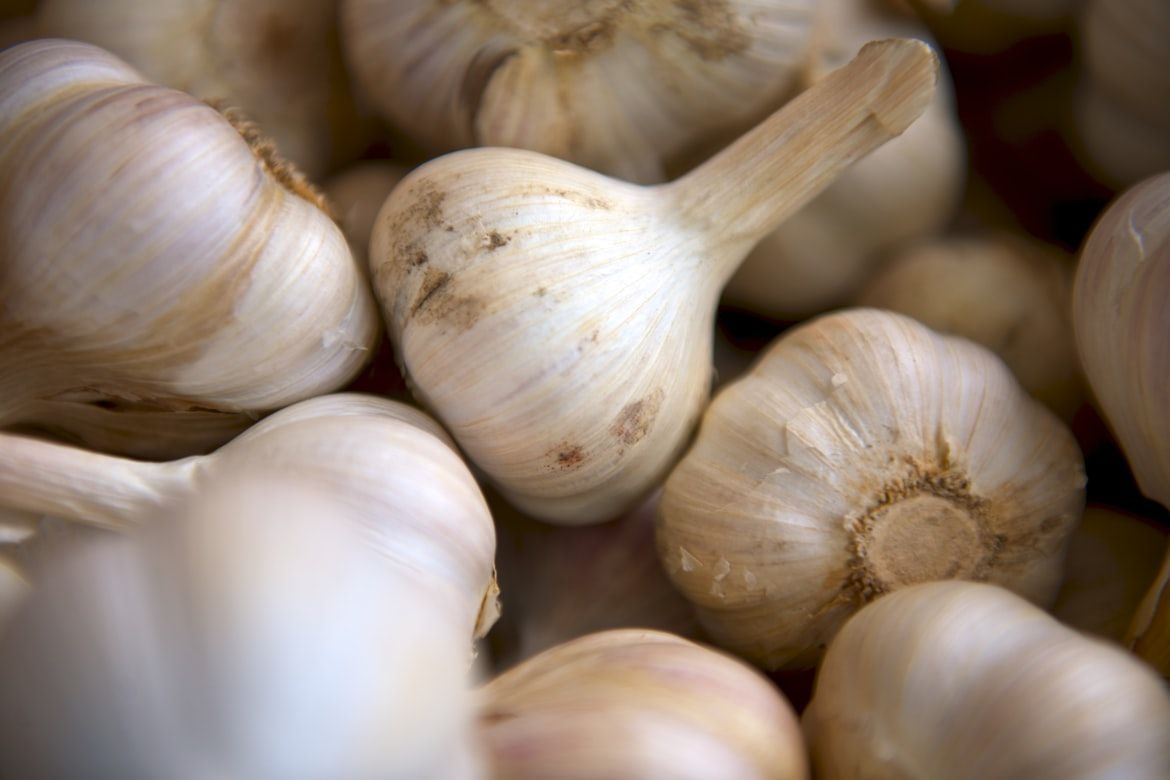
Traditionally, garlic was used to fight infections and parasites. Modern science has revealed that its antimicrobial power comes from allicin—a sulfur compound released when the cloves are crushed.

Much like antibiotics, allicin attacks bacterial cell walls, and studies show that garlic extract can combat E. coli and Staphylococcus strains. However, only raw garlic retains the full medicinal potency of allicin.

5

Leech therapy

Image: Erfan Feizi

Medieval doctors used leeches to "rebalance" the body’s humors—a practice that seems worlds apart from modern medicine. Yet while the explanation behind their use has changed, leeches are still widely employed today in reconstructive surgery to restore blood flow to damaged tissue.

Leech saliva contains hirudin, a natural anticoagulant that prevents clotting and promotes circulation—essential for reattaching severed fingers or performing skin grafts.

6

Turmeric

Image: Dyah Miller

Traditional Indian medicine used turmeric paste to treat wounds and inflammation. Its active compound, curcumin, has strong anti-inflammatory and antioxidant effects.

Curcumin inhibits cytokines, small proteins that trigger swelling and pain, and is so effective that turmeric remains a key ingredient in many modern joint supplements and topical creams.

7

Aloe vera

Image: pisauikan

Ancient Egyptians called aloe the "plant of immortality." Its gel cools burns and speeds healing thanks to polysaccharides that promote skin repair.

Clinical use continues for treating minor burns and radiation dermatitis, and it is also commercialized in countless skincare products—making aloe a rare ancient remedy still used almost unchanged.

8

Eucalyptus

Image: David Clode

Australian Aboriginal medicine used eucalyptus leaves to treat coughs and congestion. The compound eucalyptol, found in the leaves’ oil, helps open airways and thin mucus, making breathing easier.

Today, it is a key ingredient in countless cough drops, inhalers, and chest rubs—proof that this ancient remedy still works effectively.

9

Dandelion

Image: Lorenzo Ranuzzi

Extensively used in European folk medicine, dandelion roots and leaves act as mild diuretics and support liver function.

They increase bile flow and help remove toxins—effects confirmed by modern studies on hepatic enzymes. Today, dandelion extract still appears in herbal liver tonics. Additionally, most of the plant is edible, making it a nutritious addition to salads.

10

Foxglove

Image: David Young

In the 18th century, herbalists used foxglove to treat dropsy—a condition often caused by underlying heart failure. Though the plant contains several toxic compounds, it also contains digitalis, a potent cardiac stimulant.

In controlled doses, digitalis helps regulate heart rate, and its refined derivatives, such as digoxin, are still widely used today in the treatment of cardiovascular diseases.

From submarines to video calls: 10 Jules Verne inventions that came true


Published on May 4, 2026


Image: Albert Robida, Public domain, via Wikimedia Commons

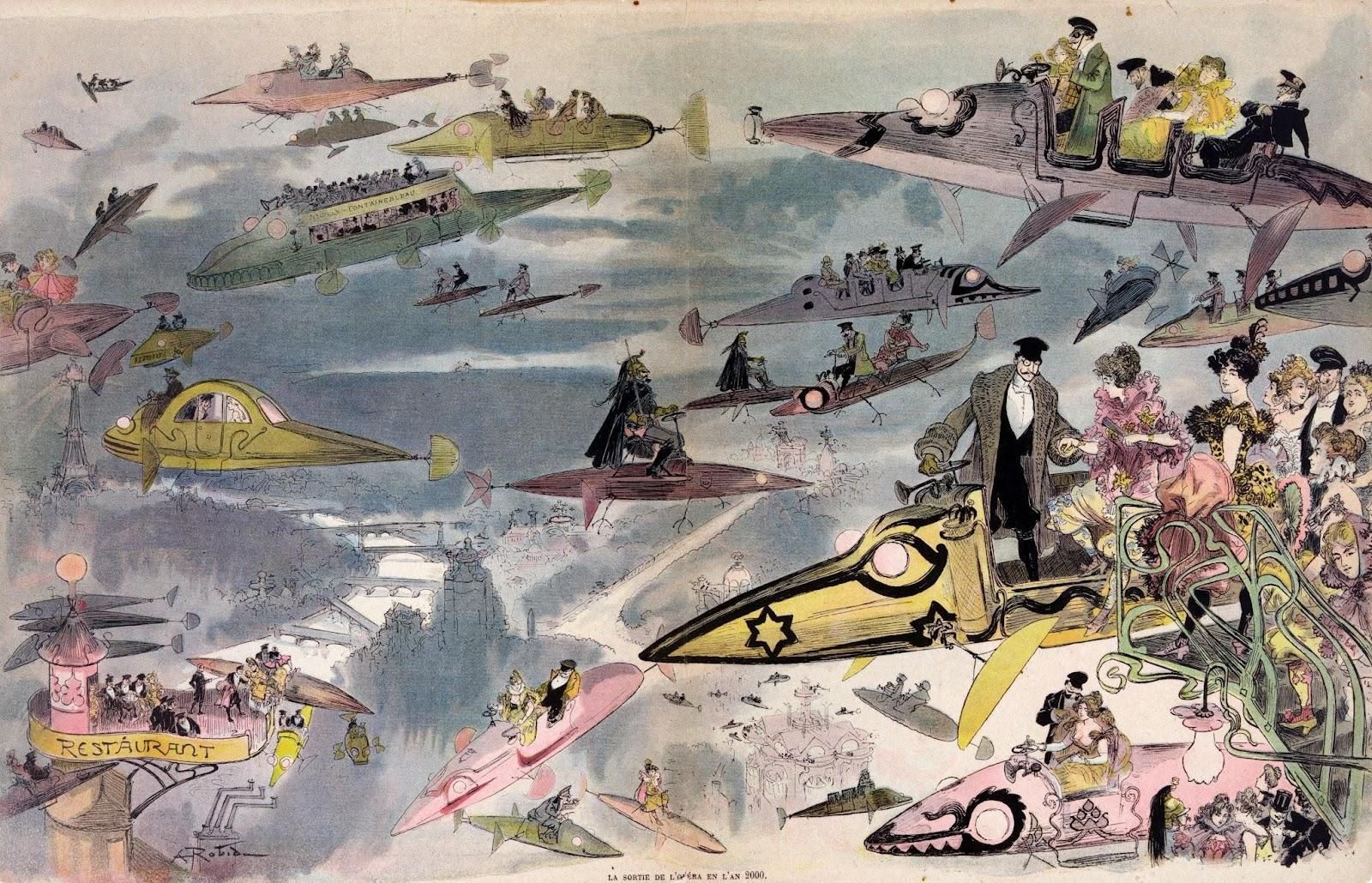
Before science fiction was even a thing, Jules Verne was already inventing the future in his novels. He filled his adventures with strange contraptions, daring machines, and ideas that seemed unlikely in the 19th century. The twist? So many of those daydreams turned into everyday reality. From submarines gliding beneath the seas to rockets racing skyward, Verne’s stories can be read less as fantasy and more as a premonition of what was to come. What follows are ten of his most remarkable visions, proof of how closely imagination can become reality.

1

A trip to the moon

Image: Victor Serban

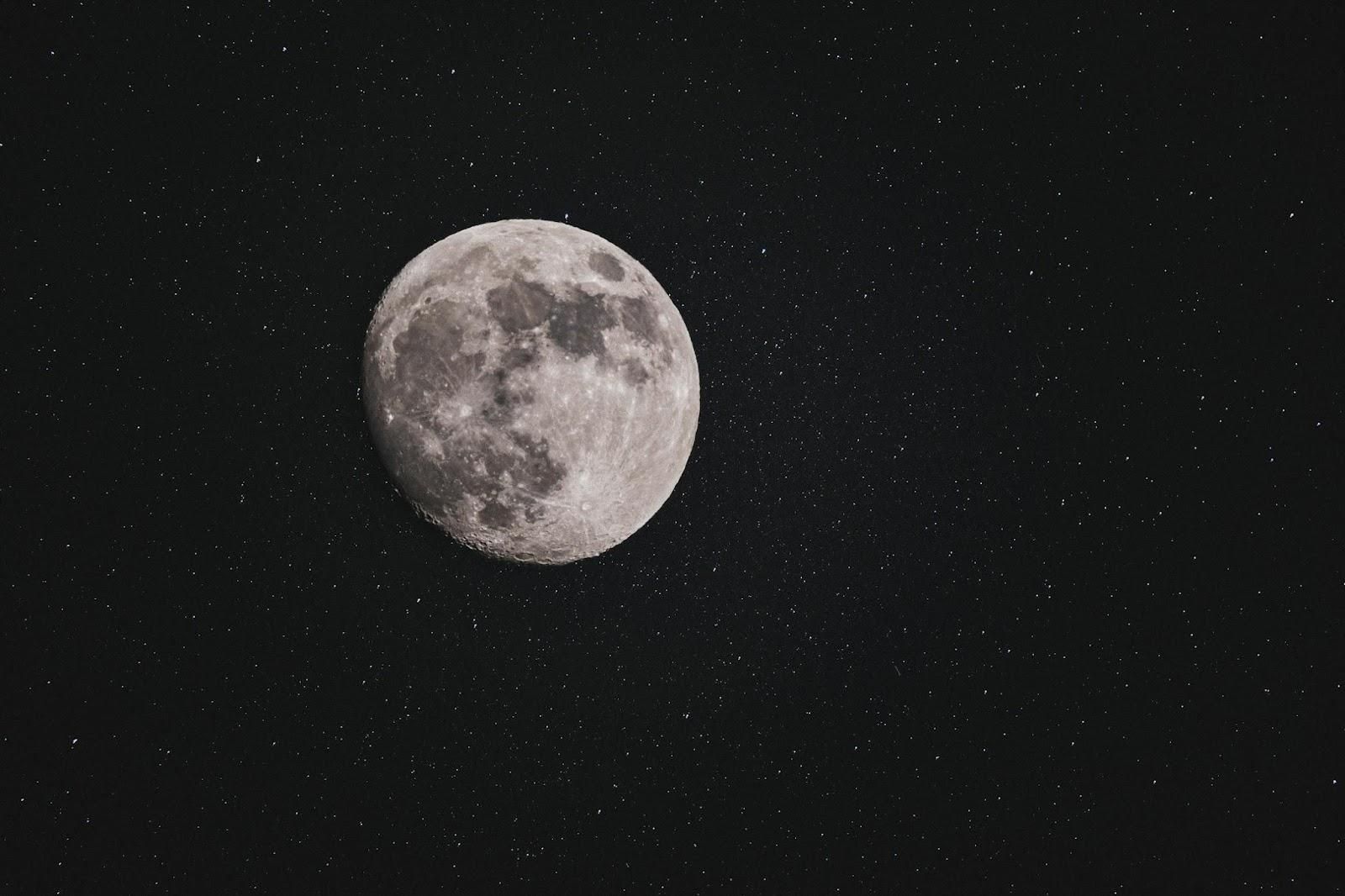
In the 19th century, people regarded Verne’s stories as mere fantasy adventures. But flip through them today, and they feel like you are reading an early NASA mission report. In From the Earth to the Moon (1865) and its sequel Around the Moon (1869), the French writer imagines three daring men being shot into space from Florida, traveling inside a metal capsule. After a five-day trip to lunar orbit, the projectile lands safely in the ocean.

Although it was probably a crazy and far-fetched idea at the time, a century later, Apollo astronauts followed nearly the same playbook, proving that Verne’s "make-believe" wasn’t so impossible after all.

2

Machines fueled by water

Image: Lena Koval

Jules Verne was probably one of the first to dream of machines fueled by water instead of coal or oil. In his vision, the humble liquid would be split into hydrogen and oxygen, releasing its hidden energy to drive engines of the future. For readers in the 19th century, this idea felt both magical and oddly precise, as if Verne had peeked into tomorrow’s laboratories. Today, hydrogen power is still experimental, yet it remains one of science’s most promising—and elusive—goals, holding the potential for clean energy on a grand scale.

3

Skyscrapers and elevators everywhere

Image: David Rodrigo

Rising from the earth like shimmering glass mountains, Jules Verne imagined ever-shining cities. He pictured towers of steel and glass that didn’t go dark at sunset but glowed brilliantly through the night, powered by the then-new magic of electricity. Inside, elevators would whisk people effortlessly upward, transforming the way cities could be built. Back then, most buildings barely climbed ten stories, and the idea of infinite skylines was almost otherworldly. Today, it’s exactly what we see through the window in any modern city.

4

Submarines before submarines

Image: seth0s

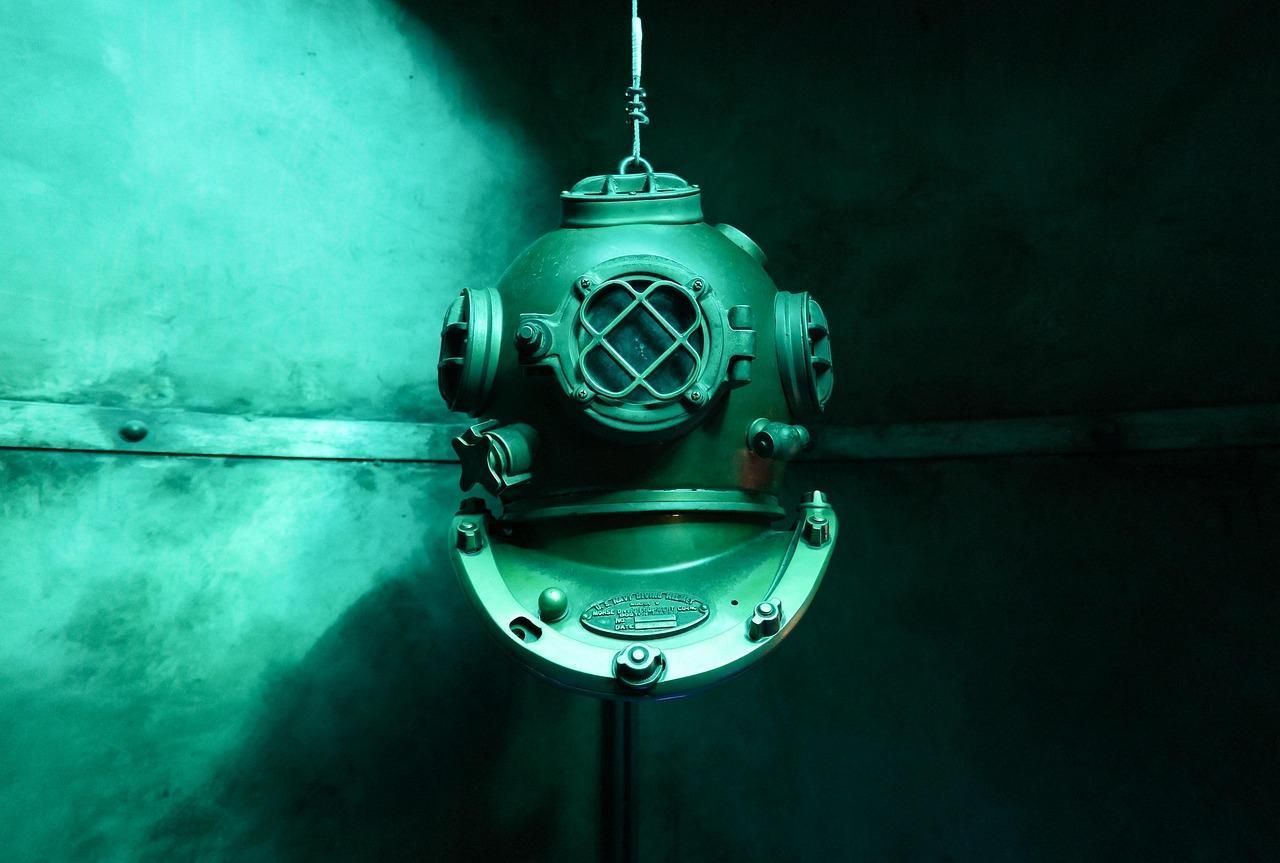
Imagine reading about a ship that could submerge into the waves and roam the oceans like a sea creature long before such a thing was possible. That’s exactly what Jules Verne wrote about in Twenty Thousand Leagues Under the Sea (1870). His Nautilus was a 230-foot machine, armed with a library of 12,000 books and capable of sinking any ship.

Although Verne didn’t actually invent submarines, at the time of the book’s publication, they were no more than unreliable and primitive prototypes. If anything, Verne’s fictional vessel anticipated the technology of the submarines that now explore the oceans of the real world. His invention might have been a fantasy, but it was also a glimpse into the future.

5

News on demand

Image: Maxim Hopman

Can you imagine having to hear the news secondhand in the town square? Jules Verne probably knew that, in the future, people would need to be informed at all times. So, he invented a daily news report delivered by voice—spoken bulletins that could be piped straight into homes and even announced at public kiosks. We can only imagine what this meant for his readers in the 19th century, but we can now easily relate to the news being available whenever we want. Long before antennas or TV screens, he foresaw a world where the latest headlines could arrive instantly, without a scrap of paper.

6

The ancestor of the helicopter

Image: Rebecca Johnsen

Many years ago, a machine flying through the sky as high as a cathedral with the ease of a bird would have seemed improbable. But Jules Verne’s imagination could go as far as he wanted. In Robur the Conqueror (1886), he introduces the "Albatross," a fantastic flying ship that can lift straight off the ground, hover in place, and maneuver with uncanny grace. Does this description sound familiar? That’s because Verne outlined the blueprint for the helicopter decades before engineers made it real in the 20th century.

7

Video calls, 19th-century style

Image: Windows

What seemed like a futuristic gadget in 1889 now feels like part of our everyday lives. In his novel In the Year 2889, Jules Verne describes the "phonotelephote," a device that allows people not only to communicate with others who are miles away but also to see each other’s faces in real time. For 19th-century readers, the idea was dazzling, almost too magical to believe. Yet today, we hardly think twice before tapping into a video call on our phones or computers. Verne essentially predicted FaceTime and Zoom calls a full century before the first computer was even connected to the internet.

8

Electric cars

Image: Or Hakim

Many decades before the first electric cars ever rolled off an assembly line, Jules Verne was already letting his imagination race ahead. In The Mysterious Island (1874), he described wagons that needed no horses, powered instead by rechargeable batteries. To 19th-century readers, the idea of a vehicle moving smoothly on its own was unthinkable, closer to magic than mechanics. Yet Verne’s vision sounds strikingly familiar to anyone who has seen a quiet electric car glide down the highway today. What was once a dream in the pages of a novel has become a daily sight in traffic.

9

Music made by machines

Image: Geoff Maredi

Poetic yet technical—that was Jules Verne’s gift. Take his vision of music made not with violins or flutes, but with machines. In his once-shelved novel Paris in the Twentieth Century (written in 1863 but not published until the 1990s), the writer imagined concerts filled with sounds produced by electrical instruments. For 19th-century readers, it probably sounded absurd. Yet a hundred years later, synthesizers and electric keyboards defined popular music, proving Verne had once again tuned in early to the future.

10

Solar sails in space

Image: Tim Dennert

A ship that needs no fuel, gliding through space on nothing but light—it sounds like poetry. Yet Verne imagined exactly that. He described enormous sails stretched wide, catching not the wind but the faint pressure of sunlight itself and using it to push vessels across the vast silence of space. In his day, it was a dream almost too delicate to believe, like navigating the ocean with moonbeams. But the image stuck, and now scientists and space agencies are testing real solar sails, proving that his most poetic vision wasn’t just fantasy but a glimpse of tomorrow waiting to unfold in orbit.

Looking for an extra scoop of literary fun?

Learn more with our Word of the day

reliance

/rəˈlaɪən(t)s/