Ancient medicine

Grandma’s secret pharmacy: 10 weird remedies that were actually effective


Published on May 4, 2026

Image: Katherine Hanlon

Before modern medicine, people relied on instinct, herbs, and plenty of trial and error. While many folk remedies were more superstition than science, a surprising number proved to have real medical merit. From moldy bread to leeches, these age-old treatments often concealed a trace of scientific truth beneath their folklore—and in some cases even inspired modern pharmaceuticals.

1

Honey

Image: Benyamin Bohlouli

Ancient Egyptians used honey on wounds to prevent infection. Modern studies show that honey’s enzymes produce hydrogen peroxide, giving it antibacterial power. It also helps seal wounds, keeping dirt and bacteria out.

Medical-grade honey is now even used in hospitals for burns and ulcers. Its high sugar content and acidity further dehydrate bacteria, proving why this sweet cure was anything but primitive.

2

Willow bark

Image: Alfred Kenneally

Used for centuries to reduce pain and fever, willow bark contains salicin—the same active ingredient that inspired aspirin.

Once ingested, salicin is converted to salicylic acid in the body, providing anti-inflammatory and analgesic effects. Modern aspirin simply refines this natural process into a convenient pill.

3

Moldy bread

Image: Dmitrii Tarnovski

Thousands of years before Alexander Fleming discovered penicillin, ancient Egyptians were already applying moldy bread to wounds for its antibiotic properties.

The Penicillium mold that grows naturally on stale bread produces compounds that prevent bacteria from forming strong cell walls, causing them to burst. This shows that even something as ordinary as moldy bread can conceal a groundbreaking discovery.

4

Garlic

Image: Matthew Pilachowski

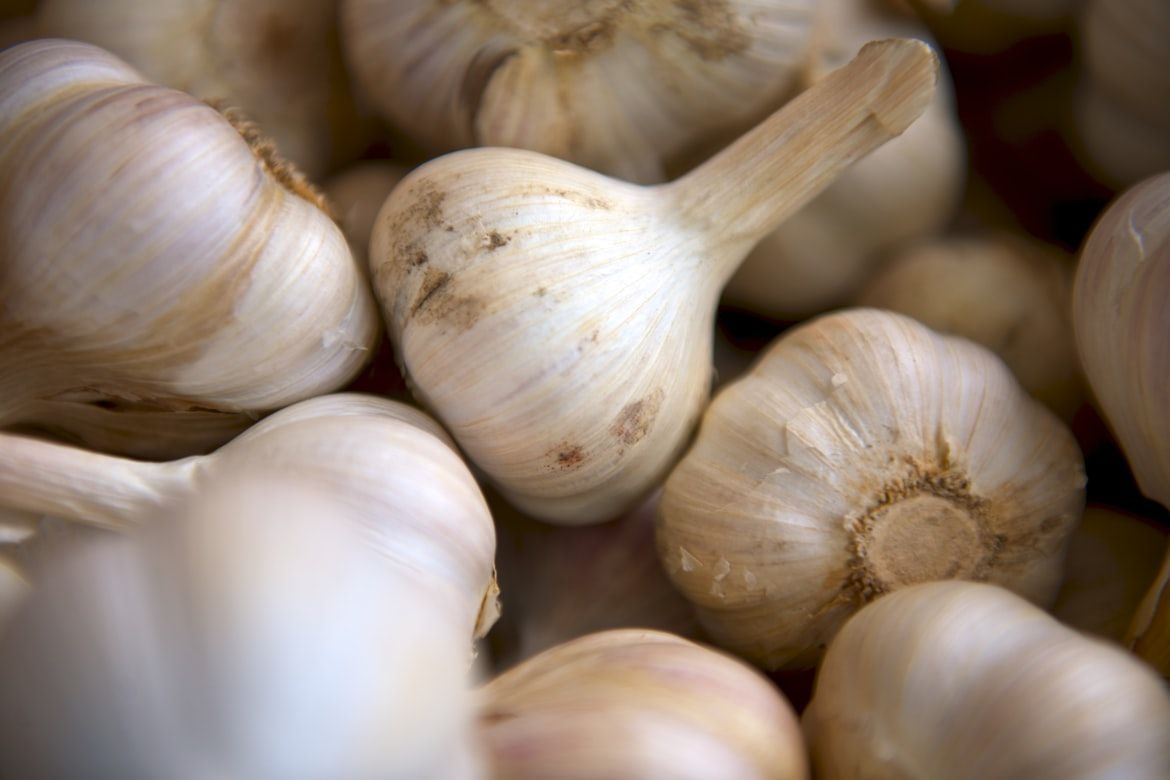
Traditionally, garlic was used to fight infections and parasites. Modern science has revealed that its antimicrobial power comes from allicin—a sulfur compound released when the cloves are crushed.

Much like antibiotics, allicin attacks bacterial cell walls, and studies show that garlic extract can combat E. coli and Staphylococcus strains. However, only raw garlic retains the full medicinal potency of allicin.

5

Leech therapy

Image: Erfan Feizi

Medieval doctors used leeches to "rebalance" the body’s humors—a practice that seems worlds apart from modern medicine. Yet while the explanation behind their use has changed, leeches are still widely employed today in reconstructive surgery to restore blood flow to damaged tissue.

Leech saliva contains hirudin, a natural anticoagulant that prevents clotting and promotes circulation—essential for reattaching severed fingers or performing skin grafts.

6

Turmeric

Image: Dyah Miller

Traditional Indian medicine used turmeric paste to treat wounds and inflammation. Its active compound, curcumin, has strong anti-inflammatory and antioxidant effects.

Curcumin inhibits cytokines, small proteins that trigger swelling and pain, and is so effective that turmeric remains a key ingredient in many modern joint supplements and topical creams.

7

Aloe vera

Image: pisauikan

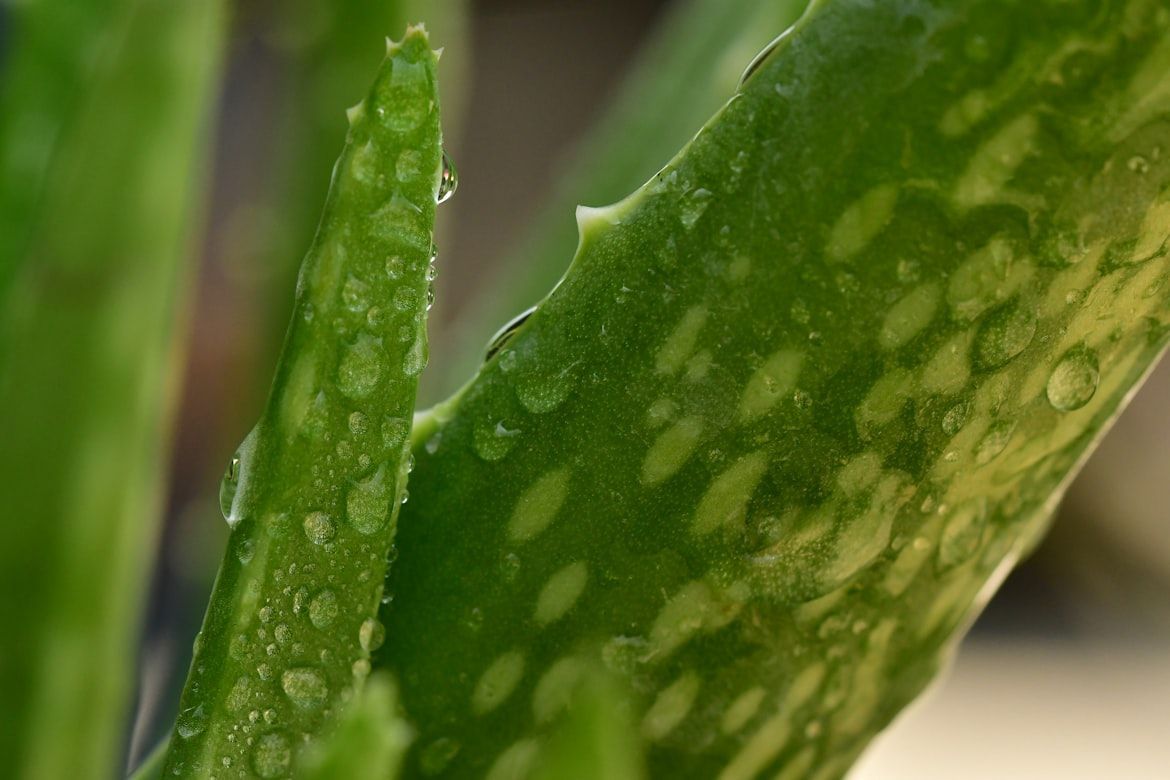
Ancient Egyptians called aloe the "plant of immortality." Its gel cools burns and speeds healing thanks to polysaccharides that promote skin repair.

Clinical use continues for treating minor burns and radiation dermatitis, and it is also commercialized in countless skincare products—making aloe a rare ancient remedy still used almost unchanged.

8

Eucalyptus

Image: David Clode

Australian Aboriginal medicine used eucalyptus leaves to treat coughs and congestion. The compound eucalyptol, found in the leaves’ oil, helps open airways and thin mucus, making breathing easier.

Today, it is a key ingredient in countless cough drops, inhalers, and chest rubs—proof that this ancient remedy still works effectively.

9

Dandelion

Image: Lorenzo Ranuzzi

Extensively used in European folk medicine, dandelion roots and leaves act as mild diuretics and support liver function.

They increase bile flow and help remove toxins—effects confirmed by modern studies on hepatic enzymes. Today, dandelion extract still appears in herbal liver tonics. Additionally, most of the plant is edible, making it a nutritious addition to salads.

10

Foxglove

Image: David Young

In the 18th century, herbalists used foxglove to treat dropsy—a condition often caused by underlying heart failure. Though the plant contains several toxic compounds, it also contains digitalis, a potent cardiac stimulant.

In controlled doses, digitalis helps regulate heart rate, and its refined derivatives, such as digoxin, are still widely used today in the treatment of cardiovascular diseases.



The future is now

Are voice assistants changing the way we speak?


Published on May 4, 2026


Image: BENCE BOROS

For millions of people around the world, voice assistants like Siri, Alexa, and Google Assistant have become part of daily routines, but they are also quietly changing the way we speak. From how we phrase questions to the words we choose, these digital helpers are introducing subtle changes in everyday language. As our use of these devices increases, the amount of time we spend talking to them will likely increase as well. Here are 12 ways voice assistants are influencing the way we communicate.

1

Command-like speech

Image: Cătălin Dumitrașcu

The first and probably most noticeable example of how voice assistants change the way we speak has to do with the shift to more imperative sentences when making requests.

For example, instead of saying, "Can you please set a timer for me?" people now tend to default to concise, direct commands like, "Set a timer for 10 minutes." We use imperative sentences rather than polite or indirect forms.

2

Keyword-driven phrasing

Image: NisonCo PR and SEO

Since voice assistants are, essentially, robots that break up commands into simple concepts to process them effectively, we tend to simplify and rephrase the way we speak by using key terms the assistant is more likely to understand.

For example, instead of saying, "Can you put on something jazzy?" people often default to a concise command like, "Play jazz music."

3

Repetition

Image: Joas van der Eerden

Another common trait when speaking to machines is that we tend to repeat similar structures, since voice assistants do not handle follow-up context as well as humans do.

For example, someone might say, "What’s the weather today? What’s the weather tomorrow?"

4

Slower, clearer enunciation

Image: Kristina Paparo

This is possibly one of the most positive effects on the list. When speaking to a voice assistant, people tend to slow down and articulate more clearly, a habit that sometimes carries over into their regular speech.

For example, someone might deliberately separate words, saying, "Call… Mom," for a clearer enunciation.

5

Pop culture and wake words

Image: Parker Coffman

Wake words—those commands used to "wake up" a voice assistant, such as "Hey Siri" or "Alexa"—are increasingly entering casual conversation and humor.

For example, people might jokingly say, "Okay Google, make me a sandwich," to someone, or, "Hey Siri, can you take the dog out for a walk?"

6

Avoidance of slang or ambiguity

Image: Markus Spiske

Another notable language shift is the tendency to use more formal, literal phrasing when speaking to machines, a habit that sometimes carries over into everyday conversation.

For example, someone might say, "Give me the details," instead of the slangier, "Gimme the deets," when interacting with a voice assistant.

7

Adopting machine-speak for efficiency

Image: Emilipothèse

Even though artificial intelligence is making machine speech more natural, voice assistants do not always accurately interpret the exact meaning of our commands. As a result, people tend to adopt more mechanical, concise speech patterns to communicate more efficiently with these devices.

For example, someone might say, "Add milk to the shopping list," instead of a longer phrasing like, "Can you remind me to buy milk later?"

8

More global English or neutral accents

Image: Clay Banks

Voice assistants typically use a neutral tone, without regional accents. As a result, people with strong accents or regional dialects may adjust their speech toward more "standard" English to be understood.

This can involve modifying pronunciation or vocabulary—for example, saying "elevator" instead of "lift" in certain regions.

9

More direct questions

Image: Buddha Elemental 3D

In line with some of the previous situations, the simplification of commands encourages the removal of hedges and conversational words in favor of more precise, direct questions.

For example, instead of saying, "Do you know how tall Mount Everest is?" someone might simply ask, "How tall is Mount Everest?"

10

Rephrasing after a misunderstanding

Image: Jan Antonin Kolar

People have learned to anticipate how machines interpret language and adjust in real time, demonstrating a growing linguistic adaptability fostered by our interactions with voice assistants.

For example, someone might start by saying, "Call Sam," but then change it to, "Call Samantha, mobile," when they realize the assistant may not understand the initial command.

11

Fewer pronouns or contextual clues

Image: yousef samuil

While casual conversations with humans often rely on pronouns and shared context, voice assistants require more explicit information. Users tend to over-specify to compensate for the assistant’s limited contextual memory.

For example, someone might say, "Send message to John: I’ll be late," instead of the more natural, "Tell him I’m running late."

Looking for an extra scoop of literary fun?

Learn more with our Word of the day

metamorphose

/ˌmɛdəˈmɔrˌfoʊz/