Ancient medicine

Grandma’s secret pharmacy: 10 weird remedies that were actually effective


Published on May 4, 2026


Image: Katherine Hanlon

Before modern medicine, people relied on instinct, herbs, and plenty of trial and error. While many folk remedies were more superstition than science, a surprising number proved to have real medical merit. From moldy bread to leeches, these age-old treatments often concealed a trace of scientific truth beneath their folklore—and in some cases even inspired modern pharmaceuticals.

1

Honey

Image: Benyamin Bohlouli

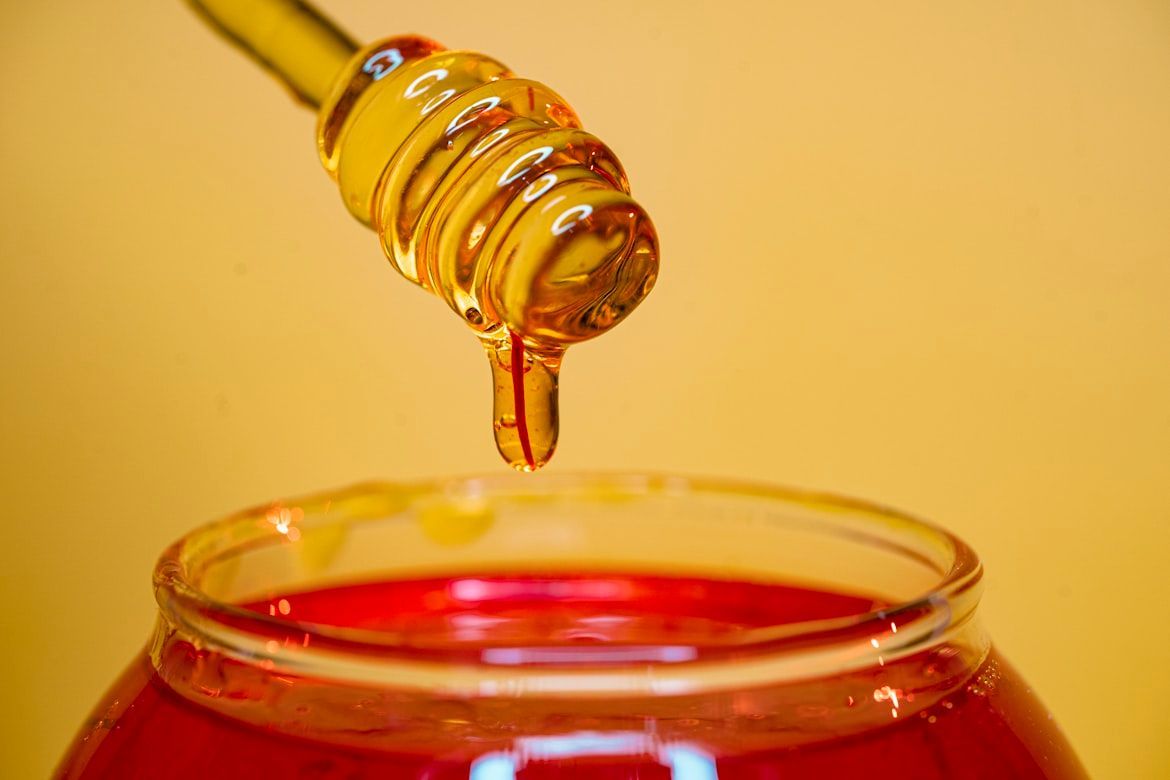
Ancient Egyptians used honey on wounds to prevent infection. Modern studies show that honey’s enzymes produce hydrogen peroxide, giving it antibacterial power. It also helps seal wounds, keeping dirt and bacteria out.

Medical-grade honey is now even used in hospitals for burns and ulcers. Its high sugar content and acidity further dehydrate bacteria, proving why this sweet cure was anything but primitive.

2

Willow bark

Image: Alfred Kenneally

Used for centuries to reduce pain and fever, willow bark contains salicin—the same active ingredient that inspired aspirin.

Once ingested, salicin is converted to salicylic acid in the body, providing anti-inflammatory and analgesic effects. Modern aspirin simply refines this natural process into a convenient pill.

3

Moldy bread

Image: Dmitrii Tarnovski

Thousands of years before Alexander Fleming discovered penicillin, ancient Egyptians were already applying moldy bread to wounds for its antibiotic properties.

The Penicillium mold that grows naturally on stale bread produces compounds that prevent bacteria from forming strong cell walls, causing them to burst. This shows that even something as ordinary as moldy bread can conceal a groundbreaking discovery.

4

Garlic

Image: Matthew Pilachowski

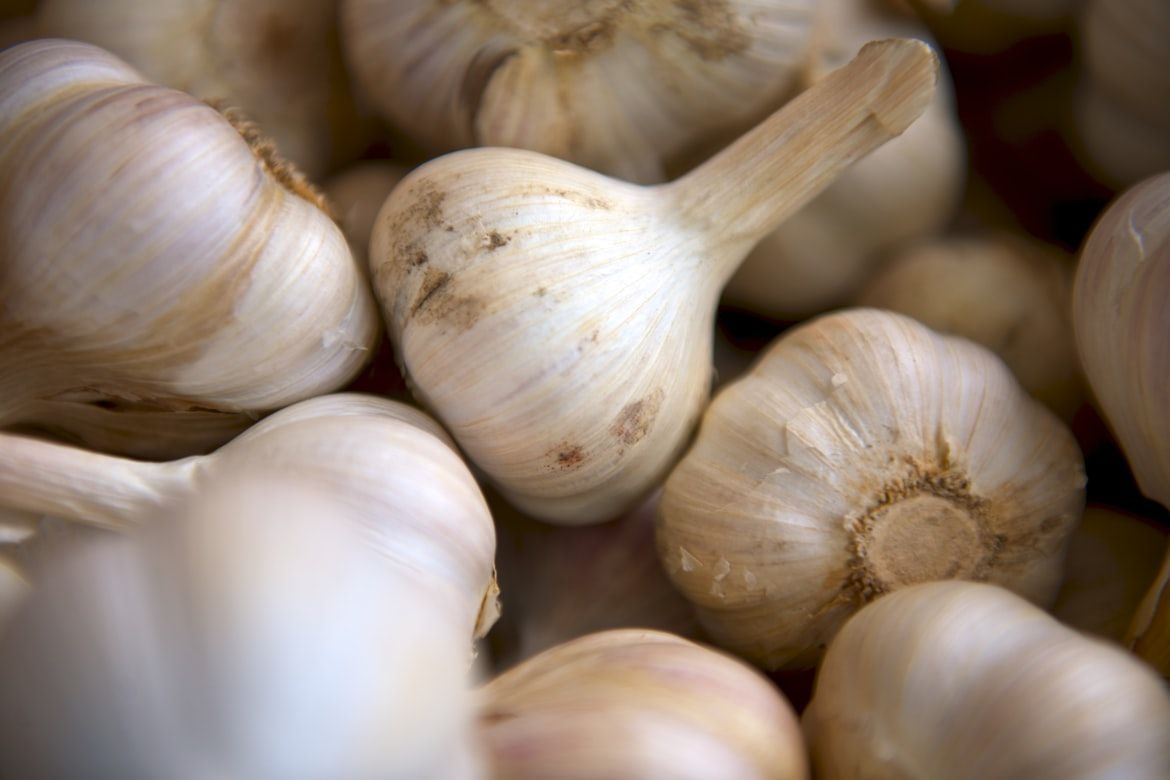
Traditionally, garlic was used to fight infections and parasites. Modern science has revealed that its antimicrobial power comes from allicin—a sulfur compound released when the cloves are crushed.

Much like antibiotics, allicin attacks bacterial cell walls, and studies show that garlic extract can combat E. coli and Staphylococcus strains. However, only raw garlic retains the full medicinal potency of allicin.

5

Leech therapy

Image: Erfan Feizi

Medieval doctors used leeches to "rebalance" the body’s humors—a practice that seems worlds apart from modern medicine. Yet while the explanation behind their use has changed, leeches are still widely employed today in reconstructive surgery to restore blood flow to damaged tissue.

Leech saliva contains hirudin, a natural anticoagulant that prevents clotting and promotes circulation—essential for reattaching severed fingers or performing skin grafts.

6

Turmeric

Image: Dyah Miller

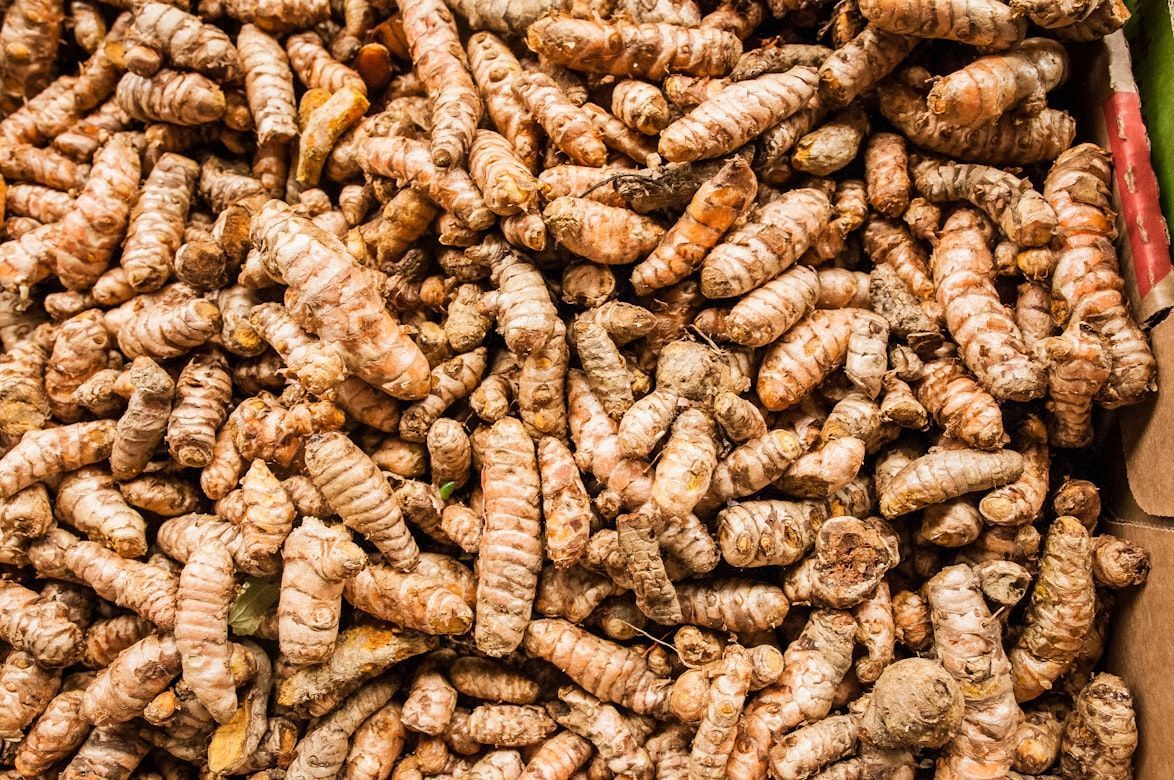
Traditional Indian medicine used turmeric paste to treat wounds and inflammation. Its active compound, curcumin, has strong anti-inflammatory and antioxidant effects.

Curcumin inhibits cytokines, small proteins that trigger swelling and pain, and is so effective that turmeric remains a key ingredient in many modern joint supplements and topical creams.

7

Aloe vera

Image: pisauikan

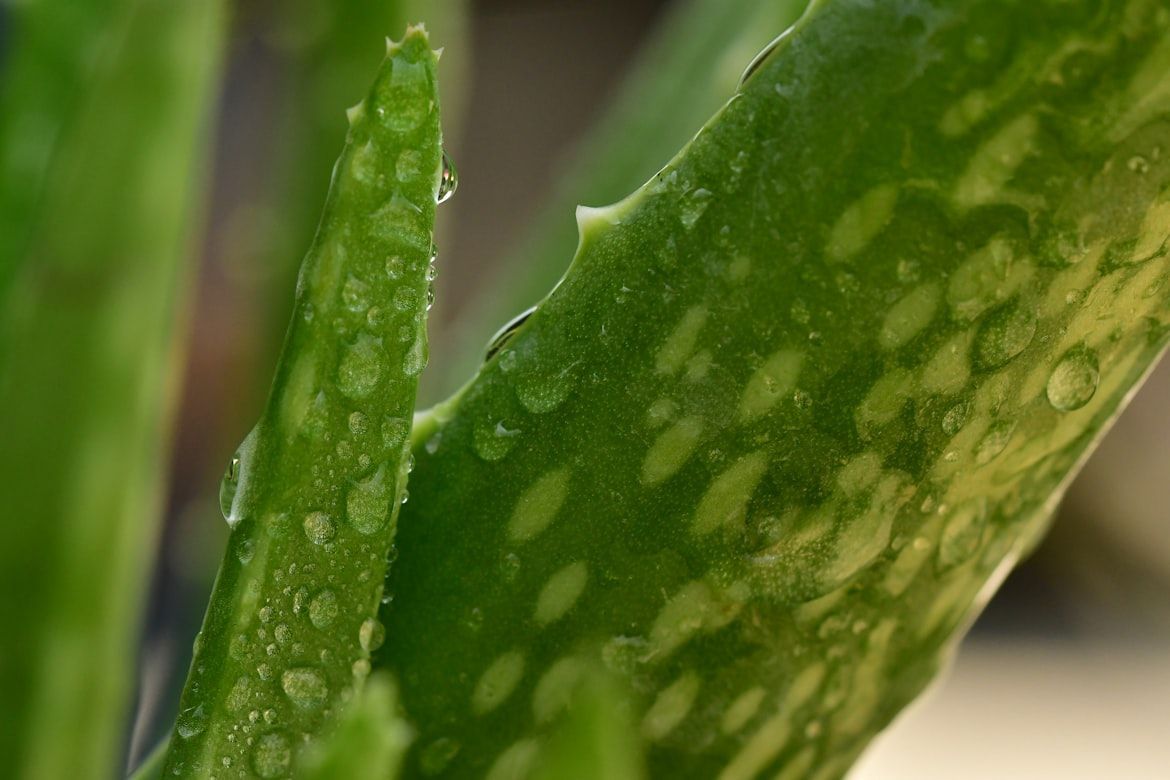
Ancient Egyptians called aloe the "plant of immortality." Its gel cools burns and speeds healing thanks to polysaccharides that promote skin repair.

Clinical use continues for treating minor burns and radiation dermatitis, and it is also commercialized in countless skincare products—making aloe a rare ancient remedy still used almost unchanged.

8

Eucalyptus

Image: David Clode

Australian Aboriginal medicine used eucalyptus leaves to treat coughs and congestion. The compound eucalyptol, found in the leaves’ oil, helps open airways and thin mucus, making breathing easier.

Today, it is a key ingredient in countless cough drops, inhalers, and chest rubs—proof that this ancient remedy still works effectively.

9

Dandelion

Image: Lorenzo Ranuzzi

Extensively used in European folk medicine, dandelion roots and leaves act as mild diuretics and support liver function.

They increase bile flow and help remove toxins—effects confirmed by modern studies on hepatic enzymes. Today, dandelion extract still appears in herbal liver tonics. Additionally, most of the plant is edible, making it a nutritious addition to salads.

10

Foxglove

Image: David Young

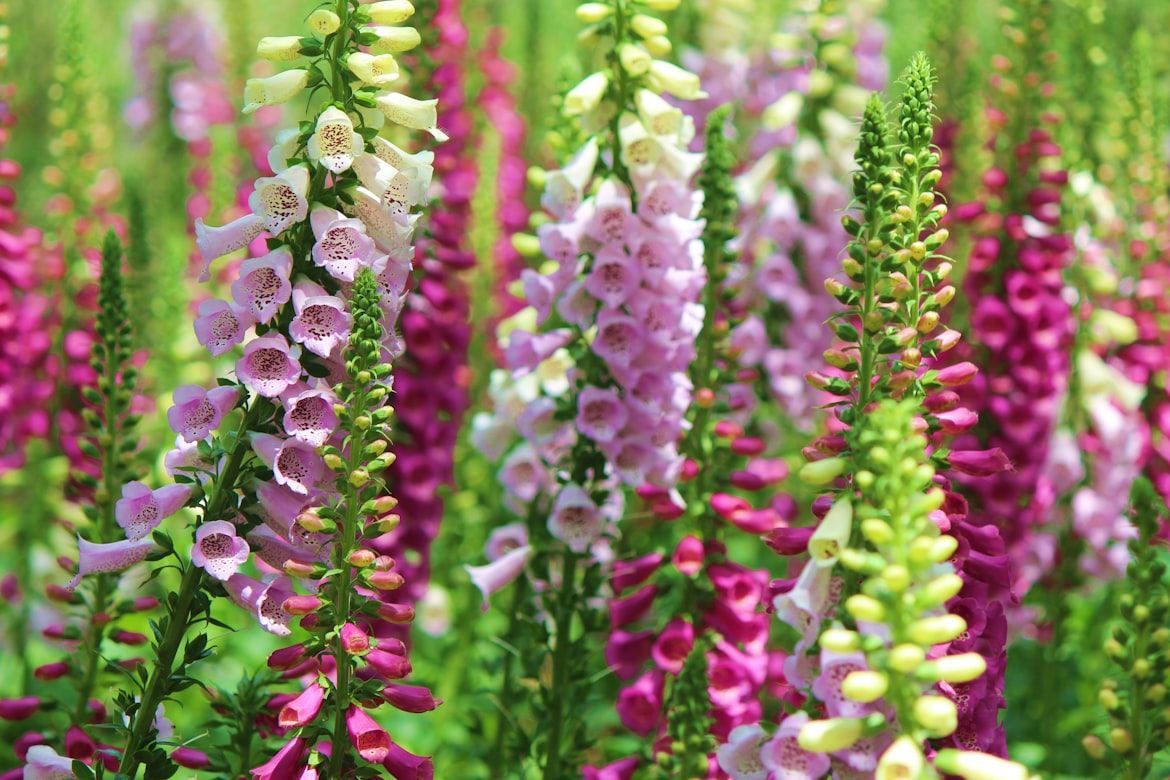
In the 18th century, herbalists used foxglove to treat dropsy—a condition often caused by underlying heart failure. Though the plant contains several toxic compounds, it also contains digitalis, a potent cardiac stimulant.

In controlled doses, digitalis helps regulate heart rate, and its refined derivatives, such as digoxin, are still widely used today in the treatment of cardiovascular diseases.


Mayday! Mayday!

Airport lingo 101: Learn the meaning of 10 commercial aviation codes


Published on May 4, 2026


Image: Erik Odiin

Airport codes, numbers, and technical lingo might seem arcane or even random at first glance, but most have surprisingly logical origins. From international abbreviations to behind-the-scenes terms used by airport staff, there’s a whole coded world buzzing around your flight. Let’s unpack 10 of the most widely used ones.

1

IATA airport codes

Image: Nicole Geri

IATA airport codes are those three-letter codes you see on tickets and baggage tags, like LAX for Los Angeles or JFK for New York. They're set by the International Air Transport Association (the aforementioned IATA).

These codes often reflect the airport’s name or location, but not always. Some are not as obvious, like ORD for Chicago O’Hare, which comes from its previous name: Orchard Field.

2

UN/LOCODEs (Trade and Transport Locations)

Image: CHUTTERSNAP

A relative of the IATA airport codes, UN/LOCODEs are five-character codes used in global trade and transport. They combine a two-letter country code with a three-letter location code, like USLAX for Los Angeles in the U.S.

These codes help standardize locations in shipping, logistics, and customs. You might not see them as often as airport codes, but they’re essential behind the scenes in moving goods worldwide.

3

Airport Terminal and Gate codes

Image: George Kourounis

Airport terminal and gate codes help guide you through the airport. A sign like T1-G12 means Terminal 1, Gate 12.

Each airport has its own layout, so the letters and numbers can vary. Some use concourses (like B42), while others just number gates.

4

Runway designators

Image: Eduardo Cano Photo Co.

Runway designators are those numbers you see at each end of an airport runway, like 09/27. They’re based on compass directions. For example, 09 means 90°, or east, and 27 means 270°, or west.

If there are parallel runways, you’ll see letters too, like L for left or R for right (e.g., 09L/27R).

5

Airline and flight number codes

Image: Matthew Smith

Airline and flight number codes help identify specific flights, like AA100 for American Airlines Flight 100. The first part is the airline’s IATA code, followed by a number assigned to the route.

These codes are used in schedules, boarding passes, and announcements.

6

A-CDM codes (Airport Collaborative Decision Making)

Image: Nicholas Jeffries

A-CDM codes are used at airports to help controllers and pilots work together smoothly using universal directives. They stand for Airport Collaborative Decision Making.

Some examples of these kinds of codes are TOBT (Target Off-Block Time) and TSAT (Target Start-up Approval Time), which help coordinate when planes should push back or start engines.

7

METAR/TAF airport codes (for weather reports)

Image: Gurwinder Singh

METAR and TAF codes use ICAO airport codes to report weather conditions for pilots and flight crews. For example, EGLL is used in METAR reports for London Heathrow.

These reports include info like wind, visibility, and temperature. METARs show current weather, while TAFs give forecasts.

8

Baggage tag codes

Image: Dimitri Karastelev

Baggage tag numbers and codes are the barcodes that are attached to the luggage when it is checked. They usually include the airport's IATA code, like LAX123456, to help route the bag correctly.

These tags let airports and airlines track bags from drop-off to arrival.

9

Flight status

Image: David

Flight status codes are seen on airport screens, like ON TIME, DELAYED, or BOARDING, to keep passengers updated. They’re simple but super helpful when you’re rushing to your gate.

Other codes can be spotted, like DEP (Departed), ARR (Arrived), ETA (Estimated Time of Arrival), and GATE CLOSED.

10

Flight number

Image: CardMapr.nl

Flight numbers help identify each flight and usually include four or five digits after the airline code. These numbers aren’t random: they often reveal details like the route, destination, or flight type.

For example, Lufthansa uses 400s for North America and 900s for Asia. Some airlines even assign numbers based on the country of origin.

Looking for an extra scoop of literary fun?

Learn more with our Word of the day

seminal

/ˈsɛmən(ə)l/