Discovering the origins
Good old days: The hidden stories behind 10 phrases we still use today
Published on May 22, 2026

"Call it a day," "Rome wasn’t built in a day," or "save it for a rainy day" are just some of the phrases you've used your whole life. But where did they actually come from? And what did they mean at the beginning? These everyday sayings may sound simple or ordinary, but each one carries a surprisingly rich history. For centuries, people have used the idea of a "day" to talk about work, time, patience, and life itself, long before any of us ever said them at the office or at the family dinner. Here, we explore the true origins and meanings behind 10 of the most familiar "day" idioms you still hear and say today.
Call it a day

You woke up on a Saturday, got things done around the house, worked out, went grocery shopping, cooked a nice meal, and finally sat down to watch your show. That’s when you can finally "call it a day." Today, it’s a simple way to say you’re done, but the phrase was a bit different in the 19th century.
In 1838, American author Joseph C. Neal wrote his Charcoal Sketches: Or, Scenes in a Metropolis, where a character says, "I’ve a great mind to knock off and call it half a day." Back then, when work shifts could last 12 to 16 hours, the line was taken quite literally. Over time, the "half" disappeared, and the phrase expanded beyond factories and long workdays. By the early 1900s, and appearing in newspapers by around 1920 in both the US and UK, it had become the everyday expression we use today.
The good old days

Do you ever feel like the past was better? You’re not alone; people have always tended to idealize earlier times.
A clear example is the phrase "the good old days," which actually traces back to the Bible, in Ecclesiastes 7:10: "Do not say, ‘Why were the old days better than these?’" Much later, in 1727, Daniel Defoe, author of Robinson Crusoe (1719), used a form much closer to what we say today in The Complete English Tradesman, contrasting the steady work habits of earlier generations with the faster-paced life of his time.
Rome wasn't built in a day
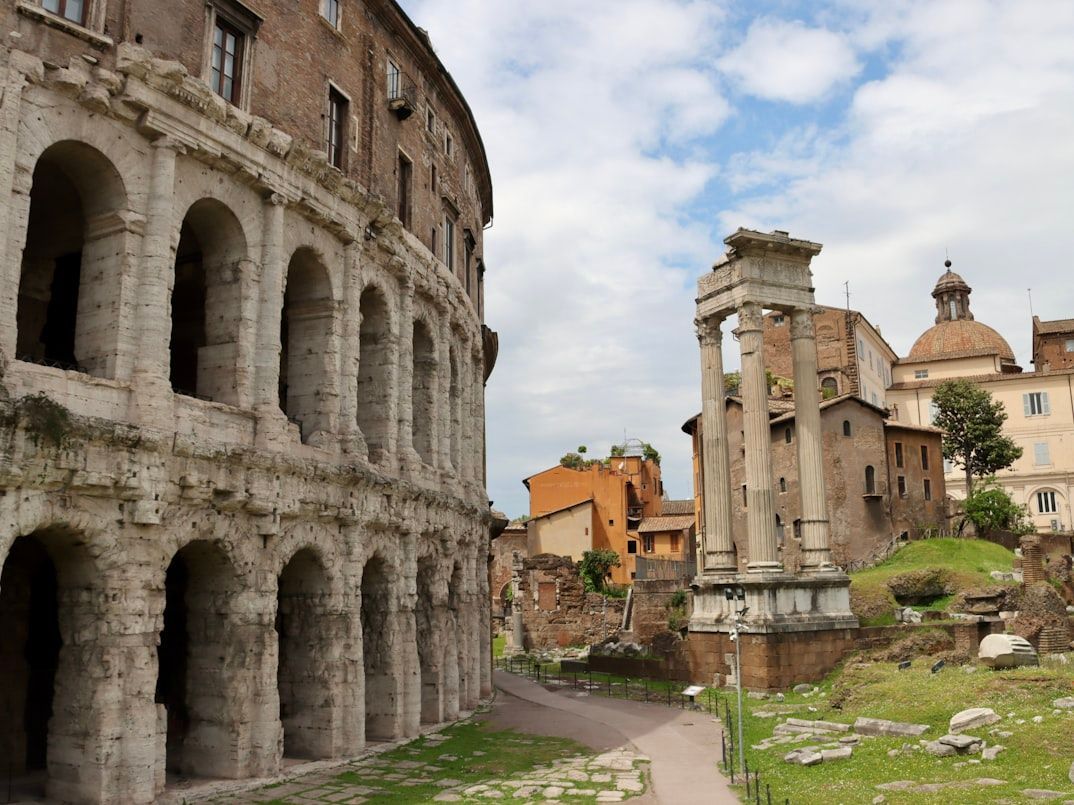
Whenever you feel impatient and want to get everything done in a single afternoon, there’s always someone ready to remind you: "Rome wasn’t built in a day." It’s useful advice today, but it actually goes back to medieval times.
Its earliest known written record dates to 1190, in the French collection of poems Li Proverbe au Vilain (The Proverbs of the Common Man) by an anonymous cleric, where it appears as Rome ne fu[t] pas faite toute en un jour ("Rome was not made all in one day"). Back then, many of Ancient Rome’s walls, aqueducts, and monuments were still standing, so the city’s greatness was something people could still see and admire. No wonder the phrase stuck; it was a strong reminder that good, lasting things take time.
Save it for a rainy day
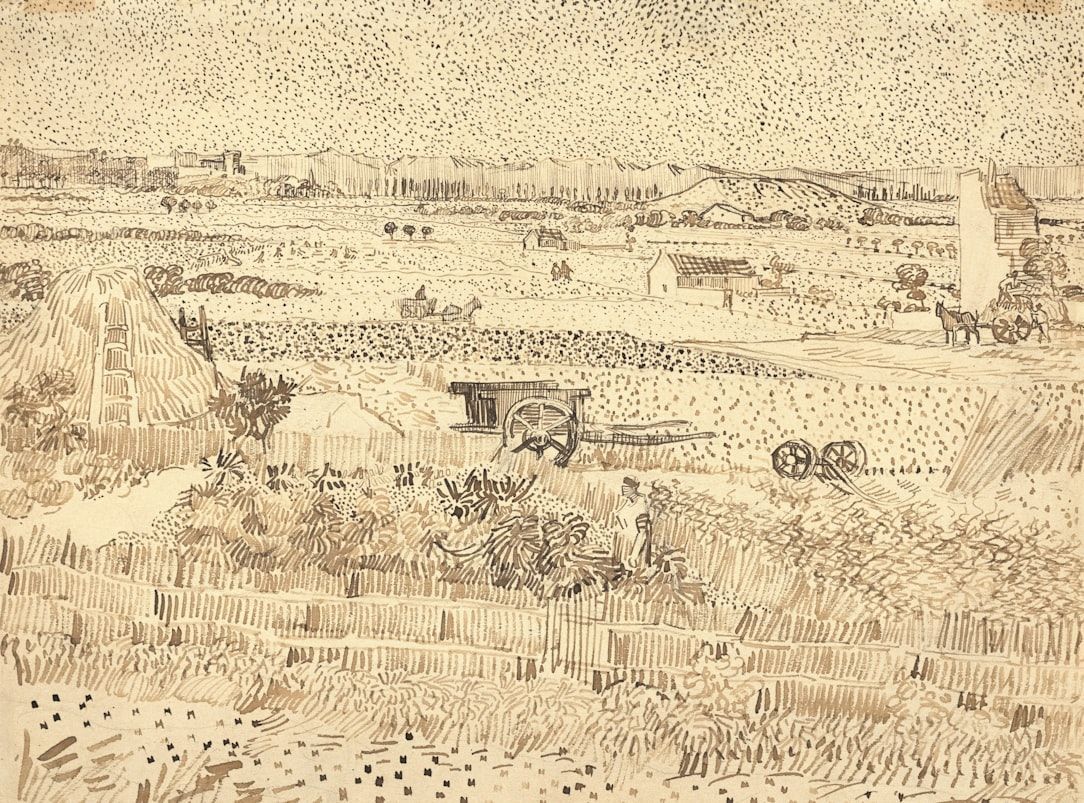
Your parents probably said it to you when talking about money: "Save it for a rainy day." Today, we use it as simple advice for saving and being financially responsible, no matter the weather. But back then, it had a much more literal meaning.
In mid-16th-century Britain, where farming was the main source of work and food, weather could make or break daily life. A little rain helped crops grow, but too much could stop work entirely and ruin harvests. It’s in this context that the phrase emerged. One of its earliest recorded uses appears around 1561 in The Bugbears (a translation of the Italian work La Spirita): "Would he have me keep nothing for a rainy day?"
Day in and day out

Many people today would say they’ve worked "day in and day out" to support their families. It’s such a familiar phrase that we rarely stop to think that someone said it for the first time once.
The expression developed from 16th–17th century British English, where writers often used repeated patterns like "night and day" or "again and again" to emphasize constant, daily actions. "Day in and day out" grew out of this same style, meaning something happening every single day without a break. It was later recorded and described as a colloquial expression in the early 19th century, in William Carr’s linguistic study The Dialect of Craven (1824, 1828).
Every dog has its day
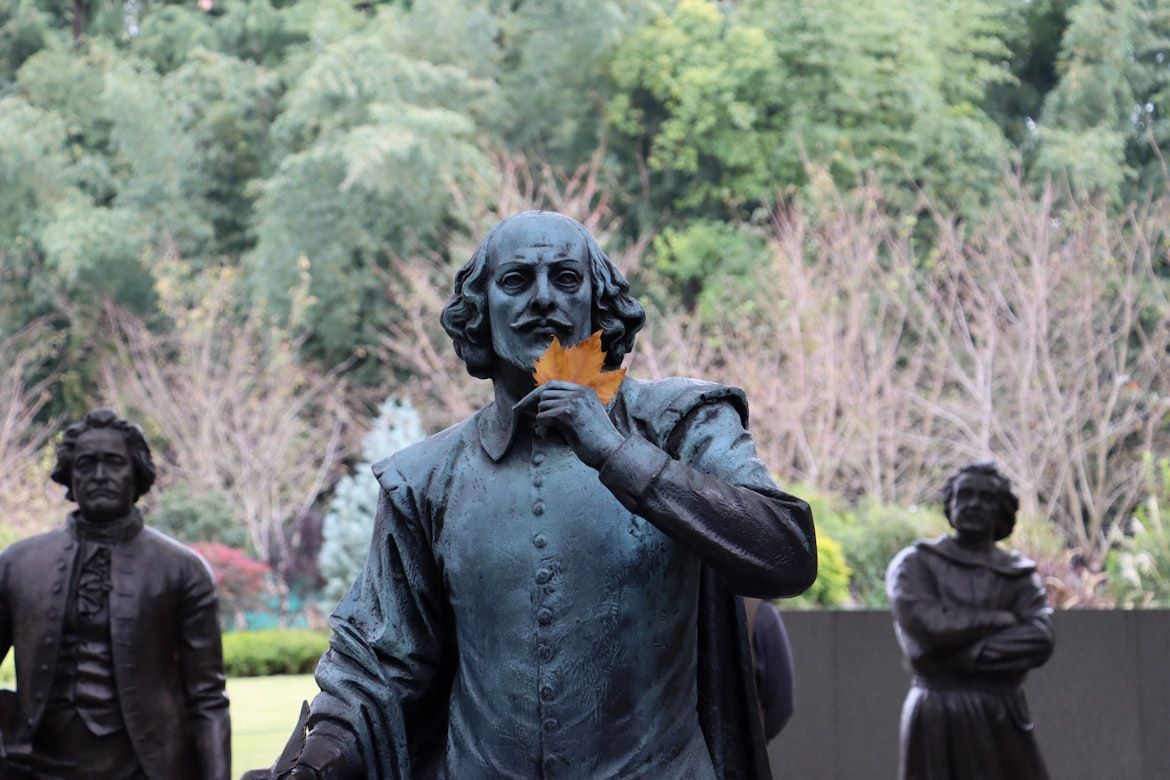
Maybe your favorite team went through a long losing streak, but after weeks or seasons of frustration, the win finally arrived. That’s when people say, "Every dog has its day." Everyone, no matter their situation, eventually gets a moment of success.
The phrase is often linked to Renaissance scholar Desiderius Erasmus, who included collections of ancient proverbs in his Adagia (1500). One story traces the idea back to 406 BCE, when the playwright Euripides, visiting Macedonia, was attacked by dogs and unable to defend himself. In that early context, the phrase carried a darker tone, closer to inevitable downfall or vulnerability than success. By the early 1600s, William Shakespeare helped popularize it in Hamlet, already close to today’s sense: "The cat will mew, and dog will have his day," meaning even the overlooked eventually get their turn.
Clear as a day
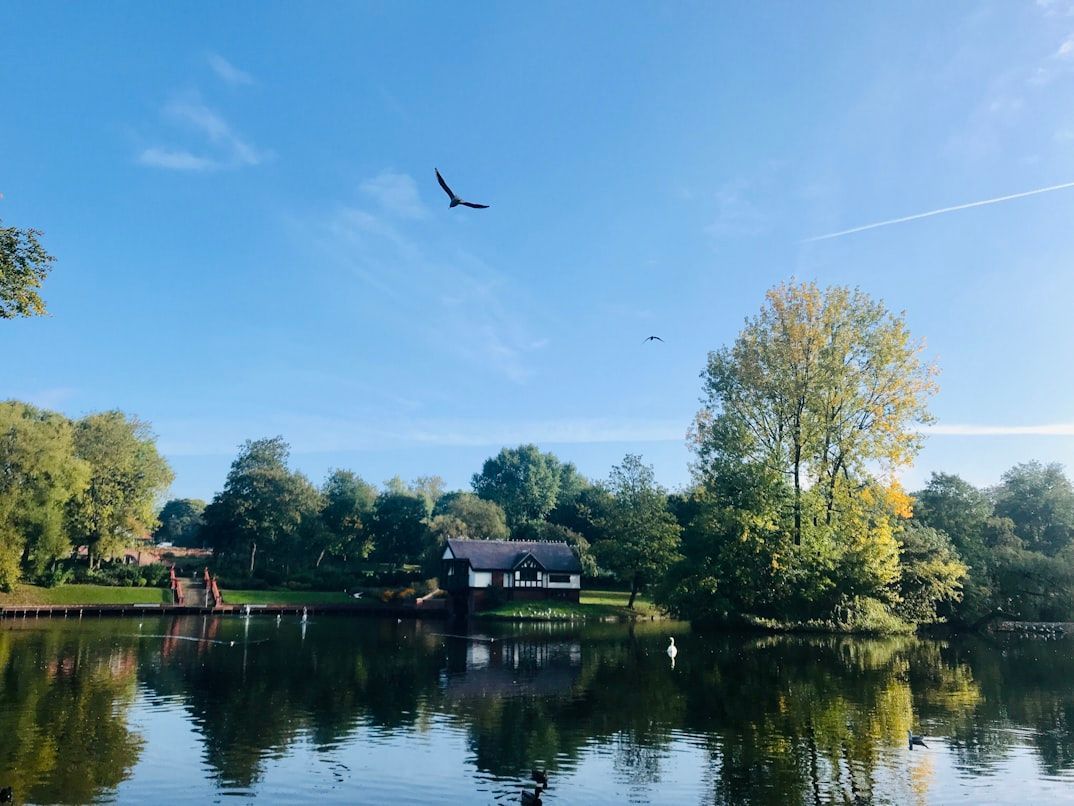
When something is so obvious that it can’t be denied or twisted, we say it’s "clear as day." But do you know where this idiom comes from?
Although there’s no exact date or single author to trace it back to, the phrase likely began as a literal comparison. According to historical sources, this expression was already in use in spoken English by the 14th century, when visibility depended heavily on natural light; a clear day meant everything could be seen plainly and without doubt. By the 16th and 17th centuries, it appears in writing in similar forms such as "as clear as the sun" or "as plain as daylight."
Days are numbered
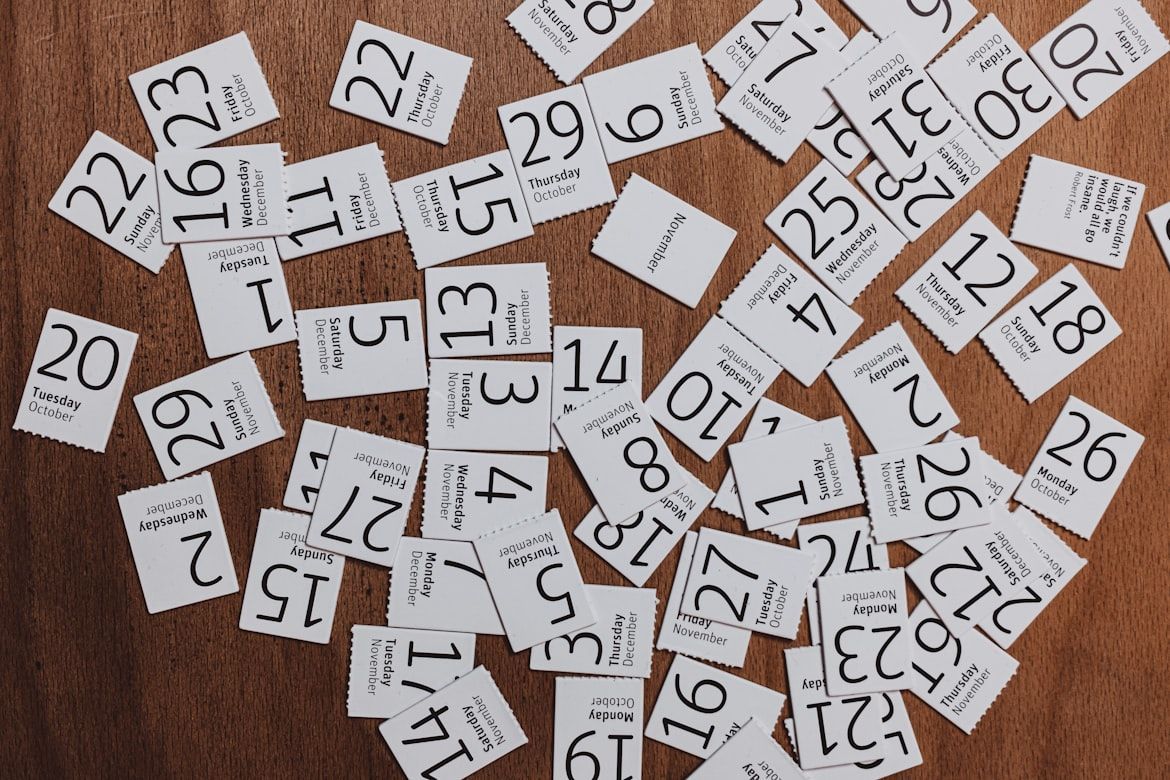
If your car starts making strange noises, breaking down more often, or leaving you stranded, you might say "its days are numbered."
Today, we use that phrase to mean something is nearing its end, but its roots go back much further. It appears in the Bible, most notably in Daniel 5:26: "God hath numbered thy kingdom and finished it." While the idea is ancient, the expression didn’t take on its modern, everyday use until the 17th century. Over time, many religious phrases gradually became part of daily speech, often losing their original context. According to Merriam-Webster, "days are numbered" became widely used in its current sense by the late 1800s.
Day in the sun

When a coworker finally gets the credit deserved after years of hard work, you might say he or she finally had a "day in the sun."
Today, the phrase means a moment of glory or recognition, and it traces back to the Latin dies solis ("day of the sun"), which referred to Sunday, the day on which the sun god was revered. In Old English, this became Sunnandæg, associated with periods or moments of light and warmth. Over time, that sense of brightness and visibility took on a more figurative meaning, coming to represent a person’s moment in the spotlight, a brief time of success.
Red-letter day

Most of us have had one: a graduation, a wedding, the first day of a dream job. Moments like these are what we call a "red-letter day." But why?
The expression goes back to the 1400s, when churches marked important holy days in red ink on their calendars. What began by hand later appeared in early printed calendars, and was firmly established with the Book of Common Prayer in 1549, where special dates were printed in red. Over time, the idea moved beyond religion. A "red-letter day" came to mean any date worth remembering; bright, important moments that stand out.