PRESIDENTIAL TALES

From skinny-dipping to modeling: 10 little-known Presidential facts


Published on February 29, 2024


Image: National Archives and Records Administration

Presidents of the United States are often expected to be larger-than-life—sort of superhuman—personalities, leading the nation with gravity and responsibility. However, just like anyone, they have normal lives, peculiar interests, and sometimes even intriguing personal backstories.

From unconventional hobbies to surprising personal struggles, here are 10 U.S. Presidents with untold tales that might just reshape the way you perceive these historical figures.

1

Wrestling Prowess

Image: Provincial Archives of Alberta

Abraham Lincoln, the 16th U.S. President, wasn't just known for his eloquent speeches and great leadership during the Civil War. Surprisingly, "Honest Abe" was also a very skilled wrestler in his younger days. With over 300 matches under his belt, Lincoln only ever lost one, earning him a reputation as a formidable opponent in the ring.

2

The White House Zookeeper

Image: Nikolay Tchaouchev

While Calvin Coolidge may be mostly remembered for his quiet demeanor, his private life revealed a different side. Coolidge had a penchant for unusual pets, and during his stay at the White House, he turned it into a mini zoo. Besides many other more conventional pets, he owned two raccoons, a donkey, a bobcat, several lion cubs, a Pygmy hippopotamus, a wallaby, a duiker, an antelope, a black bear, and 13 Pekin ducks. Quite the exotic collection!

3

An Extraterrestrial Encounter

Image: Albert Antony

In 1969, years before becoming the 39th President, Jimmy Carter reported a UFO sighting in Georgia. He described seeing a bright light in the night sky that changed colors before disappearing. A few years later, Carter even filed an official report with the International UFO Bureau, making him the only U.S. President to document a personal encounter with unidentified flying objects.

4

Distillery Side Hustle

Image: Dylan de Jonge

Known as the "Father of His Country", George Washington had a side hustle that might surprise many. In 1799, he became one of the largest whiskey producers in the United States, operating a distillery on his Mount Vernon estate. Washington's distillery produced nearly 11,000 gallons of whiskey in 1799 alone. Despite this, Washington was a strong proponent of moderation, knowing well the dangers of drinking alcohol in excess.

5

The Boxing Champion

Image: Austrian National Library

Beyond his many political achievements, Teddy Roosevelt was an avid boxer throughout his life. He kept a boxing gym in the White House and sparred with various aides and diplomats.

While he embraced vigorous physical activities as a means of fighting various health issues, he was occasionally injured. He reportedly lost sight in one eye due to a detached retina from a particularly intense boxing match with a military aide, proving that he truly embodied his maxim: Speak softly and carry a big stick.

6

A Skinny-Dipping Habit

Image: Tyler Palmer

John Quincy Adams, the 6th President, had an unconventional daily routine. He was known for skinny-dipping in the cold waters of the Potomac River every morning, believing it invigorated both his body and mind. At the time, it wasn’t odd to bathe naked in a river, but his doctor wasn’t fully convinced of the health benefits of his peculiar practice. However, Adams staunchly defended his right to do so, and sometimes even invited family members or political acquaintances to join him in the Potomac.

7

A Short Modeling Stint

Image: Gerald R. Ford Presidential Library

Before entering politics, Gerald Ford left his mark in the fashion industry. In his late twenties, he worked as a model, even appearing on the cover of Cosmopolitan in 1942. Ford's modeling career was short-lived, as a few years later he would start campaigning in local Republican politics, but it adds an unexpected layer to the image of the 38th President.

8

The Gifted Musician

Image: Dolo Iglesias

Often remembered for his shortcomings—like the Watergate scandal—Richard Nixon had a hidden musical talent: playing the piano. Reportedly, he was an accomplished pianist, even performing with the likes of Pearl Bailey and Jack Benny. Behind his political mask, he was an intelligent and sensitive man, and while his musical abilities were overshadowed by his political career, it shows that there’s always more to a person than meets the eye.

9

Presidential Polyglot

Image: Alicia Razuri

Thomas Jefferson, 3rd U.S. President and one of the most influential political figures in the history of our country, was known for being proficient in several languages, including French, Italian, Spanish, and German. He was interested in linguistics and studied ancient languages like Latin, Greek, and even Old English. Documents found posthumously in his library suggest that he was also interested in Arabic, Irish, and Welsh, but it is unknown how proficient he was in those languages.

10

A Committed Life-saver

Image: Camille Brodard

Before Ronald Reagan entered politics, he worked as a lifeguard, saving 77 lives during his seven summers on duty. He even saved a little girl from drowning while serving as Governor of California! Reagan's transition from lifeguard to Hollywood actor eventually paved the way for his political career, proving that even the most unexpected career paths can lead to the highest office.

From the U.S. to the world

From "guy" to "OK": 12 Americanisms that spread around the world


Published on February 29, 2024


Image: Markus Krisetya

American English has influenced global vocabulary for more than a century through movies, advertisements, literature, music, businesses, and technology. Some words that began as distinctly American expressions eventually became common almost everywhere, even in places where English is not an official language. From casual slang to everyday terms for housing, transportation, and anything you can think of, these 12 Americanisms have crossed oceans and cemented themselves into the daily speech of dozens of countries.

1

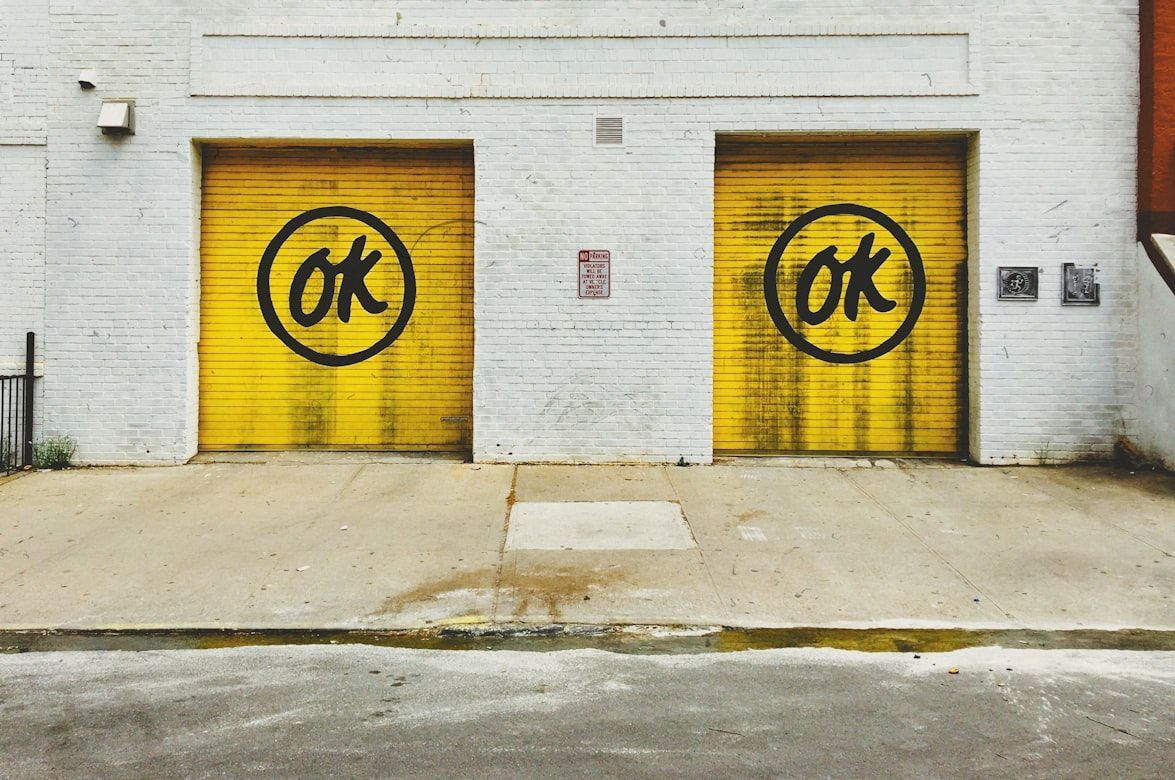
OK

Image: STEPHEN POORE

"OK" may be the most successful American word ever exported. It first appeared in print on March 23, 1839, in the Boston Morning Post, where editor Charles Gordon Green jokingly abbreviated "oll korrect," a humorous misspelling of "all correct."

The term exploded nationally during the 1840 U.S. presidential campaign of Martin Van Buren, nicknamed "Old Kinderhook" after Kinderhook, New York. Today, "OK" is used almost everywhere on Earth.

2

Teenager

Image: Simon Maage

The word "teenager" became popular in the U.S. during the 1940s, especially through advertising and youth marketing. Earlier generations did not usually view adolescence as a separate social category the way modern culture does.

American magazines, fashion brands, and music companies helped spread the idea worldwide after World War II. Publications such as Seventeen magazine and Hollywood films helped establish the teenager as a distinct cultural identity across Europe and beyond.

3

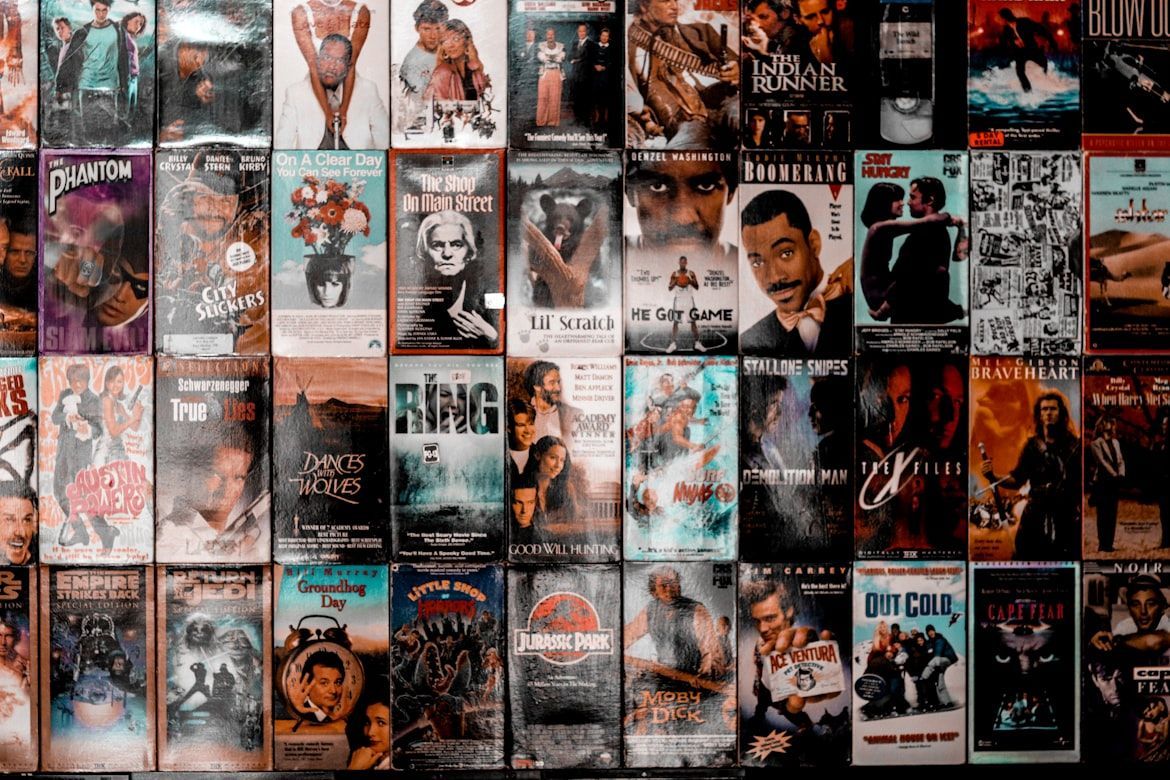
Movie

Image: Tyson Moultrie

"Movie" emerged in the U.S. around 1912 as a shortened version of "moving picture." Americans favored the informal nickname, while Britain and some other countries kept preferring "film" or "cinema."

Hollywood’s rise during the 20th century carried the term across the globe. By the 1930s and 1940s, millions of people worldwide were watching American "movies," and the word became internationally recognizable even in places where local terms still existed.

4

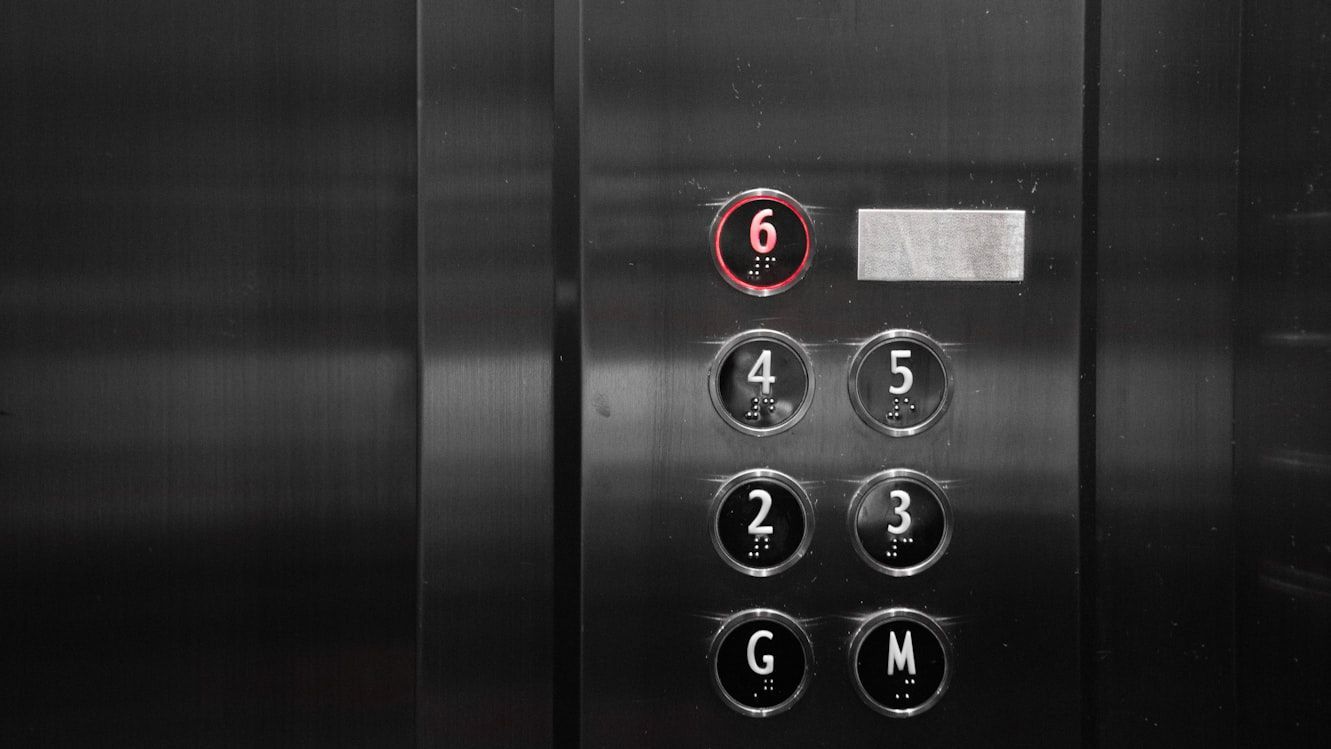
Elevator

Image: Arisa Chattasa

Americans popularized the word "elevator" for the vertical lift system invented in the 19th century. In Britain, the same machine became known as a "lift," but American terminology spread internationally through U.S. companies and skyscraper culture.

The word gained prominence after inventor Elisha Otis demonstrated a safe passenger elevator in New York City in 1854 at the Crystal Palace Exhibition. As American-style office towers spread worldwide during the 20th century, so did the "elevator."

5

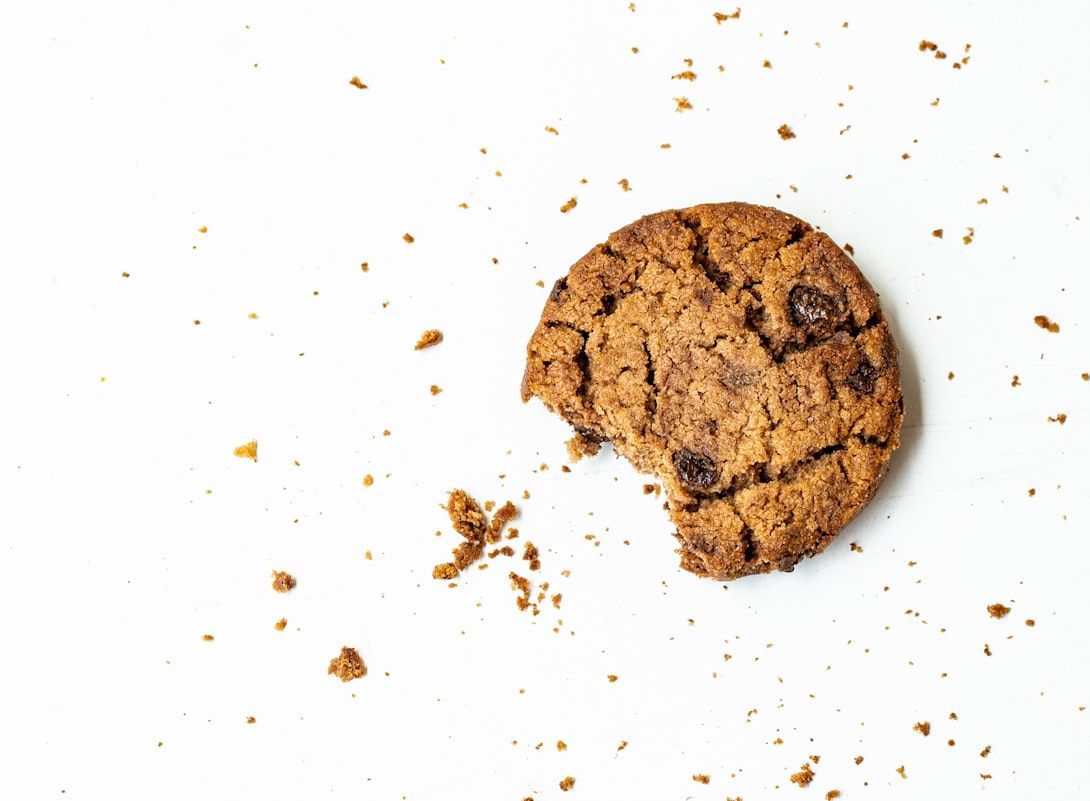
Cookie

Image: Vyshnavi Bisani

The American word "cookie" comes from the Dutch word koekje, meaning "little cake." Dutch settlers brought the term to New Amsterdam, later renamed New York, during the 1600s. Over time, Americans adopted it as the standard word for sweet baked treats.

Britain traditionally used "biscuit," but American culture helped spread "cookie" globally through packaged snacks, television advertising, and brands like Oreo and Chips Ahoy! Today, both terms are recognized internationally, often with slightly different meanings.

6

Apartment

Image: Huy Nguyen

"Apartment" became the dominant American term for a rented residential unit during the late 19th century as cities like New York and Chicago rapidly expanded upward with multi-family buildings.

British English traditionally favored "flat," but "apartment" spread internationally through American real-estate marketing, television, and films. Luxury developments worldwide now commonly advertise "apartments," even in countries where local words exist.

7

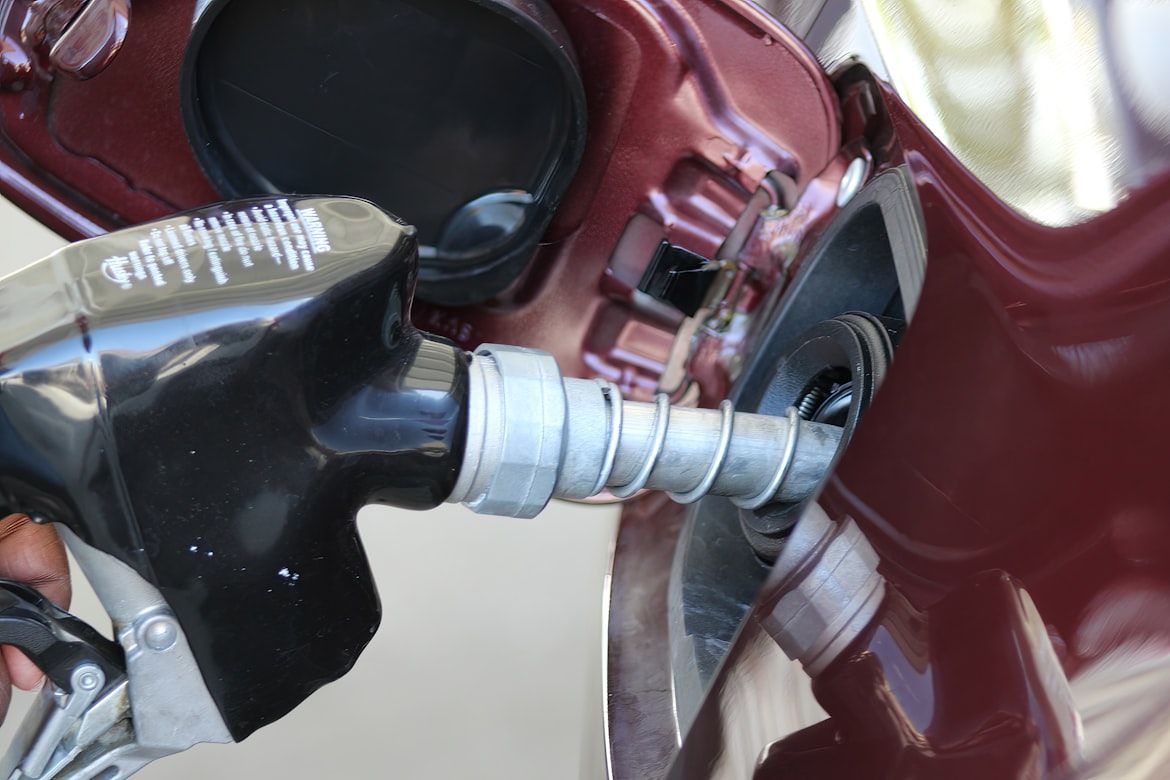
Gas

Image: Dawn McDonald

Americans shortened "gasoline" to simply "gas" in the early automotive era of the 1900s. The rise of Ford, General Motors, and America’s highway culture helped export the term globally alongside U.S. car culture.

While many countries still prefer "petrol," travelers almost anywhere understand "gas station." American road movies, music, and television helped cement the term in international vocabulary.

8

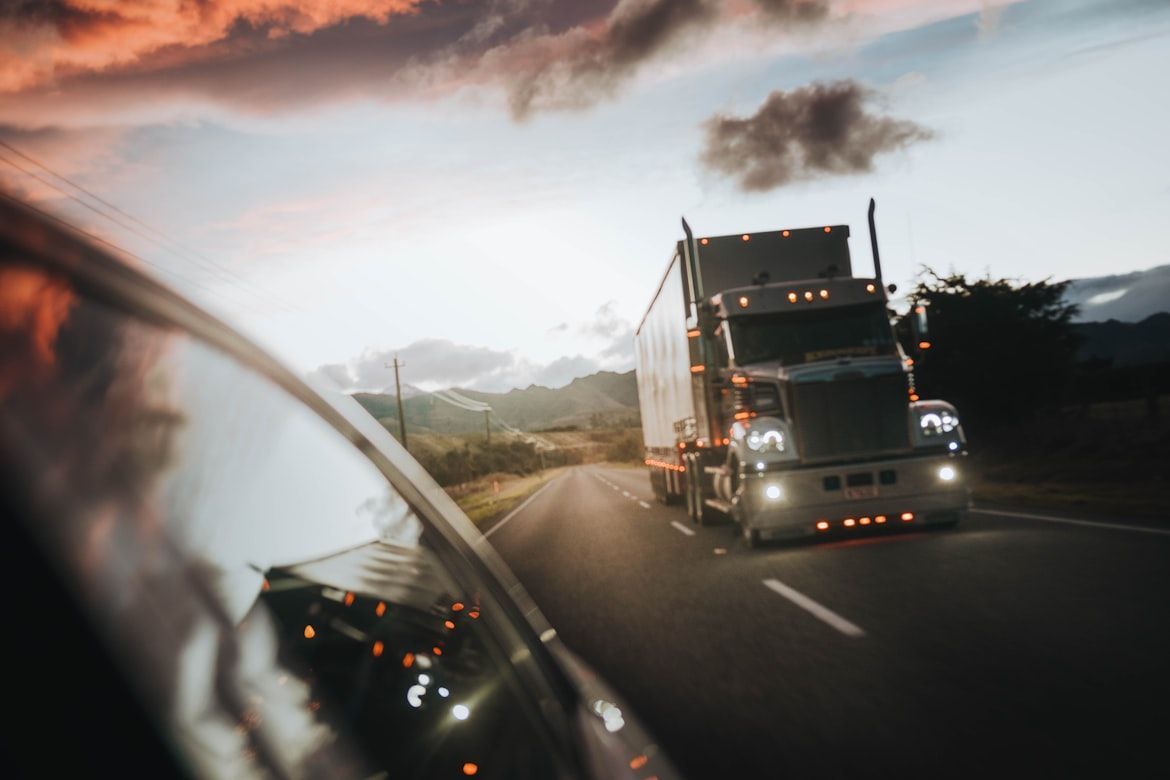
Truck

Image: Josiah Farrow

The American word "truck" replaced the older freight term during the industrial boom of the late 1800s and early 1900s. In Britain, the same vehicle is usually called a "lorry," but American English has spread widely through commerce and manufacturing.

As American trucking companies, military vehicles, and exports became globally visible after World War II, "truck" entered everyday speech in many countries. Today, international brands from Toyota to Mercedes often market "pickup trucks" using the American term.

9

Sidewalk

Image: Tim Photoguy

Americans adopted "sidewalk" during the 18th and 19th centuries to describe paved pedestrian paths beside the streets. British English preferred "pavement," but U.S. urban terminology spread through engineering, mapping, and popular culture.

The term became especially associated with American city life in places like New York and Los Angeles. Jazz songs, movies, and Broadway culture helped introduce "sidewalk" to international audiences during the 20th century.

10

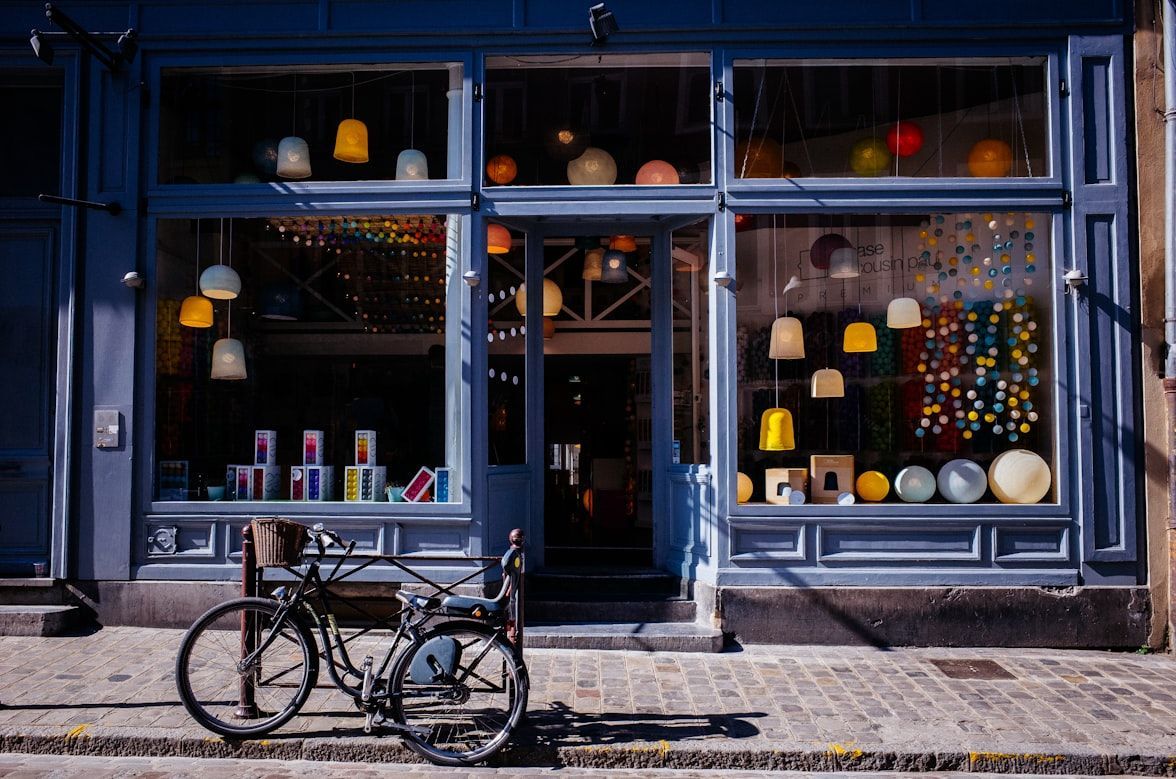
Store

Image: Tem Rysh

"Store" became the standard American word for a retail shop during the country’s commercial expansion in the 1800s. Britain traditionally favored "shop," but American business culture later spread "store" internationally.

Department stores such as Macy’s, founded in New York in 1858, and later chains like Walmart and Target helped popularize the term worldwide. Today, many countries use both "shop" and store, often interchangeably.

11

Vacation

Image: Chen Mizrach

The U.S. popularized "vacation" as the standard word for leisure travel and time away from work. The term comes from the Latin vacatio, meaning freedom or exemption from duty, but gained especially strong impulse and use in the U.S. during the late 19th century.

British English prefers "holiday," yet "vacation" has spread globally through American tourism, airlines, and entertainment. Expressions like "summer vacation" became internationally familiar thanks to movies, television, and school-related American culture.

12

Guy

Image: Brooke Cagle

"Guy" originally referred to Guy Fawkes, the English conspirator involved in the failed Gunpowder Plot of 1605. In Britain, "guy" first described strange-looking figures burned during Bonfire Night celebrations.

Americans later transformed the word into an informal term for a man, and eventually for groups of people in general, as in "you guys." Hollywood films, television sitcoms, and everyday American speech helped spread this casual usage worldwide.

Looking for an extra scoop of literary fun?

Learn more with our Word of the day

frightful

/ˈfraɪtf(ə)l/