From medicine to sustainability: The 10 most shocking recent discoveries


Published on September 8, 2026

Image: Tara Winstead

Science moves so fast that you probably haven't heard that cancer can now be detected with a simple blood test or that you can choose the color of a baby's eyes before in vitro fertilization. Some of these breakthroughs are controversial, while others represent extraordinary progress in preventing disease and in fighting pollution. Here are some of the most fascinating recent scientific discoveries that you may not know about. Come join us!

1

Cancer could be detected with a simple blood test
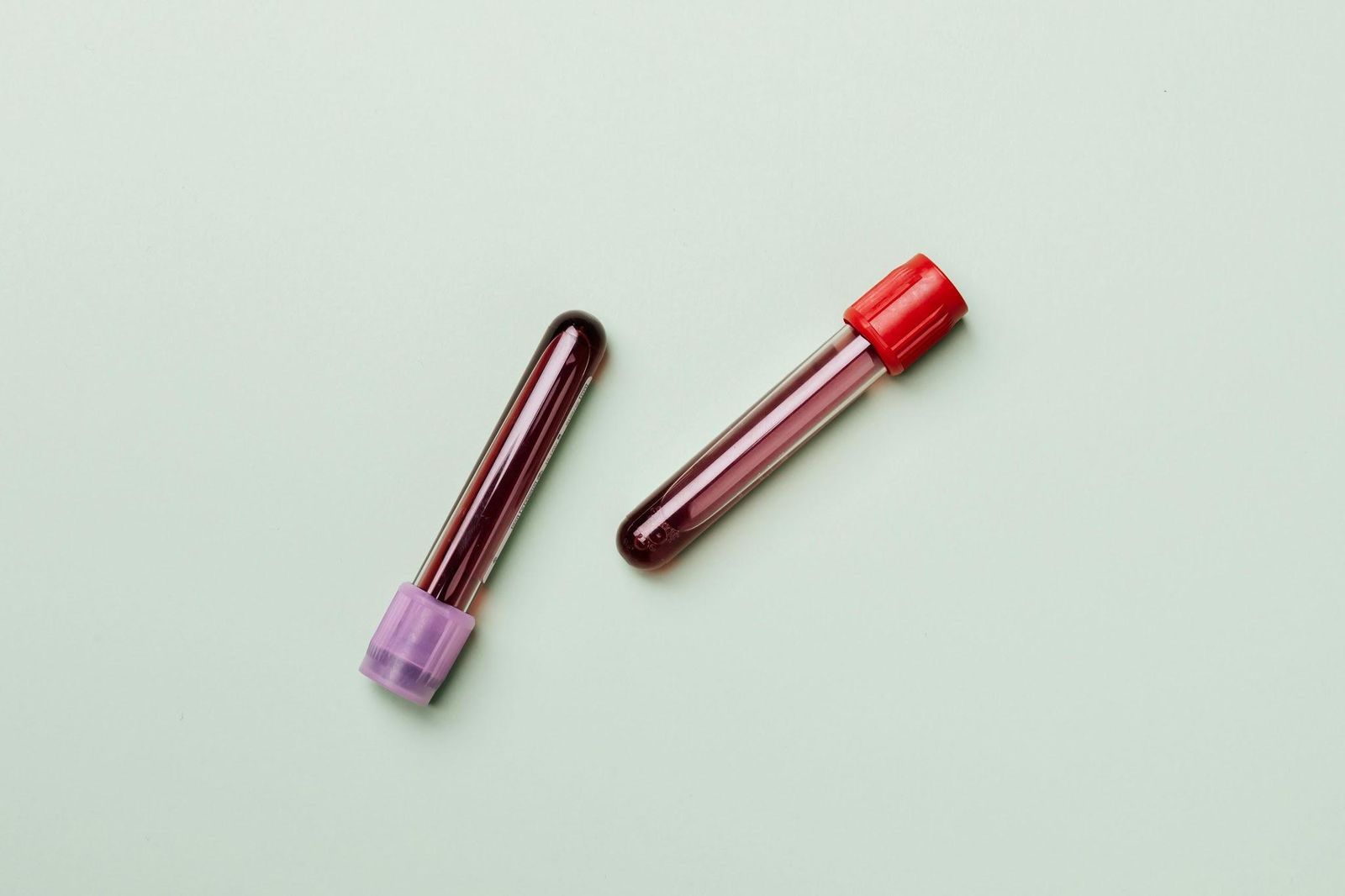
Image: Kaboompics.com

A team of researchers from Johns Hopkins University discovered something that could completely change cancer diagnosis and treatment worldwide. The study, published in the journal Cancer Discovery, found that cancer can be detected up to three years before doctors can provide an official diagnosis.

The researchers discovered that cancerous tumors shed genetic material that can show up in the bloodstream much earlier than previously thought. Early detection of this disease is crucial and significantly impacts the survival rate of patients. Thanks to this groundbreaking finding, it will be possible to develop more effective methods in preventing and detecting cancer.

2

Carbon dioxide can be turned into textile fibers
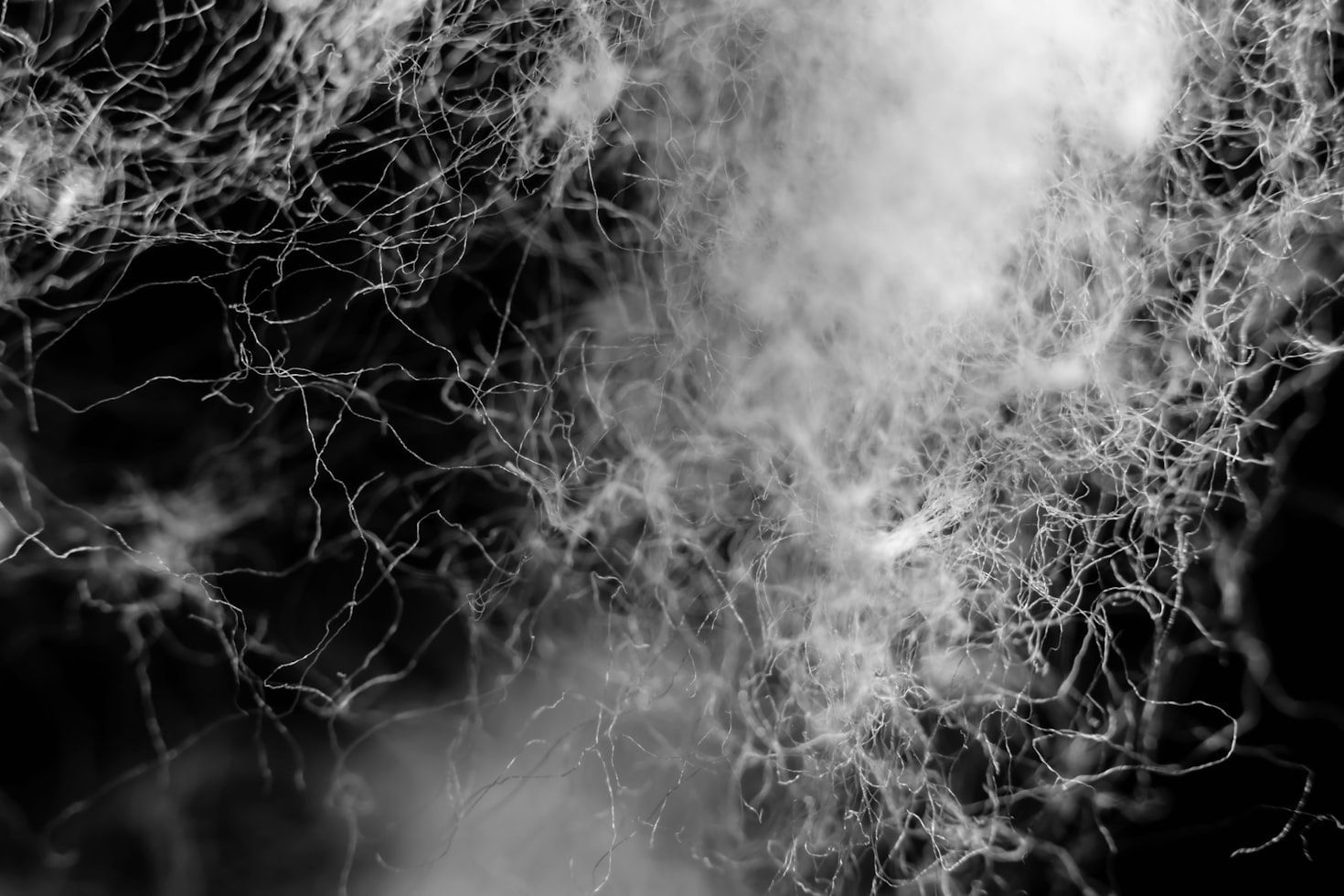
Image: Ian Talmacs

The textile industry emits billions of tons of pollutants every year, but two 28-year-old American twins found a way to make it more sustainable. Neeka and Leila Mashouf created an innovative system that captures C02 and transforms it into biodegradable fibers to create new textiles.

The scientists were able to mimic the process by which trees convert carbon into cellulose, although in their case, they use a chemical reactor. Their discovery could revolutionize the construction sector and the production of packaging, pharmaceuticals, and cosmetics. In 2025, the European Patent Office recognized the Mashouf sisters with the Young Inventors Award.

3

Is the answer to diabetes in stem cells?
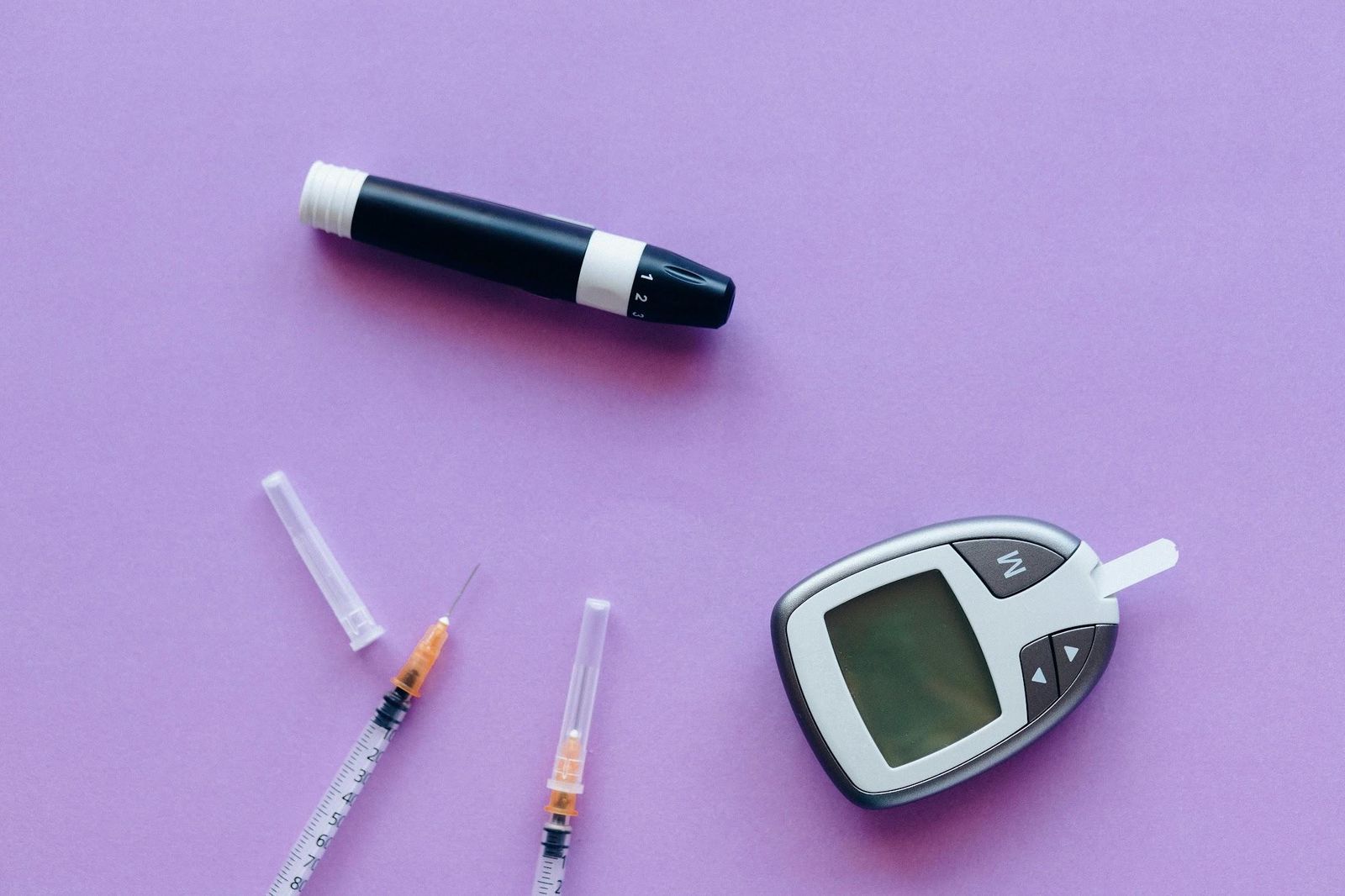
Image: Nataliya Vaitkevich

A 36-year-old Canadian woman diagnosed with type 1 diabetes was part of a stem cell experiment that resulted in her never needing insulin again. Before undergoing this innovative treatment, Amanda Smith had spent nearly a decade of her life constantly measuring her levels and giving herself insulin injections.

Of the 12 patients who received the cells for this study, 10 did not need insulin again for at least a year. The cells were implanted directly into the liver, which means they’ll need to take immunosuppressants to prevent their body from rejecting the cells, which could lead to risks such as infections, cancer, and organ damage.

4

The world's largest sand battery

Image: Samsung Memory

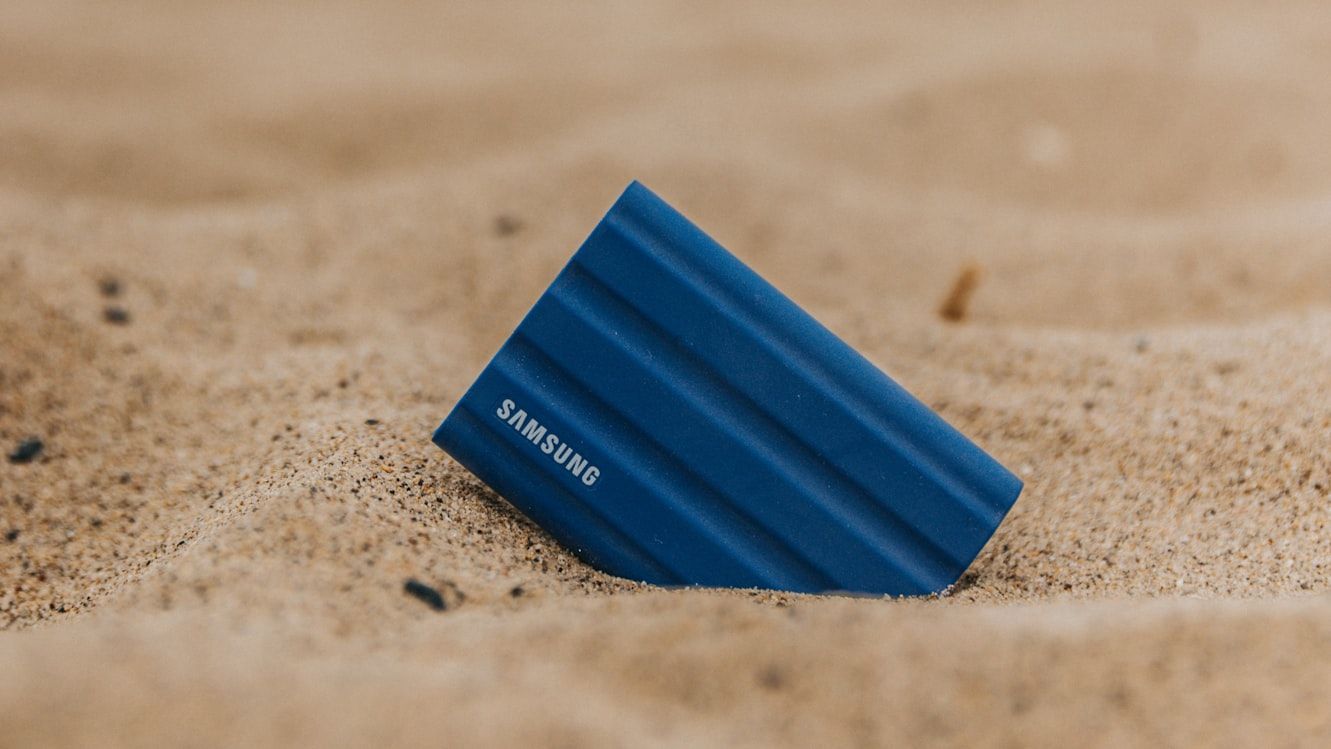
Can you imagine storing energy in sand? This is what a company in Finland was able to achieve by building the largest sand battery in the world.

It is a cylindrical structure capable of storing 100 MWh of thermal energy. The device is charged by heat produced from renewable sources such as the sun or wind, which reduces pollutant emissions by up to 70%. When needed, the energy is released in the form of steam or hot air and can be used for industrial processes or heating systems.

5

Fish are responsible for your toothache
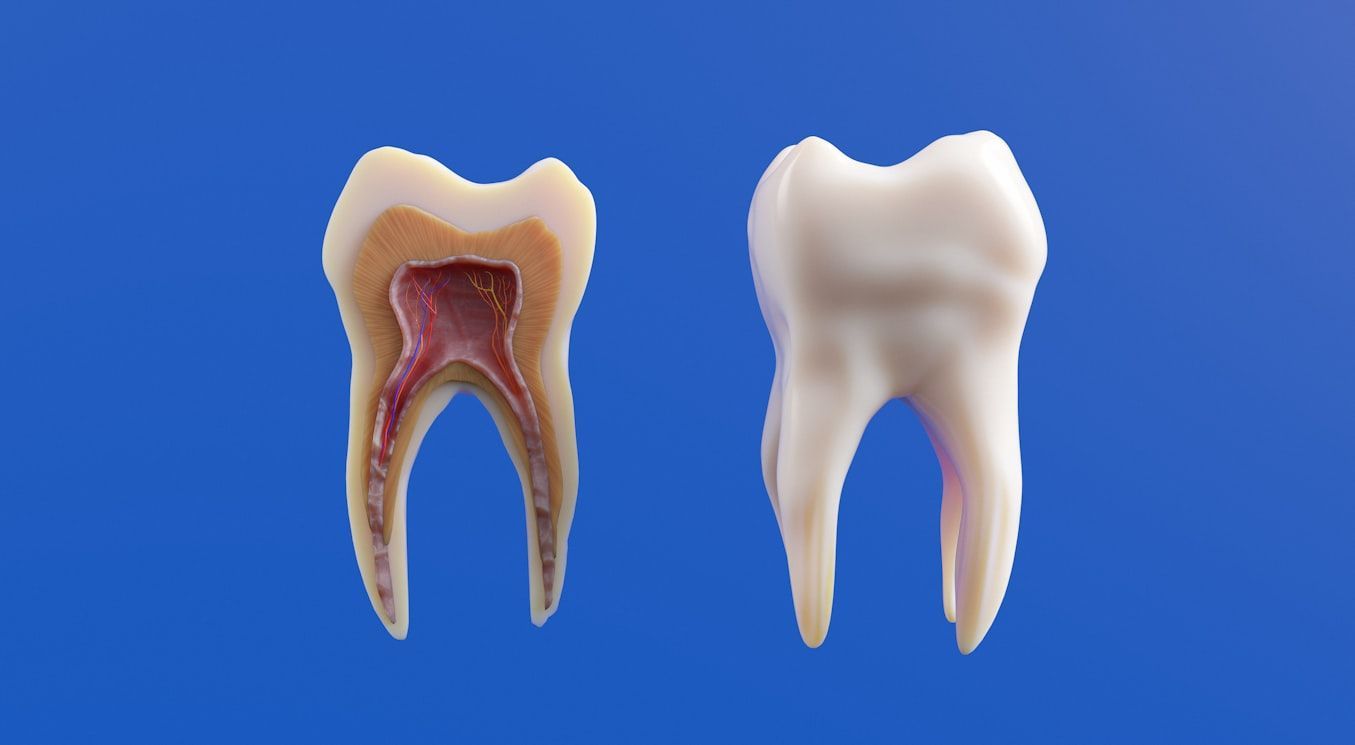
Image: Aakash Dhage

There is nothing worse than a toothache; the good news is, scientists have found the source of our dental sensitivity. The exact origin of teeth has always been a great scientific mystery. Recently, a team from the University of Chicago discovered that the answer lies in a fish from about 465 million years ago.

These creatures had external bumps called odontoids. Those odontoids had a sensory function to detect temperatures and vibrations, and probably evolved to become our teeth. So now you know, the next time you get a toothache, you can blame it on those prehistoric armored fish!

6

A tiny, eco-friendly aquatic robot

Image: Erik Mclean

A group of Swiss researchers has developed an innovative robot that could change the way research is conducted in aquatic environments. It uses surface tension to move through the water in the same way as some insects do.

The tiny robot is shaped like a boat and is built out of fish food, which turns it into food for wildlife at the end of its useful life. The design, which also uses biodegradable fuel, is particularly efficient as it doesn’t rely on plastics, batteries, and electronic components to operate. These robots are expected to collect environmental data on water pH, temperature, pollutants, and the presence of microorganisms.

7

Plastic can be converted into painkillers

Image: Anna Shvets

Scientists at the University of Edinburgh were able to use E. coli bacteria to convert the molecules of PET plastic, usually used in water bottles, into acetaminophen, better known as paracetamol, a medicine that you have probably taken to treat the flu.

By genetically modifying the bacteria and through a fermentation process, they were able to turn plastic into paracetamol in just 24 hours with a 92% effectiveness. How is this possible? Paracetamol is also a petroleum derivative; it is produced by converting a molecule known as terephthalic acid into the drug's active ingredient. For now, the experiment has only been achieved in the laboratory and in low quantities, but it is a major breakthrough in the fight against environmental pollution.

8

The ashes of your loved ones can become artificial reefs
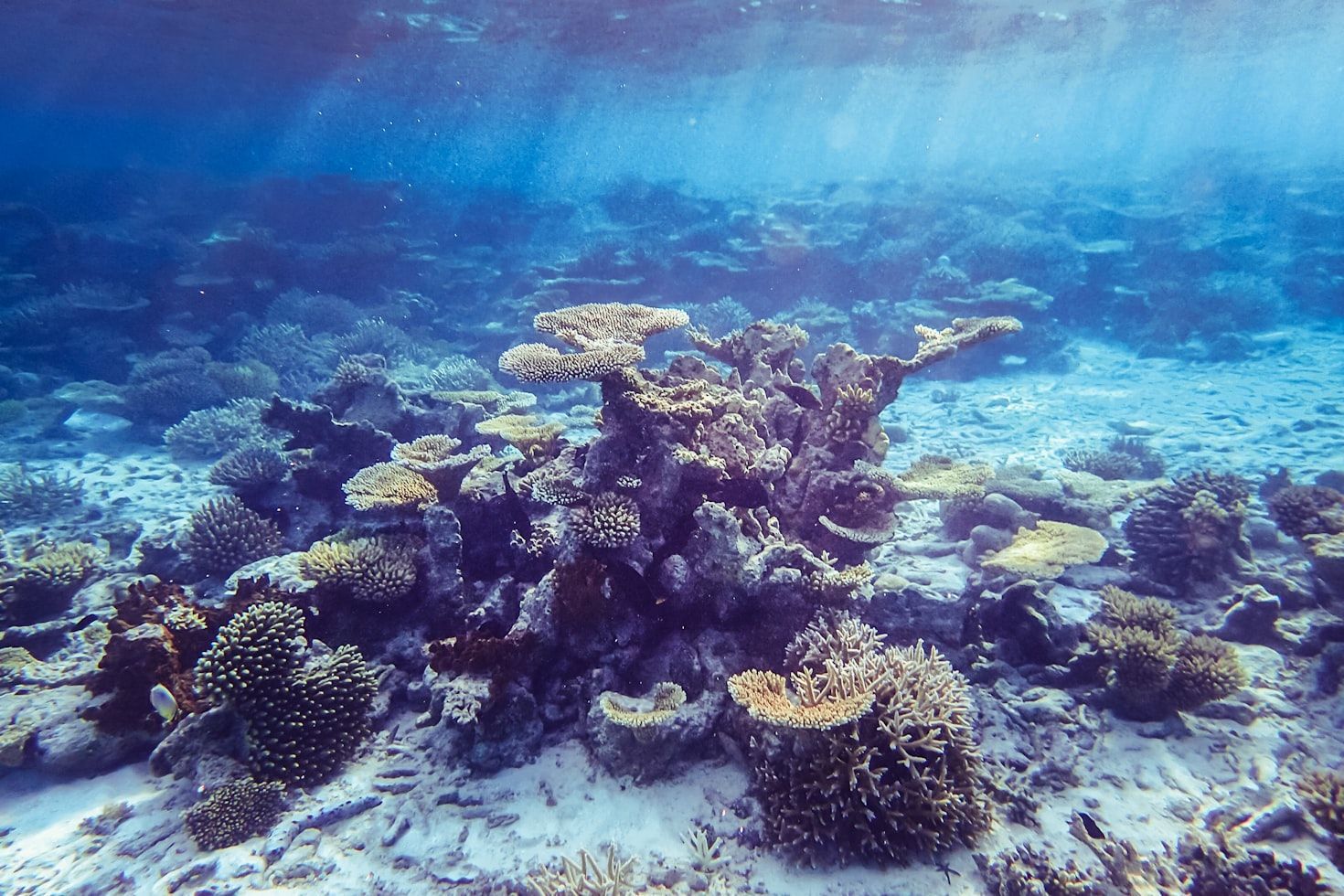
Image: yang wewe

No, it's not the plot of some science fiction movie. A UK company has found an out-of-the-box solution to fight funeral industry pollution: by mixing the ashes of your loved ones with pieces of seashells to create artificial reefs that can support deep-sea life.

So far, the company has worked only with pet ashes, whose artificial reefs were left in Bali. They hope to be able to start human "sea graveyards" in 2026. What do you think of this idea?

9

An electronic tattoo that measures stress

Image: Nik

We have all felt overwhelmed at one time or another; however, due to the fast-paced culture we live in, we often don't realize it and continue to work nonstop. A group of researchers may have found a solution.

Through sensors, an electronic tattoo that sticks to the skin without adhesive can track brain and eye activity to determine mental fatigue. And it not only detects stress, but can also predict it! This discovery will undoubtedly be essential in work environments, but also to remind us that sometimes we need to take a breath before we reach complete burnout.

10

Babies by design

Image: Pavel Danilyuk

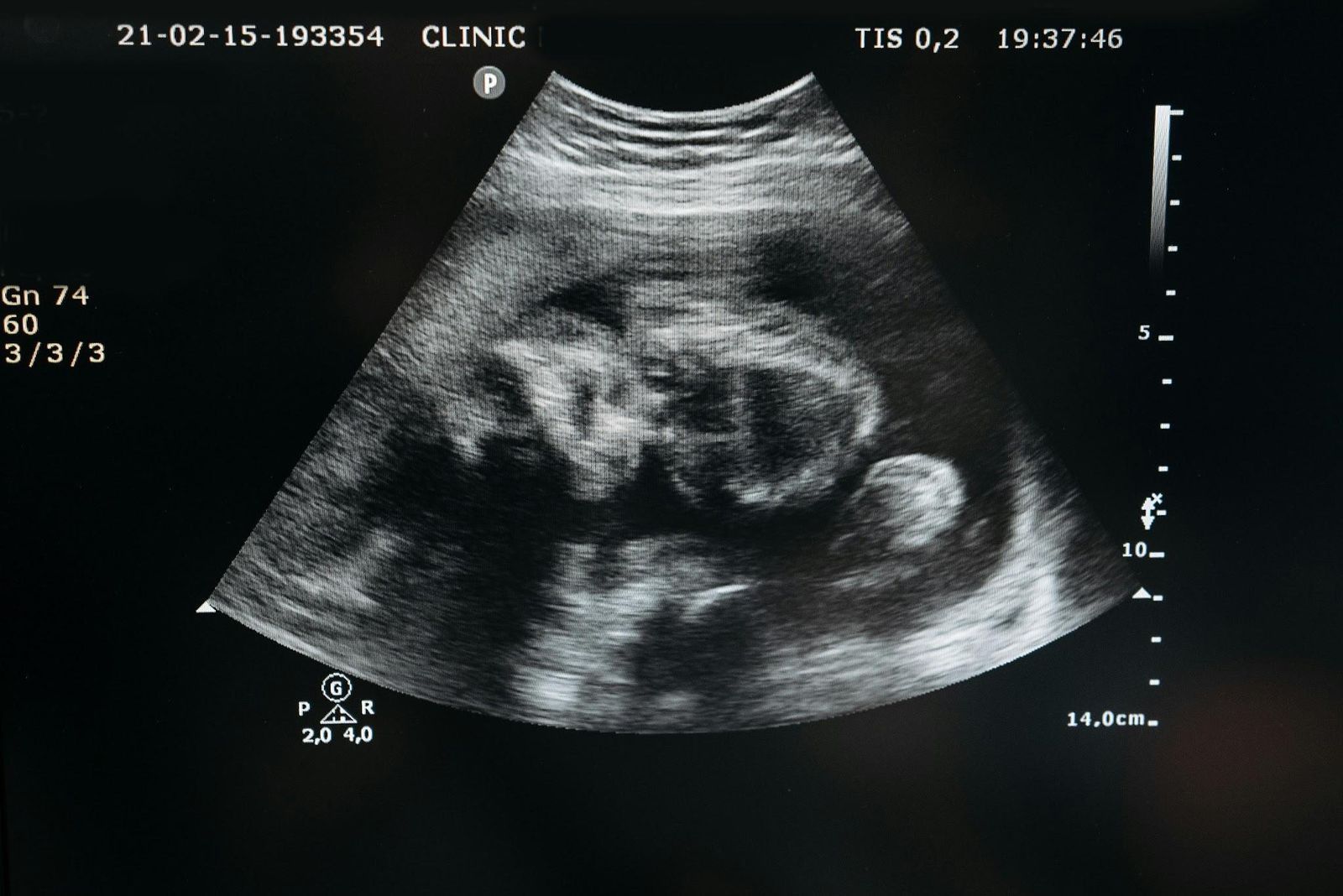
The New York-based startup Nucleus Genomics has launched a "genetic optimization" service that allows parents to analyze embryos to determine physical traits and even the IQ their baby will have before in vitro fertilization.

Although these types of services already existed, they only focused on potential health issues instead of other physical traits such as intelligence, height, or eye color. Nucleus Genomics’s new approach raises a whole ethical debate about genetic medicine. Do you agree with this type of manipulation of nature?


ARTISTIC ALLIANCES

Relive 10 Great Literary Classics Turned Into Outstanding Movies


Published on September 8, 2026


Image: Suzy Hazelwood

Despite using very different languages, cinema has sought inspiration in literature practically since its beginnings. Some of the greatest stories of the seventh art are adaptations from classic books.

Although we hear the expression "The book is better than the movie" quite a lot, there are vast examples in which film adaptations live up to the stories that inspired them. Many times, when watching movies based on our favorite novels, we can discover new dimensions, delightful supporting characters, and surprising subplots we didn’t even know were there. Here are 10 great movies where the synergy between film and literature worked to perfection.

1

To Kill a Mockingbird

Image: Kabiur Rahman Riyad

Considered one of the most important novels in American literature, To Kill a Mockingbird revolves around a widowed lawyer who feels a great responsibility to uphold the law and set a good example for his children. The novel was first published in 1960 and just two years later Atticus Finch became a cinematic legend thanks to Gregory Peck and Robert Mulligan's adaptation of Harper Lee's literary original. One of the best and most remembered trial films, it raised the issue of the institutional racism that prevailed in American society.

Peck's portrayal of this complex character was so good that it earned him an Academy Award for Best Actor. In addition, years later the American Film Institute recognized his brilliant version of Atticus Finch as the greatest hero in the history of cinema, surpassing the likes of Indiana Jones, James Bond, Han Solo, and Rocky Balboa.

2

Pride and Prejudice

Image: rawkkim

British author Jane Austen is one of the most adapted writers of all time —from Sense and Sensibility to Emma, there are a large number of great films based on her books. But Joe Wright’s adaptation of Pride and Prejudice (2005) is probably one of the most iconic and also the one that best captured the novelist's sense of humor.

As a result of the director's attention to detail, the film was a great success with audiences and critics alike. In fact, this great work of adaptation was granted an Oscar nomination for Best Costume Design and Best Art Direction. In addition, Keira Knightley was nominated for Best Actress for her accurate and memorable portrayal of Elizabeth Bennet. Donald Sutherland’s scene-stealing role as the weary but gentle Mr. Bennet deserves a special mention. If you don’t trust us, just go back and watch the memorable scene where he gives Elizabeth his consent to marry Mr Darcy. Prepare to shed a few tears!

3

Dracula

Image: Tim Alex

Undoubtedly the most famous vampire of all time, the story of Dracula has been adapted to film countless times. We all have the pale face of the Count played by Béla Lugosi in 1931 imprinted in our memory, but perhaps the best adaptation of Bram Stoker's novel is the one released sixty years later. In his 1992 version, Francis Ford Coppola was able to take this classic story to levels never seen before, thanks to an excellent cast led by Gary Oldman, Winona Ryder, and Anthony Hopkins.

As if this were not enough, this adaptation sought to explain the origins of the vampire, making very clear the causes of his curse and his eternal conflict with God. In this way, Coppola was able to turn one of the most classic monsters of gothic literature into one of the most chilling creatures of cinema, whose aged appearance and twisted shadow are capable of terrifying anyone.

4

Gone With The Wind

Image: micheile henderson

Margaret Mitchell's brilliant novel was surely one of the most important adaptation challenges in the history of cinema. Fortunately, the result could not have been better. Victor Fleming's film brought to the big screen —as early as 1939 and in dazzling Technicolor—, one of the best love stories of all time. The director’s meticulous care of every detail of the production can be seen in the breathtaking images showing the aftermath of the American Civil War.

The impressive acting work of Vivien Leigh and Clark Gable as Scarlett O'Hara and Rhett Butler are out of this world. Still considered one of the most important and tragic couples in celluloid history, their performance earned them an Oscar nomination for Best Actor and an Academy Award for Best Actress in a Leading Role. If you haven't seen it yet, you should know that this is a must-see classic for anyone who claims to be a movie buff!

5

Carrie

Image: Kelly Brito

With over 65 published novels it is no wonder that Stephen King is one of the most adapted American authors in the history of cinema. Quintessential films like The Shining (Stanley Kubrick, 1980) and Misery (Rob Reiner, 1990) have given us some of the most legendary scares of our lives. But perhaps Brian De Palma's version of Carrie (1976) is the most faithful approach to a King text, as well as being one of the best films about adolescence and the real terrors it entails.

Sissy Spacek's memorable performance as Carrie and the iconic prom scene will remain in the memory of viewers for generations. Thanks to De Palma's cinematic approach, this movie version of the novel has left a lasting mark on horror cinema and solidified Stephen King's indisputable storytelling talent for the big screen.

6

Doctor Zhivago

Image: Ioann-Mark Kuznietsov

Although it is one of the most successful films of the 20th century —adjusted for inflation, it is the ninth highest-grossing film in the history of the United States—, some claim that this 1965 three-hour-long screen version of Doctor Zhivago gives excessive attention to the romance between Yuri and Lara, omitting the political message of the original book.

Arguments aside, the technical perfection of the film —it won 5 Academy Awards at the time— and the excellent performance of Omar Sharif have been enough for many to consider this adaptation of Boris Pasternak's novel as one of the greatest classics of all time. In addition, the work of director David Lean is considered a great achievement, even above one of his previous masterpieces, Lawrence of Arabia.

7

Little Women

Image: micheile henderson

Another literary classic adapted to the big screen many times, Little Women got a revival in 2019 thanks to Greta Gerwig's modern take. Although the book portrays a historical moment totally different from our current reality, Gerwig manages to give the film that touch of freshness that makes a classic feel current and new. The truth is that her focus on female empowerment and the existential crises of growing up are things we can still identify with today.

In this way, the director —who was nominated for Best Adapted Screenplay— manages to tell the same story we all know and love through a new lens, while remaining true to the spirit of Louisa May Alcott's 1868 novel. In addition, Saoirse Ronan, Florence Pugh, and Timothée Chalamet make the most of every moment on screen as they play these memorable characters with mastery and emotion.

8

The Talented Mr. Ripley

Image: Daria Kraplak

Patricia Highsmith is another of the great American authors who has given the world amazing books that were later adapted into films. Carol, The American Friend, and Strangers on a Train are just a few examples. But the 1999 version of The Talented Mr. Ripley by Anthony Mighella is the most famous adaptation of a Highsmith novel and perhaps the best of the whole Ripley saga.

With a stellar cast that included Jude Law and Gwyneth Paltrow as the happy couple and Matt Damon in the role of the charming yet terrible Tom Ripley, the film was a total success. Nominated for five Academy Awards, The Talented Mr. Ripley left us some of the greatest scenes in film history.

9

Great Expectations

Image: Suzy Hazelwood

In 1998, Mexican director Alfonso Cuarón decided to take the story of Charles Dickens's literary classic Great Expectations and make it into a film. However, he did not limit himself to the original premise and structure but gave it a twist. He chose to set the story in the present day, turning Pip —here called Finn— into a young dreamer whose mysterious benefactor helps him travel to New York to become a great artist capable of fighting for his dreams.

The film stood out for its excellent soundtrack, the use of a green tone color palette, and above all, for an excellent cast that included big Hollywood names such as Ethan Hawke, Gwyneth Paltrow, Chris Cooper, Robert DeNiro, and Anne Bancroft.

10

Blade Runner

Image: Armando Arauz

Many of the best science fiction films of all time are based on classic books. For example, Total Recall, War of the Worlds, and Solaris have been adapted from the works of renowned authors. But perhaps the best one in this genre is Blade Runner, directed by Ridley Scott in 1982.

Starring Harrison Ford, this futuristic classic with neo-noir touches is based on the novel Do Androids Dream of Electric Sheep?, written by Phillip K. Dick in 1968. In a dystopian future where humans are manufactured and transferred to colonies located outside of Earth, bounty hunter Rick Deckard will have to confront them. Although at the time of its release, it did not receive much recognition, this film loaded with philosophical connotations has managed to transcend both frontiers and generations to become a cult movie adored by fans all over the world.

Looking for an extra scoop of literary fun?

Learn more with our Word of the day

resilience

/rəˈzɪliən(t)s/