From lost golden cities to pirate loots: 10 treasures worth looking for


Published on December 5, 2025
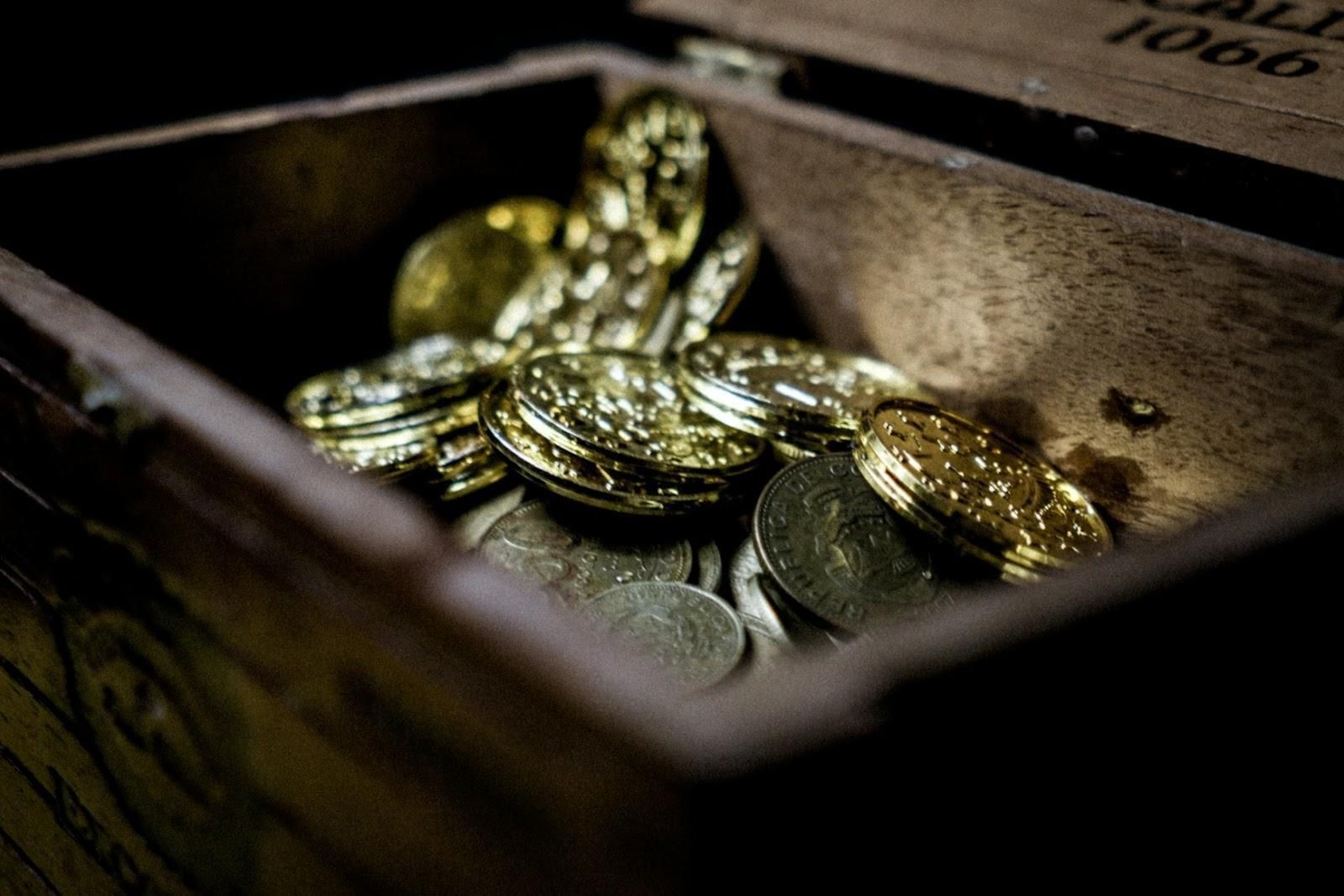

Image: Bjorn Pierre

Everyone has, at some point, imagined stumbling across a hidden chest of gold or a mysterious jewel lost for centuries. Most of us only strike gold in our dreams, but history is filled with treasures that have yet to be discovered. While some are probably tall tales, others may be buried just beneath our feet. Here are 10 of the most curious (and glittering) mysteries still unsolved.

1

The city of El Dorado

Image: Daniel J. Schwarz

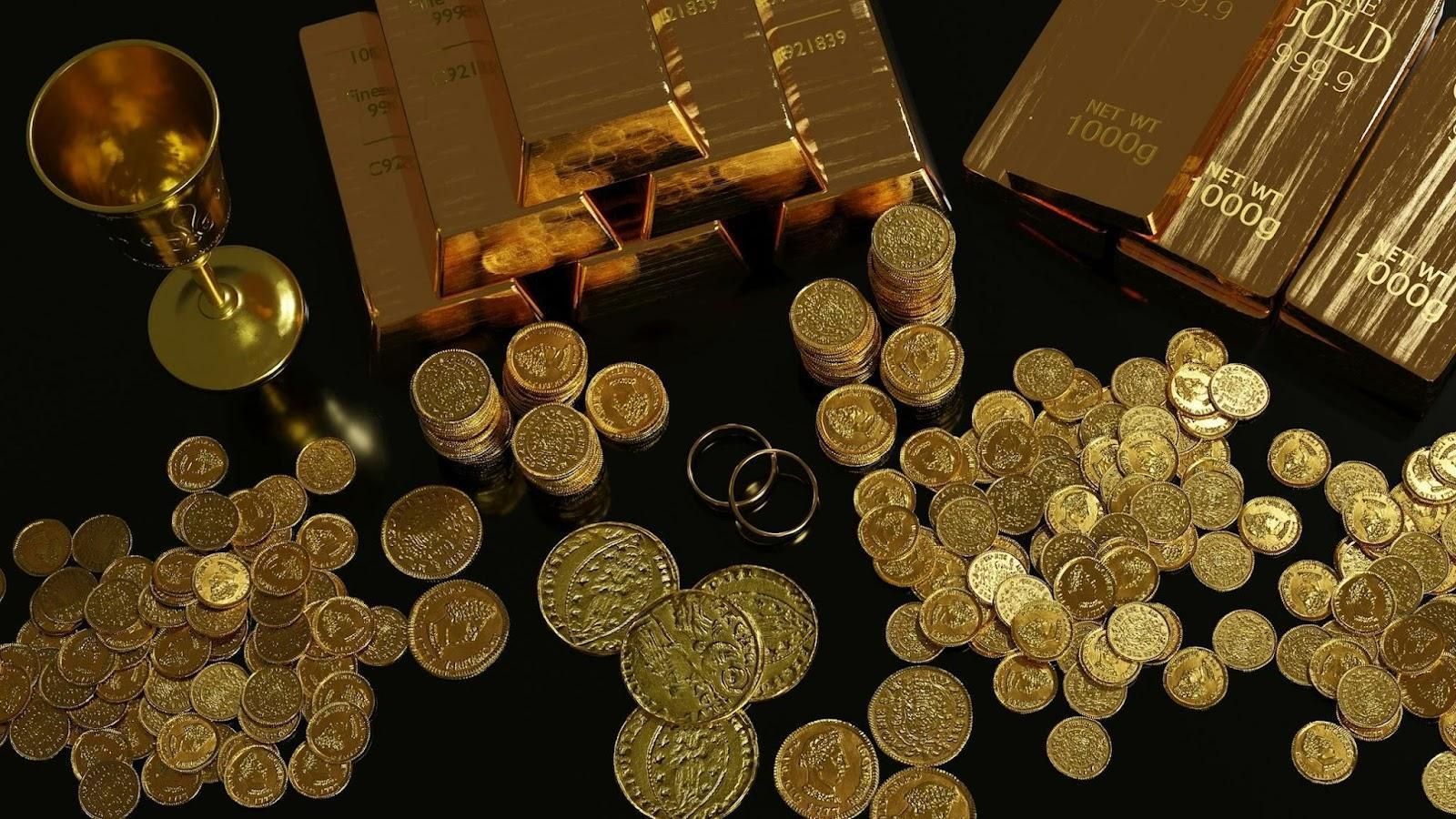
Centuries ago, there was an entire city gleaming with gold, hidden deep in the thick, uncharted jungles of South America. In the 1500s, Spanish conquistadors became obsessed with this dazzling vision, driven by tales of a great ruler who offered invaluable treasures to the gods and covered his body in gold dust.

The promise of limitless wealth lured expedition after expedition into dangerous territories, where many lives were lost along the way. Yet, despite many years of searching, El Dorado was never found. Was there truly a golden kingdom, or was it nothing more than the world’s most extravagant legend?

2

The crown jewels of King John

Image: János Venczák

In 1216, King John of England somehow managed to lose an entire royal treasure convoy while crossing a tricky inlet in the North Sea known as The Wash. According to lore, the heavy wagons were swamped by the incoming tide and never resurfaced. Crowns, jewels, and priceless relics disappeared into the muck. Historians estimate the haul would be worth millions today.

3

Jesse James’ hidden stash

Image: Alex Boyd

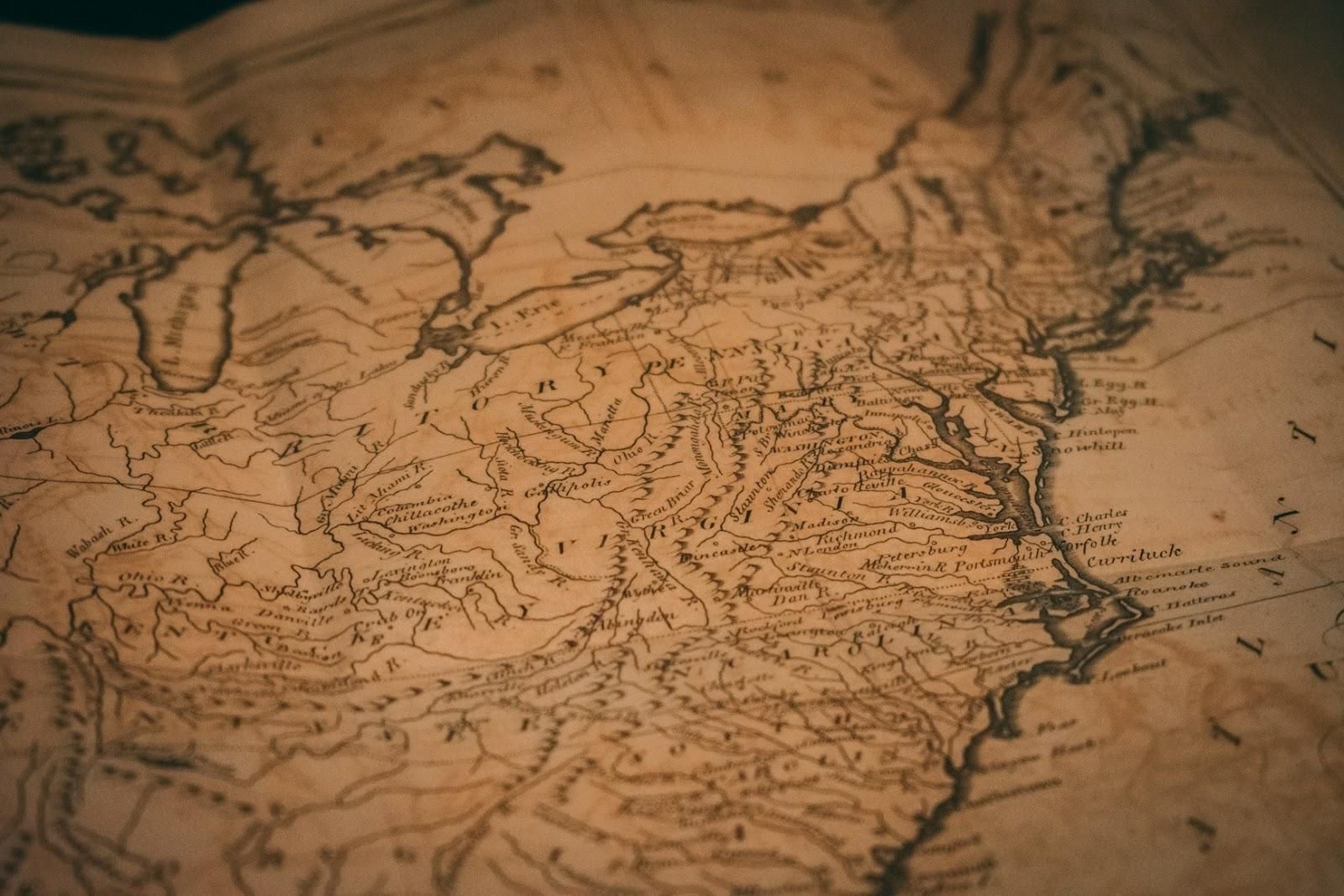
The Wild West outlaw Jesse James became famous for robbing banks and trains with style, but the bigger mystery is what happened with the priceless loot. Did he tuck away the money for a rainy day? Campfire tales insist he buried it in caves, canyons, and lonely hillsides, supposedly leaving behind cryptic maps and clues.

Generations of treasure hunters have chased after the myth, shovels in hand, hoping for a jackpot that never turns up. If James is chuckling somewhere, it’s likely at the sight of modern folks still poking around the prairie, convinced his ghost left them a scavenger hunt to play.

4

Atahualpa’s golden ransom

Image: Peter Burdon

When conquistadors captured the Incan emperor Atahualpa in 1532, he made an offer that could outshine any ransom in history: a chamber packed floor-to-ceiling with gold and silver. While some of that treasure was taken, much of it mysteriously vanished after the Spaniards executed the king anyway. And we’re not talking mere trinkets; historians estimate hundreds of thousands of pounds of precious metal. To this day, no one knows where the rest of the bounty is.

5

Henry Morgan’s missing fortune

Image: Andrej Sachov

Back when pirates ruled the world, British privateer Henry Morgan became famous for plundering Caribbean towns, carting off gold, silver, and whatever else he could find. Rumor has it, he didn’t spend it all but stashed mountains of riches on remote islands. San Andrés locals will even guide you to "Morgan’s Cave." Spoiler alert: it’s totally empty—unless you count bats and sea breeze. Treasure or not, the cave’s real prize is probably the tall tale itself.

6

The Flor de la Mar

Image: Marcus Woodbridge

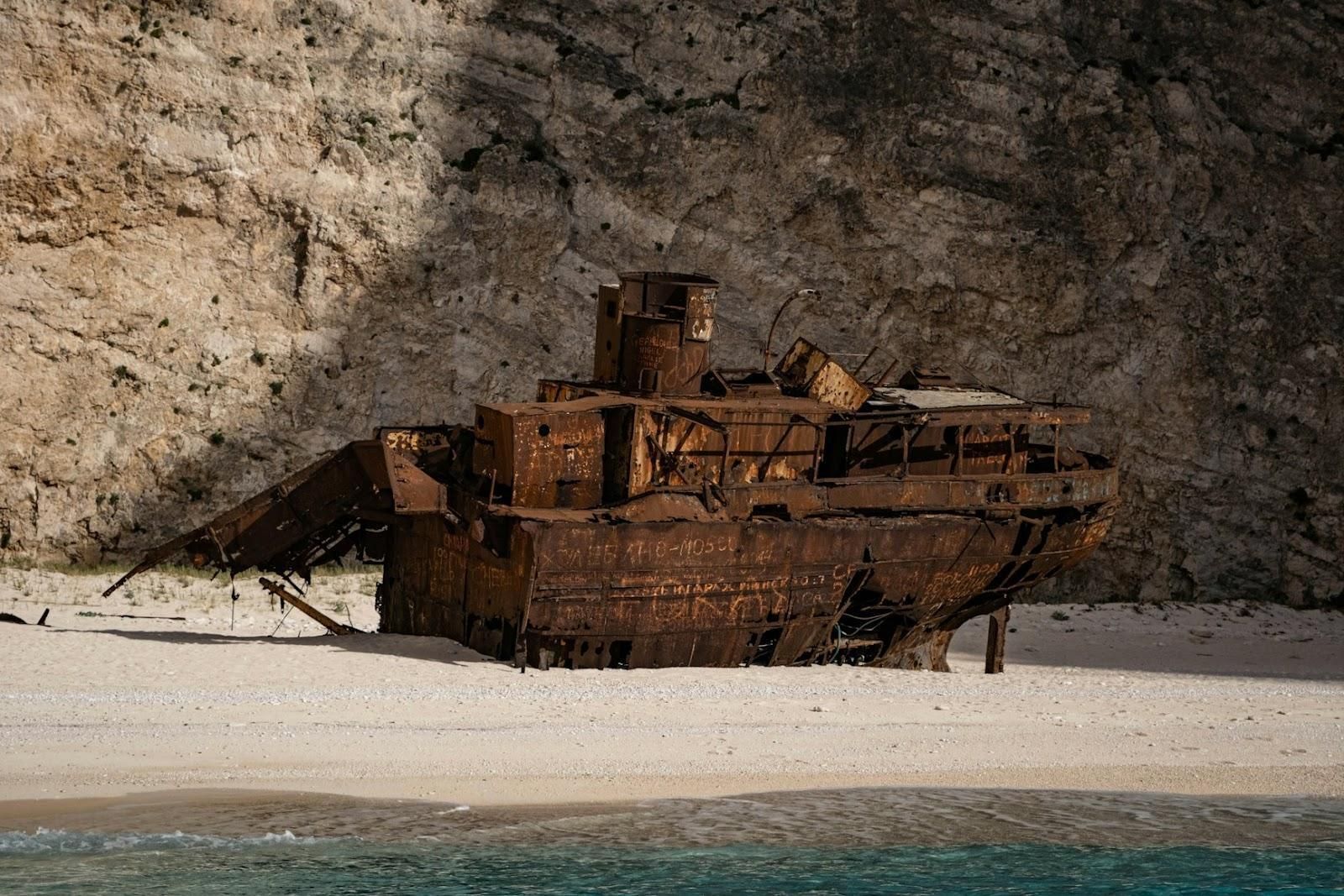
In the 1500s, a Portuguese ship set sail carrying what can only be described as a floating fortune—around 120,000 pounds of gold, along with crates of jewels, spices, and other exotic goods from the East. But before it could reach Europe, a violent storm struck near Sumatra, sending the vessel and its priceless cargo to the bottom of the sea. Despite centuries of searching, the wreck has never been located. For modern treasure hunters, it remains the ultimate fantasy.

7

Somewhere in the Philippines

Image: Nicholas Nduati

Legend has it that during the 1940s, Japanese general Tomoyuki Yamashita secreted away thousands of tons of gold somewhere in the Philippines. Over the years, treasure hunters have dug, scanned, and explored, occasionally uncovering small trinkets but not the vast bulk of the WWII loot. True or not, the story continues to fuel the imaginations of swashbucklers who keep exploring jungles and tunnels, leaving local hardware stores empty of shovels, metal detectors, and digging gear.

8

A treasure worthy of an empire

Image: Abimelec Castillo

When Spanish forces conquered Mexico, the vast treasure said to belong to Emperor Montezuma seemed to vanish into thin air. Chronicles speak of mountains of gold, silver, and dazzling artifacts, yet none were ever officially recovered. Some legends claim the riches were hidden away in secret caves, while others insist the treasure was dumped into Lake Texcoco.

The truth remains a mystery, but the allure hasn’t faded. And who knows? If you happen to stumble across a golden mask or bright jewel while wandering the streets of Mexico City, you’ll have uncovered one of history’s most tantalizing legends.

9

Captain Kidd’s lost prize

Image: Nadjib BR

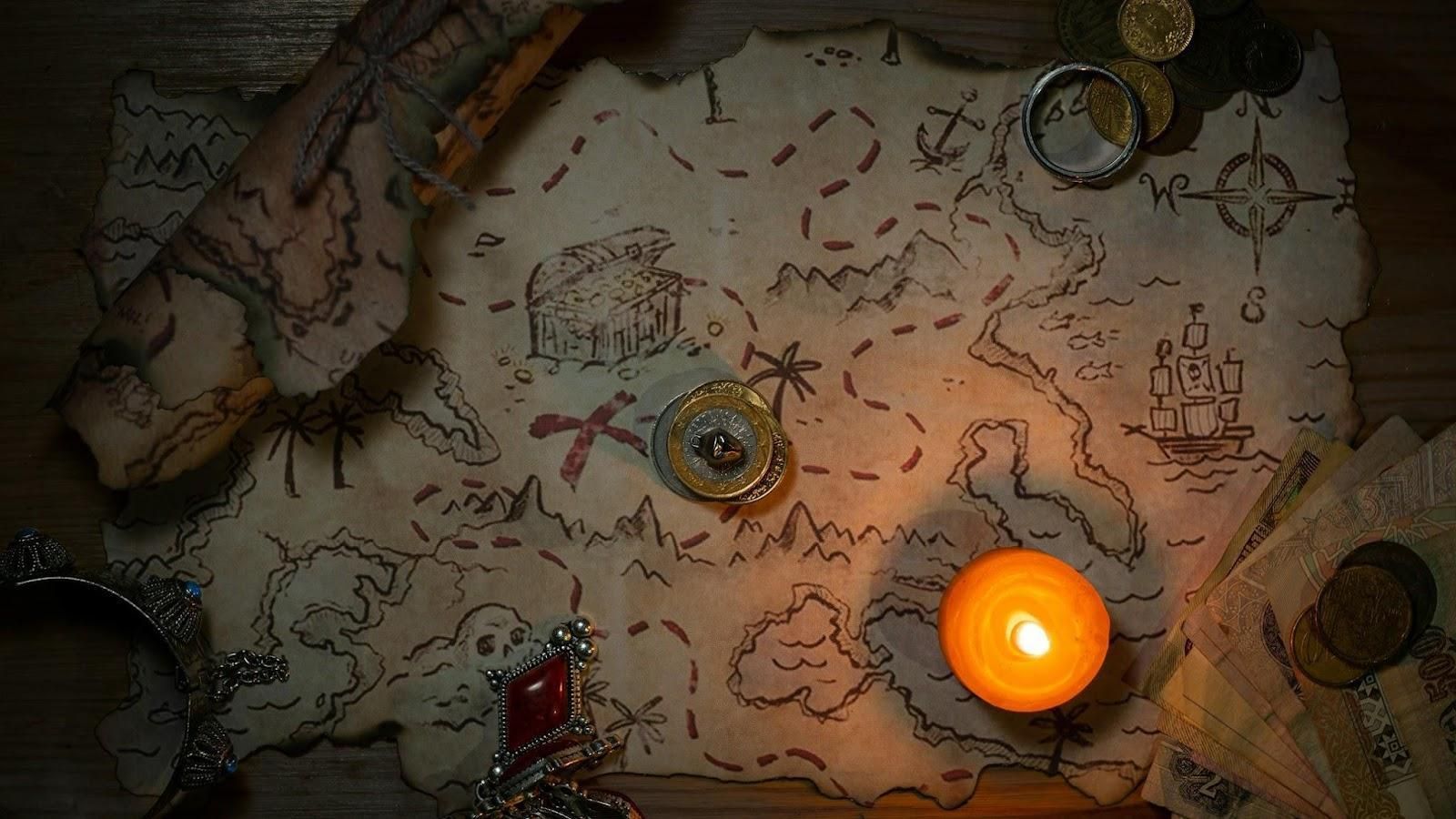
Pirate William Kidd’s name is forever tied to the rumor that, before his capture, he secretly buried a fortune somewhere along his sailing routes. Ever since, countless maps have surfaced, each claiming to point the way to his hidden gold, with locations ranging from the Caribbean islands to the rocky shores of New England. None of these supposed guides has ever led to the treasure, yet that hasn’t stopped adventurers from trying their luck.

10

The Spanish fleet of 1715

Image: Francesco Ungaro

A fleet of twelve Spanish galleons once departed from Havana, Cuba, their holds packed to the brim with gold, silver, and sparkling gems destined for Europe. But fate had other plans. An unforgiving hurricane smashed the ships against reefs and dragged their cargo to the ocean floor off Florida’s coast.

Over the centuries, divers and fortune seekers have managed to recover scattered coins, jewelry, and fragments of the wreck; yet, the vast majority of the treasure remains hidden beneath the waves. So, if your next vacation to the Sunshine State involves a trip to the beach, it might be worth bringing along a snorkel!


Superstitious speech

The eerie belief behind saying "bless you" after a sneeze


Published on December 5, 2025


Image: Emmeli M

We use phrases like "bless you" or "break a leg" every day, but have you ever stopped to wonder where they actually came from? Many of our favorite figures of speech are rooted in the old superstitions of our ancestors: fears, beliefs, and traditions that haven't quite faded away. Let’s uncover the fascinating, sometimes eerie, backstories behind 10 idioms we use all the time.

1

Bless you

Image: Towfiqu barbhuiya

When someone sneezes, "bless you" is the automatic response. This tradition began in the 6th century, primarily thanks to Pope Gregory the Great, who ordered the saying of "God bless you" to protect people from the plague, as sneezing was considered an early symptom of sickness.

Some also trace it back to an ancient belief, shared across Europe and Asia, that a sneeze was the body's way of driving out evil spirits, or even the soul briefly trying to escape. According to the legend, saying "God bless you" was a quick, necessary prayer to protect the sneezer’s soul from being snatched by the devil before it settled back in.

2

Cross your fingers

Image: Dayne Topkin

"Cross your fingers" is a widely recognized way of wishing for a positive outcome. It originated in the 16th-century Christian practice of physically crossing one's fingers to signify the cross and invoke divine protection.

Over time, the hand gesture evolved from a silent, pious prayer into a casual expression. Now, we use it in everyday conversation to show support for a friend or to signal that we are banking on a specific, desired result during a stressful situation.

3

Break a leg

Image: Ana Dujmovic

We use this expression when we wish someone good luck before they step on stage, or, more broadly, before any high-pressure moment.

The origins are surprisingly murky for such a well-known phrase. The most widely accepted theory traces it back to the competitive world of American vaudeville and Broadway in the early 20th century, where wishing someone good luck directly would actually invite bad luck. Saying the opposite was a way of outsmarting fate.

4

Speak of the devil

Image: Marius

"Speak of the devil" is one of those phrases we use almost automatically. The moment someone walks into a room right after being mentioned in conversation, someone inevitably says it.

The expression is a shortening of a traditional English proverb, 'speak of the devil, and he shall appear,' which dates back to at least the 1500s-1600s. The original meaning was far less casual: it was a genuine warning rooted in the medieval Christian belief that speaking of evil, even in passing, was thought to invite it into your presence.

5

Saved by the bell

Image: Luís Perdigão

Imagine your boss is about to call on you to present a report you completely forgot to prepare, but just as he turns to you, an urgent call comes in, and the meeting gets cancelled. Being saved by the bell means to be rescued from a difficult situation at the very last second.

Due to a 19th-century custom, bells were attached to coffins to alert people in case someone woke up, reflecting the widespread fear at the time of being buried alive. It is a perfect example of a dark, historical anxiety morphing into a lighthearted, everyday piece of office humor.

6

Throwing caution to the wind

Image: Markus Spiske

There's no single definitive origin story or specific text where this expression first appeared. It likely evolved organically from the general cultural association between wind and chaos. Today, the expression means to act recklessly or boldly, ignoring risks.

The phrase draws from a long tradition of wind-related idioms in English that associate wind with unpredictability and lack of control ("gone with the wind," "which way the wind blows," etc.).

In seafaring culture, "throwing caution to the wind" may also connect to the idea of sailing recklessly by putting up too much sail despite dangerous conditions: essentially letting the wind take over rather than navigating carefully.

7

Friday the 13th

Image: Nik

The phrase "it must be a Friday the 13th" has become an idiomatic way to complain about a day when everything goes wrong. It draws on the combined superstitions surrounding the number 13, often linked to the 13 guests at the Last Supper (1st century AD), and the perceived misfortune of Friday, the day of the Crucifixion. When we use this expression, we aren't necessarily expressing deep fear; we are simply using a culturally shared shorthand to describe a series of unfortunate, coincidental events.

8

Like walking through a minefield

Image: Duncan Kidd

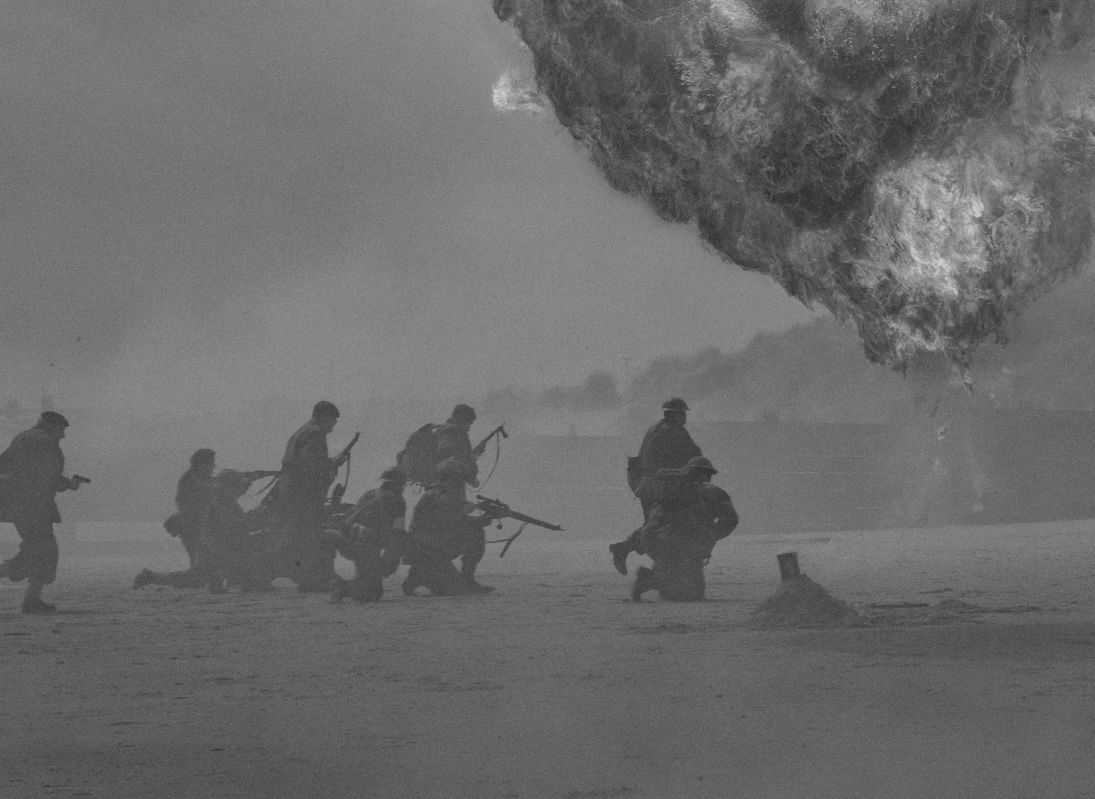
We often use the idiom "like walking through a minefield" to describe a social situation that is incredibly tense and fraught with hidden dangers. While it sounds like a literal warning, it has become a common expression for navigating tricky interpersonal politics. The phrase originated in the early 20th century, specifically around World War I (circa 1915), when the use of landmines became a terrifying new reality of modern warfare. It quickly shifted from a military term to a popular metaphor.

9

Find a penny, pick it up

Image: Elijah Mears

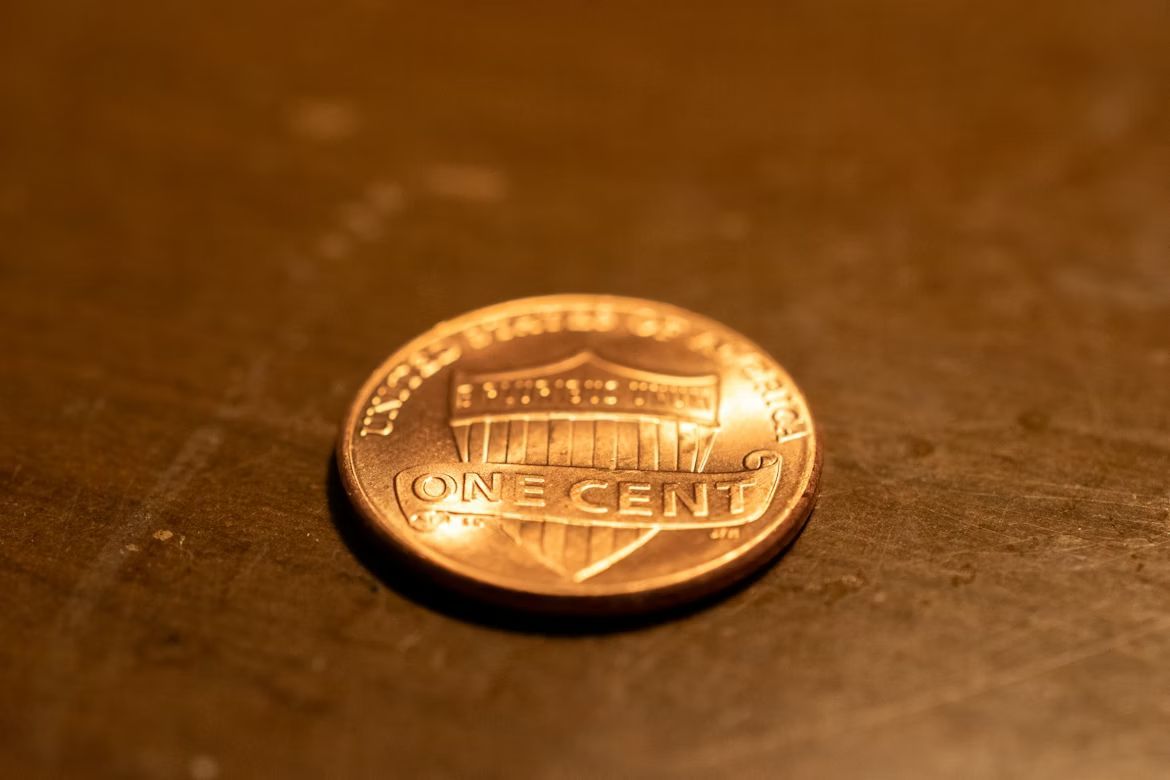
"Find a penny, pick it up, and all day long you’ll have good luck" is an idiomatic rhyme that turns a mundane discovery into a superstitious event. The underlying belief likely traces back to ancient societies across Europe and Asia, who saw metal as a sacred gift from the gods, forged from the earth itself. Finding a piece of it was no accident; it was a sign of divine favor. By the early 20th century, it evolved to include the penny. Today, reciting this idiom acknowledges our enduring, playful hope for a little extra luck.

10

Knock on wood

Image: Chris Barbalis

When we say "knock on wood," we express an idiom to express a desire for continued good fortune or to ward off bad luck after boasting. It’s just a reflexive, superstitious way to keep the bad luck at bay, even if we’re only knocking on a laminated desk.

One popular theory traces it to ancient pagan cultures, particularly those that regarded trees as sacred or inhabited by spirits — a belief found across pre-Christian Europe, from Norse to Celtic traditions. By knocking on the trunk, people hoped to awaken these benevolent spirits to request protection, or sometimes to distract malicious ones from spoiling their good fortune. However, folklorists note there is little concrete evidence for this, and the true origin remains uncertain.

Looking for an extra scoop of literary fun?

Learn more with our Word of the day

nihilism

/ˈnaɪəˌlɪzəm/