What’s your nickname?
From geek to bookworm: These 12 nicknames turned into real words
Published on April 8, 2026
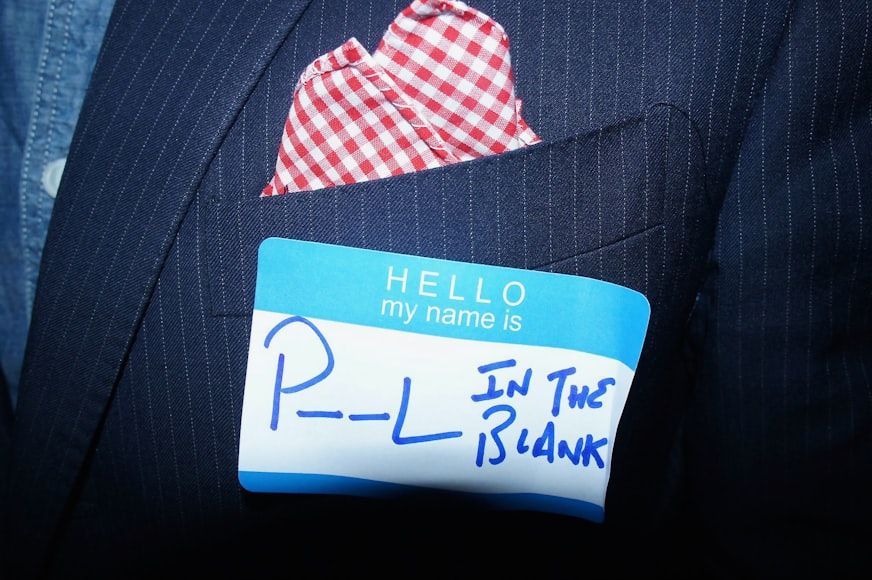 Image: Philippe Yuan
All words come from somewhere; many began as nicknames given to people who, for better or worse, inspired the terms bestowed upon them. A lot of the expressions we throw around, like "bookworm" or "couch potato," actually started as playful or teasing nicknames. Over time, these labels stuck and became part of everyday language. Read on to learn about the nicknames that originated these 12 common terms.
Geek
 Image: Alex Kotliarskyi
While it originated as a circus slang term for a performer who carried out bizarre or grotesque acts, "geek" later became a nickname for socially awkward but brilliant people.
Today, the term has been reclaimed and is often worn with pride, generally referring to someone passionate about intellectual or pop-culture interests such as technology, gaming, or science fiction.
Brainiac
 Image: Andrew George
"Brainiac" began as the name of a villain in Superman comics during the 1950s. The character was portrayed as a hyper-intelligent alien. Over time, the name shifted from a fictional identity to a general nickname for someone extremely smart.
Today, calling someone a "brainiac" suggests they are brilliant or academically gifted, especially in science or technology.
Plain Jane
 Image: engin akyurt
The term "Plain Jane" was a nickname for a woman with an unremarkable appearance or personality, with "Jane" serving as a stand-in for the average woman.
Today, "Plain Jane" refers to someone perceived as ordinary or not flashy, usually in terms of looks or style.
Chatty Cathy
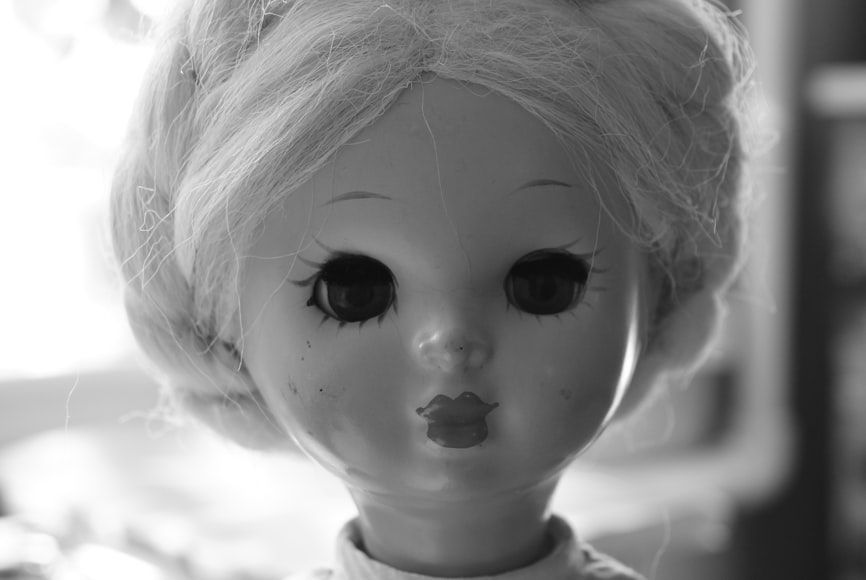 Image: Anya Osintsova
This idiom comes from a popular 1960s talking doll named Chatty Cathy, known for its pull-string phrases. The toy’s nonstop chatter led to the nickname being applied to overly talkative people, especially young girls.
Now, "Chatty Cathy" is a common term for anyone who talks too much or dominates conversations.
Nervous Nellie
 Image: Claudio Schwarz
"Nervous Nellie" became popular in the early 20th century and was notably used by President Franklin D. Roosevelt to describe overly cautious people.
Today, it refers to someone anxious, jumpy, or constantly worried. Though usually playful, it can suggest that someone is overly fearful or lacking in confidence.
Peeping Tom
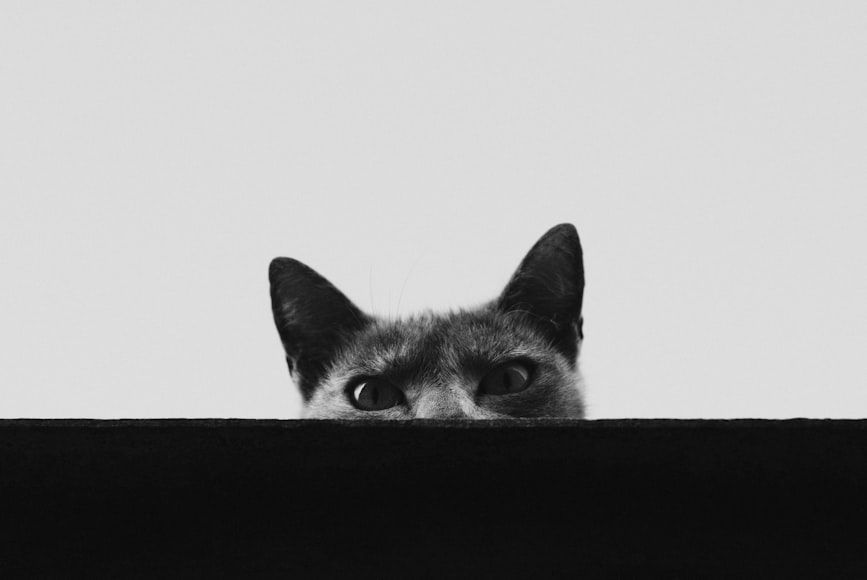 Image: Israel Pereira
"Peeping Tom" comes from the legend of Lady Godiva, whose naked ride was witnessed by a man later named Tom. His act of looking made him an early archetype of the voyeur.
Today, "Peeping Tom" refers to someone who spies on others, especially in a creepy or inappropriate way.
Goody two-shoes
 Image: Artem R.
Dating back to a 1765 children’s story about a poor girl who gets a second shoe and becomes morally upright, "goody two-shoes" evolved into a nickname for someone who is exaggeratedly virtuous.
Today, goody two-shoes describes a person who strictly follows rules and often tries to appear morally superior.
Crybaby
 Image: Zachary Kadolph
This term was originally a mocking nickname for children who cried easily, and it became a standard expression in playground slang. The simplicity of the term helped it spread quickly.
Now, "crybaby" is used to describe anyone, child or adult, who complains or gets upset too easily.
Bookworm
 Image: gazali marimbo
Another well-known nickname, "bookworm," originally referred to someone who read excessively, likening them to a literal worm burrowing through books.
Today, it’s also a common term for an avid reader. While it may still be slightly nerdy in tone, many people use "bookworm" proudly to show a love for reading.
Couch potato
 Image: Adrian Swancar
Coined in the 1970s as a humorous insult, "couch potato" originally referred to someone who spent long hours sitting on a couch watching television.
Now, it’s a familiar term for anyone who leads a sedentary lifestyle, especially in front of screens.
Scaredy-cat
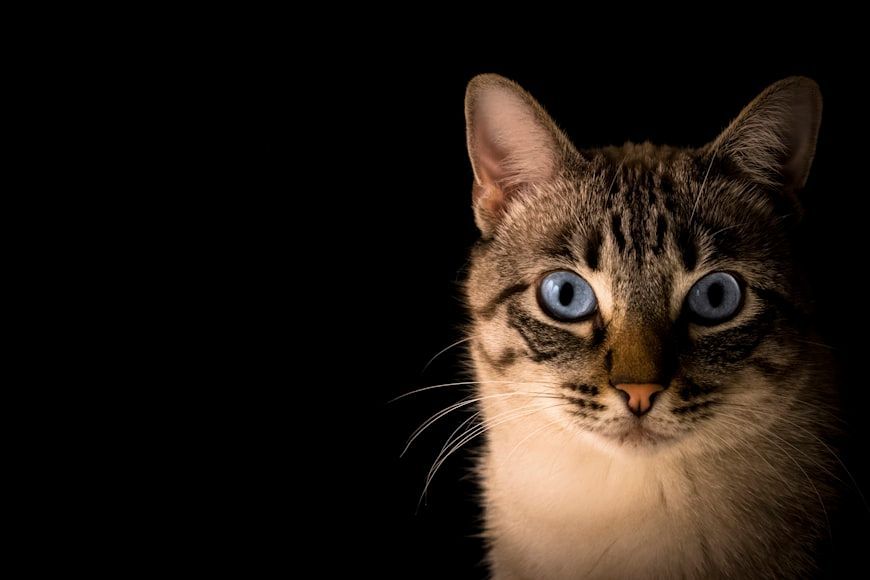 Image: Pacto Visual
This term emerged in the early 1900s, playing on the image of a frightened cat jumping at sudden noises. It became a popular teasing nickname for people easily scared.
Today, "scaredy-cat" is still widely used, especially among children, to call someone out for being timid or afraid.
Tattletale
 Image: krakenimages
The term "tattletale" originated as playground slang for someone who told on others to authority figures.
Now, it refers to anyone, typically a child, who reports others' misdeeds, especially minor ones.