Born on the battlefield

From foxholes to fashion: 10 wartime innovations you can’t live without


Published on March 17, 2026
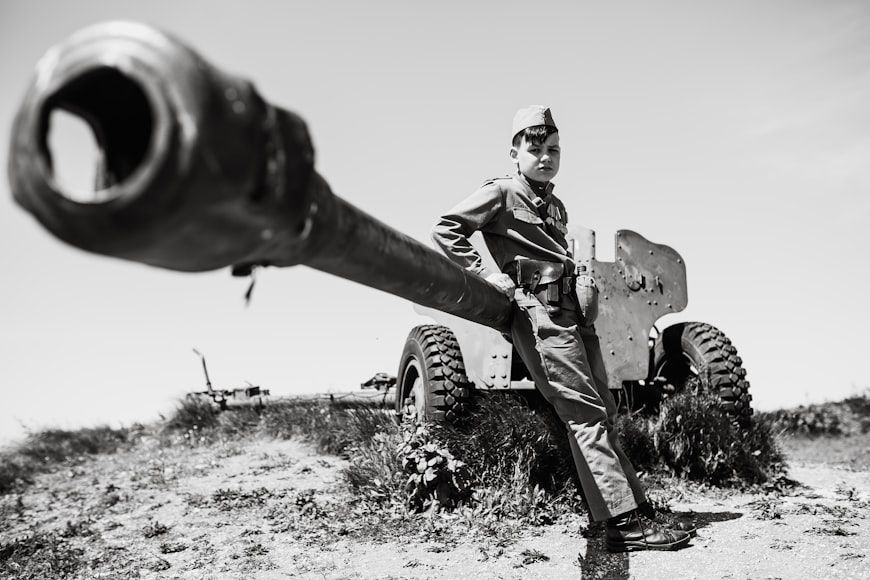

Image: Евгений Новиков

Since time immemorial, conflict and the urgent necessities of war have driven rapid innovation. Many everyday products trace their origins back to military needs. From wristwatches to instant coffee, items that once kept soldiers alive, efficient, or comfortable now fill our kitchens, closets, and offices. Here are 10 objects with surprisingly martial origins.

1

Nylon

Image: Paul Bright

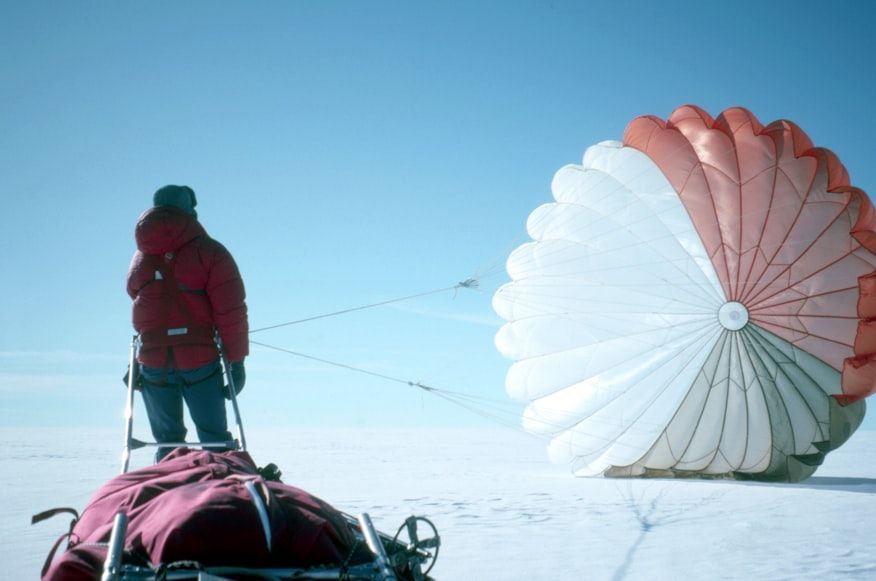
Now a ubiquitous fabric present in everything from clothes to carpets, nylon debuted in WWII as a replacement for scarce silk in parachutes, ropes, and tire cords.

Its lightweight durability made it indispensable for military supplies. After the war, nylon quickly transitioned into civilian life, with stockings becoming its first big hit.

2

Zippers

Image: Marcus Urbenz

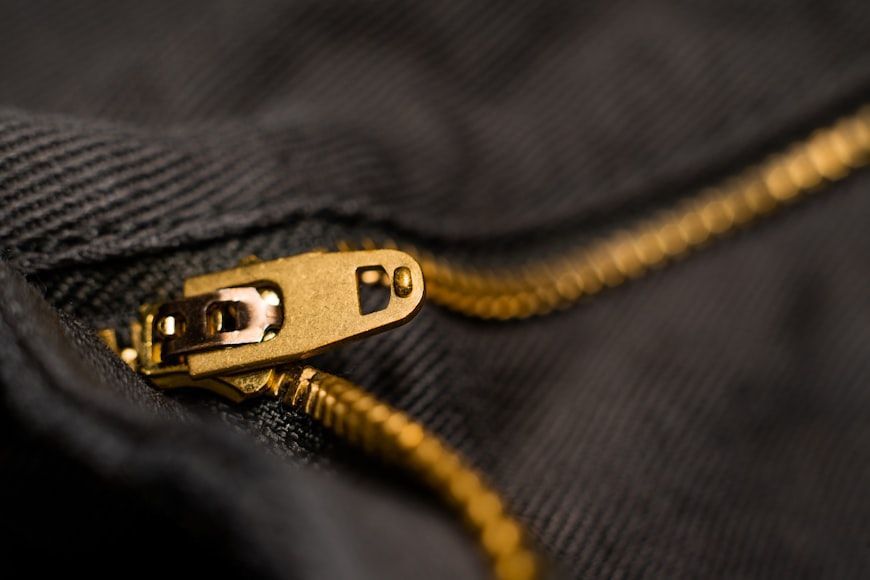
First patented in the late 19th century, zippers gained traction during WWI as fasteners for military uniforms and gear. Buttons proved slower and less reliable under battlefield conditions, making zippers a more efficient choice.

The military’s adoption helped standardize their use, and after the war, zippers spread rapidly into civilian clothing, luggage, and countless household items.

3

Canned Food

Image: Calle Macarone

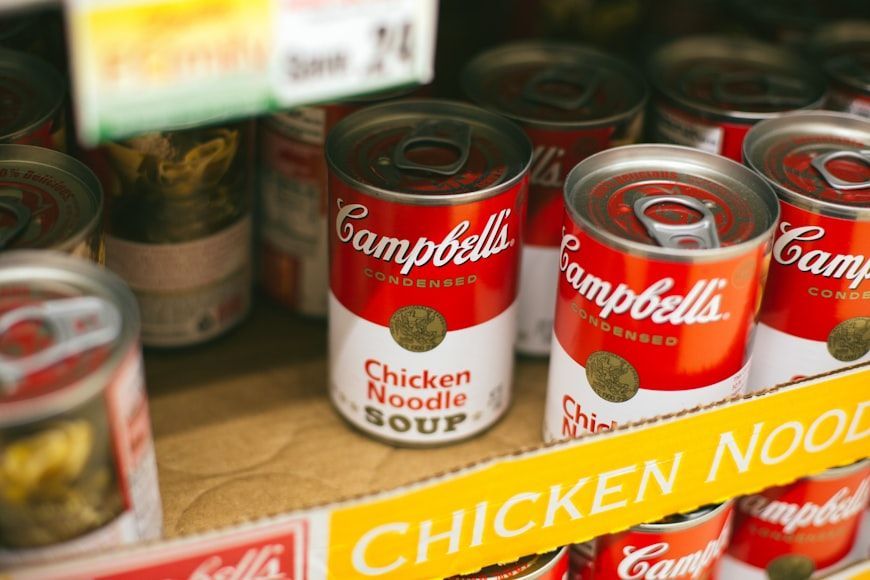
In 1795, Napoleon offered a prize for a food preservation method that could feed his armies on long marches without risk of spoilage.

Nicolas Appert, a French confectioner, spent 15 years experimenting before developing a process of sealing food in glass jars and heating them to sterilize the contents. Appert received the prize in 1810, and before long, the technique was adapted to tin cans, which soon found their way into military rations.

4

Instant Coffee

Image: Amr Taha™

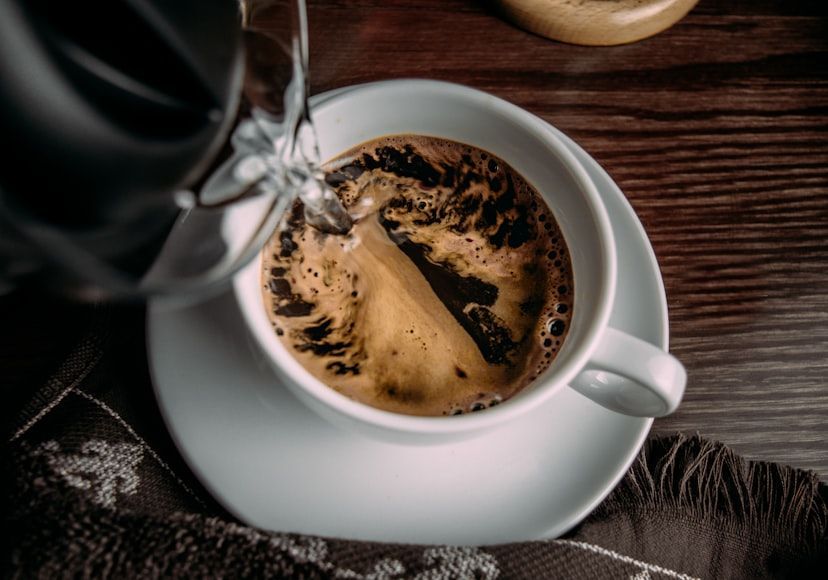
A precursor to modern instant coffee appeared during the American Civil War as a concentrated coffee, milk, and sugar mixture called Essence of Coffee. Soldiers mixed a teaspoon with hot water, but many complained it had the consistency of axle grease (yikes!).

In the decades that followed, the concept was refined, and by WWI and WWII, the U.S. military was mass-issuing instant coffee to troops for convenience and morale. Civilian popularity grew alongside military adoption.

5

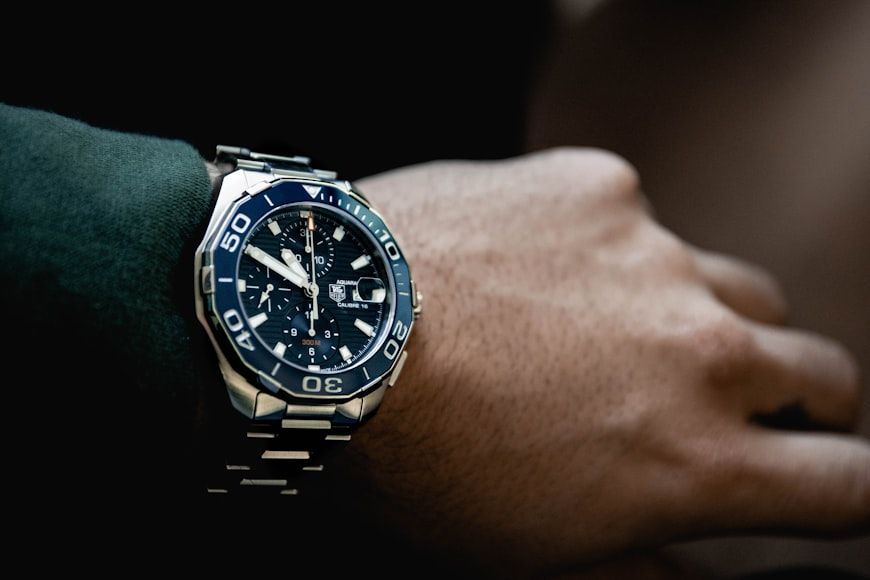
Wristwatches

Image: Bryan Angelo

During WWI, officers found pocket watches impractical during fast-paced and unpredictable combat conditions. Many soldiers began strapping them to their wrists for quick time checks, turning a personal improvisation into a battlefield necessity.

The first true wristwatches were designed specifically for this purpose, and the term "trench watch" soon became common. Surprisingly, these early designs already featured enduring innovations, such as luminous dials for nighttime visibility.

6

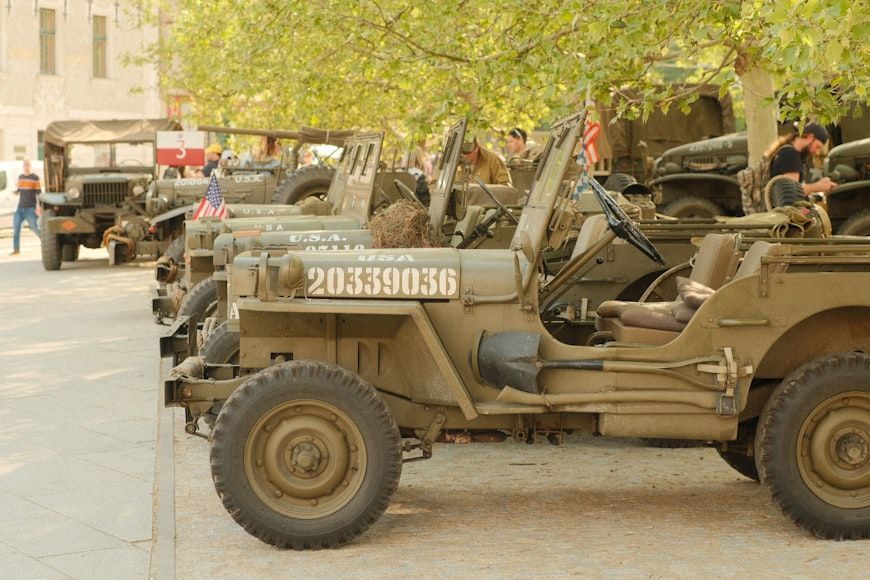
Jeeps

Image: Roman

When the U.S. entered WWII, the Army invited more than 130 companies to develop prototypes for a lightweight, four-wheel-drive reconnaissance vehicle; only Bantam and Willys-Overland responded. The resulting Willys MB "Jeep" proved rugged, versatile, and indispensable to soldiers.

After the war, surplus Jeeps hit civilian markets, sparking the off-road craze and laying the groundwork for modern SUVs.

7

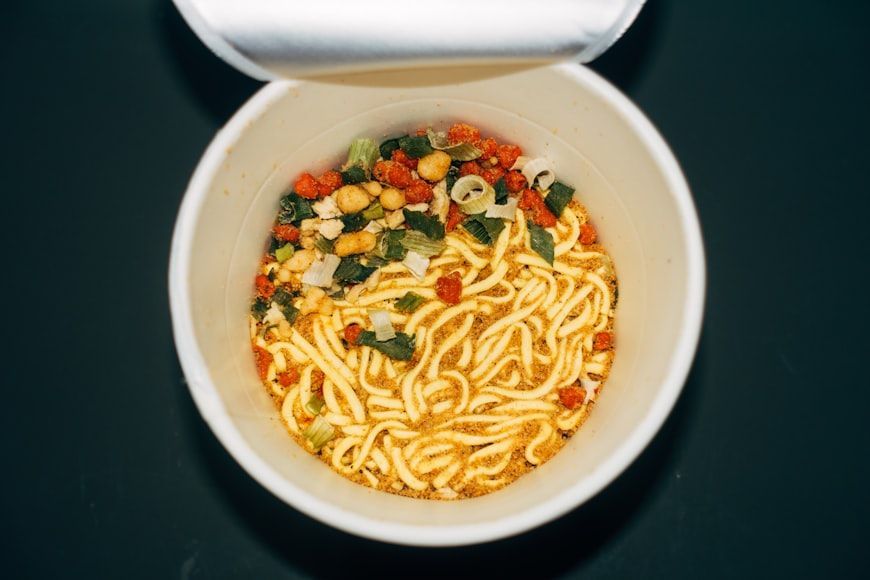
Instant Noodles

Image: Markus Winkler

Instant noodles were inspired by post-WWII food shortages in Japan. Momofuku Ando, founder of Nissin Foods, invented them in 1958 as a quick, affordable, and portable meal, ideal for a country struggling with limited food supplies.

The noodles were flash-fried to remove moisture, making them lightweight and long-lasting. The concept was influenced by military-style rations, designed for easy storage and preparation.

8

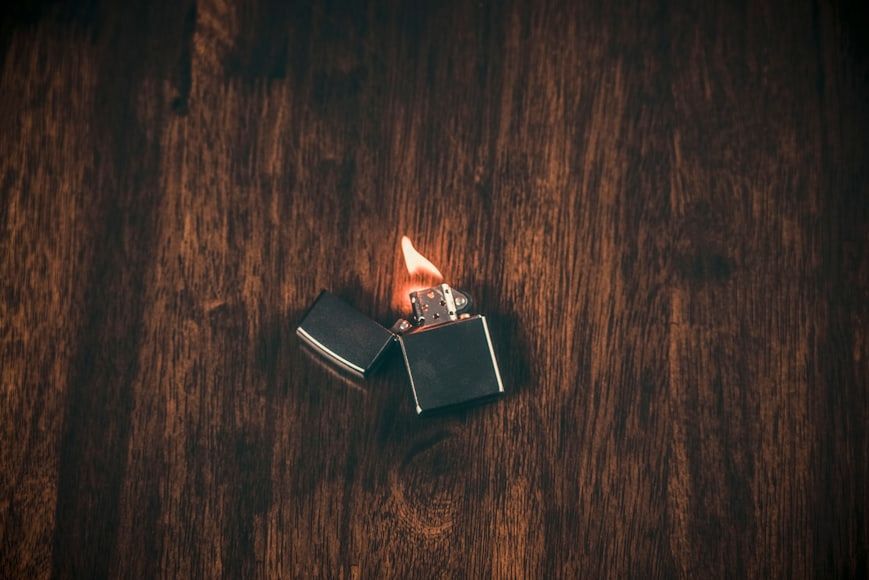
Zippo Lighters

Image: aaron boris

Zippo lighters were standard issue for U.S. troops in WWII and Vietnam, valued for their windproof flame and reliability in harsh conditions. Throughout the conflicts, the company devoted its full production capacity to meeting military demand.

Afterward, the iconic design and dependability spoke for themselves, turning Zippos into a pop culture symbol of ruggedness among civilians.

9

Cargo Pants

Image: Lacey Raper

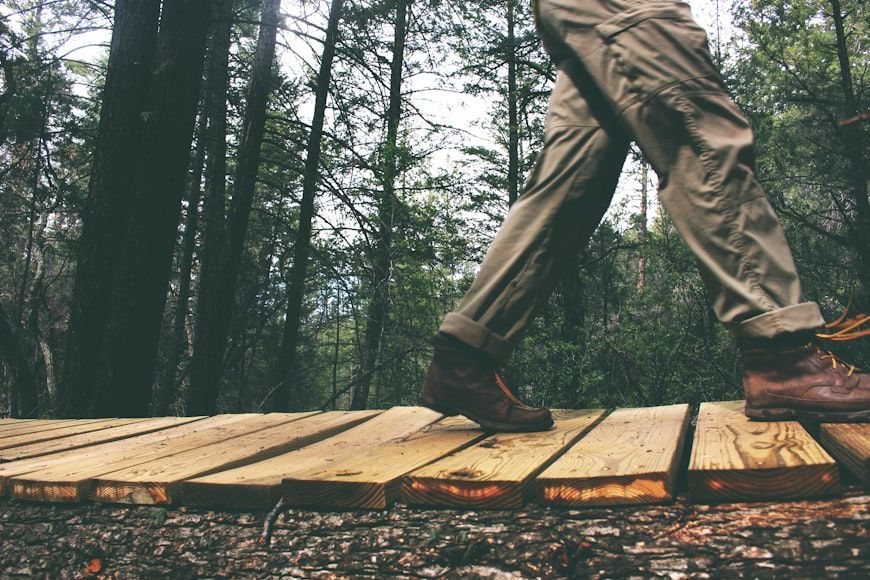
Specially designed in the 1930s for British paratroopers, cargo pants featured extra pockets for maps, ammunition, and essential supplies, allowing soldiers to carry gear hands-free during airborne operations.

The practical design proved so effective that it was widely adopted by other Allied forces throughout WWII. After the war, the durable pants transitioned into civilian life as reliable workwear for laborers, hikers, and adventurers.

10

Freeze-Dried Food

Image: Devin Rajaram

While freeze-drying, or lyophilization, has been known for centuries—the Inca were freeze-drying potatoes as early as the 13th century—it wasn’t until WWII that a commercially viable process was developed.

The military needed a way to preserve blood plasma and penicillin for soldiers in harsh battlefield conditions, where refrigeration was a rare luxury. This demand drove the development of modern freeze-drying techniques, which are still used today for food, medicine, and scientific materials.


When sports got weird and unpredictable

10 funny and odd moments in sports history


Published on March 17, 2026


Image: Mick Haupt

Sports are supposed to be about athletic excellence, nail-biting competition, and moments of glory. But sometimes, the most memorable moments are the ones that leave us laughing, scratching our heads, or wondering whether we really saw what we think we saw. From wardrobe malfunctions to unexpected animal invasions, these 10 moments prove that sports can be just as entertaining when things go hilariously wrong.

1

The Fog Bowl (1988)

Image: Adham Ragab

Picture this: you're watching a playoff game between the Chicago Bears and Philadelphia Eagles, and suddenly you can't see anything. Not because your TV is broken, but because the field has disappeared into a thick blanket of fog. The 1988 NFC Divisional Playoff became known as the "Fog Bowl" when dense fog rolled into Soldier Field, making it nearly impossible for players, coaches, or fans to see what was happening.

The broadcasters were reduced to guessing what was going on, and viewers at home had a better view than the 65,000 fans who paid to be there. The Bears won 20-12, though no one could really see how.

2

Randy Johnson Explodes a Bird (2001)

Image: Ragib Huda

Randy Johnson was known as "The Big Unit" for his intimidating 6'10" frame and blazing fastball. But on March 24, 2001, he became known for something entirely different: killing a bird mid-flight with a pitch. During a spring training game against the San Francisco Giants, Johnson wound up and released a fastball just as a dove flew across the plate. The result was an explosion of feathers that left everyone stunned.

3

The Butt Fumble (2012)

Image: Muyuan Ma

The Butt Fumble was performed by New York Jets quarterback Mark Sanchez on Thanksgiving Day in 2012. Facing the New England Patriots, Sanchez took the snap, tried to run forward, and crashed directly into his own offensive lineman's backside, fumbling the ball in the process. The Patriots scooped it up and ran it back for a touchdown.

4

Disco Demolition Night (1979)

Image: Eric Krull

On July 12, 1979, the Chicago White Sox hosted "Disco Demolition Night" between games of a doubleheader. The promotion invited fans to bring disco records to be blown up on the field in exchange for discounted admission. Radio DJ Steve Dahl hyped up the event, and way more people showed up than expected.

After the first game, Dahl detonated a crate of disco records in center field, creating a massive explosion. Thousands of fans then stormed the field, tearing up chunks of grass, stealing bases, and causing widespread damage.

5

Wrong Way Riegels (1929 Rose Bowl)

Image: Mark Stuckey

Roy Riegels earned an unfortunate nickname that followed him for the rest of his life: "Wrong Way Riegels." During the 1929 Rose Bowl, played between California and Georgia Tech, Riegels scooped up a fumble and took off running—unfortunately, he ran 69 yards in the wrong direction toward his own end zone. His teammate, Benny Lom, chased him down the field, screaming for him to stop, finally tackling him at the one-yard line.

6

The Hand of God (1986)

Image: Carmen Laezza

Diego Maradona was one of soccer's greatest players, but one of his most famous goals was also his most controversial. During the 1986 World Cup quarterfinal match between Argentina and England, Maradona jumped for a ball in the box and punched it into the net with his hand. The referee didn't see it and allowed the goal to stand, despite furious protests from the English team.

After the game, Maradona claimed the goal was scored "a little with the head of Maradona and a little with the hand of God," which is how it earned its nickname. Argentina went on to win the match 2-1 and eventually won the World Cup.

7

Malice at the Palace (2004)

Image: JC Gellidon

The brawl between the Indiana Pacers and Detroit Pistons on November 19, 2004, was not just a fight; it was a full-scale riot that spilled into the stands. It began with a hard foul and escalated when Ron Artest (later known as Metta World Peace) lay down on the scorer’s table. A fan threw a cup of beer at him, prompting Artest to charge into the stands and throw punches at spectators.

Other players followed, and chaos erupted with fans and players fighting throughout the arena. The fallout was severe: Artest was suspended for the rest of the season (86 games), and eight other players received suspensions totaling 146 games.

8

The Immaculate Reception (1972)

Image: Riley McCullough

In a 1972 playoff game between the Pittsburgh Steelers and Oakland Raiders, Steelers quarterback Terry Bradshaw threw a desperation pass with 22 seconds left. The ball ricocheted off either Raiders safety Jack Tatum or Steelers receiver Frenchy Fuqua—no one's quite sure which—and bounced backward. Steelers running back Franco Harris scooped the ball just before it hit the ground and ran it in for a touchdown, giving Pittsburgh a stunning 13-7 victory.

9

Streaker Tackles Rugby Ref (2002)

Image: Nicholas Green

Streakers are nothing new in sports, but one particularly ambitious individual took things to a new level during a 2002 rugby match in Australia. A naked man sprinted onto the field during a match between the Sharks and the Roosters, evading security guards with surprising athleticism. But instead of just running around, he decided to tackle referee Bill Harrigan, bringing him to the ground in what may be the only naked tackle in professional sports history.

10

Jim Marshall's Wrong Way Run (1964)

Image: Carol Highsmith's America

Before Jim Marshall, there was Wrong Way Riegels—but Marshall's infamous mistake is the one etched into NFL blooper history. During a 1964 game between the Minnesota Vikings and the San Francisco 49ers, the defensive end scooped up a fumble and ran 66 yards—straight into the wrong end zone. Marshall threw the ball out of bounds in celebration, giving the 49ers a safety. His teammate Carl Eller tried to chase him down to tell him he was going the wrong way, but couldn't catch him.

Looking for an extra scoop of literary fun?

Learn more with our Word of the day

alter

/ˈɔltər/