Proverbial challenge
From apples to inches: This game might teach you a thing or two!
Published on February 14, 2026
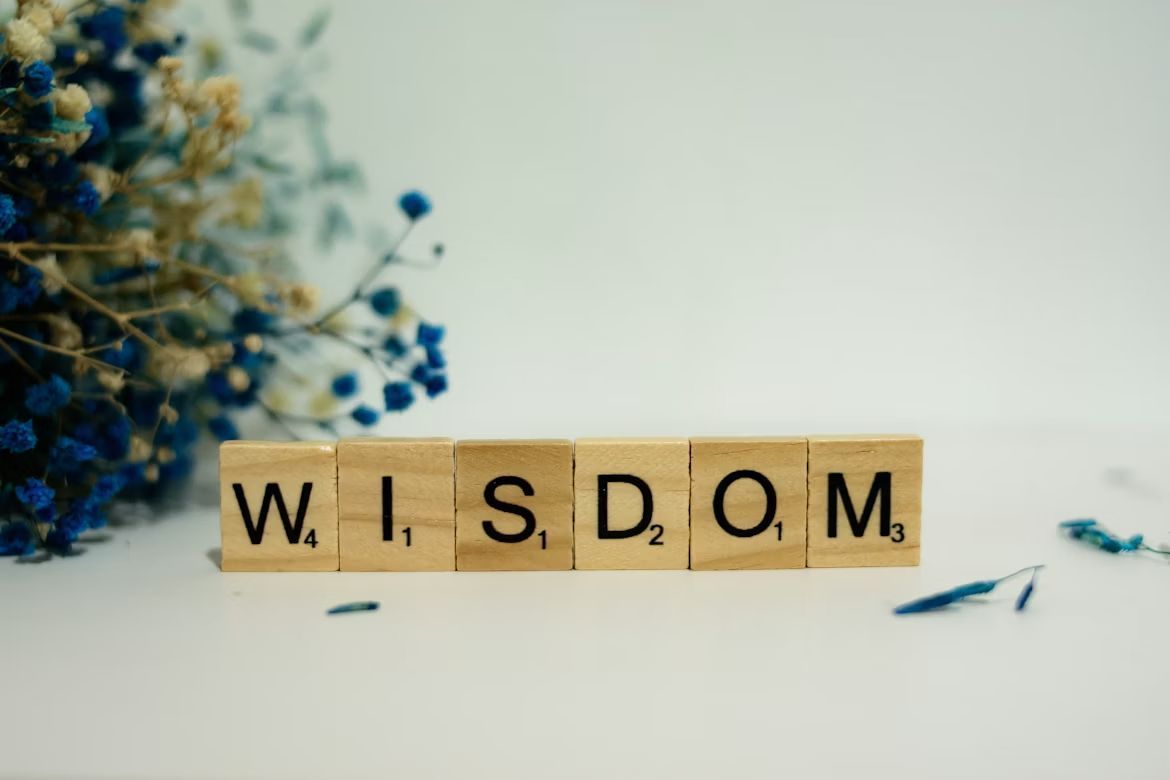 Image: Alex Shute
Wisdom comes in many shapes and sizes. Maybe it was a piece of advice a friend gave you, or that class at college you never forgot. Today, we have a game for you: wisdom in the shape of proverbs. How many do you know? Do you know what they mean? Read the first five sections to see the context, and try to guess the proverb. In the final sections, we’ll give out the answers. Ready for a challenge? Keep reading and see!
The apple doesn’t…
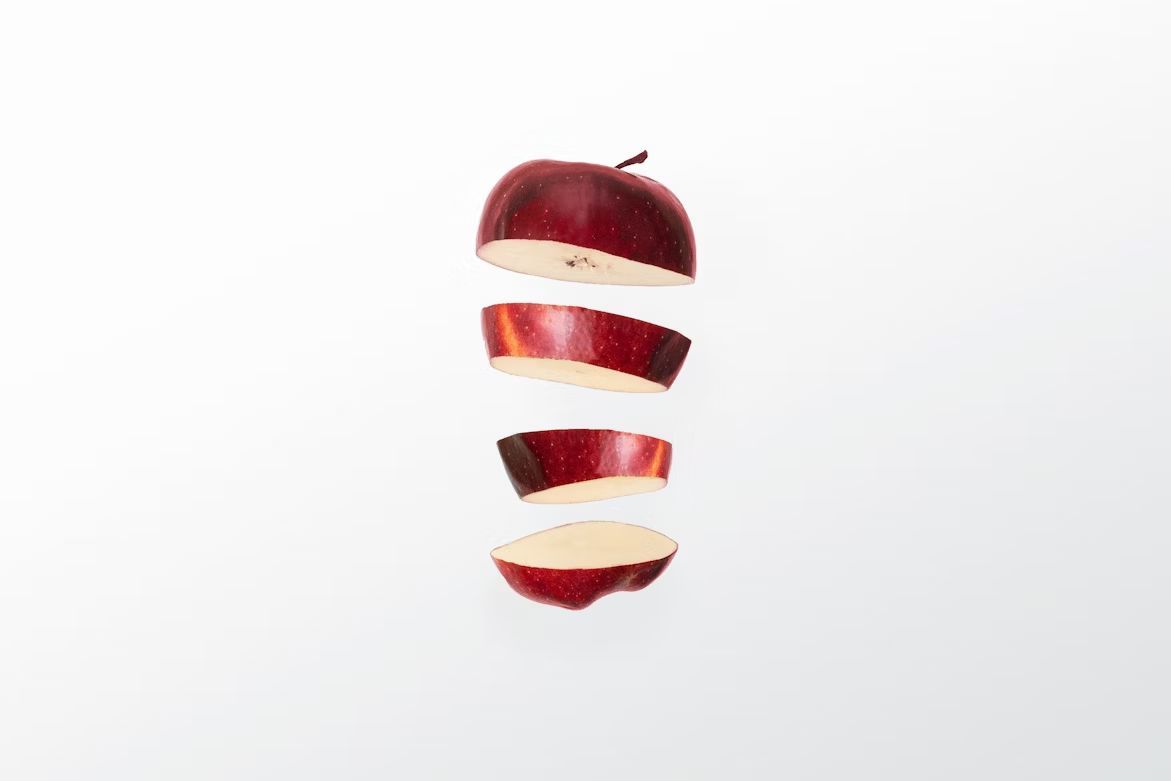 Image: Nikolai Chernichenko
We don’t only inherit our hair color; we also inherit behavior, gestures, and ways of talking, even. This proverb is used when those similarities are too big to hide! Good or bad, the attitude that you copy from a parent makes people go: "Well, you know, the apple doesn’t…"
Give someone an inch…
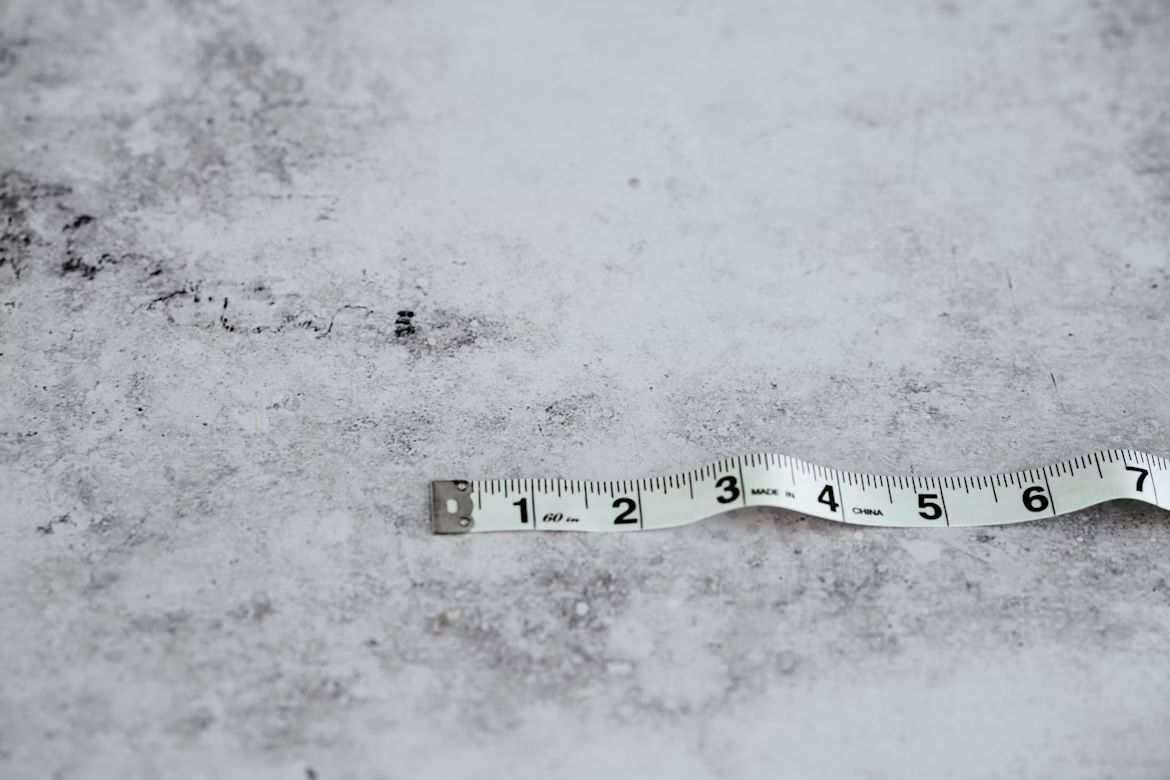 Image: Annie Spratt
Who hasn’t done a small favor for a friend or family member? Our days are full of good deeds, and they make us proud, right? Well, the problem comes when a simple favor turns into a bigger ask, and then an even bigger one. That friendly neighbor who asked for a tool first, but then asked you to fix the whole fence, you gave them an inch… What’s next?
Absence makes the heart…
 Image: Christian GAFENESCH
Goodbyes are hard, there’s no denying that! But you know that some time apart from that special someone can really help you understand how you feel and, most times, you’ll learn you really love that person and wish they were right next to you again. How does absence make the heart feel?
No news is…
 Image: Quino Al
Picture yourself in your house, looking at the phone, hoping to hear it ring with the bad news you know is coming your way. But time passes by, the phone never rings, and so you start feeling calmer and calmer. You just wait, hope for the best, and remind yourself that no news is…
Where there’s a will…
 Image: sporlab
Everyone hits rough patches. We’ve all been there, right? However, some people seem to strive right through them with nothing but determination. The confidence is high and there’s a certainty that if you want something badly enough, you’ll get it, no matter how hard it is to do so. After all, you know, where there’s a will…
Fall far from the tree
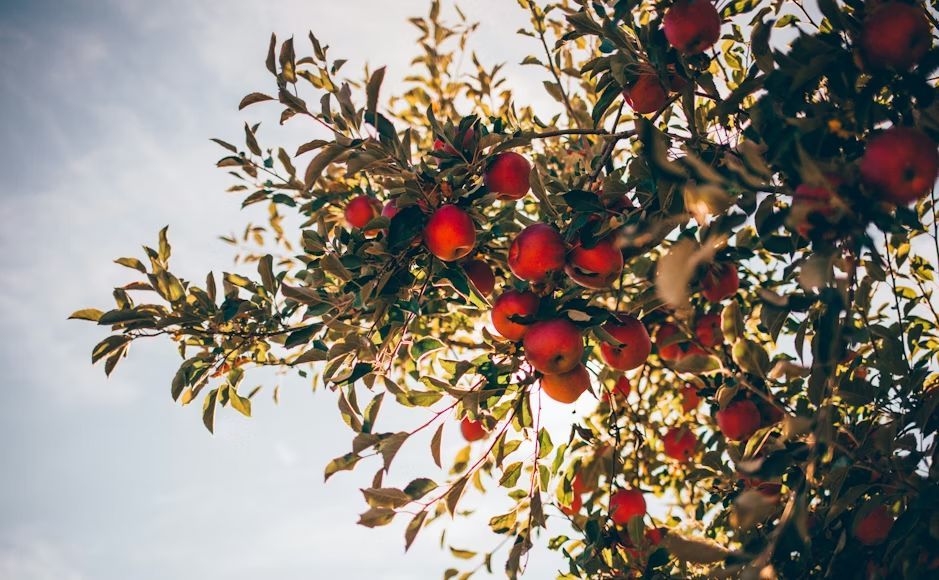 Image: Nathan Hulsey
That’s right, and Newton knew it! (LOL) All jokes aside, the proverb is the best way to say we are pretty similar to the people who raised us. How could we not? As long as it refers to good traits, cheers to that!
And they’ll take a mile
 Image: Malachi Brooks
Oh, that neighbor! You can ask for a tool, but that’s that! This proverb highlights the difference between asking for a small favor and taking advantage of someone else! An inch is an inch, and that’s what you should ask for!
Grow fonder
 Image: Priscilla Du Preez 🇨🇦
Distance and absence are what really show us how we feel about people. It’s not necessarily fair, but time apart can make feelings grow stronger. In the end, real connections are what matter, regardless of the distance!
Good news
 Image: Vitaly Gariev
Stop waiting for the phone to ring. If it doesn’t, you know it’s because there’s nothing to say. And sometimes, that’s the best news you can get! Great proverb to help us deal with anxiety today, huh?
There’s a way
 Image: sporlab
You could use the word "resilient," or you can put this great proverb to use! In any case, if you have it in you, if you really want it, you’ll find a solution to your problems!