Howdy, partner!
From “Well met” to “Hi”: Learn 10 historic greetings
Published on January 13, 2026
 Credit: Hanri Meades
If you’ve ever found yourself awkwardly wondering how to greet someone, you’re not alone. The way Americans say "hello" has evolved over the centuries, shifting from stiff, almost royal phrases to today’s casual "yo" or even an emoji. Take a look at how greetings have evolved from the bowing and tipping hats era to the casual texting most of us use today.
Good morrow
 Credit: Brett Wharton
An archaic greeting that was perfectly normal a couple of centuries ago, "good morrow" was used in the same sense as good morning. The word "morrow" was used as a synonym for morning.
Well met!
 Credit: Scott May
This expression dates back to the medieval period, when it was used as a friendly greeting. It comes from the idea of "good to meet you," with meet carrying its older sense of "fitting" or "suitable" for a given situation.
Handshakes
 Credit: Chris Liverani
Quite possibly the most globally recognized greeting, the handshake symbolizes trust and equality. In Ancient Greece, it was used to show that neither person was armed.
Today, handshakes are ubiquitous in professional and diplomatic settings around the world, with small cultural variations in their execution.
What ho!
 Credit: Johann Walter Bantz
An old equivalent of "What’s up?", this expression is now encountered more often in P. G. Wodehouse novels than in everyday life. Cheerful and slightly old-fashioned, "What ho!" was a common greeting in the early 20th century.
Bowing
 Credit: Alicia Christin Gerald
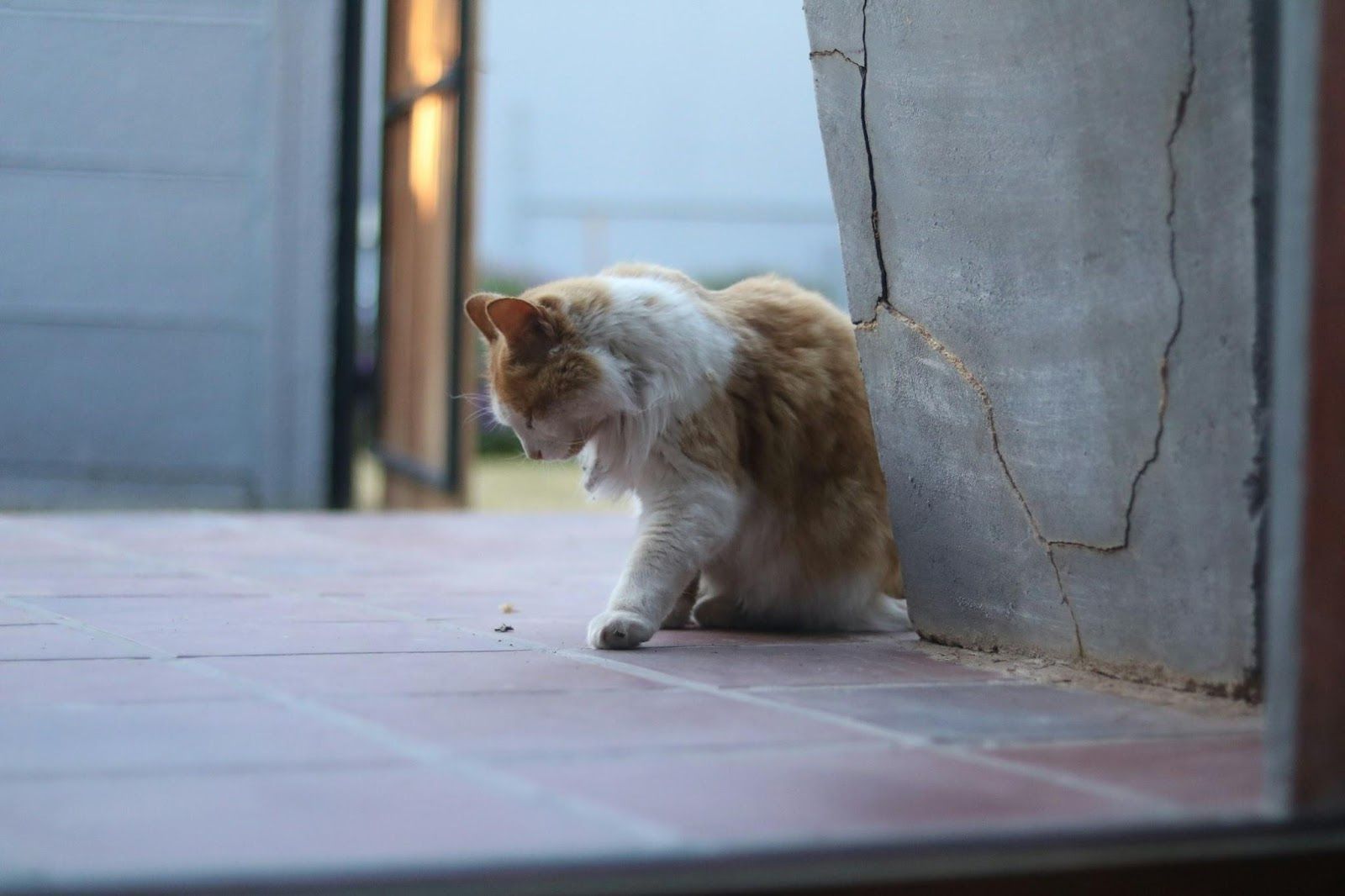
A solemn greeting mostly used in East Asian cultures, bowing is especially significant in Japan, Korea, and parts of China. It signifies humility and respect. In Japan, a lower bow indicates a higher level of respect, while a quick nod is more casual.
How’s tricks?
 Credit: Nick Monica
This curious phrase may derive either from the nautical sense of trick ("a turn at duty") or from the card game term trick. Once considered a rough or rustic expression—more suited to sailors and common folk—it simply meant "How are you doing?"
Air kiss
 Credit: Jennifer Kalenberg
An air kiss is a greeting where cheeks touch lightly, but lips do not. It is common in many parts of Europe and Latin America. In France, the number of kisses varies by region, with anywhere from two to four being customary, while in Spain and Italy, two is the norm.
Howdy
 Credit: Taylor Brandon
What sounds like a cowboy greeting to many of us is, in fact, a portmanteau—a word formed by combining and shortening other words. In this case, it comes from "How Do You Do." The expression is meant to inquire about someone’s health.
Hello
 Credit: Chris Boland
One of the most common greetings in the English language, "hello," has been in use since the early 1800s.
According to the Oxford English Dictionary, it is a variation of "hallo," which originates from the Old High German term halâ, originally used to hail a ferryman.
Hi
 Credit: Kristina Paparo
Although more associated with modern times, this greeting has been in use since the mid-1800s. It was originally used to attract attention, rather than to greet someone, but it eventually acquired the meaning used today.