One fragment at a time
From Tarzan to pirates, these famous novels were serial stories first
Published on August 20, 2026
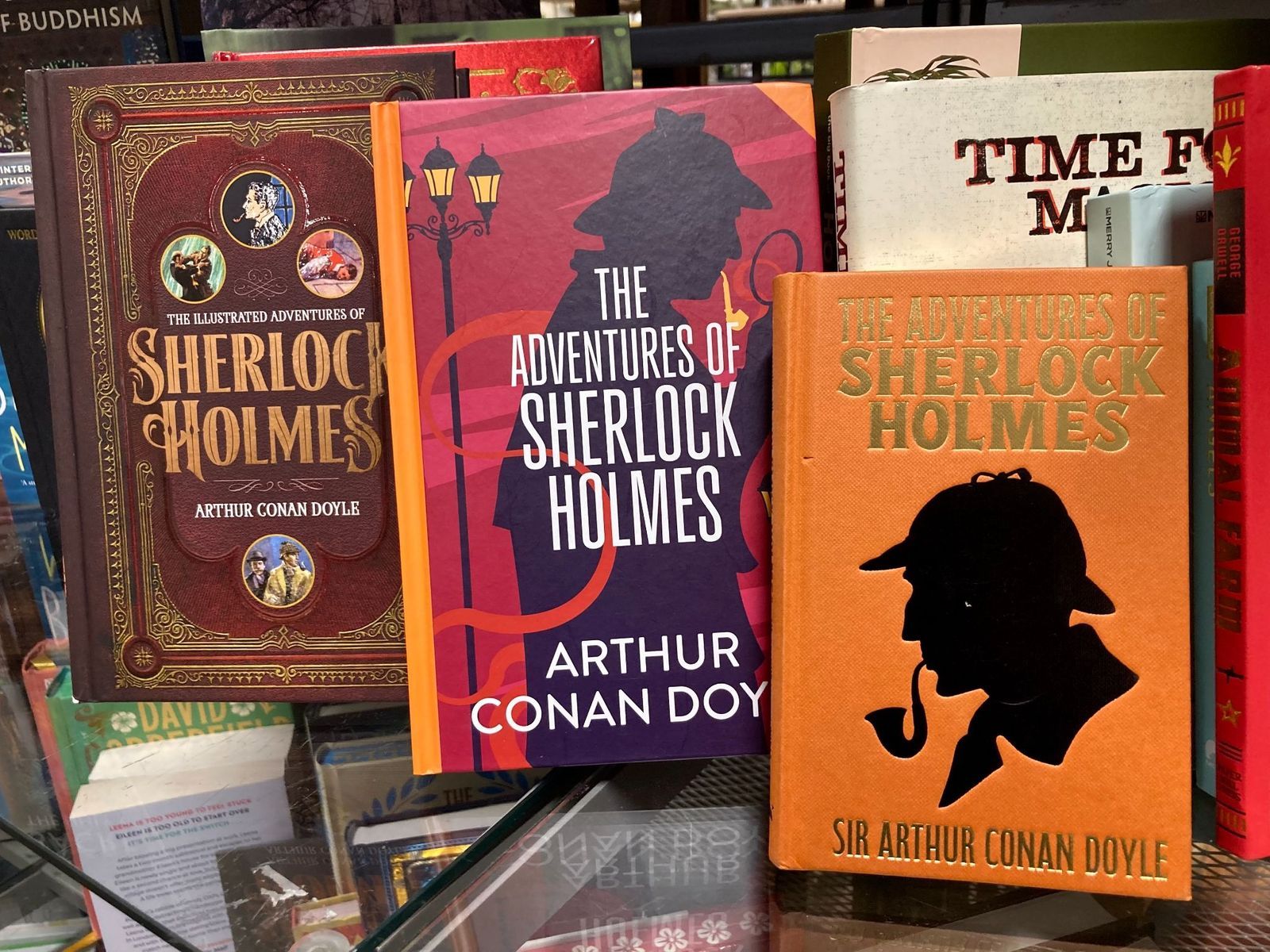
Back in the day, fiction wasn’t pre-ordered online and launched in bookstores with shiny, colorful covers. Instead, many of the titles we call literature classics were first printed in cheap paper magazines that flocks of readers returned weekly or monthly to: That was the only way to know how Sherlock Holmes solved complicated mysteries, or whether Jim Hawkins survived the pirates in Treasure Island. Here are 10 stories behind novels that made audiences fall in love, one chapter at a time.
Treasure Island, by Robert Louis Stevenson
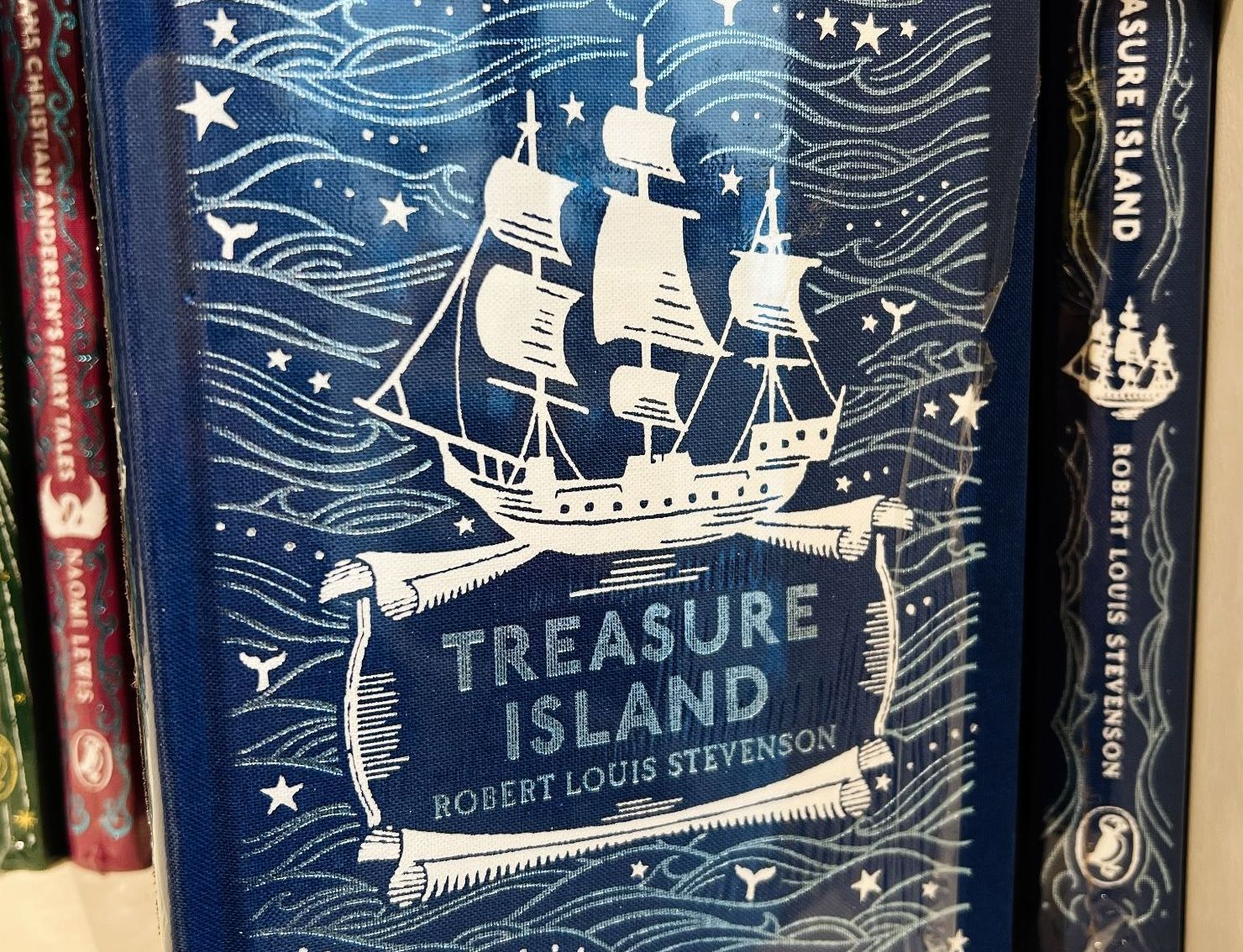
The book that hooked young readers with the pirates’ genre flopped initially. When Robert Louis Stevenson's tale of seafarers and buried gold began running in the children's weekly Young Folks in 1881, it didn’t garner many fans. The story was printed under the pseudonym "Captain George North," and went out in seventeen installments spread across four months.
Even Stevenson's own wife, Fanny, disliked it enough that she argued against its ever becoming a book. But Stevenson pressed on and wrote a famous introduction charmingly defending the genre. The book was published by Cassell & Co. two years later, this time under his real name. The response was immediate: a bestseller, plus the template for how the world would picture pirates ever after.
The Adventures of Sherlock Holmes, by Arthur Conan Doyle
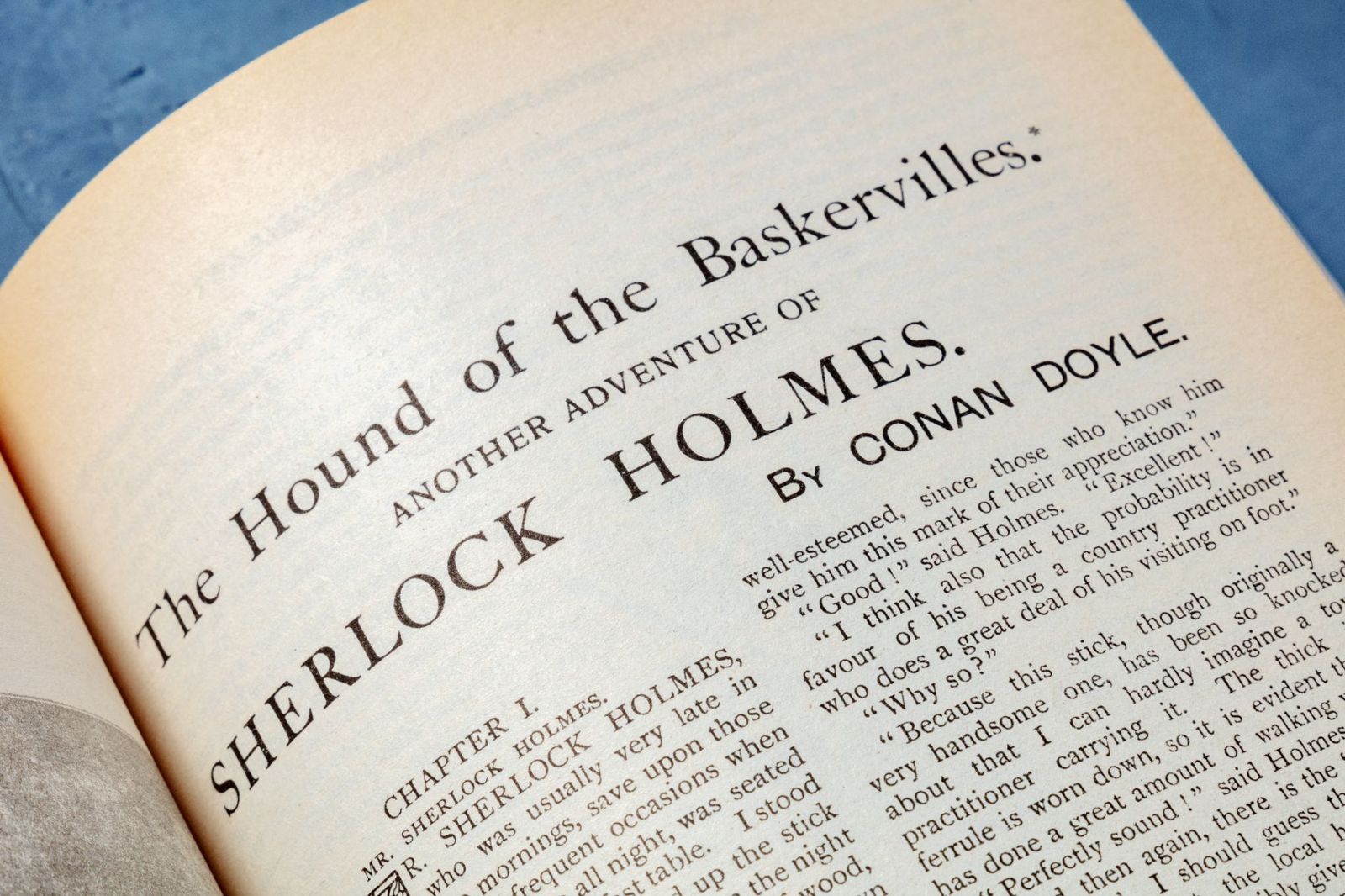
Sherlock Holmes never wore a deerstalker cap in Arthur Conan Doyle's original text. That image came from illustrator Sidney Paget, hired to accompany the twelve stories that ran monthly in The Strand Magazine from July 1891 to June 1892.
The format itself was the real innovation: rather than one long serialized novel, readers got a complete, satisfying mystery every month, always featuring the same detective and his loyal Dr. Watson.
It worked very well. Subscriptions to The Strand climbed so sharply that Doyle was able to demand a raise before writing his next batch of cases. When George Newnes published the stories together as a book later that year, Holmes was already a household name.
The Call of the Wild, by Jack London
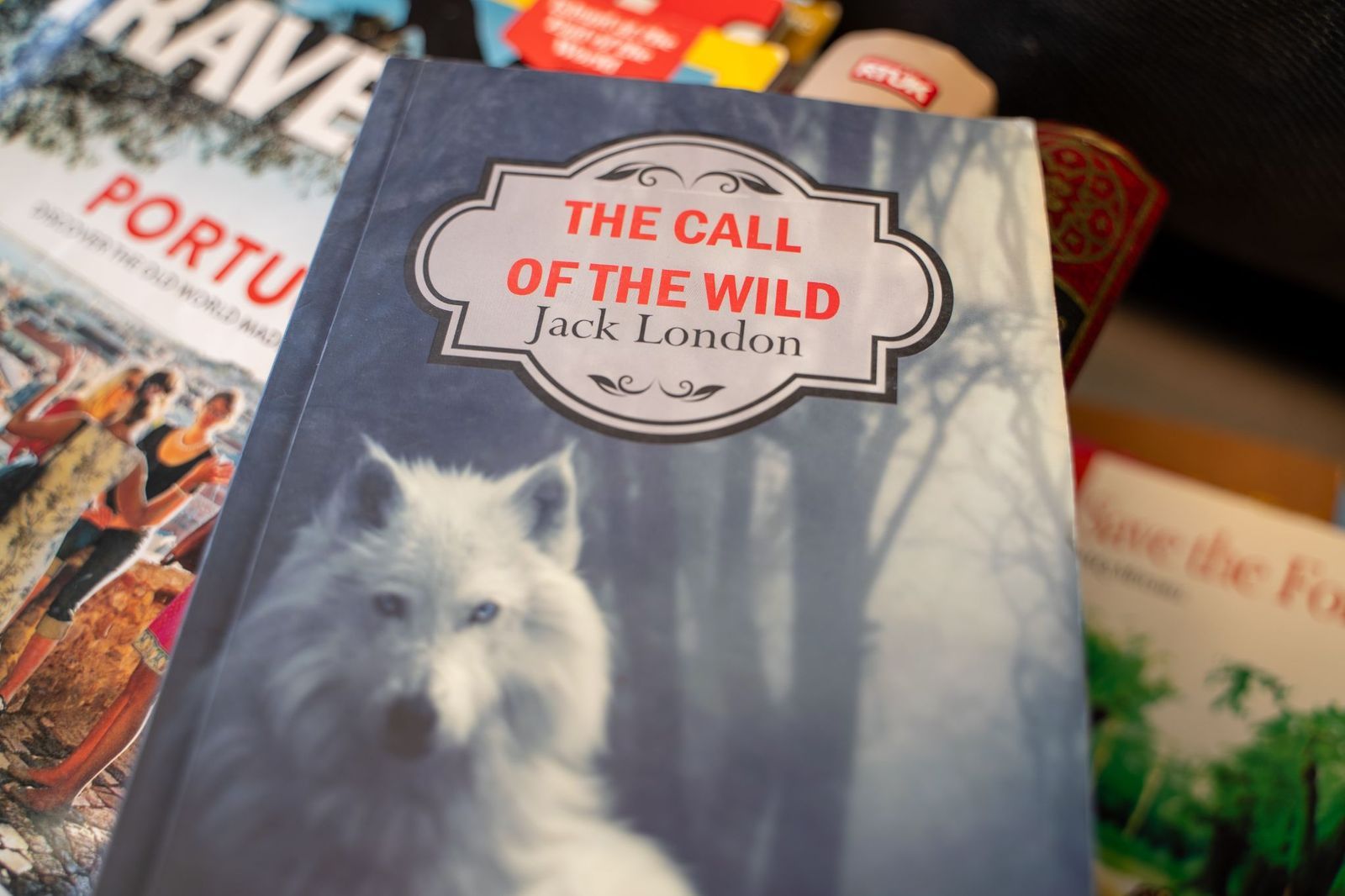
Writer Jack London needed money fast, so in January 1903 he mailed off a manuscript about a dog named Buck to The Saturday Evening Post. The idea had come from the year he had spent in the Yukon. The editor liked it, but asked London to trim five thousand words.
He agreed, priced his labor at three cents a word, and cashed a check for $750 (roughly $28,000 today). The story ran over a summer across several issues of the Post, a magazine better known for genteel fiction than tales of sled dogs clawing their way back to savagery in the Klondike. Just twenty-two days after that first payment, the Macmillan publishing house bought the book rights for $2,000 (roughly $76,000 today). When the novel appeared that August, its first printing of 10,000 copies sold out immediately.
Tarzan of the Apes, by Edgar Rice Burroughs
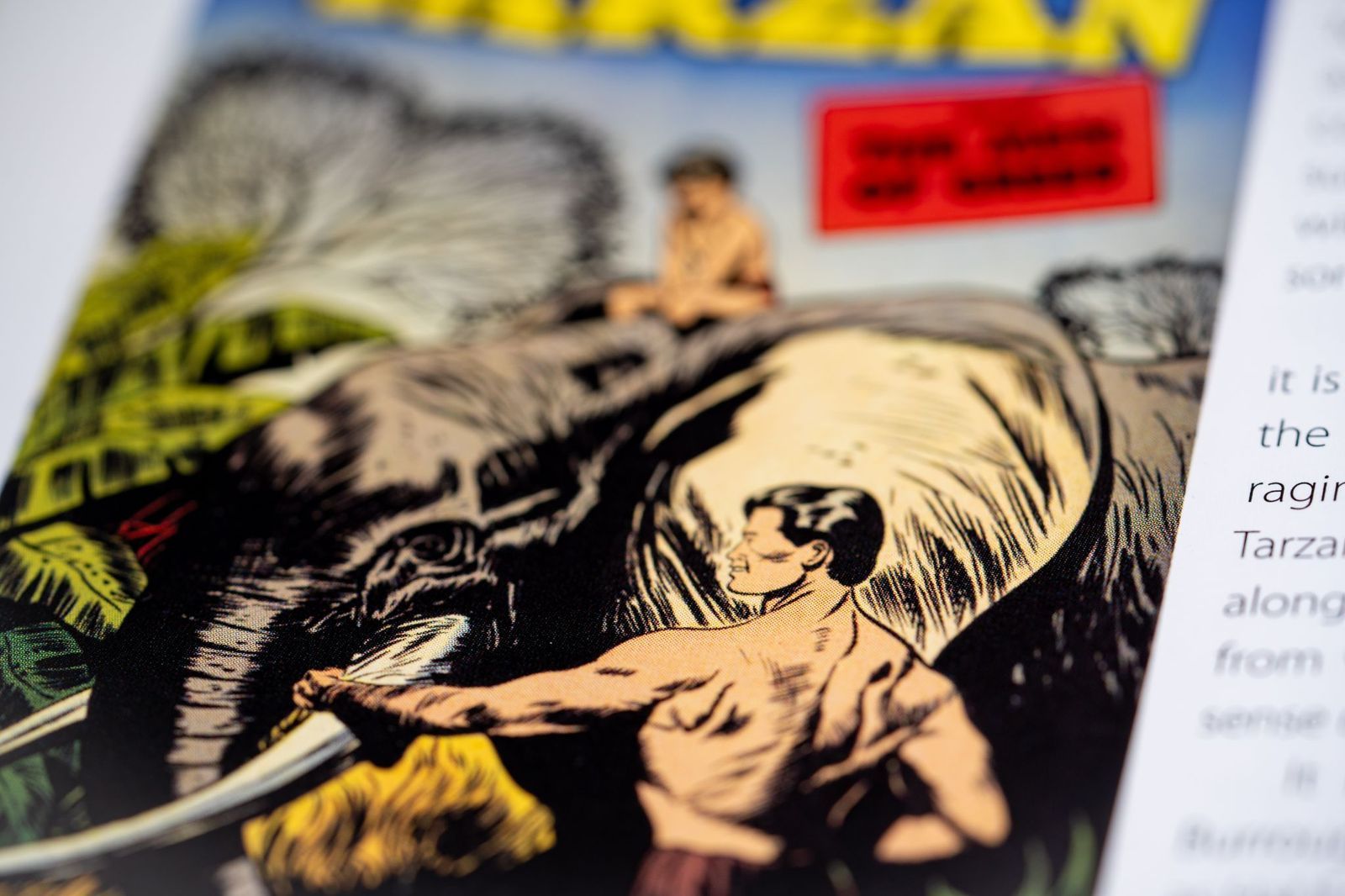
Tarzan's debut wasn't serialized the way most magazine fiction of 1912 was. Editor Thomas Metcalf ran the entire novel, uncut, in one issue of the pulp All-Story that October, an almost unheard-of gamble.
Edgar Rice Burroughs, a failed soldier and failed businessman turned struggling writer, received $700 (roughly $24,000 today) for it, enough to convince him he could write for a living. But when he brought Metcalf a sequel the following year, Metcalf turned it down, twice.
Burroughs took The Return of Tarzan to a rival pulp instead, which ran it as a conventional seven-part serial and paid him even more money than before: $1,000. Every Tarzan novel that followed stuck to that same magazine-first formula. The books didn’t arrive until 1914.
The Time Machine, by H. G. Wells
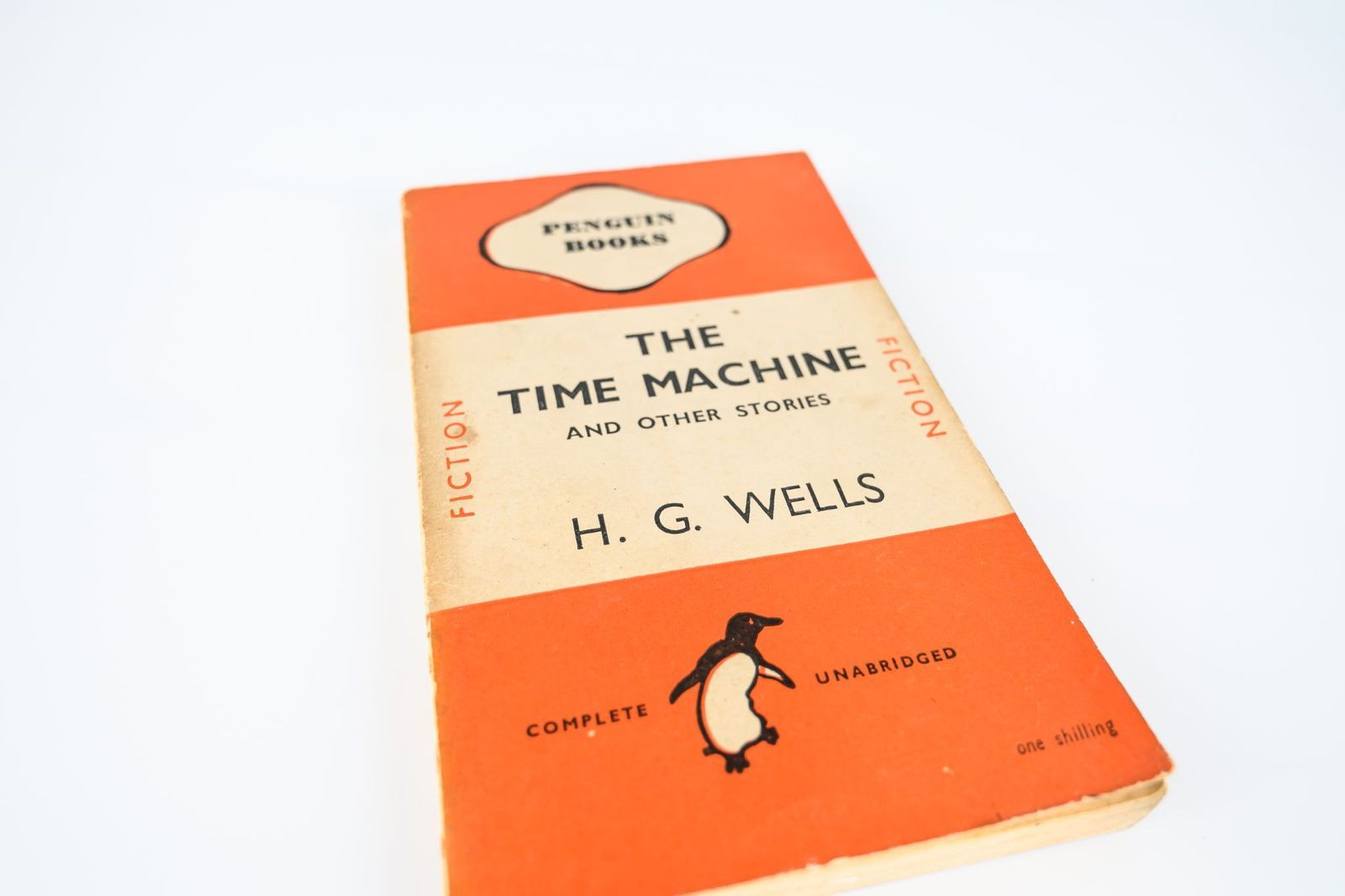
H. G. Wells spent seven years failing to get this story right. It began as a college magazine serial in 1888, and resurfaced incomplete in a newspaper called the National Observer in 1894. But it didn't find its final shape until editor William Henley asked Wells to expand it into a five-part serial. Wells agreed, was paid £100 (around $23,000 today), and watched the story run over 5 months in 1895. Readers liked it.
When book publications soon followed on both sides of the Atlantic, the American edition misprinted the author's name as "H. S. Wells," an error they had time to correct, since it has never been out of print.
The War of the Worlds, by H. G. Wells
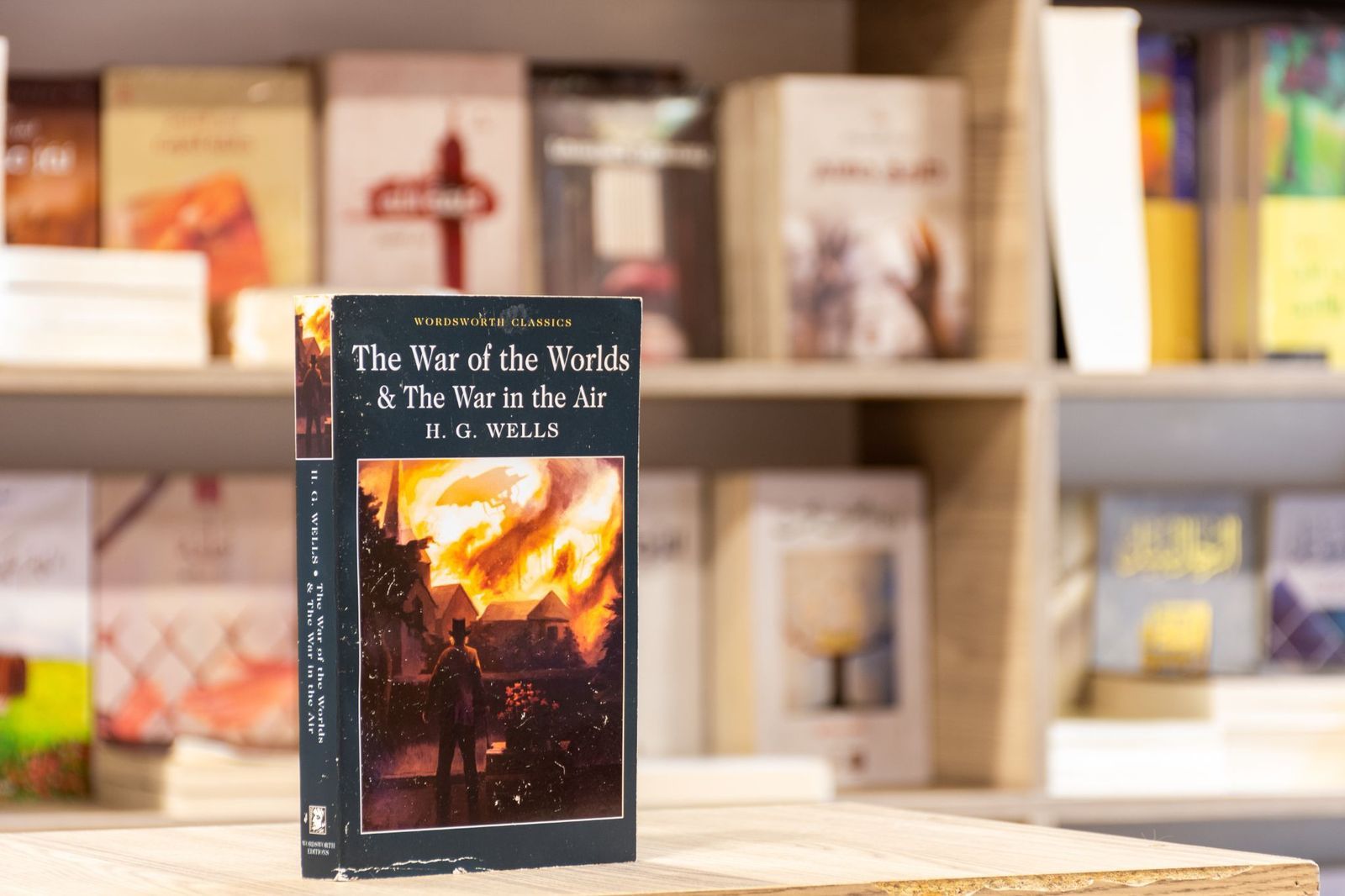
The idea of a Martian invasion was handed to H. G. Wells by his brother Frank. During a walk through the English countryside, Frank idly wondered aloud what would happen if beings from another planet suddenly dropped out of the sky. Wells took it upon himself to imagine the answer and wrote it down.
For the story, the British magazine Pearson's paid him the current equivalent of $45,200, though the editor insisted on knowing how it ended before agreeing to run it. It simultaneously ran in Cosmopolitan in America, from April to December 1897.
It proved so popular that unauthorized versions soon popped up in American newspapers, including one from William Randolph Hearst. The authorized book followed in 1898.
Uncle Tom's Cabin, by Harriet Beecher Stowe
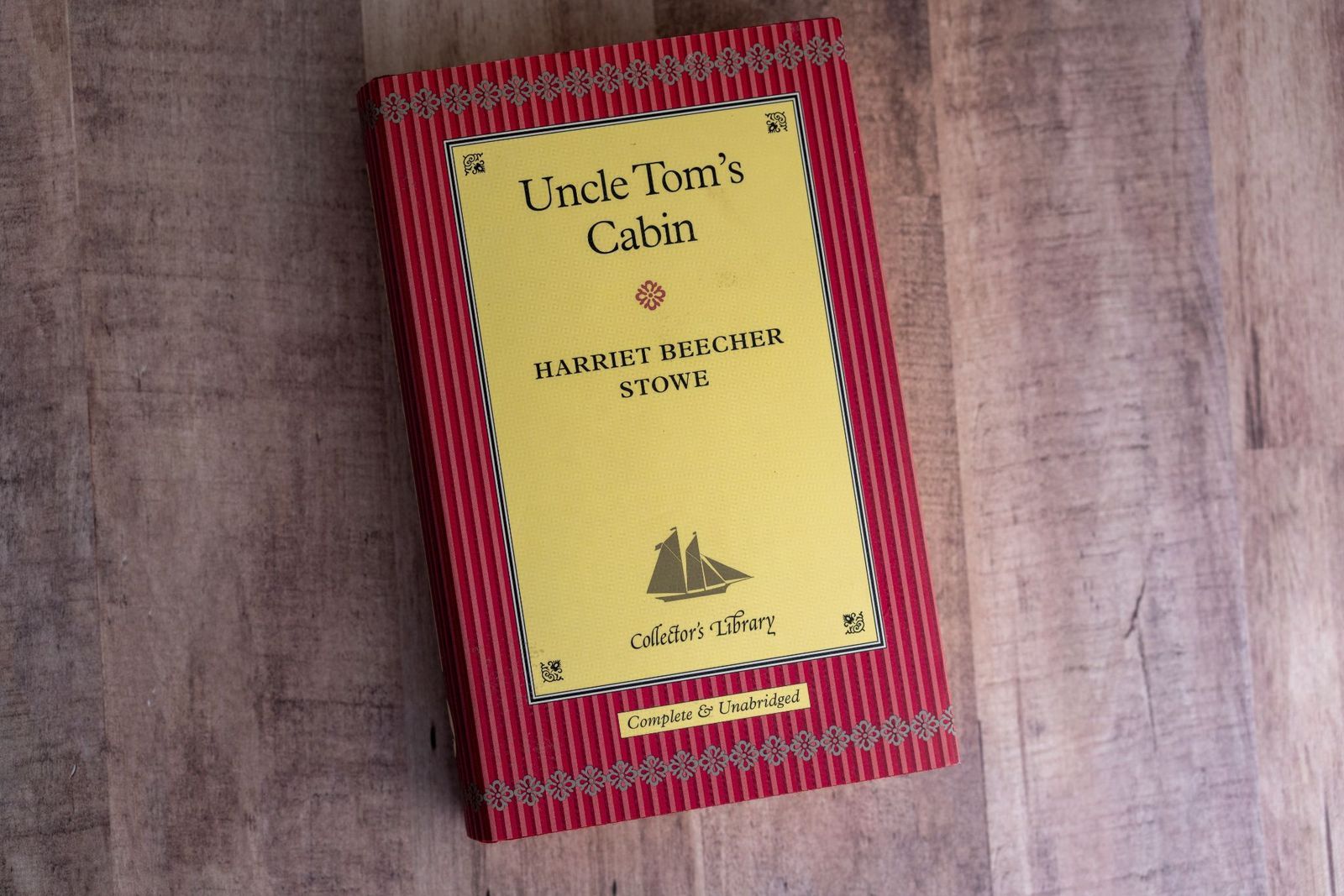
In 1851, the abolitionist newspaper The National Era paid Harriet Beecher Stowe, a 40-year-old mother of six, the equivalent of $13,000 today) for a short antislavery narrative in three parts.
She kept writing and writing. It stretched into forty weekly installments over ten months, with readers so invested that they wrote in to protest whenever she missed a week. By the time the serial ended in 1852, publisher John P. Jewett had already arranged to release it as a book.
It sold 10,000 copies in its first week alone, 300,000 within the year in the U.S., and 1.5 million more across England.
The Martian Chronicles, by Ray Bradbury
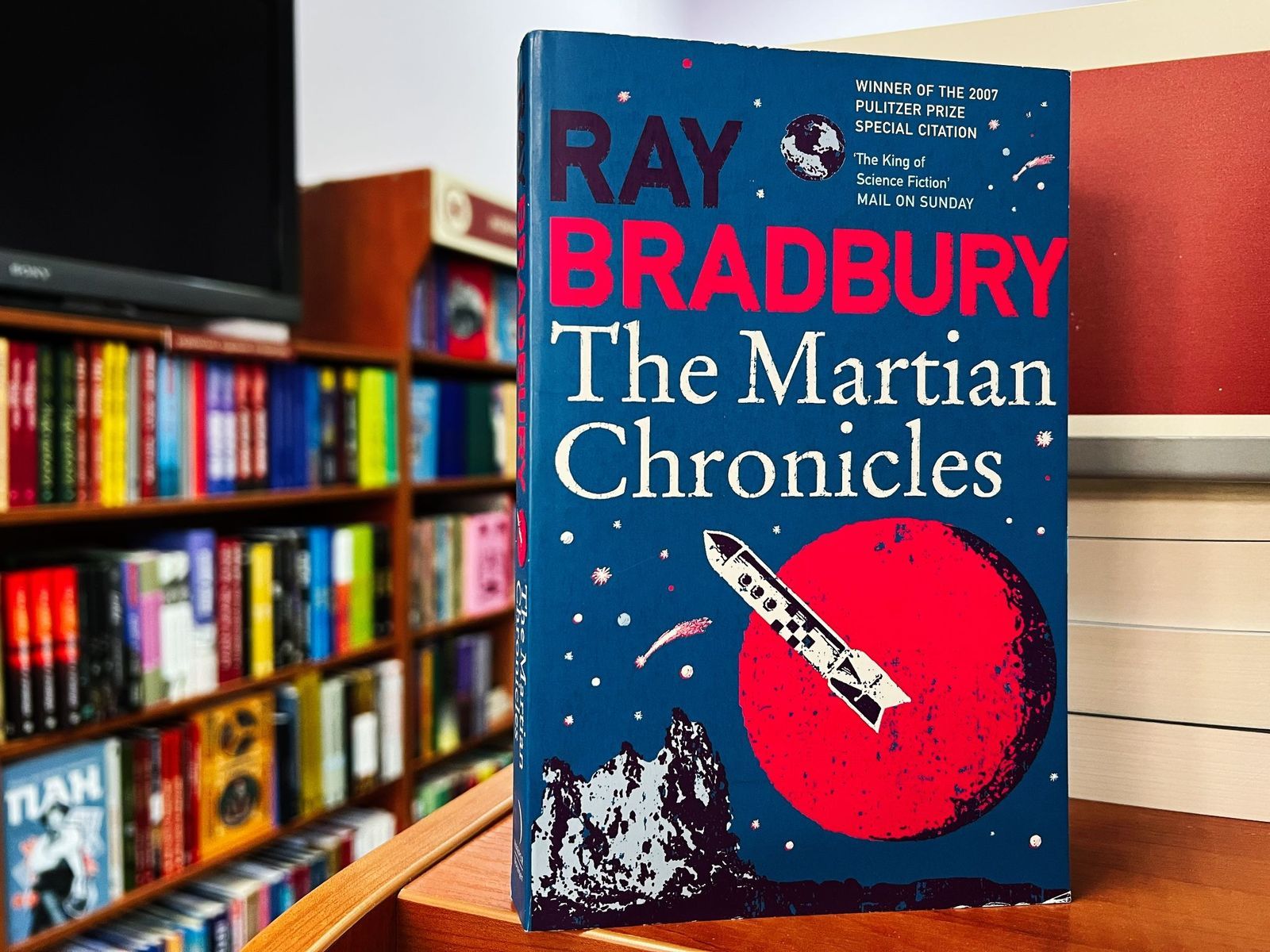
Ray Bradbury didn't set out to write The Martian Chronicles. He'd simply been publishing Mars stories in pulp magazines throughout the 1940s, one after another, with no grand plan connecting them.
Then, on his last night in New York in 1949, a Doubleday editor coincidentally named Walter Bradbury asked what he intended to do with all those Martian tales. Could they be stitched into something resembling a novel? They reached an agreement, and Walter offered Ray $750 for the Mars book (roughly $10,500 today) as part of a two-book, $1,500 deal. Bradbury went home to Los Angeles, revised his old stories, and wrote new bridging chapters inspired by Steinbeck.
Anna Karenina, by Leo Tolstoy
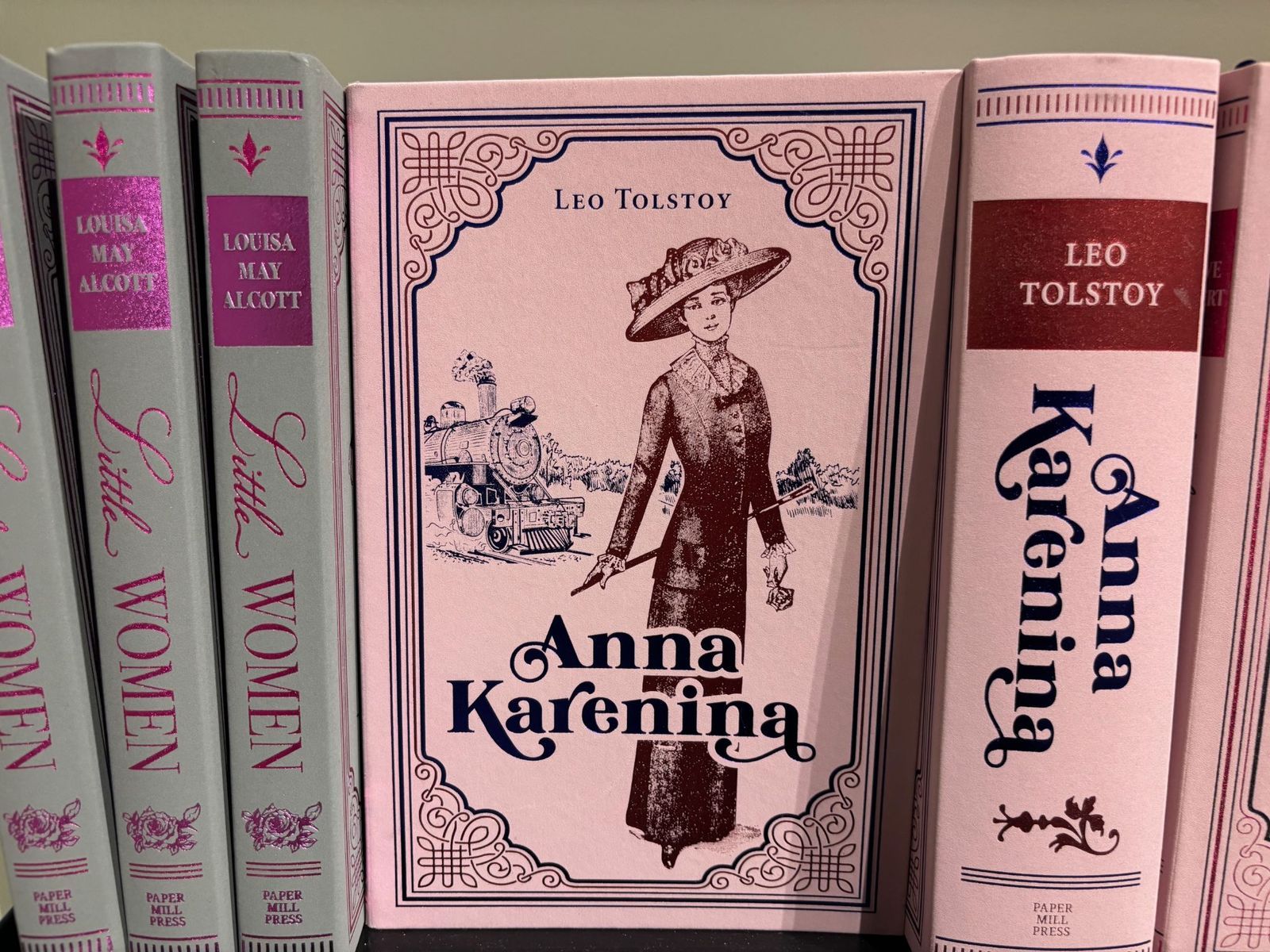
Leo Tolstoy never got to finish telling his own story, at least not in the pages where readers had been following it. Serialized in The Russian Messenger from 1875 to 1877, Anna Karenina earned Tolstoy an extraordinary sum of more than $300,000 today. That was more per printed page than rivals like Turgenev or Dostoevsky.
Then, just as the story was reaching its final chapters, editor Mikhail Katkov refused to print the eighth and last part. Tolstoy had written unflattering things about Russian volunteers rushing off to fight in the Balkans, and Katkov wanted no part of it. Tolstoy published the ending separately, as its own pamphlet, before the complete novel finally appeared as a book in 1878.
Oliver Twist, by Charles Dickens
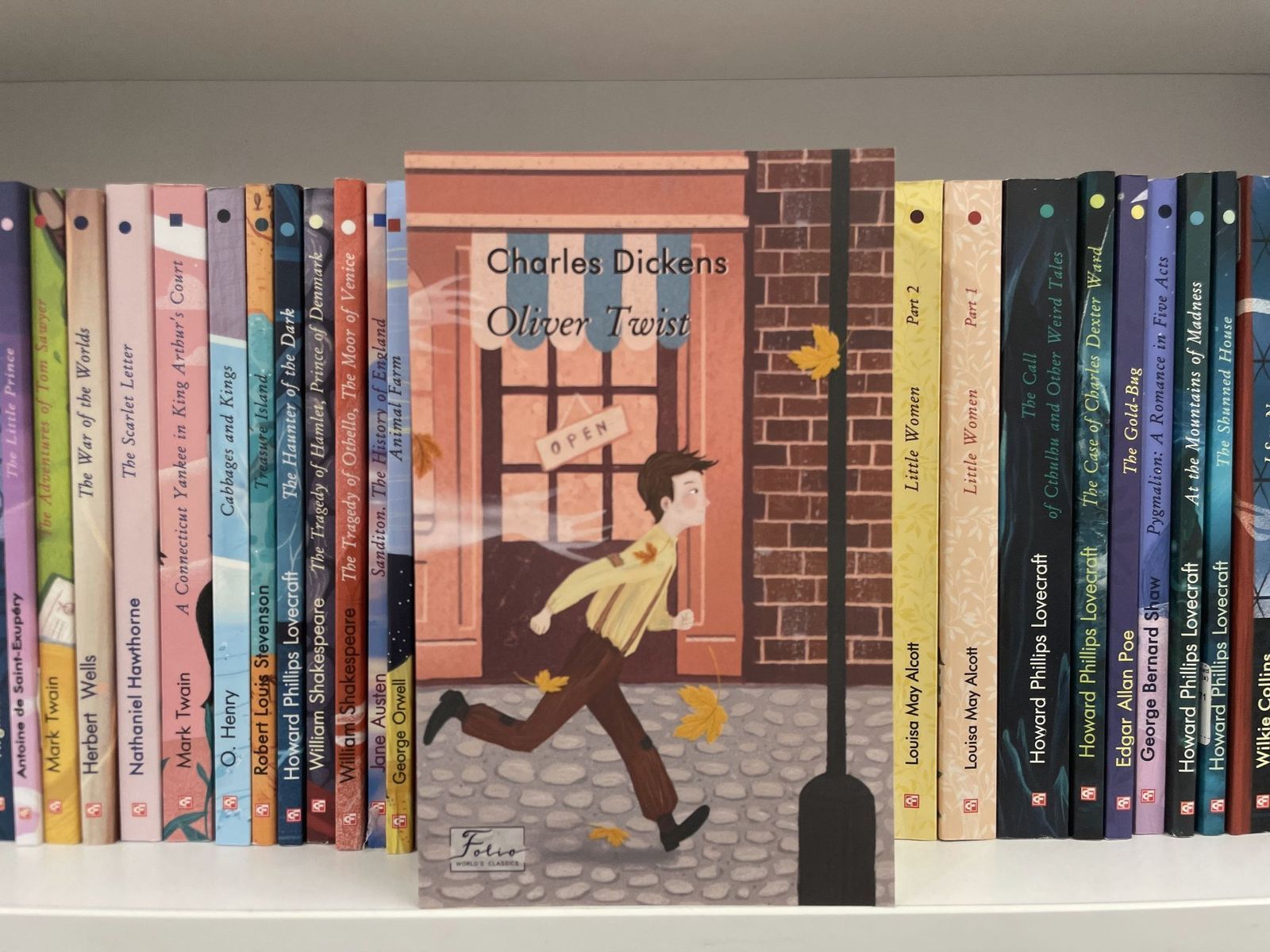
Virtually every major and minor novel by Charles Dickens was originally published in serialized form. While he was still serializing The Pickwick Papers, the book that made him famous, he was already contracted to deliver another novel entirely. Publisher Richard Bentley paid him £500 (roughly $97,400 today) for the rights to Oliver Twist, plus a monthly salary to edit Bentley's own new magazine, where the novel would run.
Between 1837 and 1839, readers got two or three chapters of Oliver's grim childhood each month, even as Dickens juggled a second serialized story on the side. Bentley published the complete novel in three volumes months before the magazine version had even finished.


